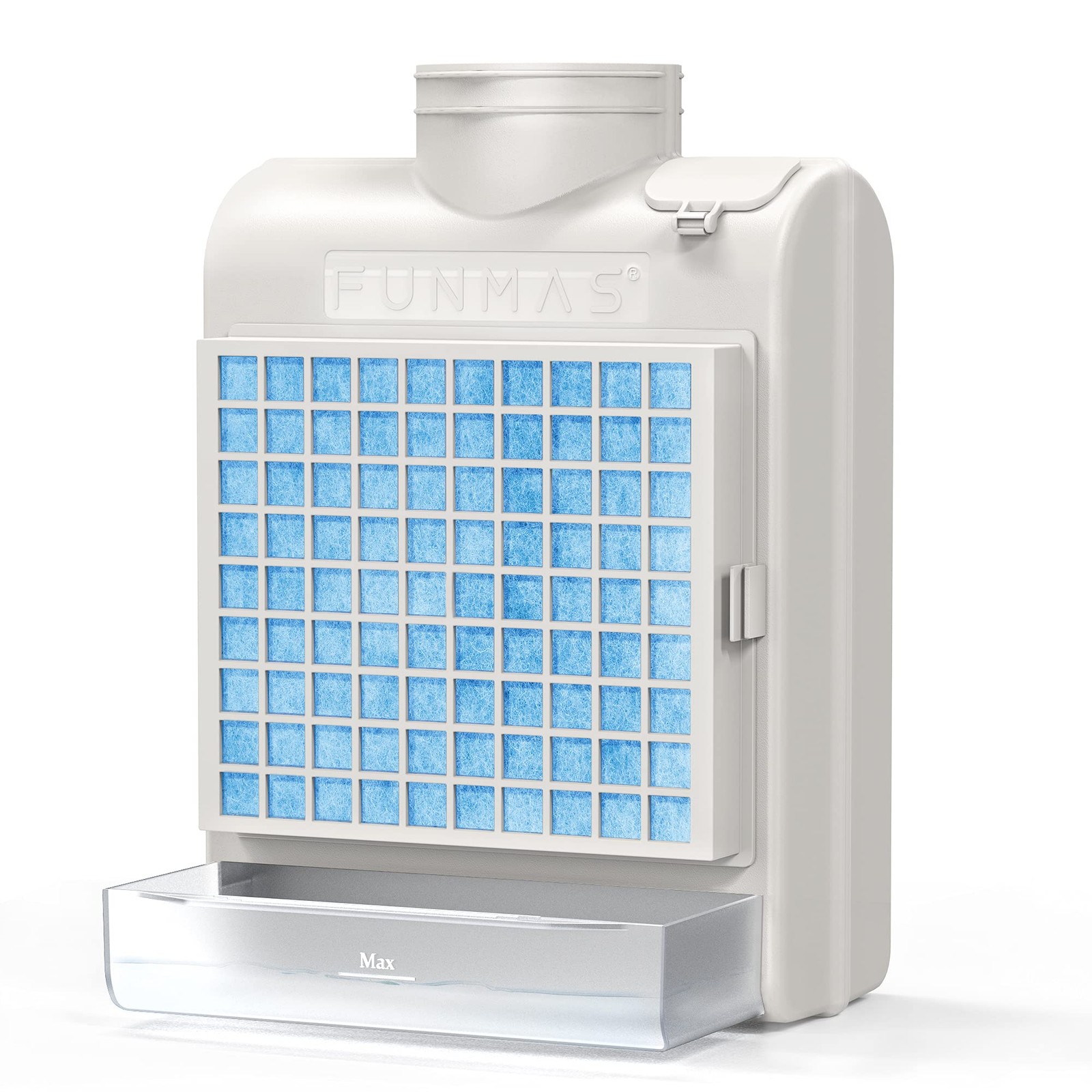

Photos from current listings. Actual item, color, and included accessories may vary.
Dryer Filter Buying Guide
Dryer filters are the lint screens and secondary vent filters that protect airflow, efficiency, and fire safety in tumble dryers. The critical trade-off is mesh construction and housing fit: coarse polyester screens clog fast and shed fibers, while fine stainless-steel or dual-layer mesh maintains CFM and captures micro-lint. Buy a filter sized to your exact drum/vent aperture with a rigid frame and fine mesh; skip universal trim-to-fit polyester sheets for daily use.
At a glance
- Category
- Laundry & Garment Care
- Last updated
- Nov 22, 2026
Current offers
Highlights
- Mesh grade determines capture efficiency: standard polyester window-screen (~20x20 weave) passes fine lint, while stainless-steel or dual-layer 40+ mesh captures sub-100-micron particles.
- Frame rigidity matters: molded ABS or metal-framed filters hold tension and seal edges, whereas flexible polyester inserts sag and let lint bypass into the duct.
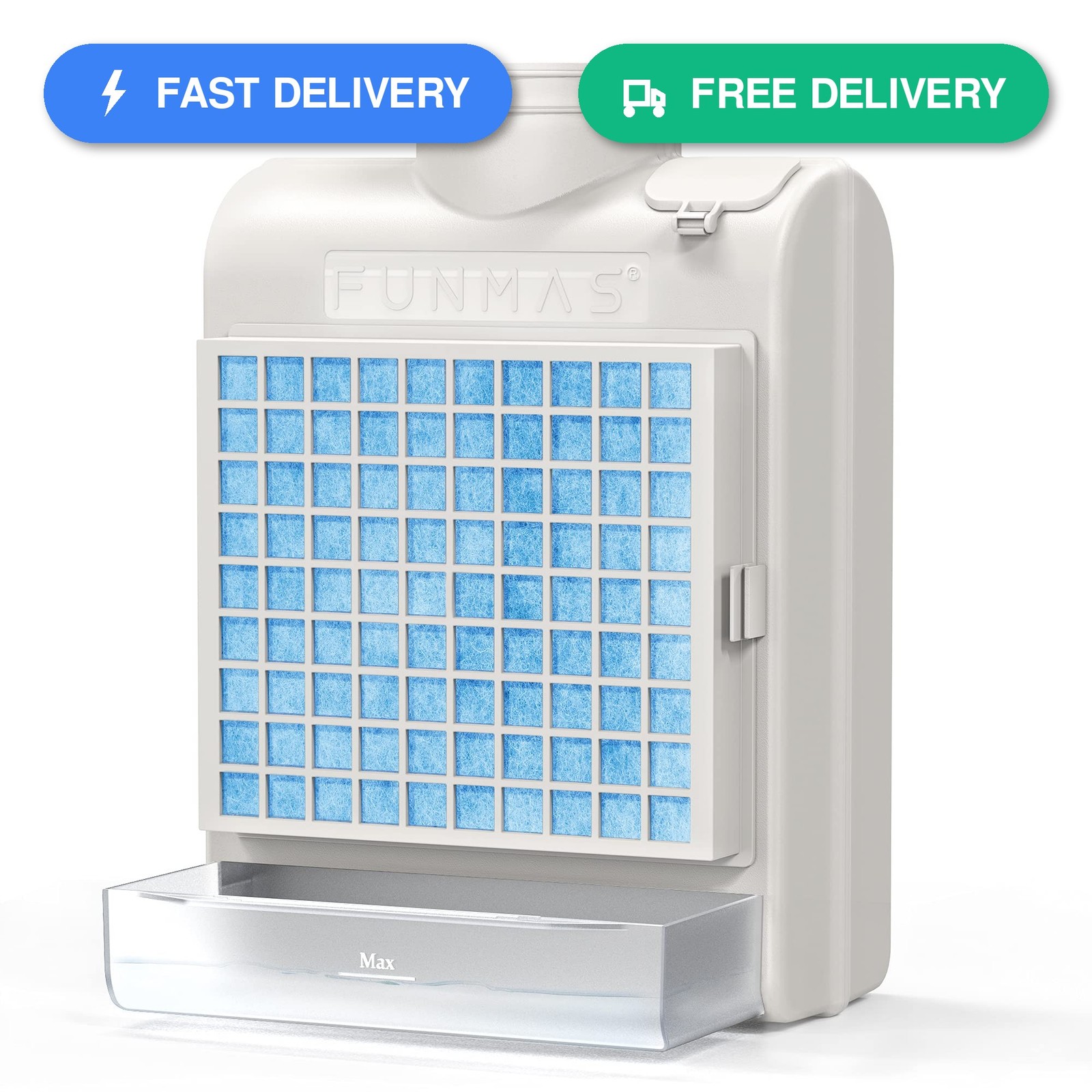
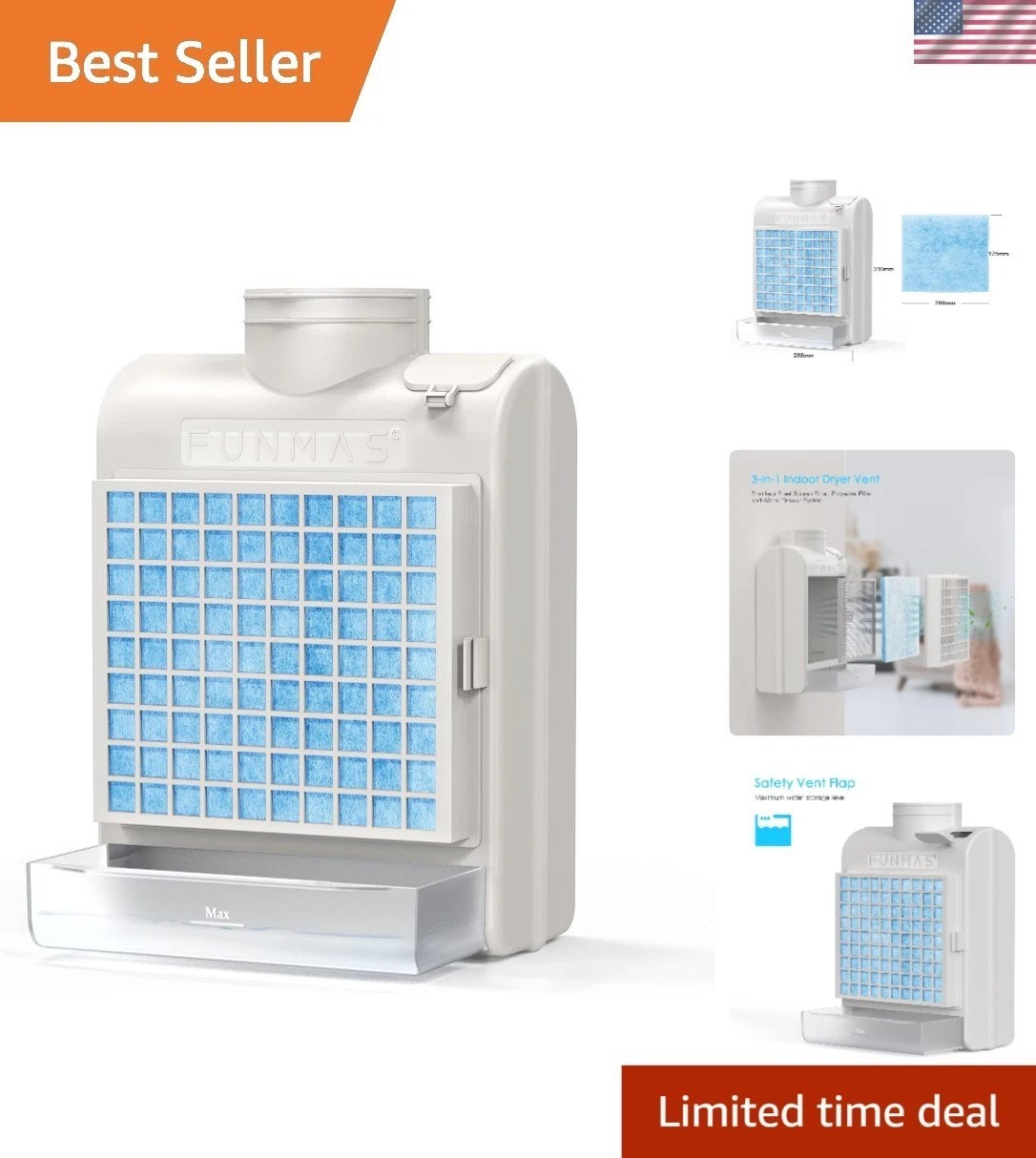
- Indoor vent filters (3-in-1 style) add a secondary polyester or stainless screen to trap lint and moisture before room discharge, reducing duct clogging.
- Filter airflow is rated by open area: a loaded screen can cut dryer CFM by 30-50%, extending cycle times and raising exhaust temperatures.
Best use cases
- Pick a direct-fit OEM-style screen if your dryer uses a pull-out lint filter in the door or top panel; match the frame length and tab geometry exactly.
- Choose an indoor 3-in-1 vent filter with stainless screen plus polyester secondary if venting indoors or into a bucket; skip it for outdoor venting where a standard lint screen suffices.
- Avoid trim-to-fit polyester sheets for high-use households; select rigid-frame fine mesh for daily loads and pet hair, reserving cheap polyester for backup or light use.
Buying tips
- Measure the filter slot length, width, and tab depth with calipers; a 1/8-inch mismatch causes bypass or a filter that won't seat, so match to the millimeter.
- Select 304 stainless-steel or aluminum mesh over polyester for durability and fine-lint capture; polyester degrades and loses tension after repeated heat cycles.
- For indoor vent kits, confirm the discharge collar diameter matches your dryer exhaust (typically 4-inch) and that the filter housing seals to the duct.
- Replace any filter with torn mesh, bent frame, or visible light gaps at the edges; a compromised seal allows lint into the blower and duct.
Specs
| Mesh Material | Polyester vs 304 stainless steel |
|---|---|
| Mesh Rating | 20x20 coarse vs 40+ fine weave |
| Frame Type | Rigid ABS/metal vs flexible insert |
| Vent Configuration | Internal lint screen vs 3-in-1 indoor kit |
Related searches
What to check before buying
- Measure your dryer's filter slot: length, width, and tab or handle depth before ordering any replacement.
- Confirm venting direction: outdoor ducting needs only the internal lint screen; indoor venting requires a secondary filter kit with matched collar size.
- Check dryer exhaust diameter (usually 4 inches) and that any indoor filter housing connects without adapters.
- Inspect existing filter frame for cracks or warping; a damaged housing means the new screen won't seal regardless of mesh quality.
FAQ
Data sources: eBay / Amazon listings and product attribute feeds. Updated Nov 22, 2026.
Some links on this page are affiliate links. If you buy after clicking one, we may earn a commission at no extra cost to you. This does not change which products appear here or their order. Affiliate disclosure.