
Photos from current listings. Actual item, color, and included accessories may vary.
Storage Buying Guide
Storage products span rigid totes, fabric bins, and modular units, where the core trade-off is between structural rigidity (stacking, load-bearing, pest resistance) and flexibility (collapsibility, breathability, portability). Durable options use thick-walled virgin polymer, welded steel frames, or rigid board inserts; compromises rely on thin recycled plastic, flimsy non-woven fabric, or wire frames that deform under load. The decision rule: match the material grade and wall thickness to the load and environment—rigid plastic for heavy/stacked items, fabric with rigid inserts for soft goods, and metal for maximum weight capacity.
At a glance
- Category
- Home Storage & Organization
- Last updated
- Nov 22, 2026
Current offers
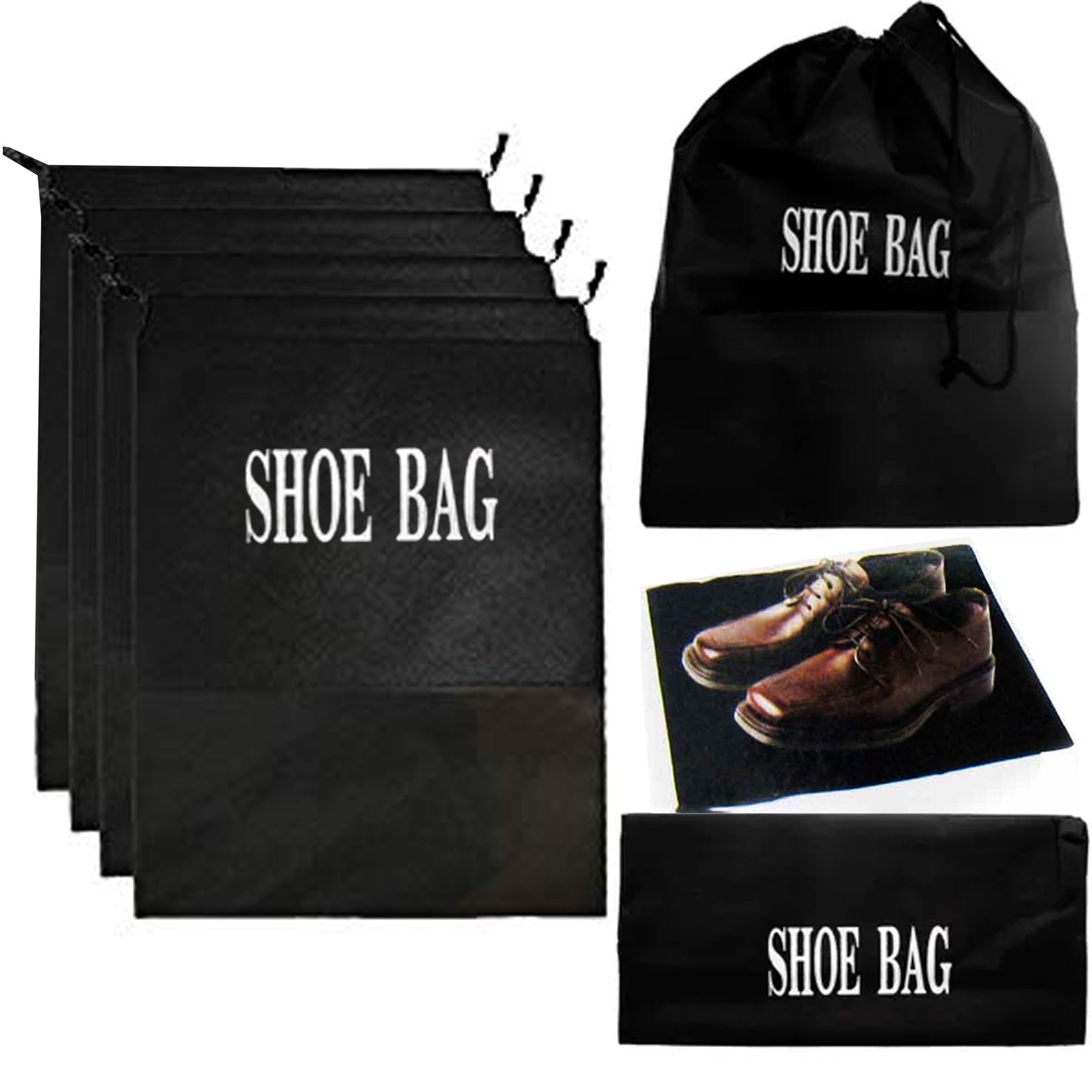 4 Travel Shoe Bags Luggage Black Suitcase Storage Draw$7.47View on eBay
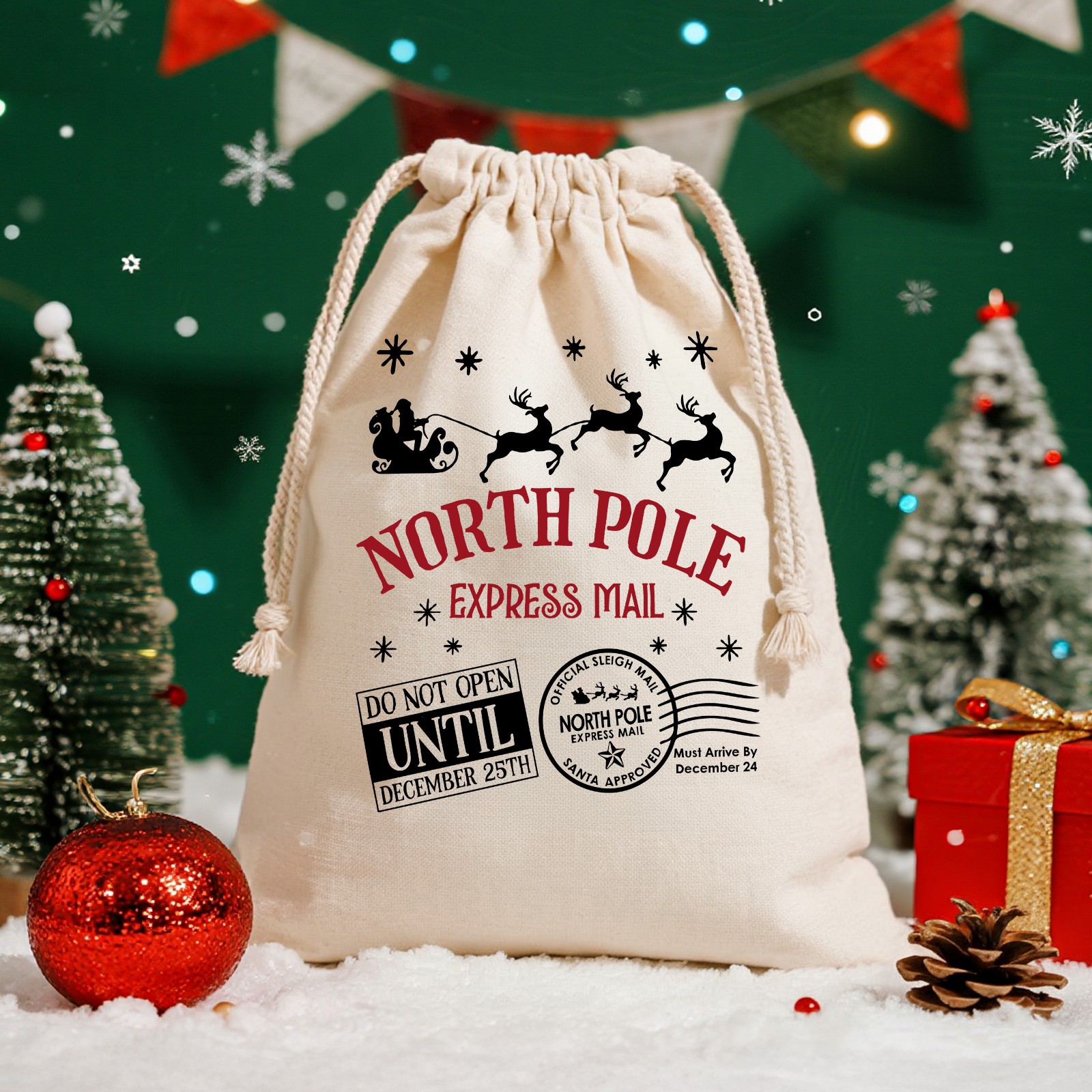 Storage Bag$10.99View on Mallflare
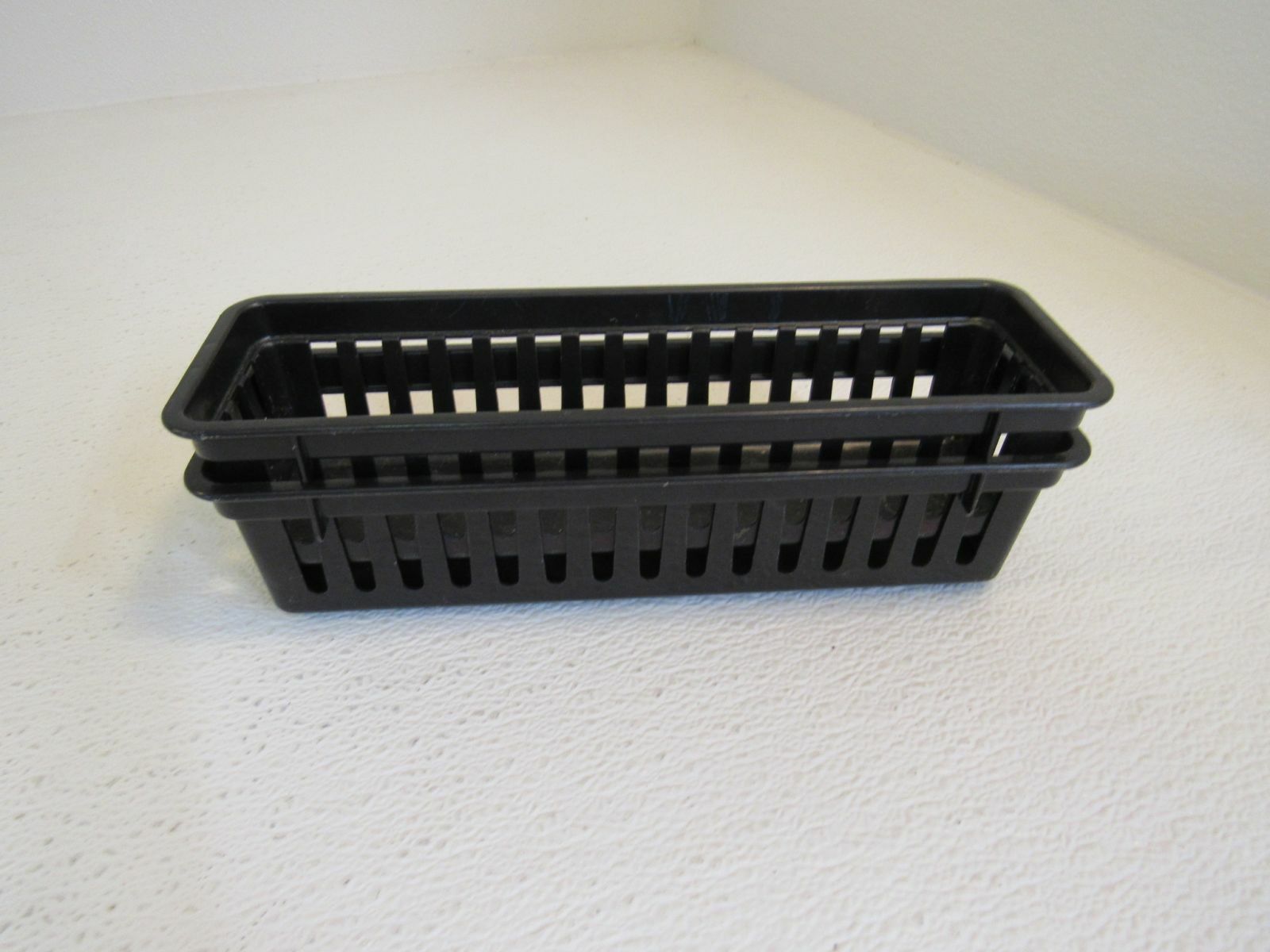 Home Products Int Mini Storage Bin Lot of 2 Black Plastic$8.49View on eBay
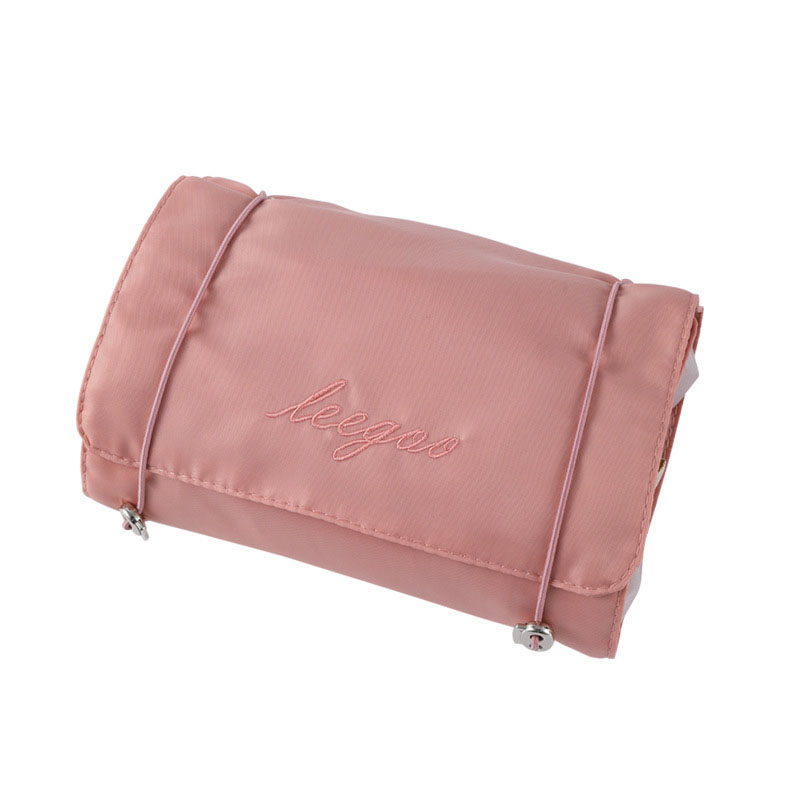 Pink Storage Bag$12.99View on Mallflare
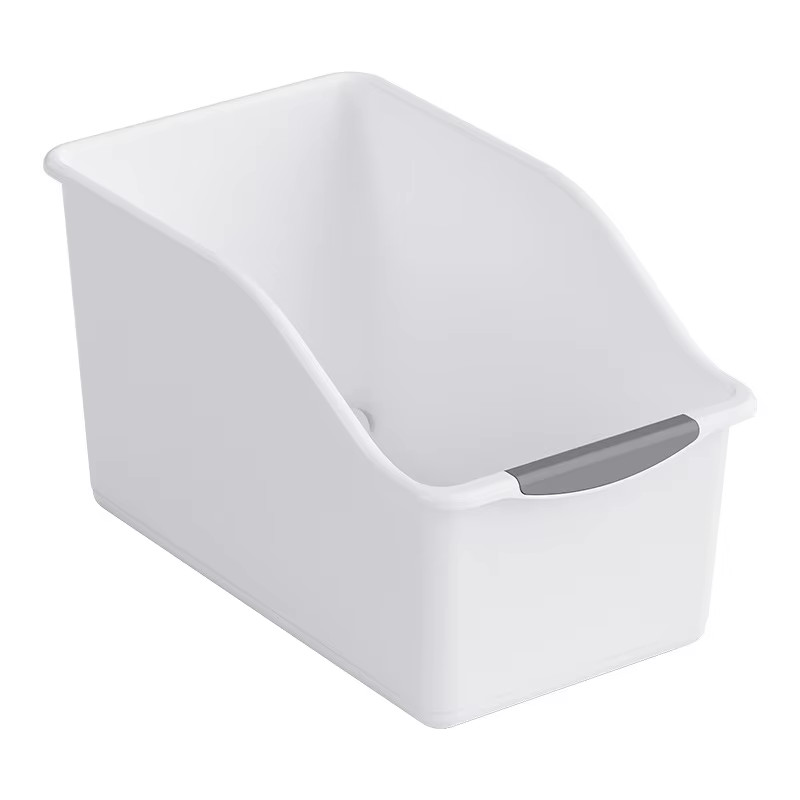 Curved Plastic Storage Bins Set - Multipurpose Home Organization Boxes for Clean$8.98View on eBay
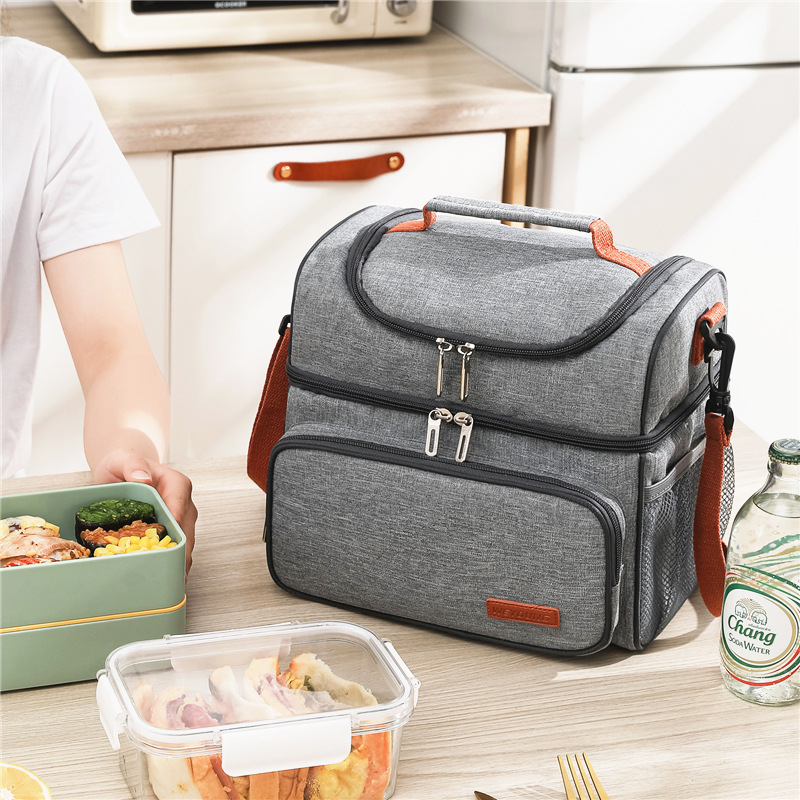 Cold Storage Bag Fruit Ice Pack Breastmilk$12.99View on Mallflare
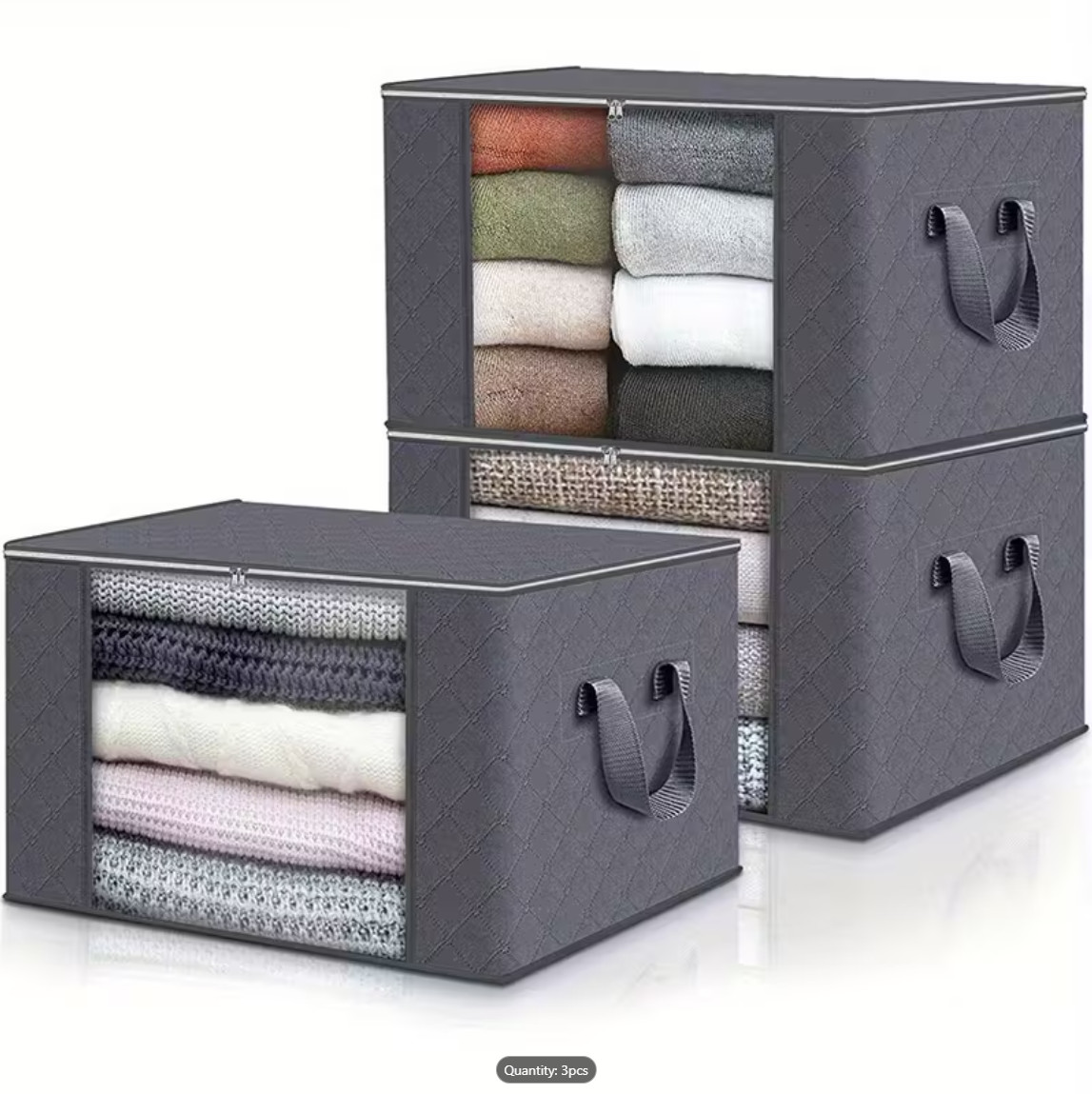 3pcs Large 60L Closet Organizer Foldable Fabric Storage Box Bin Clothes Bedroom$9.99View on eBay
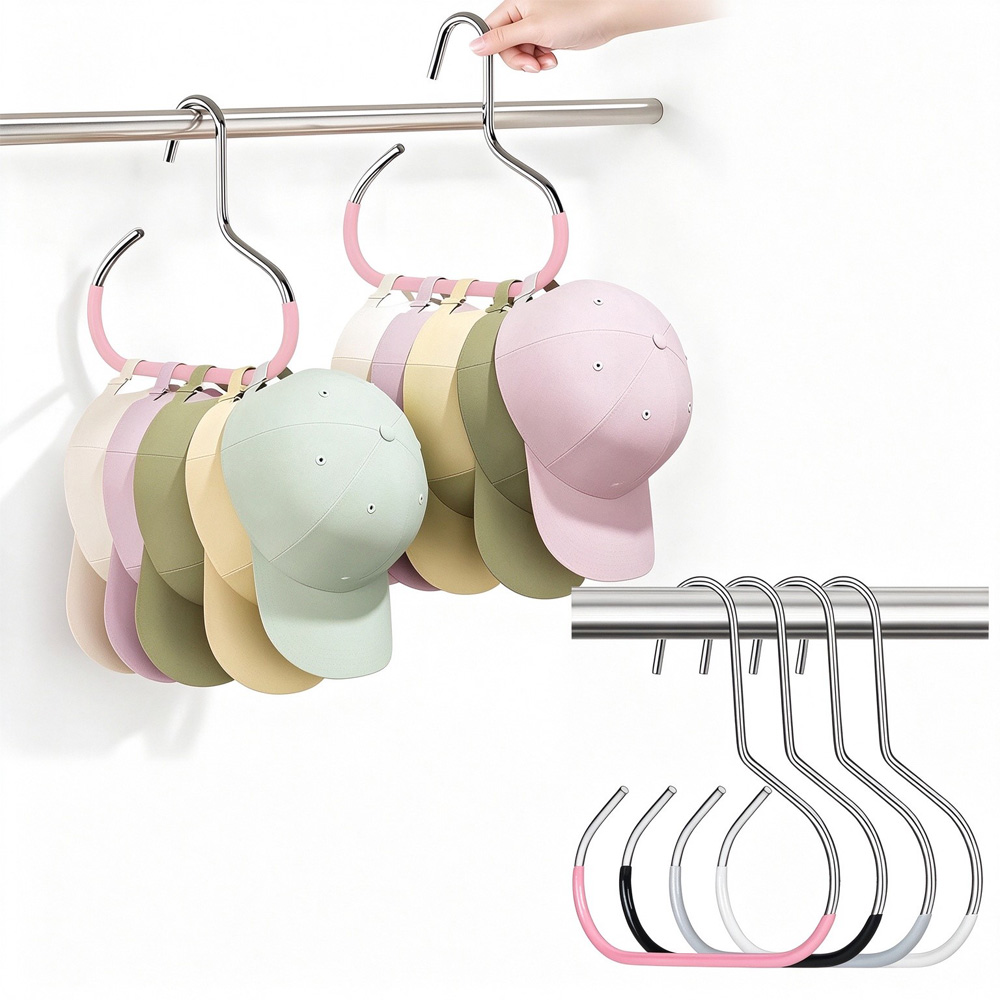 3 Pack Hat Organizer For Baseball Caps, Metal Hat Hanger With Anti-Slip Coating, Cap Storage Holder For Closet Rod, Space Saving Cap Rack Random Color$13.99View on Mallflare
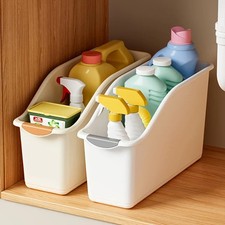 Curved Plastic Storage Bins Set - Multipurpose Home Organization Boxes for Clean$9.99View on eBay
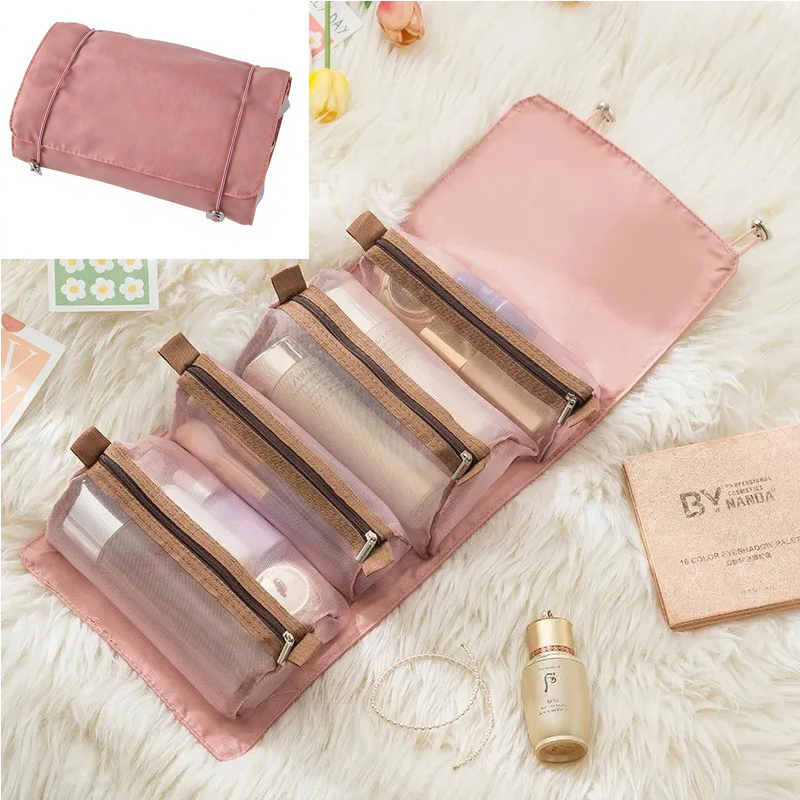 4 In 1 Storage Bag,Horizontal Square Function Dustproof Applicable Scenes Bedroom Living Room Travel Makeup Bathroom Toiletries$15.99View on Mallflare
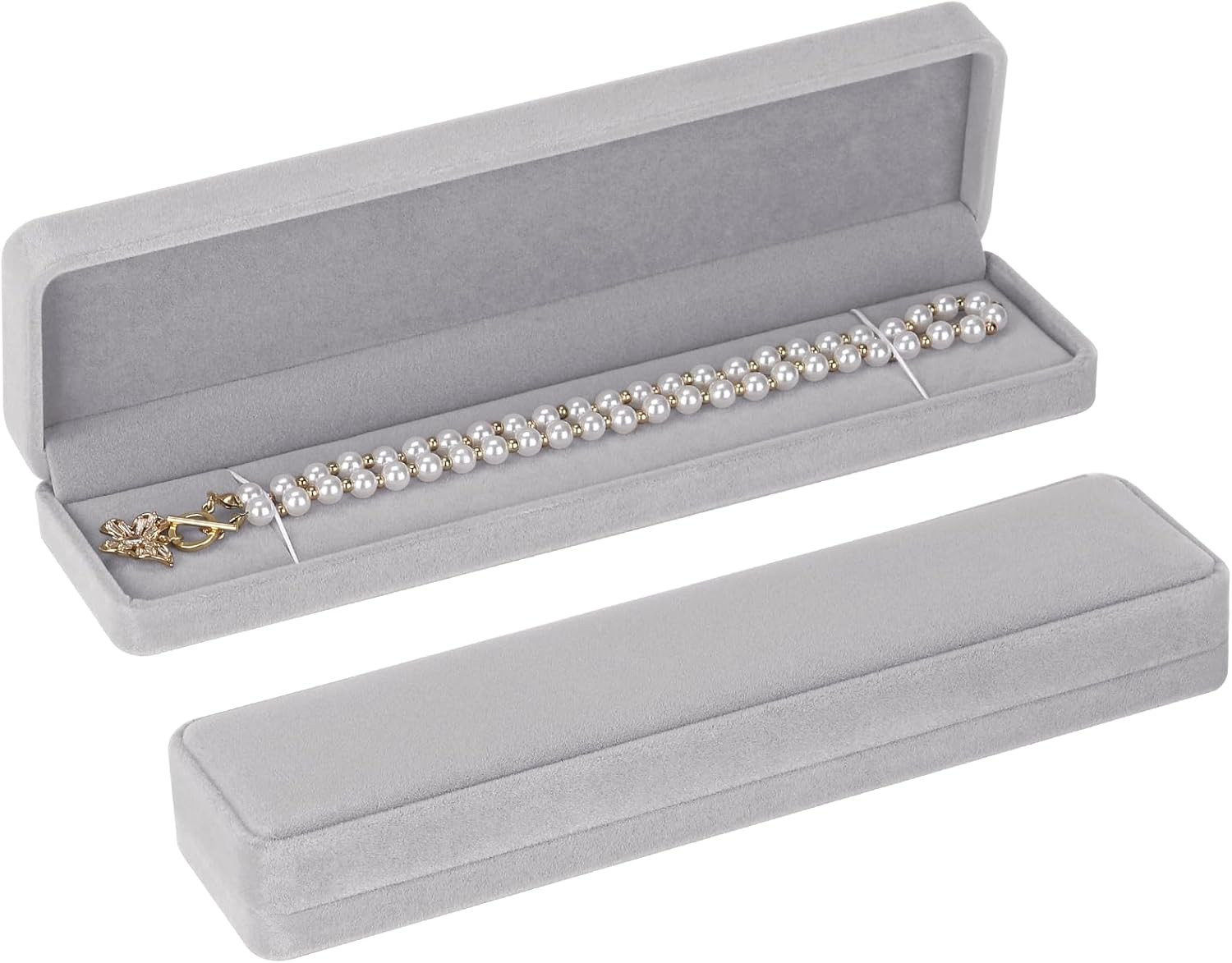 2 Pieces Long Velvet Chain Necklace Gift Box Set, Bracelet Storage Case, Jewellr$11.16View on eBay
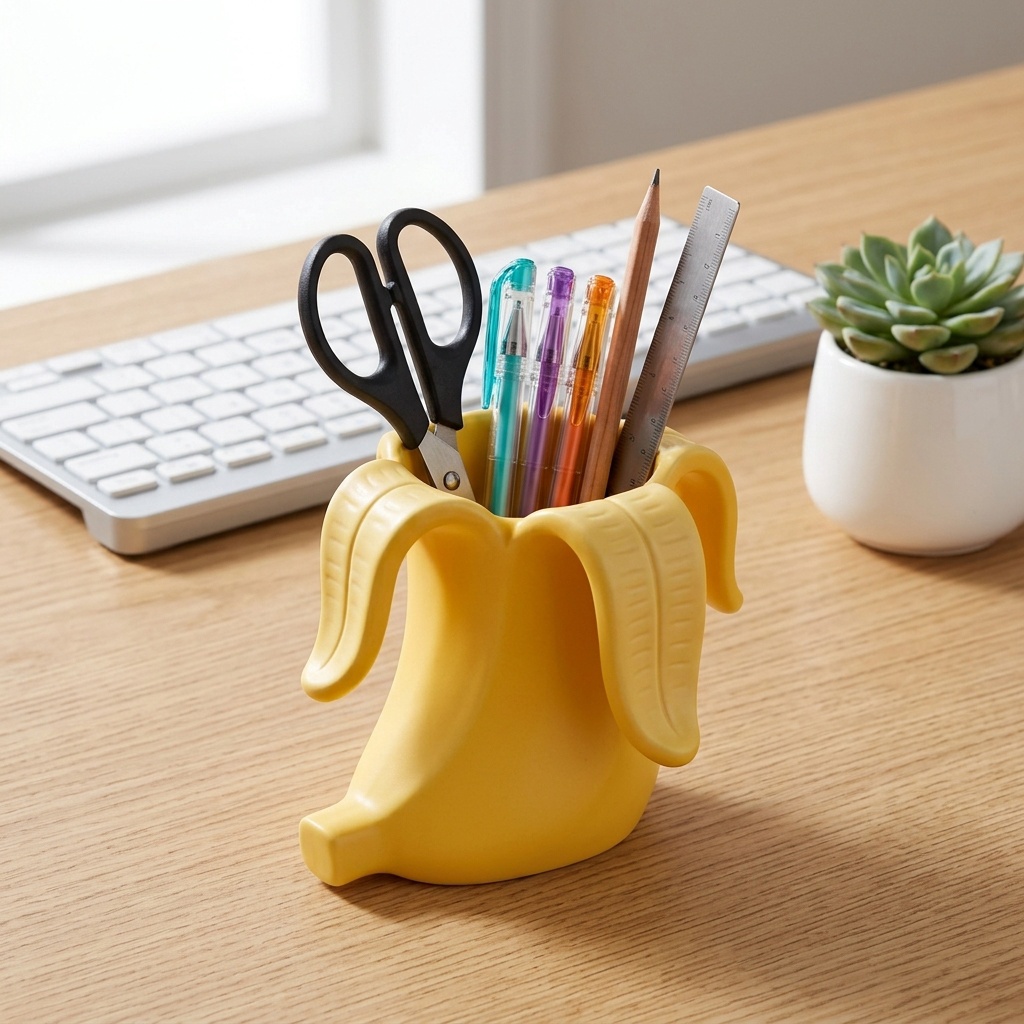 Banana Shape Desktop Storage Container, 3D Printed Organizer Cup For Pens Makeup Brushes And Small Items$17.99View on Mallflare
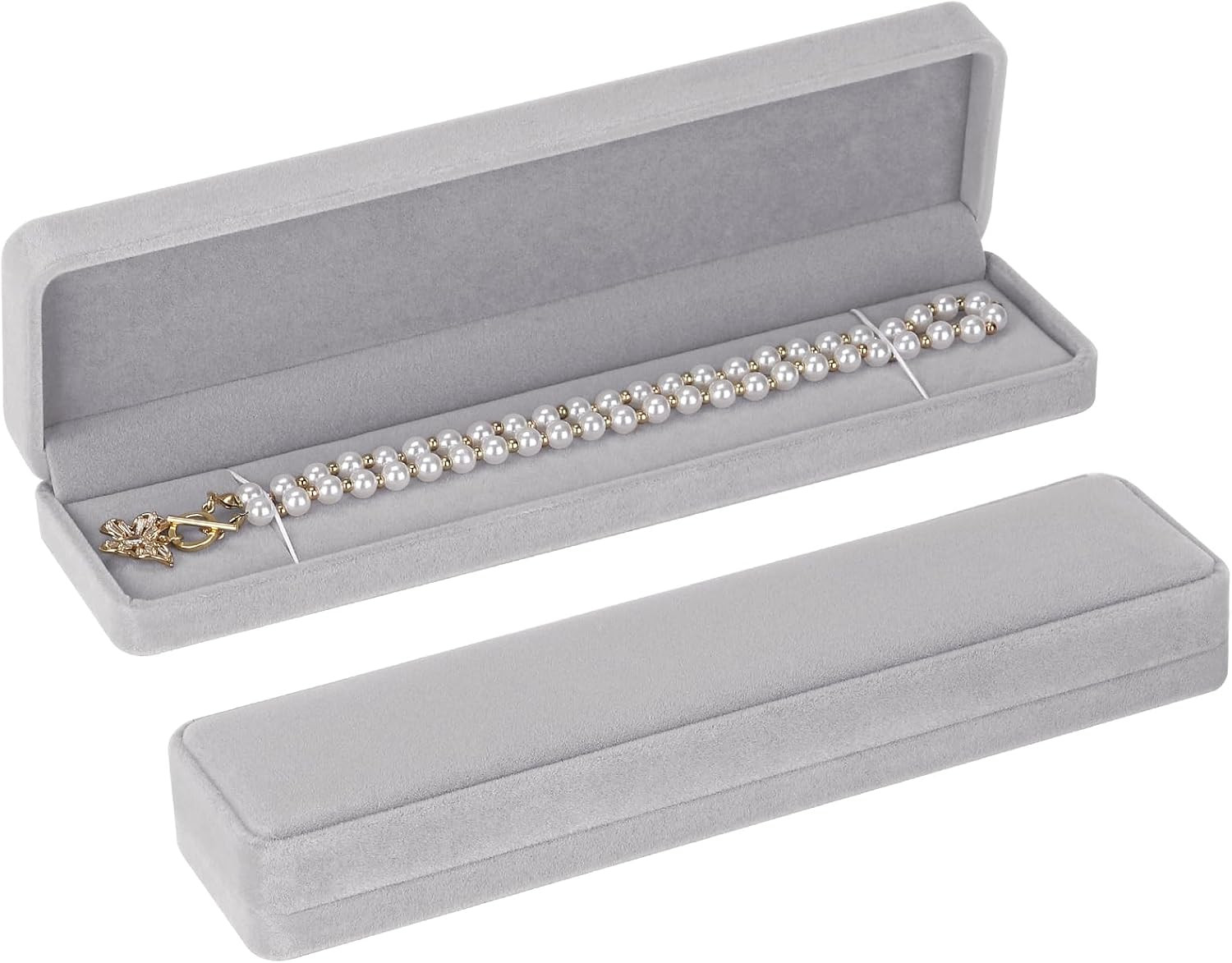 2 Pieces Long Velvet Chain Necklace Gift Box Set, Bracelet Storage Case, Jewellr$11.48View on eBay
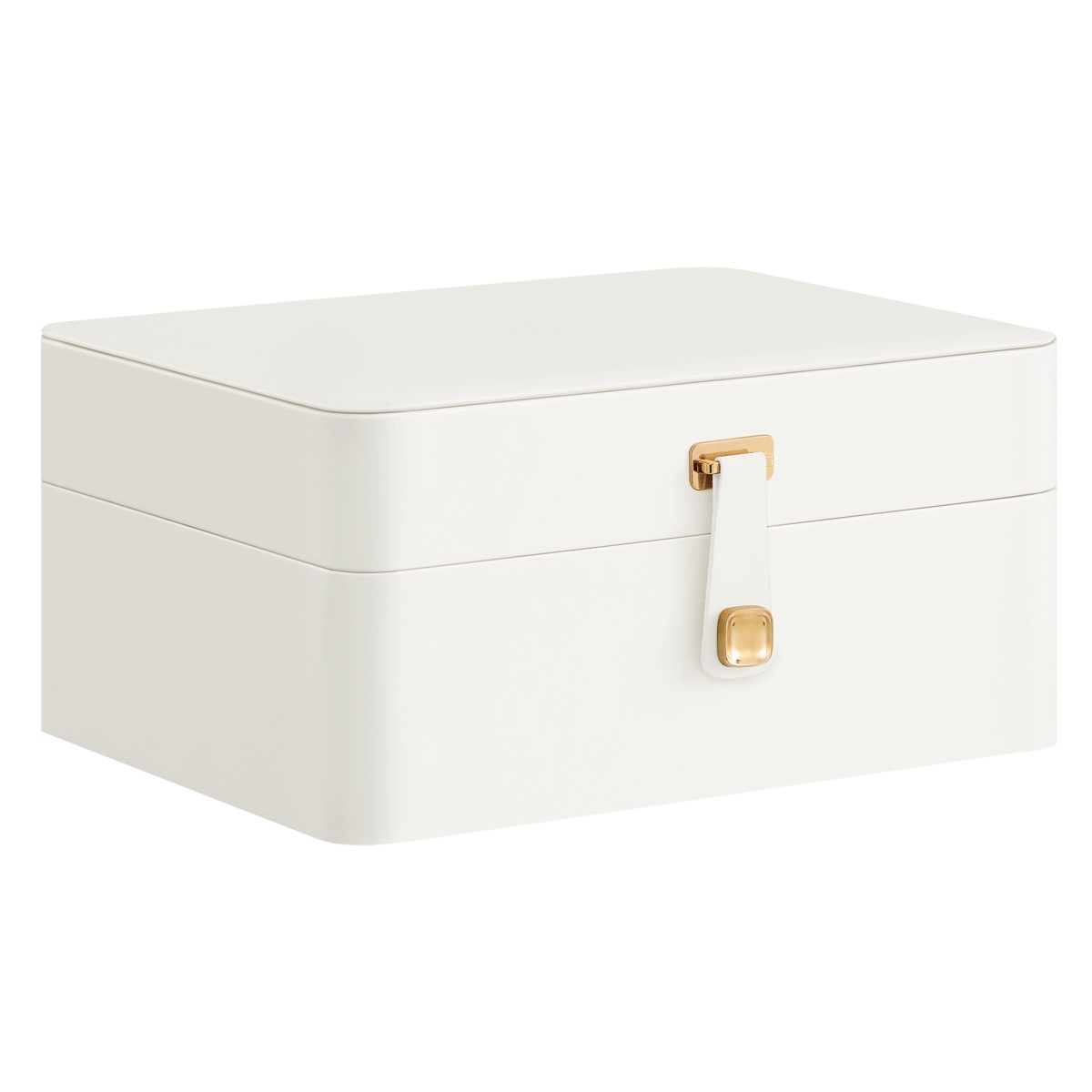 SONGMICS 2-Layer Travel Jewellery Box, Portable Storage Case$19.99View on Mallflare
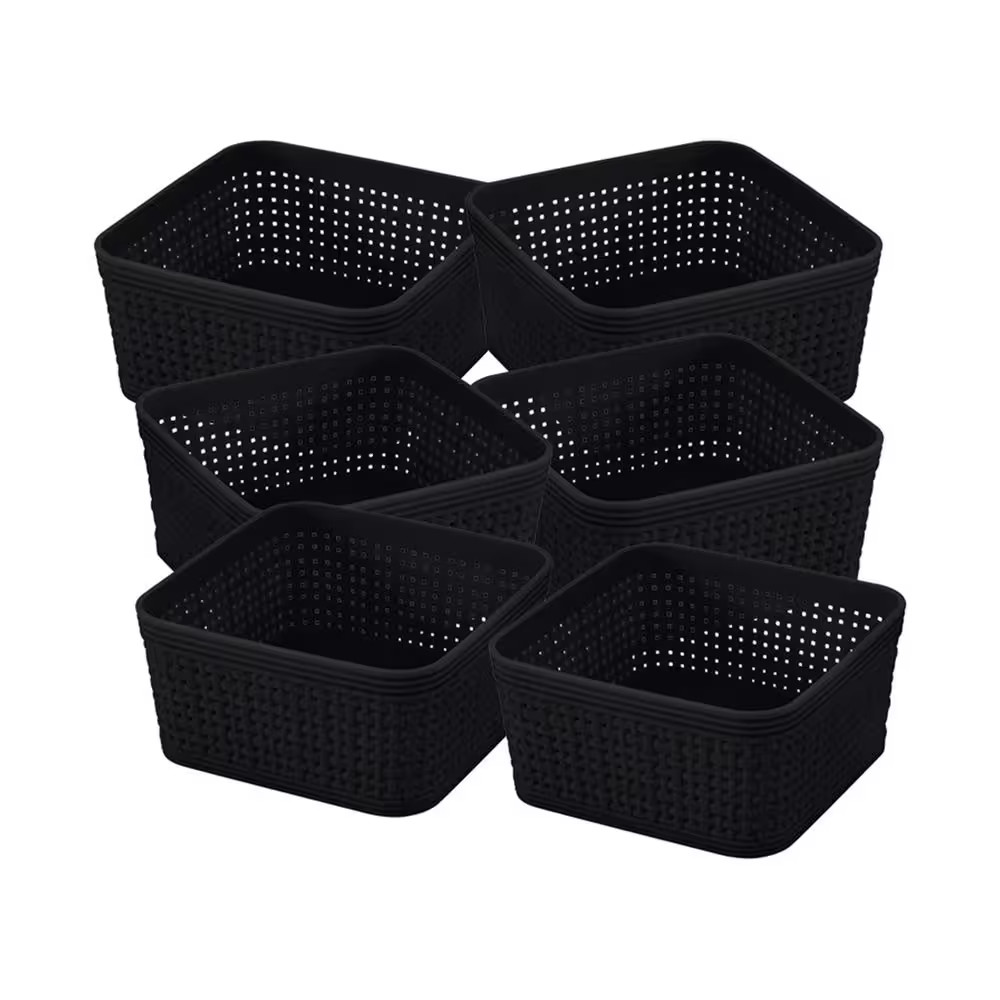 6 Pack Organizing Set Black Polypropylene Storage Bins Baskets Home Office Organ$11.64View on eBay
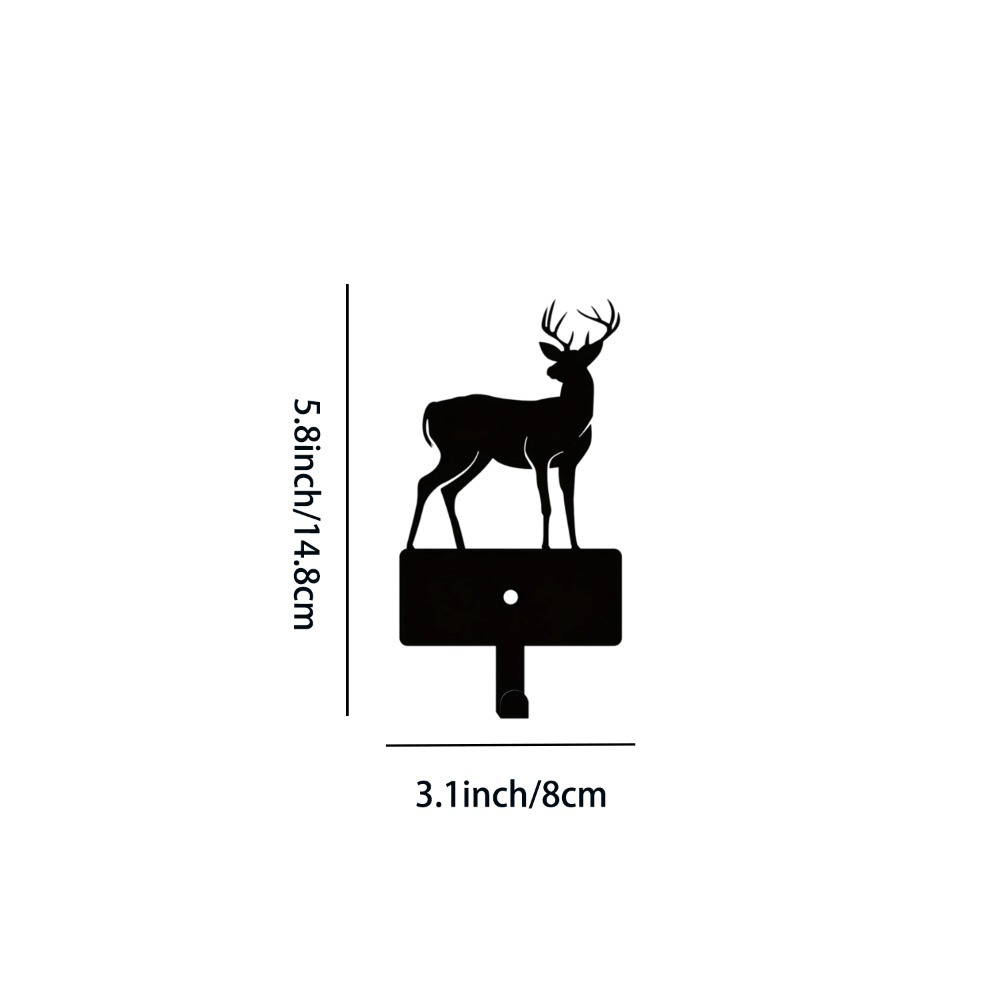 CIFbuy Vintage Deer Antler Wall Mounted Coat Rack with Hooks, Rustproof Farmhouse Space-Saving Storage Organizer, Hallway Mudroom Decor, Practical Housewarming Gift (TikToa, Ti$23.99View on Mallflare
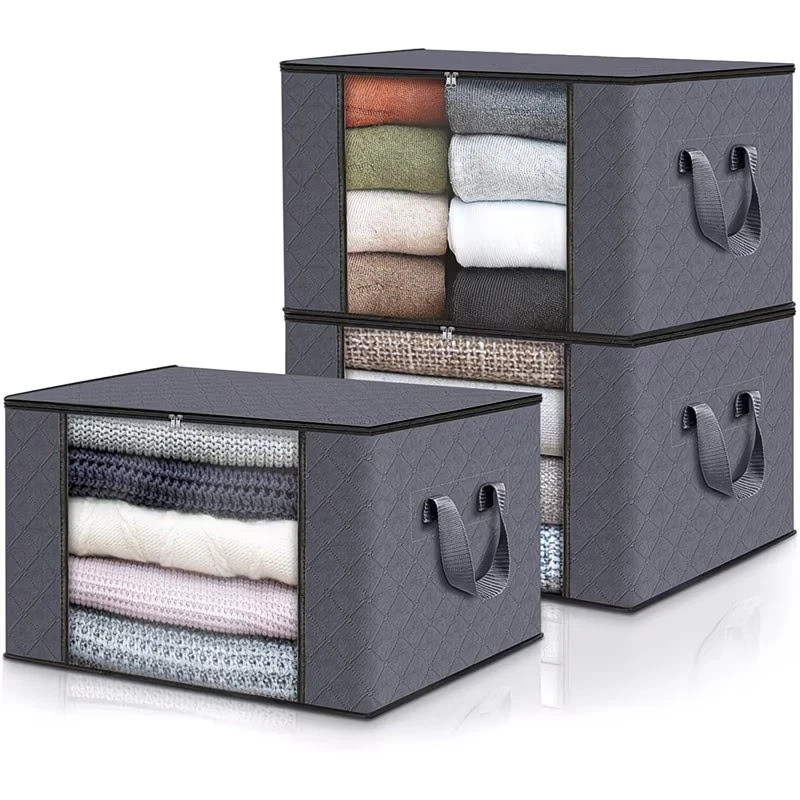 Grey Large Capacity 3-Pack Foldable Woven Fabric Storage Bins - Ideal for Home$11.69View on eBay
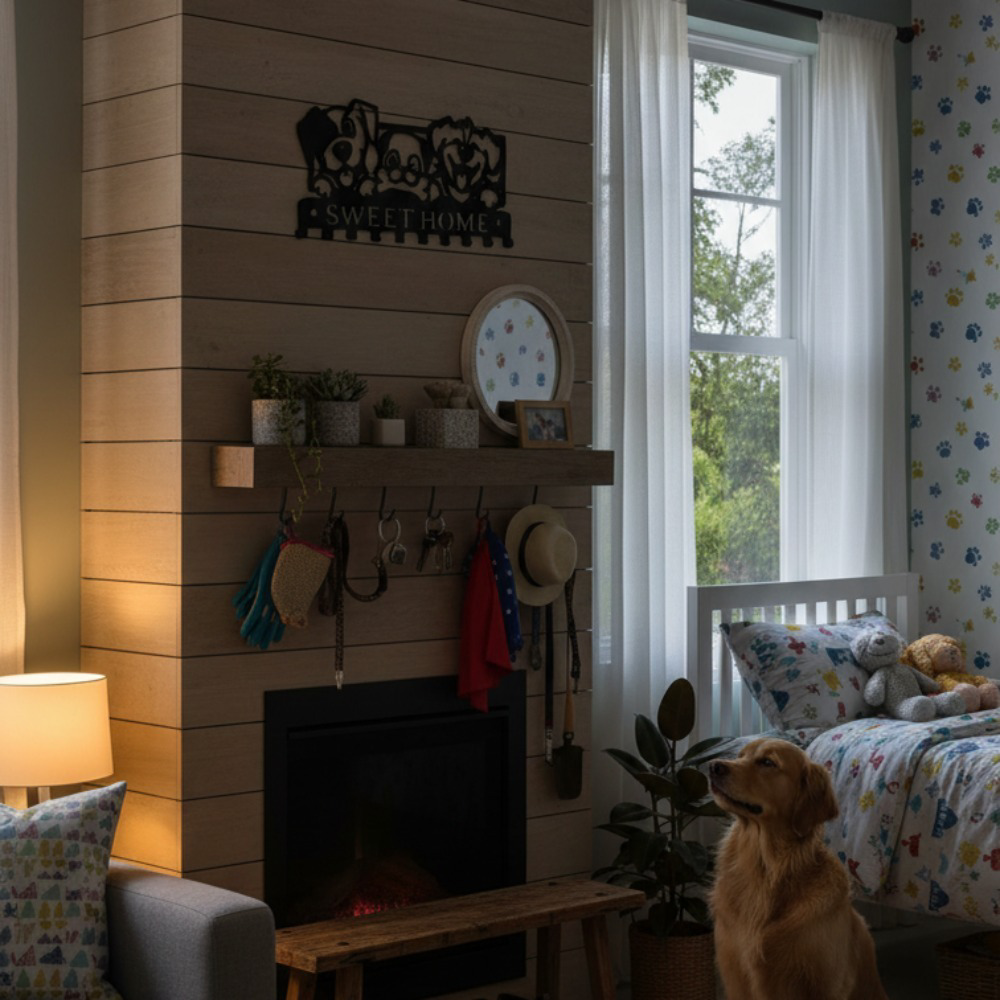 CIFbuy Gothic Style Metal Wall Hooks, Vintage Industrial Heavy Duty Storage Rack, Aesthetic Home Organizer for Entryway Kitchen Bathroom, Hanger, Decor Lovers$24.99View on Mallflare
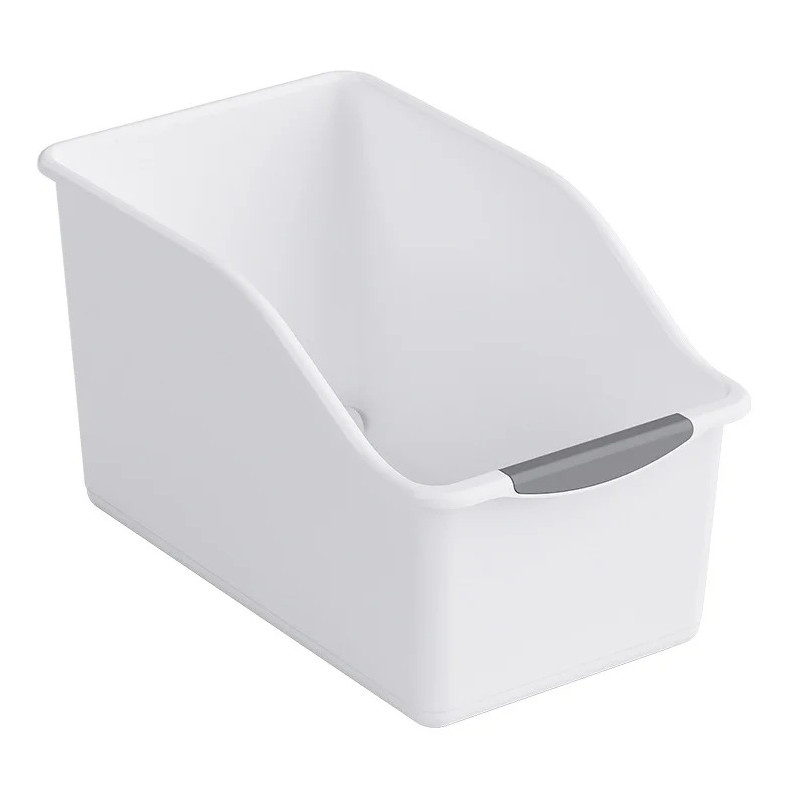 1 pc Curved Plastic Storage Bins Set Multipurpose Home Organizer Boxes$12.29View on eBay
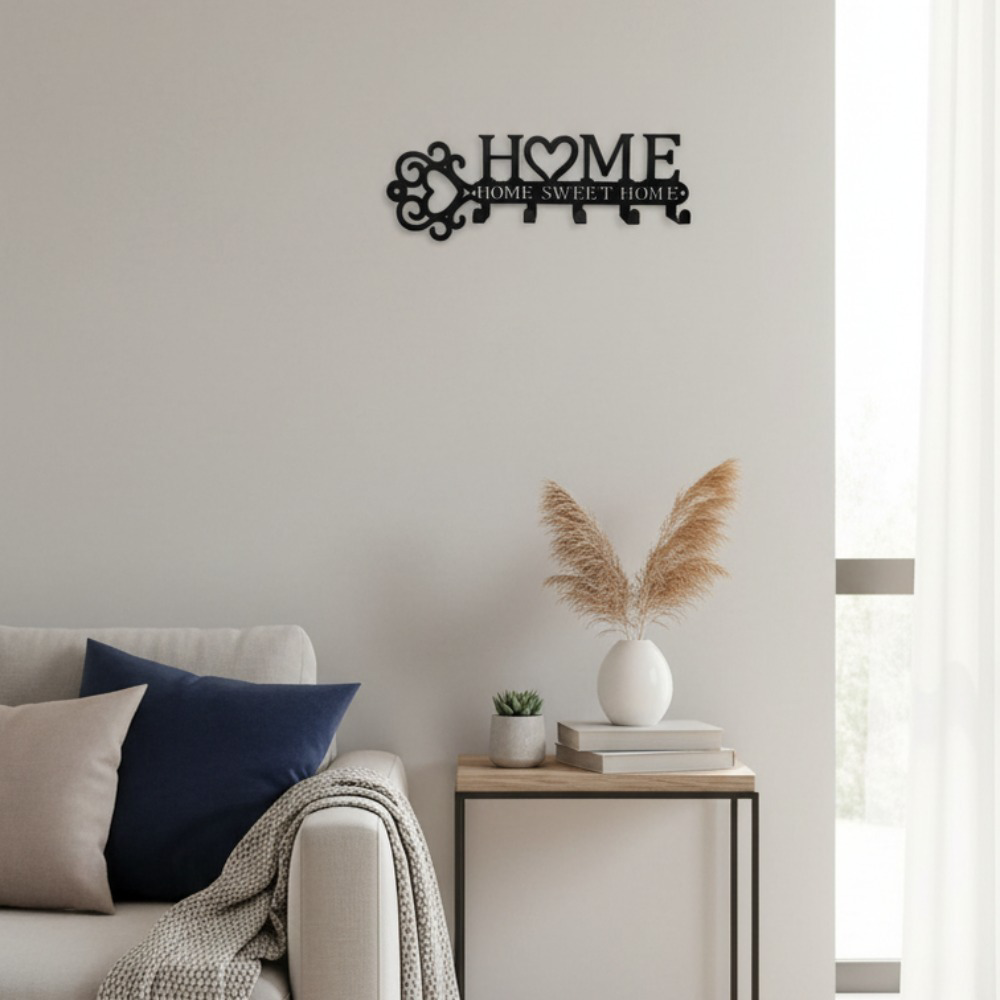 CIFbuy Heavy Duty Wall Hooks with Shelf, Rustproof Rustic Farmhouse Entryway Organizer Space, Saving Storage Rack, for Jackets Purses Towels, Home Office Gift(TikTus, TikTus, Self-piup)$24.99View on Mallflare
Highlights
- Plastic totes: virgin polypropylene (PP) or polyethylene (PE) at 2–3 mm wall thickness resists cracking; recycled or sub-1.5 mm walls crush under 30+ lb stacks.
- Fabric bins: 80–120 GSM non-woven fabric over 2–3 mm rigid board holds shape; below 60 GSM or no insert, sides collapse when filled.
- Metal shelving: 18-gauge (1.2 mm) powder-coated steel uprights support 200–350 lb per shelf; 22-gauge (0.8 mm) wire racks sag beyond 50 lb per shelf.
- Capacity tiers: under-bed boxes fit 37–40 qt; closet totes run 60–80 L; modular cube bins standardize at 11–13 in cubes for grid systems.
Best use cases
- Best fit: clear 60–80 L stackable plastic totes with latching lids for garage/basement seasonal gear—skip fabric bins that absorb moisture and sag.
- Best fit: 80–120 GSM fabric bins with rigid inserts for closet shelf organization of clothing and linens—skip thin non-woven bins that collapse.
- Best fit: 18-gauge steel shelving units with 200+ lb per shelf for heavy tools and bulk goods—skip wire racks for dense loads.
- Wrong fit: standard plastic totes in unheated attics (brittle below 20°F)—choose impact-modified copolymer or keep climate-controlled.
Buying tips
- Measure shelf, closet, and under-bed clearance: under-bed boxes need ≤8 in height; closet shelves need 12–15 in depth for standard bins.
- Match capacity to contents: 37 qt holds ~10 sweaters; 60 L holds a twin comforter; 80 L holds a queen comforter set.
- Check lid load rating: stackable totes should support 30–50 lb on the lid; weak lids crack when stacked three high.
- For fabric bins, confirm removable rigid bottom and side inserts; sewn-in cardboard warps in humid spaces.
Specs
| Material Grade | Virgin PP/PE vs recycled; 80-120 GSM fabric vs <60 GSM |
|---|---|
| Wall Thickness | 2-3 mm rigid; 18-22 gauge steel (0.8-1.2 mm) |
| Capacity Range | 6-80 qt/L; under-bed 37-40 qt; tote 60-80 L |
| Stack/Load Rating | 30-50 lb lid; 200-350 lb per steel shelf |
Related searches
What to check before buying
- Measure vertical clearance: under-bed (≤8 in), closet shelf (12–15 in depth), and door frame width for rolling units.
- Confirm floor type and climate: concrete floors wick moisture—use plastic or metal; humid rooms need breathable fabric or ventilation.
- Verify modular compatibility: cube bins must match 11–13 in grid openings; latching totes must match stack height for stable columns.
- Check required companion parts: wall anchors for tall shelving, lids sold separately on some tote lines, and dividers for drawer systems.
FAQ
Data sources: eBay / Amazon listings and product attribute feeds. Updated Nov 22, 2026.
Some links on this page are affiliate links. If you buy after clicking one, we may earn a commission at no extra cost to you. This does not change which products appear here or their order. Affiliate disclosure.