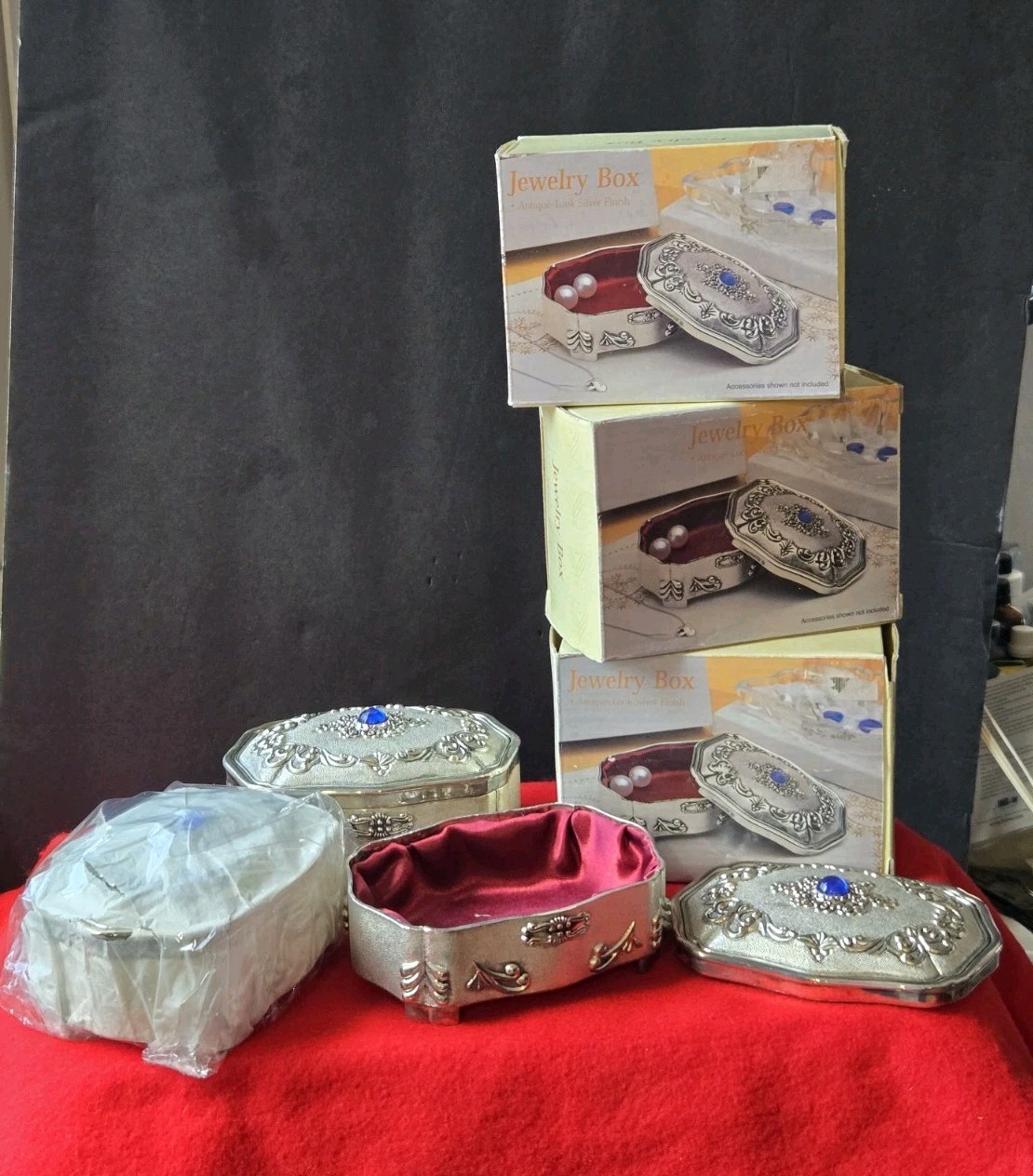

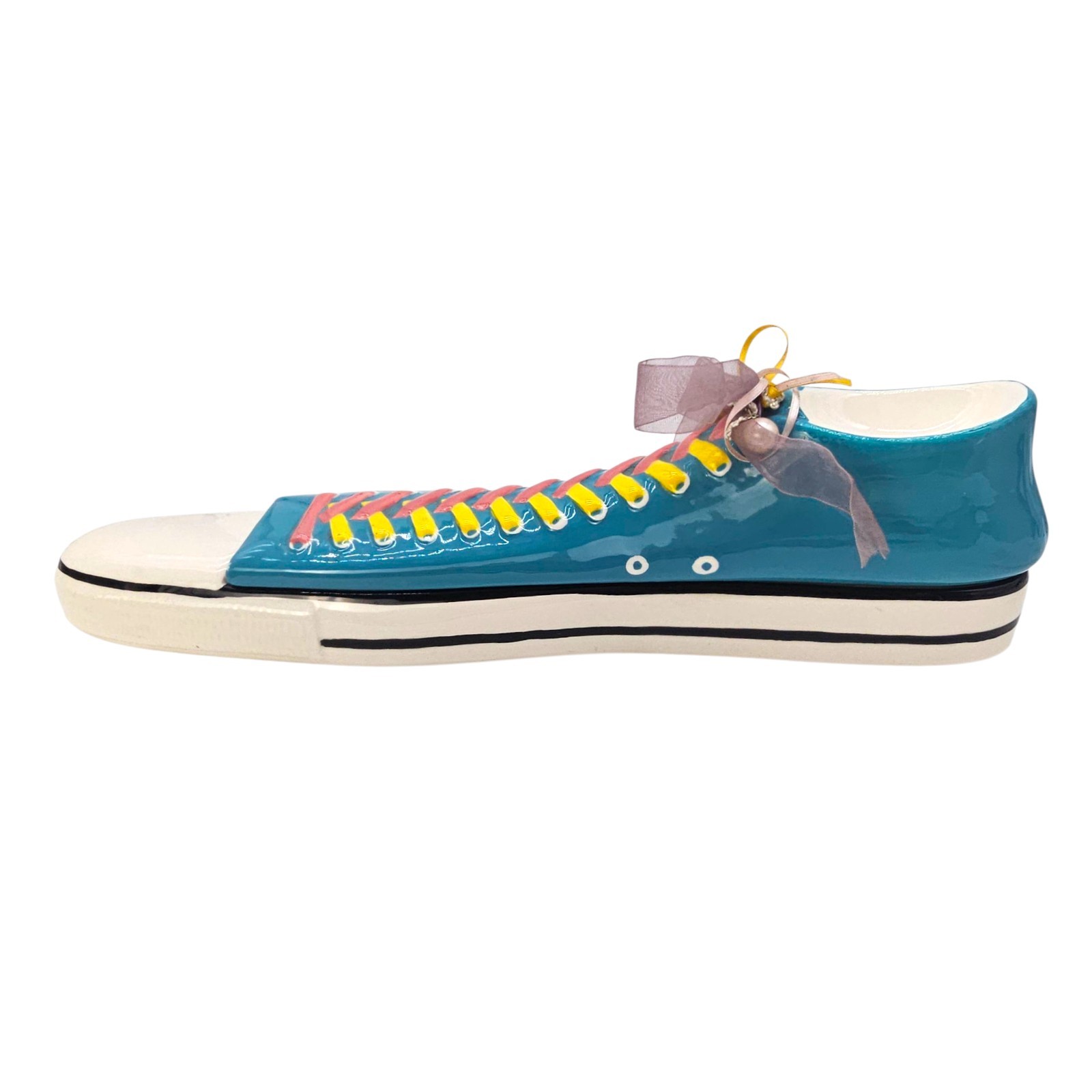
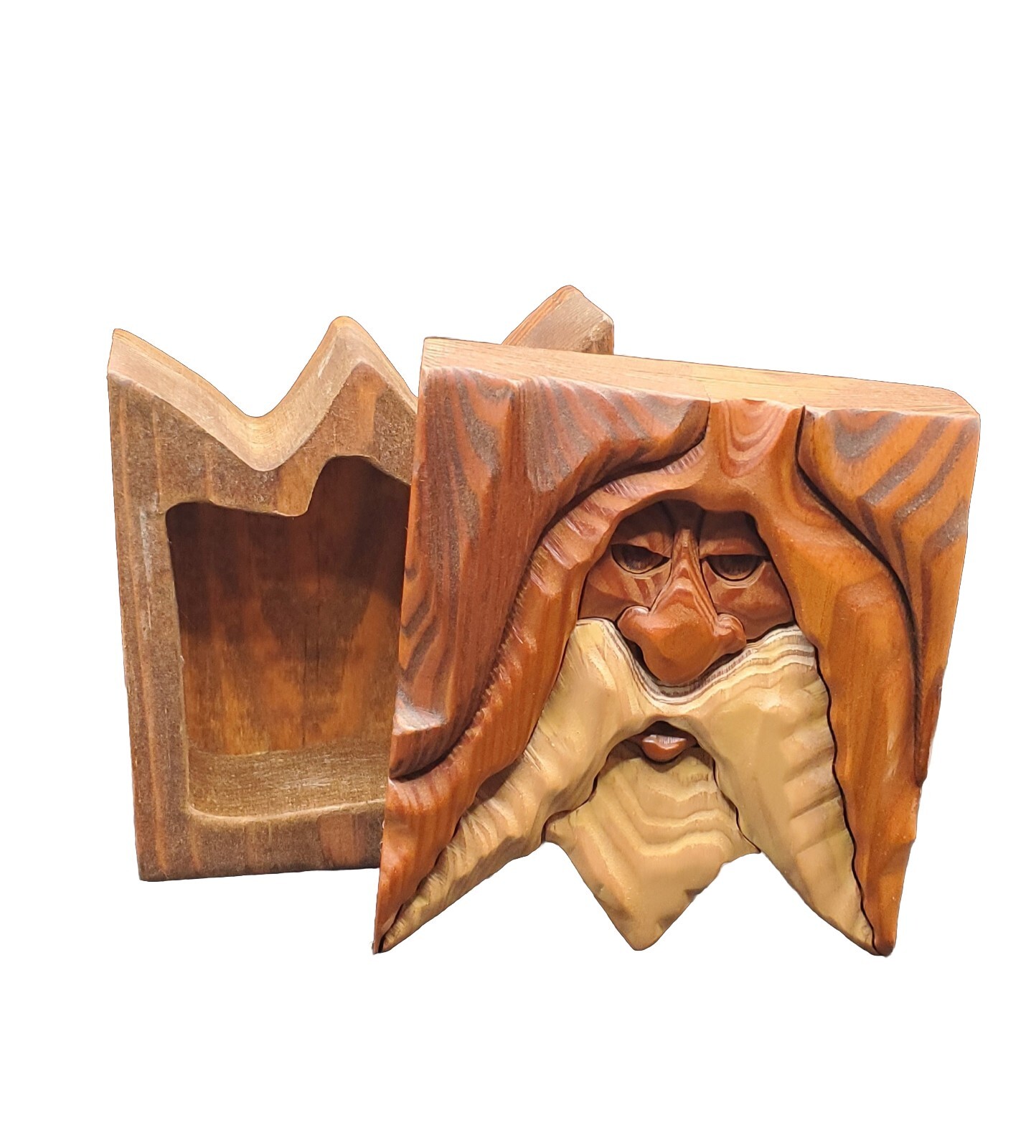
Photos from current listings. Actual item, color, and included accessories may vary.
Trinket Box Buying Guide
A trinket box is a small lidded container for jewelry, keepsakes, and loose small items, where the primary trade-off is between decorative novelty and protective, durable construction. The decisive rule: choose solid hardwood, thick glass, or glazed ceramic with a tight-fitting lid and soft interior lining for anything valuable, and treat thin painted MDF, plated mystery metal, and unsprung novelty shapes as display-only compromises.
At a glance
- Category
- Home Storage & Organization
- Last updated
- Nov 22, 2026
Current offers
Highlights
- Lid fit is the durability decider: a lipped or rabbeted lid with a felt or velvet seal keeps dust and tarnish out, while flat butt-joint lids warp and gap with humidity.
- Solid hardwood (maple, walnut, rosewood) resists warping and accepts fine carving; MDF and particleboard are lighter, chip at edges, and crack if dropped.
- Metal boxes are brass, copper, silver-plate, or pewter; plated zinc and pot metal tarnish and pit, while solid brass and pewter hold detail for decades.
- Interior lining matters most for jewelry: tarnish-inhibiting felt or velvet protects silver and gold, while bare wood or unlined metal transfers oils and scratches.
Best use cases
- Best fit: a lined solid-wood or glazed ceramic box with a lipped lid for rings, earrings, and heirlooms kept on a dresser or in a drawer.
- Best fit: a thick glass or crystal box with a snug ground-glass lid for display on a shelf where the contents are meant to be seen.
- Wrong fit: oversized novelty or shoe-shaped boxes with thin painted shells for anything valuable — use them as shelf decor only.
- Wrong fit: unlined open trays or flat-lid plated metal boxes for silver jewelry — they accelerate tarnish and offer no dust protection.
Buying tips
- Match interior dimensions to contents: a ring box needs roughly 3 in wide by 2 in deep, while a necklace or watch box needs at least 6 in of flat length.
- Choose solid brass, copper, or pewter over silver-plate or pot metal; plating wears through at hinges and corners first, exposing base metal.
- For wood boxes, confirm a solid hardwood body rather than veneer over MDF — check end grain and weight, since solid stock feels denser and shows continuous grain.
- Pick a hinged lid for daily access and a lift-off lid only for display pieces; unsprung hinges on thin lids bend and loosen with repeated opening.
Specs
| Body Material | Solid hardwood / glass / ceramic / metal |
|---|---|
| Lid Fit | Lipped or rabbeted / flat butt-joint |
| Interior Lining | Tarnish-inhibiting felt / velvet / unlined |
| Hinge Type | Sprung metal / lift-off / none |
Related searches
What to check before buying
- Measure the dresser, shelf, or drawer footprint and confirm the box's exterior dimensions leave clearance for the lid to swing open.
- Check the interior depth against the tallest item you plan to store, such as a watch, bracelet stack, or ring holder.
- For metal boxes, confirm a tarnish-inhibiting or velvet lining if storing silver or gold; bare metal interiors transfer oils.
- Verify the lid mechanism and hinge type suit daily use, and that the base has a felt or cork pad to protect furniture finishes.
FAQ
Data sources: eBay / Amazon listings and product attribute feeds. Updated Nov 22, 2026.
Some links on this page are affiliate links. If you buy after clicking one, we may earn a commission at no extra cost to you. This does not change which products appear here or their order. Affiliate disclosure.