
Photos from current listings. Actual item, color, and included accessories may vary.
Rolling Cart Buying Guide
A rolling cart is a mobile storage platform whose load capacity, wheel quality, and frame material determine whether it survives real use or wobbles apart within months. The core trade-off is steel/MDF construction with sealed casters versus thin plastic frames on plain friction wheels. Buy metal frames rated for continuous loads above 50 lb per shelf with at least two locking casters; treat all-plastic or unrated-wheel carts as light-duty organizers only.
At a glance
- Category
- Home Storage & Organization
- Last updated
- Nov 22, 2026
Current offers
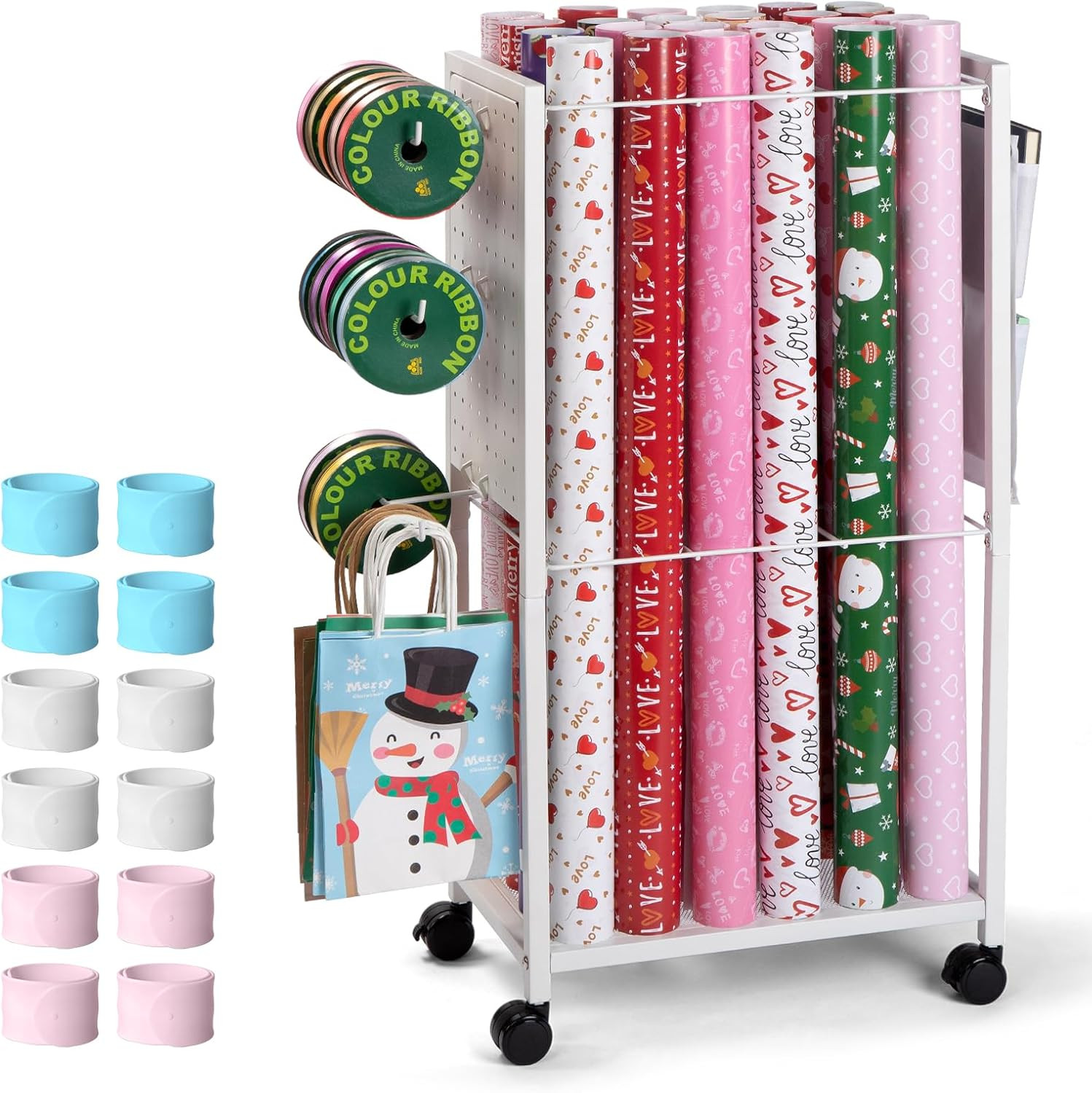 Wrapping Paper Cart - Gift Wrapping Paper Organizer Storage, Rolling Gift Wrap S$70.87View on eBay
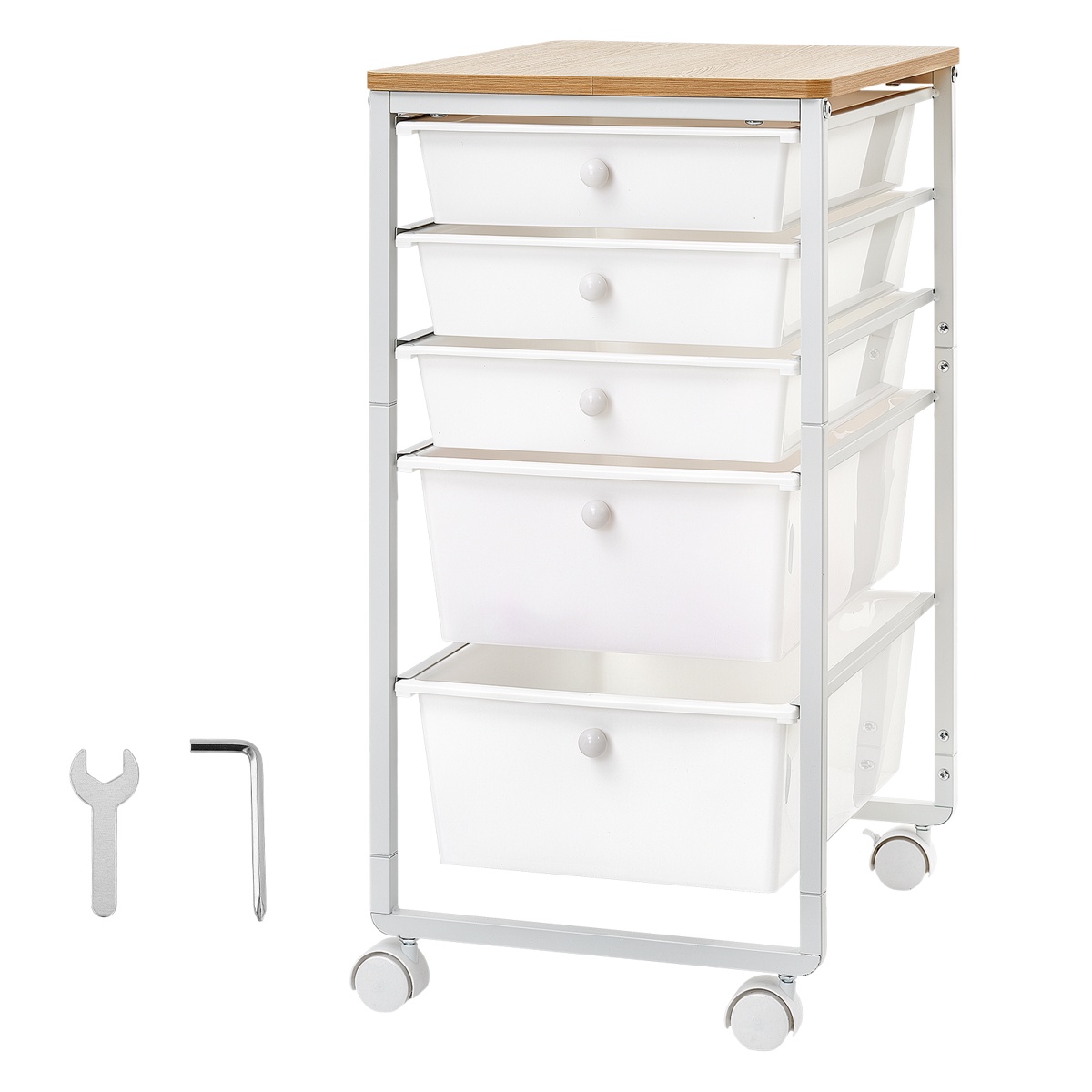 Rolling Cart With Drawers, 5 Drawer Storage Organizer, Mobile Utility Wood Top, Steel Frame, Universal Casters & 2 Brakes, For Office, Classroom, Craft Supplies, Bedroom, Makeup, White$48.99View on Mallflare
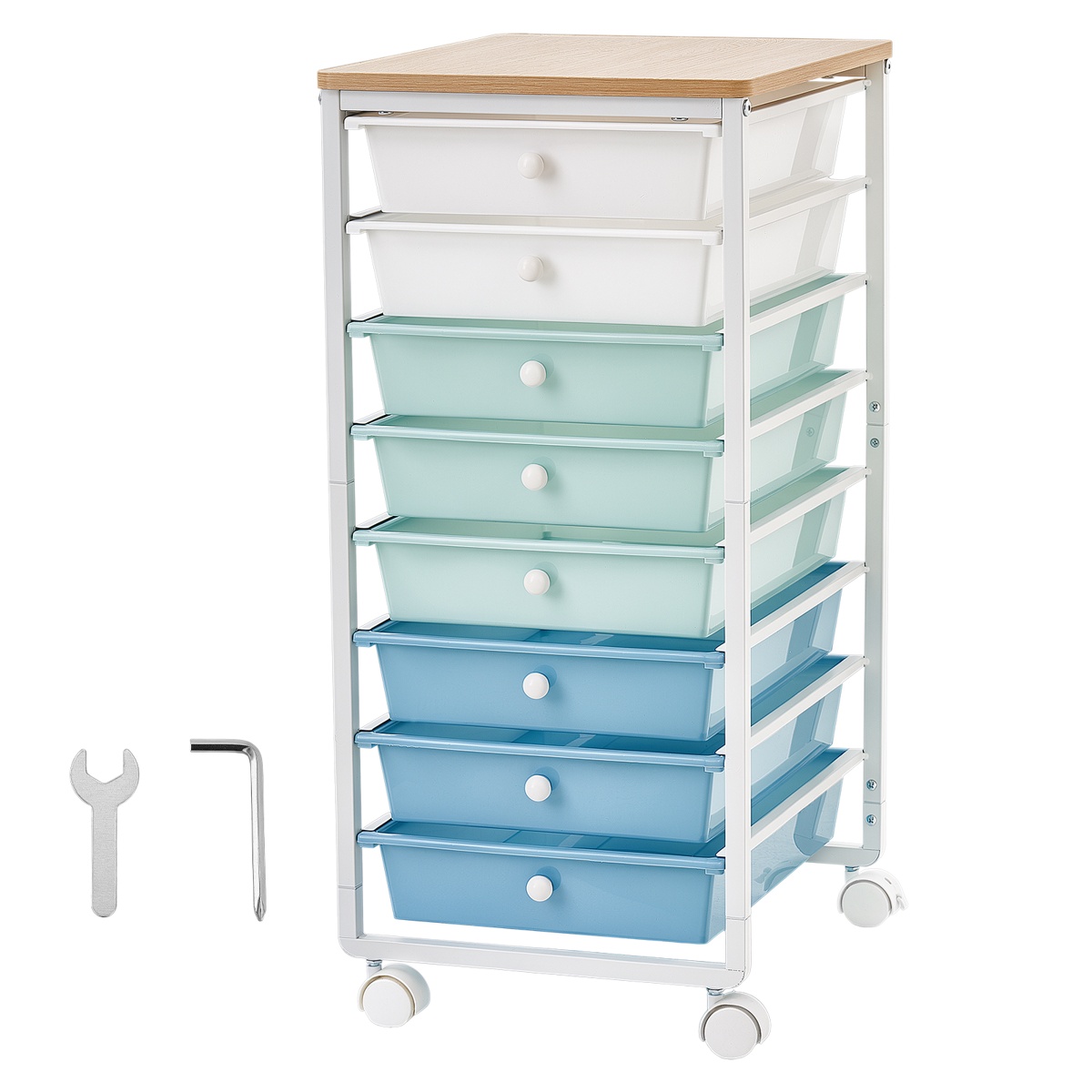 Rolling Cart With Drawers, 8 Drawer Storage Organizer, Mobile Utility Wood Top, Steel Frame, Universal Casters & 2 Brakes, For Office, Classroom, Craft Supplies, Bedroom, Green Blue$53.99View on Mallflare
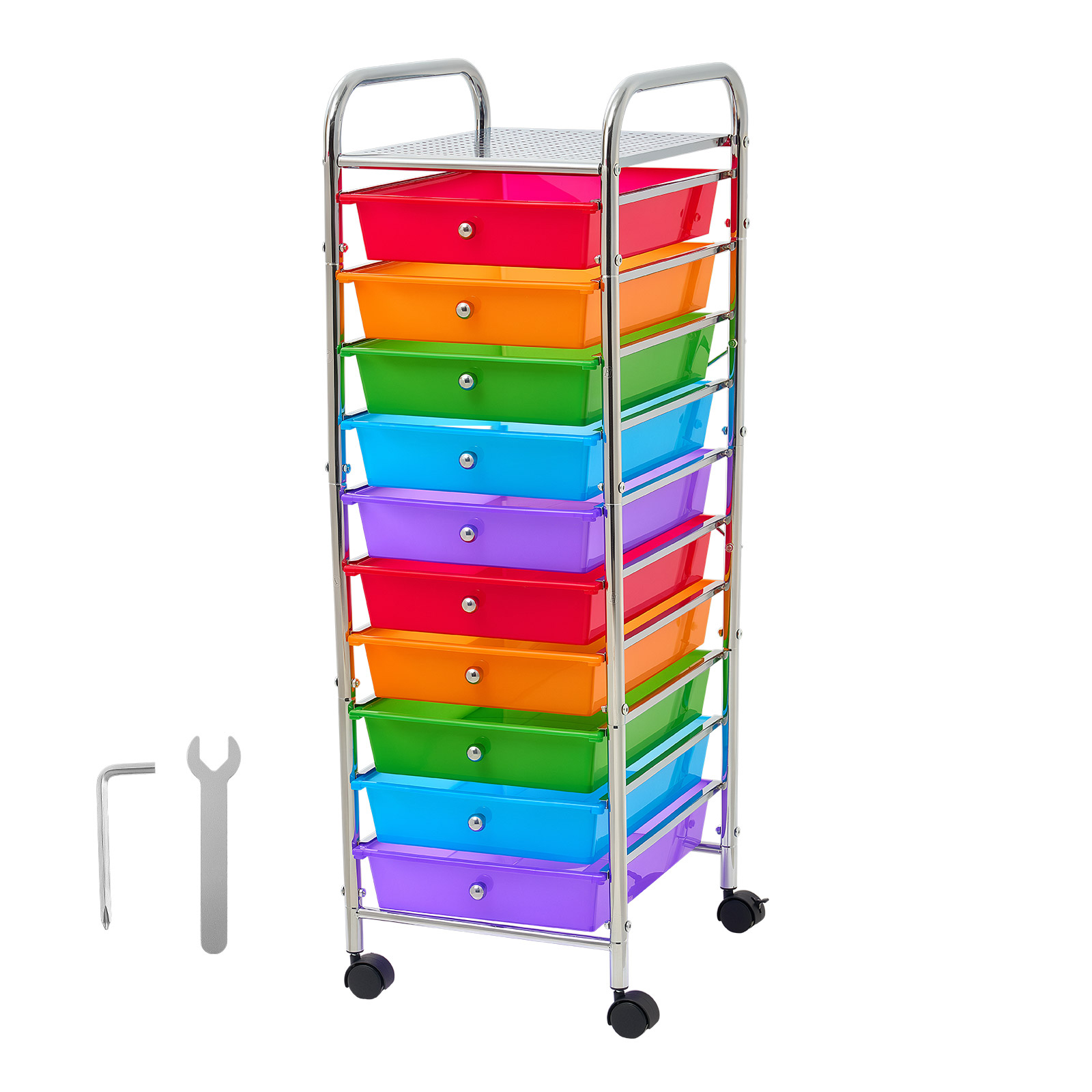 Rolling Cart With Drawers, 10 Drawer Storage Organizer, Mobile Utility Steel Frame, Universal Casters & 2 Brakes, Great For Office, Classroom, Craft Tools, Garage, Studio, Rainbow$58.99View on Mallflare
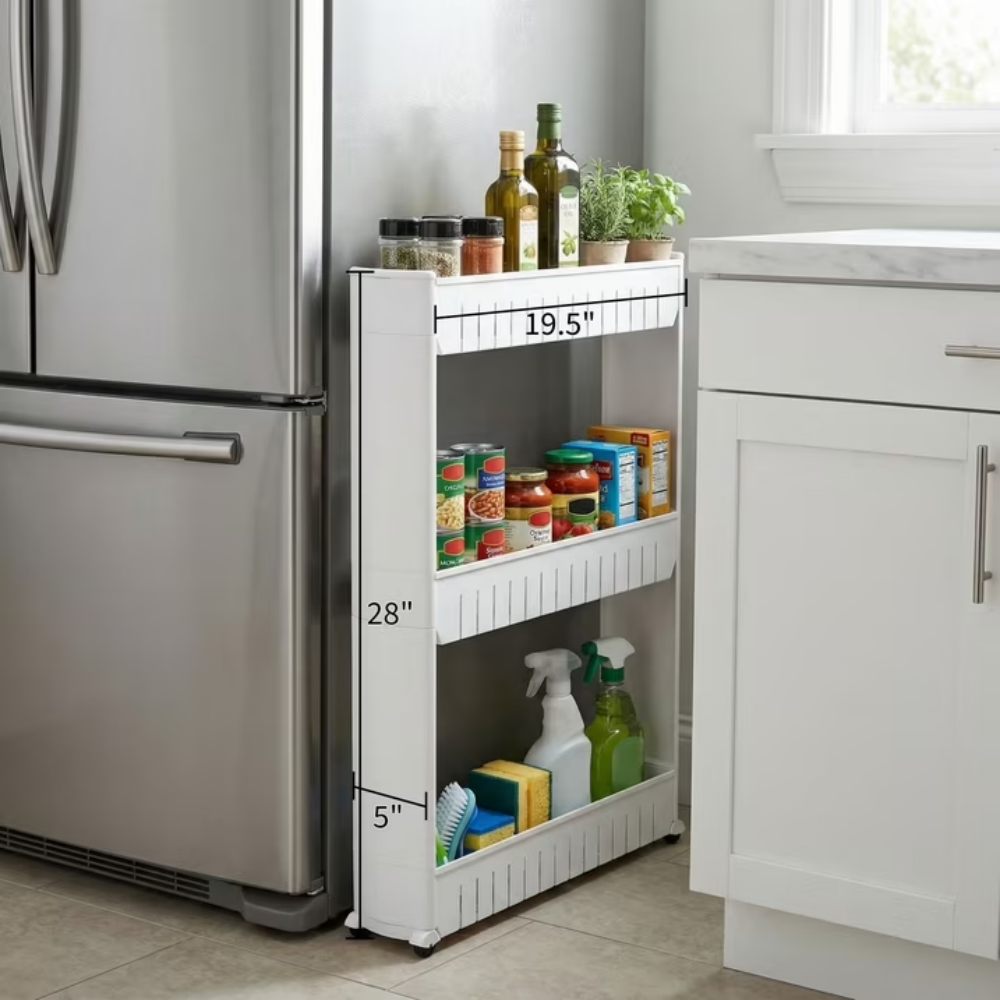 3-Tier Rolling Cart For Kitchens And Laundry Rooms White$78.99View on Mallflare
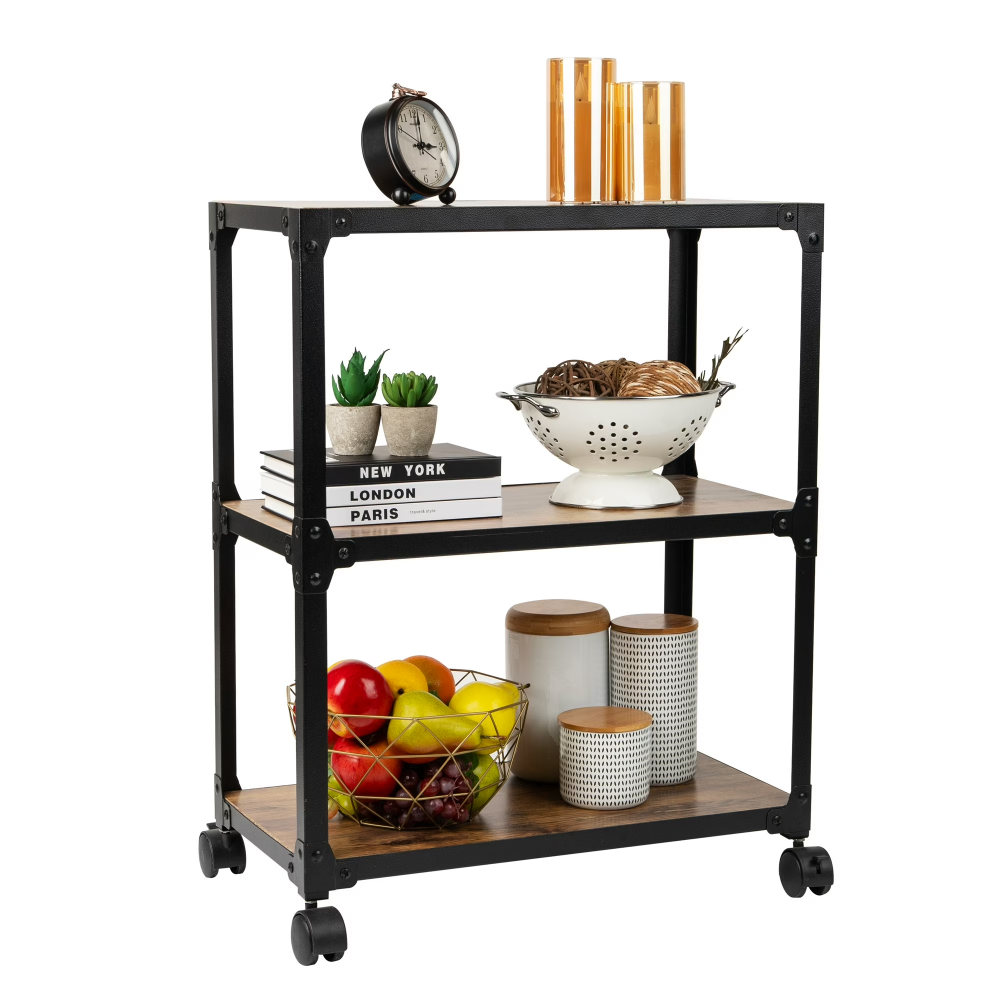 Multipurpose Rolling Cart with 3 Tiers, Mobile Office Storage Organizer, Metal, MDF, Brown$109.99View on Mallflare
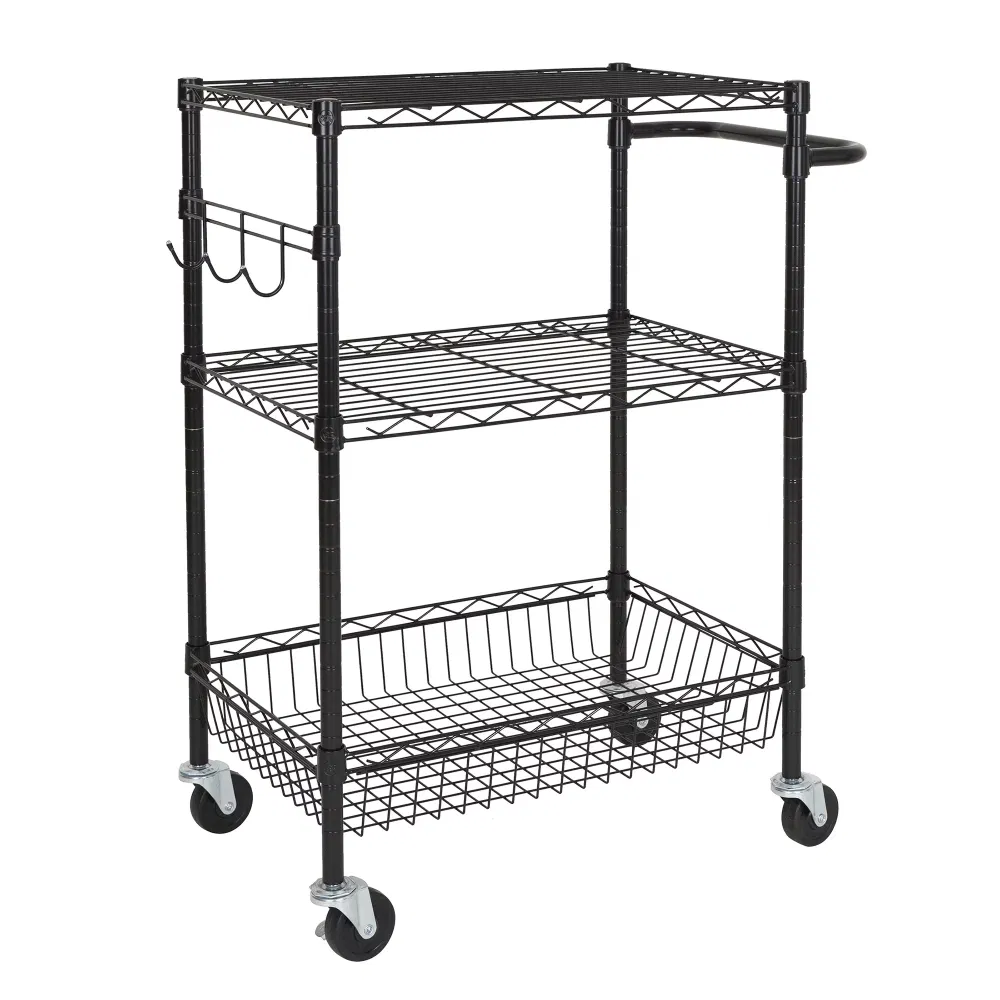 3-Tier New Multipurpose Rolling Cart, Black Color, 495lbs Load Capacity$133.99View on Mallflare
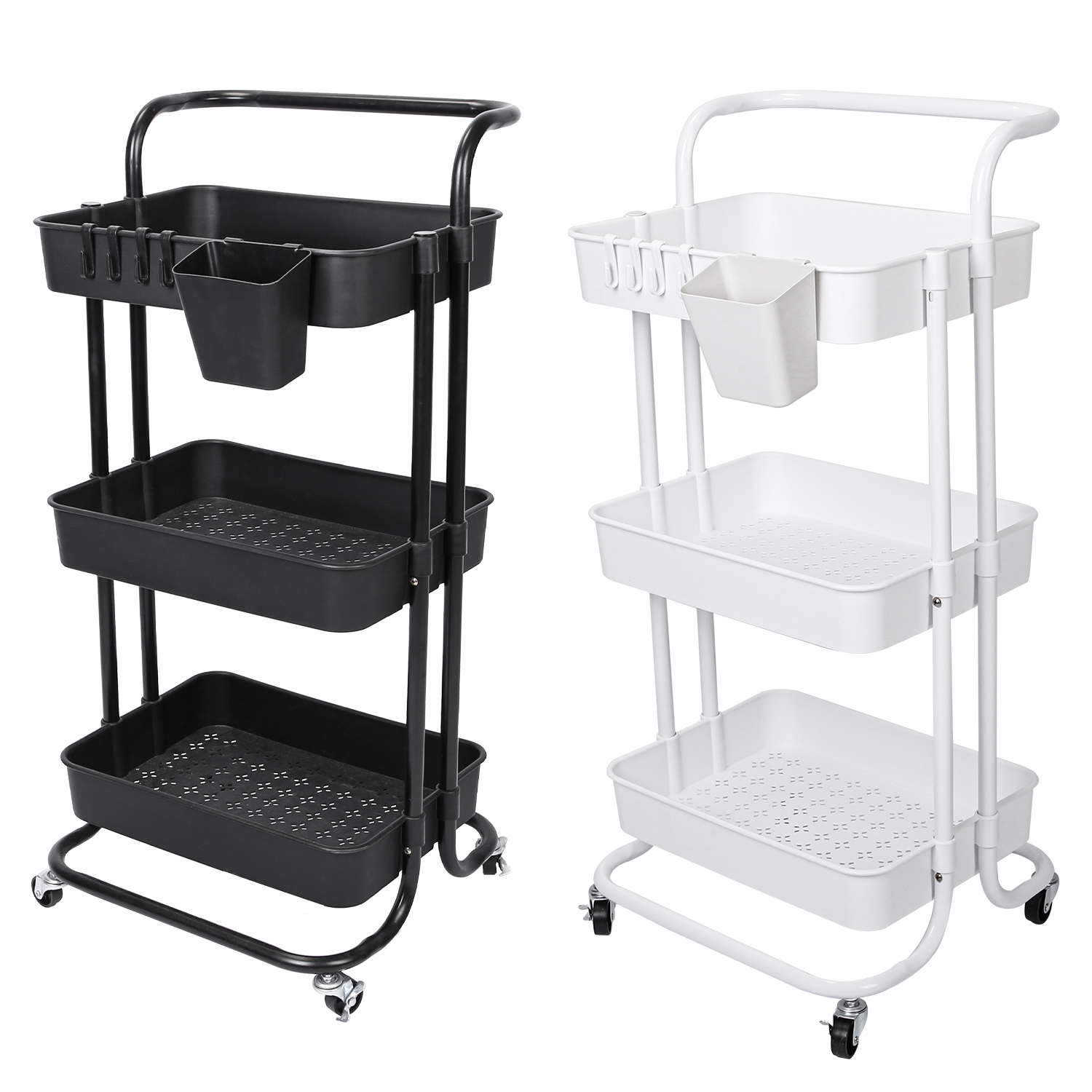 Black-White Color Options 1Pc 3 Tier Rolling Utility Cart Movable Storage Organizer With Mesh Baskets Lockable Wheels 360 Degree Rotatable Hanging Box Hooks Bedroom Bathroom Kitchen$54.99View on Mallflare
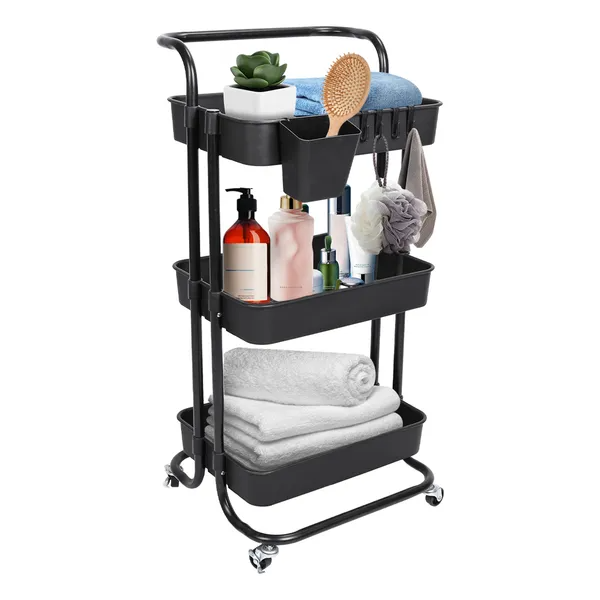 3 Tier Rolling Utility Cart Movable Storage Organizer With Mesh Baskets Lockable Wheels 360 Degree Rotatable Hanging Box Hooks Bedroom Bathroom Kitchen$59.99View on Mallflare
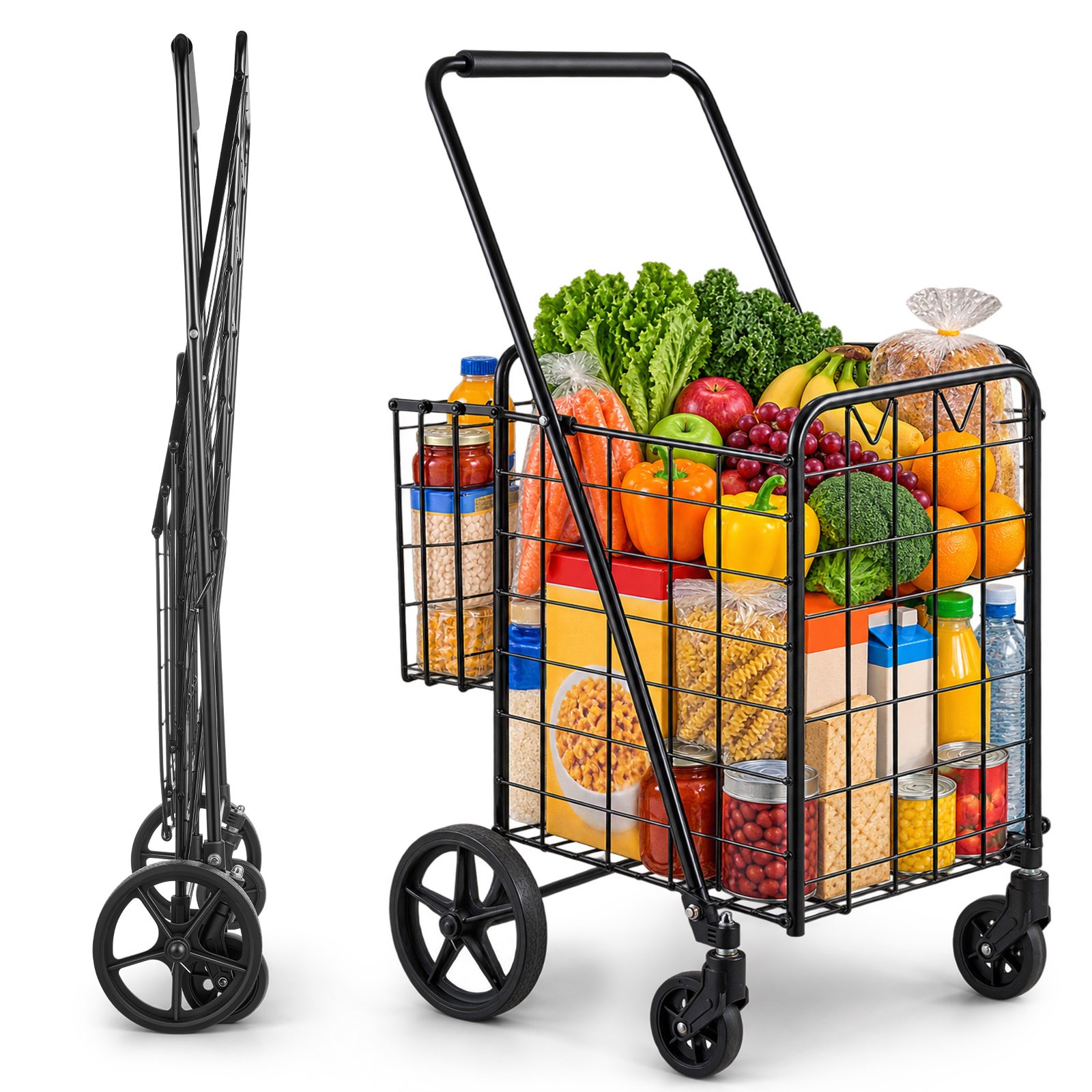 Folding Shopping Cart, 25.6 Gal + 5.8 Gal Dual-Basket Grocery 110LBS Heavy Duty Capacity, Steel Rolling Utility with 360° Swivel Wheels for Laundry, Camping, Groceries$64.99View on Mallflare
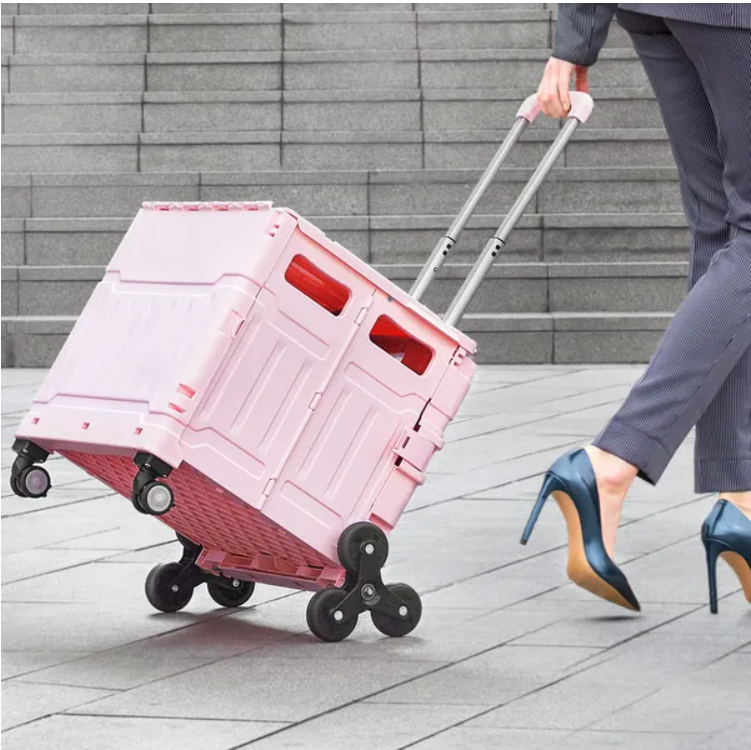 Foldable Cart With Stair Climbing Wheels Collapsible Rolling Crate 65L$69.99View on Mallflare
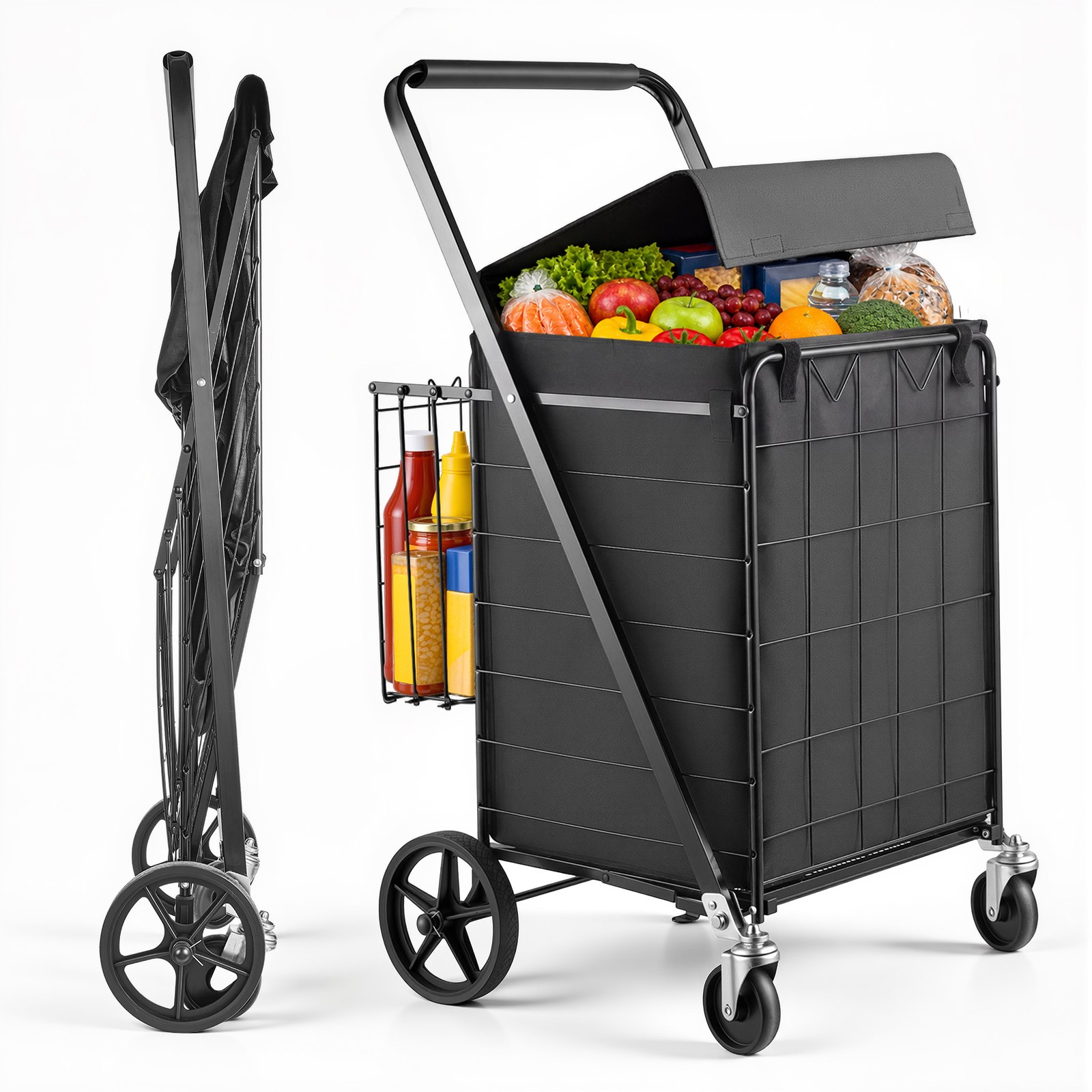 Folding Shopping Cart, 24.3 Gal + 6.1 Gal Dual-Basket Grocery 220LBS Capacity, Steel Rolling Utility with Waterproof Liner & 360° Swivel Wheel for Laundry, Camping$79.99View on Mallflare
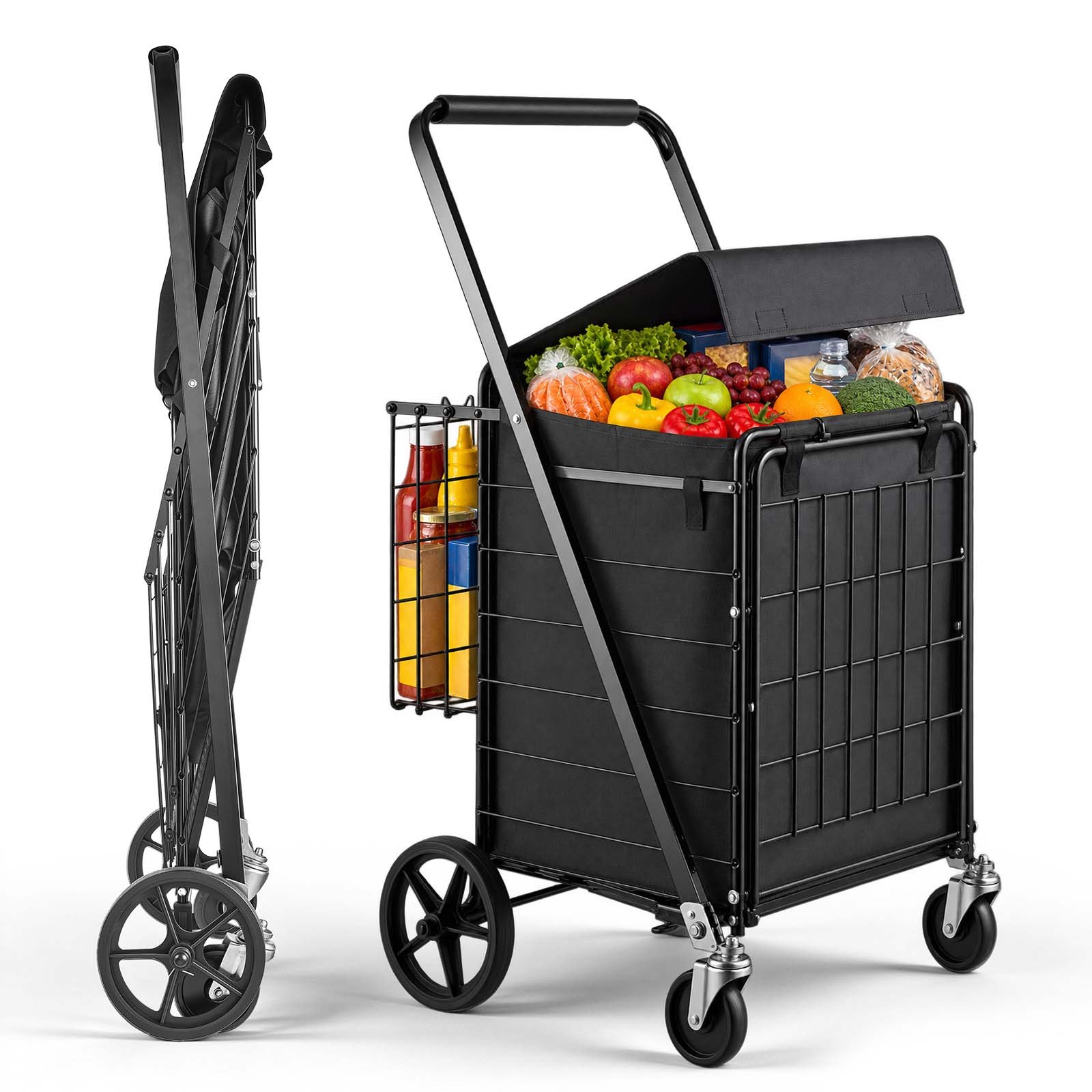 Folding Shopping Cart, 36.7 Gal + 6.1 Gal Dual-Basket Grocery 260LBS Capacity, Large Rolling Utility with Waterproof Liner & 360° Swivel Wheel for Laundry, Camping$82.99View on Mallflare
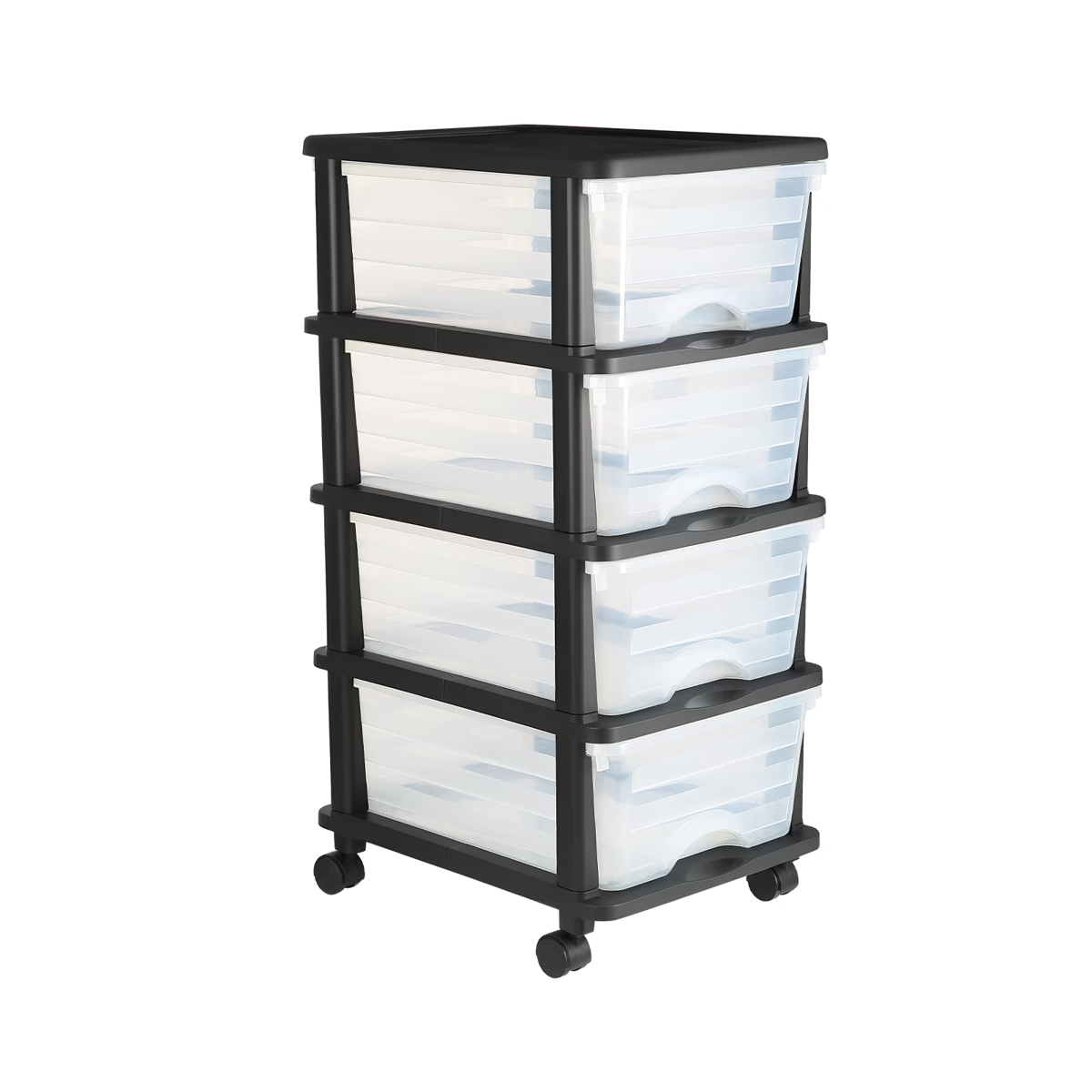 Plastic Storage Drawer Cart with 4 Compartments, Mobile Organizer Wheels, Rolling Solution for Office Supplies, Crafts, and Classroom Essentials$89.99View on Mallflare
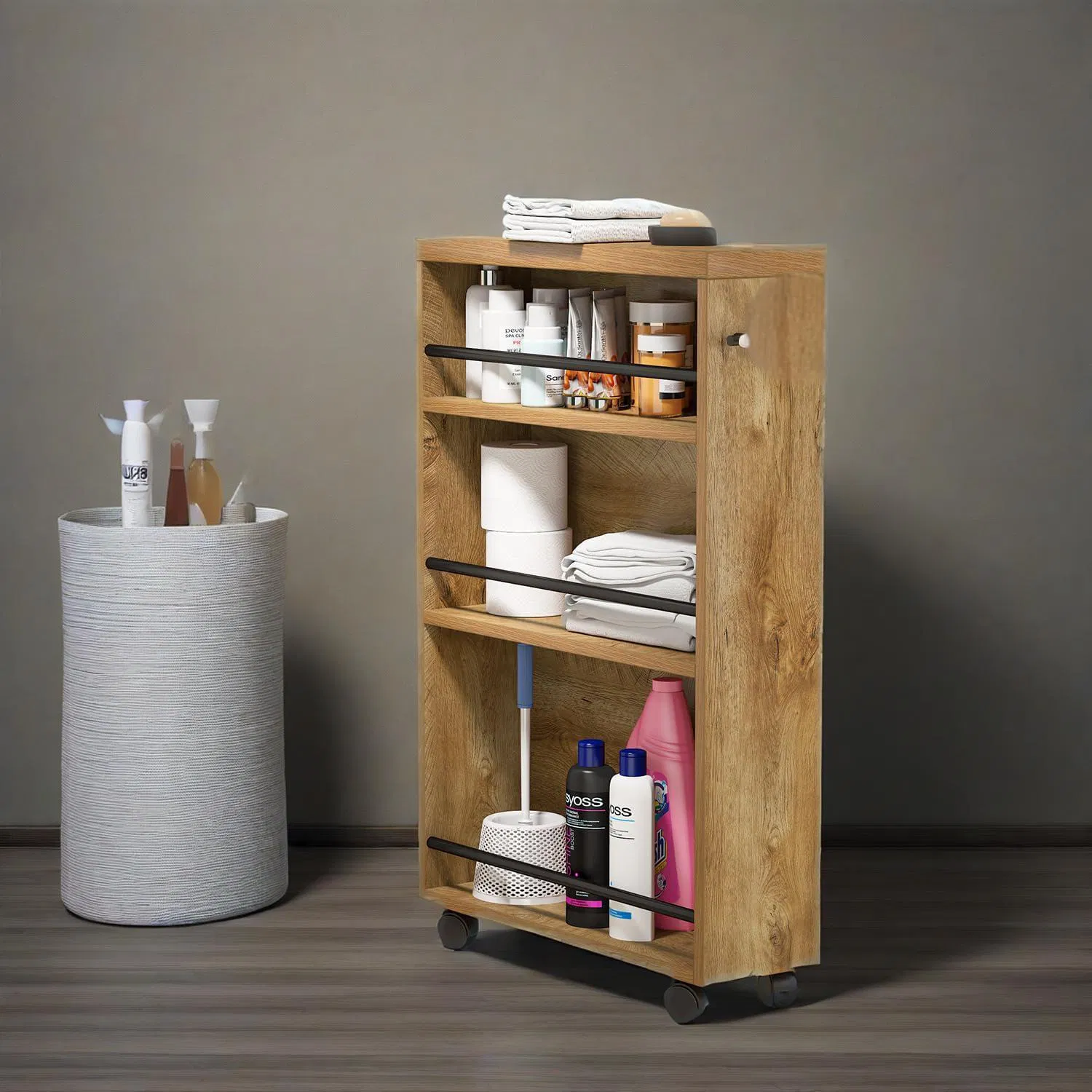 Slim Storage Cart, Rolling Narrow Kitchen on Wheels for Small Place, 4-Tier Slide Out Utility Skinny Laundry$92.99View on Mallflare
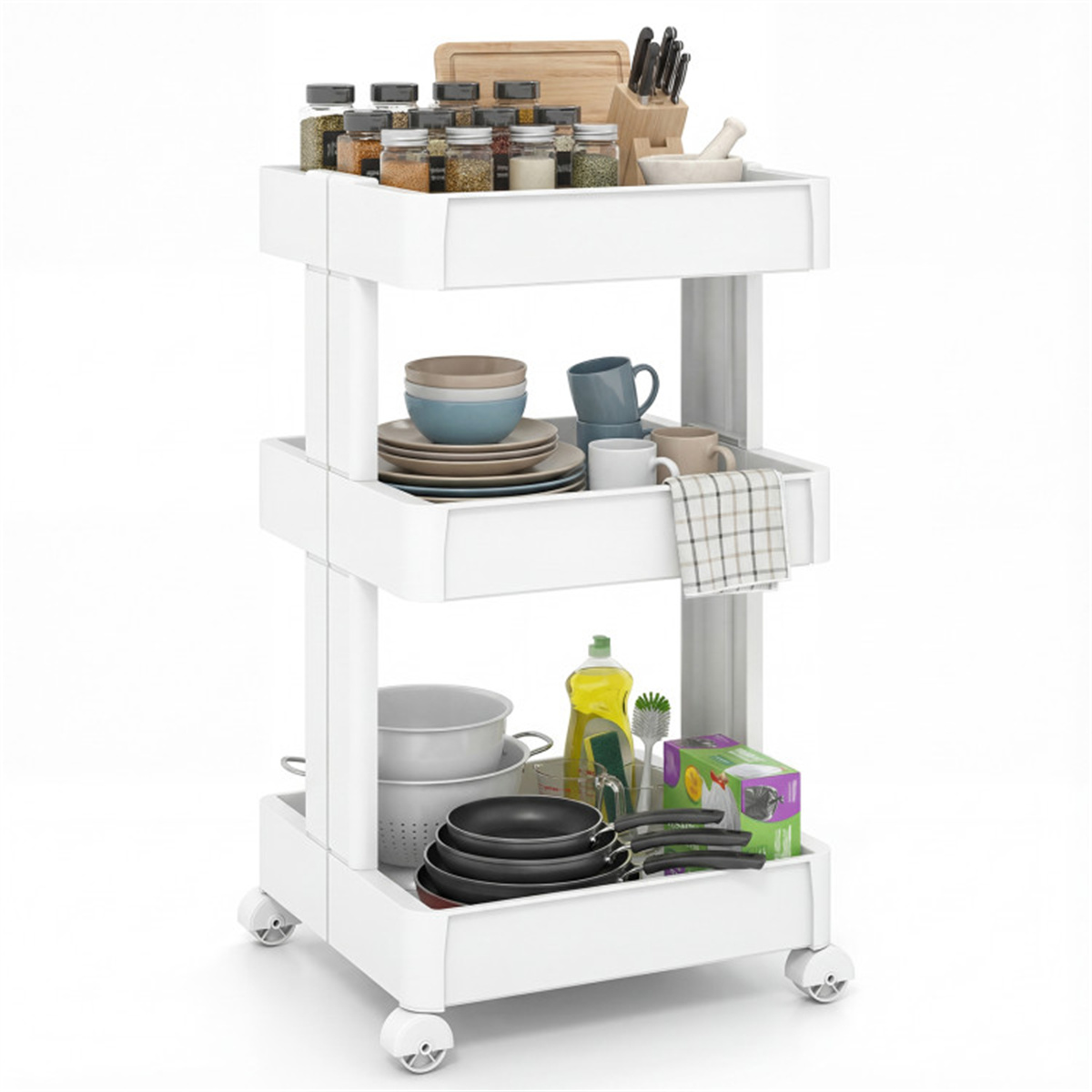 3 -Tier DIY Rolling Storage Cart,15.5" × 14.5" × 30" with Detachable Ventilated Trays for Kitchen & Bathroom$94.99View on Mallflare
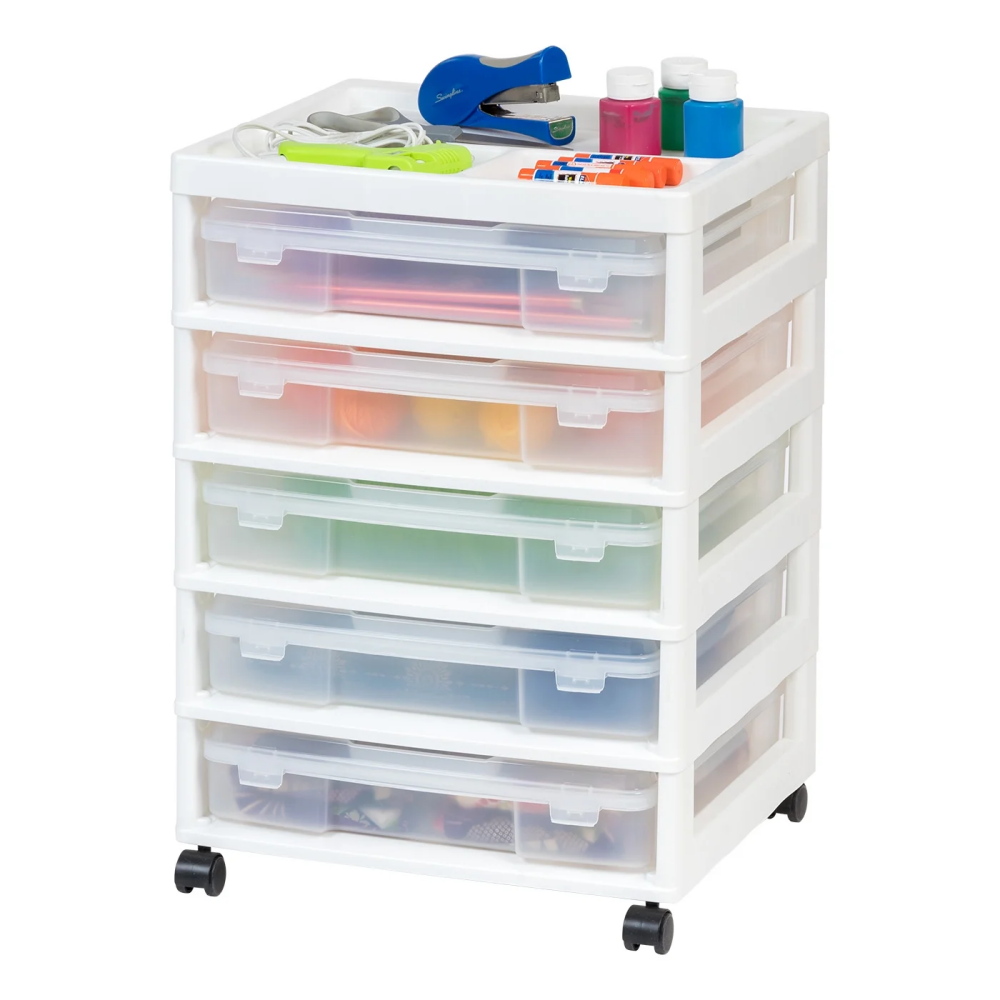 5 Drawers Scrapbook Plastic Rolling Storage Cart with Organizer Top Casters, White$96.99View on Mallflare
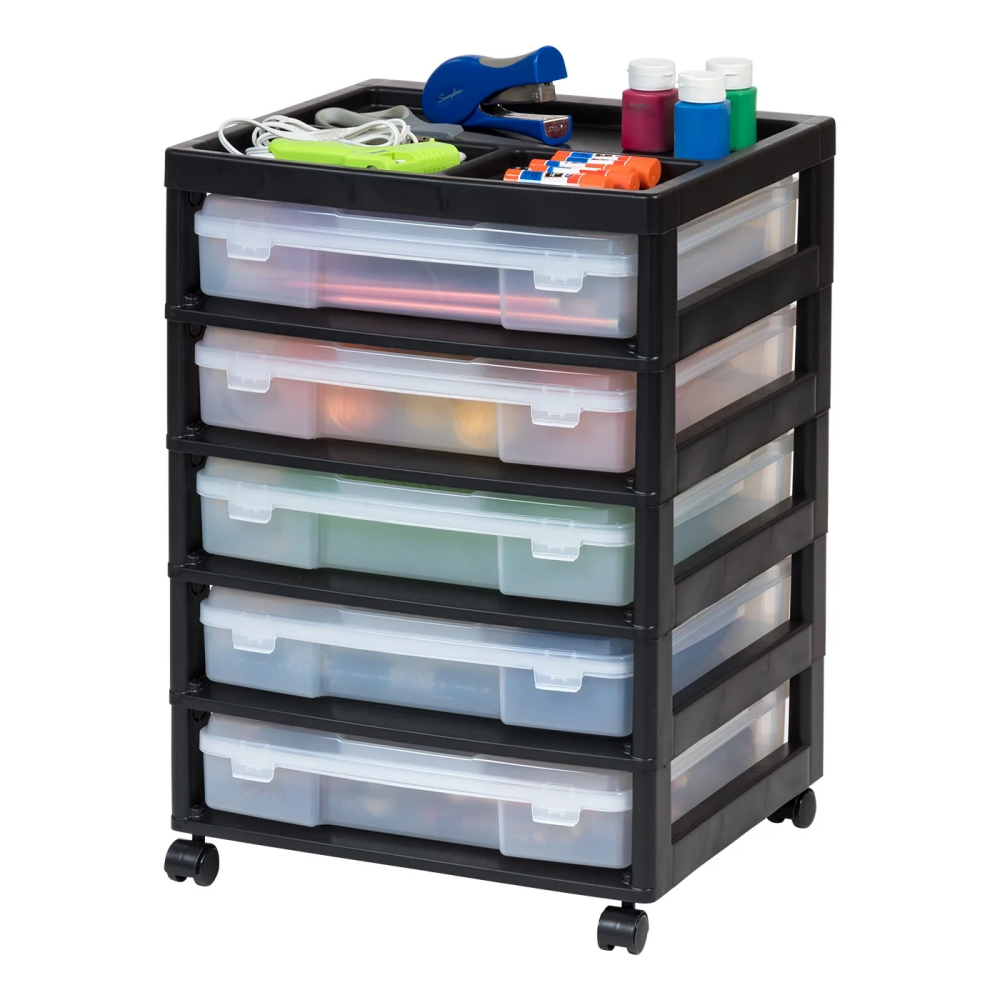 5 Drawers Scrapbook Plastic Rolling Storage Cart with Organizer Top Casters,Black$101.99View on Mallflare
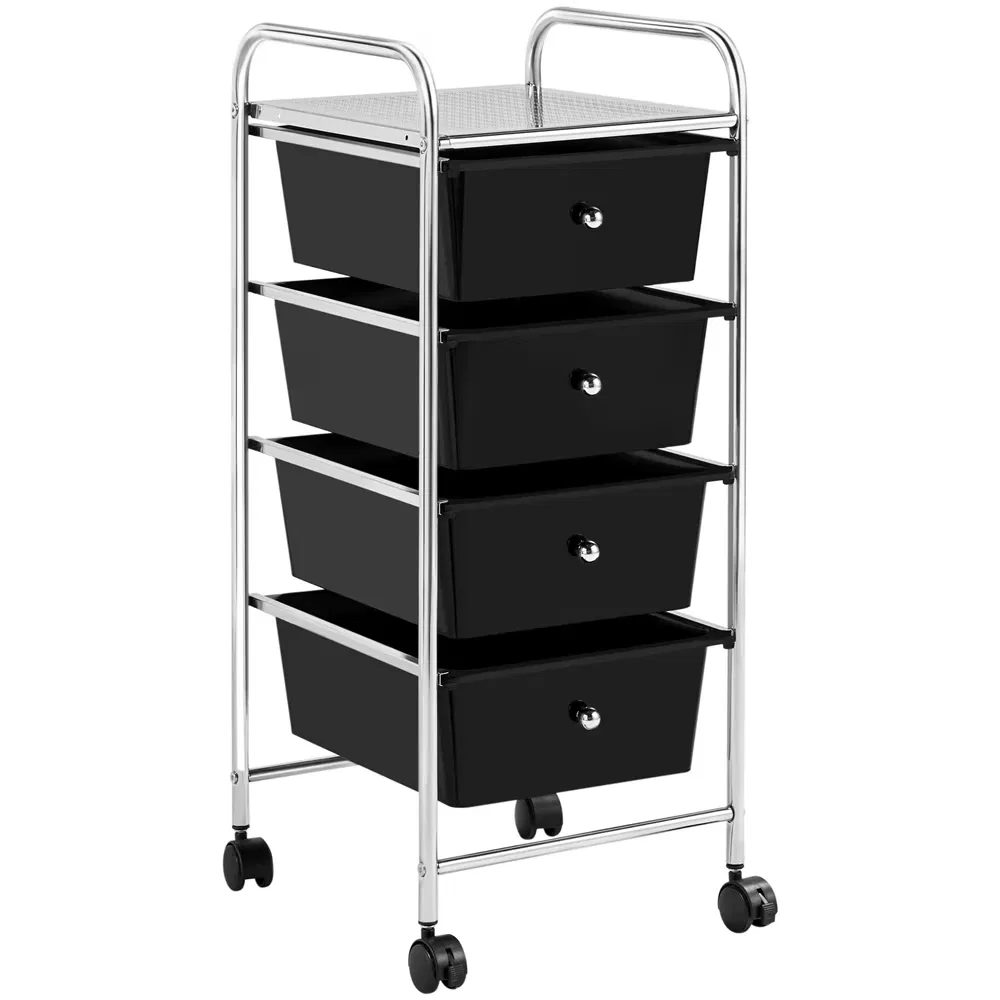 4 Drawers Metal Frame Storage Cart Rolling Bin Trolley, Black$103.99View on Mallflare
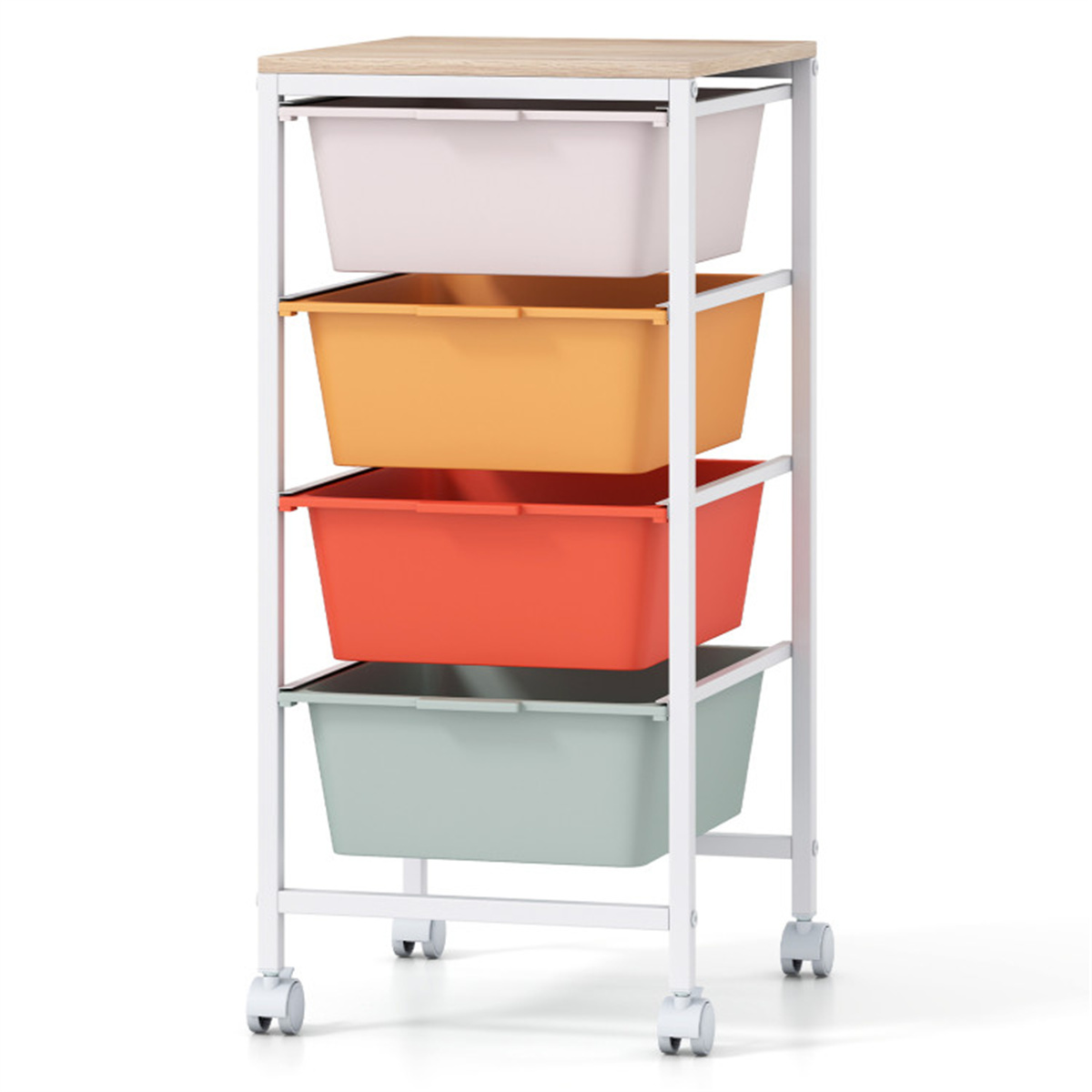 4-Drawer Rolling Storage Cart, Mobile Utility Organizer with MDF Wooden Top (Macaron)$105.99View on Mallflare
Highlights
- Steel frame plus MDF or wood top carts carry far more than molded plastic shells and resist shelf sag under dense loads like books or tools.
- Caster grade is the real durability gate: sealed ball-bearing or rubber-tread wheels roll quietly and protect hard floors, while hard nylon wheels skid and mark them.
- Locking casters should number at least two per cart; a single brake cannot hold a loaded cart on a slight slope or during use as a work surface.
- Tier count changes the footprint equation: 3-tier mesh carts fit narrow gaps and hold bulky items, while 5-10 drawer carts trade open capacity for dust-free compartmentalized storage.
Best use cases
- Kitchen or laundry: pick a 3-tier metal mesh cart with rubber casters and two brakes; skip drawer towers, whose closed fronts trap moisture and odors near appliances.
- Office, classroom, or craft room: pick a steel-frame drawer cart (5-10 drawers) with a wood top for a secondary work surface; skip open baskets if you need dust-free small-parts storage.
- Bathroom or bedroom: pick a narrow plastic or coated-metal 3-tier cart sized to the gap beside the vanity; skip wide drawer units that block door swing in tight rooms.
Buying tips
- Match shelf load rating to contents: dense items like books, tools, or canned goods need a steel frame rated well above the weight you plan to stack per tier.
- Measure the gap or footprint first, add 2 in clearance on each side for caster swivel, and confirm tier height fits the tallest item you will store.
- Choose casters by floor: rubber or TPU tread for hardwood and tile, larger-diameter wheels for carpet and thresholds, and at least two locking casters for safety.
- For drawer carts, confirm drawer slides are metal rather than molded plastic ribs; metal slides hold loaded drawers without binding or cracking.
Specs
| Frame Material | Steel / MDF vs molded plastic |
|---|---|
| Tier / Drawer Count | 3-tier open vs 5-10 drawer |
| Caster Type | Rubber/TPU vs hard nylon |
| Brake Count | 2+ locking casters recommended |
Related searches
What to check before buying
- Measure the intended slot, doorway, and turning radius; cart width plus 4 in must clear the path and casters must swivel without scraping walls.
- Confirm floor type and threshold height; low-profile carts with small hard wheels jam on rugs and door sills.
- Check per-shelf and total load ratings against your actual contents, not the cart's marketing headline number.
- Verify assembly hardware and tools are included and that the top surface material suits your use (wood top for work surface, metal for wet areas).
FAQ
Data sources: eBay / Amazon listings and product attribute feeds. Updated Nov 22, 2026.
Some links on this page are affiliate links. If you buy after clicking one, we may earn a commission at no extra cost to you. This does not change which products appear here or their order. Affiliate disclosure.