

Photos from current listings. Actual item, color, and included accessories may vary.
Heavy Duty Storage Tote Buying Guide
Heavy-duty storage totes are rigid containers built to hold dense loads without cracking, warping, or splitting at the rim or handle. The critical trade-off is resin quality and wall geometry versus price: cheap totes use thin, brittle polypropylene and short hinge pins, while true heavy-duty totes use thick-walled impact copolymers or high-density polyethylene with reinforced ribs and full-length lid channels. The decision rule is simple: if you plan to stack more than two high, lift by the handles when loaded, or store in a garage with temperature swings, buy a tote with a rated load capacity, molded-in ribs, and a lid that mechanically locks down—not a clear retail storage bin.
At a glance
- Category
- Home Storage & Organization
- Last updated
- Nov 22, 2026
Current offers
Highlights
- Load-rated totes carry molded capacity labels (commonly 40–80 lb for 12–27 gal sizes); unrated clear bins are not engineered for stacking or hanging loads.
- Impact copolymer polypropylene and HDPE resist cold-weather cracking; thin homopolymer PP and clear PET bins become brittle below freezing in garages.
- Reinforced rim channels and full-perimeter lid latches prevent sidewall bowing—the main failure mode when totes are stacked three or more high.
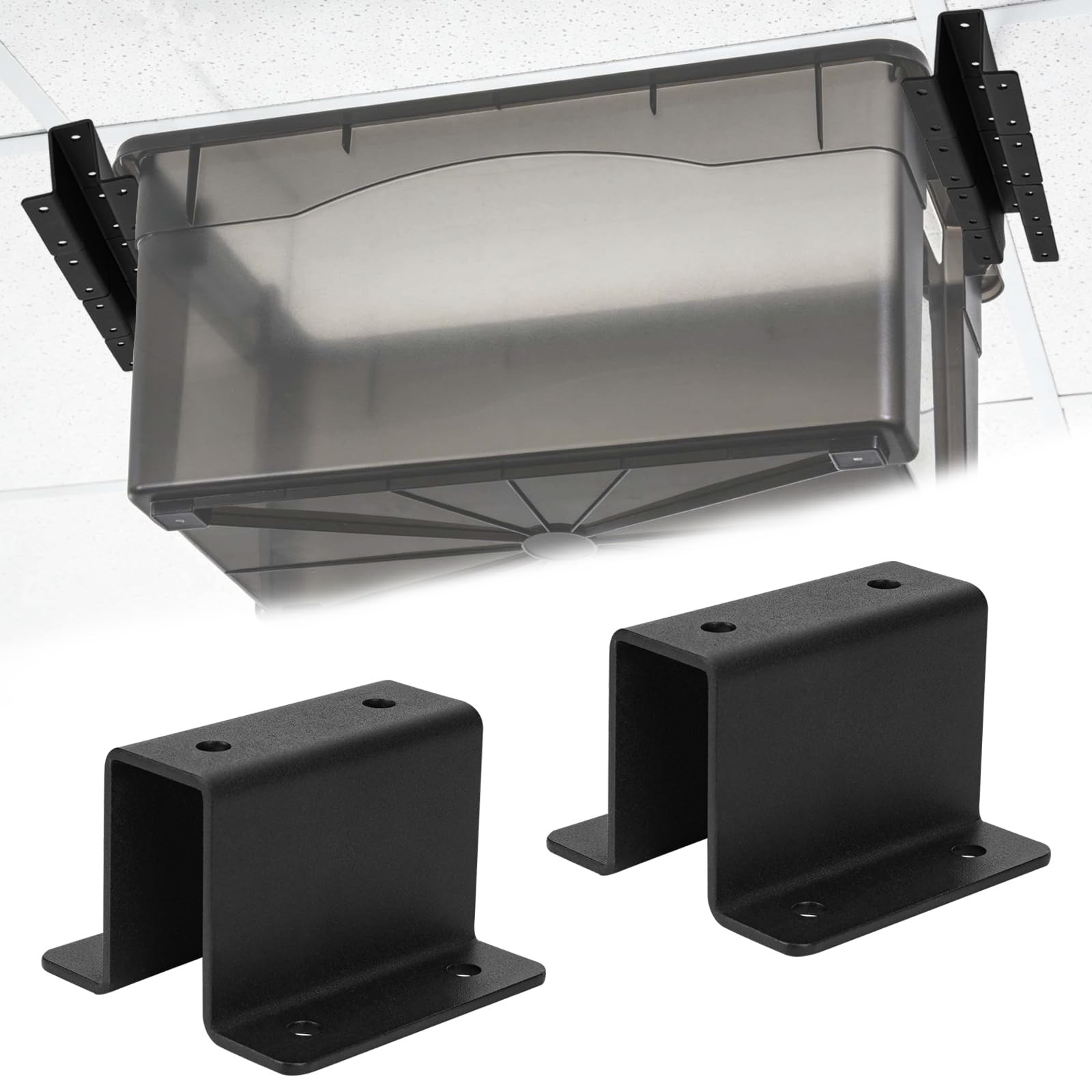
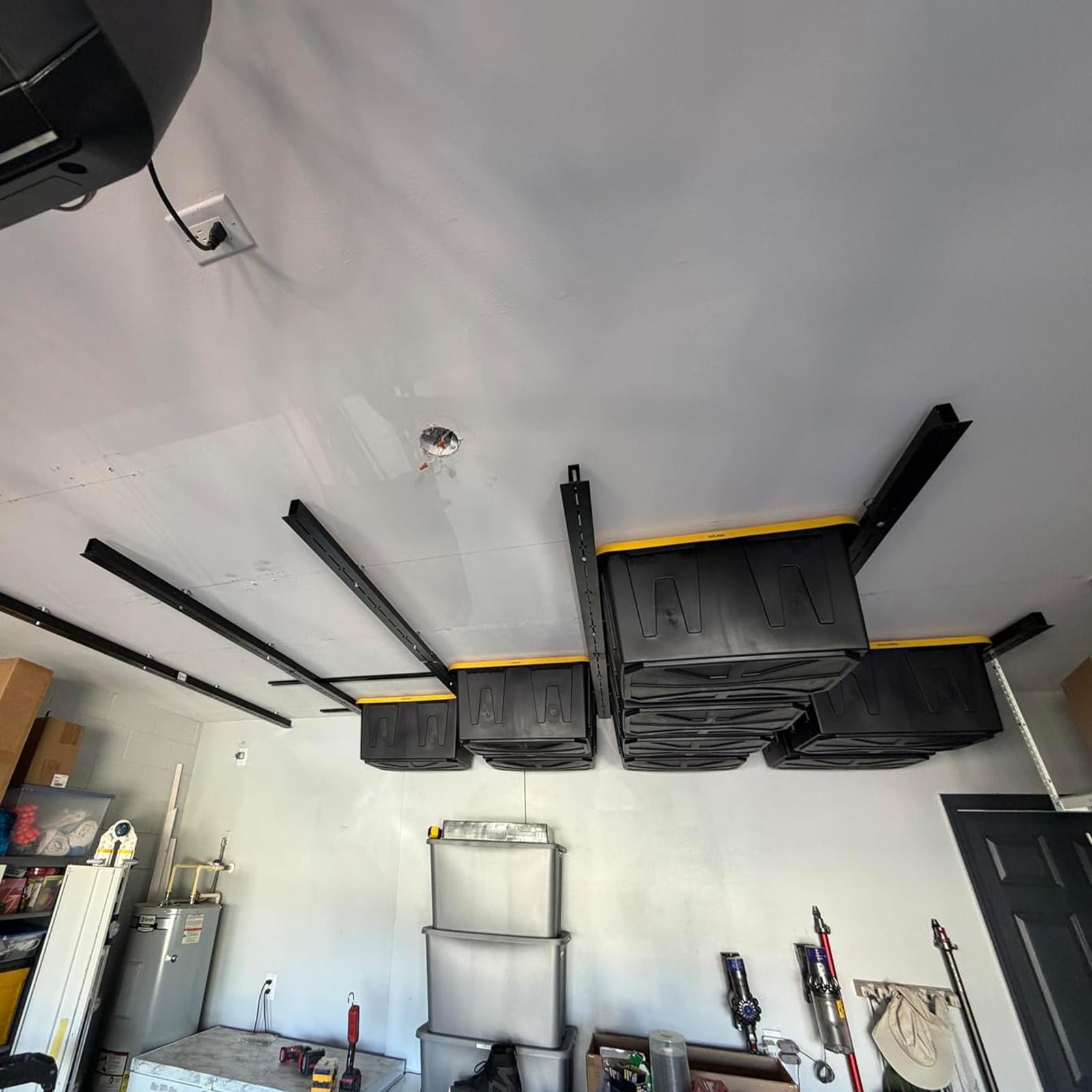
- Overhead ceiling rack systems (steel or aluminum rails) require totes with flat, load-bearing rims and no protruding wheels or handles to hang safely.
Best use cases
- Garage and shed storage of tools, holiday decor, or heavy seasonal gear: choose an opaque impact-copolymer tote with a load rating and stackable lid; skip clear retail bins that crack under cold and weight.
- Overhead ceiling rack installation: pick totes with flat reinforced rims and no wheels, sized to the rack's rail spacing; skip soft-sided or irregularly shaped bins that cannot hang level.
- Indoor closet and pantry organization of lighter goods: a mid-weight stackable tote is sufficient; skip premium load-rated industrial totes that add cost and bulk without benefit.
- Moving or frequent transport of dense items: select totes with full-width molded handles and lock-down lids; skip bins with snap-on lids that pop off when carried by the rim.
Buying tips
- Match tote volume to load density: 12–27 gal totes are the practical range for garage use; larger 40+ gal totes become too heavy to lift when filled with dense items.
- Check the resin: impact copolymer PP or HDPE handles cold and impact; thin homopolymer PP and clear PET are for light indoor storage only.
- Confirm stack rating: a tote rated to stack three high carries the load through its rim and lid channel—look for molded ribs and a lid that seats into the top rim.
- For ceiling racks, measure rail spacing and tote rim width; totes must sit flat with the lid load distributed across steel rails, not hung by handles.
Specs
| Resin Type | Impact copolymer PP / HDPE vs thin PP |
|---|---|
| Load Rating | 40–80 lb rated vs unrated |
| Stack Rating | 2–3 high interlocking vs single |
| Lid Lock | Full-perimeter latch vs snap-on |
Related searches
What to check before buying
- Measure your shelf, rack, or ceiling-rack bay width and depth; totes must fit with clearance for lid latches and handle protrusion.
- Confirm the tote's rated load capacity exceeds the weight of what you will store, plus the weight of totes stacked above it.
- For garage or unheated storage, verify the resin is impact copolymer PP or HDPE rated for low temperatures; avoid clear brittle plastics.
- For overhead racks, check that the tote has a flat, reinforced rim and no wheels, and that the rack's hardware is rated for the total loaded weight.
FAQ
Data sources: eBay / Amazon listings and product attribute feeds. Updated Nov 22, 2026.
Some links on this page are affiliate links. If you buy after clicking one, we may earn a commission at no extra cost to you. This does not change which products appear here or their order. Affiliate disclosure.