
Photos from current listings. Actual item, color, and included accessories may vary.
Decorative Storage Bin With Lids Buying Guide
Decorative storage bins with lids combine visible-home styling with dust protection, and the core trade-off is material rigidity versus breathability: woven natural fibers and fabric liners look warm but sag and trap moisture, while metal, wood, and rigid plastic hold shape and stack cleanly. Choose a lid with a positive fit and a structural frame if you need shelf-stable, stackable storage; choose open woven baskets without lids for air circulation and soft-item overflow.
At a glance
- Category
- Home Storage & Organization
- Last updated
- Nov 22, 2026
Current offers
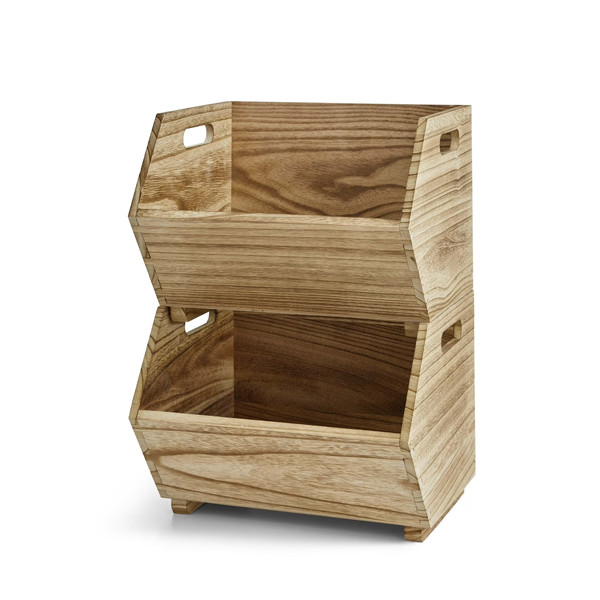 Better Homes & Gardens Natural Wood Stacking Open Front Decorative Storage Bins$25.00View on eBay
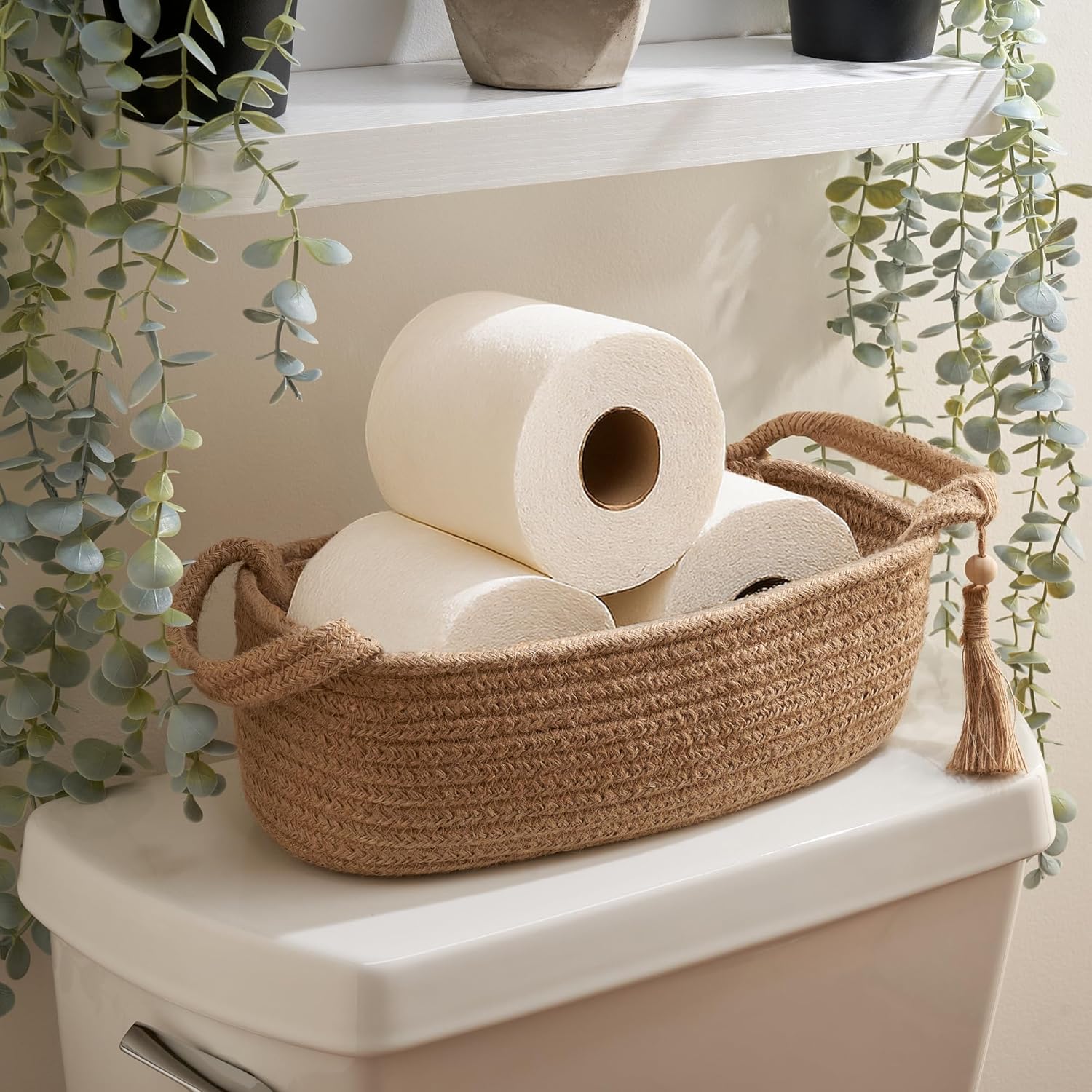 Decorative Toilet Paper Basket, Boho Jute And Cotton Rope Storage Bin With Tassel For Bathroom And Home$47.99View on Mallflare
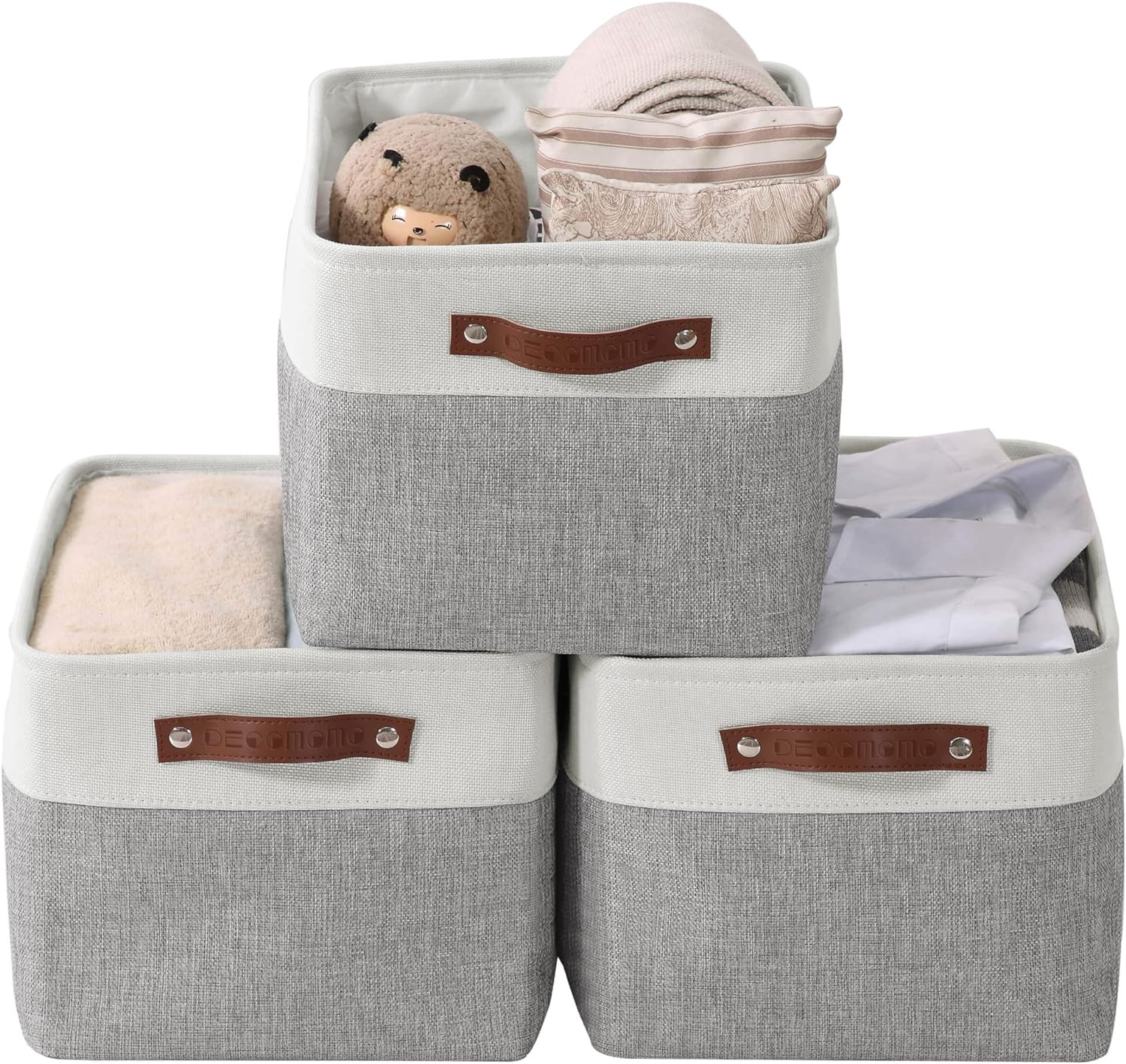 Storage Bins, Large Fabric Storage Baskets for Shelves, Decorative Linen Closet$63.27View on eBay
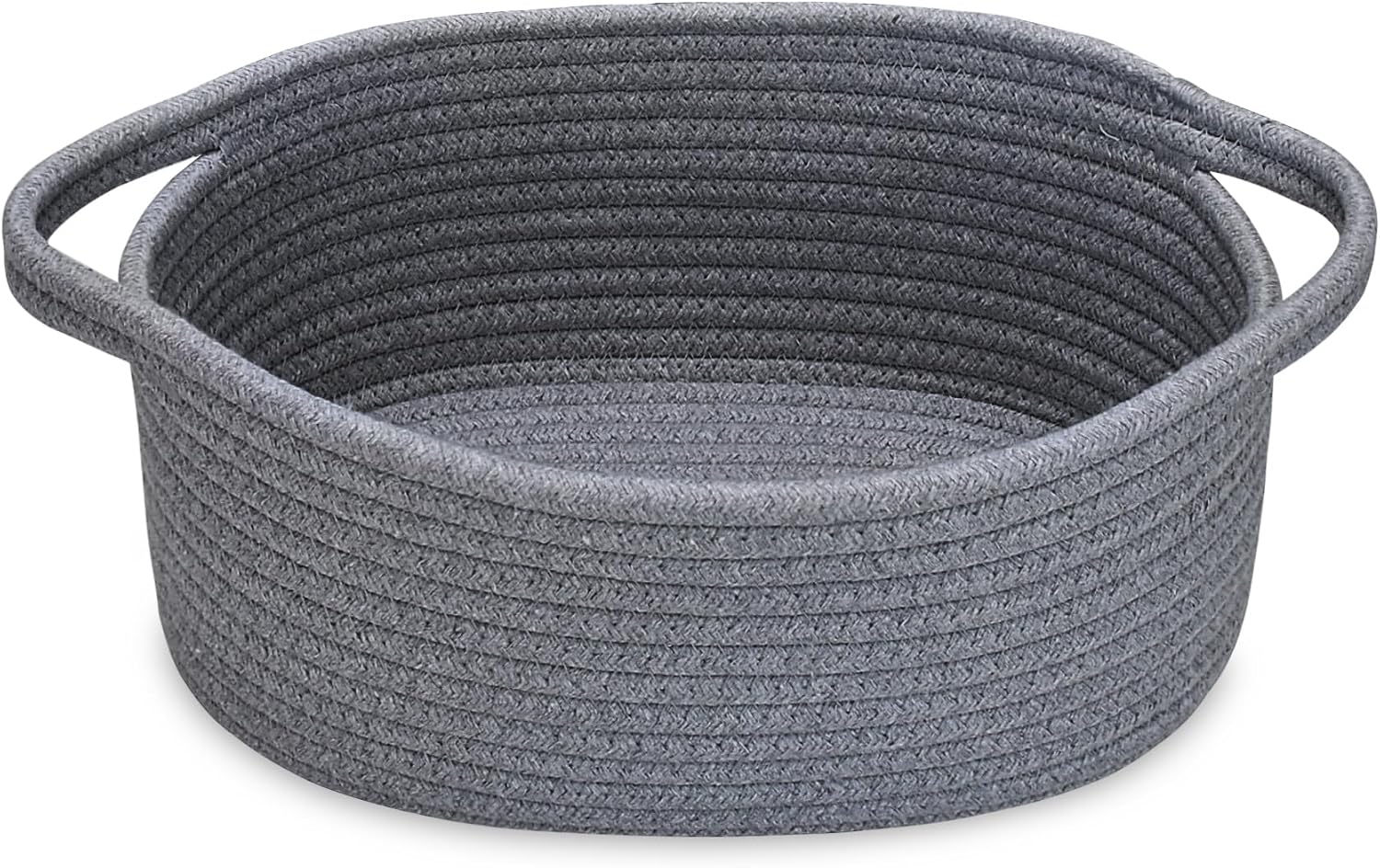 Small Boho Woven Rope Storage Basket With Handles Decorative Organizer Bin For Dog Cat Toys Shelf Easter Christmas Gift$49.99View on Mallflare
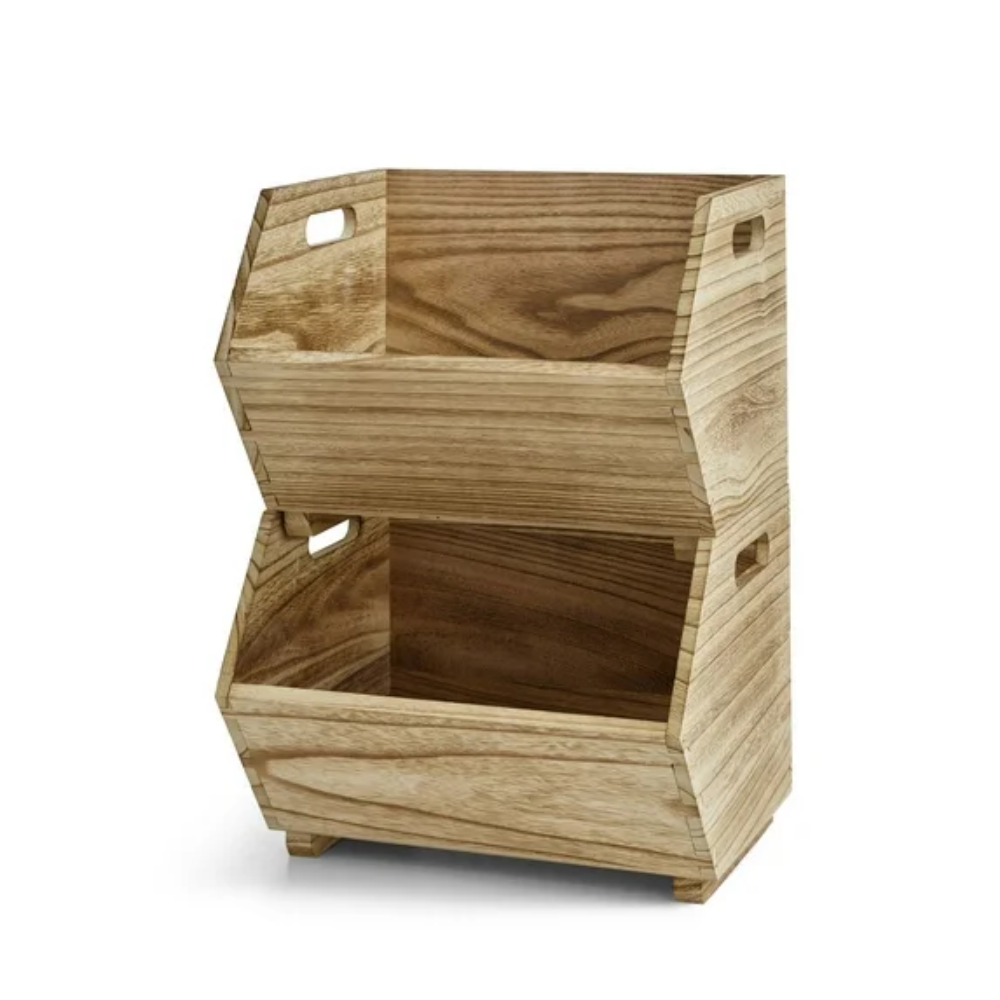 2-Piece Set Natural Wood Stacking Open Front Decorative Storage Bins, 11 in x 16.5 in x 10 in$76.99View on Mallflare
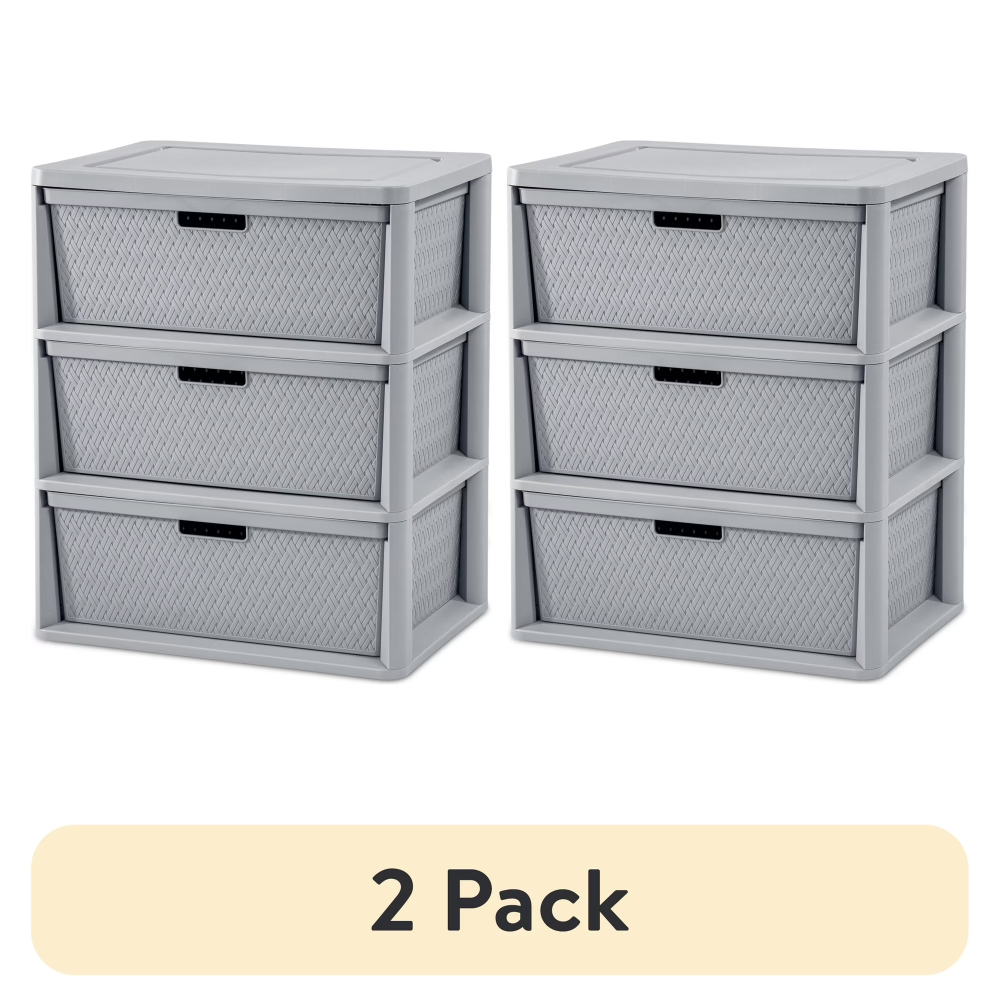 (2 pack) Wide 3 Drawer Tower, Plastic Storage Organizer with Removable Decorative Bins, Easy to Assemble - No Tools Needed, Gray$113.99View on Mallflare
Highlights
- Lid fit is the durability hinge: a seated lid with a lip or overlapping rim keeps dust out and allows stacking; friction-fit lids on flexible fabric bins bow and shed.
- Frame construction separates tiers: rigid wire or wood-slat frames hold rectangular shape under load, while unstructured fabric and jute rope bins slump once filled above two-thirds capacity.
- Natural fibers (jute, cotton rope, seagrass) need dry, ventilated rooms; in humid bathrooms they can mildew, whereas powder-coated metal and sealed wood resist moisture.
- Stacking rating depends on the lid bearing surface and base footprint: identical footprints and flat, reinforced lids allow two-high stacking; tapered or round bins should not be stacked.
Best use cases
- Best fit: open shelving and closet tops where appearance matters — pick a lidded fabric or woven bin sized to the shelf depth with a rigid insert; skip floppy rope baskets that bulge past the shelf edge.
- Best fit: bathroom and laundry storage for toilet paper and linens — choose a sealed wood, metal, or coated-fabric lid; skip untreated jute in damp rooms because it absorbs humidity and odors.
- Best fit: kids' rooms and toy overflow — use lightweight fabric or plastic bins with removable lids that children can lift; skip heavy wood-slat bins on high shelves.
- Wrong fit: garage, attic, or damp basement storage — decorative woven and fabric bins underperform there; use rigid plastic totes with gasketed lids instead.
Buying tips
- Measure shelf depth, width, and height clearance first; allow 1–2 in of front clearance for handles and 2 in above the lid for lifting, and buy a bin whose base footprint matches the shelf to prevent tipping.
- Match the material to the room's humidity: sealed wood, powder-coated metal, and coated canvas for baths and kitchens; unsealed jute, cotton rope, and unlined fabric for dry bedrooms and living rooms.
- For stacking, confirm the lid is flat and load-bearing and the base nests inside the lid rim; non-identical footprints or domed lids make two-high stacks unstable.
- Check the load path: bins with sewn-in wire frames or wood slats hold shape when full, while single-layer fabric and loose rope need a rigid liner or insert to stay rectangular.
Specs
| Lid Type | Seated lip / friction-fit / hinged |
|---|---|
| Frame | Rigid wire / wood slat / unstructured |
| Material | Woven fiber / fabric / metal / wood |
| Stackability | Flat reinforced lid / non-stackable |
Related searches
What to check before buying
- Shelf and clearance math: measure interior width, depth, and height, then subtract 1–2 in for handles and lid lift; confirm the bin fits with the lid on.
- Humidity and light: identify damp rooms (bath, laundry, basement) and sun-exposed shelves; choose sealed or coated materials there and reserve natural fibers for dry, indirect-light areas.
- Companion parts: confirm whether the bin includes a liner or insert, and whether replacement lids or dividers are offered, since mismatched lids break the stack.
- Floor and frame compatibility: check the shelf's weight rating and surface; use felt pads under wood and metal bins on finished shelves, and avoid heavy filled bins on wire shelving without a solid base.
FAQ
Data sources: eBay / Amazon listings and product attribute feeds. Updated Nov 22, 2026.
Some links on this page are affiliate links. If you buy after clicking one, we may earn a commission at no extra cost to you. This does not change which products appear here or their order. Affiliate disclosure.