
Photos from current listings. Actual item, color, and included accessories may vary.
Decorative Storage Bin Buying Guide
Decorative storage bins are open-top or lidded containers designed to be visible on shelves, floors, or counters, where appearance matters as much as function. The core trade-off is structural rigidity versus breathability and softness: rigid wood, metal, or woven materials hold their shape and support weight, while fabric and rope bins conform, breathe, and protect delicate items. The decision rule is simple: choose rigid bins for heavy, stacked, or floor-level storage, and soft woven or fabric bins for shelf-top display and lightweight, frequently accessed items.
At a glance
- Category
- Home Storage & Organization
- Last updated
- Nov 22, 2026
Current offers
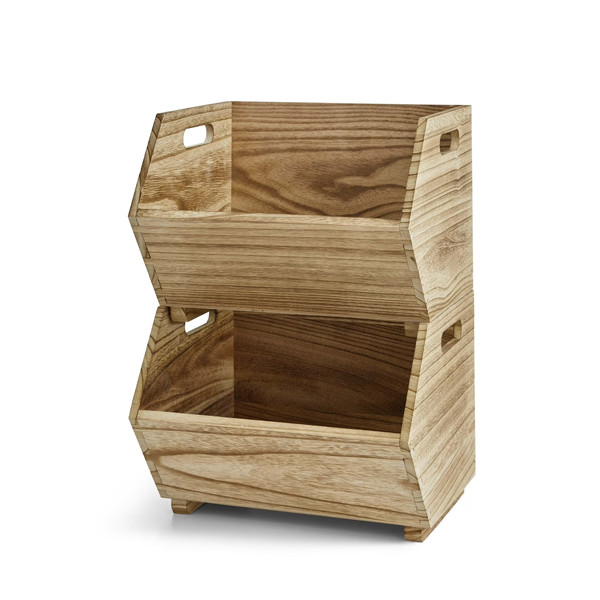 Better Homes & Gardens Natural Wood Stacking Open Front Decorative Storage Bins$25.00View on eBay
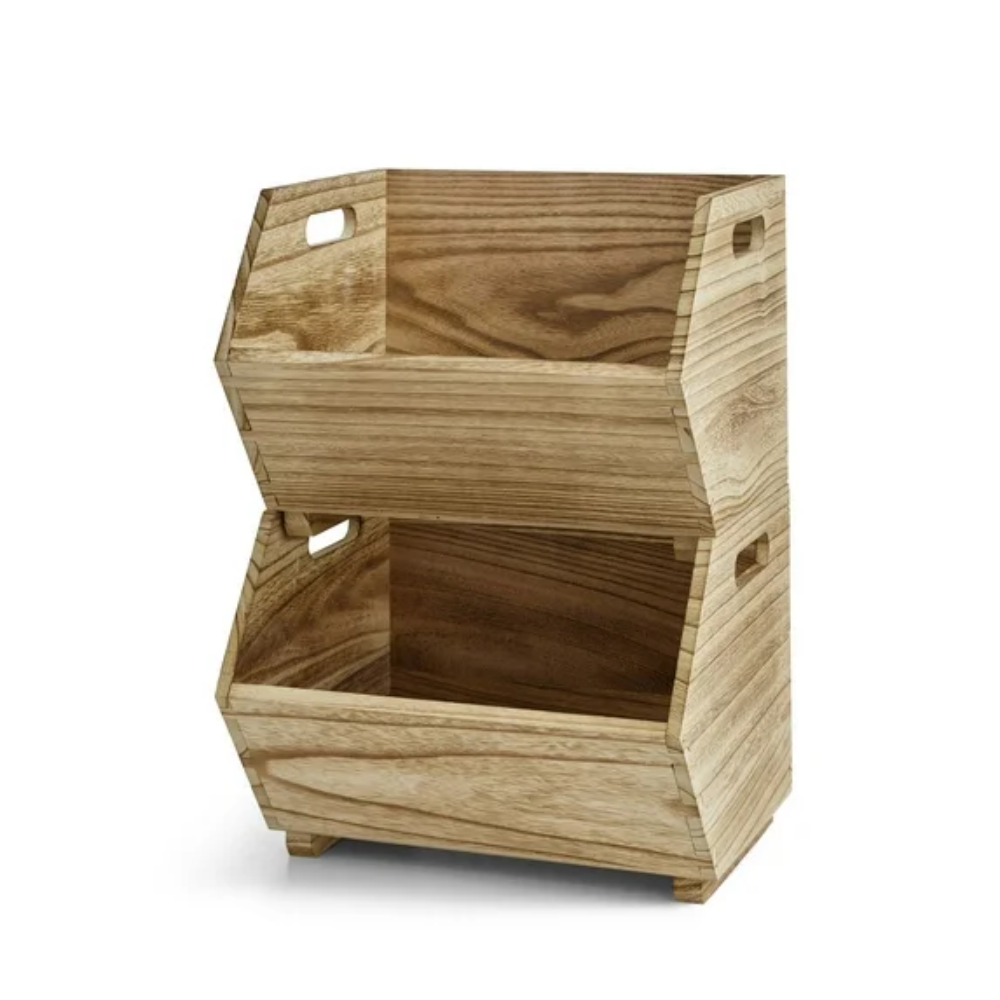 2-Piece Set Natural Wood Stacking Open Front Decorative Storage Bins, 11 in x 16.5 in x 10 in$76.99View on Mallflare
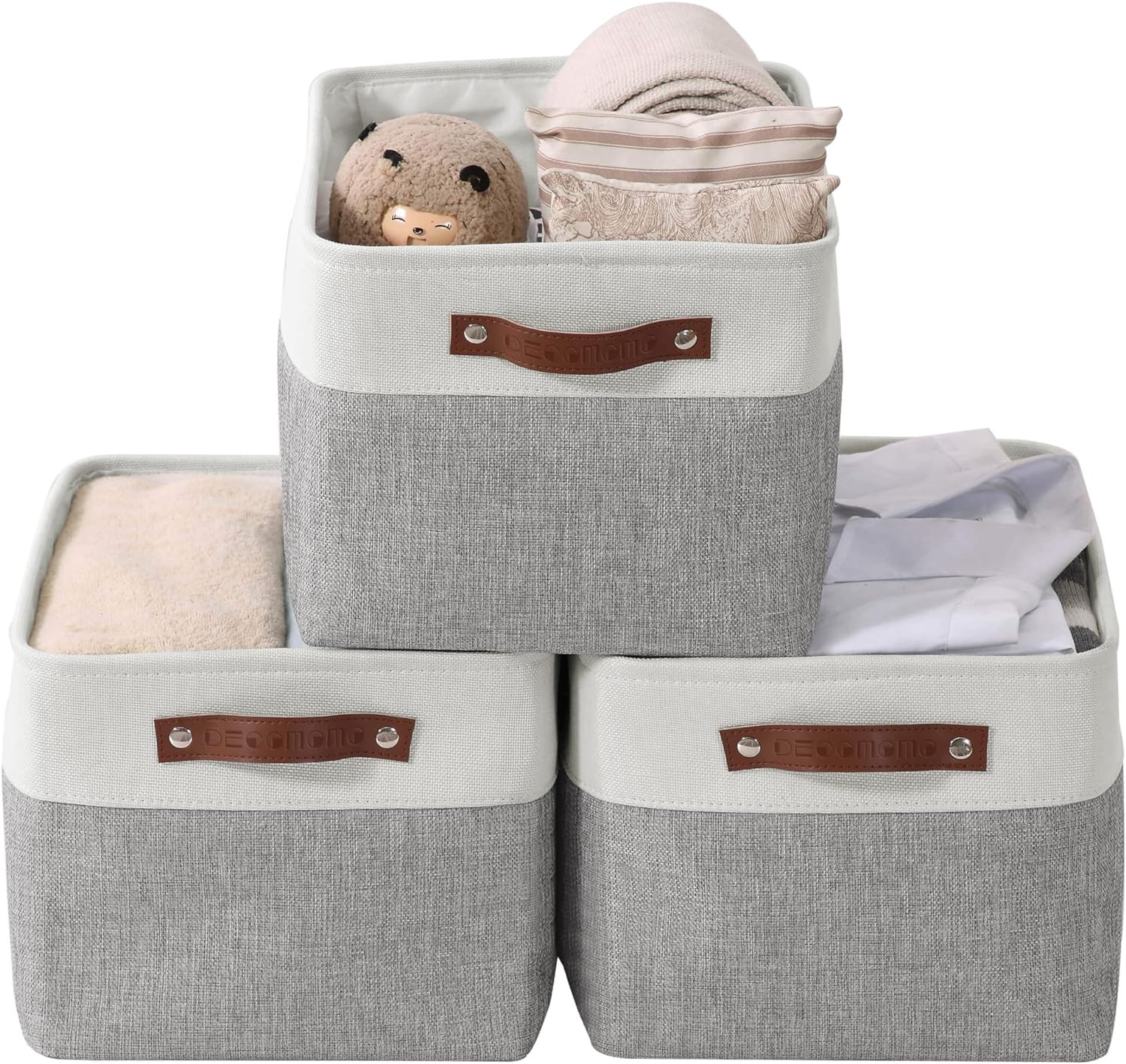 Storage Bins, Large Fabric Storage Baskets for Shelves, Decorative Linen Closet$63.27View on eBay
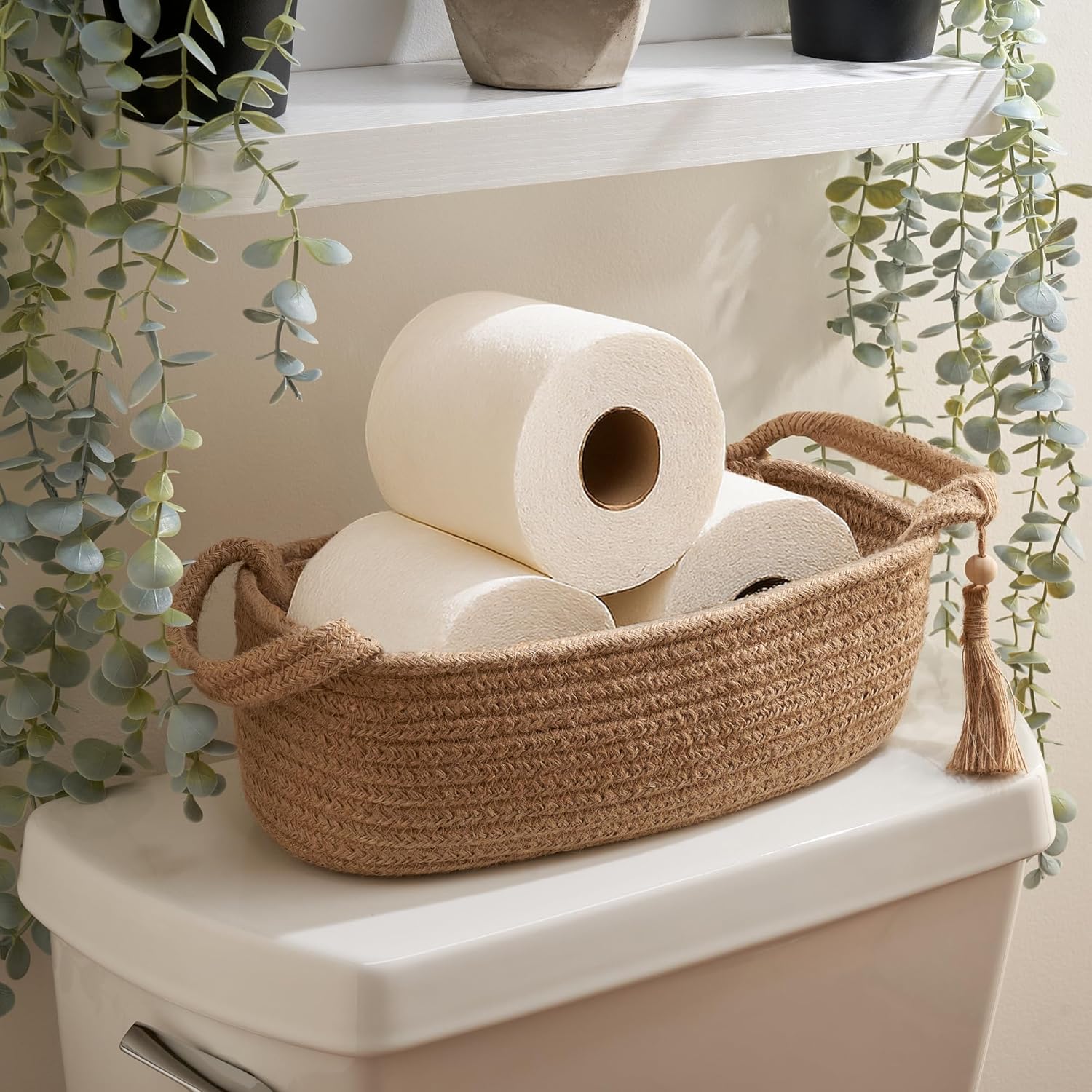 Decorative Toilet Paper Basket, Boho Jute And Cotton Rope Storage Bin With Tassel For Bathroom And Home$47.99View on Mallflare
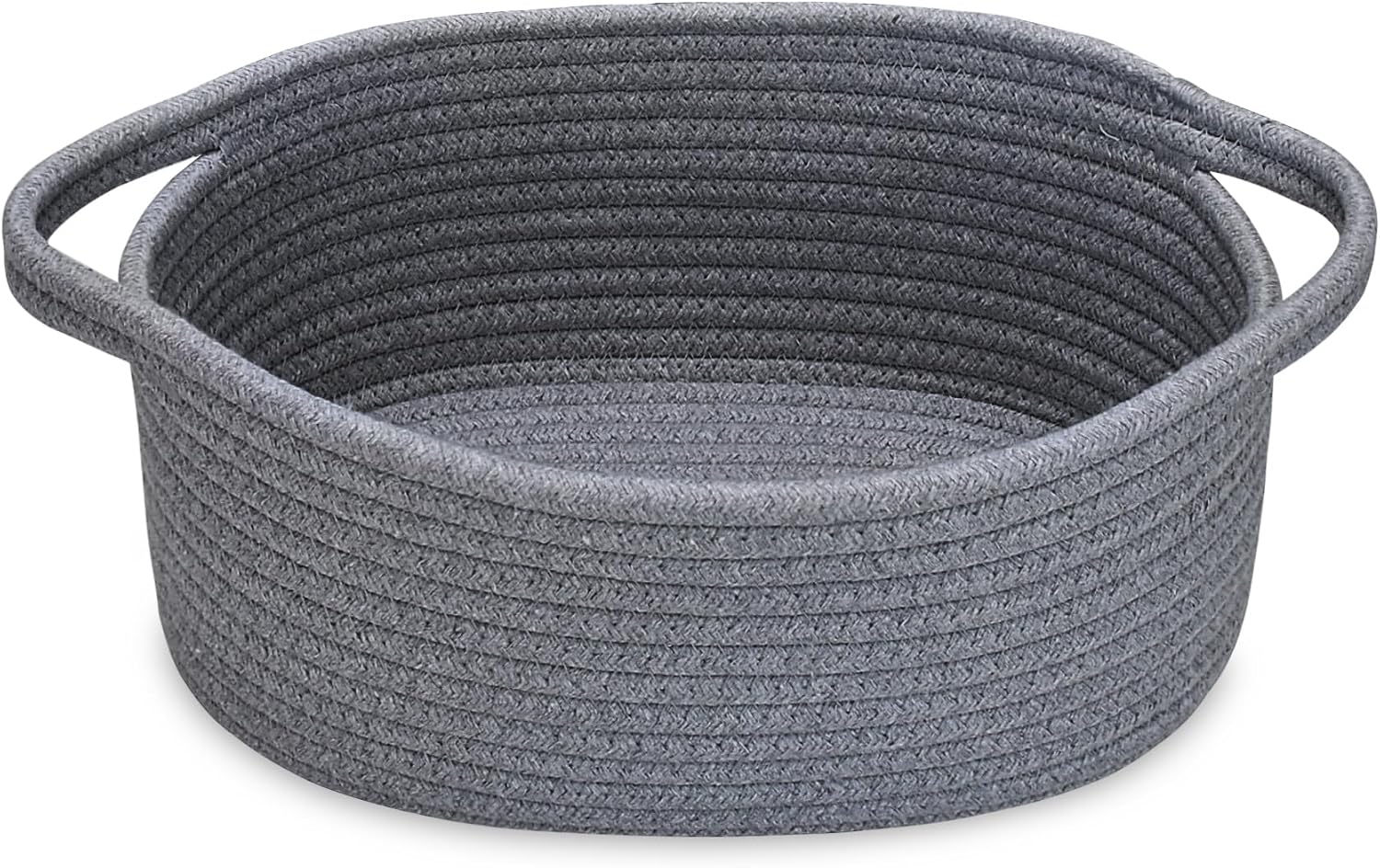 Small Boho Woven Rope Storage Basket With Handles Decorative Organizer Bin For Dog Cat Toys Shelf Easter Christmas Gift$49.99View on Mallflare
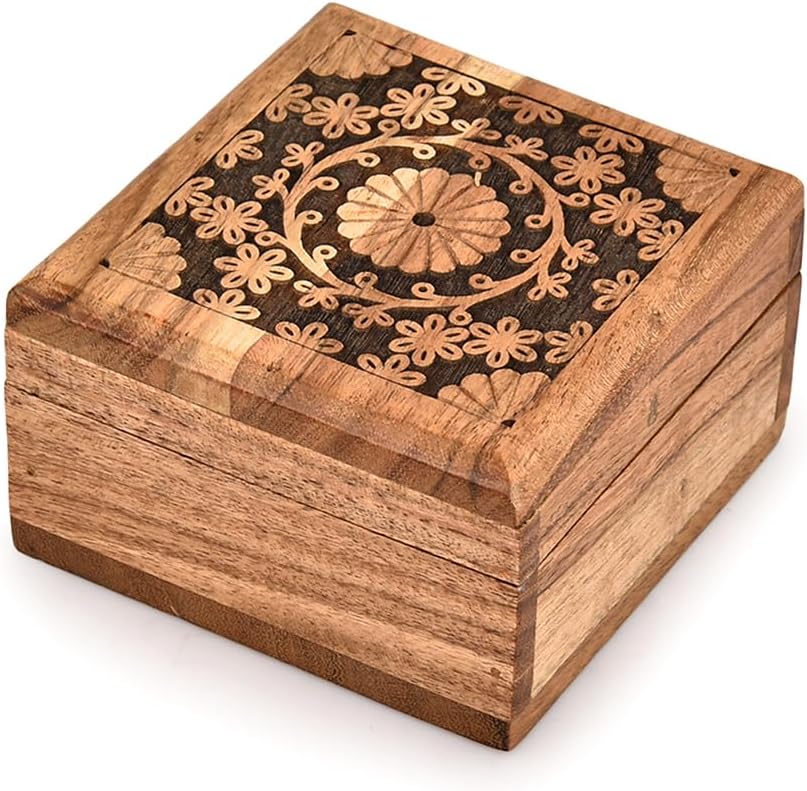 Acacia Wood Jewelry Box, Decorative Vintage Storage Box For Keepsakes, Gifts, Anniversaries, Father's Day And Mother's Day$58.99View on Mallflare
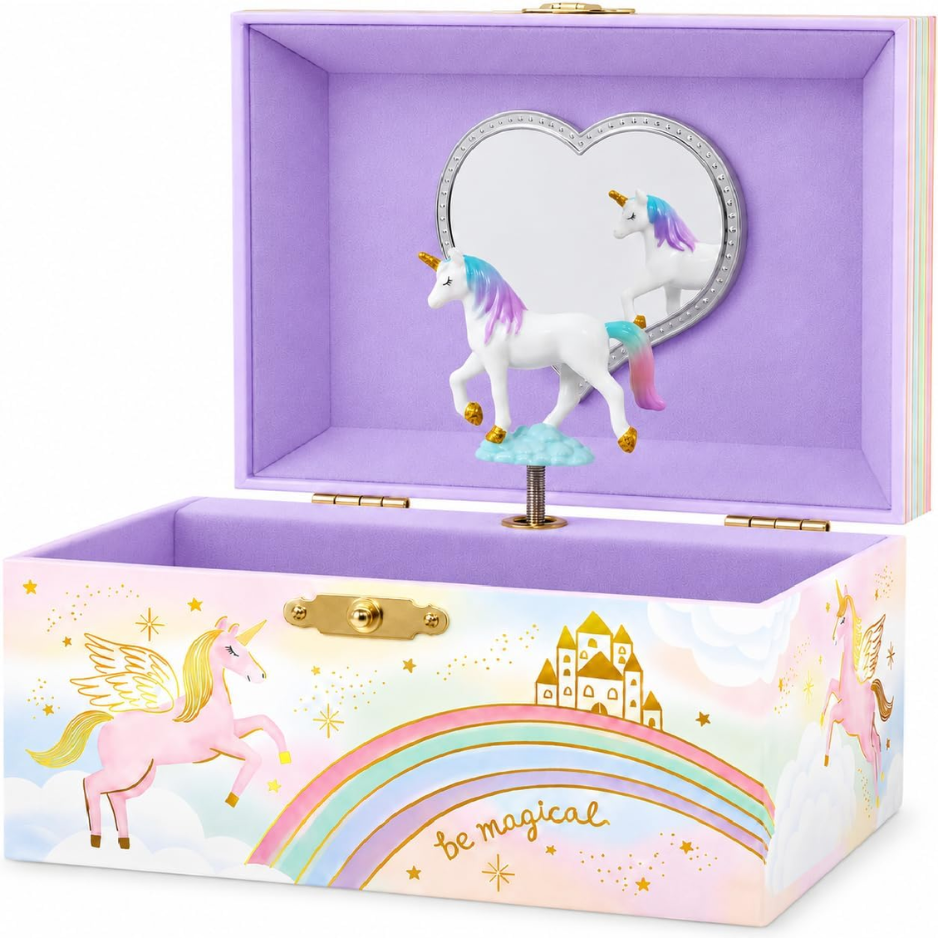 Musical Jewelry Box For Girls, Cute Music Storage Box, Decorative Organizer For Kids$78.99View on Mallflare
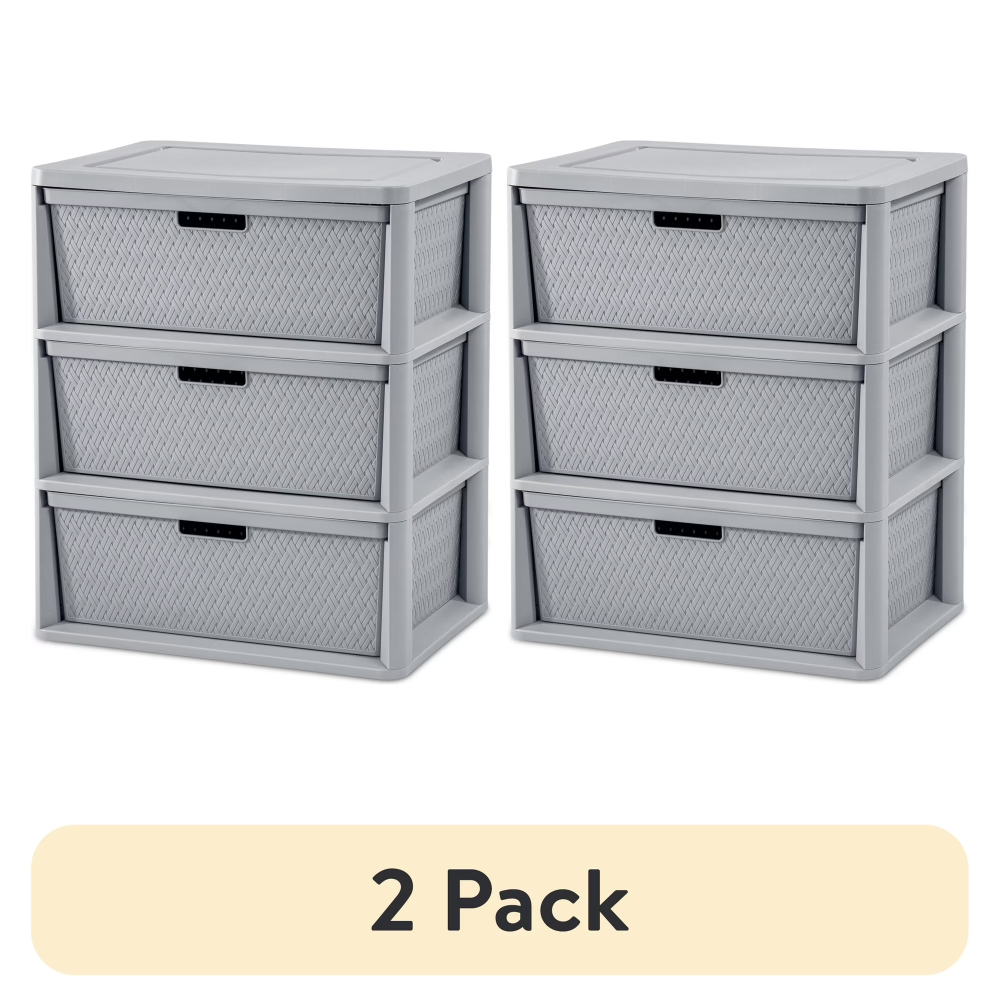 (2 pack) Wide 3 Drawer Tower, Plastic Storage Organizer with Removable Decorative Bins, Easy to Assemble - No Tools Needed, Gray$113.99View on Mallflare
Highlights
- Rigid wood and metal bins typically support 10-20 lb per bin and stack two-high without deformation; fabric and rope bins are limited to about 5-10 lb and should not be stacked.
- Open-front or cutout-handle designs improve accessibility on shelves but reduce structural rigidity compared with closed-frame bins.
- Woven jute, cotton rope, and seagrass bins breathe well and resist humidity, but natural fibers can snag on rough surfaces and are not waterproof.
- Fabric bins with rigid insert panels (cardboard or plastic stiffeners) hold shape better than unlined fabric; removable liners make them washable.
Best use cases
- Best fit for open shelving in living rooms or bedrooms: soft woven rope or lined fabric bins in neutral tones that conform to shelf depth and hide clutter.
- Best fit for floor-level or mudroom storage: rigid wood or metal bins with cutout handles that support heavier items and resist tipping.
- Best fit for bathroom or laundry: jute or cotton rope baskets that breathe and tolerate humidity, not cardboard-backed fabric that can warp.
- Wrong fit: stacking heavy books or tools in soft fabric bins or using open-weave baskets for small loose items that fall through gaps.
Buying tips
- Measure shelf depth and height before choosing: bins should sit flush or slightly recessed, with at least 2 inches of clearance above for easy access.
- For stacking, pick rigid wood or metal bins with matched footprints; soft bins do not stack safely and can crush contents.
- Match material to humidity: jute, cotton rope, and coated metal resist damp bathrooms; unsealed wood and cardboard-stiffened fabric can warp or mildew.
- Check handle construction: cutout handles in rigid bins should be at least 1 inch tall and sanded smooth; rope handles should be stitched, not glued.
Specs
| Primary Material | Wood, metal, woven rope, fabric |
|---|---|
| Structure Type | Rigid frame vs soft-sided |
| Typical Weight Capacity | 5-20 lb depending on material |
| Stackability | Rigid only; soft bins not stackable |
Related searches
What to check before buying
- Measure shelf depth, width, and vertical clearance; confirm the bin's exterior dimensions leave 1-2 inches of finger clearance.
- Confirm the bin's weight rating and whether it is designed for stacking; avoid stacking soft-sided bins.
- Check floor or shelf material compatibility: unsealed wood can stain, and rough metal edges can scratch painted surfaces.
- For bathroom or kitchen use, verify the material is moisture-tolerant and that any fabric liner is removable and washable.
FAQ
Data sources: eBay / Amazon listings and product attribute feeds. Updated Nov 22, 2026.
Some links on this page are affiliate links. If you buy after clicking one, we may earn a commission at no extra cost to you. This does not change which products appear here or their order. Affiliate disclosure.