
Photos from current listings. Actual item, color, and included accessories may vary.
Closet Shelf Buying Guide
Closet shelves range from fabric bins that sit on existing rods to wall-mounted modular systems that replace the rod entirely, so the first decision is whether you need added shelf surface or a full hanging-and-folding configuration. Fit depends on your rod height, shelf span, and whether the unit is freestanding, hanging, or anchored to studs. Buyers most often err by choosing fabric bins too deep for standard 12-inch shelves or hanging organizers that exceed the rod's weight rating.
At a glance
- Category
- Home Storage & Organization
- Last updated
- Nov 22, 2026
Current offers
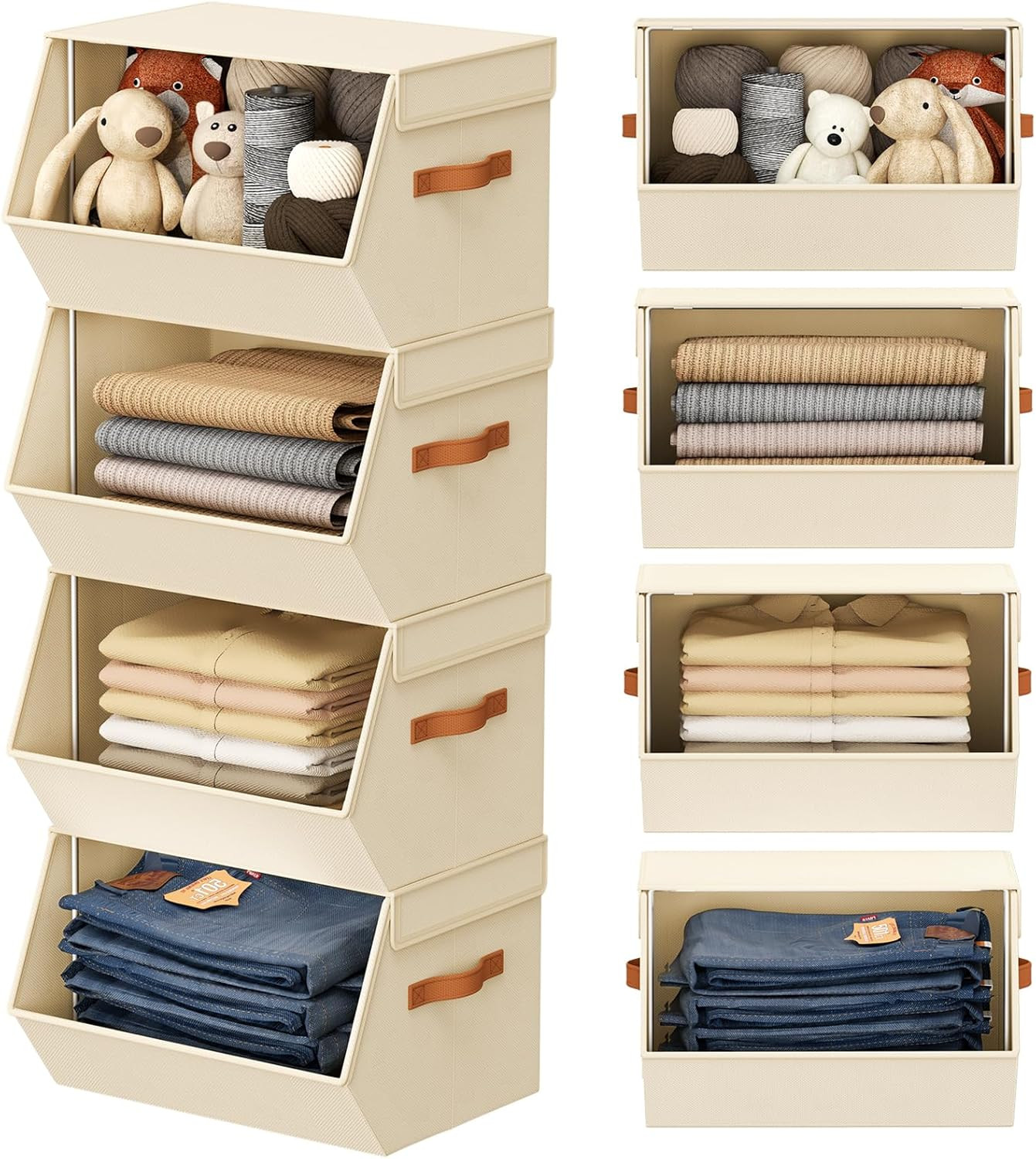 Stackable Closet Organizers and Storage Bins, Open Front Closet Shelf Organizer$43.99View on eBay
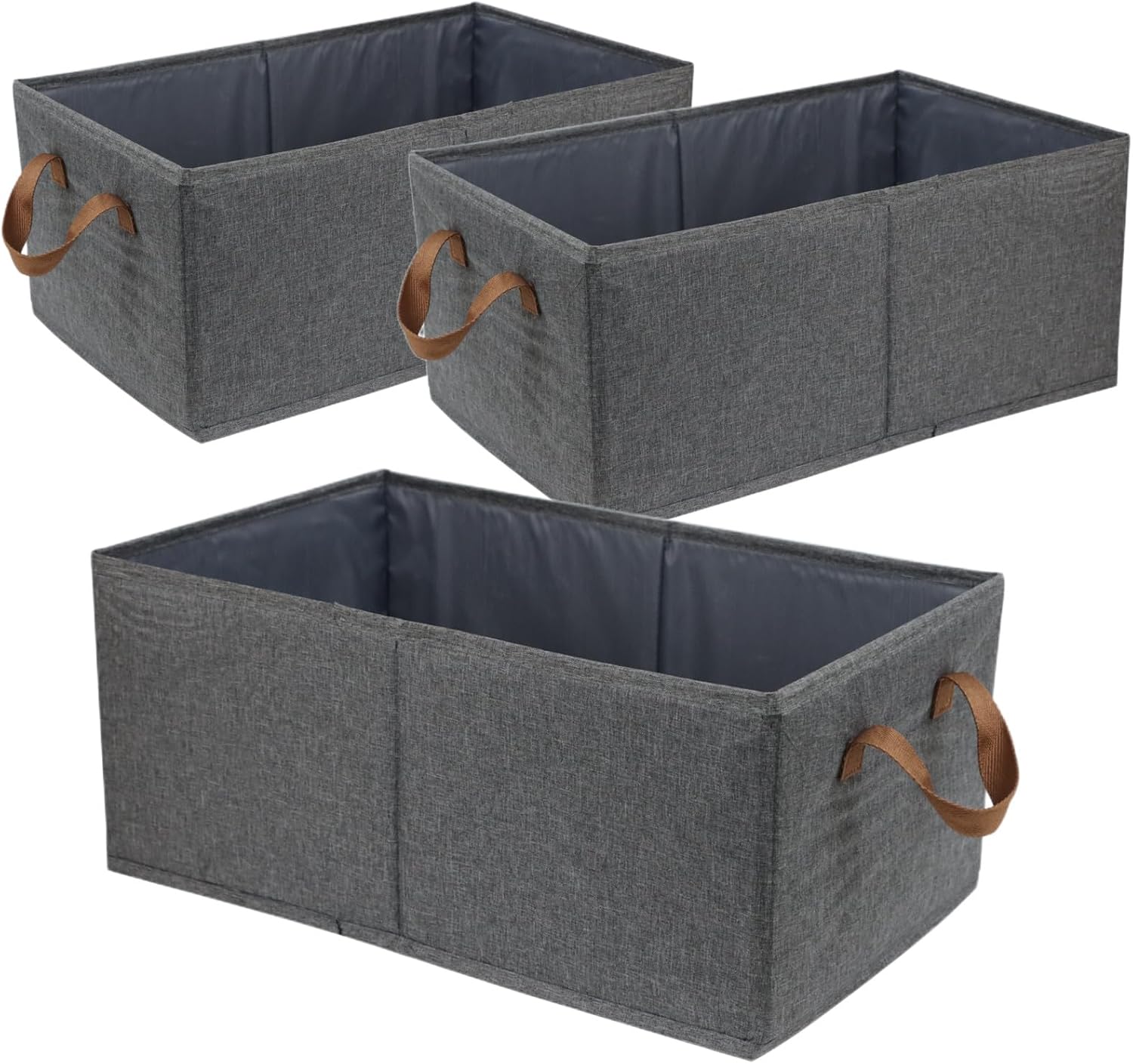 Pack Of 3 Large Capacity Storage Bins, Foldable Closet Organizer Boxes With Handles For Clothes, Sheets, Toys, Books & Shelves$58.99View on Mallflare
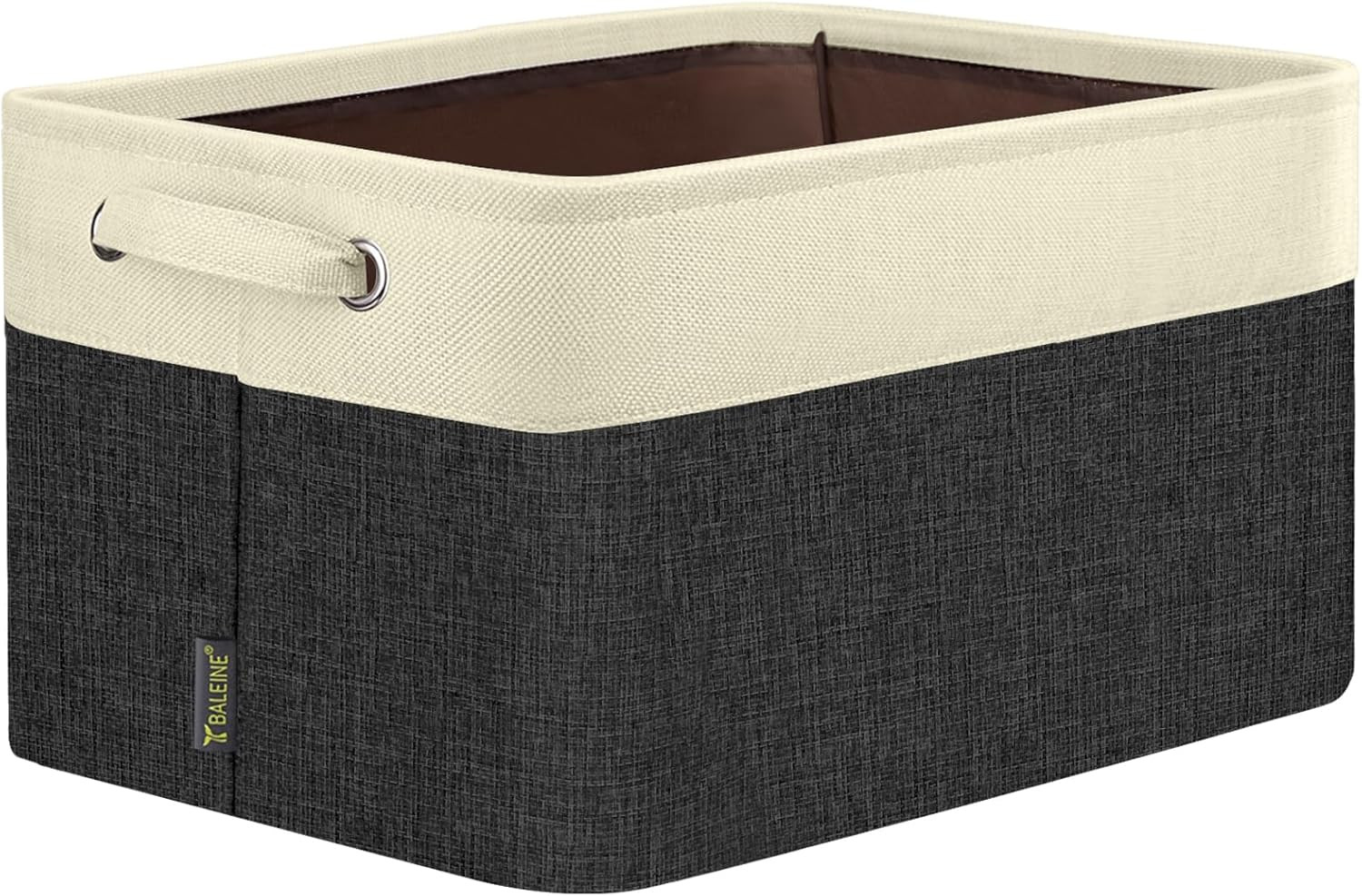 1 Pack Fabric Closet Storage Bins for Shelves, Linen Closet Organizers and Stora$12.99View on eBay
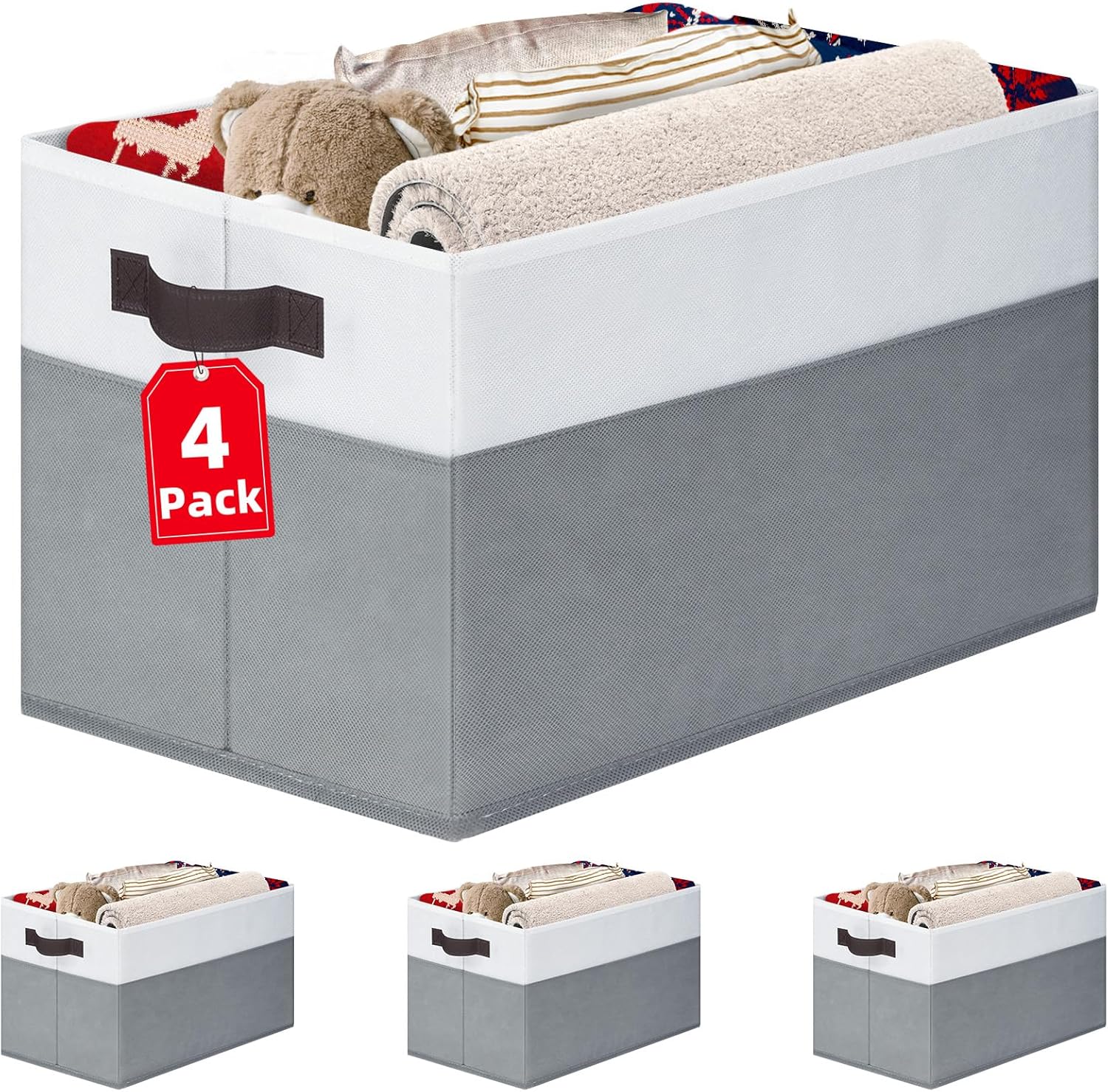 4 Pack Large Closet Storage Baskets, Fabric Shelf Organizers With Handles, Collapsible Bins For Clothes, Toys & Nursery, 14x10$71.99View on Mallflare
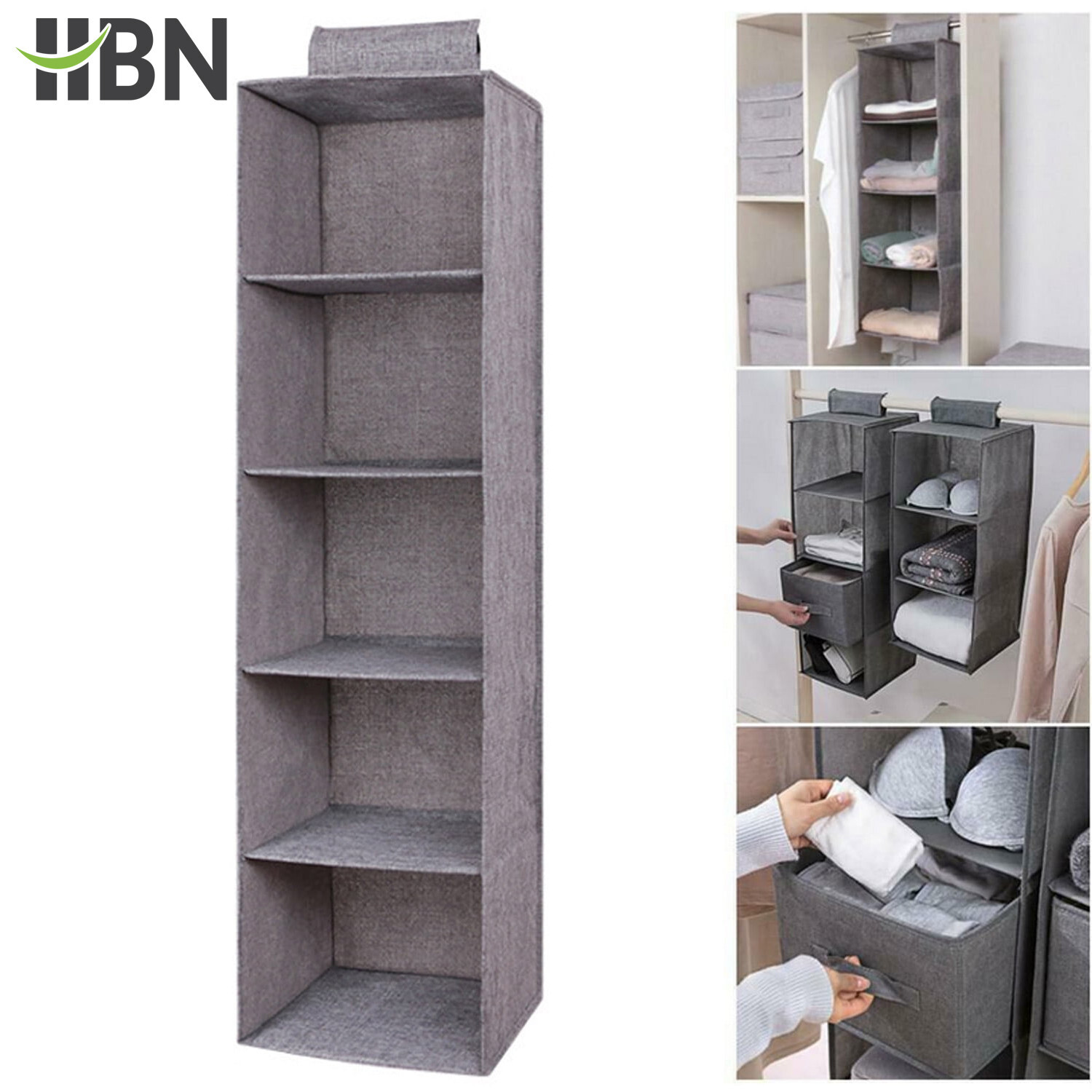 HBN 5 Section Hanging Closet Organizer, Heavy Duty Hanging Shelves for Clothes$14.99View on eBay
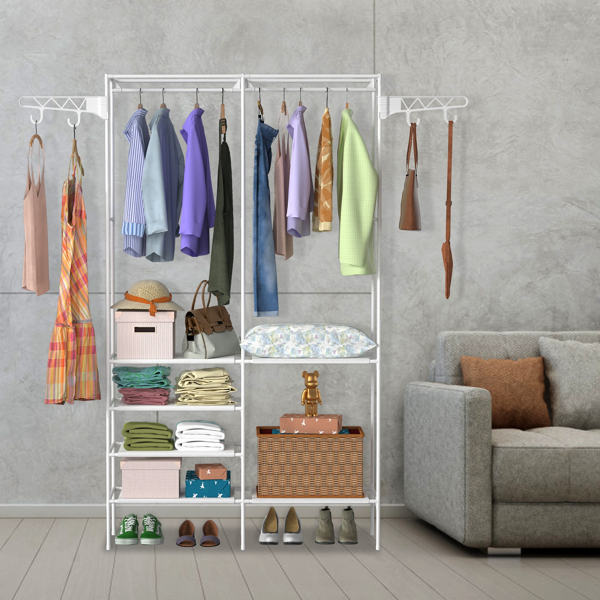 4-layer Shelf, Closet Organizer, Not Available For Weekend Shipments$77.99View on Mallflare
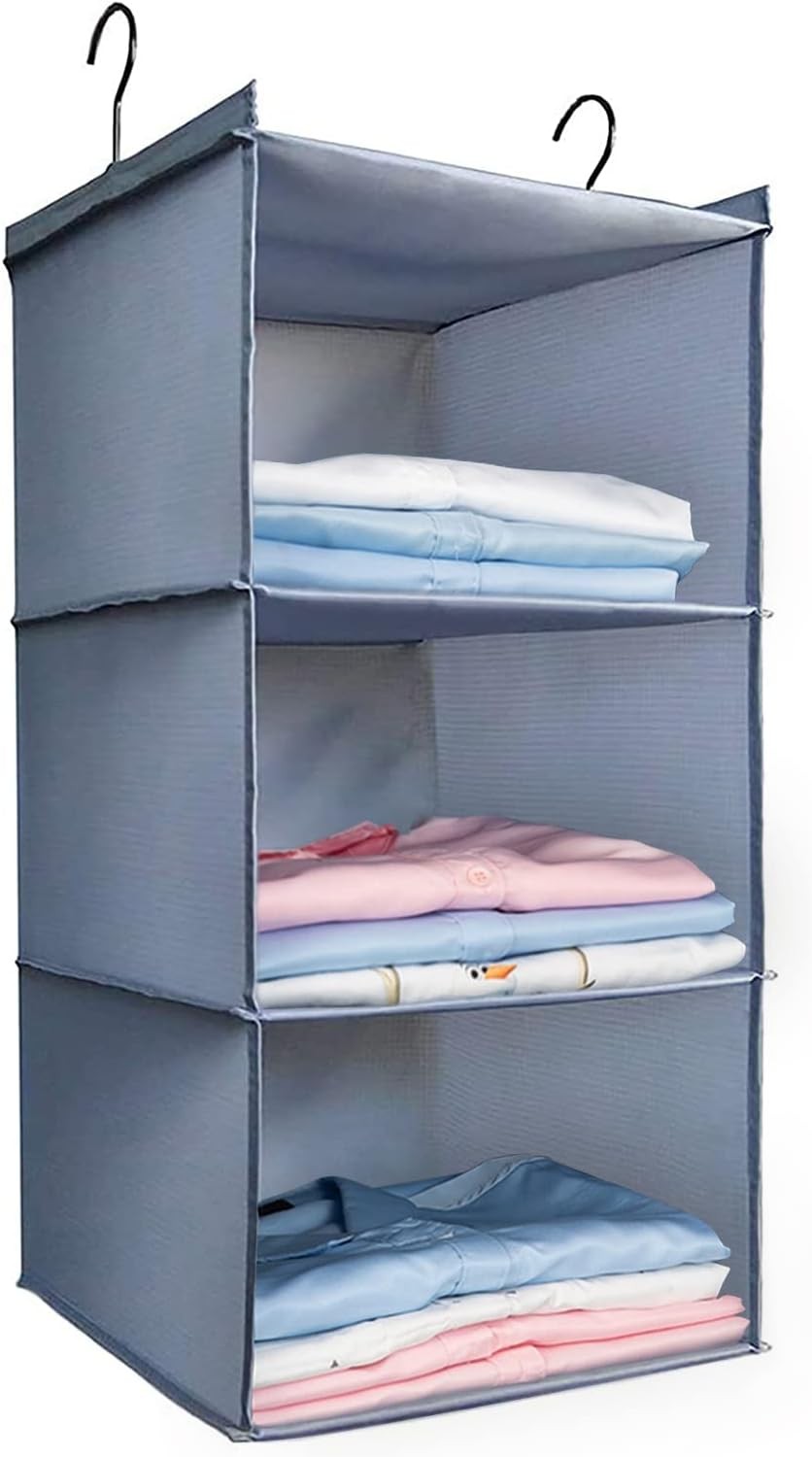 Hanging Closet Organizer 3-Shelf, Oxford Fabric Wardrobe Storage, Gray |$16.49View on eBay
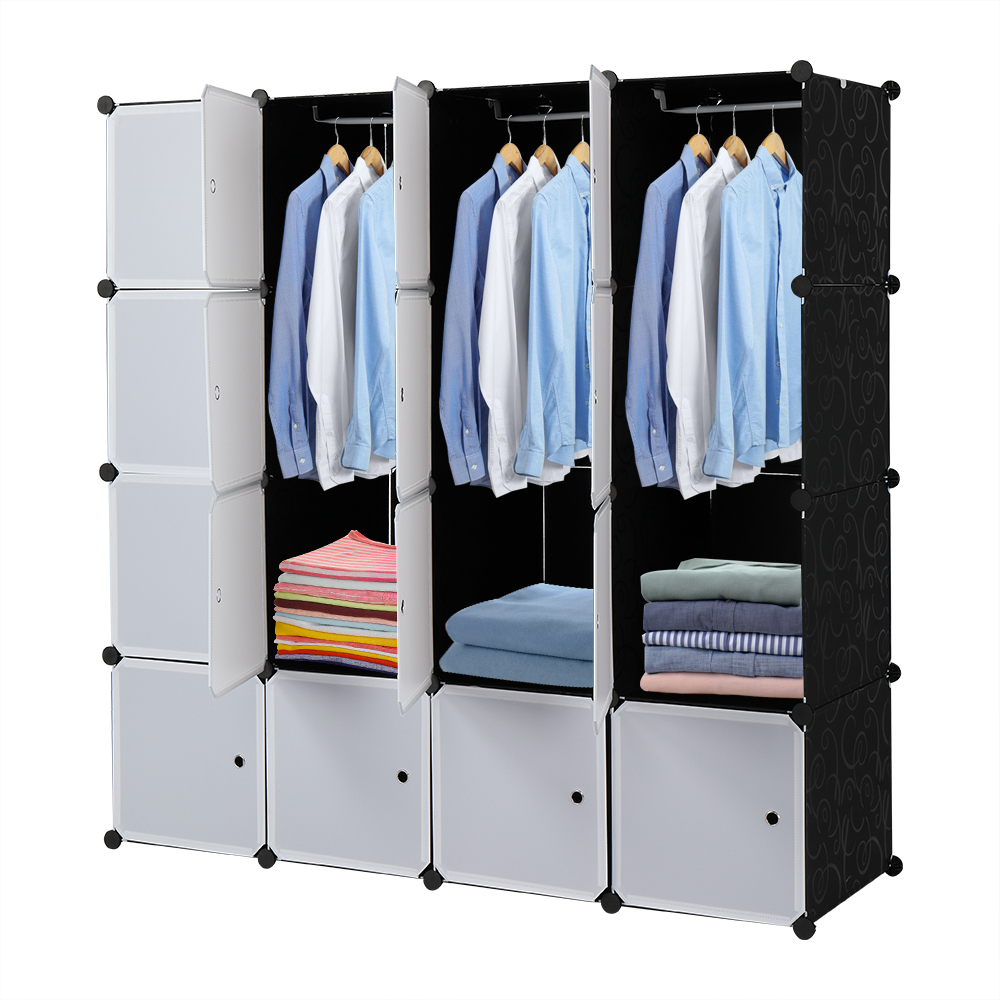 16 Cube Organizer Stackable Plastic Storage Shelves Design Multifunctional Modular Closet Cabinet with Hanging Rod White Doors and Black Panels Includes 3 clothes rails$82.99View on Mallflare
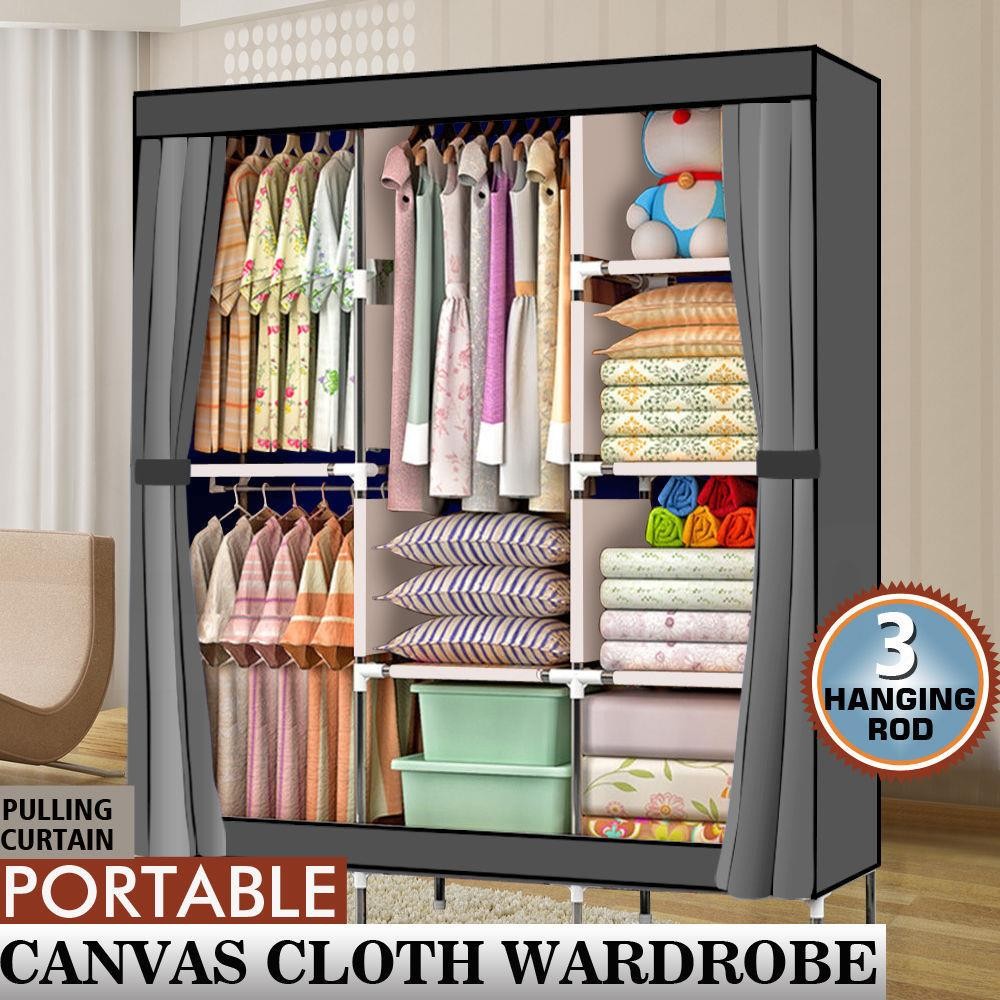 71"H Portable Closet Wardrobe Clothes Rack Storage Organizer with Shelf - Gray$19.38View on eBay
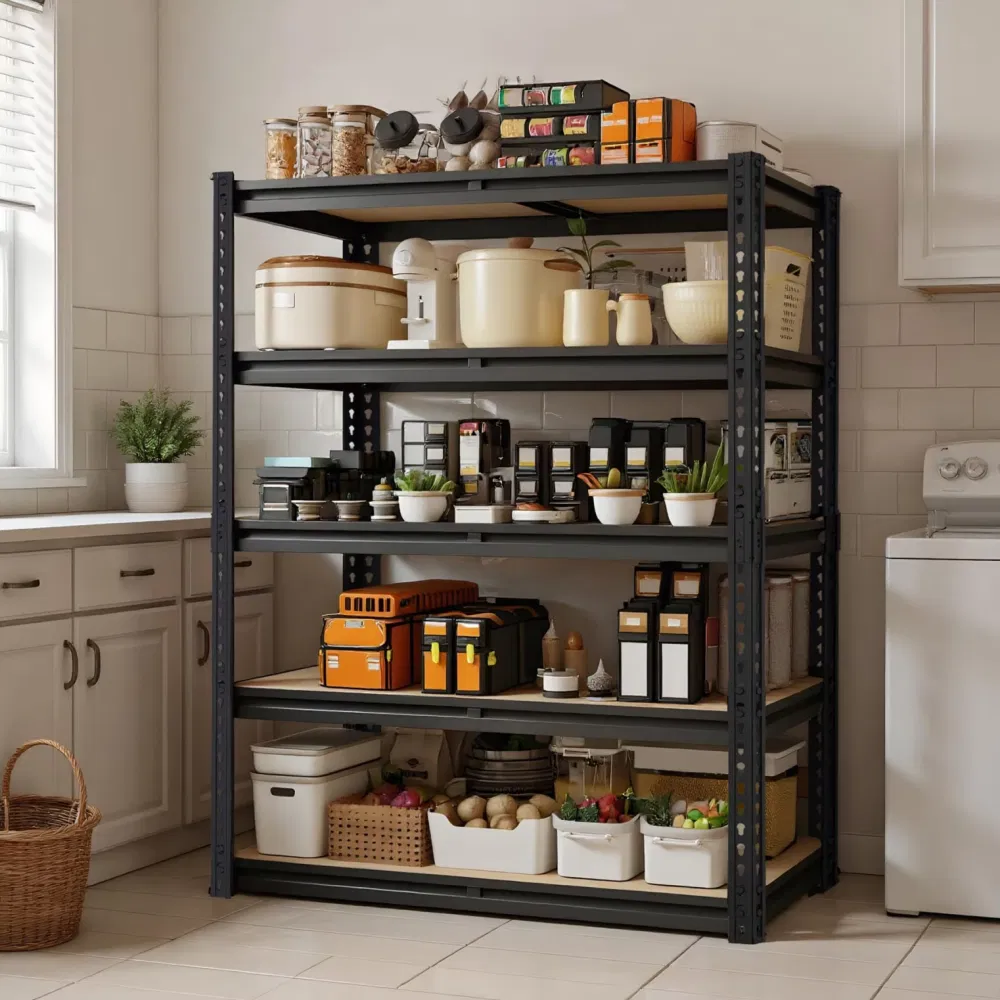 Garage Shelving Storage 60" H, Heavy Duty Metal Shelves 2400 lbs Capacity, Adjustable 5 Tier Rack for Basement Warehouse Pantry Closet, Black$83.99View on Mallflare
- 71" Closet Wardrobe Clothes Pant Rack Storage Organizer w/ Shelf Portable Gray$19.49View on eBay
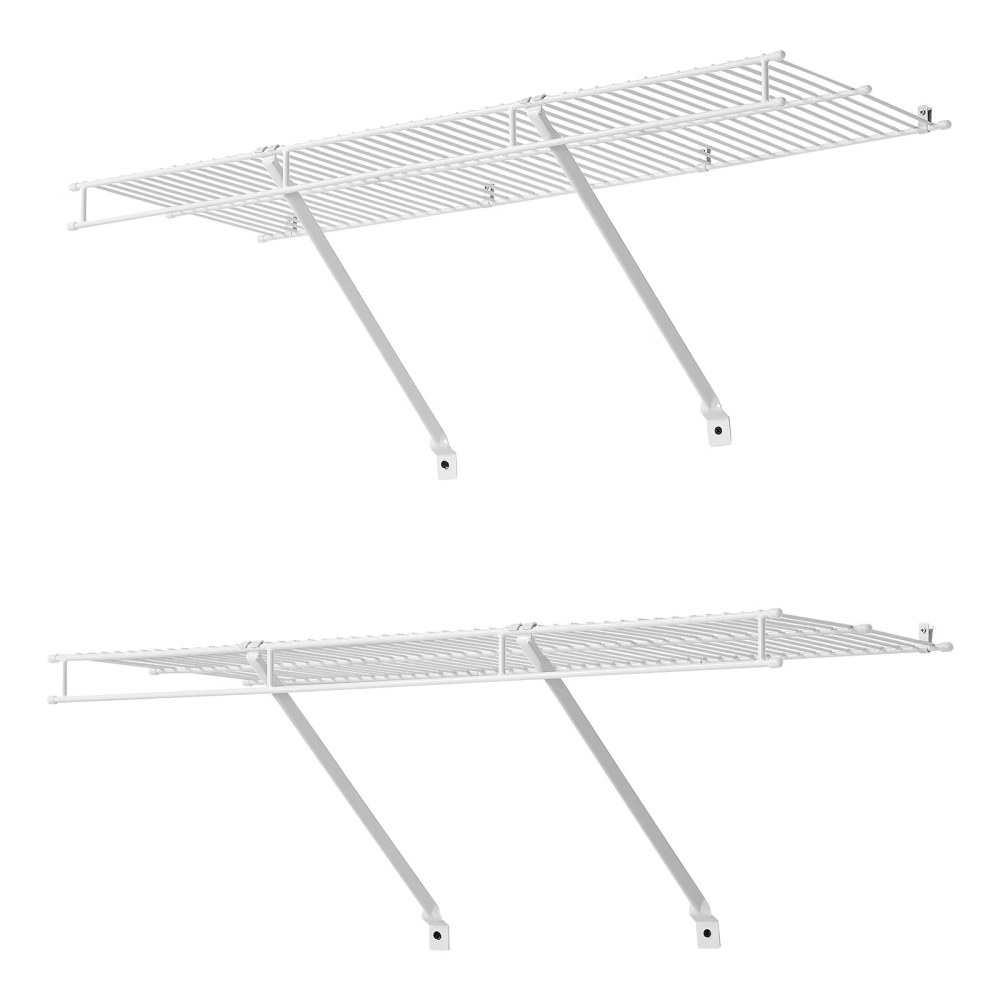 Wire Shelf Kit, 3 ft, Set of 2, Wall-Mounted Storage Shelves, Durable Carbon Steel Floating with Protective Coating, Ideal for Closet, Bedroom, Living Room, Office$93.99View on Mallflare
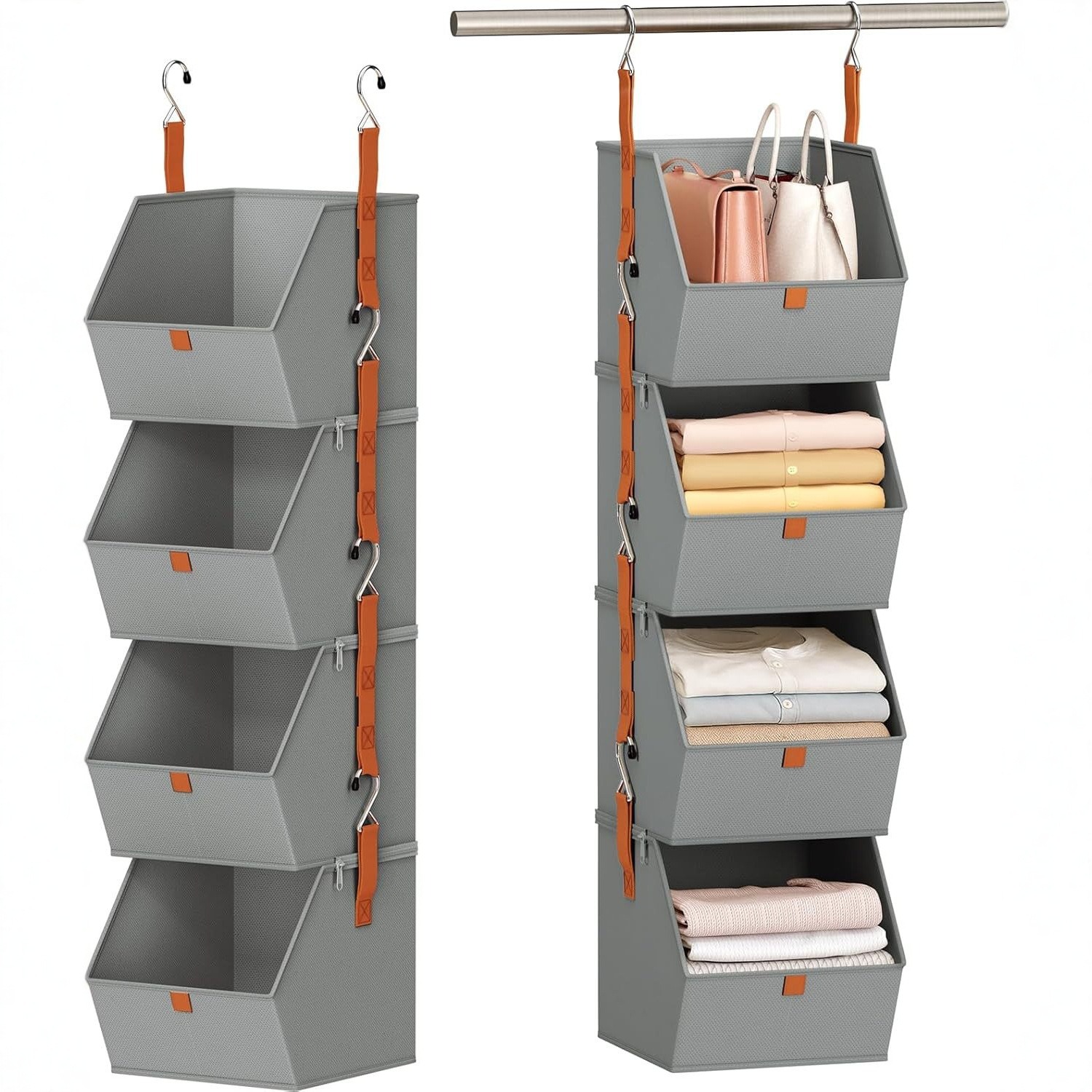 Heavy Duty Hanging Closet Organizer 4 Tier Clothes Shelves Fabric Storage Bins$19.86View on eBay
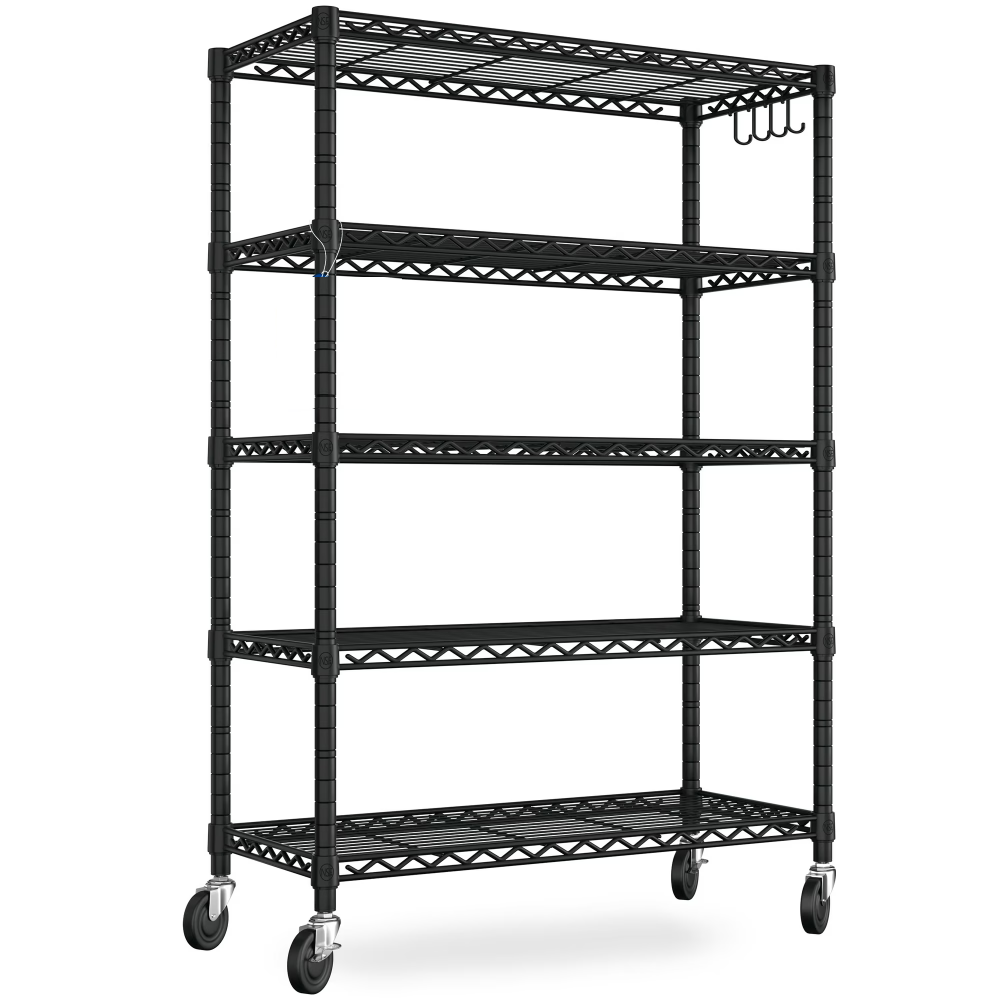 36"W x 14"D x 71"H Storage Shelves, 5-Tier Wire Shelf, Heavy Duty Garage Shelving Unit with Wheels, Rack for Pantry, Kitchen&Closet, Black$130.99View on Mallflare
- 4 Tier Hanging Closet Organizer Shelves Storage Bins Space Saving Clothes US ✨$19.99View on eBay
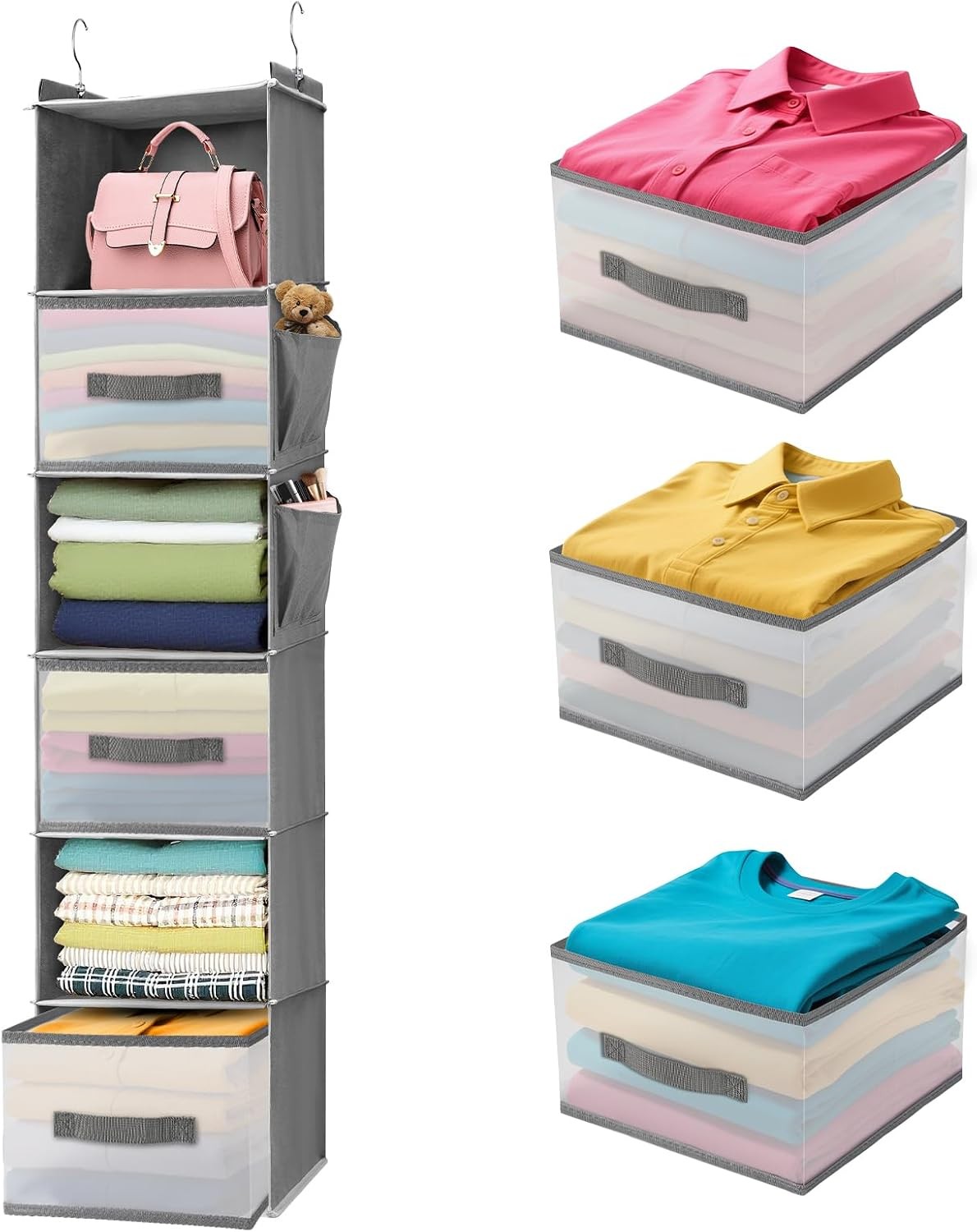 6-Shelf Hanging Closet Organizer with 3 Drawers & Side Pockets, Gray | Non-woven$20.24View on eBay
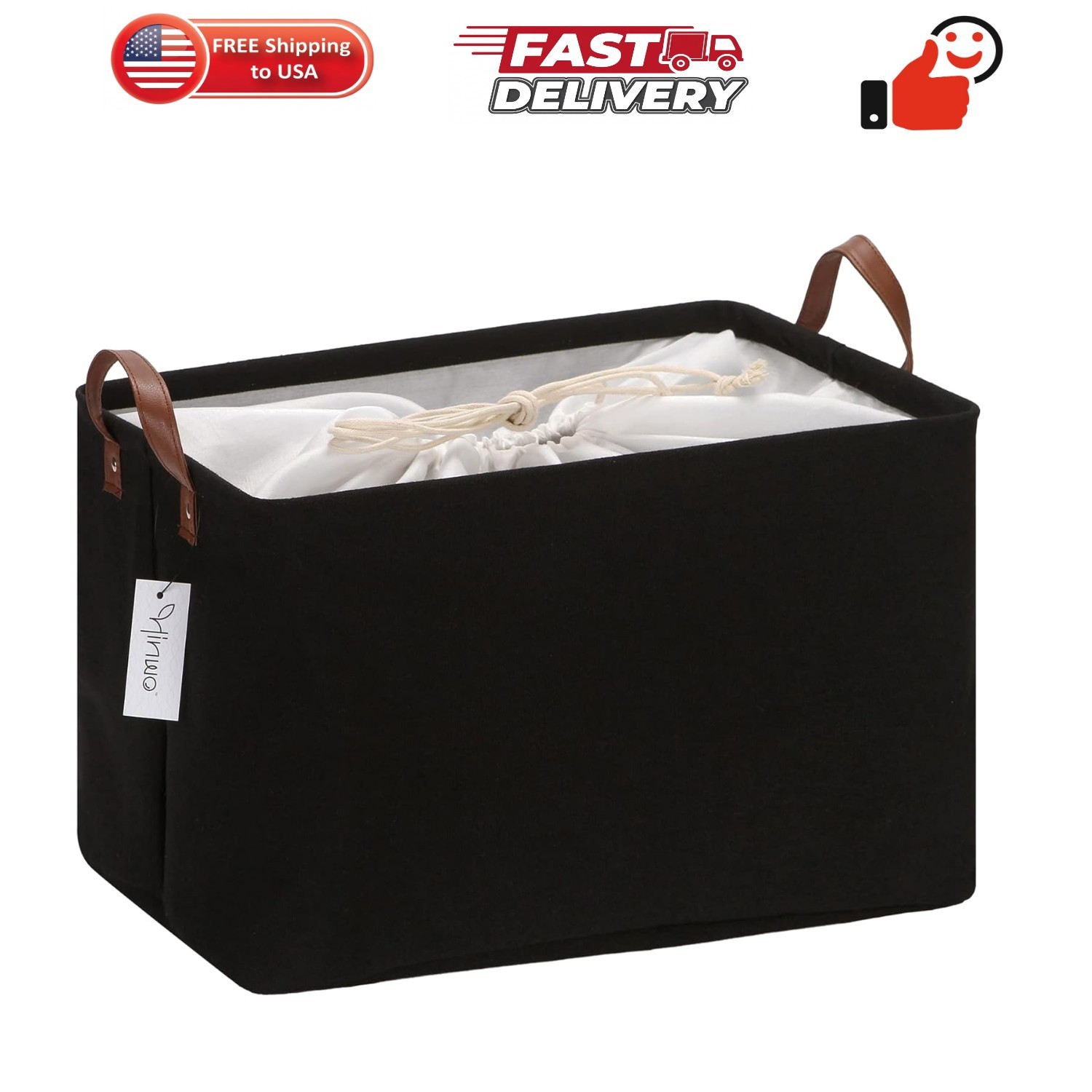 31L Large Storage Bins, Closet Organizers and Storage, Shelf Baskets, Foldabl...$24.69View on eBay
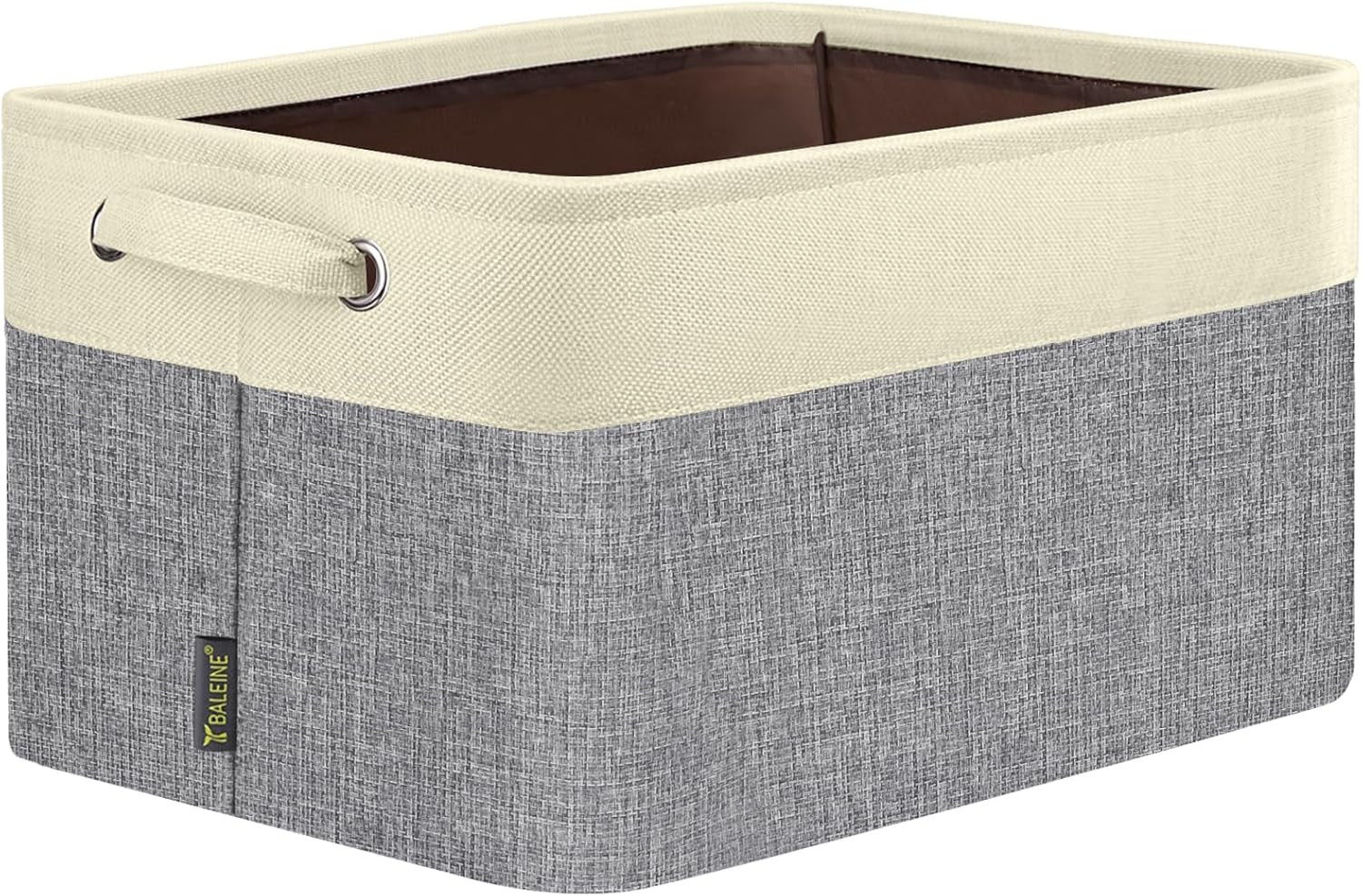 1 Pack Fabric Closet Storage Bins for Shelves, Linen Closet Organizers and Stora$27.99View on eBay
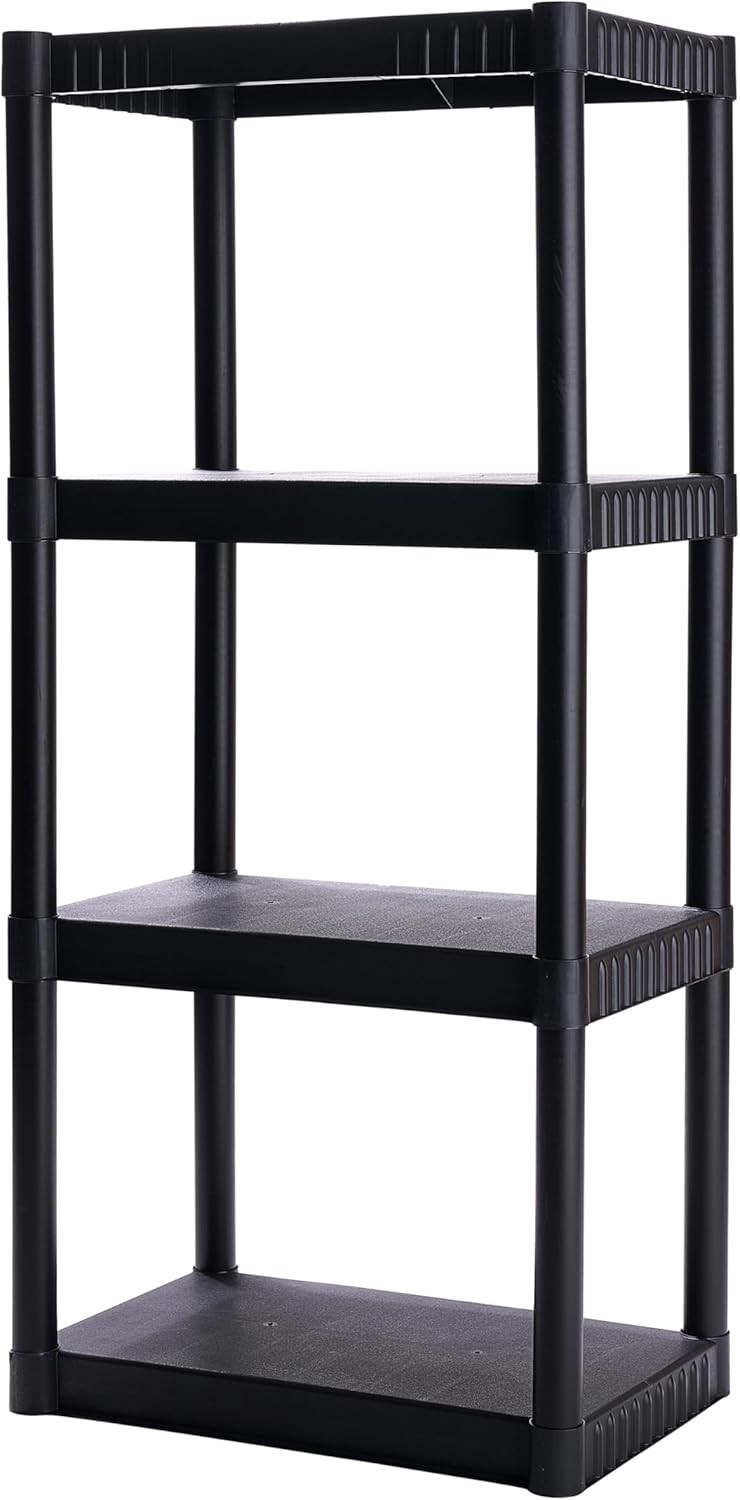 Plano Plastic Shelving Unit 4 Shelf 48"x23"x14" 200 lbs for Closet Office$36.17View on eBay
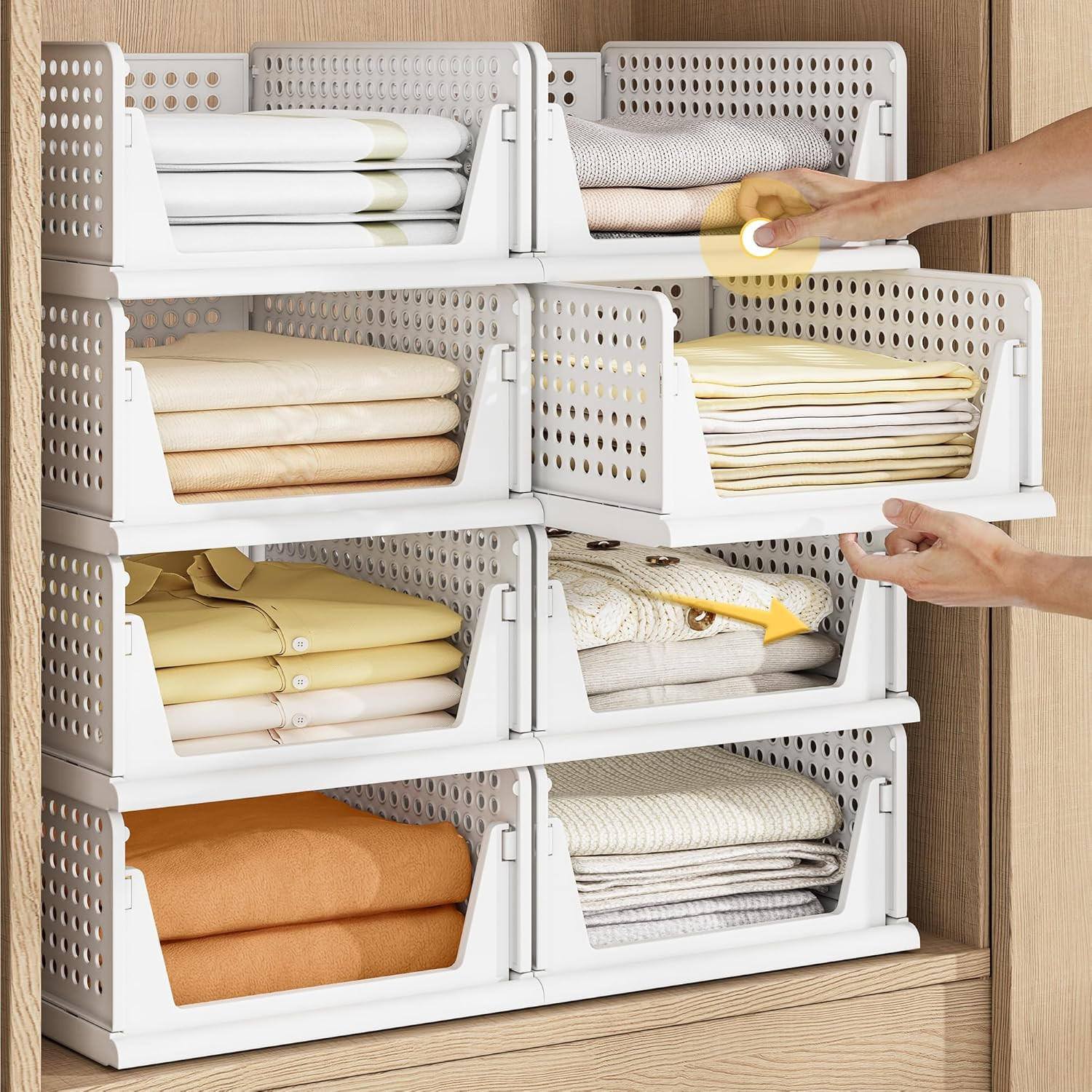 5 Pack Stackable Plastic Storage Closet Organizers and Storage Bins Drawer Shelf$46.99View on eBay
Highlights
- Fabric bins and hanging organizers use Oxford or non-woven fabric over cardboard or plastic inserts; stitched seams and reinforced handles determine load capacity more than fabric thickness.
- Hanging closet organizers typically offer 3 to 5 shelf sections and rely on a top hanging loop or rod sleeve; spacing between shelves (often 10-12 inches) dictates what folded items fit.
- Modular cube systems use plastic panels and connector feet; cube count (6, 9, 12, 16) and included rails define whether the system supports hanging clothes or only folded storage.
- Wall-mounted and freestanding shelf units carry weight ratings that depend on anchor type and upright gauge; heavy-duty metal racks rated above 1,000 lbs use bolted uprights, while closet-system shelves typically hold 50-100 lbs per shelf.
Best use cases
- Choose fabric shelf bins when you already have fixed shelves and want to corral folded clothes, linens, or toys; skip them if the shelf depth is under 10 inches or the bin will hold heavy tools.
- Pick a hanging organizer when the closet has a single high rod and no built-in shelving; avoid it for heavy denim or coats because fabric shelves sag under concentrated weight.
- Go with a modular cube system for a reach-in closet that needs both folded and hanging storage; skip it if you cannot anchor the back panel or if the floor is uneven.
- Select a heavy-duty metal shelving rack for garage, basement, or pantry overflow rather than bedroom closets; do not use it where the footprint exceeds the closet's interior width minus door clearance.
Buying tips
- Measure shelf depth before buying bins: standard closet shelves are 12 inches deep, so choose bins 10-11 inches deep to leave finger clearance and avoid overhang.
- Check the hanging organizer's rod sleeve or loop width against your rod diameter; most fit rods up to 1.5 inches, and a loose fit causes tilting under load.
- Compare cube-system panel thickness and connector design; thicker panels with locking tabs resist racking better than thin panels joined by simple friction pins.
- Prioritize anchored wall shelves over tension-mounted or adhesive systems for loads above 30 lbs; stud anchoring at two points per bracket is the minimum for stability.
Specs
| Mount Type | Hanging / Wall-mounted / Freestanding |
|---|---|
| Shelf Material | Fabric / Plastic / Wood / Metal |
| Tier Count | 3-5 hanging shelves / 3-5 fixed tiers |
| Load Rating | 10-20 lbs per fabric shelf / 50-100 lbs fixed |
What to check before buying
- Measure the closet's interior width, depth, and rod height; confirm the shelf unit clears the door swing and that hanging organizers leave at least 12 inches below the bottom shelf for hanging clothes.
- Verify shelf span: particleboard or MDF shelves sag beyond 30-36 inches unsupported, so add a center bracket or choose metal shelving for longer spans.
- Check wall construction: drywall anchors suit light fabric bins, but heavy shelf systems need studs or masonry anchors rated for the loaded weight.
- Confirm the unit ships with all mounting hardware and that replacement connectors or extra shelves are available if you plan to expand the system later.
FAQ
Data sources: eBay / Amazon listings and product attribute feeds. Updated Nov 22, 2026.
Some links on this page are affiliate links. If you buy after clicking one, we may earn a commission at no extra cost to you. This does not change which products appear here or their order. Affiliate disclosure.