
Photos from current listings. Actual item, color, and included accessories may vary.
Closet Organizer Buying Guide
A closet organizer is any system—hanging, modular, or bin-based—that adds structure and capacity to a closet. The primary trade-off is between flexible soft-sided units (fabric, non-woven, Oxford) that are cheap and lightweight but sag under load, and rigid systems (metal, wood, plastic) that cost more but hold shape and weight. The clear decision rule: buy soft-sided only for lightweight clothing and low-traffic storage; choose metal or wood shelving with rated load limits for daily-use closets and heavy items like jeans, coats, and bedding.
At a glance
- Category
- Home Storage & Organization
- Last updated
- Nov 22, 2026
Current offers
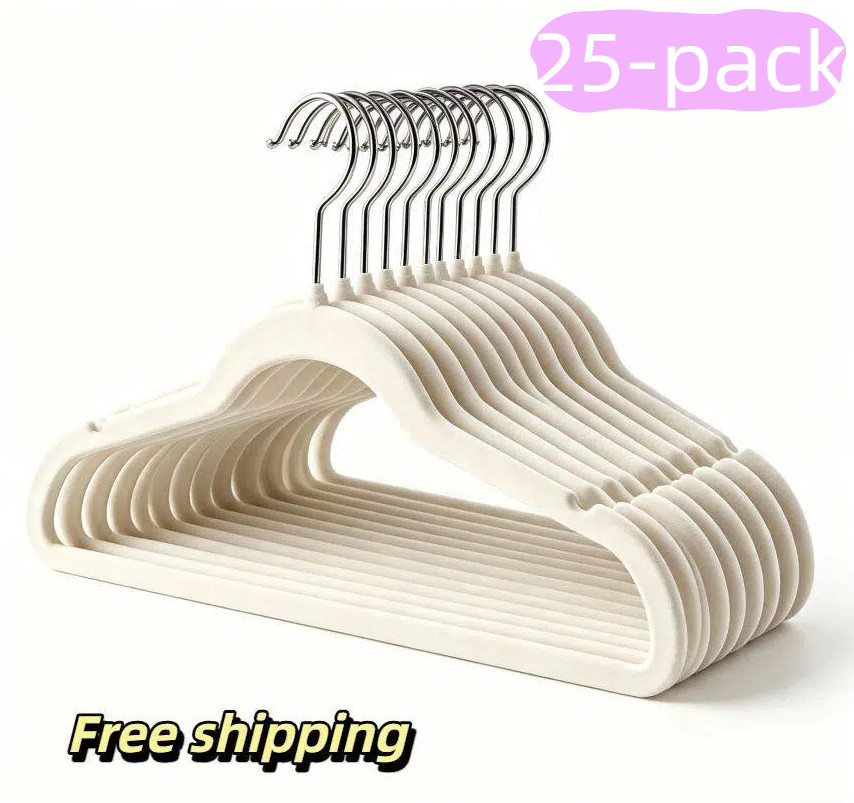 25-Pack Ivory Velvet HangersClothes Garment Closet Organizer$3.99View on eBay
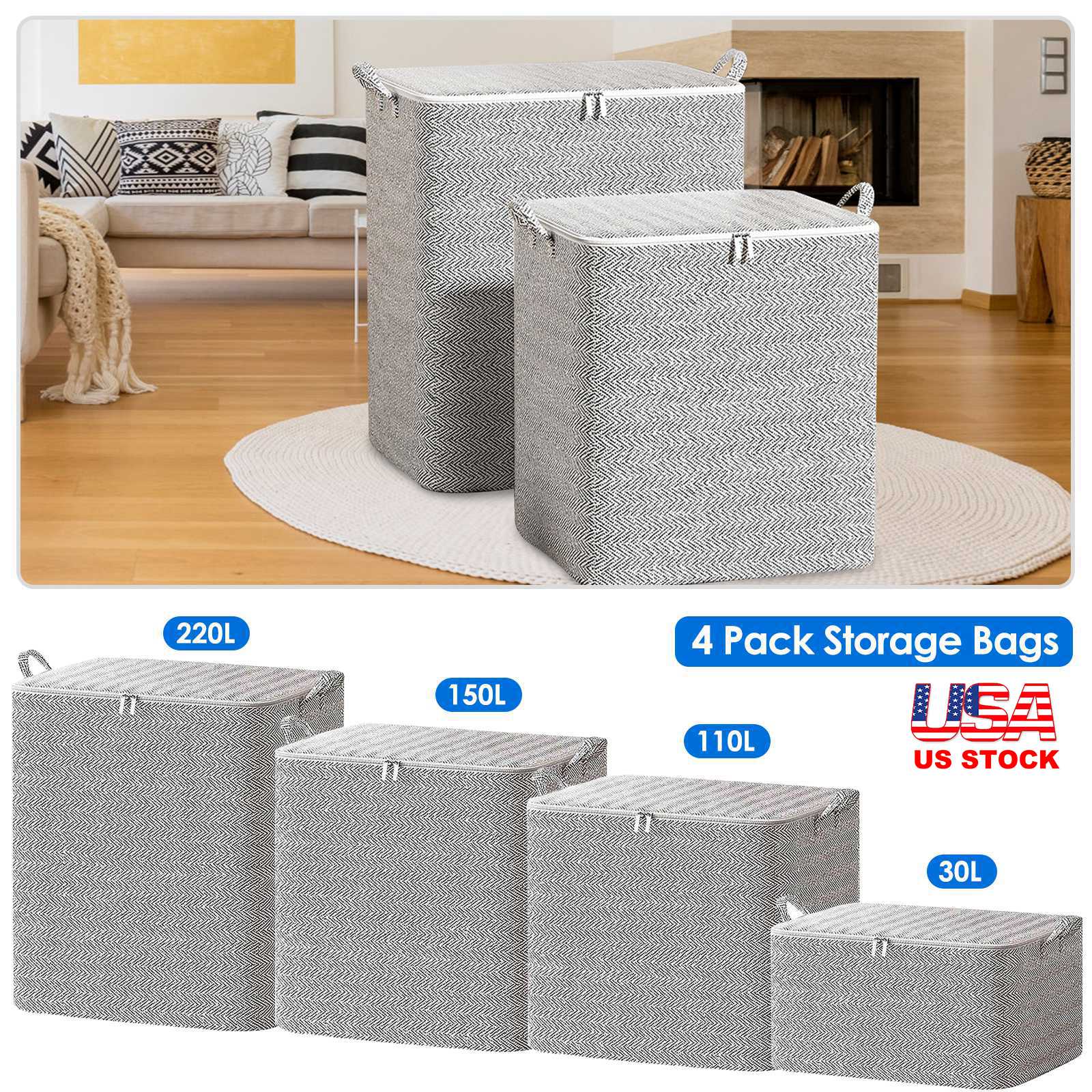 4 Pack Foldable Non Woven Storage Bags Closet Organizers Wardrobe Sorting Baskets With 2 Handles Dustproof Lid Zipper For Clothes Quilt 30L 110L 150L 220L$32.99View on Mallflare
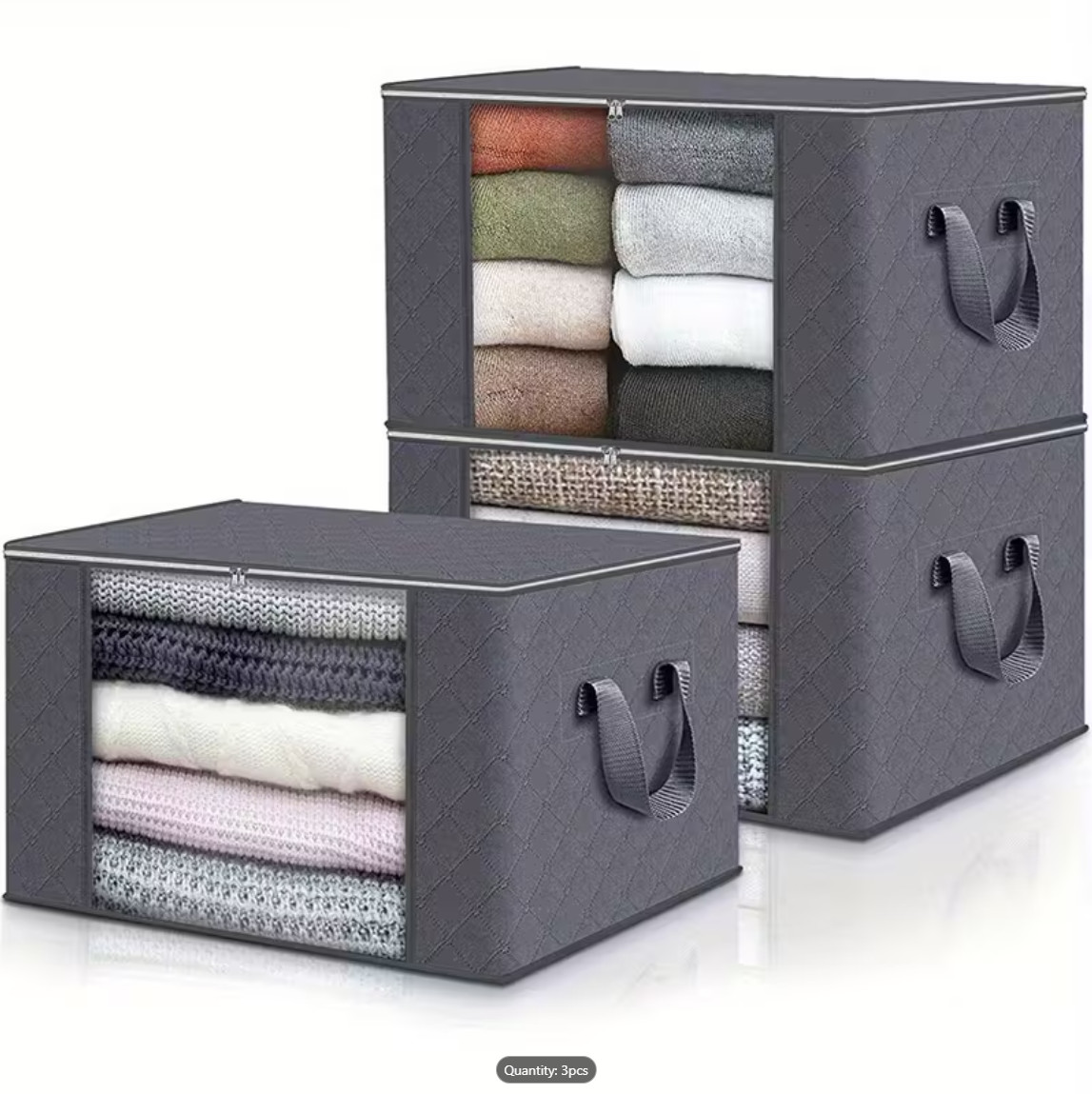 3pcs Large 60L Closet Organizer Foldable Fabric Storage Box Bin Clothes Bedroom$9.99View on eBay
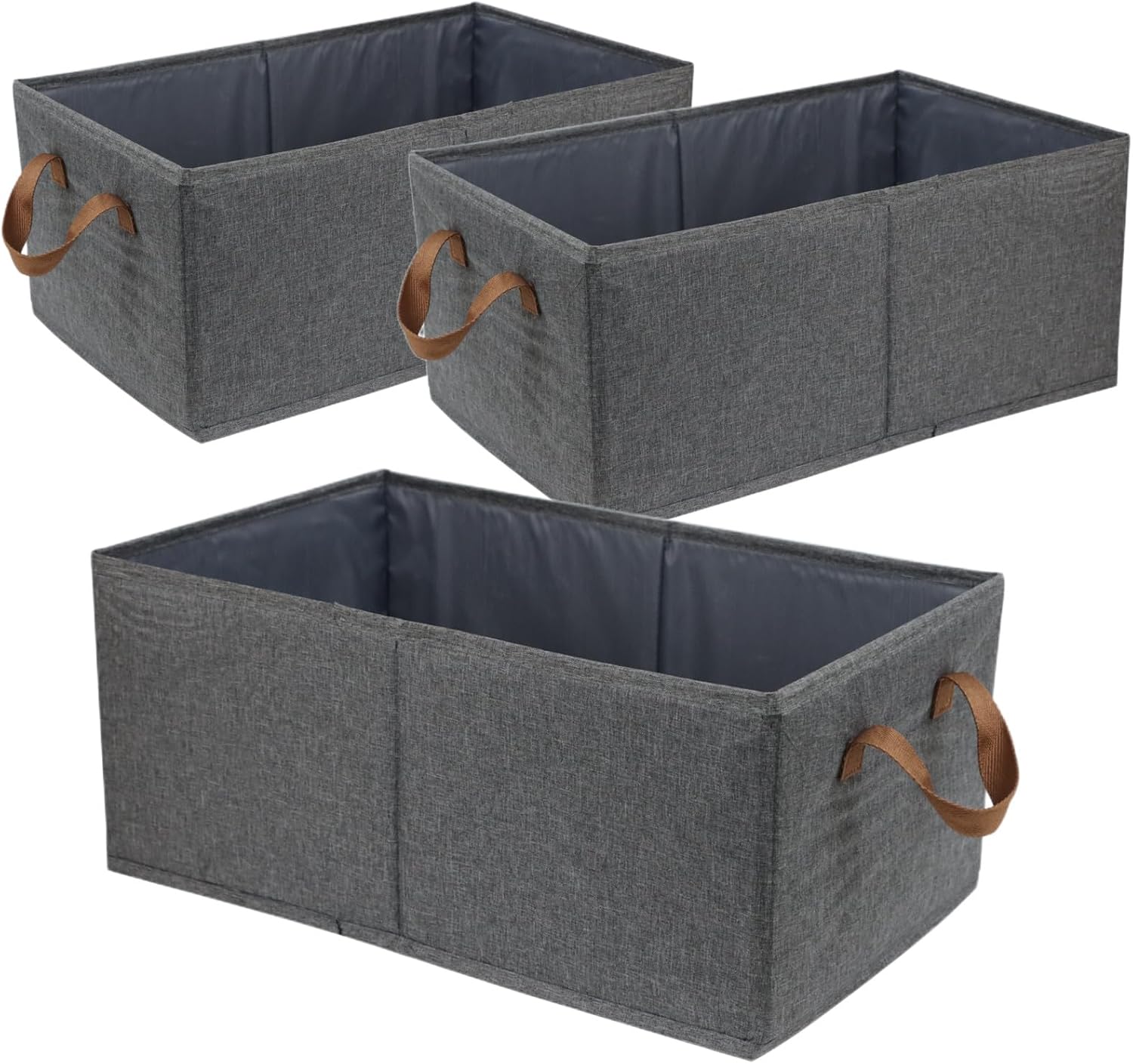 Pack Of 3 Large Capacity Storage Bins, Foldable Closet Organizer Boxes With Handles For Clothes, Sheets, Toys, Books & Shelves$58.99View on Mallflare
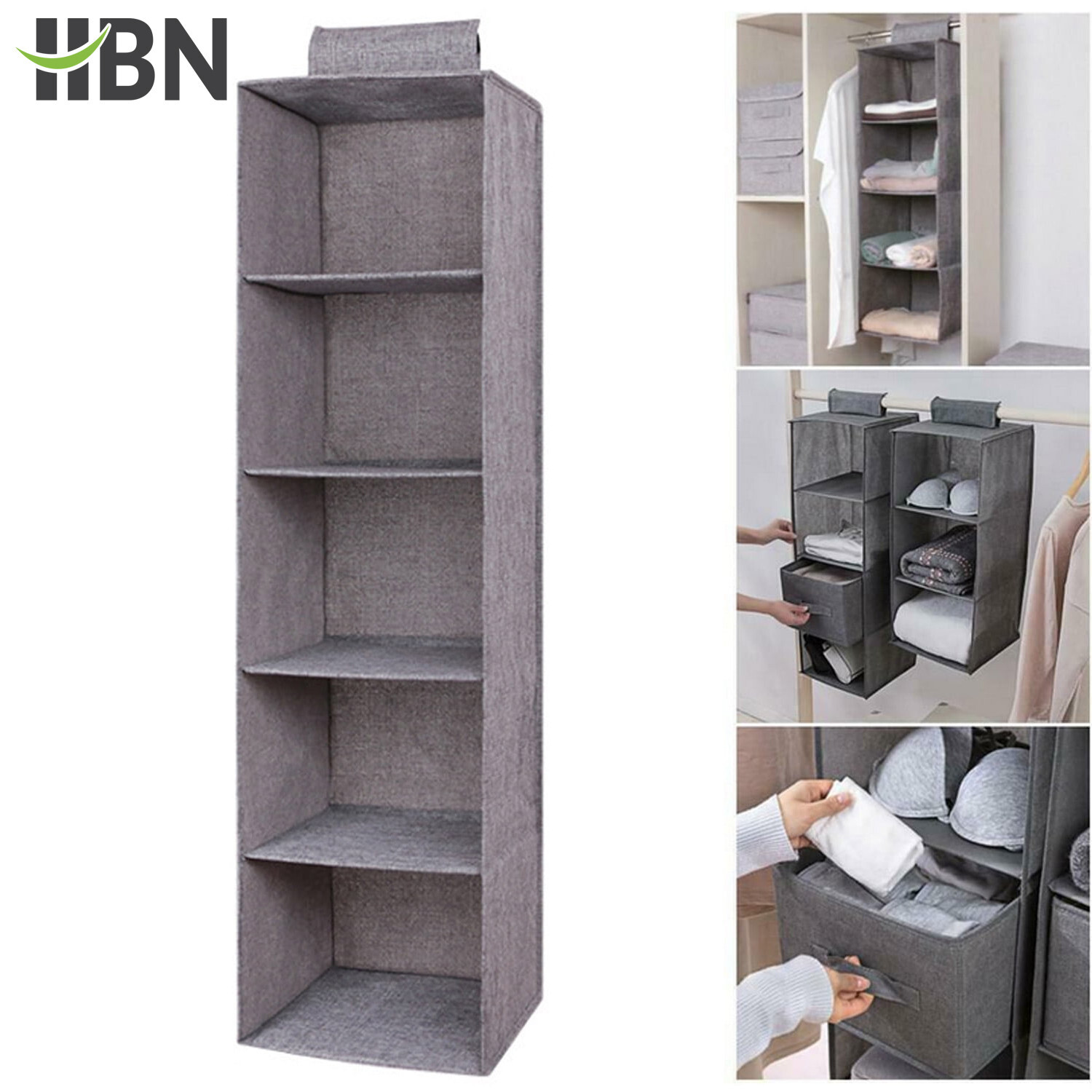 HBN 5 Section Hanging Closet Organizer, Heavy Duty Hanging Shelves for Clothes$14.99View on eBay
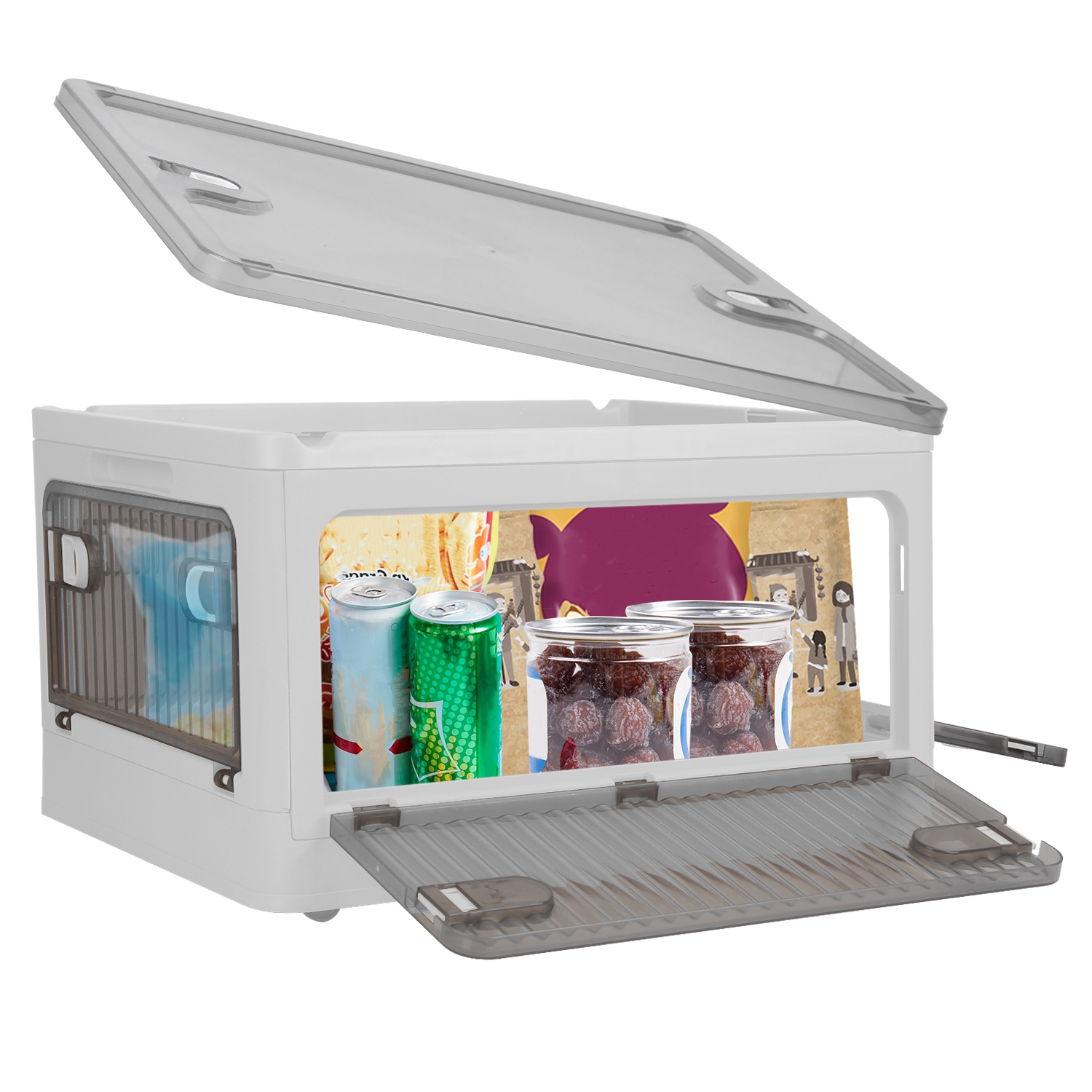 1Pc 70QT 66L Foldable Storage Bins With Lid 4 Doors Collapsible Stackable Closet Organizer Containers Lock 4Pcs Wheels$68.99View on Mallflare
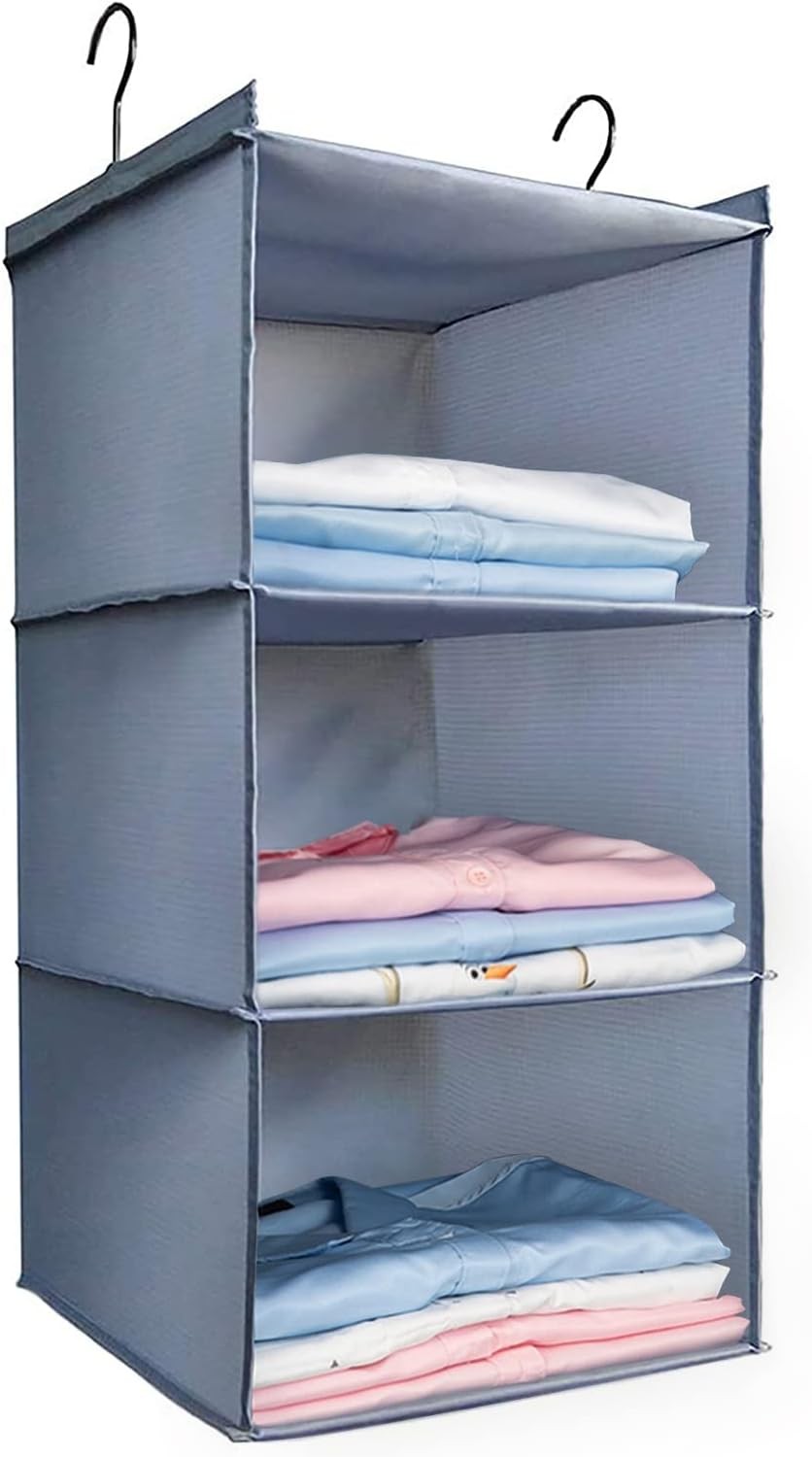 Hanging Closet Organizer 3-Shelf, Oxford Fabric Wardrobe Storage, Gray |$16.49View on eBay
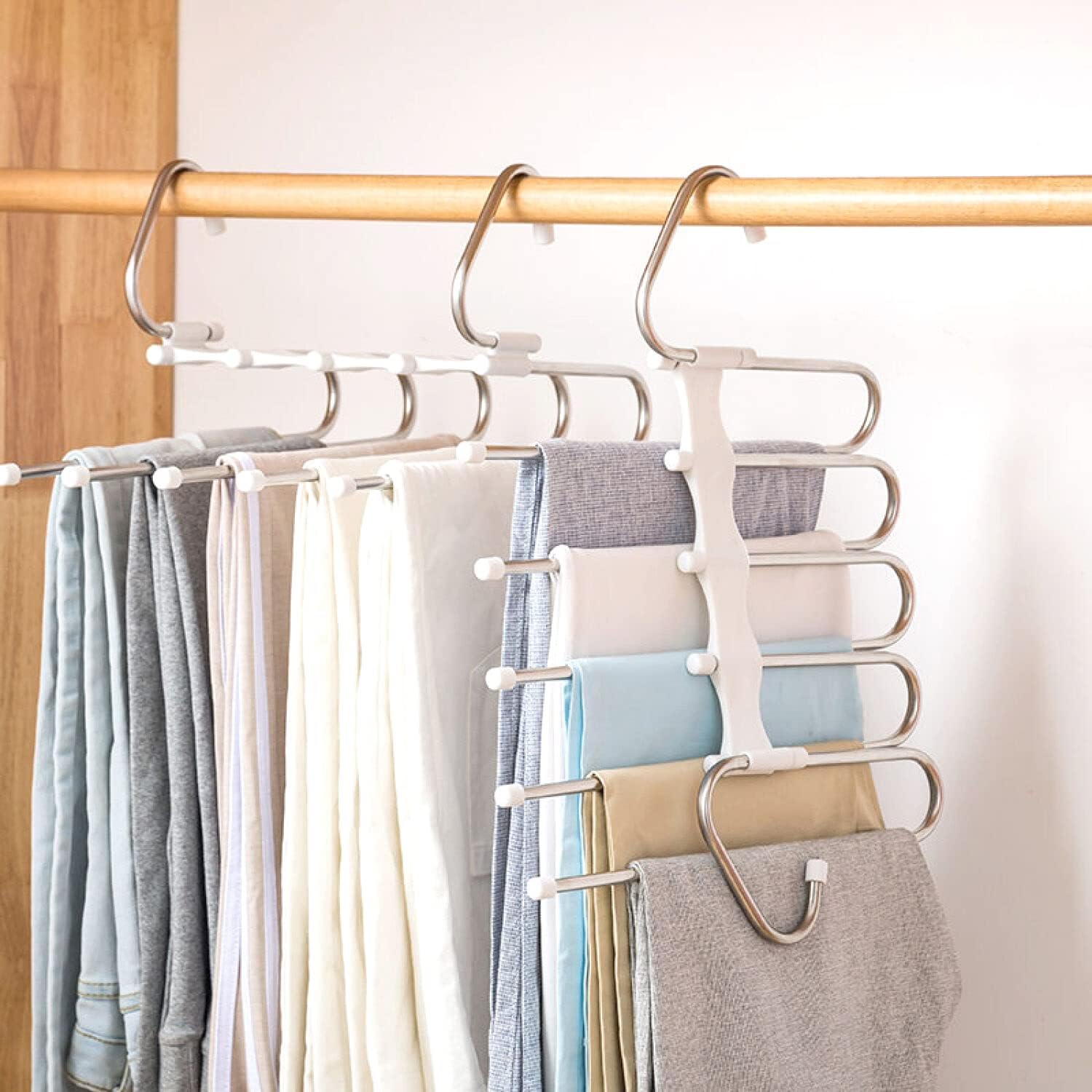 Pants Hangers 2 Pack, Space Saving Metal Closet Organizers With Anti Slip Design For Jeans, Skirts, Scarves And Leggings$71.99View on Mallflare
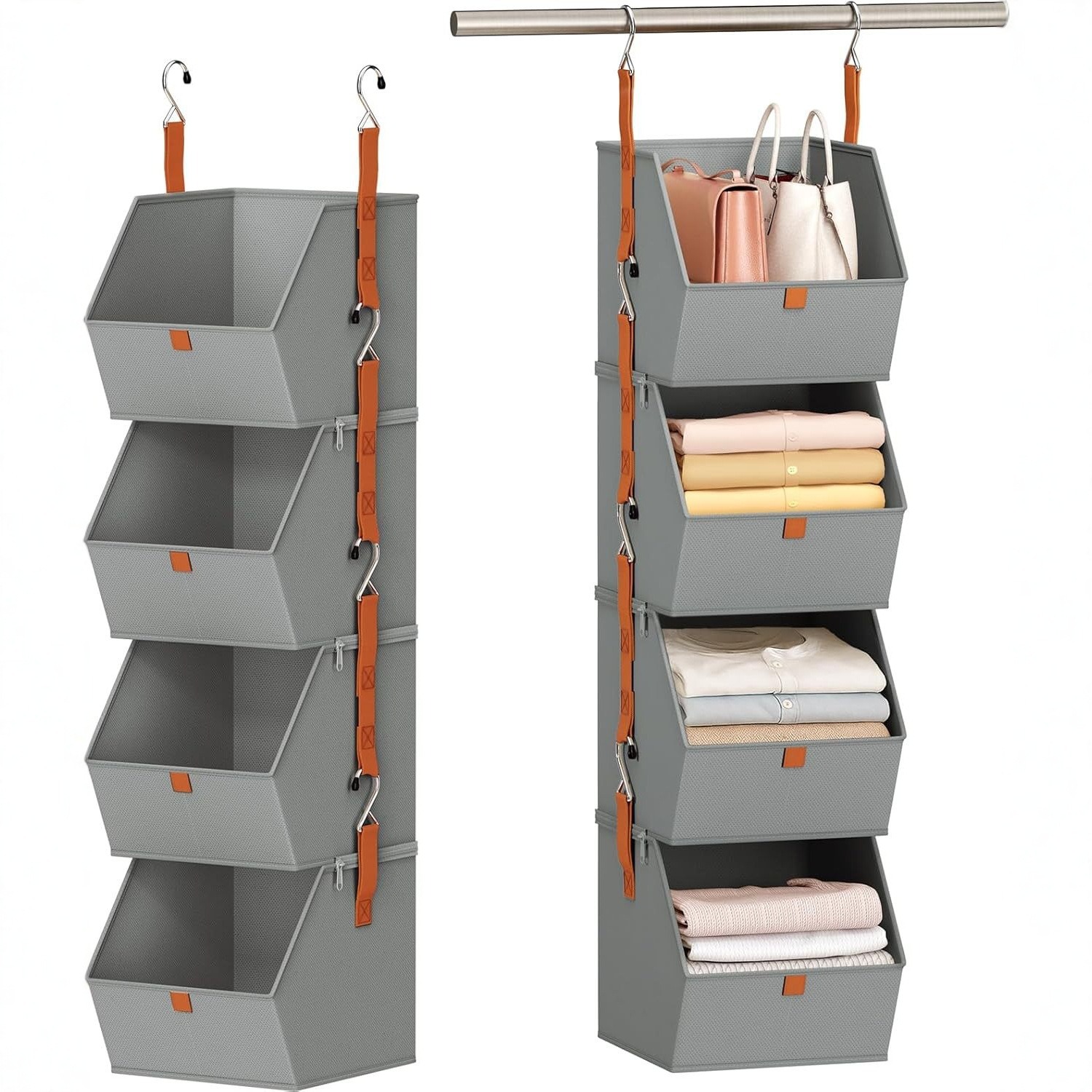 Heavy Duty Hanging Closet Organizer 4 Tier Clothes Shelves Fabric Storage Bins$19.86View on eBay
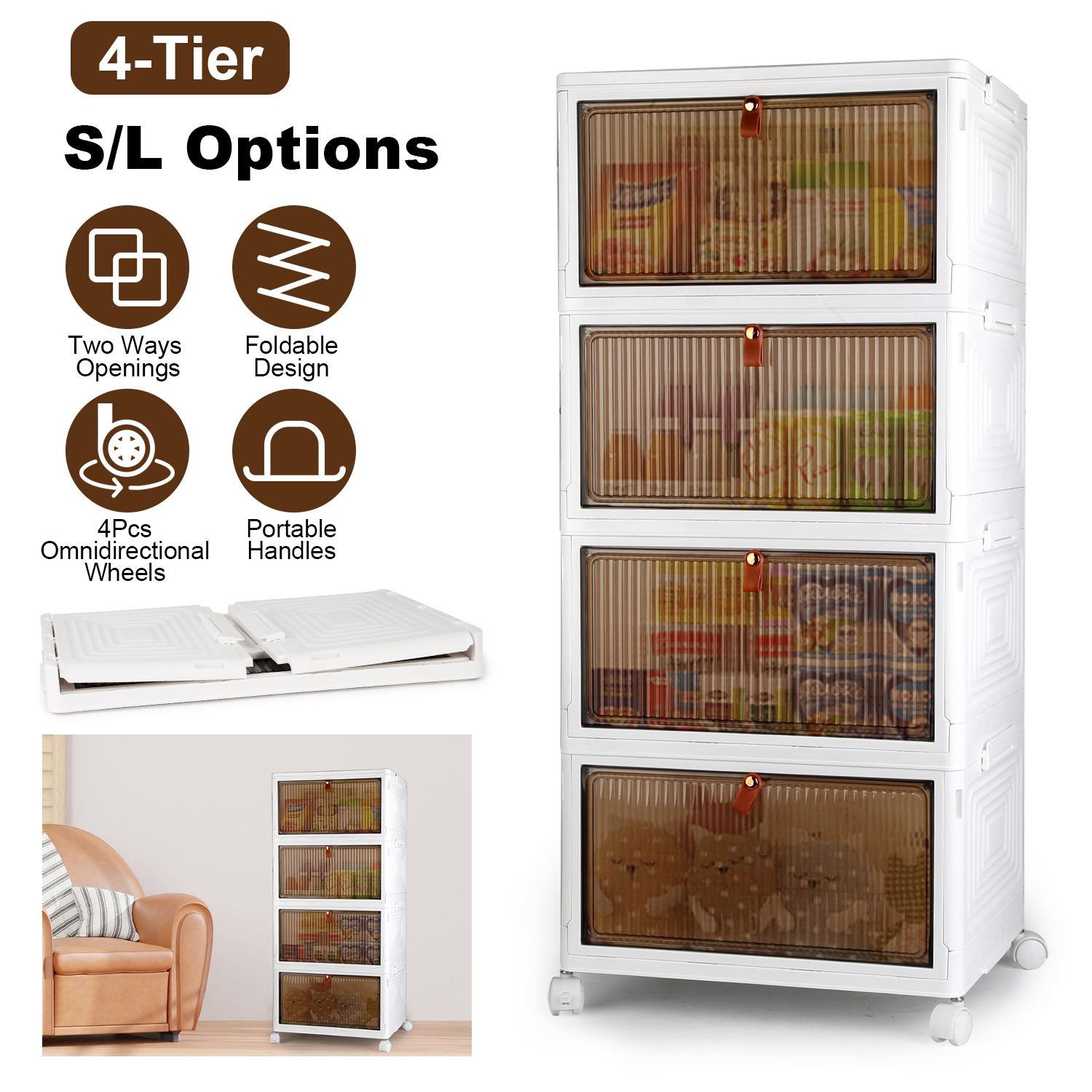 4Pc Foldable Storage Bins With Lid For Home Front Magnetic Door Collapsible Stackable Closet Organizer Containers 4Pcs 360 Degree Rotatable Wheels$76.99View on Mallflare
- 4 Tier Hanging Closet Organizer Shelves Storage Bins Space Saving Clothes US ✨$19.99View on eBay
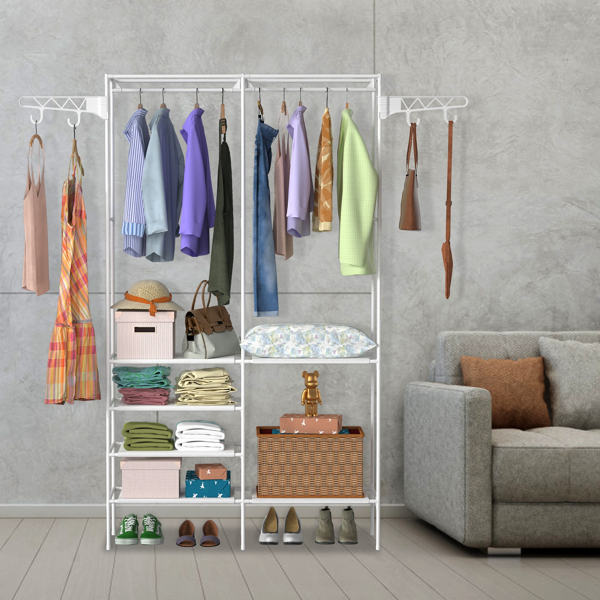 4-layer Shelf, Closet Organizer, Not Available For Weekend Shipments$77.99View on Mallflare
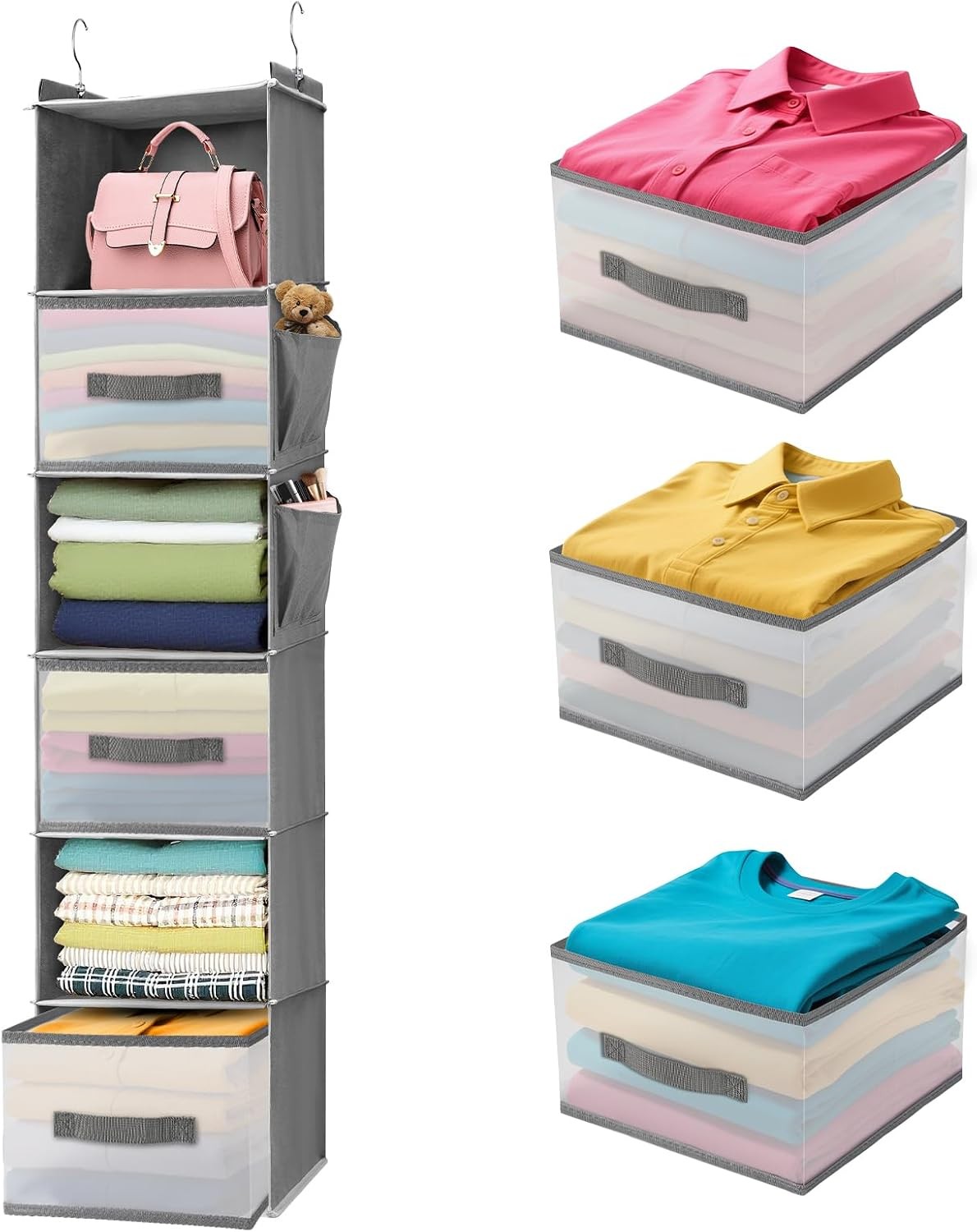 6-Shelf Hanging Closet Organizer with 3 Drawers & Side Pockets, Gray | Non-woven$20.24View on eBay
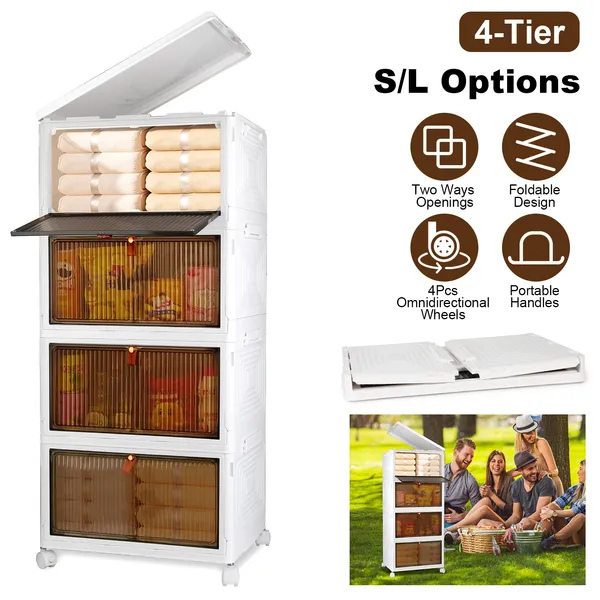 Total 76QT 4-Tier Foldable Storage Bins With Lid Front Magnetic Door Collapsible Stackable Closet Organizer Containers 4Pcs 360' Rotatable Wheels$83.99View on Mallflare
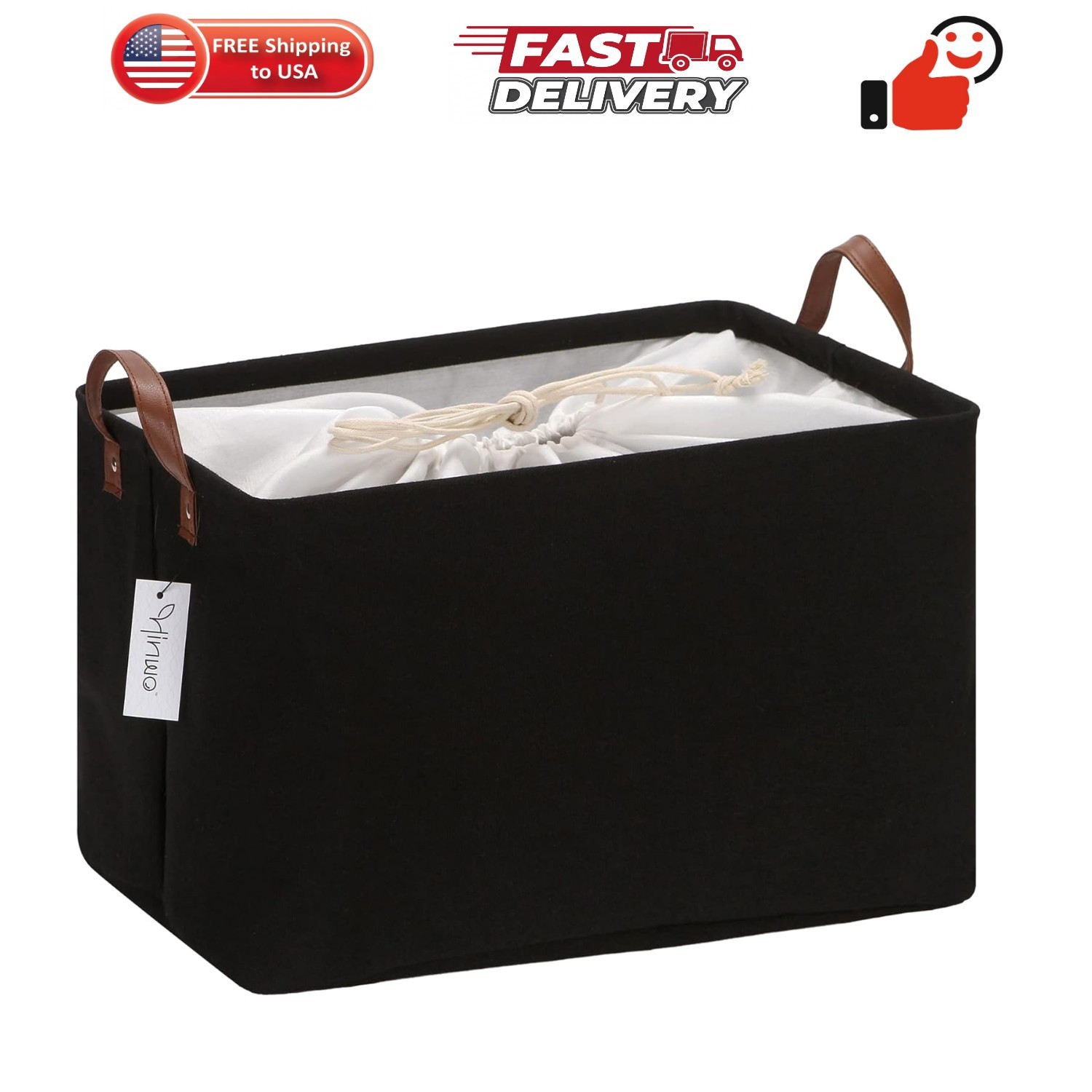 31L Large Storage Bins, Closet Organizers and Storage, Shelf Baskets, Foldabl...$24.69View on eBay
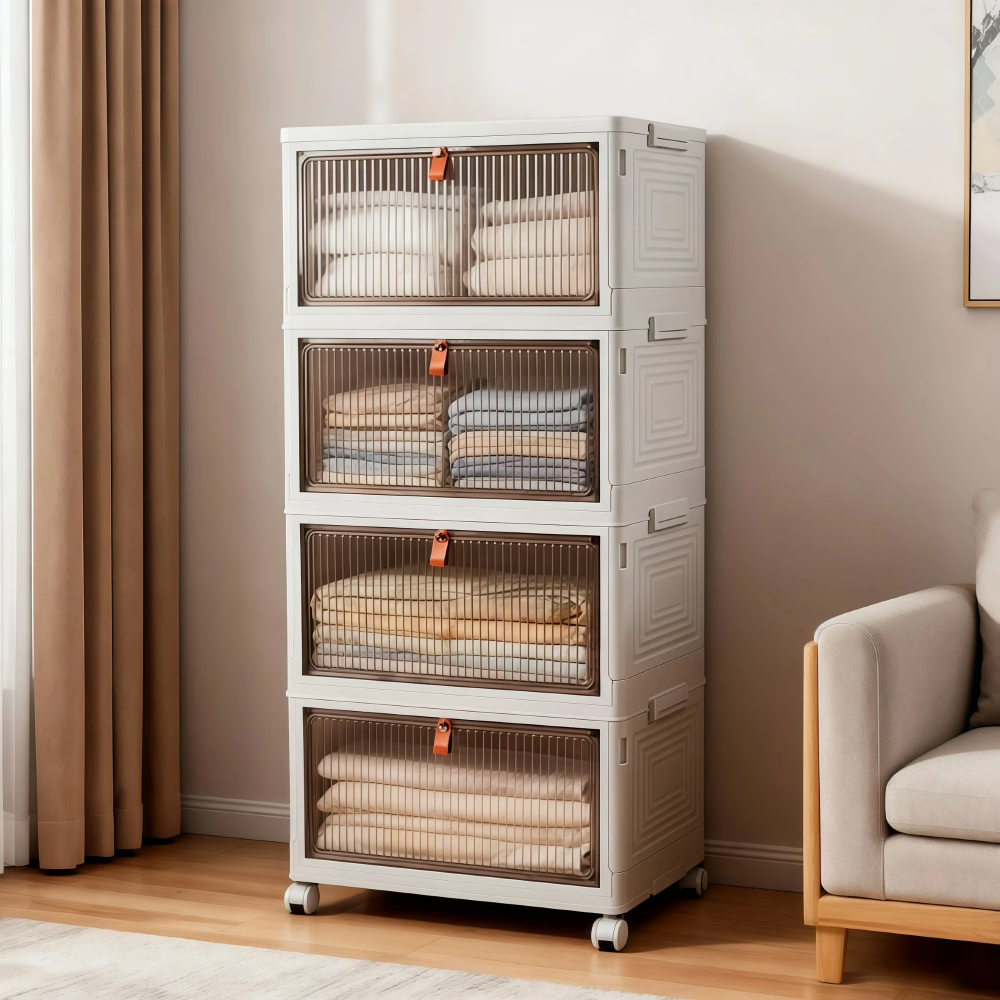 92 Qt Stackable Storage Bins with Lids and Wheels, 4 Tier Folding Box Doors, Plastic Closet Organizers and Containers for Living Room, Office, Dorm$92.99View on Mallflare
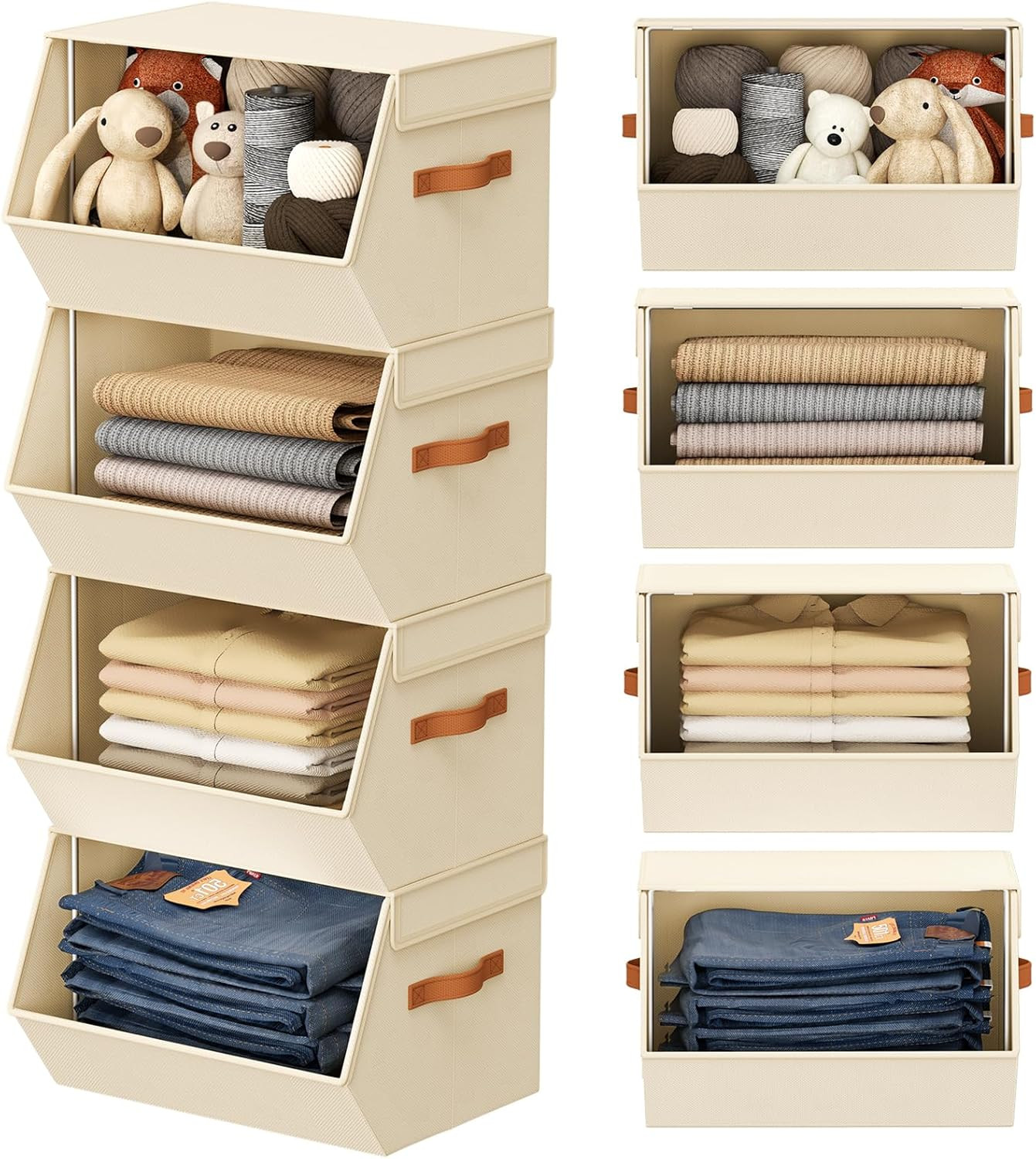 Stackable Closet Organizers and Storage Bins, Open Front Closet Shelf Organizer$43.99View on eBay
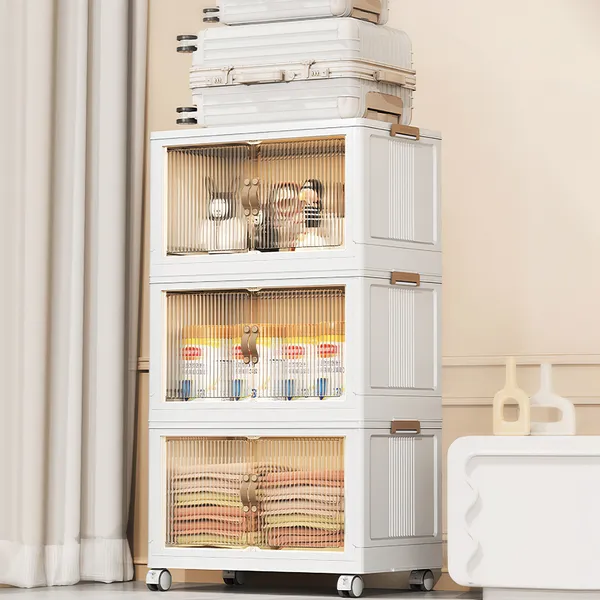 3Pcs Foldable Storage Bins With Lid Front Magnetic Door Collapsible Stackable Closet Organizer Containers 4Pcs 360° Rotatable Wheels 8Pcs Small$94.99View on Mallflare
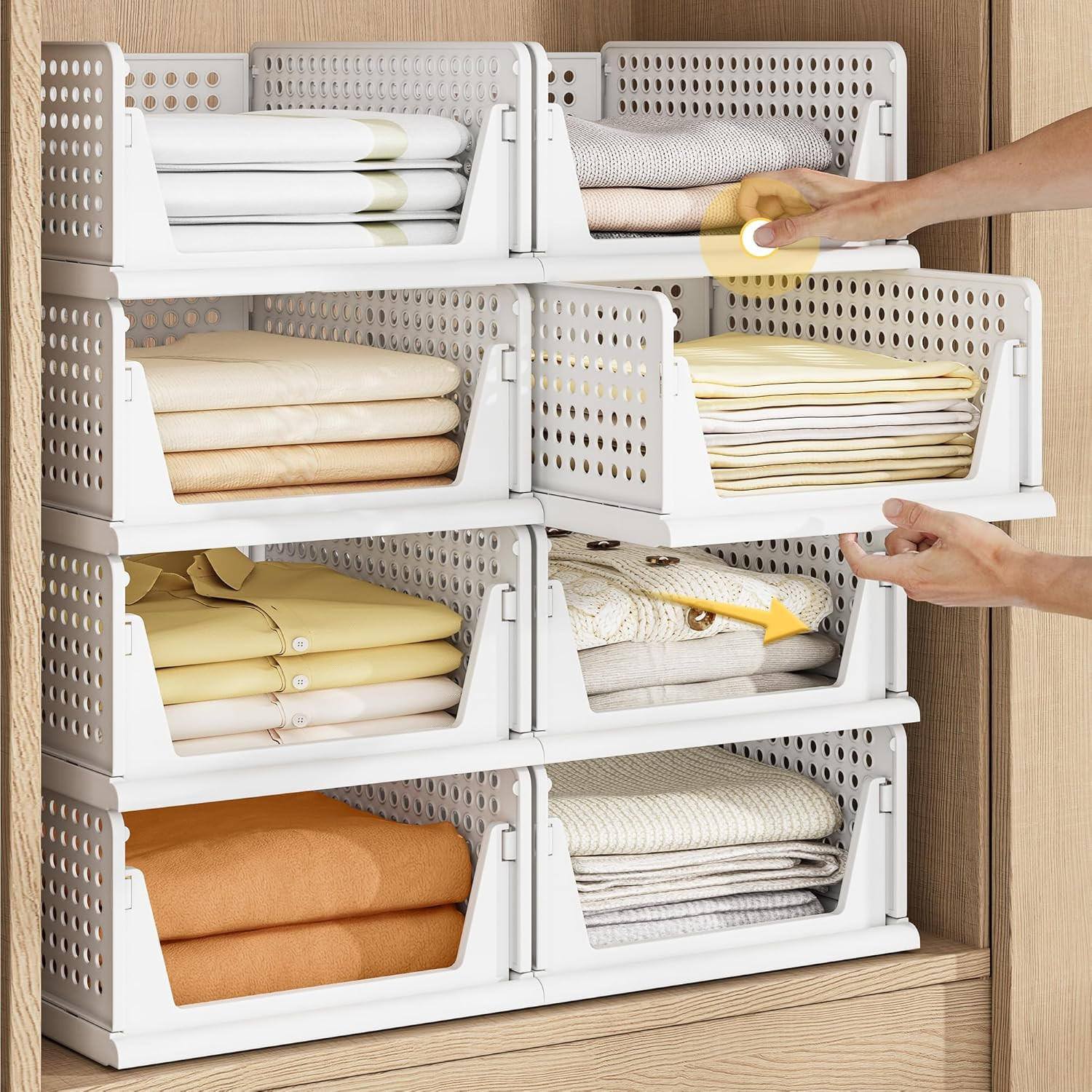 5 Pack Stackable Plastic Storage Closet Organizers and Storage Bins Drawer Shelf$46.99View on eBay
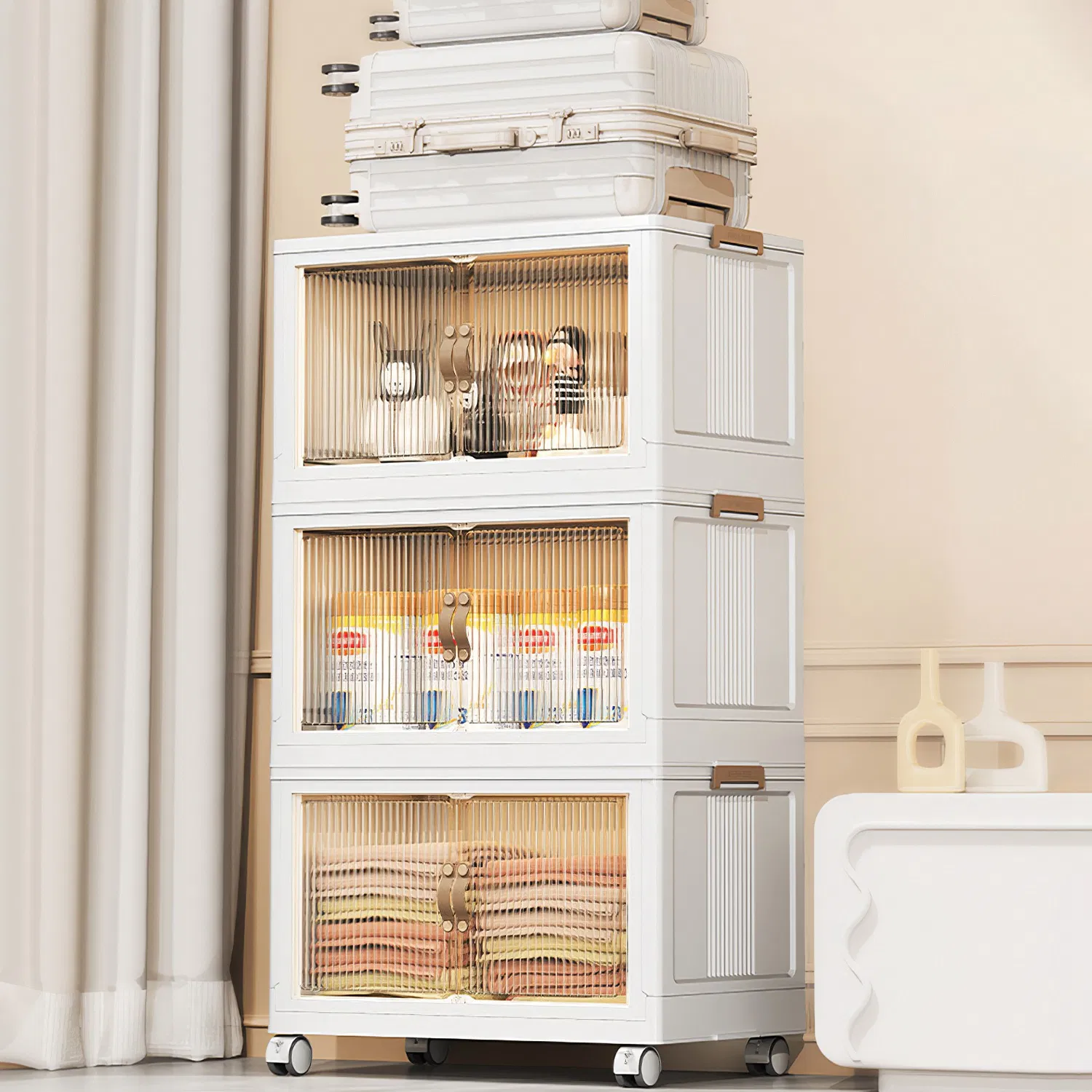 3Pcs Foldable Storage Bins With Lid Front Magnetic Door Collapsible Stackable Closet Organizer Containers 4Pcs Rotatable Wheels 8Pcs Small$94.99View on Mallflare
Highlights
- Fabric bins are typically non-woven polypropylene or Oxford cloth; they cost less but deform above roughly 10–15 lb per shelf, so use them only for soft goods.
- Metal closet systems use steel or aluminum uprights and brackets; look for powder-coated finishes and at least 12-gauge thickness for shelves rated to hold 50 lb or more.
- Hanging organizers attach via a rod; the rod must be rated for the combined weight—wood or steel rods hold 30–50 lb, thin wire rods sag and should be skipped for heavy garments.
- Modular systems rely on standardized hole spacing (32mm is common) and bracket compatibility; mismatched brands will not share uprights or accessories.
Best use cases
- Best fit: small reach-in closet (under 6 ft wide) with hanging space—choose a 3- or 5-section hanging organizer in Oxford fabric for shirts and light sweaters; skip bulky cube systems that eat floor depth.
- Best fit: walk-in or reach-in closet needing long-term durability—install a metal or wood modular system with adjustable shelves and a rated rod; skip non-woven bins for heavy jeans or coats.
- Best fit: seasonal storage or dorm/moving—use foldable non-woven or PP bins in 60–110L sizes with handles and zippers; skip rigid systems for temporary or portable needs.
- Wrong fit: high-humidity bathrooms or garages—fabric and cardboard organizers absorb moisture and mildew; choose plastic or metal instead.
Buying tips
- Measure closet width, depth, and rod height first: hanging organizers need 12–14 inches of depth and must clear the rod; shelf systems need at least 12 inches of shelf depth for folded clothes.
- Match bin capacity to item type: 30–60L bins suit T-shirts and linens; 110–150L bins suit quilts and bedding; 220L bins are for bulky winter coats and are too large for shelf storage.
- For hanging organizers, count sections: a 5-section unit holds about 5 folded stacks; a 3-section unit is easier to access in narrow closets—choose 3-section if closet width is under 4 ft.
- Check hardware standards: modular systems using 32mm hole spacing accept most European-style brackets; verify that uprights are included, because many systems sell shelves and brackets separately.
Specs
| Material Grade | Non-woven / Oxford / Steel / Wood / PP |
|---|---|
| Mount Type | Hanging rod / Wall-mounted / Freestanding |
| Load Rating | Soft bins 10-15 lb; steel shelves 50+ lb |
| Bin Capacity | 30-60L clothes; 110-220L bedding |
Related searches
What to check before buying
- Measure closet interior width, depth, and rod height; confirm the organizer depth (12–14 in for hanging, 12 in for shelves) fits without blocking the door swing.
- Verify wall material: drywall requires toggle bolts or stud mounting for loaded shelves; plaster or concrete needs masonry anchors—skip adhesive-only mounts for anything over 10 lb.
- Confirm rod load rating for hanging organizers: steel or wood rods hold 30–50 lb; replace thin wire rods if hanging more than 10 lb of clothing.
- Check humidity and temperature: fabric and cardboard degrade in damp or fluctuating environments; choose plastic or metal in basements, garages, or bathrooms.
FAQ
Data sources: eBay / Amazon listings and product attribute feeds. Updated Nov 22, 2026.
Some links on this page are affiliate links. If you buy after clicking one, we may earn a commission at no extra cost to you. This does not change which products appear here or their order. Affiliate disclosure.