
Photos from current listings. Actual item, color, and included accessories may vary.
Wireless Security Camera System Buying Guide
A wireless security camera system pairs battery or Wi-Fi cameras with a central recorder or monitor, trading wired reliability for flexible placement. The core trade-off is battery life and wireless bandwidth versus continuous recording and signal stability. Choose a local-NVR kit for 24/7 multi-camera coverage, or a battery/solar standalone system for easy retrofit where power runs are impossible.
At a glance
- Category
- Home Security
- Last updated
- Nov 22, 2026
Current offers
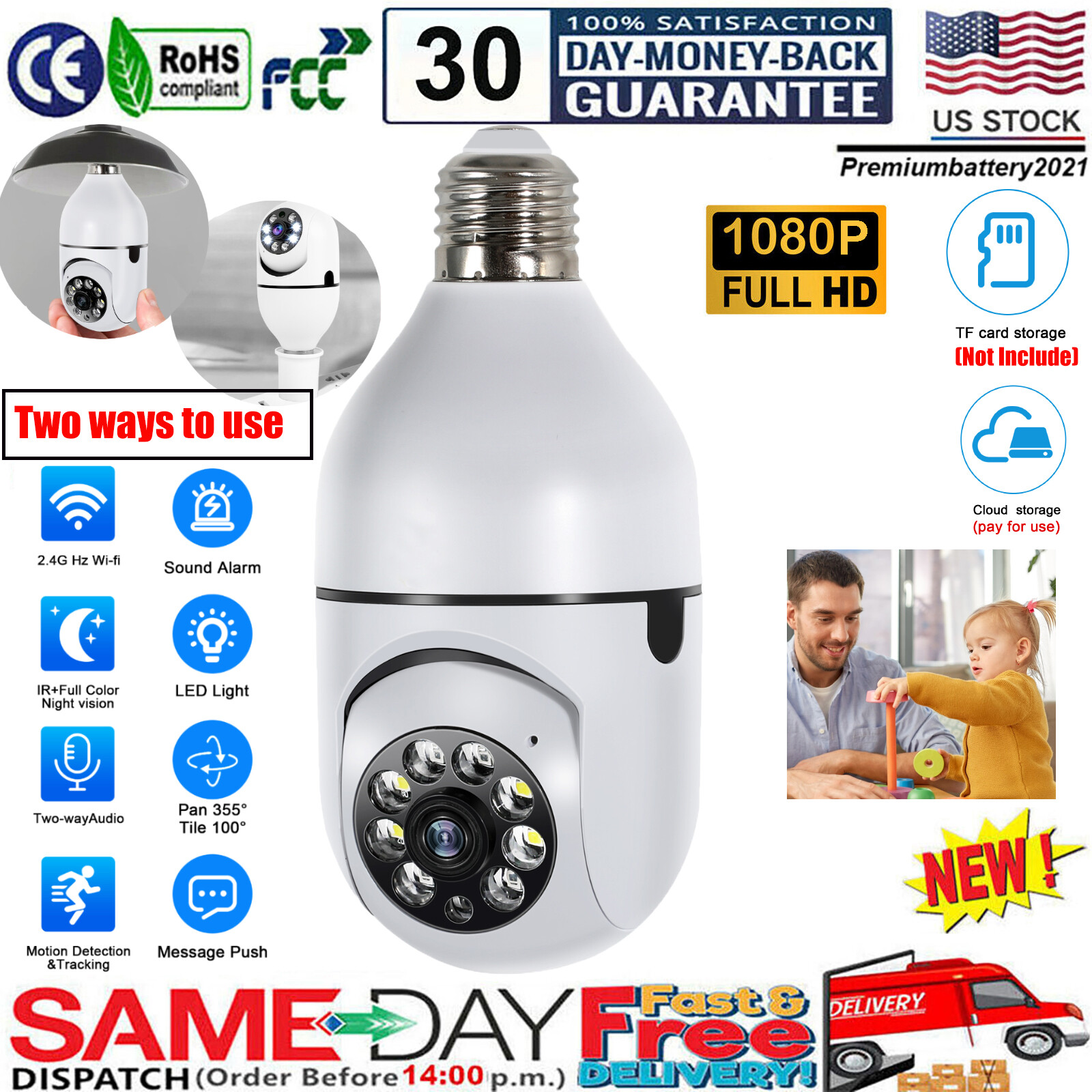 ✅Wireless Security Camera System Indoor Home 2.4G Wifi Night Vision Cam 1080P HD$11.89View on eBay
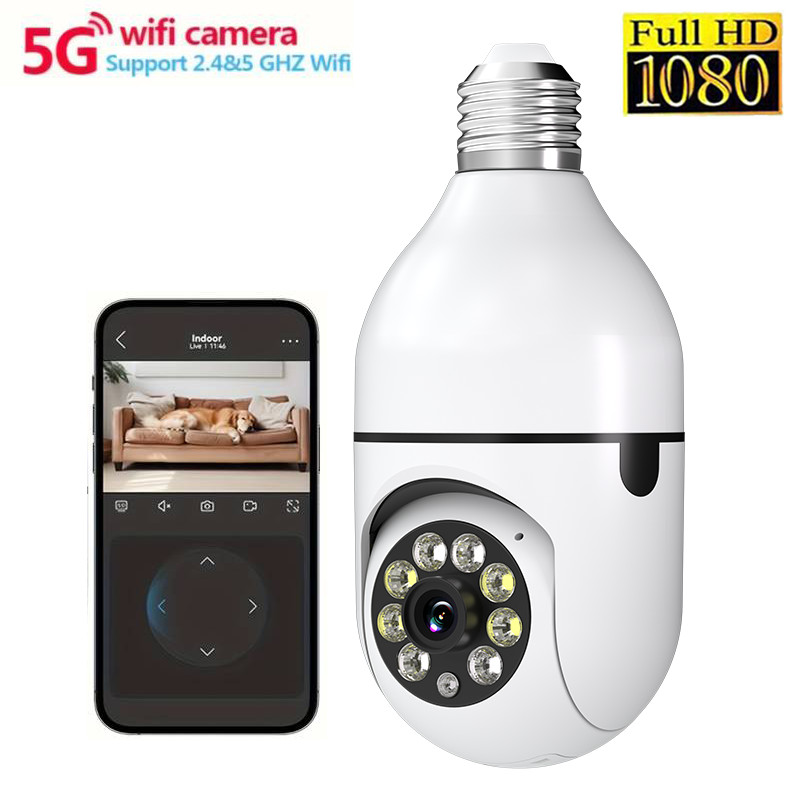 Wireless Security Camera System Outdoor Home 5G Wifi Night Vision Cam 1080P$13.30View on eBay
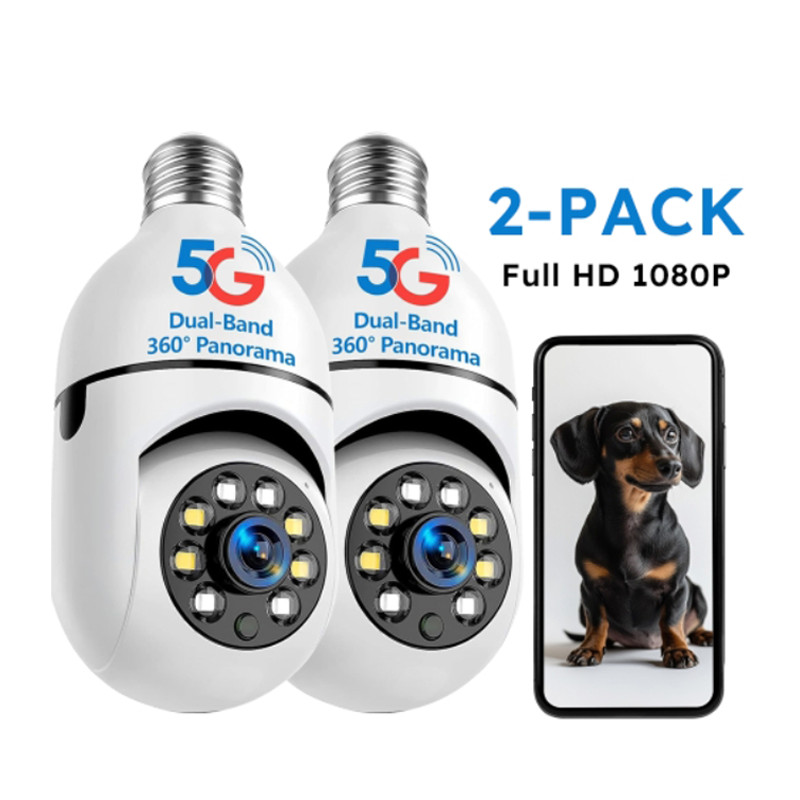 Wireless Security Camera System Outdoor Home 5G Wifi Night Vision Cam 1080P!$21.99View on eBay
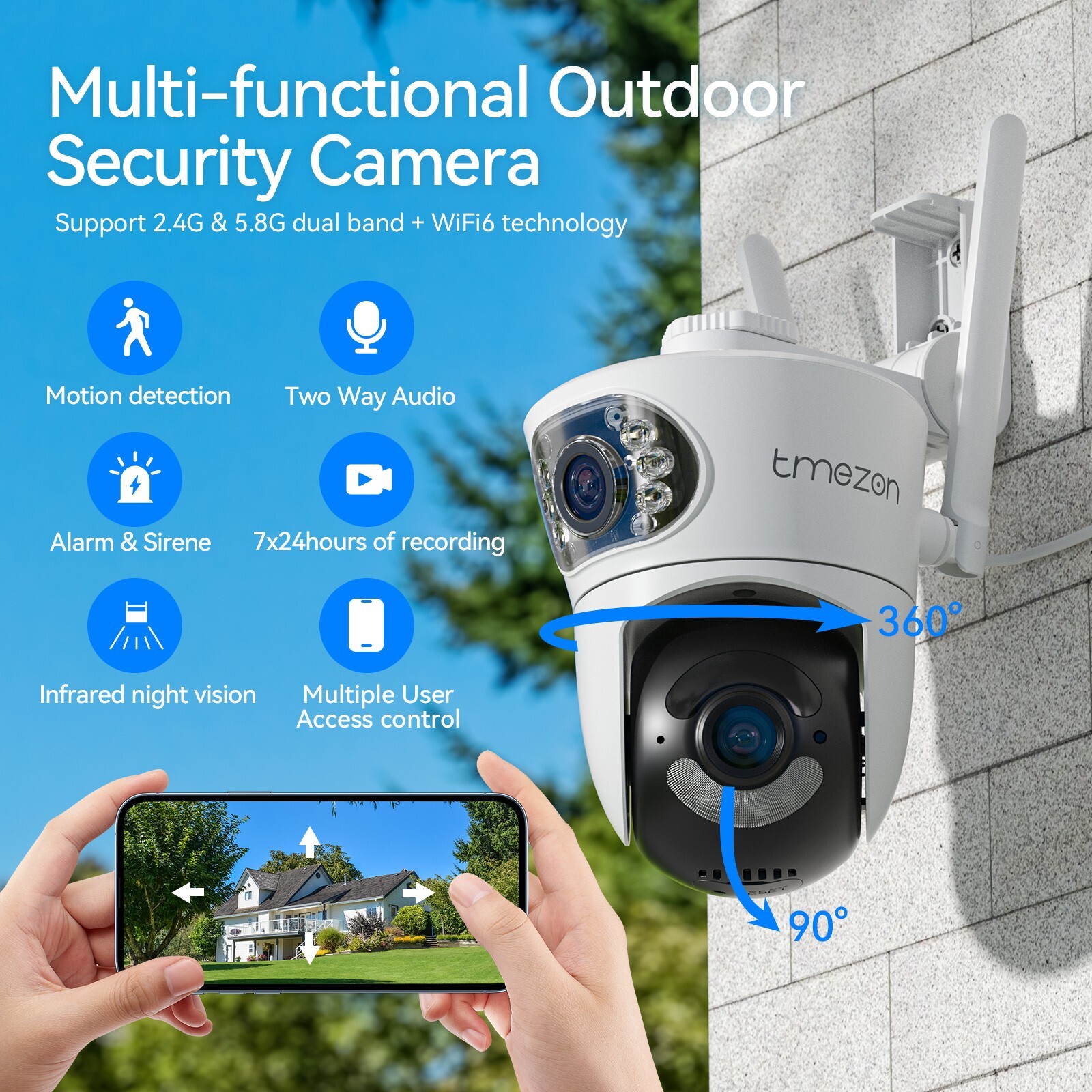 4MP Wireless Security Cameras System Outdoor Home Dual Lens Wifi Night Vision$28.99Last checked Nov 21, 2026View on eBay
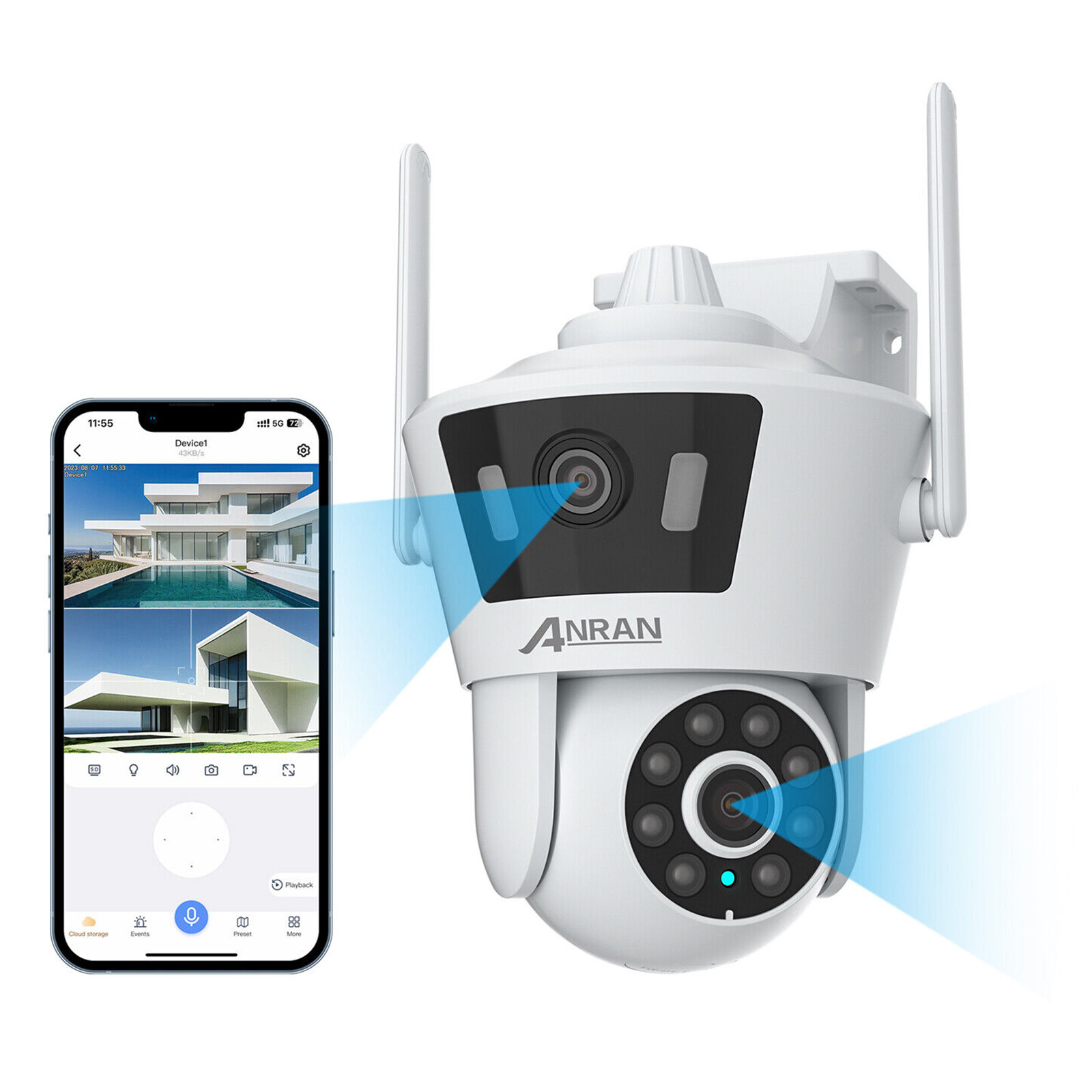 ANRAN Wireless Security Cameras System Outdoor Wifi Home Dual Lens Night Vision$39.99Last checked Nov 21, 2026View on eBay
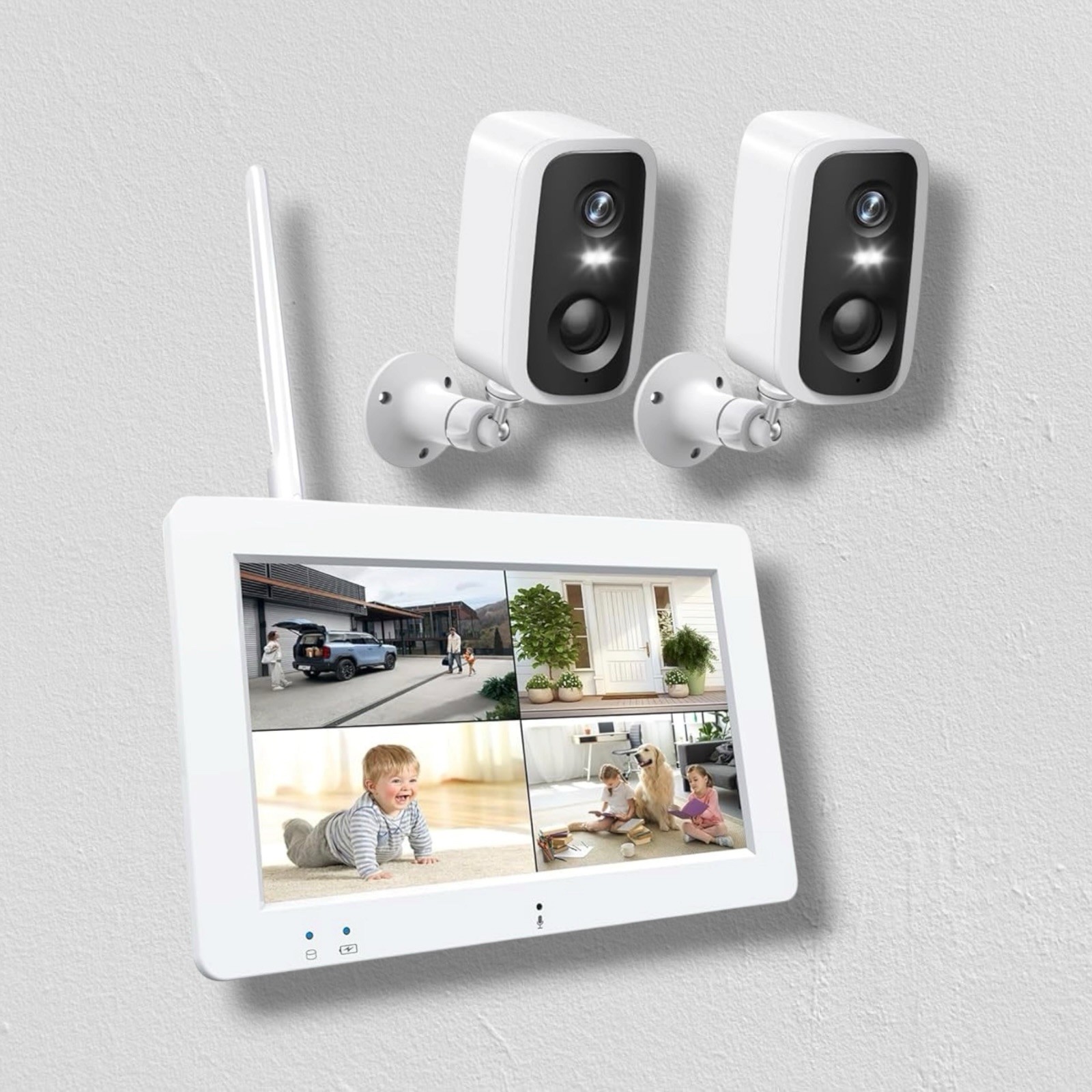 Wireless Security Camera System with 7” Touchscreen Monitor & 2PCS 4MP. Night V$69.99View on eBay
 Wireless Security Camera System WiFi Outdoor Home 12''Monitor 10CH 5MP NVR 1TB$127.49View on eBay
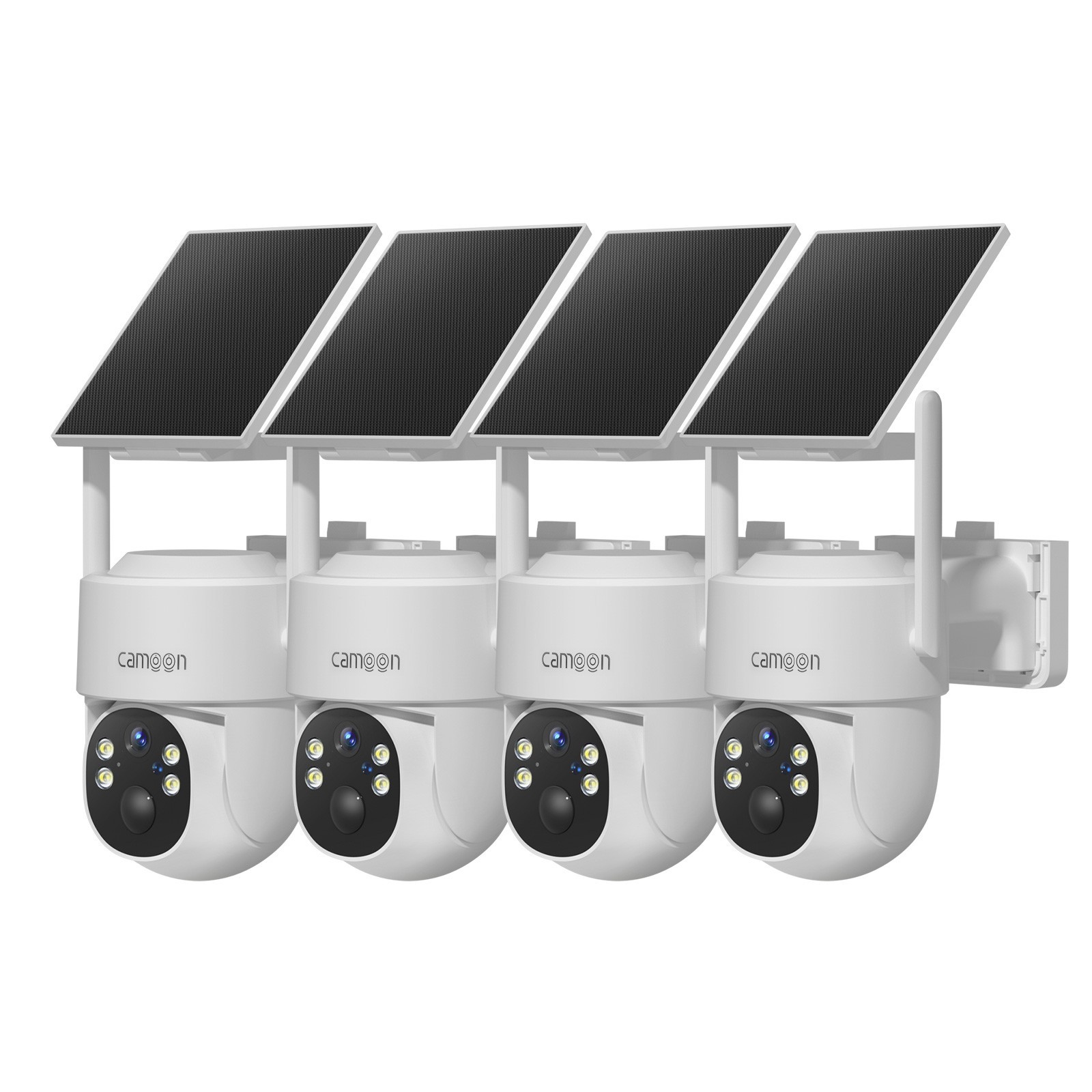 Solar Battery Powered Wireless Security Camera System WiFiIP Outdoor Home$135.99View on eBay
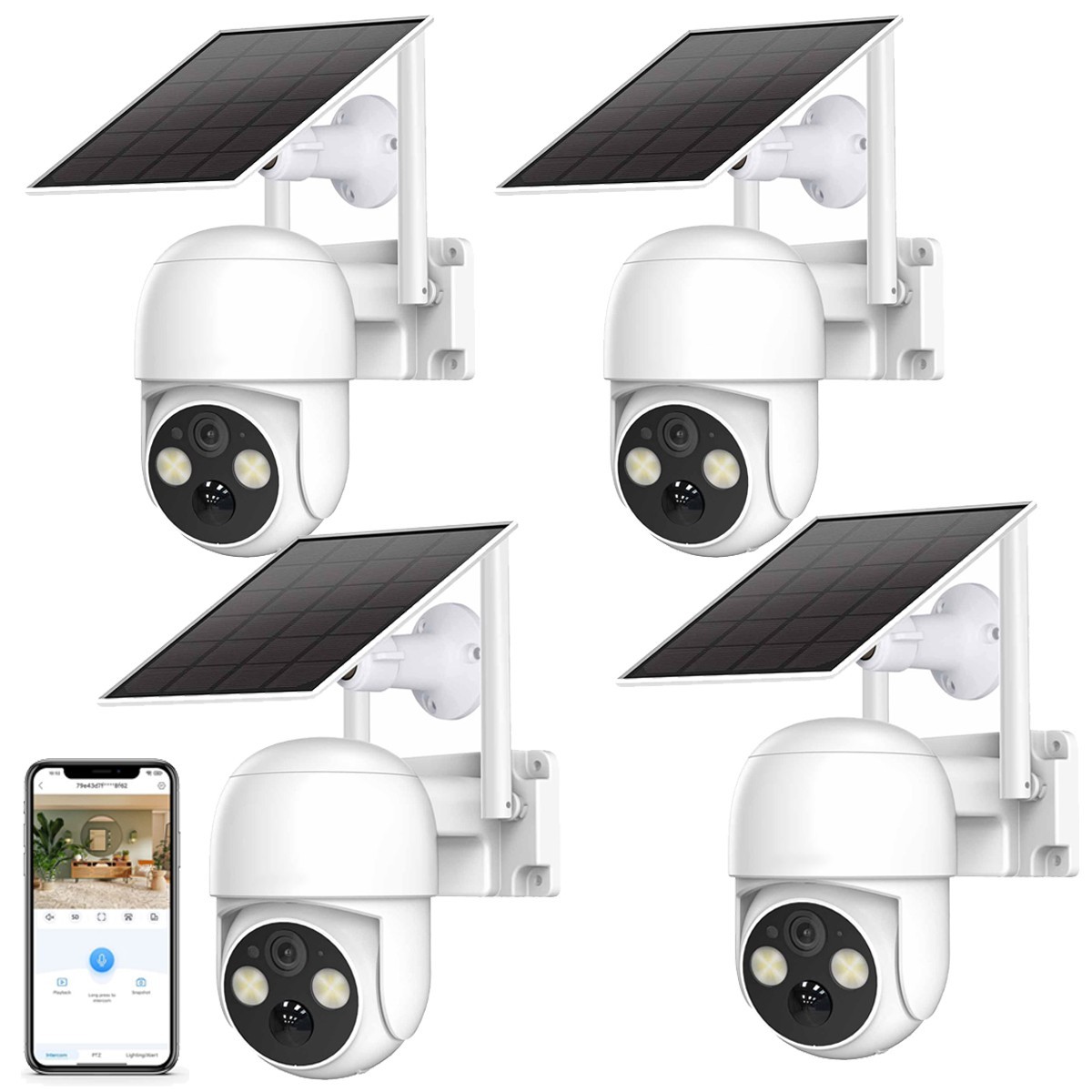 4Pcs Wireless Security Camera System Outdoor WiFi 360 Solar Battery Powered IP$138.99View on eBay
 6pcs Wifi Wireless Security Camera System Solar Battery Powered Home 2 Way Talk$180.40Last checked Nov 14, 2026View on eBay
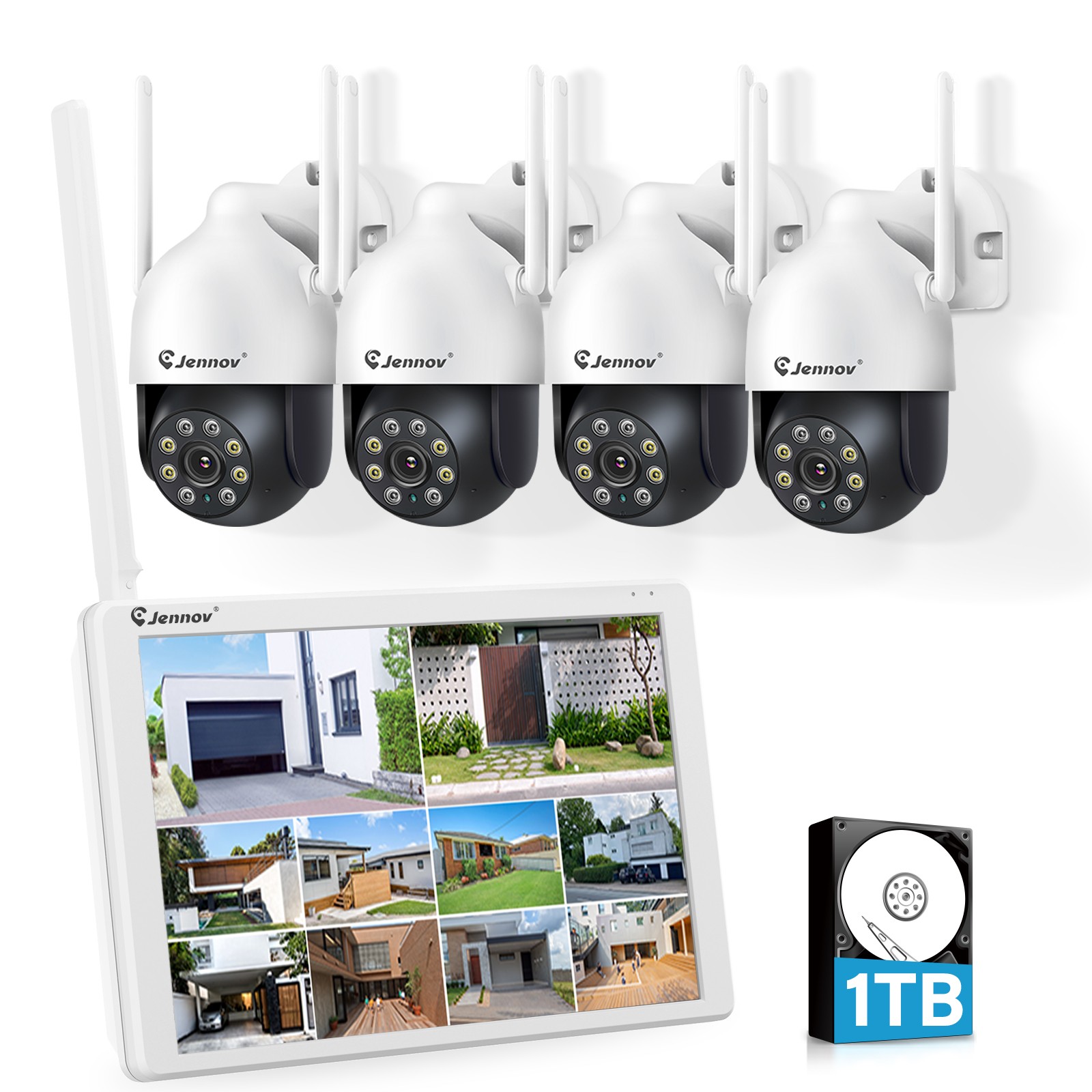 JENNOV 5MP Home Wireless Security Camera System Outdoor 1TB Monitor Audio WiFi$187.19View on eBay
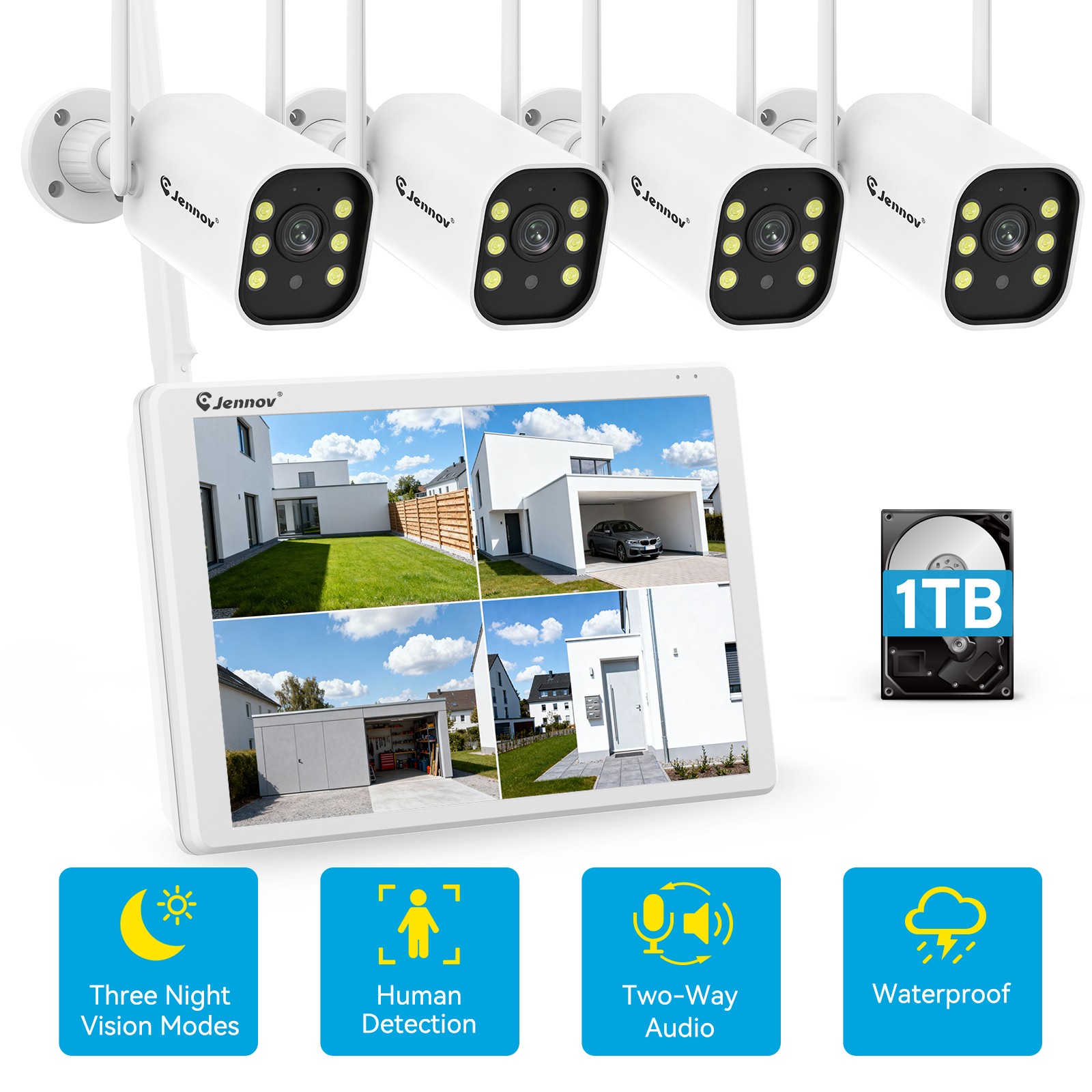 5MP Home Wireless Security Camera System Outdoor 1TB HD NVR Monitor Audio WiFi$219.12Last checked Nov 17, 2026View on eBay
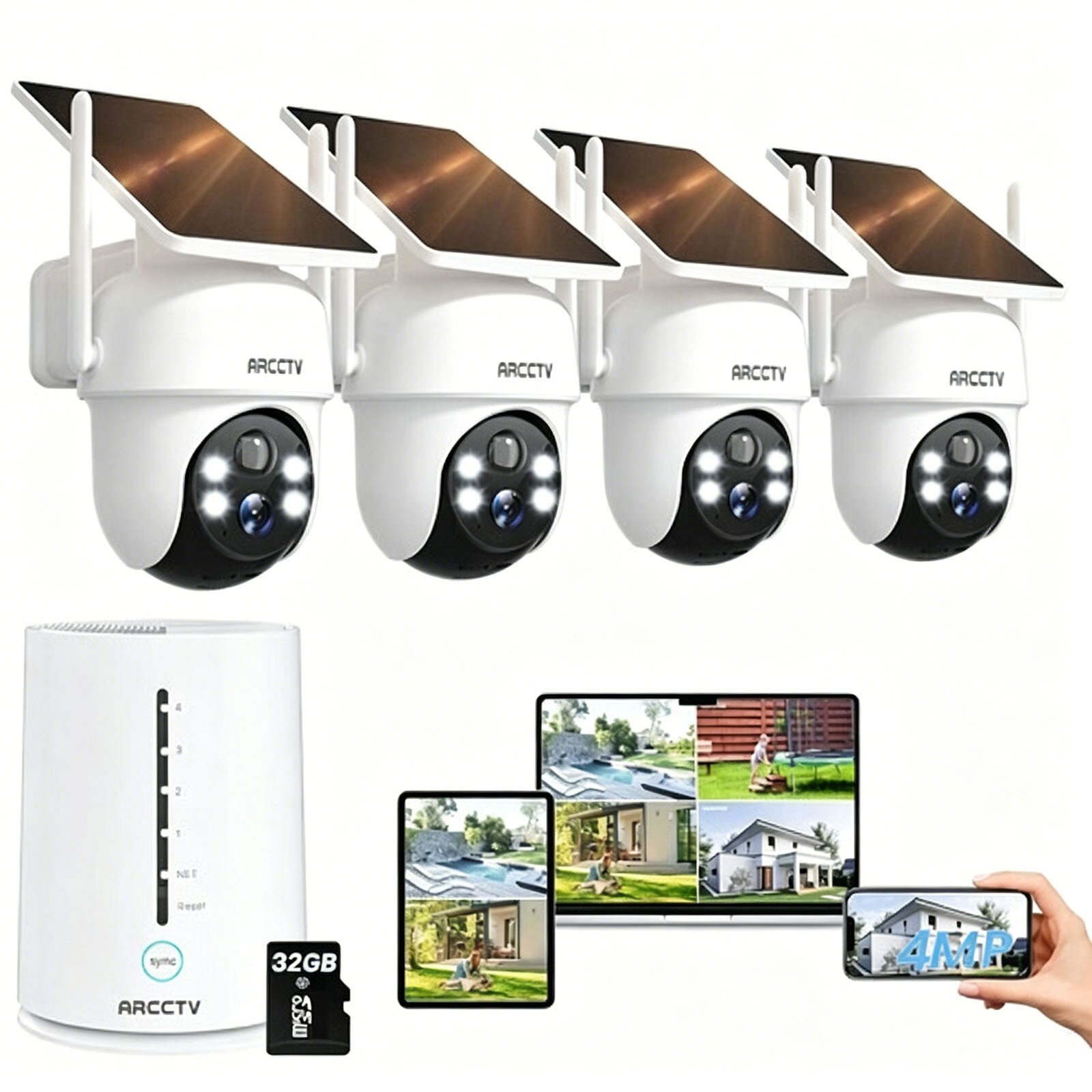 ARCCTV Solar Battery Powered Wireless Security Camera System WiFi6 Outdoor Home$229.99Last checked Nov 22, 2026View on eBay
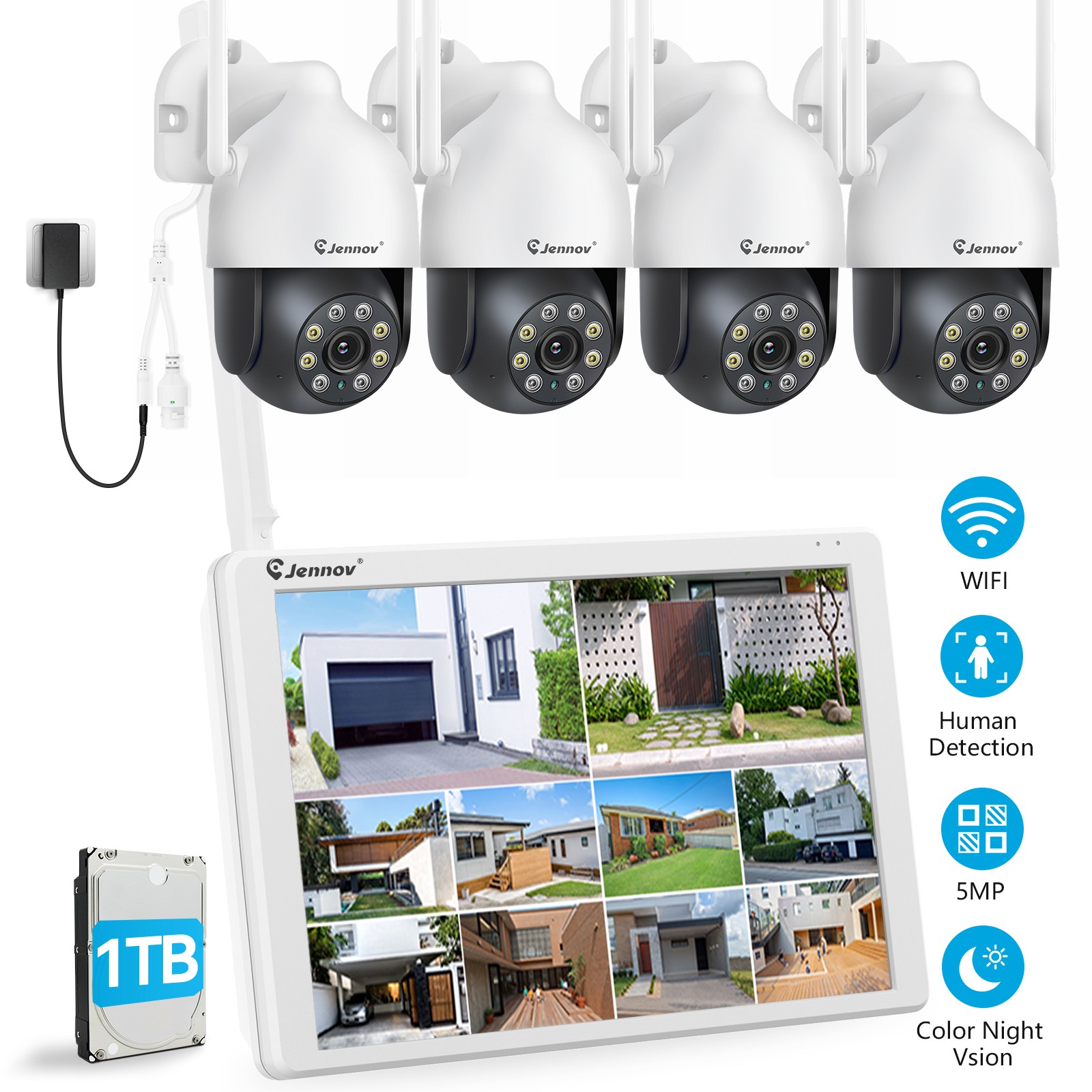 JENNOV 5MP 10CH PTZ Dome WIFI NVR Wireless Security Camera System with Monitor$243.46Last checked Nov 14, 2026View on eBay
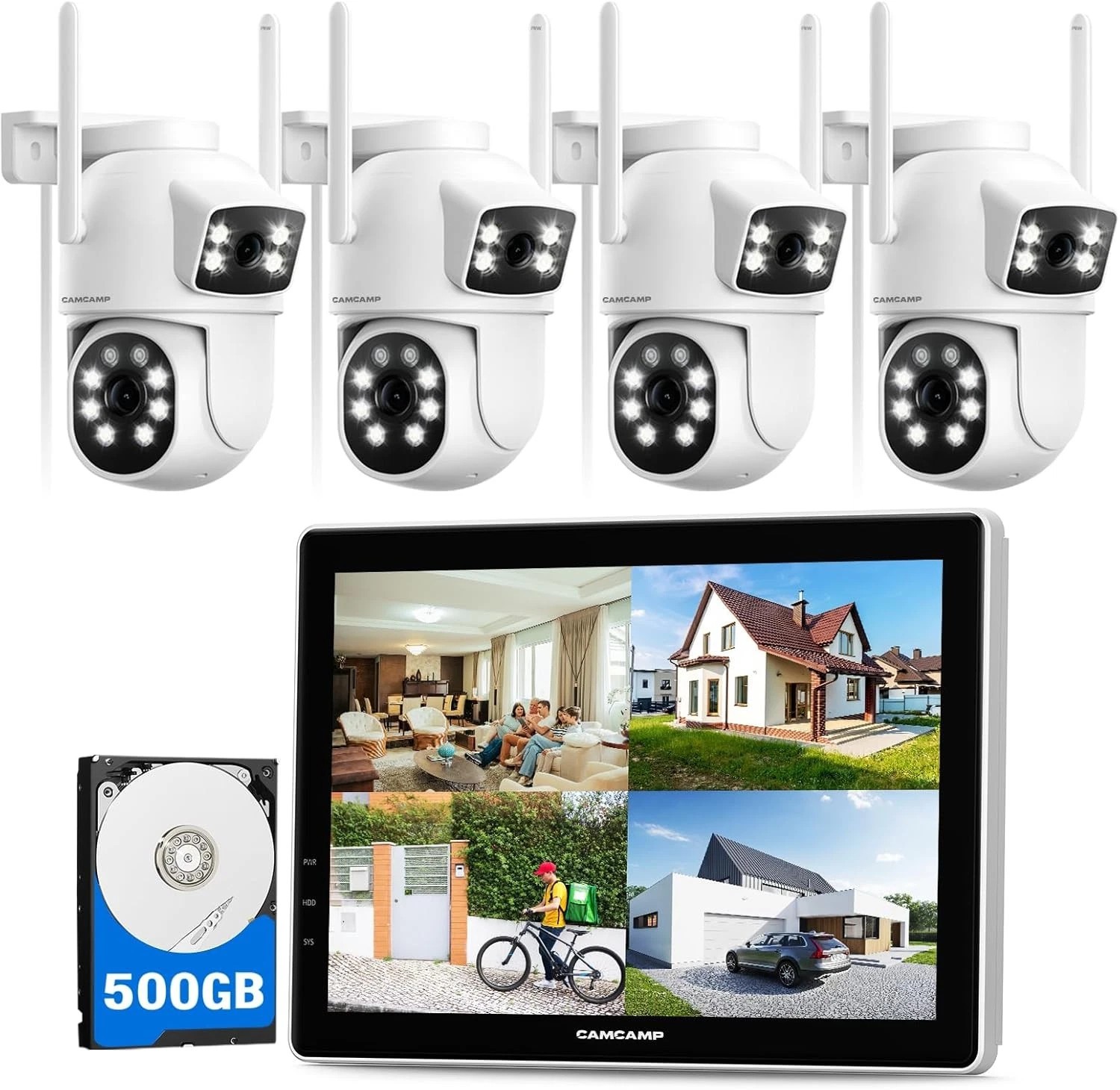 Wireless Security Camera System Outdoor Home WiFi CCTV 10CH NVR 500G Storage Kit$262.00Last checked Nov 16, 2026View on eBay
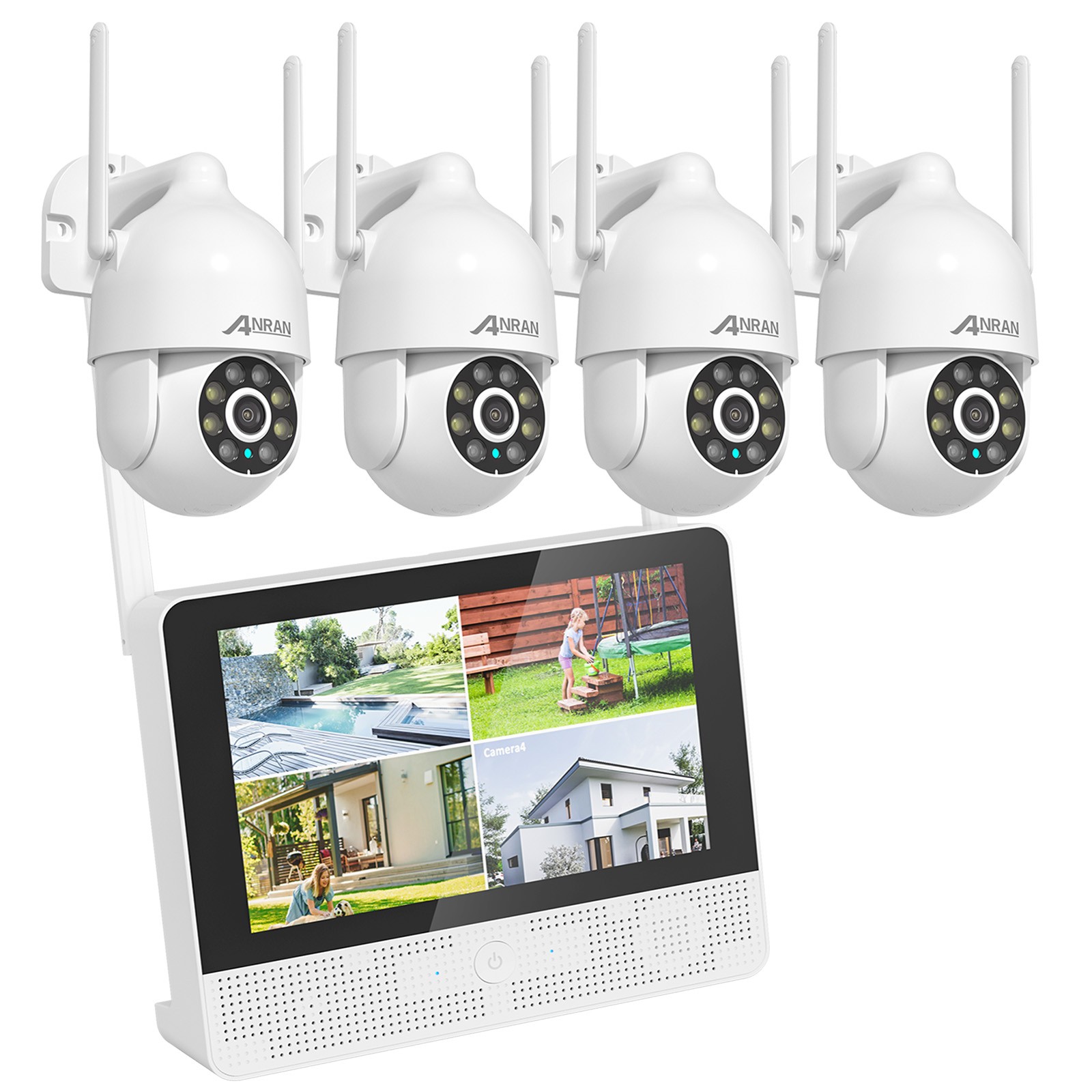 ANRAN Wireless Security Camera System Outdoor Home 6CH 12 Inch Monitor Kits$279.99Last checked Nov 16, 2026View on eBay
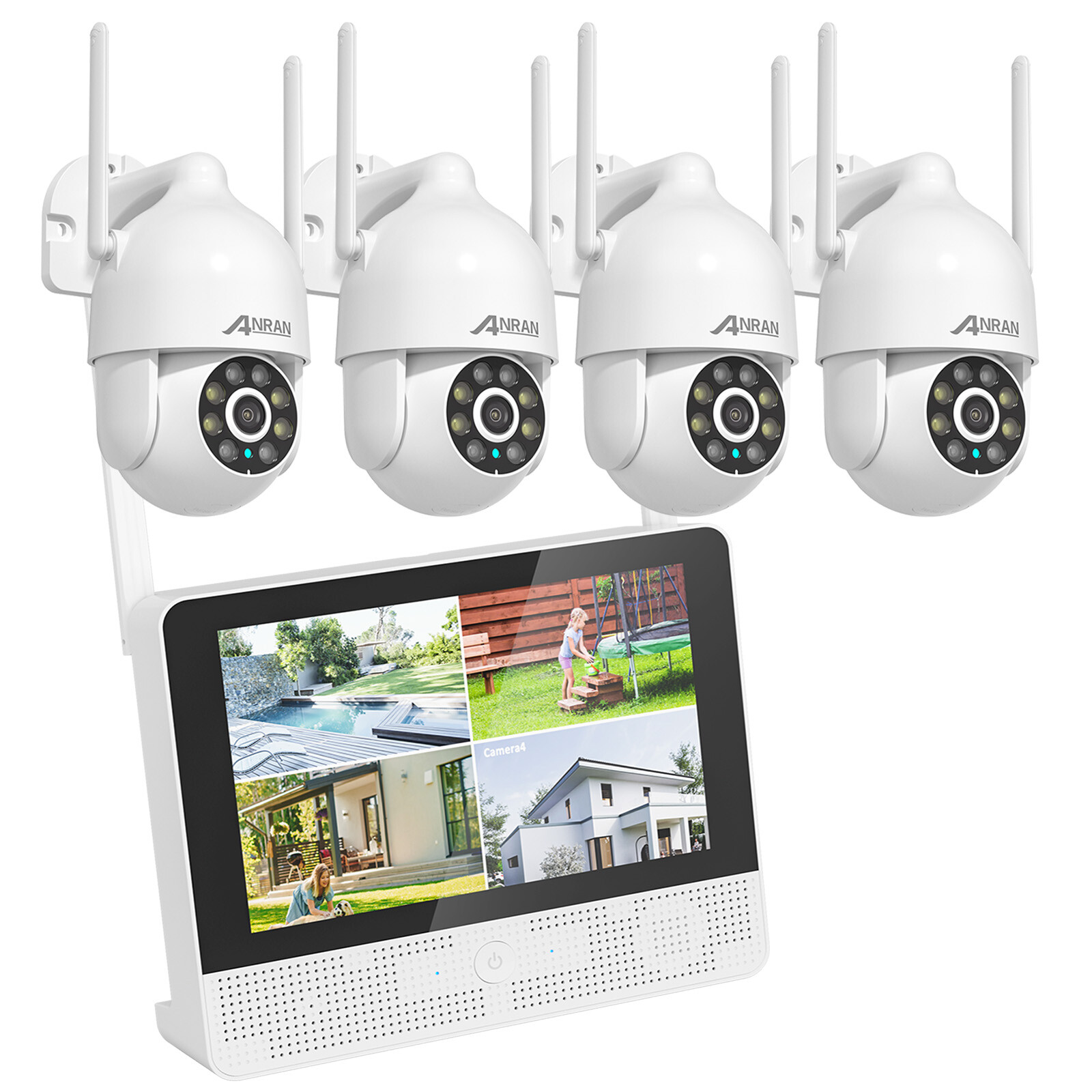 ANRAN Home Wireless Security Camera System Outdoor WiFi 2TB HDD 8CH 5MP NVR Kit$289.99Last checked Nov 16, 2026View on eBay
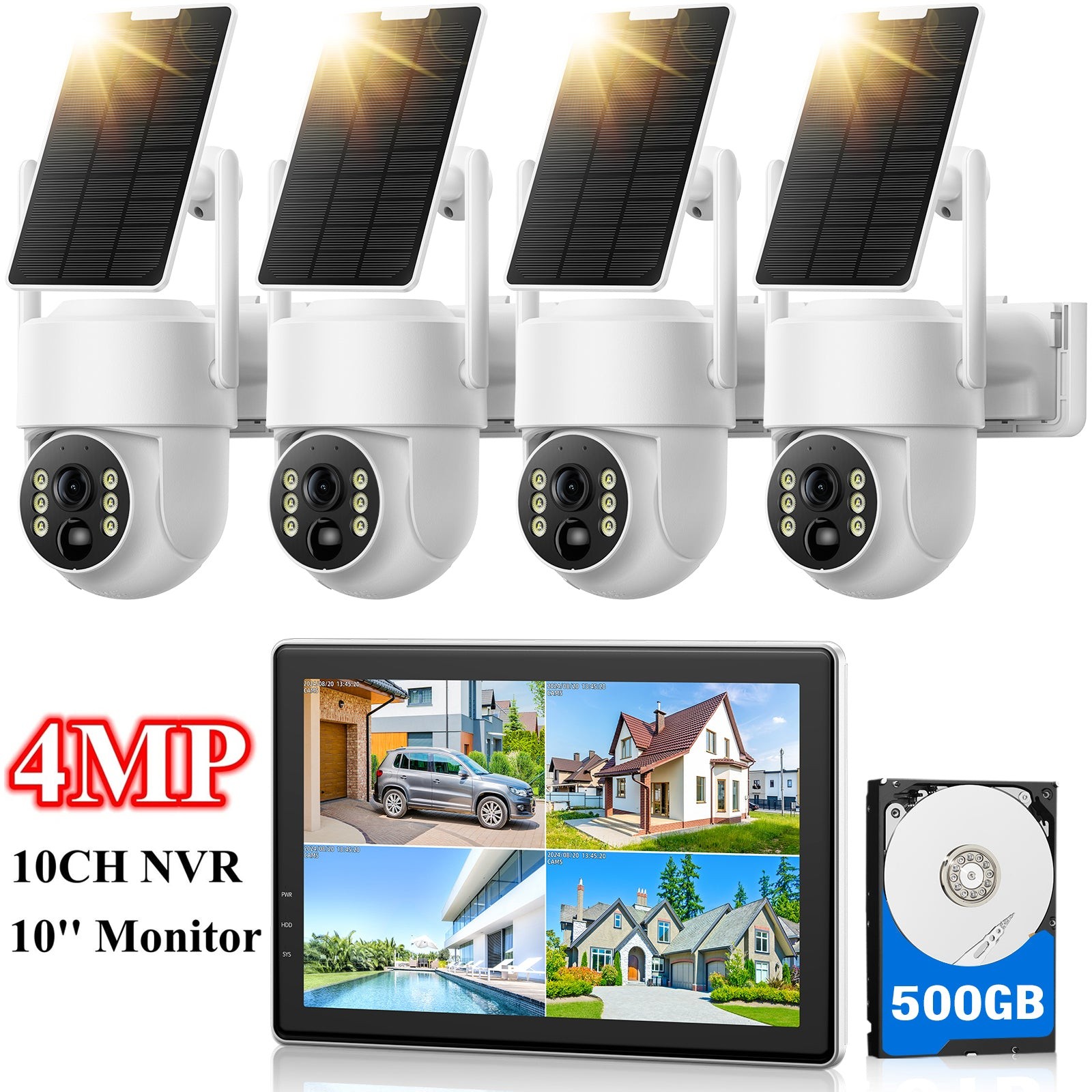 Home CCTV 4MP Outdoor Dome Solar Wireless Security Camera System with Monitor$301.36Last checked Nov 14, 2026View on eBay
 Security Camera System Outdoor Indoor Home Wireless Wifi Night Camera HD1080P~$17.99View on eBay
 ANRAN Camera Monitor 5MP Home Security System Wireless Outdoor Solar Battery IR$19.99View on eBay
Highlights
- Wireless kits split into two architectures: cameras that stream to a local NVR (often 5MP/8CH) and standalone battery cameras that record to microSD or cloud.
- Battery cameras typically last 2–6 months per charge, while solar panels extend runtime indefinitely in 3+ peak sun hours; wired Wi-Fi cameras need a nearby outlet.
- Resolution tiers: 1080p is baseline, 2K/4MP adds license-plate detail at 20–30 ft, and dual-lens models combine wide and telephoto views in one unit.
- Local NVR storage (1TB–2TB) avoids subscription fees and keeps footage on-site; cloud-only systems depend on stable upload bandwidth and paid plans.
Best use cases
- Best fit: renters or retrofits needing 2–4 cameras without drilling—pick battery/solar Wi-Fi cameras with microSD and a Wi-Fi 6 router; skip NVR kits that require power at each camera.
- Best fit: business perimeter with 6+ cameras and 24/7 recording—choose a PoE NVR kit or wireless NVR with 1TB+ drive and 5MP sensors; skip standalone battery cams that miss events during recharge gaps.
- Best fit: driveway or entryway detail—select a dual-lens 4MP camera with 2K output and color night vision; skip 1080p bullet cams if you need face or plate identification beyond 25 ft.
- Best fit: off-grid sheds or gates—use solar battery cameras with 4G LTE or local SD; skip Wi-Fi-only models where signal cannot reach the router.
Buying tips
- Count channels before buying: an 8CH NVR supports 8 cameras max; add 25% headroom for future cams, and confirm the kit includes the NVR, not just cameras.
- Check power: battery cams use micro-USB or USB-C rechargeable packs; wired Wi-Fi cams need 5V/2A adapters, and PoE cams require an 802.3af/at switch or NVR with PoE ports.
- Match lens to distance: 2.8mm gives ~110° wide angle for porches; 4mm narrows to ~80° for driveways; dual-lens units pair a wide 2.8mm with a 6mm telephoto for zoomed detail.
- Storage math: one 4MP camera at 15 fps continuous uses ~15–20 GB/day; a 1TB drive holds roughly 3–4 cameras for 30 days, or use event-only recording to extend.
Specs
| System Type | NVR kit vs standalone battery cam |
|---|---|
| Resolution | 1080p / 2K (4MP) / 4K (8MP) |
| Power Source | Battery / Solar / AC adapter / PoE |
| Storage | NVR HDD 1–2TB / microSD / cloud |
Related searches
What to check before buying
- Measure Wi-Fi coverage at each camera spot—2.4GHz reaches farther through walls; 5GHz is faster but shorter range, so confirm signal strength at the farthest camera before mounting.
- Verify NVR location has a nearby outlet and Ethernet run to the router; most wireless NVR kits still need wired internet at the recorder for remote viewing.
- Check camera weather rating: IP65 handles rain and dust; IP66/IP67 adds powerful jet spray resistance for exposed coastal or windy sites.
- Confirm voltage and plug standard: US models ship 100–240V adapters with Type A plugs; EU/UK buyers need the correct plug or a universal adapter.
FAQ
Data sources: eBay / Amazon listings and product attribute feeds. Updated Nov 22, 2026.
Some links on this page are affiliate links. If you buy after clicking one, we may earn a commission at no extra cost to you. This does not change which products appear here or their order. Affiliate disclosure.