
Photos from current listings. Actual item, color, and included accessories may vary.
Wireless Doorbell Camera Buying Guide
A wireless doorbell camera combines a battery-powered video camera, motion sensor, and two-way audio into a doorbell-sized unit that streams to your phone over Wi-Fi. The core trade-off is between battery life and feature richness: always-on pre-roll, higher resolution, and frequent alerts drain cells fast, while local storage and efficient wake-on-motion designs extend time between charges. Choose a model with at least 2K resolution, local microSD or sync-module storage, and a wired-chime or plug-in chime option if you want durability without subscription lock-in.
At a glance
- Category
- Home Security
- Last updated
- Nov 22, 2026
Current offers
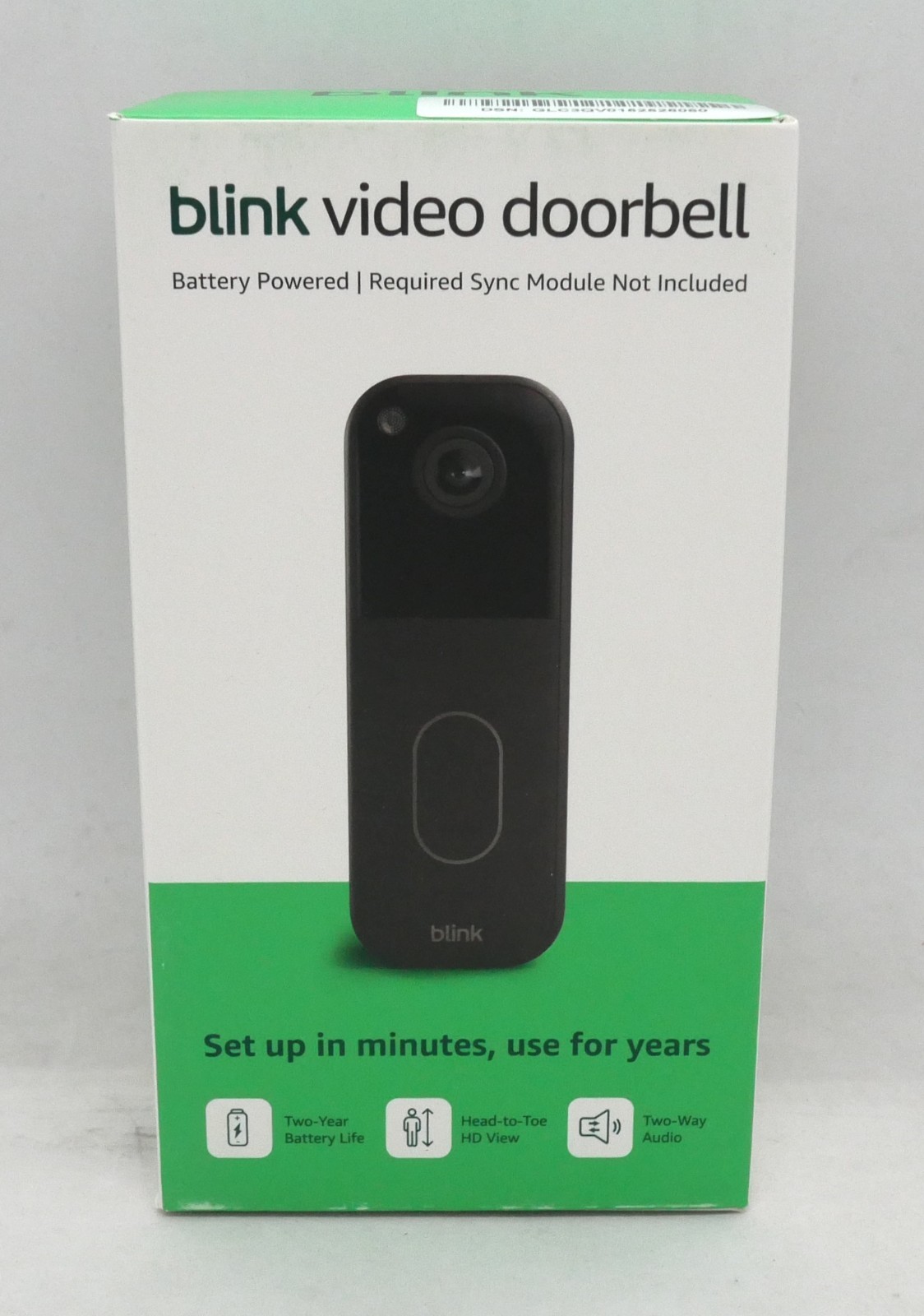 BLINK WIRELESS HOME SECURITY (BLACK) (2nd Gen/2025 MODEL) VIDEO DOORBELL *NEW*$27.99Last checked Nov 21, 2026View on eBay
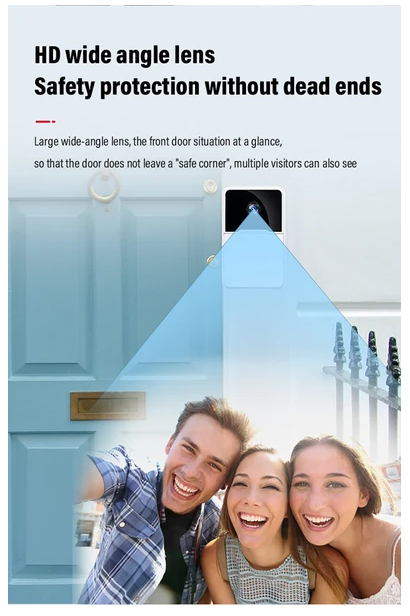 Wireless Security WiFi Smart Doorbell Intercom Video Camera Bell Chime Door Ring$27.99View on Mallflare
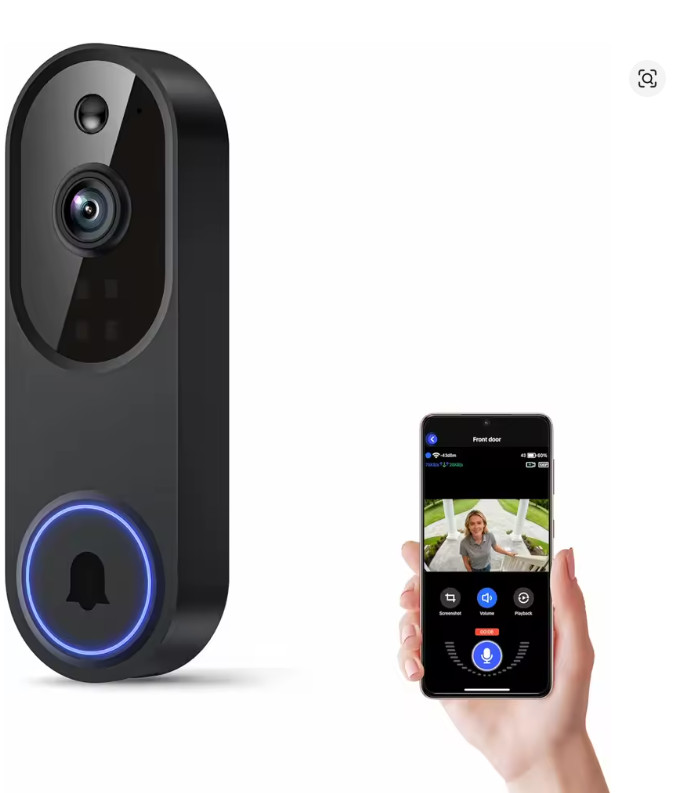 Wireless Wi-Fi Video Doorbell Camera with Two-Way Audio, AI Motion Detection$39.99View on eBay
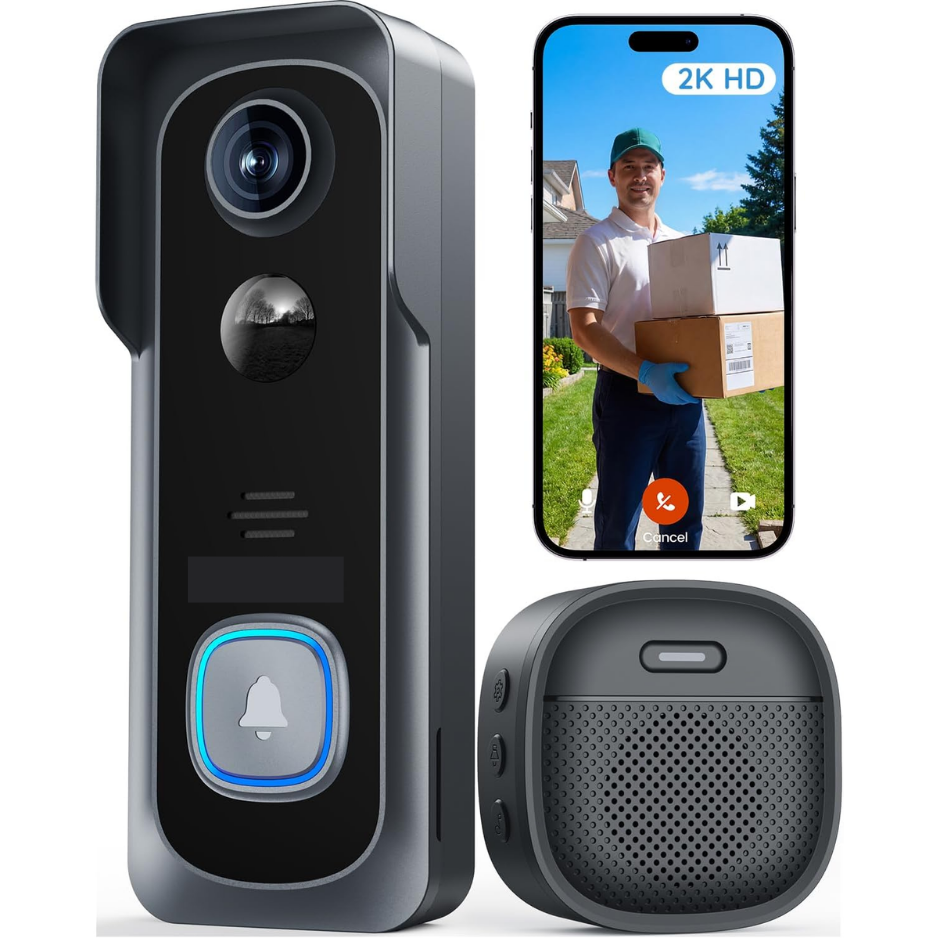 2K HD Wireless Video Doorbell Camera, No Subscription Required$165.99View on Mallflare
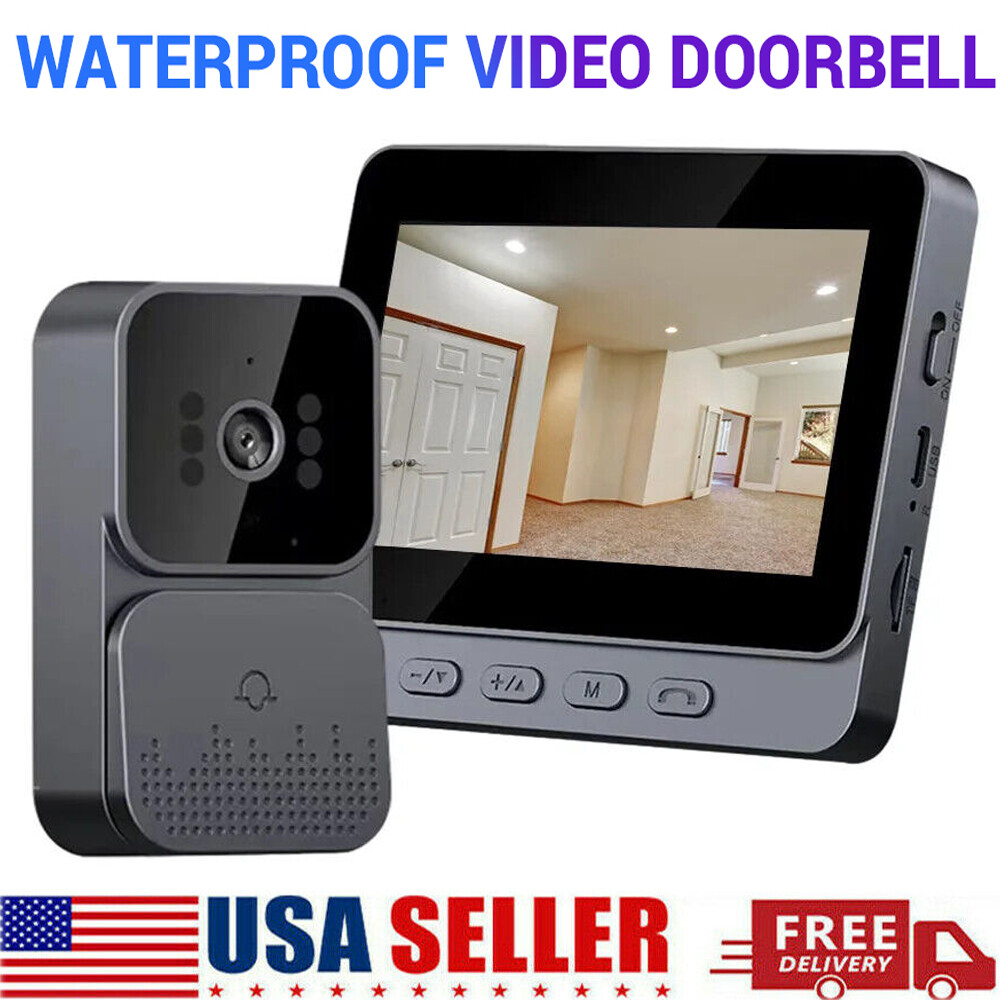 1080P 2.4G Wireless Smart Visual Intercom Video Doorbell Camera Monitor for Home$42.99View on eBay
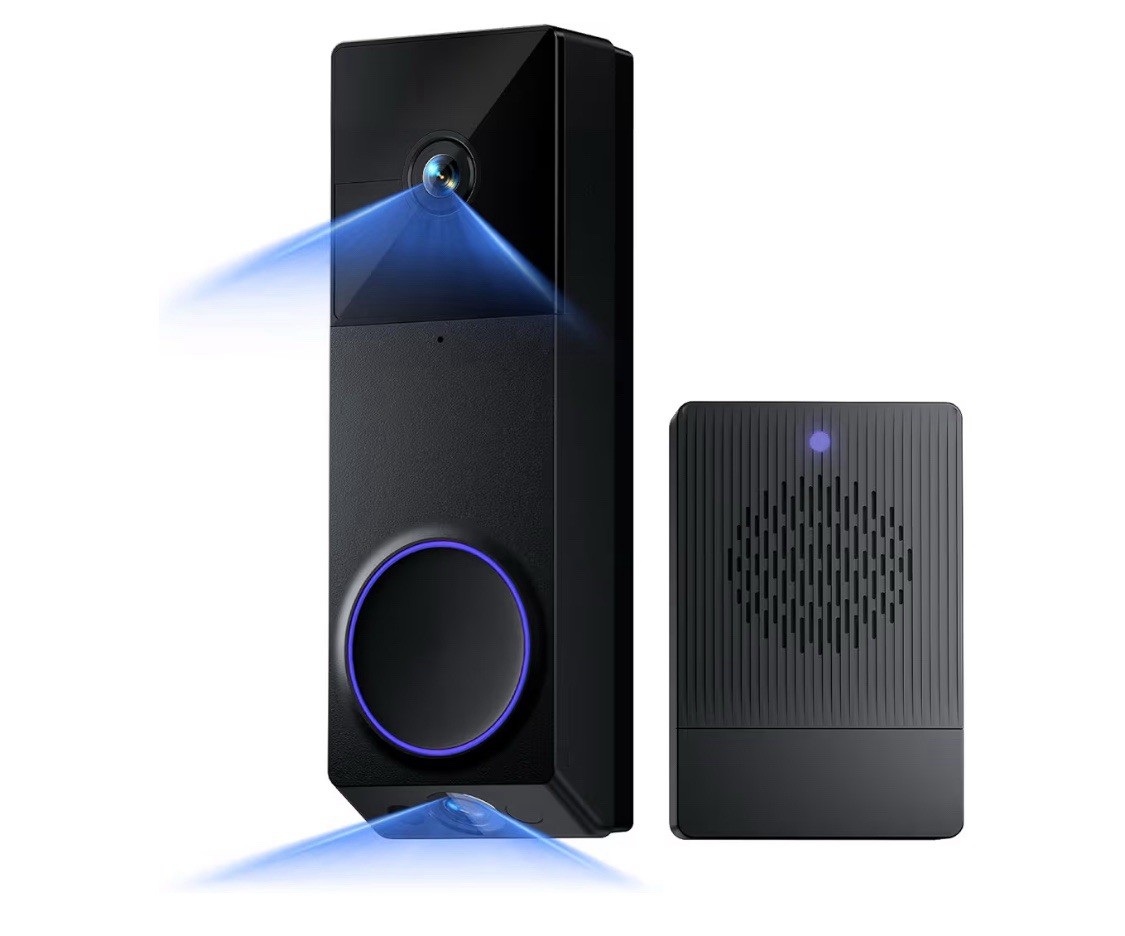 WYZE Wireless Duo Cam Video Doorbell (Chime Included), Battery Powered, 2K Full$92.00View on eBay
Highlights
- Battery-powered units use PIR wake-on-motion to conserve charge; continuous pre-roll or 24/7 recording cuts runtime to weeks rather than months.
- Resolution tiers separate usable detail: 1080p identifies faces at 3-5 ft, while 2K (2560x1440) or higher reads plates and packages at 8-10 ft.
- Local storage via microSD (up to 512GB) or a sync module avoids cloud fees, but most brands still require an account for setup and remote access.
- Wired doorbell transformers (16-24 VAC) are needed for trickle-charge models; battery-only units skip wiring but demand 2.4GHz Wi-Fi for range.
Best use cases
- Best fit: renters or homes without doorbell wiring should pick a battery-only model with a plug-in chime (e.g., Tapo D210, Wyze Duo Cam) and mount with adhesive or screws into trim.
- Best fit: high-traffic entries with existing 16-24VAC wiring should choose a wired/trickle-charge 2K unit for continuous power and pre-roll without recharging.
- Wrong fit: homes with metal doors or thick masonry that block 2.4GHz Wi-Fi should skip battery doorbells and use a wired PoE camera or a model with a separate sync module near the door.
- Wrong fit: buyers wanting 24/7 continuous recording should avoid battery doorbells entirely; choose a wired camera or a doorbell with constant power and local NVR support.
Buying tips
- Match field of view to your porch depth: 160° diagonal or wider captures packages at the threshold, while narrower 120° lenses miss parcels placed to the side.
- Check night-video type: color night vision needs a spotlight and drains battery faster; infrared black-and-white is efficient but loses color detail at night.
- For multi-camera homes, pick one ecosystem (Blink, Tapo, Wyze) so a single sync module or chime covers all units and avoids app sprawl.
- Battery life claims assume 10-20 events per day; at 50+ daily triggers, expect to recharge every 4-8 weeks, so buy a spare battery or choose trickle-charge.
Specs
| Power Source | Battery / Wired trickle-charge |
|---|---|
| Max Resolution | 1080p / 2K / 2K+ |
| Local Storage | microSD / sync module |
| Field of View | 120°-180° diagonal |
Related searches
What to check before buying
- Measure doorframe width and trim depth: doorbell bodies range 1.2-2.4 in wide, and adhesive mounts need a flat, clean surface at least 3x3 in.
- Confirm 2.4GHz Wi-Fi signal at the door (not just inside); a -60 dBm or stronger signal prevents missed alerts and slow live view.
- If using existing chime wiring, verify transformer output is 16-24 VAC; lower voltage won't trickle-charge and may cause reboots.
- Check local storage limits: microSD slot capacity (often 256-512GB max) and whether a sync module or base station is required for recording.
FAQ
Data sources: eBay / Amazon listings and product attribute feeds. Updated Nov 22, 2026.
Some links on this page are affiliate links. If you buy after clicking one, we may earn a commission at no extra cost to you. This does not change which products appear here or their order. Affiliate disclosure.