
Photos from current listings. Actual item, color, and included accessories may vary.
Wireless Alarm System Buying Guide
A wireless alarm system is a hub-centric kit of battery or AC-powered sensors (PIR motion, door/window contacts) and a siren that communicates over RF (433/868 MHz), Wi-Fi, or cellular, rather than through wired loops. The core trade-off is between cheap local-only RF kits with no remote notification or recording, and hub-based systems that add app control, cellular backup, and smart-home integration at higher cost and complexity. The decision rule: if you need remote alerts or evidence, buy a hub system with encrypted sensors and cellular backup; if you only need a local siren or driveway chime, a standalone RF receiver/transmitter kit is sufficient and far cheaper.
At a glance
- Category
- Home Security
- Last updated
- Nov 22, 2026
Current offers
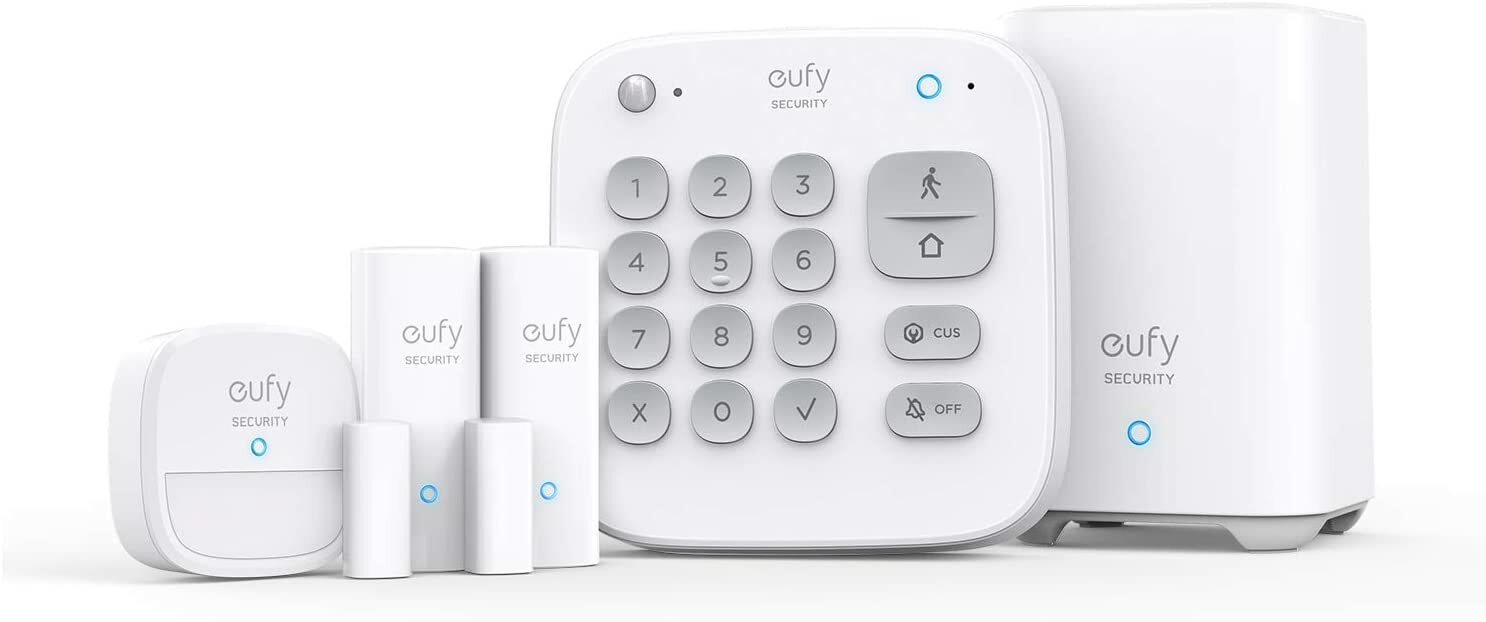 eufy 5-Pcs Wireless Alarm System Smart Home Security Kit Motion Sensor with App$159.99View on eBay
 Early Alert Bed Alarm System Wireless Bed And Chair Sensor Pad With Pager$76.99View on Mallflare
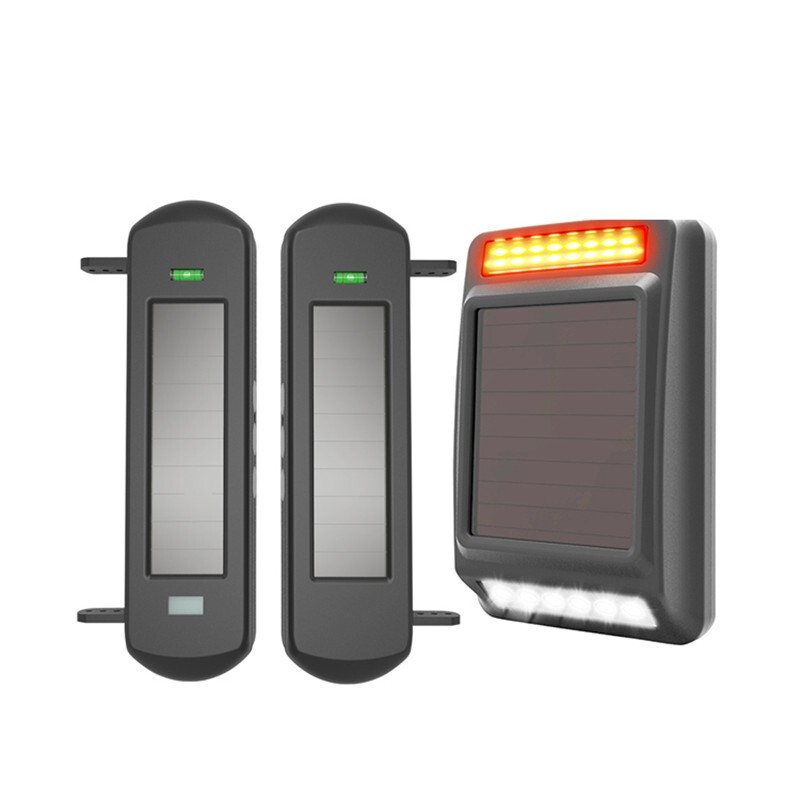 HTZSAFE Solar Wireless Alarm System 800 Meters Wireless Range DIY Home Security$179.99View on eBay
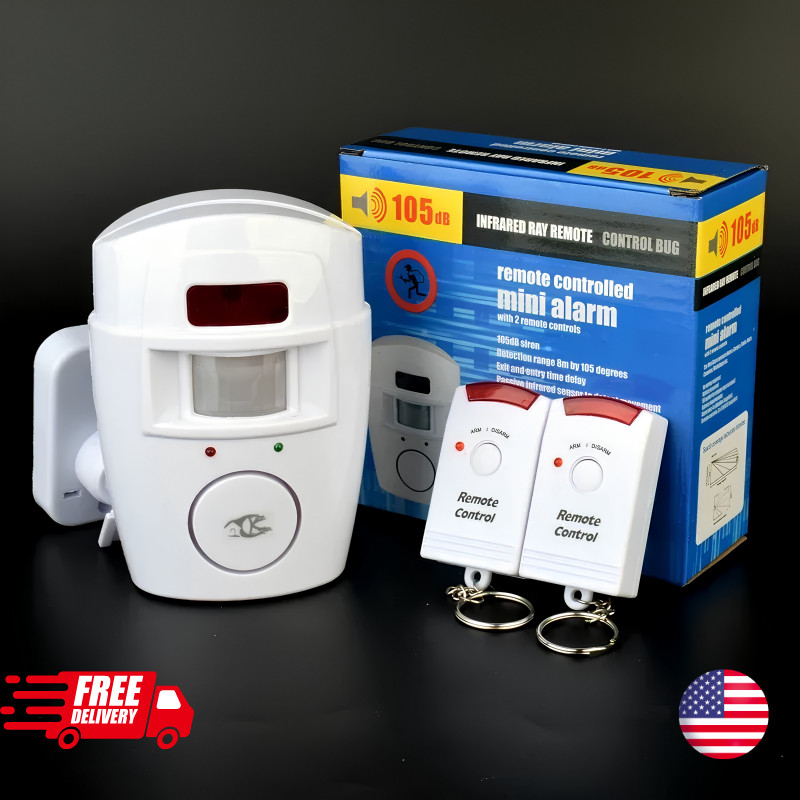 Wireless Driveway Alarm Infrared Motion Sensor Home Garage Alert Security System$11.99Last checked Nov 20, 2026View on eBay
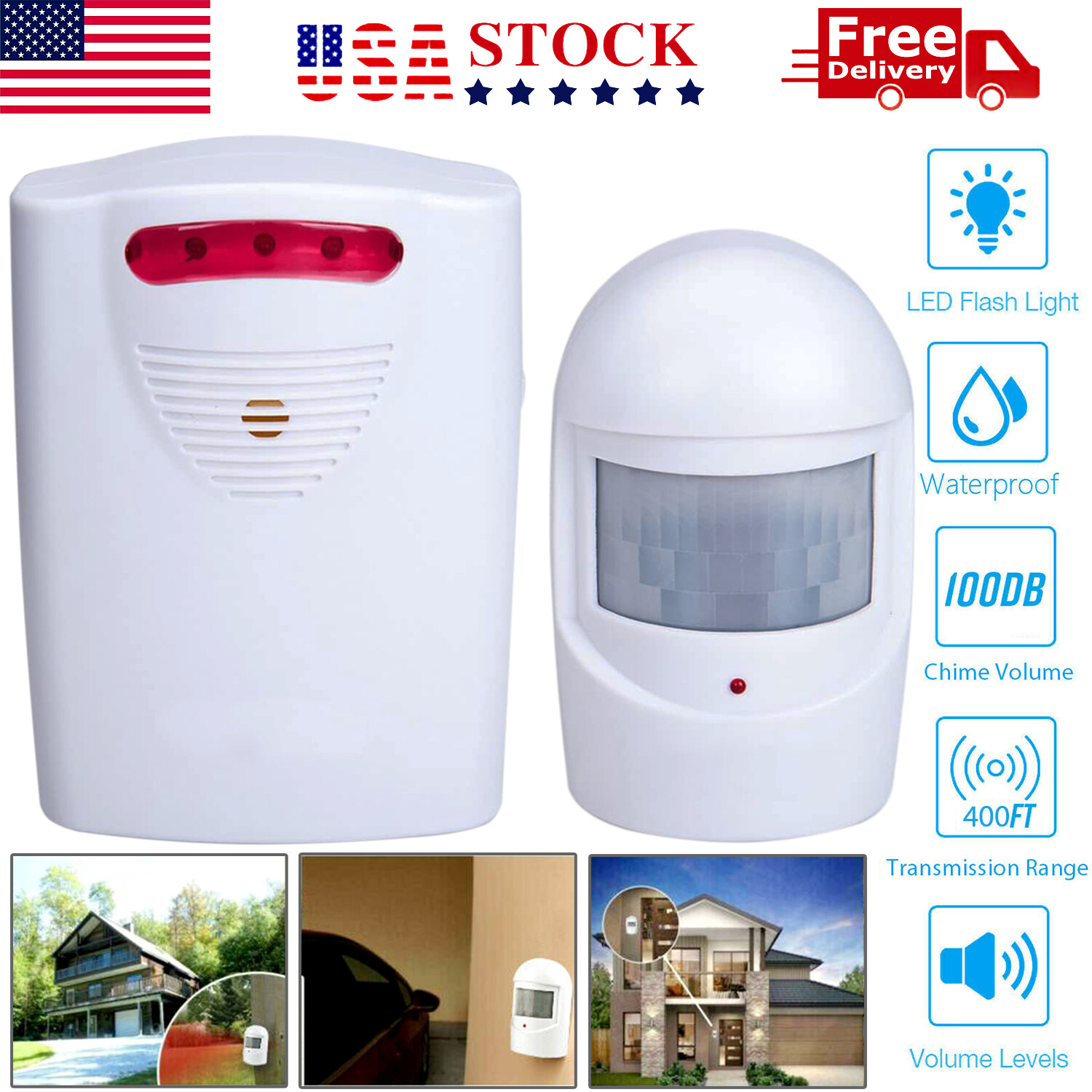 Wireless Driveway Alarm Infrared Motion Sensor Home Garage Alert Security System$15.89Last checked Nov 21, 2026View on eBay
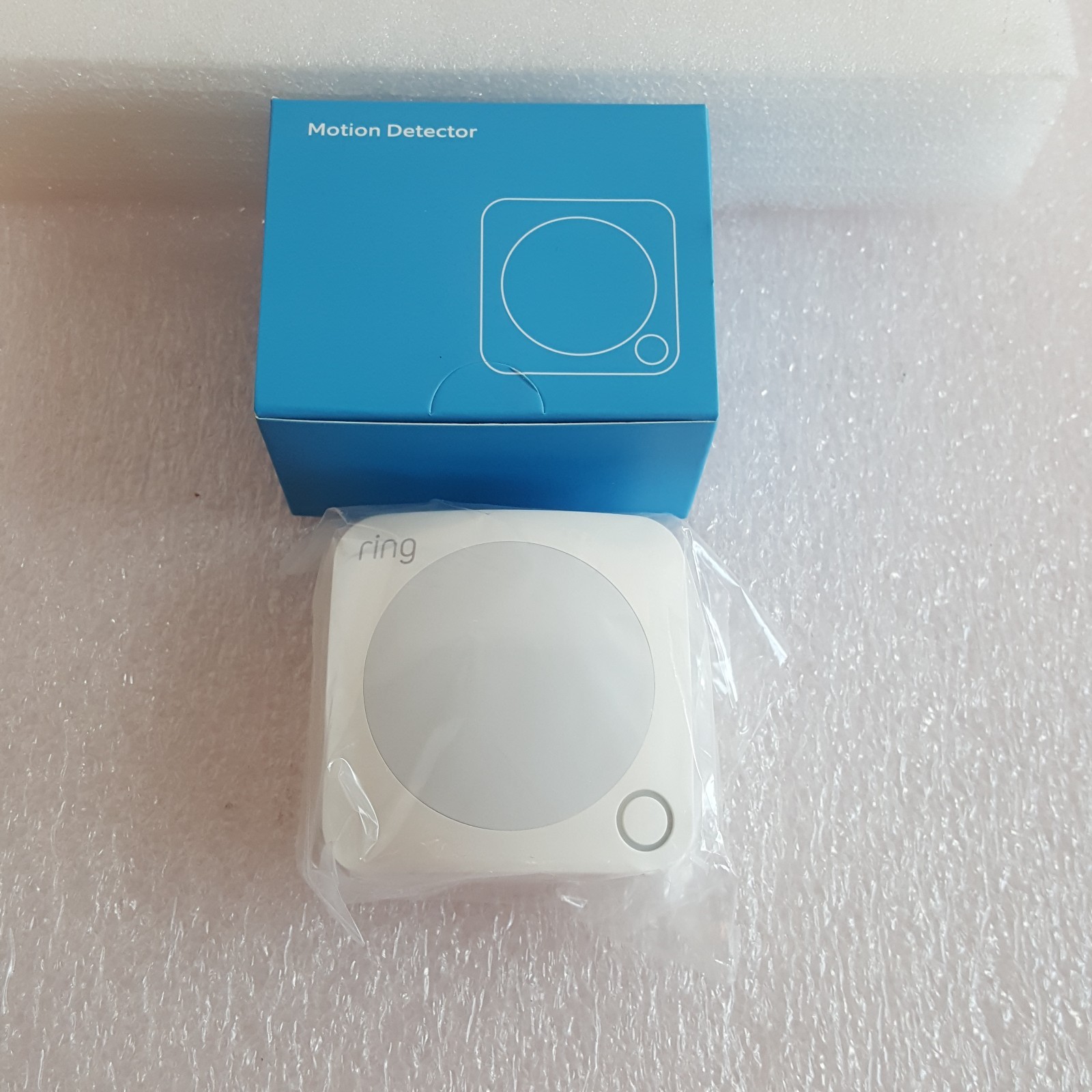 Ring Alarm Motion PIR Detector Sensor Home Security System Wireless Wifi 2nd Gen$24.77Last checked Nov 21, 2026View on eBay
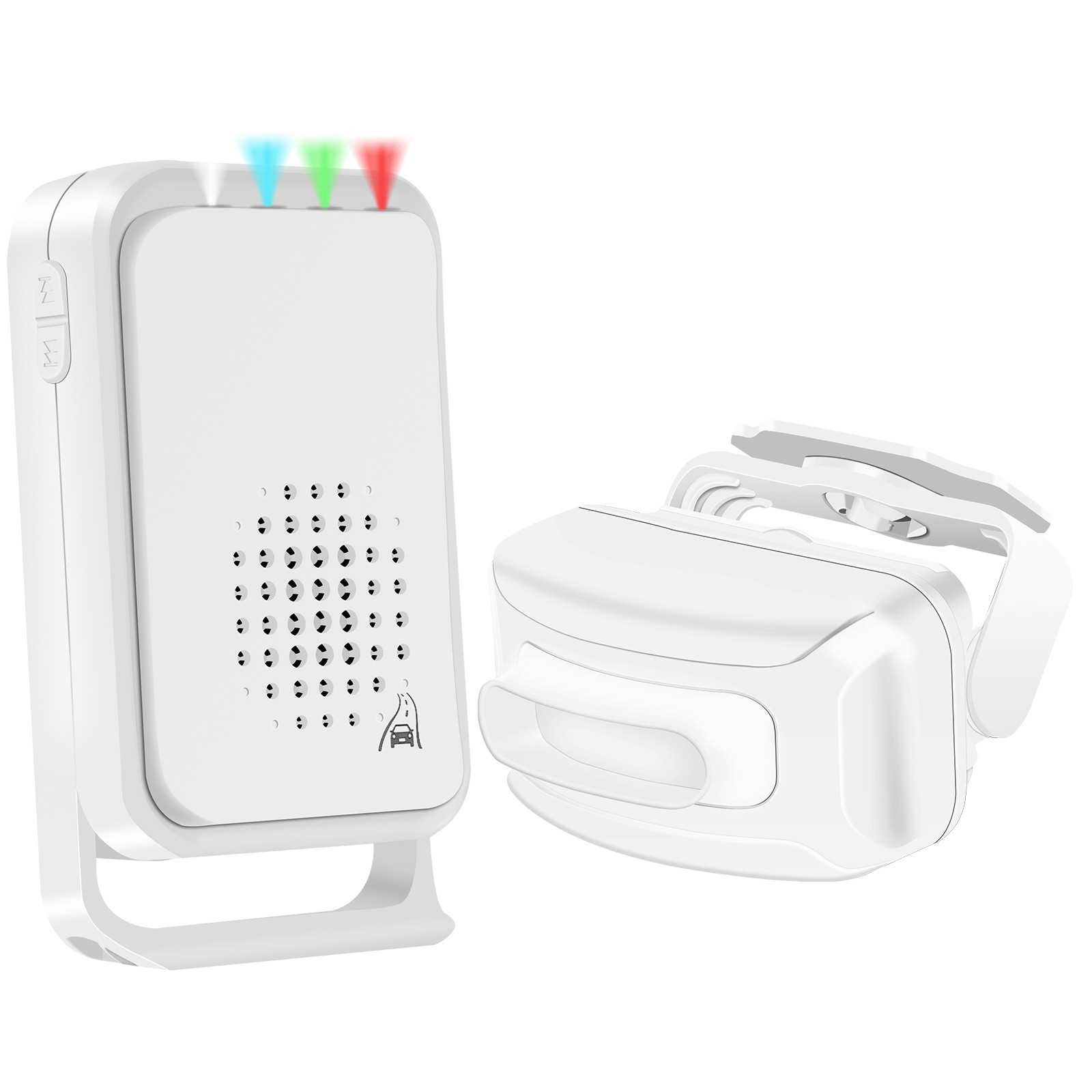 Wireless Driveway Alarm Infrared Motion Sensor Home Garage Alert Security System$27.39View on eBay
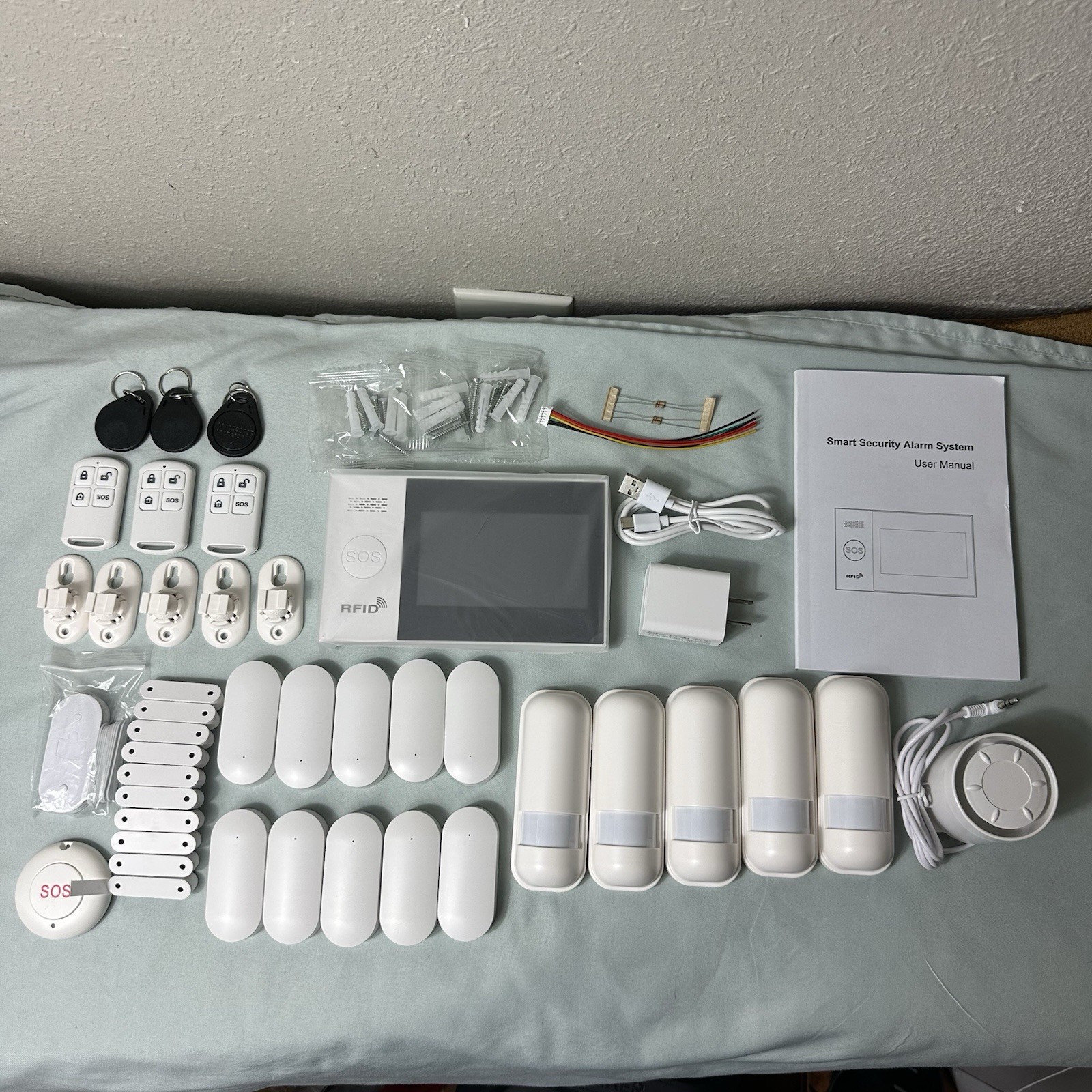 Wireless Smart Home Security Alarm System with RFID$79.99View on eBay
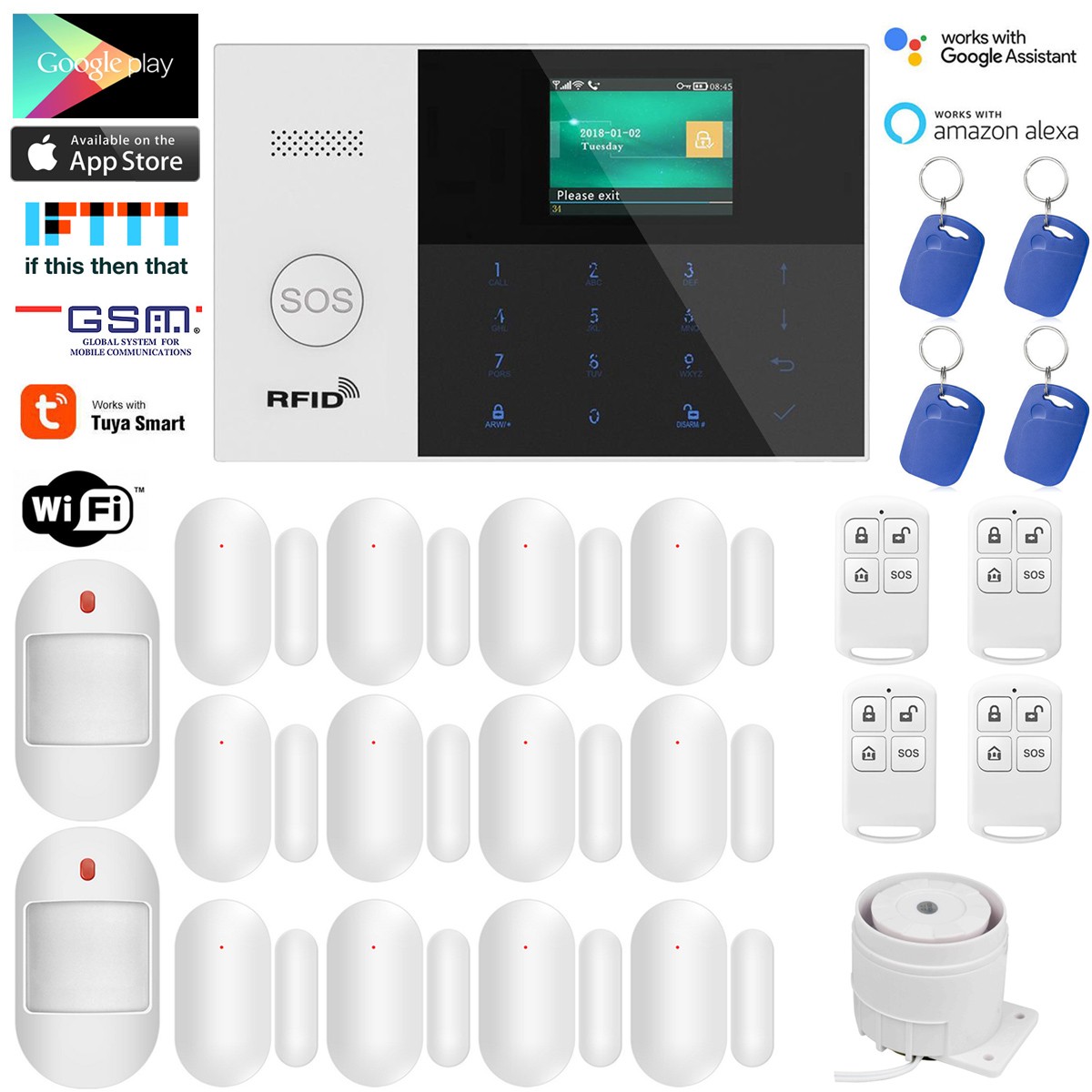 WiFi Cloud APP GSM Tuya Wireless IR Home House Security Alarm Burglar System$89.99View on eBay
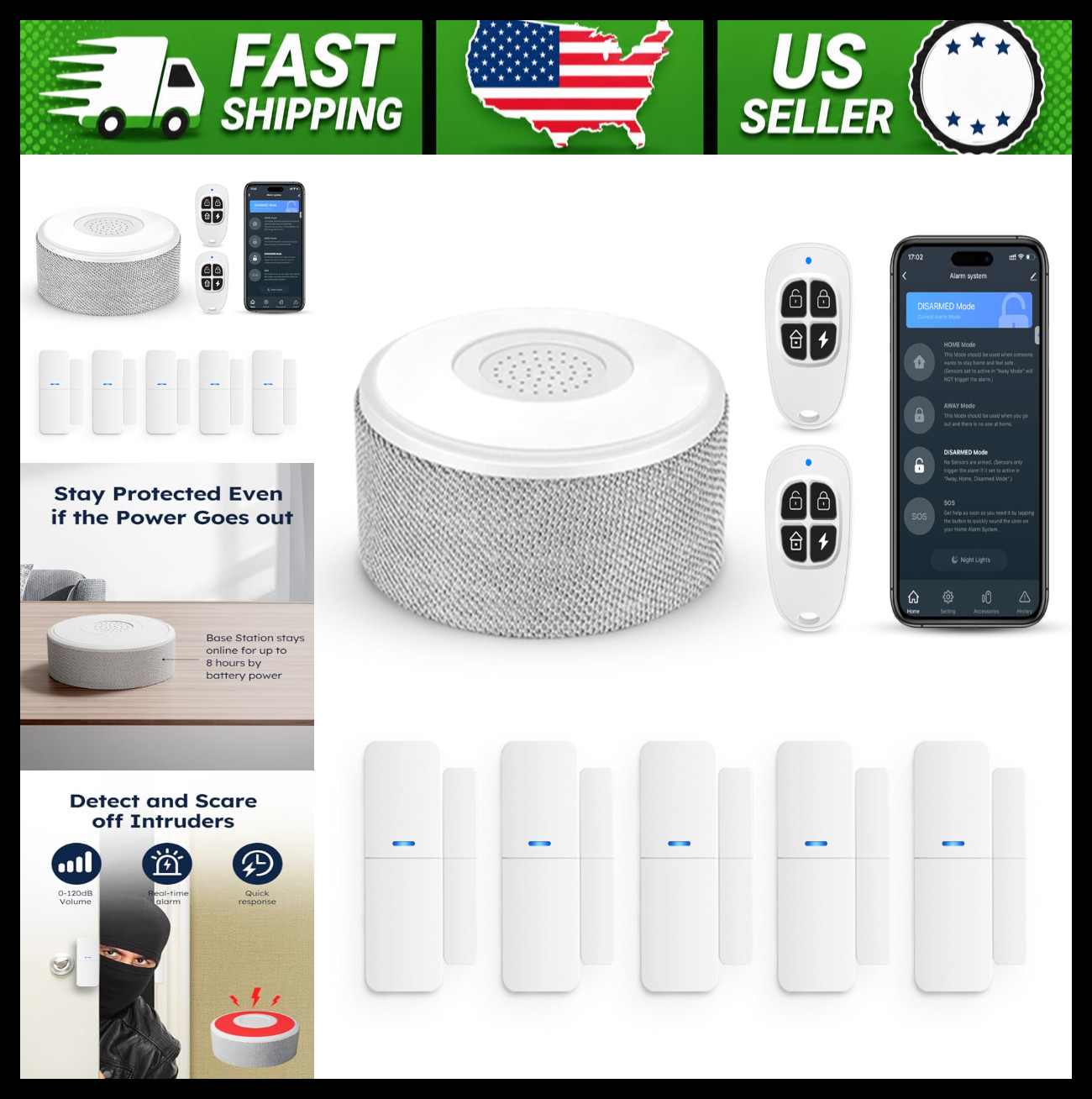 WiFi Wireless Home Security Alarm System, 8-Piece Kit with Door Sensors$110.99View on eBay
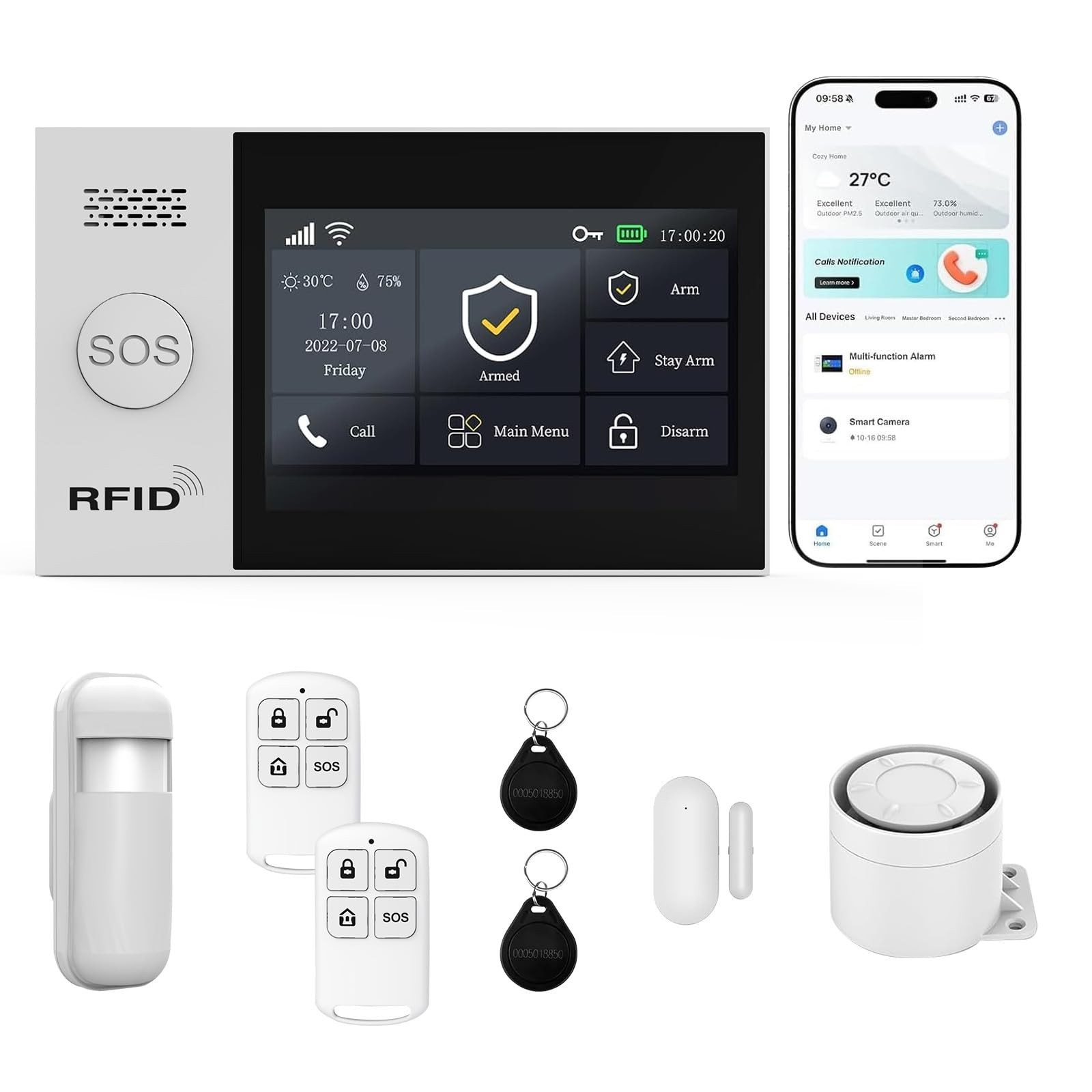 Wireless Home Security Alarm System | 4.3" Touch Screen | GSM/4G+WiFi | DIY Sens$111.99View on eBay
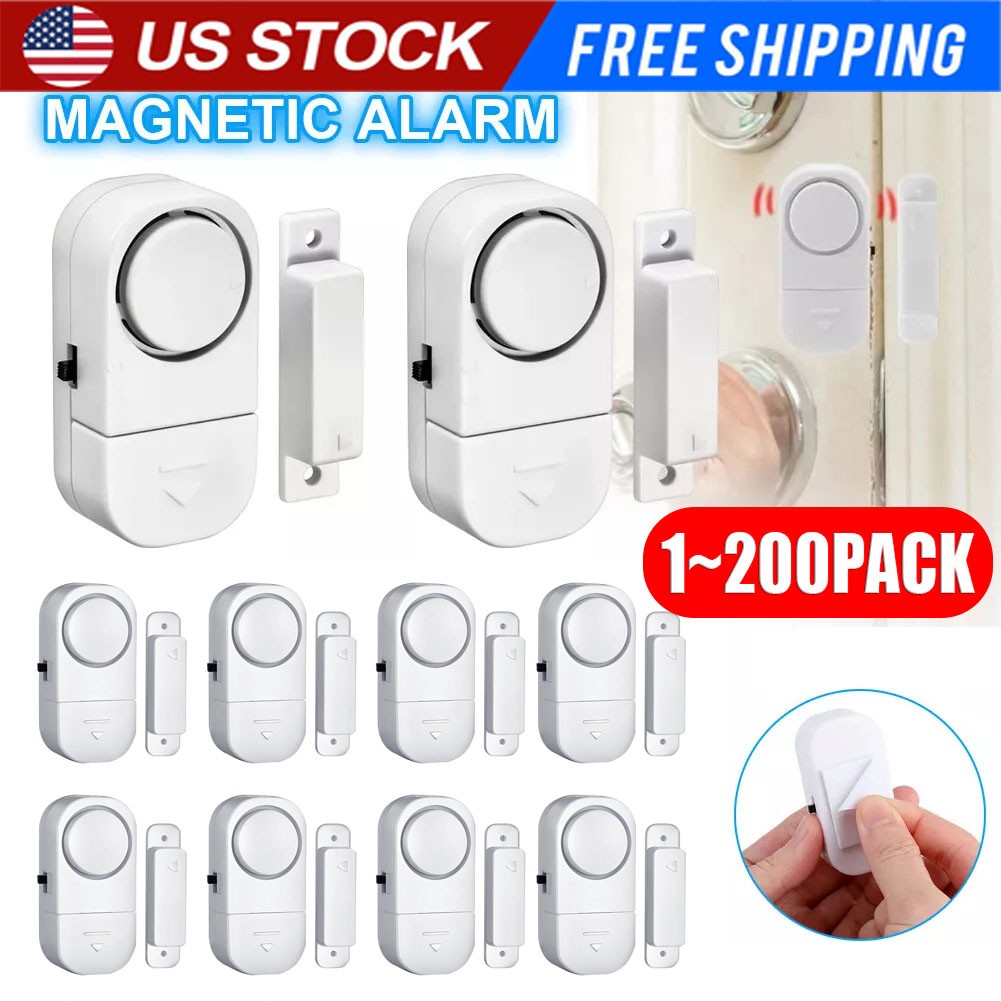 Wireless Home Window Door Burglar Security Alarm System Magnetic Sensor lot$293.89Last checked Nov 16, 2026View on eBay
Highlights
- Hub-based systems (Ring Alarm, SimpliSafe, eufy) use encrypted 433/868 MHz or proprietary RF sensor links plus a Wi-Fi/cellular hub, enabling app alerts, automation, and optional professional monitoring.
- Local-only driveways and chimes are simple 433 MHz transmitter-to-receiver kits with no hub, no app, and no cloud, so range and relay count are the only meaningful specs.
- Battery-powered outdoor cameras/sirens typically use PIR-triggered wake-up (not 24/7 recording) to reach multi-month battery life, while mains-powered units allow continuous recording and faster alerts.
- Cellular backup is the key reliability differentiator: hub systems with LTE/4G fallback keep alarming when Wi-Fi or power fails, whereas Wi-Fi-only hubs and local RF kits go silent.
Best use cases
- Best fit: apartment or rental where drilling is banned — choose a hub kit with adhesive-mount PIR and contact sensors plus app alerts; skip wired panels and outdoor sirens that require permanent mounting.
- Best fit: large property with detached garage or long driveway — choose a long-range RF driveway alarm (transmitter at the drive, receiver indoors) rated for the actual distance; skip Wi-Fi cameras that lose signal at the property edge.
- Best fit: primary-home perimeter protection with remote monitoring — choose a hub system with cellular backup, entry/exit delay, and a monitored or self-monitored plan; skip local-only RF kits that cannot notify you off-site.
- Wrong fit: using an indoor PIR driveway sensor outdoors in direct sun or rain — it will false-trigger or fail; specify an outdoor-rated (IP65+) sensor with pet immunity instead.
Buying tips
- Match RF range to real distance: a '800 m' open-air rating shrinks substantially through two exterior walls; for a detached garage 30–50 m away, pick a kit rated at least 3–4× the line-of-sight distance.
- Count zones before buying: a basic kit covers 1–2 doors plus one motion path; a 3-bed house typically needs 4–6 contact sensors, 2 PIRs, and a siren, so buy an expandable hub rather than a fixed 8-piece bundle.
- Require encrypted sensor links (rolling-code or AES) on any hub system; fixed-code 433 MHz kits can be replayed by a cheap receiver, so treat them as convenience chimes, not security.
- For outdoor cameras and sirens, check IP65 or better and operating temperature range; indoor-rated plastic-housing units crack or fog in freezing or direct-rain exposure.
Specs
| System Type | Hub-based vs Local RF kit |
|---|---|
| Sensor Link | Encrypted 433/868 MHz vs fixed-code |
| Backup Connectivity | Wi-Fi only vs Wi-Fi + LTE cellular |
| Outdoor Rating | IP65+ outdoor vs indoor plastic |
Related searches
What to check before buying
- Measure door/window frame gap and mounting surface: contact sensors need roughly 10–20 mm magnet gap and clean, flat plastic/wood/metal for adhesive or screws.
- Confirm hub internet path: Wi-Fi 2.4 GHz coverage at the hub location, or a cellular plan/SIM slot if the hub supports LTE backup.
- Check power: cameras and sirens are either battery (AA/CR123A or rechargeable pack) or mains USB; verify outlet or battery-replacement cadence fits the location.
- Verify app and ecosystem compatibility (Alexa/Google/HomeKit) and whether professional monitoring requires a subscription; self-monitoring-only hubs need no plan.
FAQ
Data sources: eBay / Amazon listings and product attribute feeds. Updated Nov 22, 2026.
Some links on this page are affiliate links. If you buy after clicking one, we may earn a commission at no extra cost to you. This does not change which products appear here or their order. Affiliate disclosure.