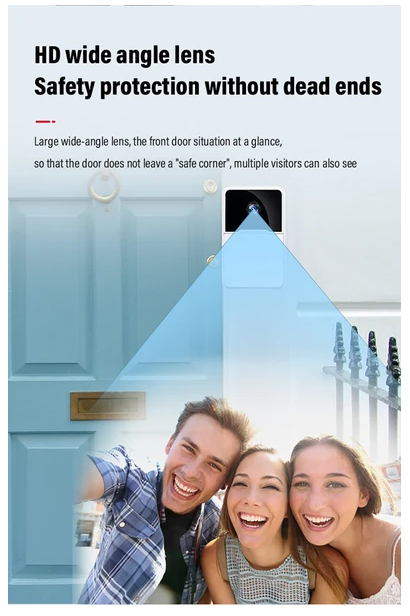

Photos from current listings. Actual item, color, and included accessories may vary.
Smart Doorbell Buying Guide
Smart doorbells replace a dumb chime with a camera, mic, and motion sensor, but their real differences are wired vs battery power, resolution, and local vs cloud storage. The core trade-off is installation flexibility versus reliability: battery units mount anywhere but need recharging and often skip 24/7 recording, while wired units run continuously but require existing doorbell transformer wiring. Buy wired if you have 16-24VAC transformer wiring and want constant power; buy battery if you rent or lack wiring and accept periodic charging.
At a glance
- Category
- Home Security
- Last updated
- Nov 22, 2026
Current offers

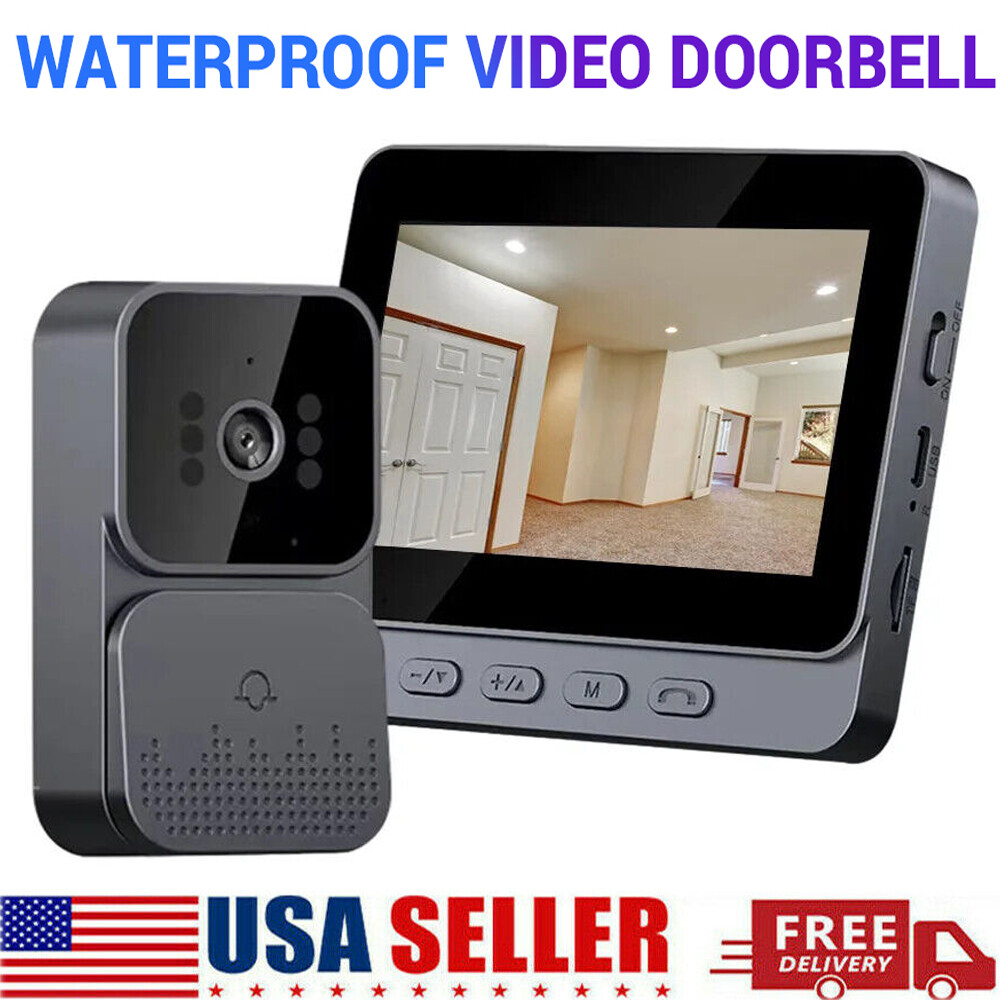
Highlights
- Wired doorbells run on existing 16-24VAC doorbell transformers and provide continuous power for 24/7 recording and pre-buffering; battery units use rechargeable packs and typically record only on motion events.
- Resolution tiers are 1080p (Full HD), 2K (2560x1440), and 4K; 2K delivers roughly 1.8x the pixels of 1080p for clearer face and package identification at 5-10 ft.
- Storage splits into microSD local recording (no subscription, card up to 256GB), cloud subscription plans, or NVR/ONVIF integration; local-only units keep footage without recurring fees.
- Wired units support digital chimes and mechanical chime compatibility, while battery units ship with a plug-in wireless chime and often lack mechanical chime support.
Best use cases
- Best fit: homeowners with existing 16-24VAC doorbell wiring who want 24/7 recording and no recharging — choose a wired 2K unit with microSD or NVR support.
- Best fit: renters or homes without doorbell wiring — choose a battery 2K unit with a bundled wireless chime and local microSD storage.
- Wrong fit: buyers expecting 24/7 continuous recording from a battery unit — battery models record motion events only and miss pre-event context.
- Wrong fit: mounting a wired unit on an 8VAC transformer or without a transformer — the camera will not power on; verify 16-24VAC at the chime box first.
Buying tips
- Match power to wiring: a 16-24VAC transformer supports wired doorbells; if you measure under 16VAC or have no transformer, choose a battery model instead.
- Choose 2K over 1080p for front doors 5-10 ft from the camera; 1080p is adequate only for close-range porches under 5 ft.
- Prioritize microSD local storage up to 256GB if you refuse subscriptions; cloud-only models lock recording behind a monthly plan.
- For multi-camera homes, pick ONVIF or RTSP-compatible doorbells to record into an existing NVR instead of a separate app.
Specs
| Power Type | Wired 16-24VAC vs Battery |
|---|---|
| Resolution | 1080p / 2K / 4K |
| Storage | microSD / Cloud / NVR-ONVIF |
| Field of View | 140-180° diagonal |
Related searches
What to check before buying
- Measure doorframe width: doorbells are typically 1.2-1.8 in wide and need 2.5-3.5 in of flat mounting space beside the door.
- Check transformer output at the chime box with a multimeter; wired units require 16-24VAC, and 8-10VAC transformers must be replaced.
- Confirm 2.4GHz Wi-Fi reaches the door; 5GHz-only or weak signal causes dropped motion alerts and failed live view.
- Verify mechanical chime compatibility for wired units; digital chimes may need a bypass kit or a bundled wireless chime.
FAQ
Data sources: eBay / Amazon listings and product attribute feeds. Updated Nov 22, 2026.
Some links on this page are affiliate links. If you buy after clicking one, we may earn a commission at no extra cost to you. This does not change which products appear here or their order. Affiliate disclosure.