
Photos from current listings. Actual item, color, and included accessories may vary.
Security Camera Without WiFi Buying Guide
A security camera without WiFi captures footage locally via SD card, NVR/DVR, or cellular link, so it keeps recording when your internet or router fails. The core trade-off is between self-contained local storage (simple, no subscription, but limited remote access) and NVR/cellular systems (higher cost, more setup, but multi-camera coverage and off-site alerts). Choose local-recording architectures if you need outage-proof evidence; skip WiFi-dependent models if your goal is true no-network operation.
At a glance
- Category
- Home Security
- Last updated
- Nov 22, 2026
Current offers
 1080P Mini WiFi Security Camera CCTV HD IP Night Vision Home Cam Camcorder$6.09View on eBay
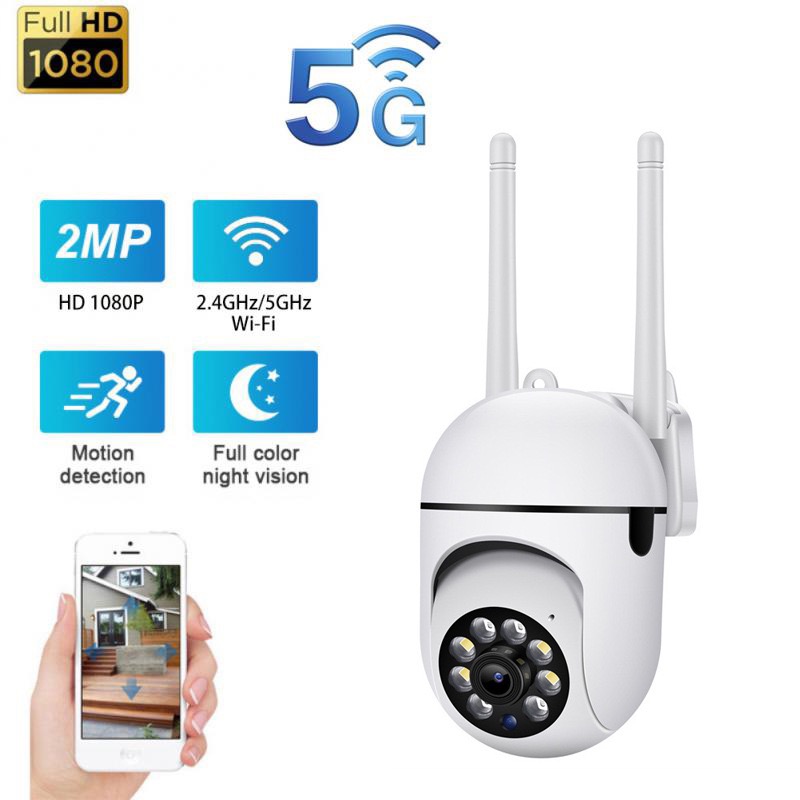 1080P Outdoor Wired WiFi PTZ Security Camera, 2.4G&5GWiFi, Auto Tracking, 2 Way Audio, Spot Night Vision, SD Card & Cloud Storage$26.99View on Mallflare
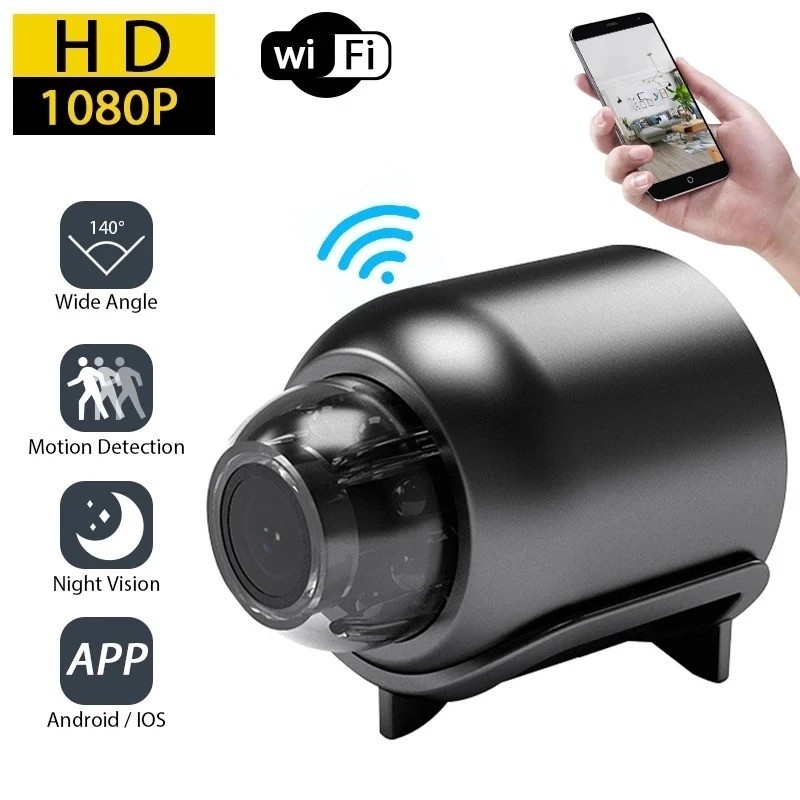 1080P Mini Camera CCTV WiFi HD IP Night Vision Camcorder Home Security Cam US$6.34View on eBay
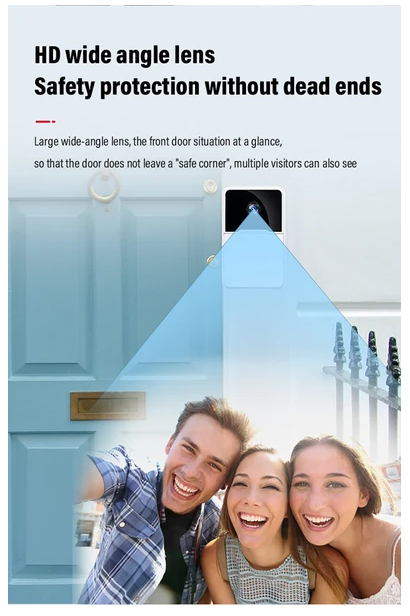 Wireless Security WiFi Smart Doorbell Intercom Video Camera Bell Chime Door Ring$27.99View on Mallflare
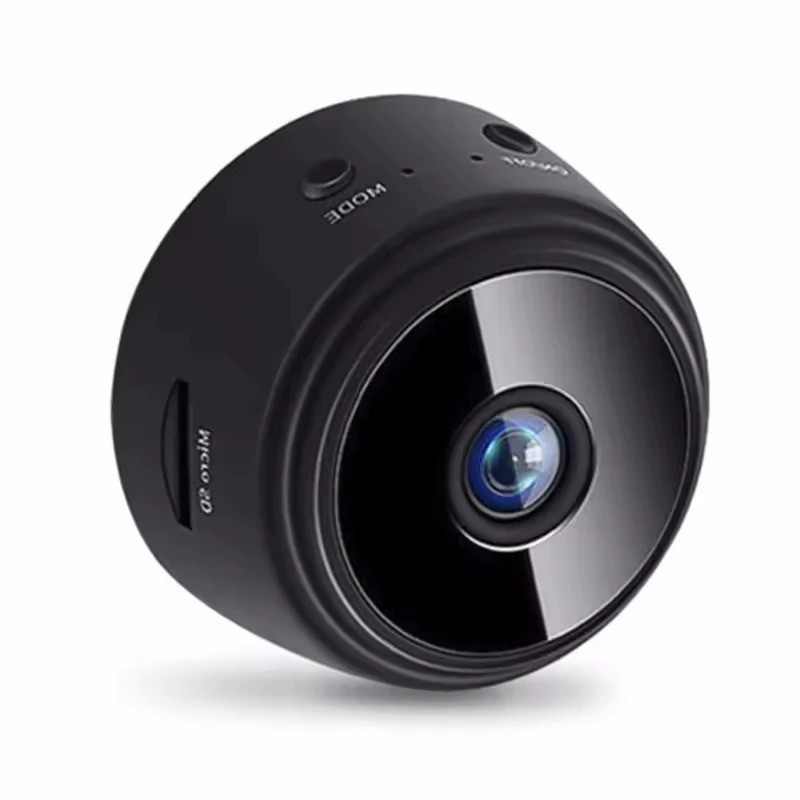 1080P A9 WiFi Mini Security Camera Motion Detection Home Office Monitor USA$6.99View on eBay
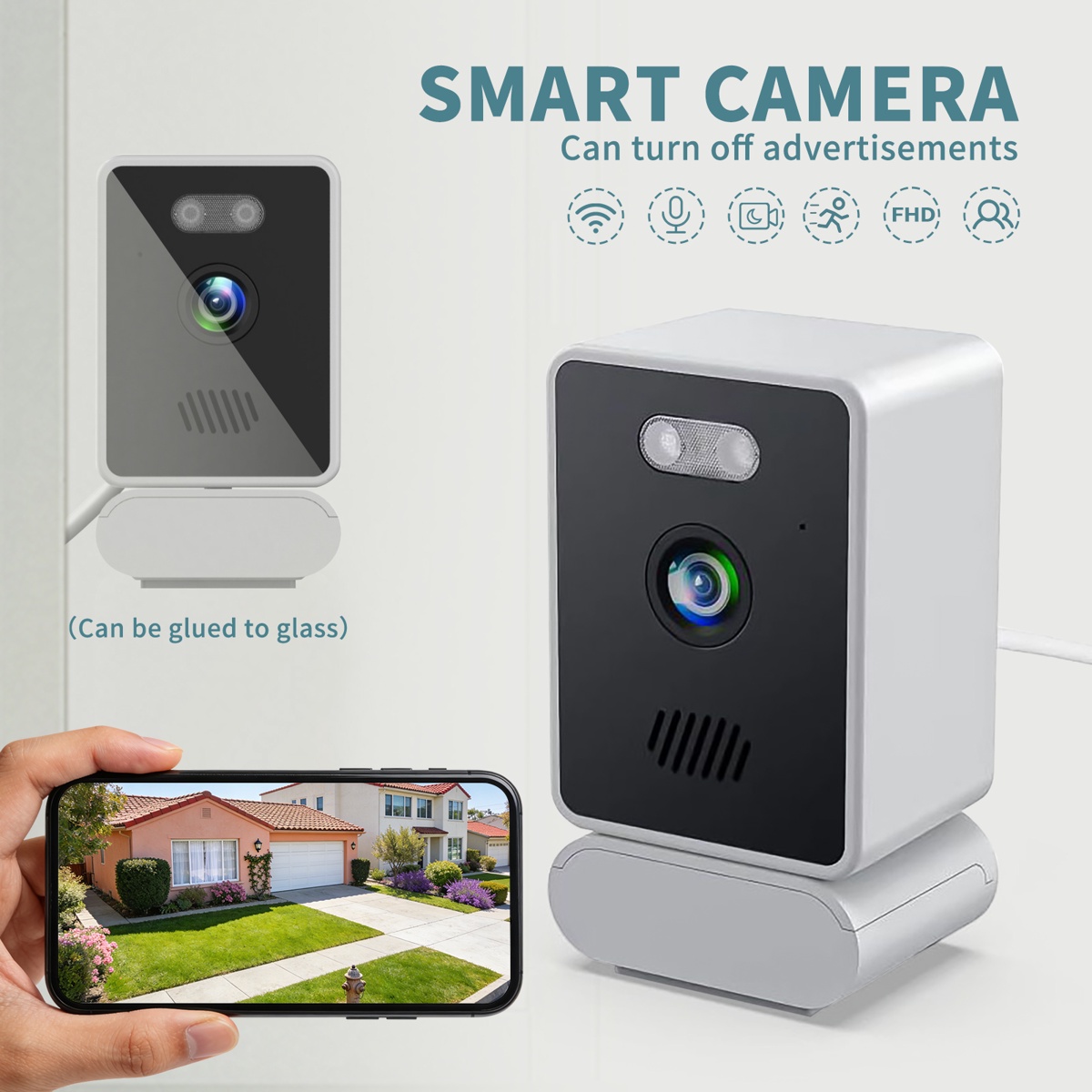 Window type disguised surveillance camera, built-in WiFi, motion detection alarm, suitable for cross-border security of homes/shops$47.99View on Mallflare
 1080P Mini Camera CCTV WiFi HD IP Night Vision Camcorder Home Security Cam US$7.25View on eBay
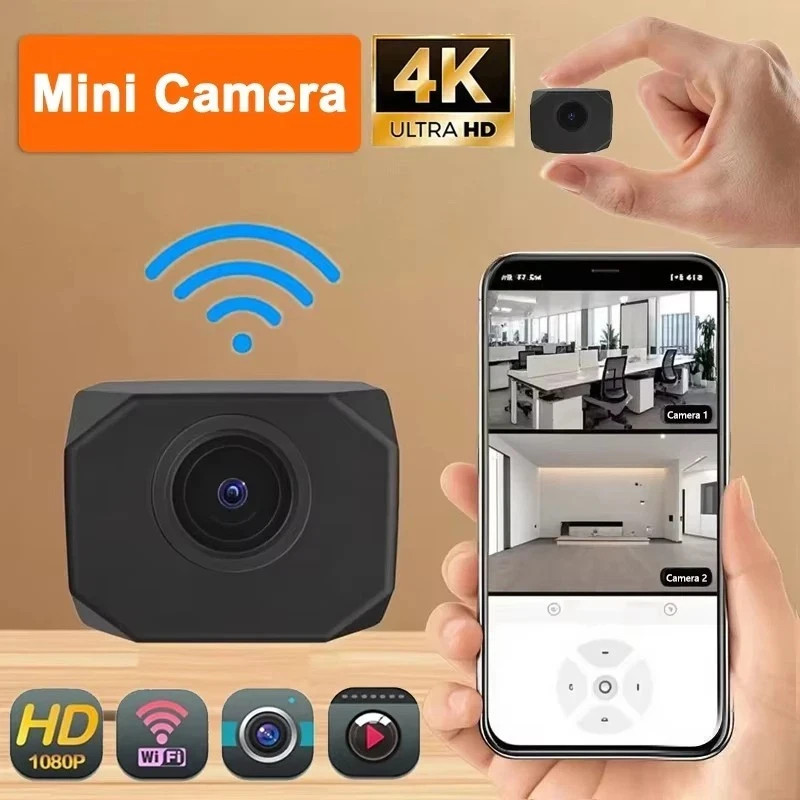 Mini Camera WiFi 1080P HD Smart Home Security Portable IP Cam Remote Monitoring$7.98View on eBay
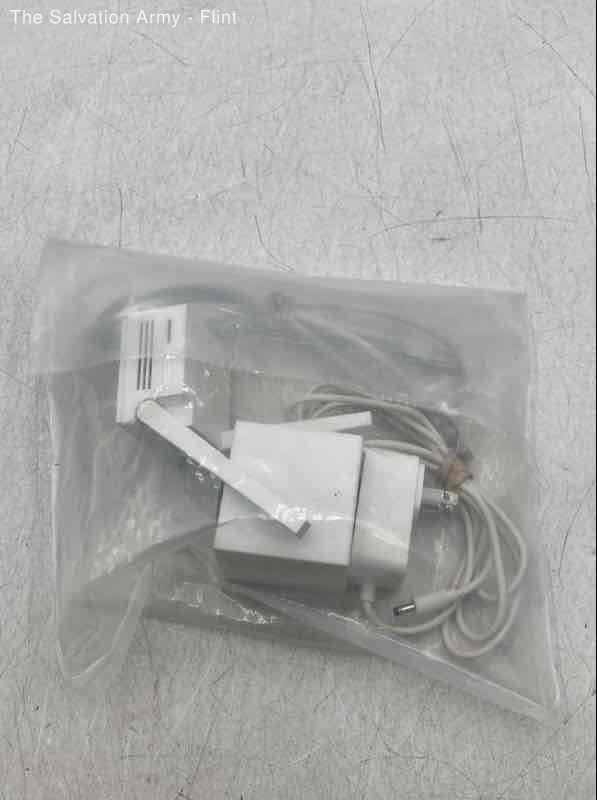 Wyze White Starter Bundle Smart Home Electronics Surveillance Security Camera$7.99View on eBay
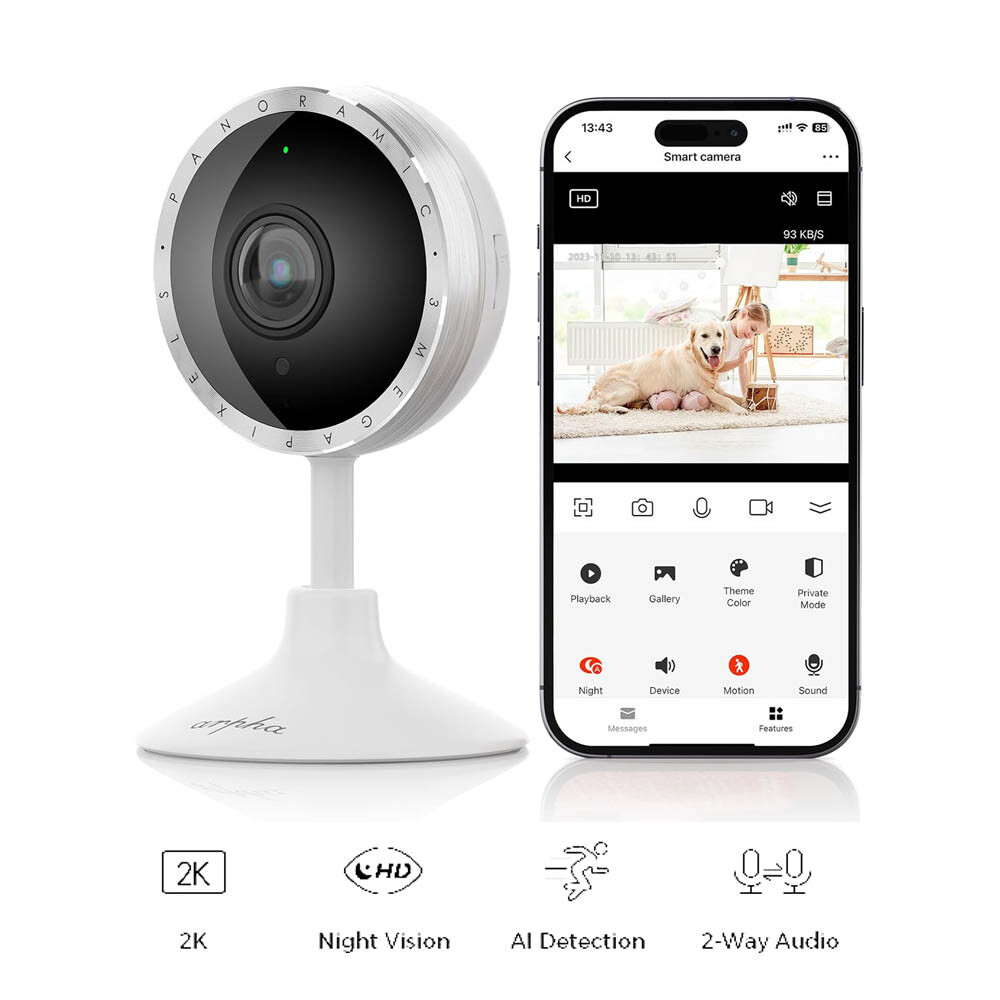 Indoor 2K Indoor Home Security Camera WiFi APP PIR Motion Detection Night Vision$7.99View on eBay
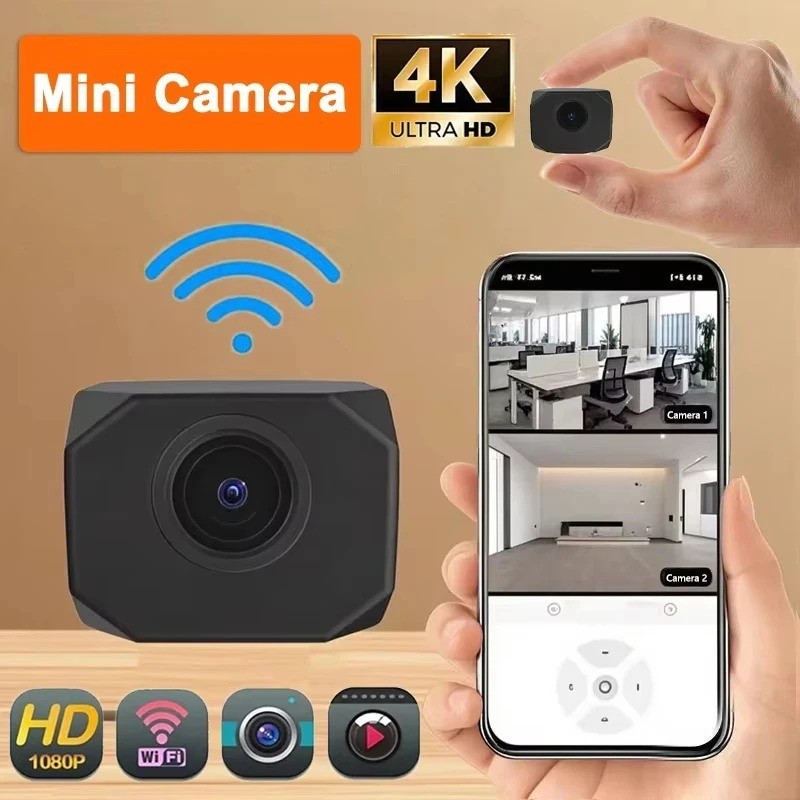 Mini Camera WiFi 1080P HD Smart Home Security Portable IP Cam Remote Monitoring$8.45View on eBay
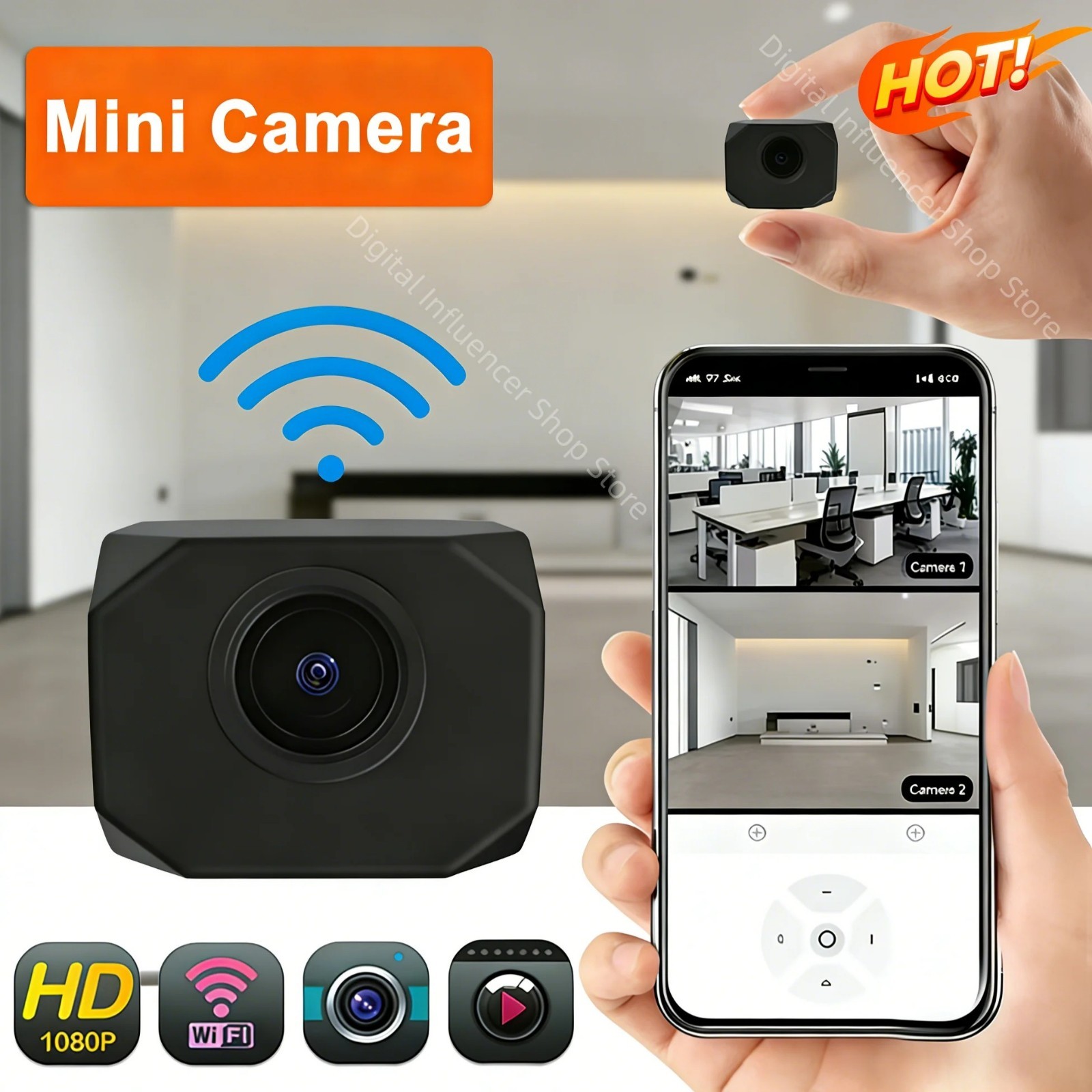 Mini Camera WiFi 1080P HD Smart Home Security Portable IP Cam Remote Monitoring$8.45View on eBay
 1080P Mini Camera CCTV WiFi HD IP Night Vision Camcorder Home Security Cam US$8.50View on eBay
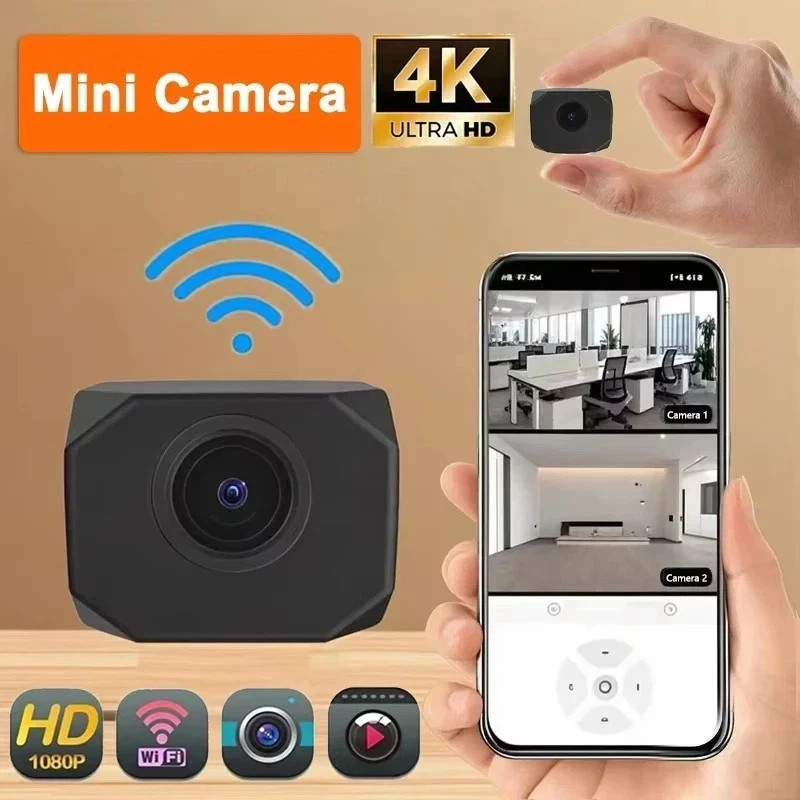 Mini Camera WiFi 1080P HD Smart Home Security Portable IP Cam Remote Monitoring$8.99Last checked Nov 22, 2026View on eBay
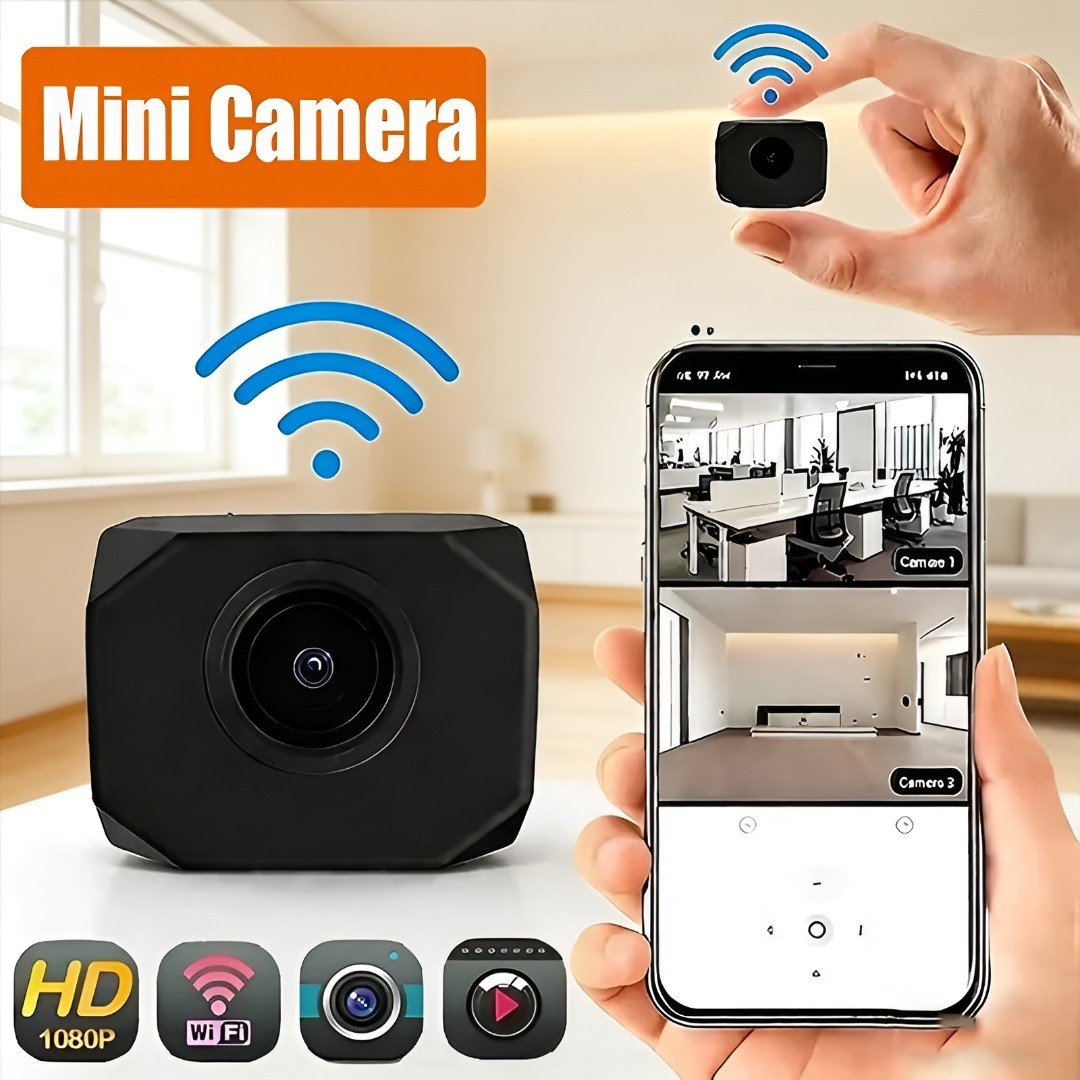 Mini Camera WiFi 1080P HD Smart Home Security Portable IP Cam Remote Monitoring$8.99View on eBay
 1080P Mini Camera CCTV WiFi HD IP Night Vision Camcorder Home Security Cam US$9.33Last checked Nov 20, 2026View on eBay
- Mini Camera WiFi 1080P HD Smart Home Security Portable IP Cam Remote Monitoring$9.39View on eBay
- Mini Camera WiFi 1080P HD Smart Home Security Portable IP Cam Remote Monitoring$9.50Last checked Nov 19, 2026View on eBay
- Mini Camera WiFi 1080P HD Smart Home Security Portable IP Cam Remote Monitoring$9.50View on eBay
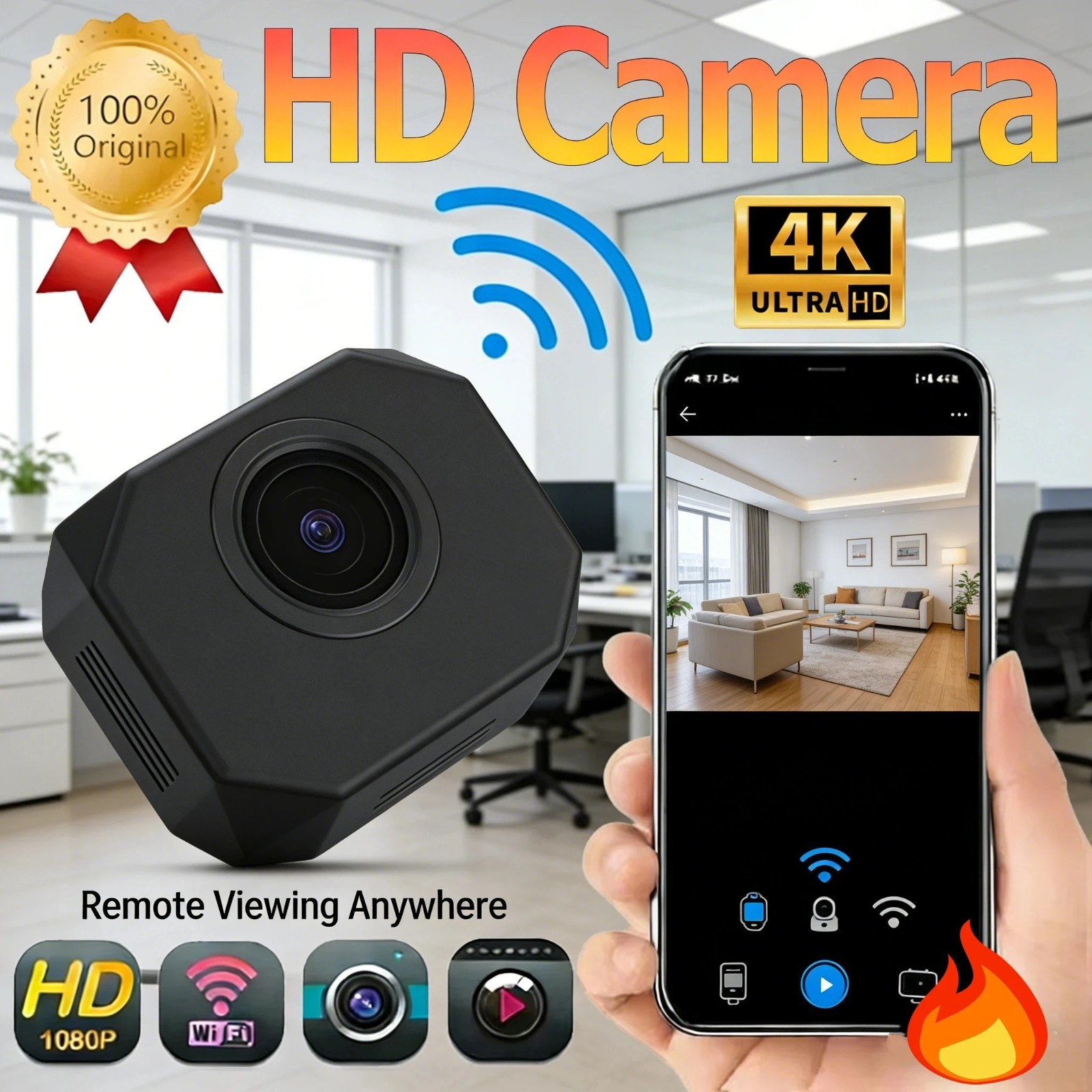 Mini Camera WiFi 1080P HD Smart Home Security Portable IP Cam Remote Monitoring$9.69View on eBay
Highlights
- Local storage options are microSD (up to 512GB, loop recording), NVR/DVR with 1-4TB HDD, or cellular cameras with LTE SIM and cloud backup.
- PoE cameras use a single Ethernet cable for power and data (802.3af/at, 12W-25W), while wired DVR systems rely on BNC coax and 12V DC power.
- Battery-powered wire-free cameras often still require WiFi for app access; true no-WiFi models use cellular LTE/4G or local recording only.
- Lens and sensor size drive low-light performance: 1/2.8" sensor with f/1.6 aperture outperforms 1/3" f/2.0 in dim conditions; 2K/4K resolution requires higher bitrate storage.
Best use cases
- Best fit: remote cabins or garages with no internet — pick a cellular LTE camera with local microSD backup; skip WiFi-only models.
- Best fit: multi-camera home perimeter — choose a PoE NVR kit (8-channel, 4K) with wired Ethernet runs; skip battery-powered WiFi cameras.
- Best fit: renter-friendly indoor monitoring — use a standalone camera with microSD loop recording and no cloud dependency; skip NVR systems requiring drilling and cabling.
Buying tips
- Match storage to resolution: 4K footage at 15fps needs ~15GB/day per camera; a 256GB card holds ~17 days, while 2K halves that.
- For PoE, confirm NVR injector budget: 8-port NVR with 120W total supports four 15W cameras; add a PoE switch for more.
- Cellular cameras require an active LTE data plan (typically 1-5GB/month); verify carrier band compatibility (B2/B4/B12 for US).
- Choose IP66 or higher for outdoor mounting; IK10 for vandal resistance in public-facing spots.
Specs
| Connectivity | PoE / Cellular LTE / Local-only |
|---|---|
| Storage Type | microSD / NVR HDD / Cloud |
| Resolution | 1080p / 2K / 4K |
| Weather Rating | IP65 / IP66 / IP67 |
Related searches
What to check before buying
- Measure mounting height and cable run: PoE max cable length is 100m (328ft) per run without a switch.
- Confirm power availability at camera location: battery/solar models need 3-6 hours direct sun; wired need 12V DC or PoE.
- Check NVR HDD bay size and interface: 3.5" SATA up to 10TB per bay; pre-installed drives vary.
- Verify local recording triggers: motion detection zones, pre-record buffer (5-10s), and loop overwrite settings.
FAQ
Data sources: eBay / Amazon listings and product attribute feeds. Updated Nov 22, 2026.
Some links on this page are affiliate links. If you buy after clicking one, we may earn a commission at no extra cost to you. This does not change which products appear here or their order. Affiliate disclosure.