
Photos from current listings. Actual item, color, and included accessories may vary.
Security Alarm System Buying Guide
A security alarm system is a coordinated set of sensors, a control panel or hub, and a notification/siren layer that detects intrusion and alerts occupants or a monitoring service. The core trade-off is between standalone local alarm kits (no monthly fee, self-monitored, limited remote access) and connected cellular/IP systems (remote app control, professional monitoring, subscription required). Choose a standalone kit for reliable local deterrence on a budget; choose a connected GSM/4G or IP panel when you need off-site alerts, remote arming, or a monitoring contract.
At a glance
- Category
- Home Security
- Last updated
- Nov 22, 2026
Current offers
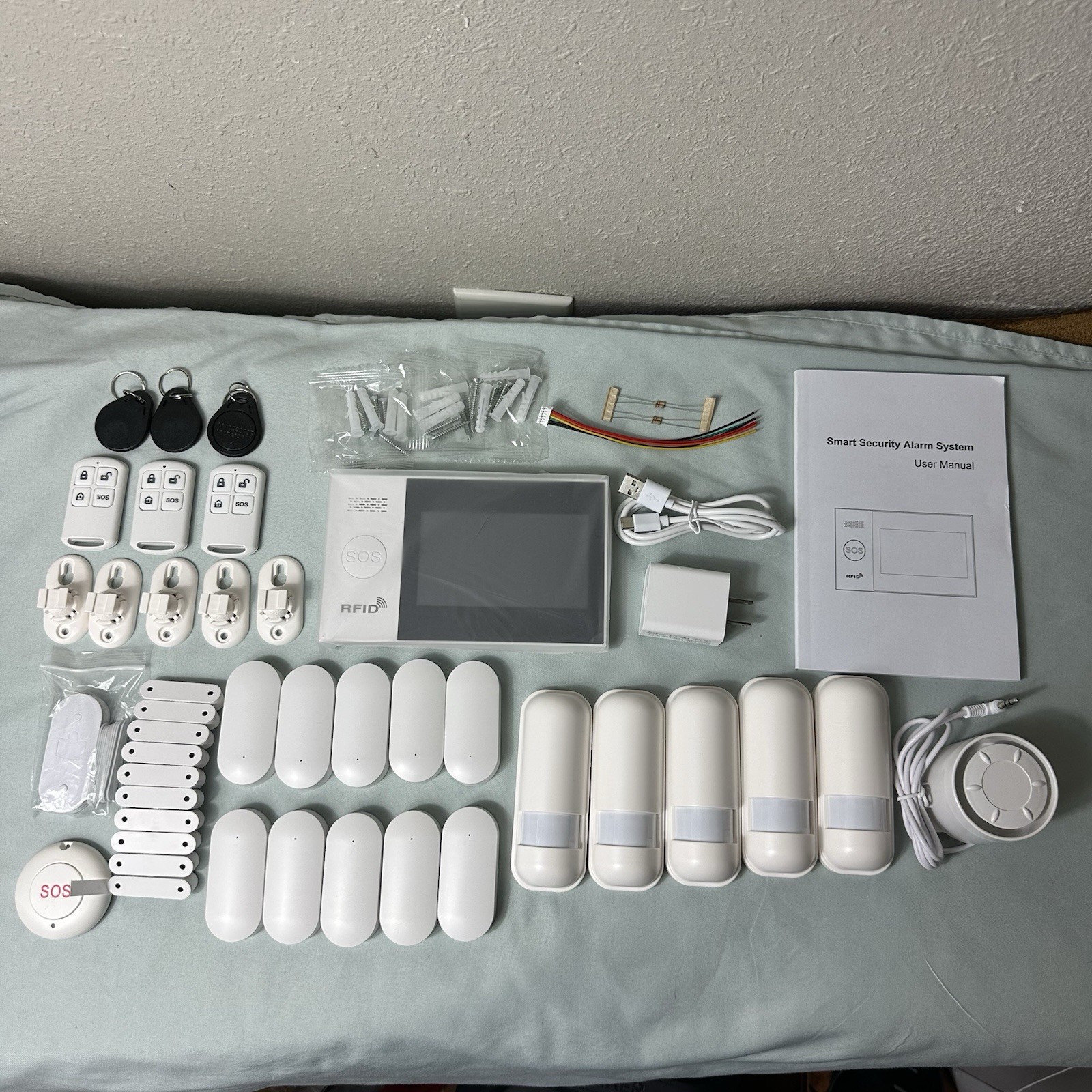 Wireless Smart Home Security Alarm System with RFID$79.99View on eBay
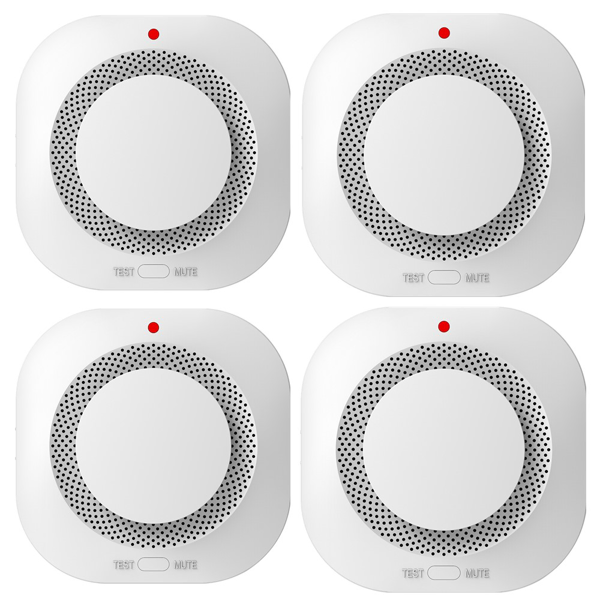 (4 Pack)Smoke Alarm Fire Protection Home Security System Smoke$32.99View on Mallflare
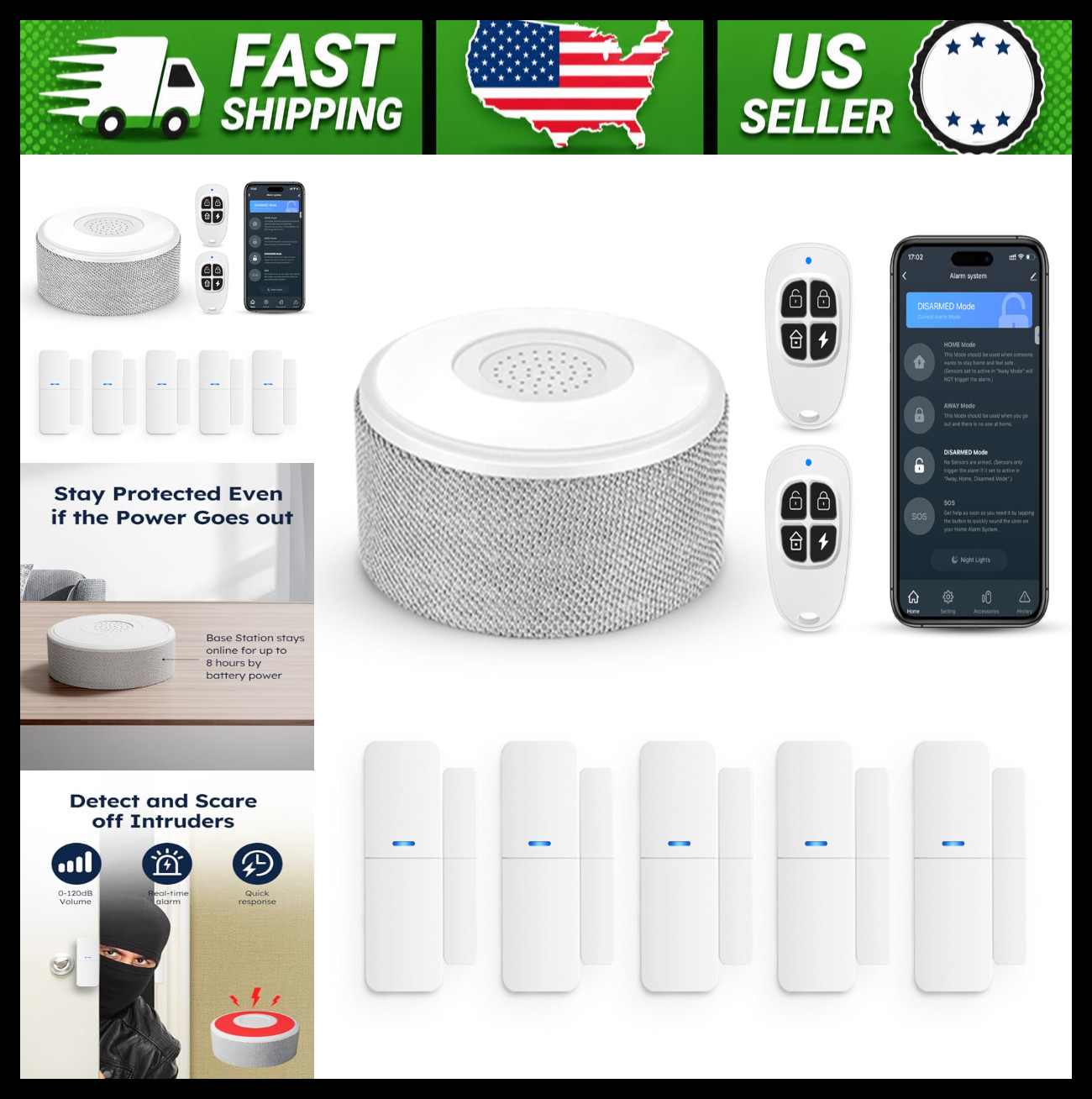 WiFi Wireless Home Security Alarm System, 8-Piece Kit with Door Sensors$110.99View on eBay
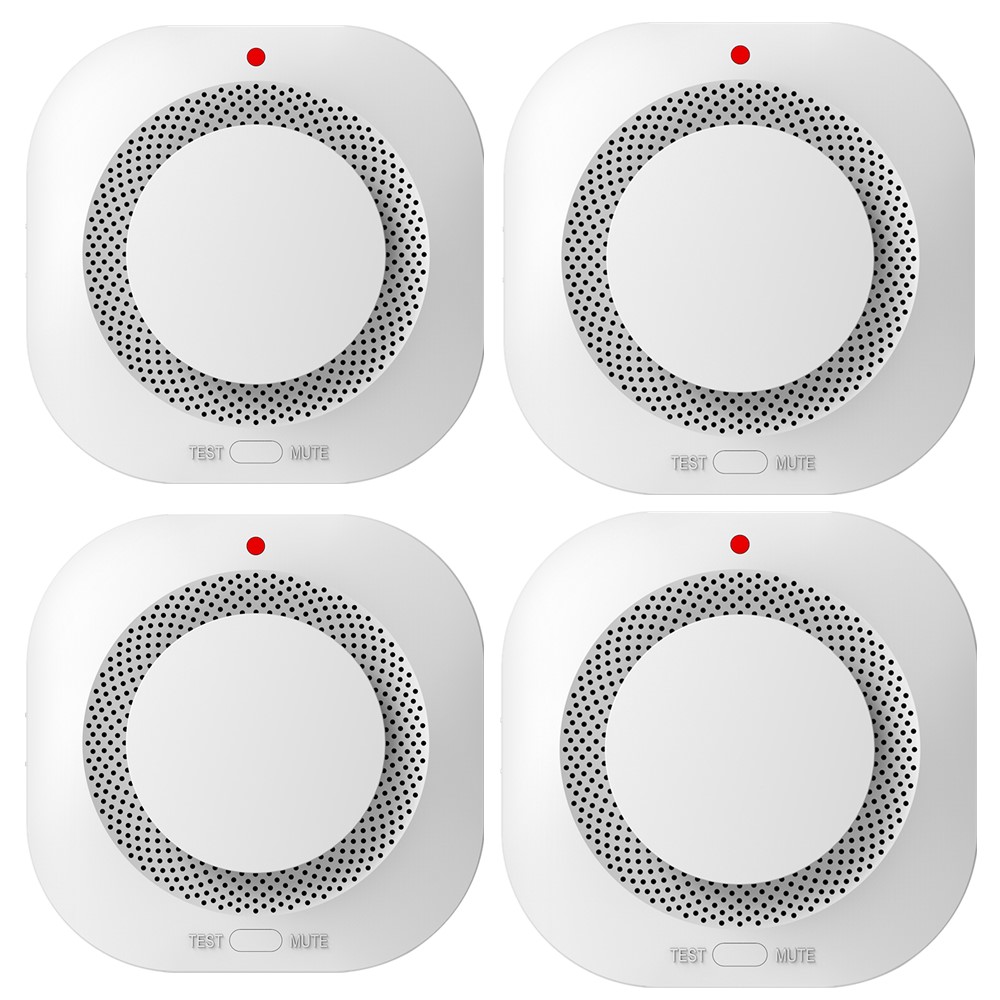 (4 Pack)Smoke Alarm Fire Protection Home Security System Smoke Platform policies vary; relevant qualifications are attached via link, pl$41.99View on Mallflare
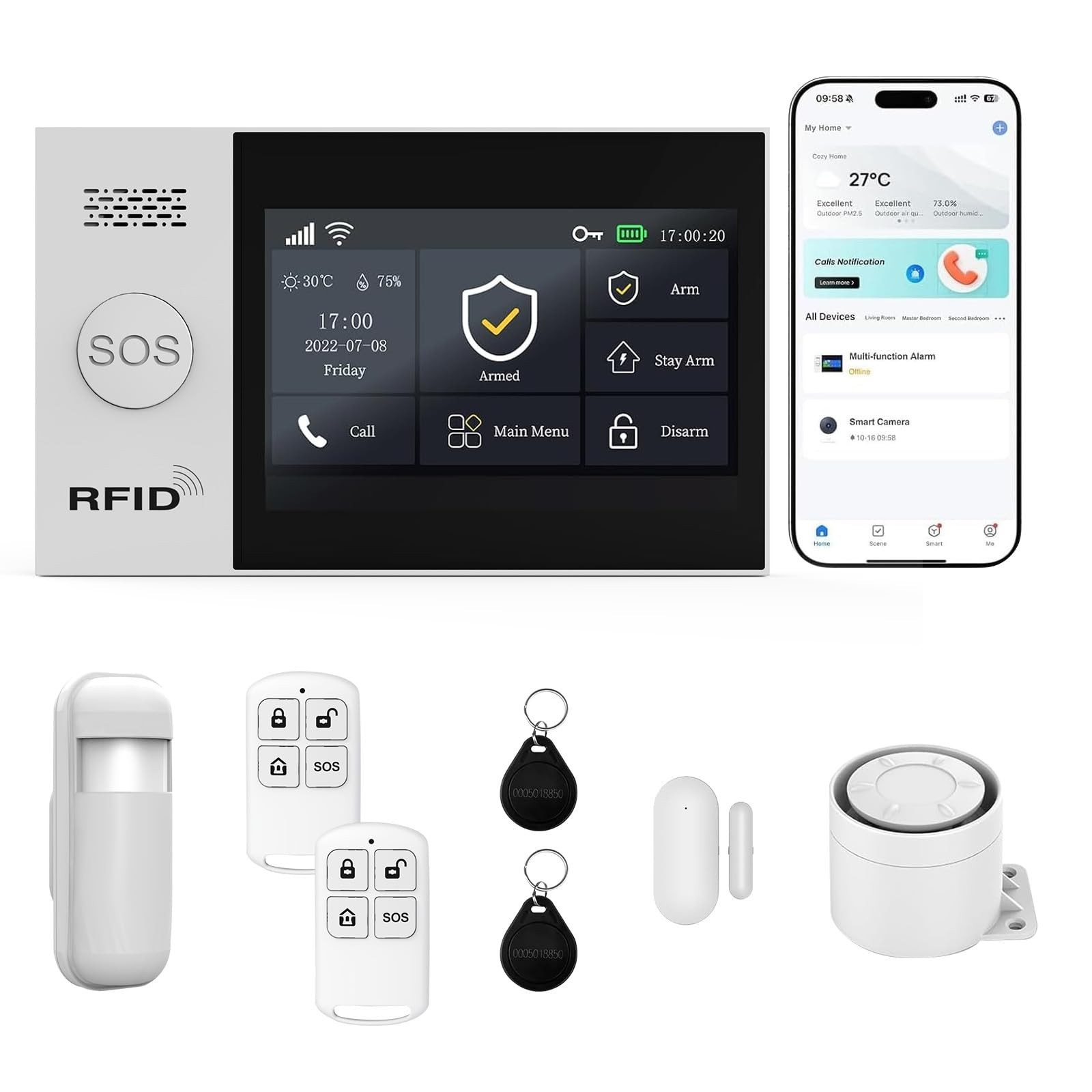 Wireless Home Security Alarm System | 4.3" Touch Screen | GSM/4G+WiFi | DIY Sens$111.99View on eBay
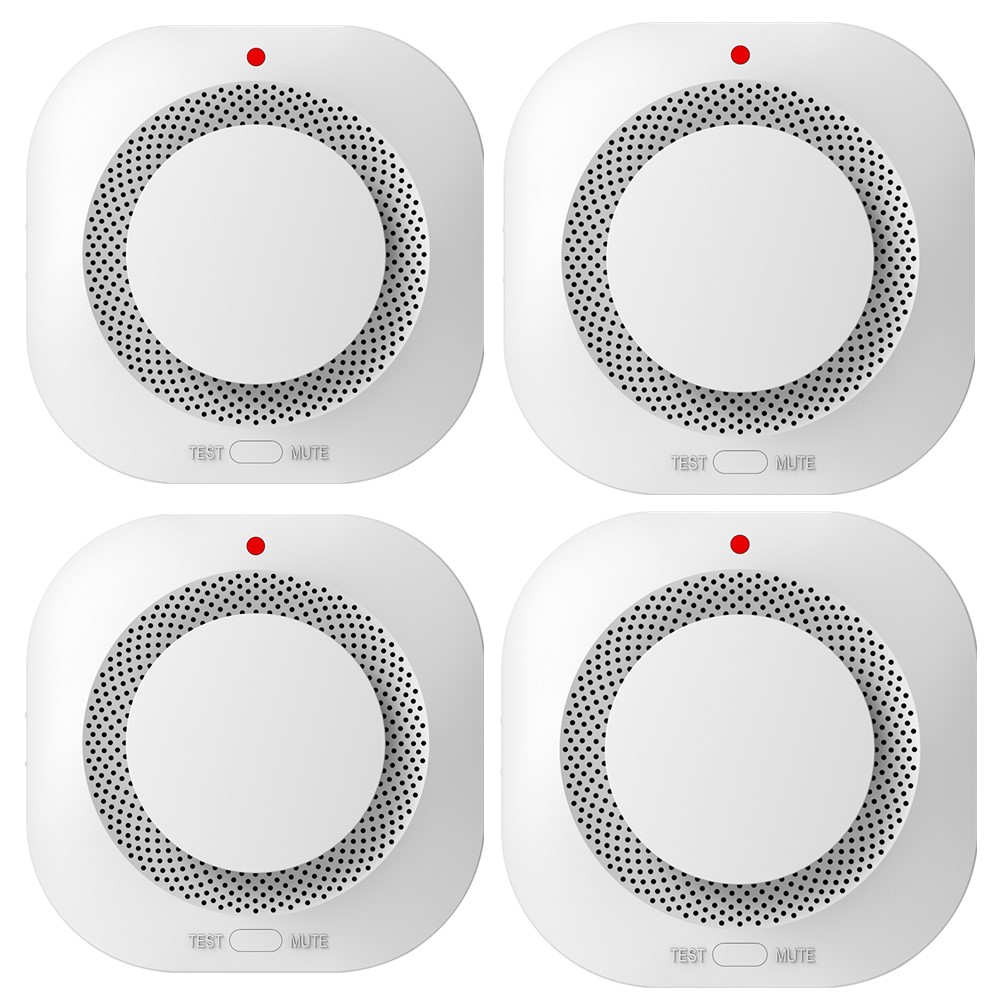 4 Pack Smoke Alarm Fire Protection Home Security System$50.99View on Mallflare
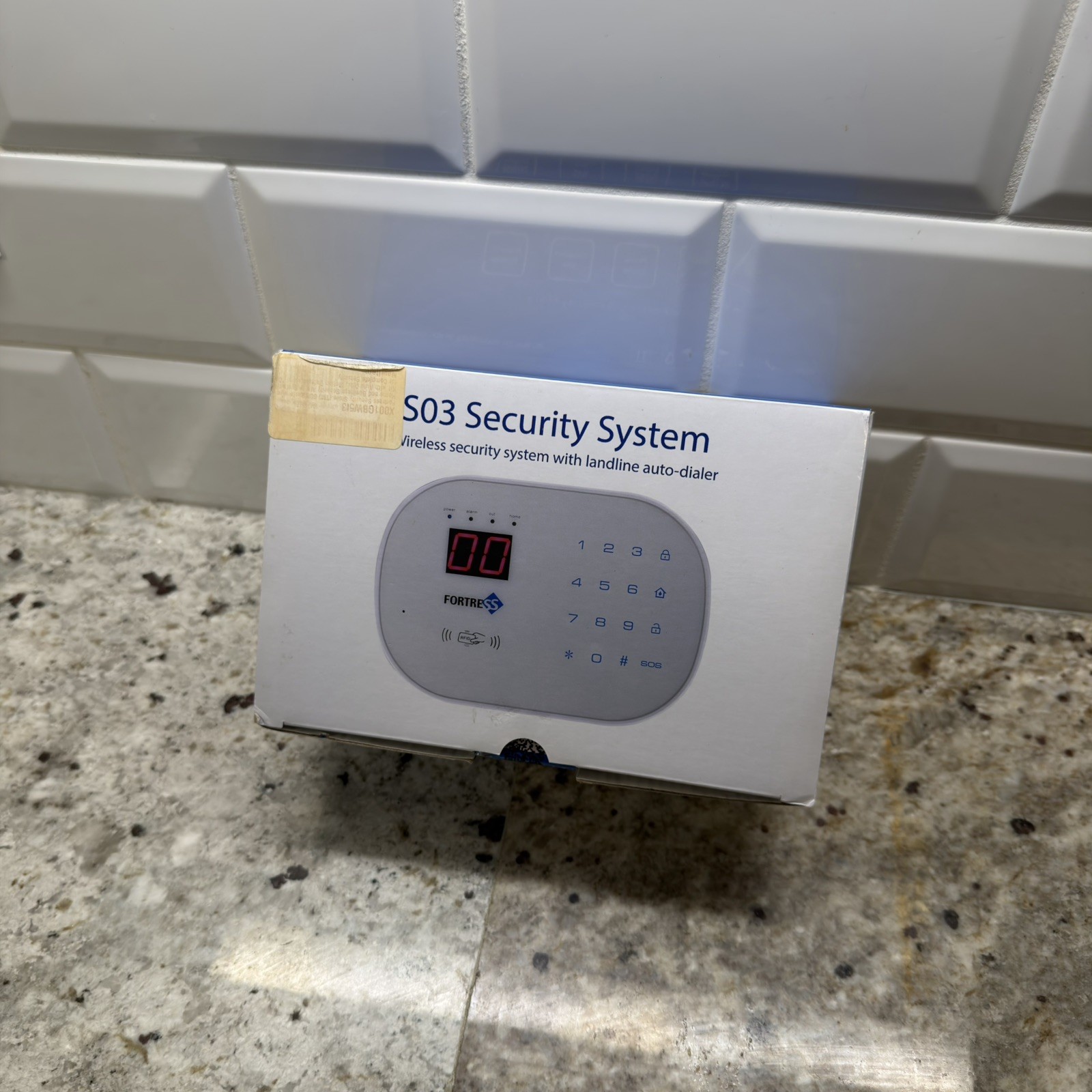 Fortress S03 Home Security Alarm System w/ Siren, 5 Door/window, 2 Keyfob$120.00View on eBay
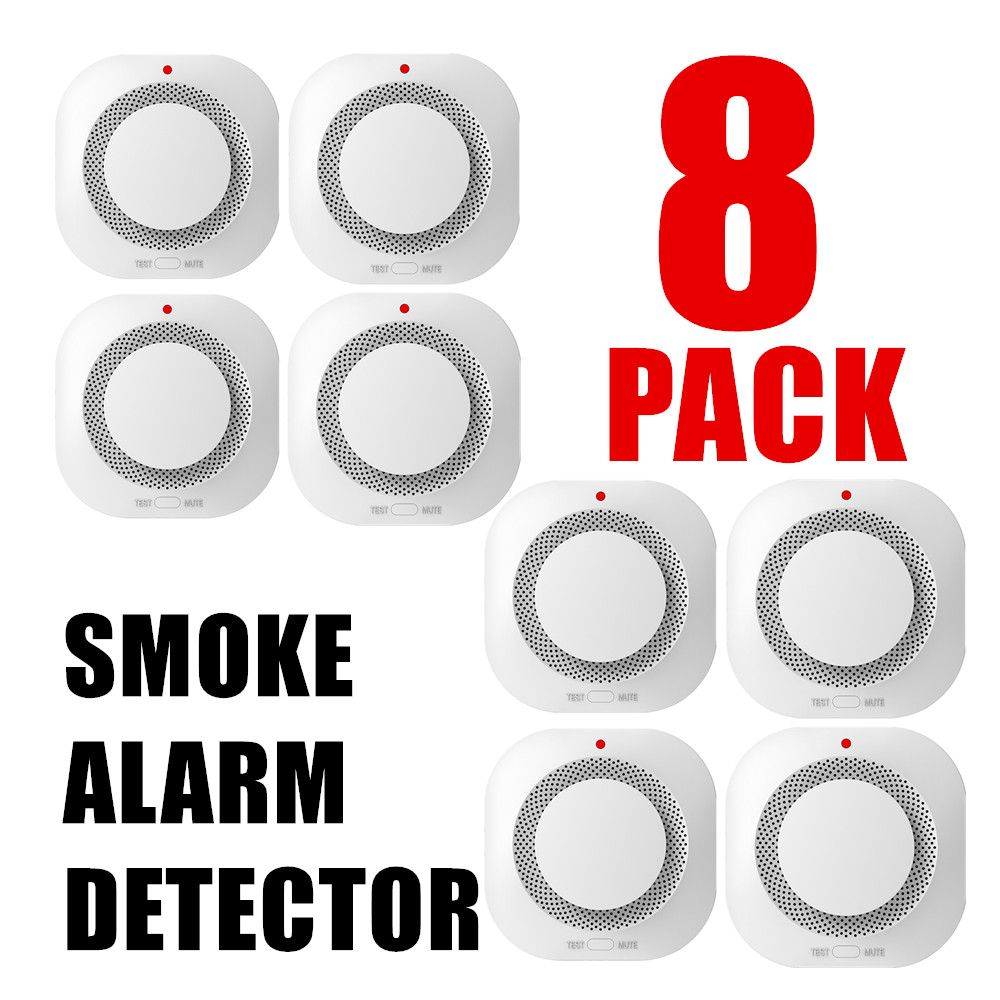 (8 Pack)Smoke Alarm Fire Protection Home Security System Smoke Platform policies vary; relevant qualifications are attached via link, pl$66.99View on Mallflare
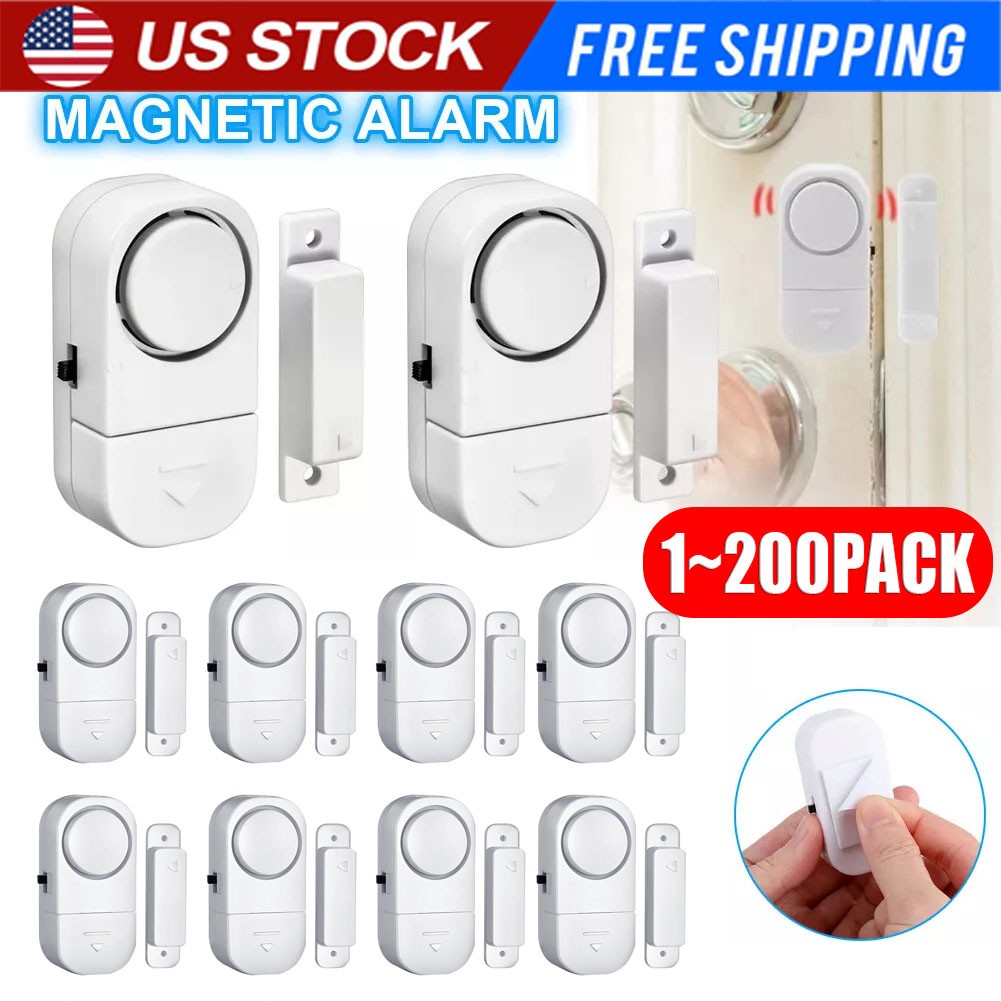 Wireless Home Window Door Burglar Security Alarm System Magnetic Sensor lot$293.89Last checked Nov 16, 2026View on eBay
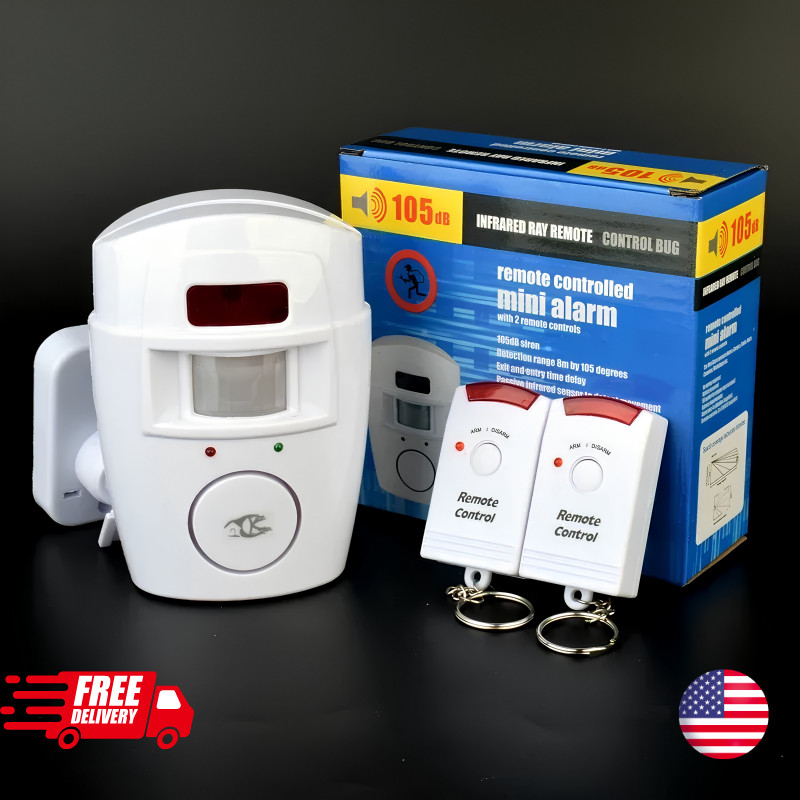 Wireless Driveway Alarm Infrared Motion Sensor Home Garage Alert Security System$11.99Last checked Nov 20, 2026View on eBay
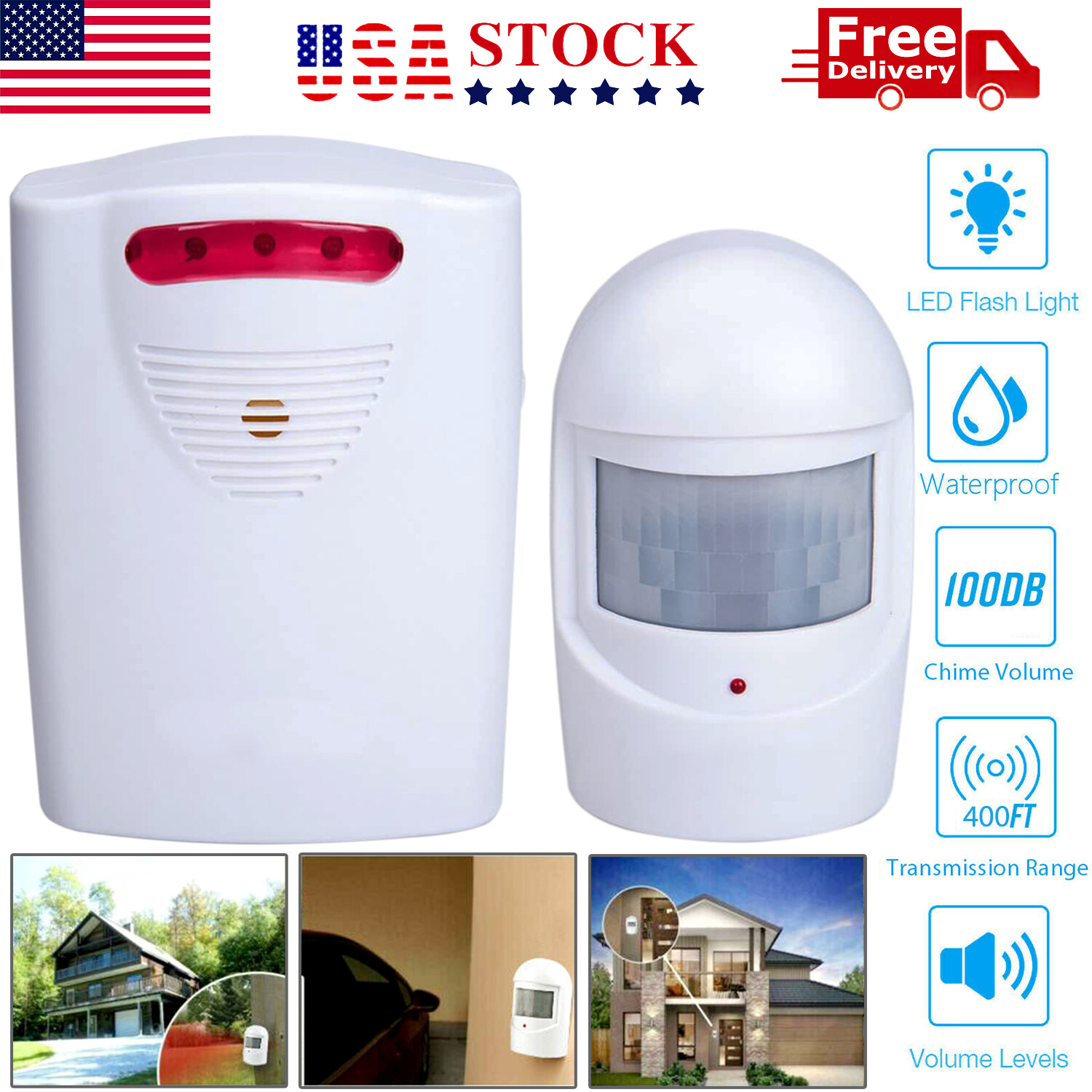 Wireless Driveway Alarm Infrared Motion Sensor Home Garage Alert Security System$15.89Last checked Nov 21, 2026View on eBay
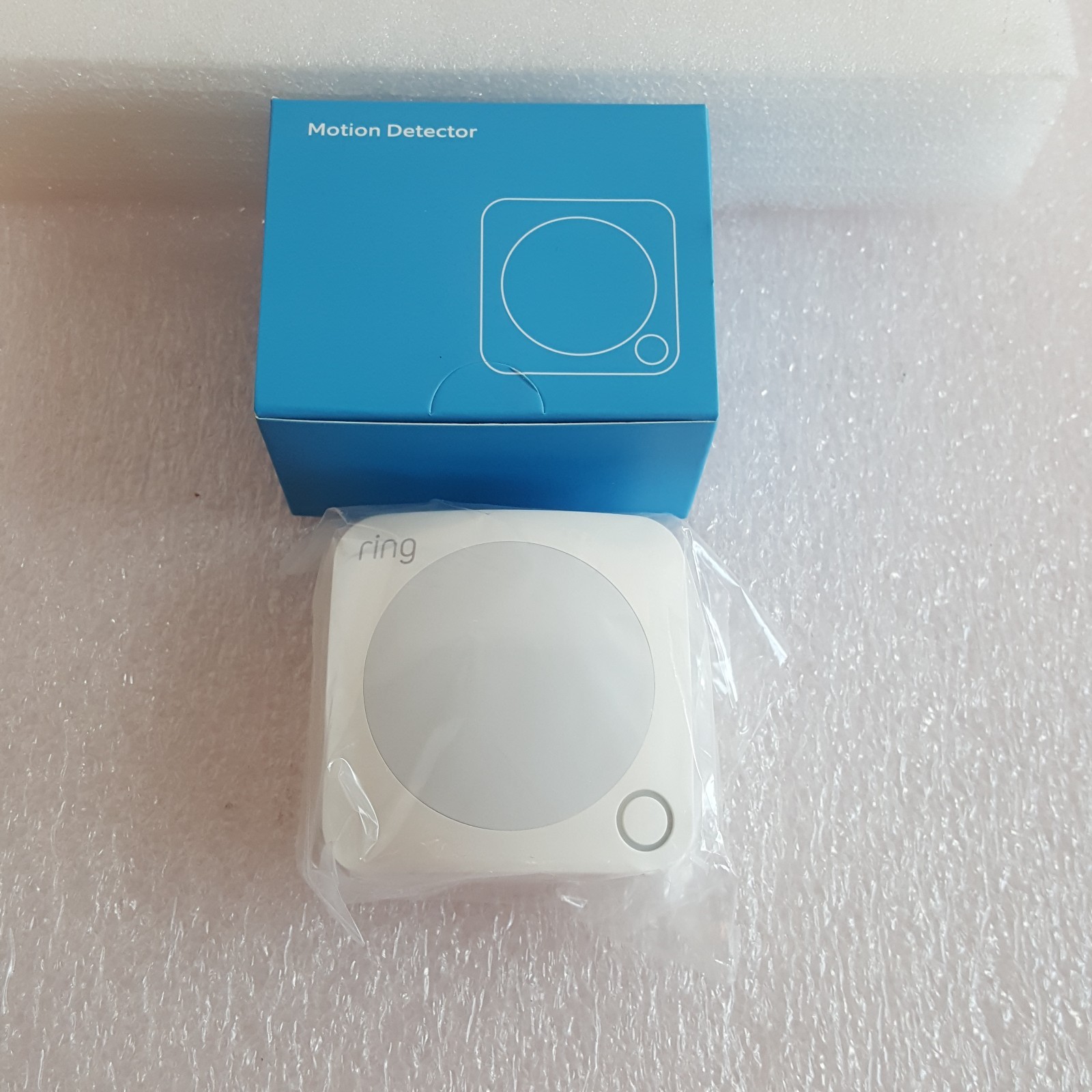 Ring Alarm Motion PIR Detector Sensor Home Security System Wireless Wifi 2nd Gen$24.77Last checked Nov 21, 2026View on eBay
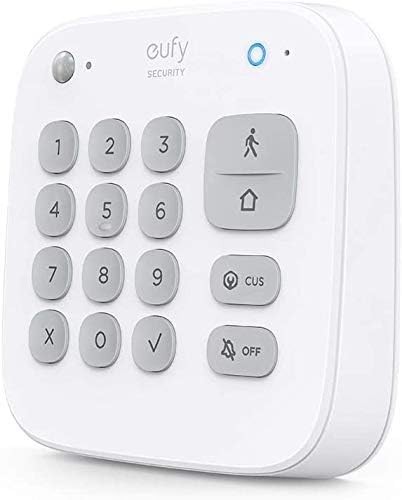 eufy Keypad Home Security System Home Alarm System 180-Day Battery Home/Away/off$25.49View on eBay
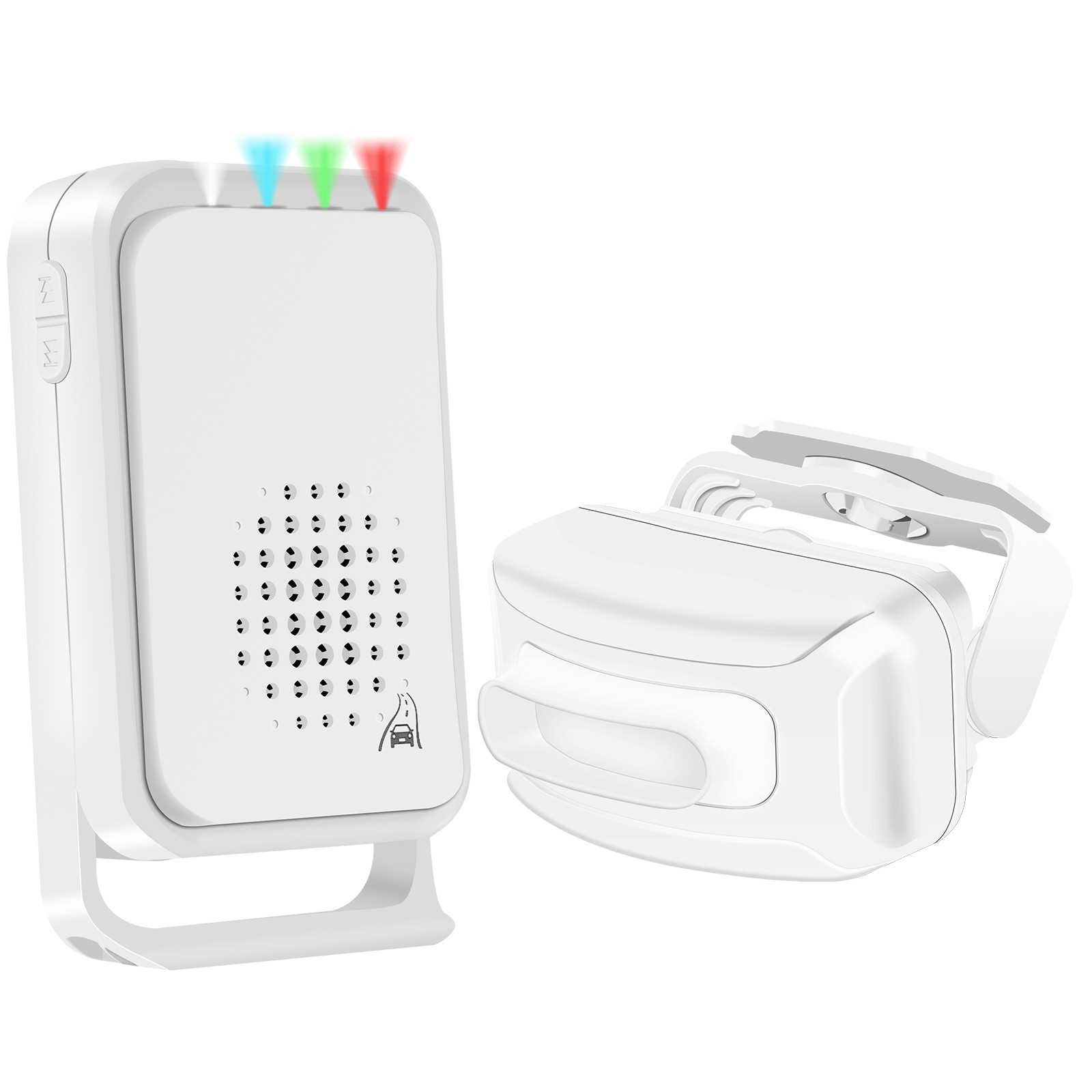 Wireless Driveway Alarm Infrared Motion Sensor Home Garage Alert Security System$27.39View on eBay
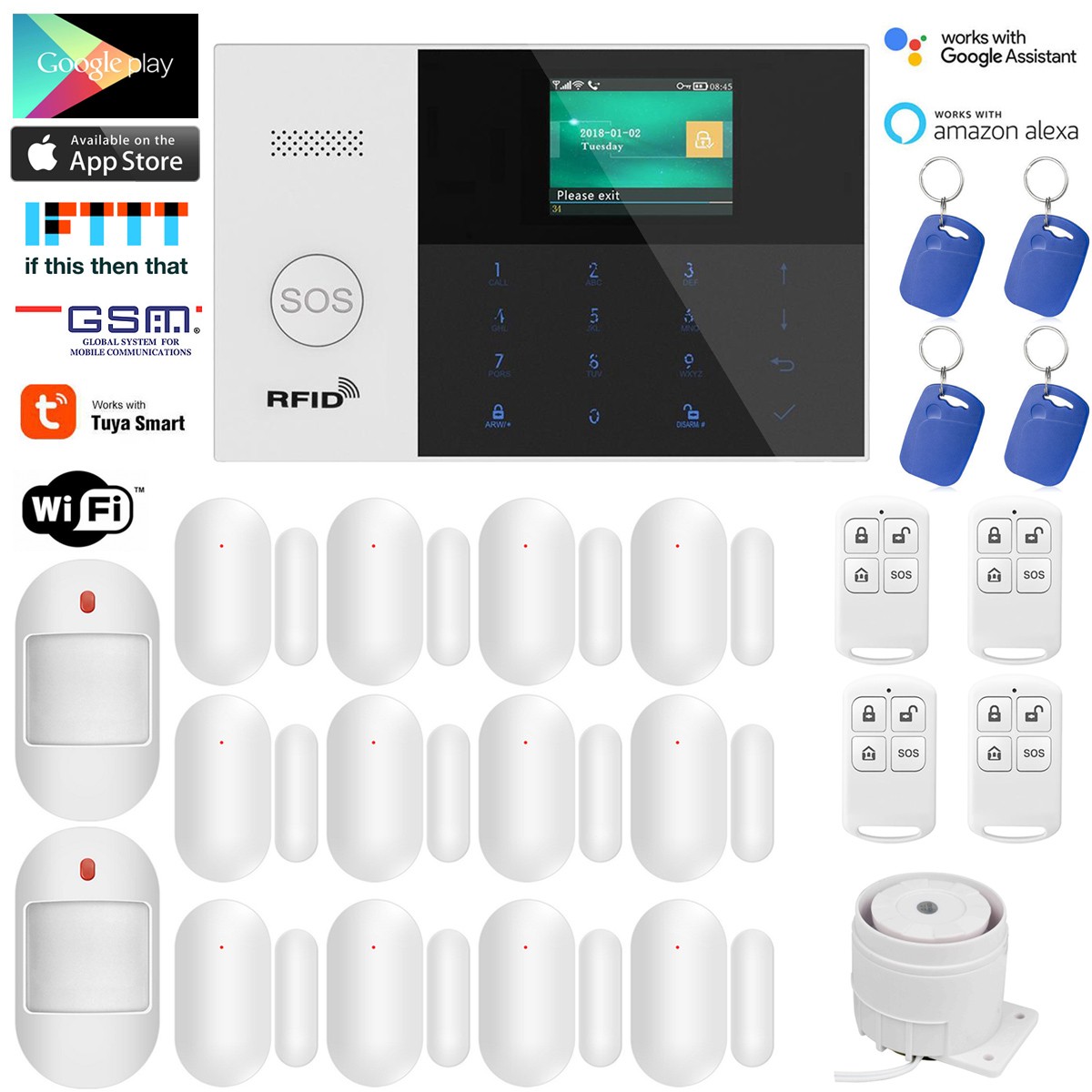 WiFi Cloud APP GSM Tuya Wireless IR Home House Security Alarm Burglar System$89.99View on eBay
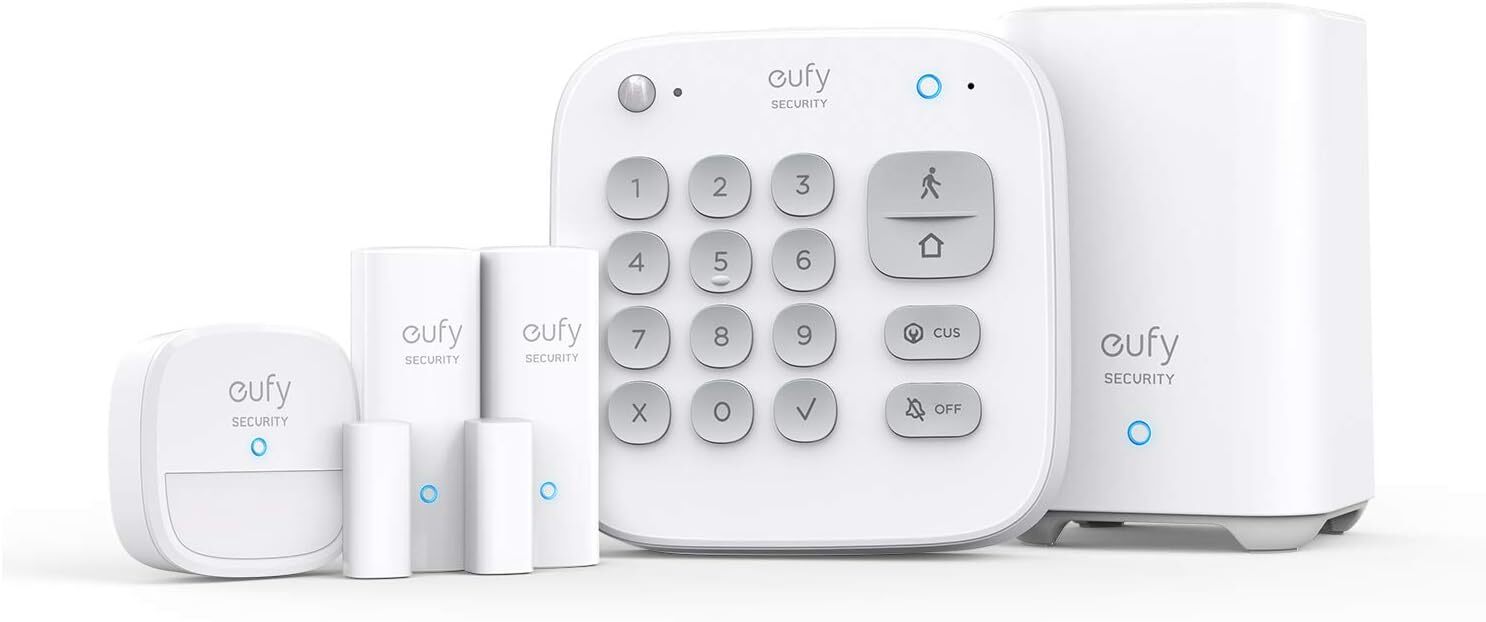 eufy 5-Piece Home Alarm Security System Kit Keypad Entry/Motion Sensor|Refurbish$99.99Last checked Nov 22, 2026View on eBay
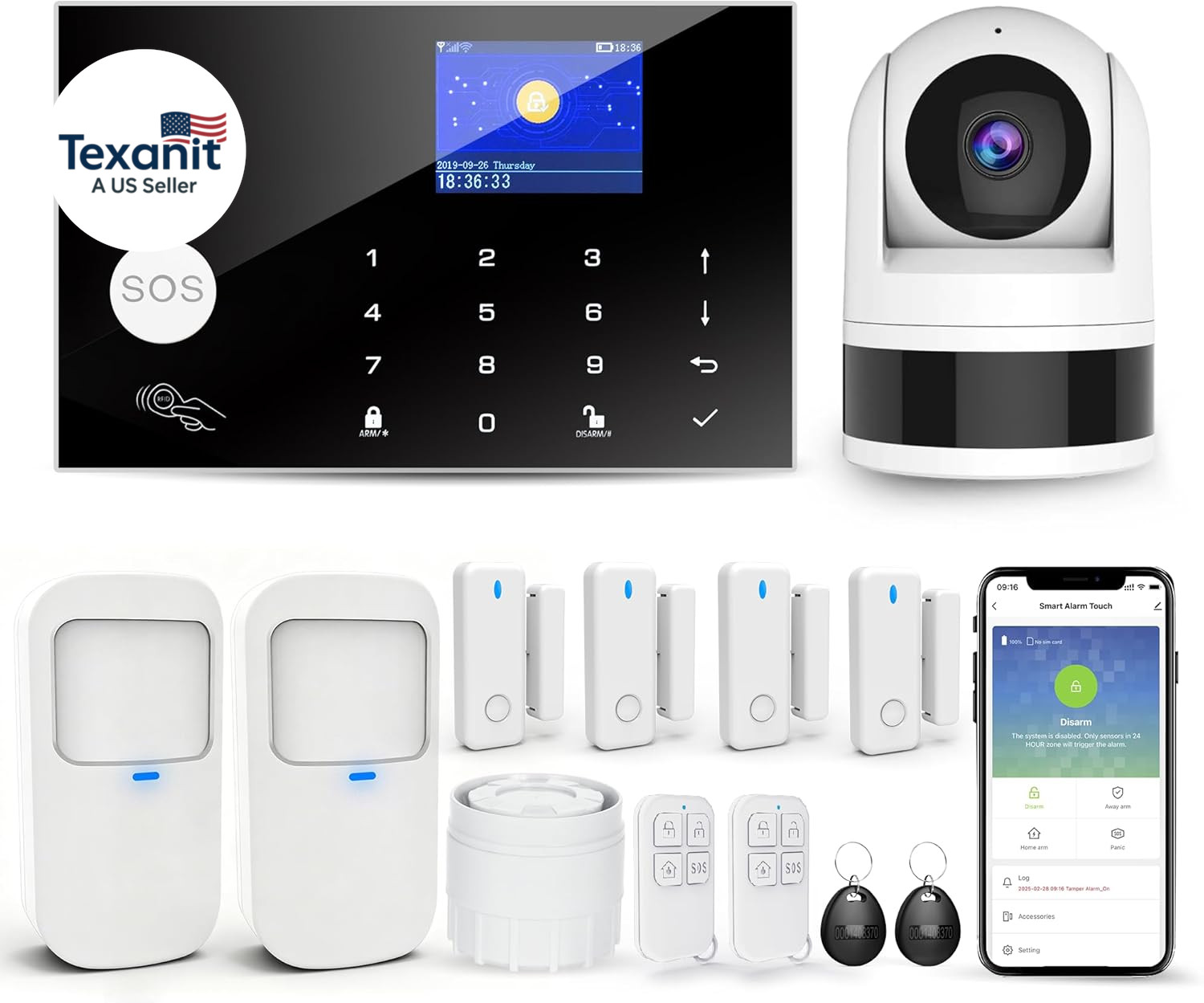 Home Security System with Camera, Wifi + GSM Home Alarm Kit with Phone App Alert$159.71View on eBay
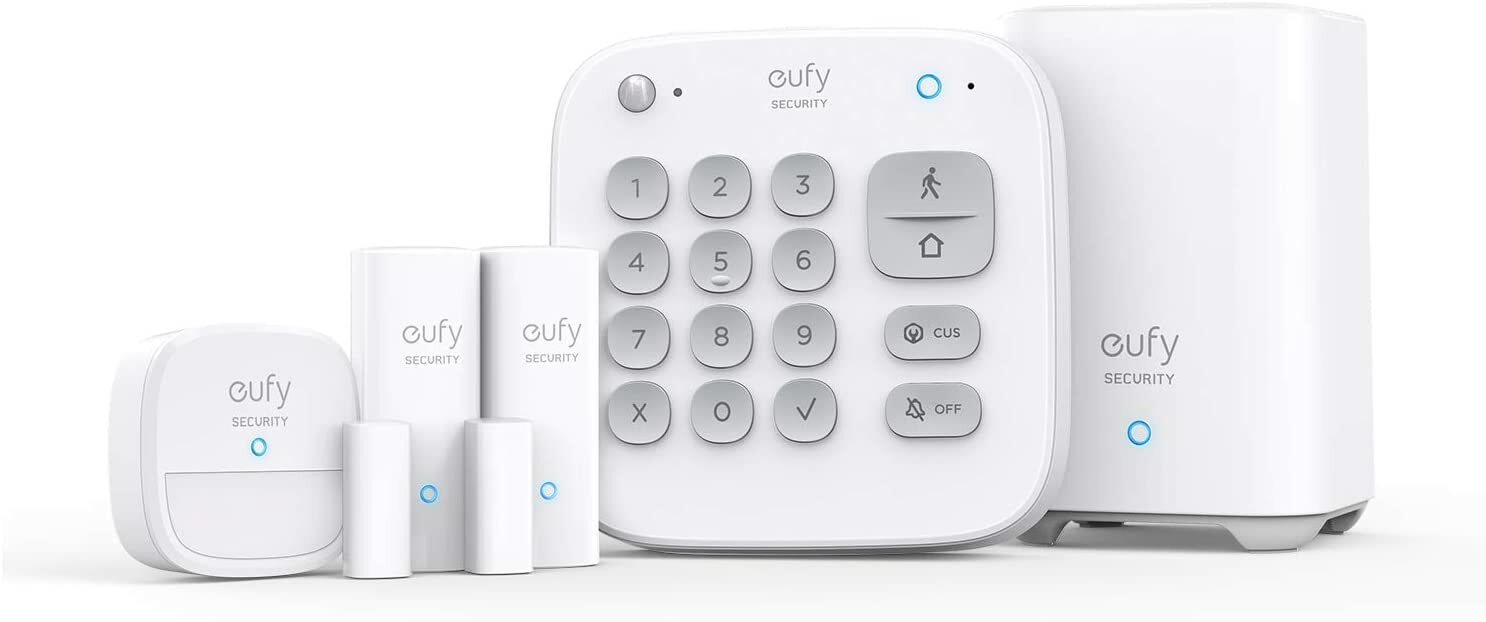 eufy 5-Pcs Wireless Alarm System Smart Home Security Kit Motion Sensor with App$159.99View on eBay
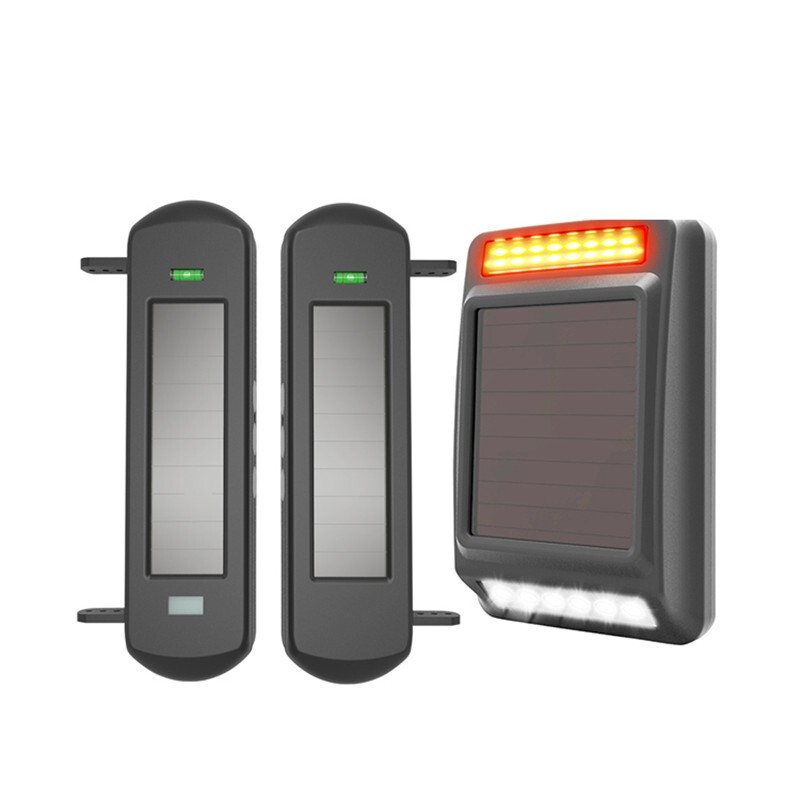 HTZSAFE Solar Wireless Alarm System 800 Meters Wireless Range DIY Home Security$179.99View on eBay
Highlights
- Hub connectivity defines capability: standalone RF kits work without internet or fees but only alert locally; WiFi/GSM panels enable push alerts, app control, and optional professional monitoring via SIM or broadband.
- Sensor protocol matters: 433MHz RF sensors are cheap and long-range but one-way and vulnerable to jamming; Zigbee/Z-Wave/WiFi sensors support two-way status and integration with smart-home hubs.
- Zone capacity and expandability separate kits: entry kits typically include 4-8 door/window contacts plus 1-2 motion sensors; panels support 30-100+ zones, so buy a hub rated for at least double your planned sensor count.
- Power resilience is the silent failure point: better panels include a rechargeable backup battery (typically 8-24 hours) and cellular backup, so alarms still transmit during a power cut or broadband outage.
Best use cases
- Best fit for a small business or retail shop: a GSM/4G+WiFi panel with 8-16 door/window contacts, 2-4 motion sensors, a loud external siren, and remote app arming—skip toy RF-only kits that only chime locally.
- Best fit for a renter or apartment: a no-drill wireless kit with adhesive-mounted door contacts and a plug-in siren; skip hardwired panels and professional-monitoring contracts that require permanent installation.
- Best fit for a large home or multi-building property: a zone-expandable hub (30+ zones) with repeater-capable sensors and a driveway/outdoor motion sensor; skip 4-piece starter kits that max out after covering two doors.
- Wrong fit: buying a smoke-alarm 4-pack thinking it is an intrusion alarm—photoelectric smoke detectors are life-safety devices, not burglar alarms, and do not detect door/window opening.
Buying tips
- Count every entry point first: each accessible door and ground-floor window needs one contact; add 1 motion sensor per main hallway and 1 siren per floor, then choose a hub rated for at least twice that zone count.
- Check the radio band: 433MHz RF is fine for a single detached house; for business or dense urban sites prefer 868/915MHz or Zigbee/Z-Wave for better interference resistance and two-way status.
- For business use, insist on dual-path signaling (GSM/4G plus WiFi or Ethernet) and a backup battery rated 8+ hours; single-path WiFi panels fail silently when the router or power drops.
- Match the siren to the space: indoor sirens are typically 85-100dB; for business exterior deterrence choose a weatherproof siren of 100-110dB and confirm IP65 or higher ingress rating.
Specs
| Hub Connectivity | Standalone RF / WiFi / GSM-4G / Dual-path |
|---|---|
| Sensor Protocol | 433MHz RF / Zigbee / Z-Wave / WiFi |
| Zone Capacity | 4-8 entry kits / 30-100+ zone panels |
| Backup Power | 8-24 hr rechargeable battery / none |
Related searches
What to check before buying
- Measure each door and window frame width—magnetic contact gaps must align within about 10-15mm when closed, or the sensor will false-alarm.
- Confirm the hub's power and plug standard (USB-C, 5V DC adapter, or 12V DC) and whether it includes a rechargeable backup battery for outage coverage.
- For business sites, verify the panel supports the SIM band and carrier in your area (4G LTE bands) and that the monitoring plan is optional rather than mandatory.
- Check mounting surface and lease rules: adhesive sensors suit rentals and glass/metal frames; screws and hardwired panels require drilling and landlord approval.
FAQ
Data sources: eBay / Amazon listings and product attribute feeds. Updated Nov 22, 2026.
Some links on this page are affiliate links. If you buy after clicking one, we may earn a commission at no extra cost to you. This does not change which products appear here or their order. Affiliate disclosure.