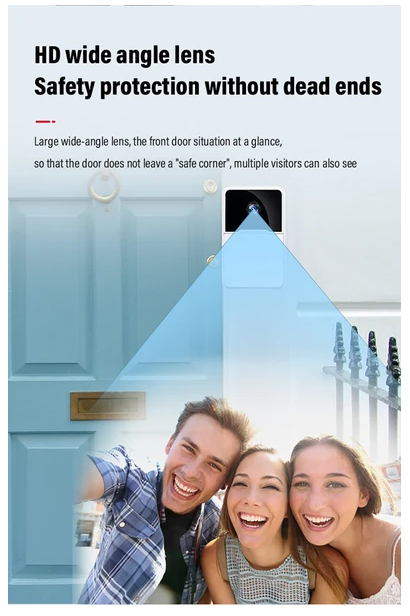

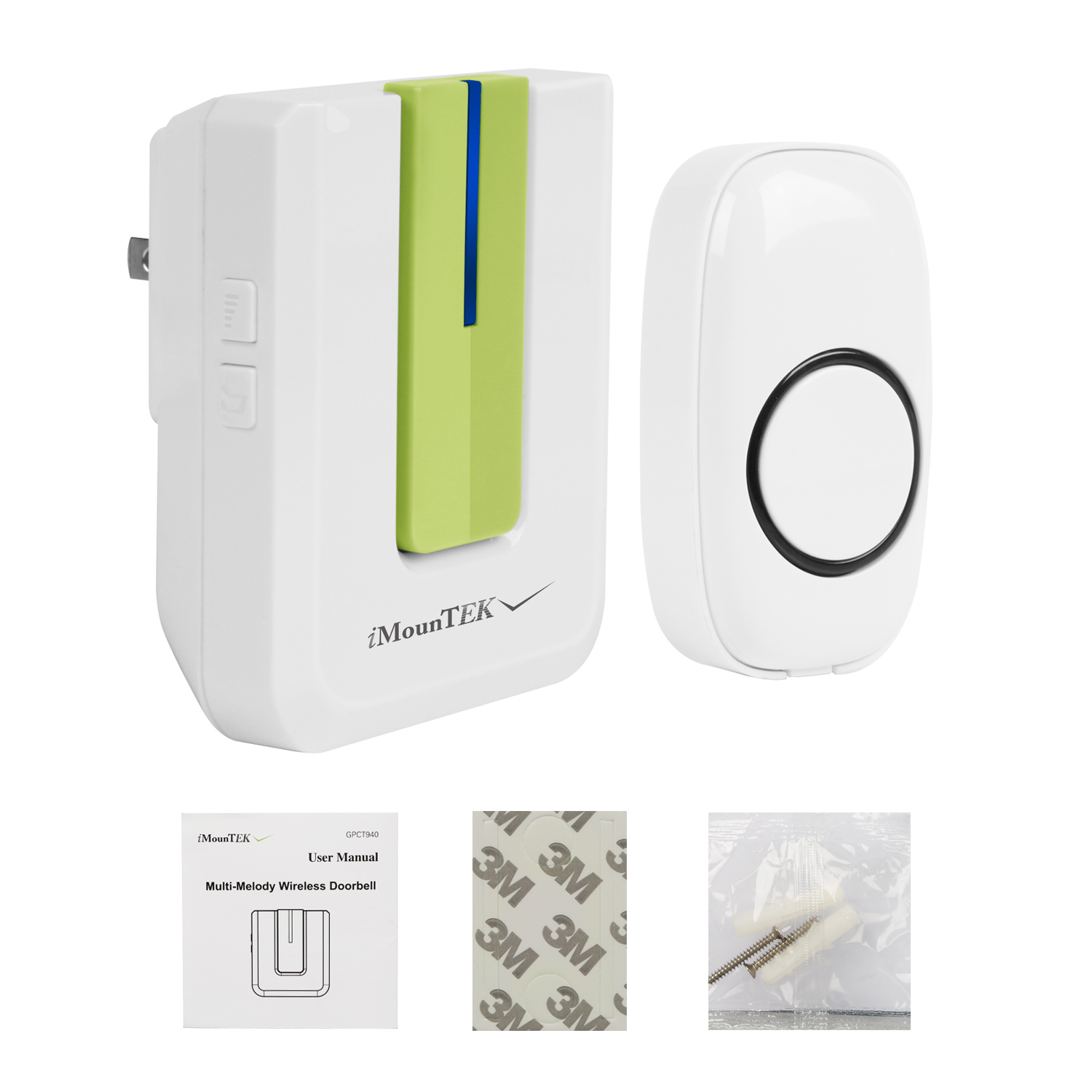
Photos from current listings. Actual item, color, and included accessories may vary.
Ring Doorbell With Chime Wireless Buying Guide
A Ring doorbell with chime wireless bundle pairs a Wi-Fi video doorbell with a plug-in indoor chime so you get alerts even when your phone is silent or away. The key trade-off is between battery-powered and hardwired doorbells, and whether the chime uses proprietary RF or standard 2.4 GHz Wi-Fi—this determines battery life, latency, and smart-home compatibility. Buy a bundle only when the chime is RF-paired to the doorbell and the doorbell supports 2.4 GHz Wi-Fi; skip generic white-label kits that lack app integration and weather sealing.
At a glance
- Category
- Home Security
- Last updated
- Nov 22, 2026
Current offers
Highlights
- Battery doorbells last 3–6 months per charge; hardwired units run continuous 16–24 V AC and unlock pre-roll recording.
- RF chimes pair directly to the doorbell and work without Wi-Fi; Wi-Fi chimes add latency but support app-based melody and volume control.
- IP44 sealing protects against splashing rain but not submersion—mount under an eave or porch roof for longest camera life.
- 2.4 GHz Wi-Fi is mandatory for Ring doorbells; 5 GHz-only routers require a 2.4 GHz guest network or a dual-band extender.
Best use cases
- Renters and apartments: pick a battery doorbell plus RF plug-in chime—no wiring, no drilling beyond adhesive mount, and the chime moves room to room.
- Single-family homes with existing doorbell wiring: choose a hardwired doorbell and a Wi-Fi chime for always-on power and app-level melody control; skip battery kits.
- Long driveways or detached garages: prioritize a chime rated for 1,000 ft RF range; standard 2.4 GHz Wi-Fi doorbells drop below 150 ft through two walls.
- Skip generic white-label kits for multi-user households—they often lack per-user notification routing and firmware updates that Ring and Eufy provide.
Buying tips
- Match chime protocol to doorbell: RF chimes pair via the doorbell's sync button and survive router outages; Wi-Fi chimes need stable 2.4 GHz and add 1–3 s latency.
- Verify power tier: battery doorbells use 5,200–6,040 mAh removable packs; hardwired models need a 16–24 V AC transformer rated at least 10 VA.
- For coverage beyond 50 ft, pick a chime with a specified 1,000 ft open-air range and a doorbell with a 1080p+ sensor; 720p units lose face detail at 20 ft.
- Weatherproofing: IP44 handles rain, but direct sun over 100°F shortens battery and sensor life—mount on a north- or east-facing wall.
Specs
| Power Type | Battery vs hardwired 16-24V AC |
|---|---|
| Chime Protocol | RF 433/868 MHz vs 2.4 GHz Wi-Fi |
| Weather Rating | IP44 splash-proof |
| Wi-Fi Band | 2.4 GHz only (no 5 GHz) |
Related searches
What to check before buying
- Measure door frame width and mounting surface: doorbells need 2.5–3.5 in of flat trim; brick or stucco requires a wedge or corner mount.
- Confirm 2.4 GHz Wi-Fi reaches the door with at least two bars; a mesh node or extender within 30 ft prevents dropped recordings.
- Check existing transformer output at the chime box with a multimeter: 16–24 V AC at 10 VA minimum for hardwired doorbells.
- Verify chime plug type and outlet location within 1,000 ft line-of-sight or 150 ft through walls for RF models.
FAQ
Data sources: eBay / Amazon listings and product attribute feeds. Updated Nov 22, 2026.
Some links on this page are affiliate links. If you buy after clicking one, we may earn a commission at no extra cost to you. This does not change which products appear here or their order. Affiliate disclosure.