
Photos from current listings. Actual item, color, and included accessories may vary.
Motion Sensor Alarm Buying Guide
A motion sensor alarm is a standalone PIR-triggered alert system that detects movement and responds with a siren, chime, light, or app notification. The core trade-off is between simple local-alert kits (receiver + PIR sensor, no subscription) and smart-hub systems that add app control but lock you into an ecosystem. Decision rule: buy a local RF kit if you want zero-fee, power-independent alerts; buy a hub-based system only if you need remote phone alerts and will commit to its app and battery model.
At a glance
- Category
- Home Security
- Last updated
- Nov 22, 2026
Current offers
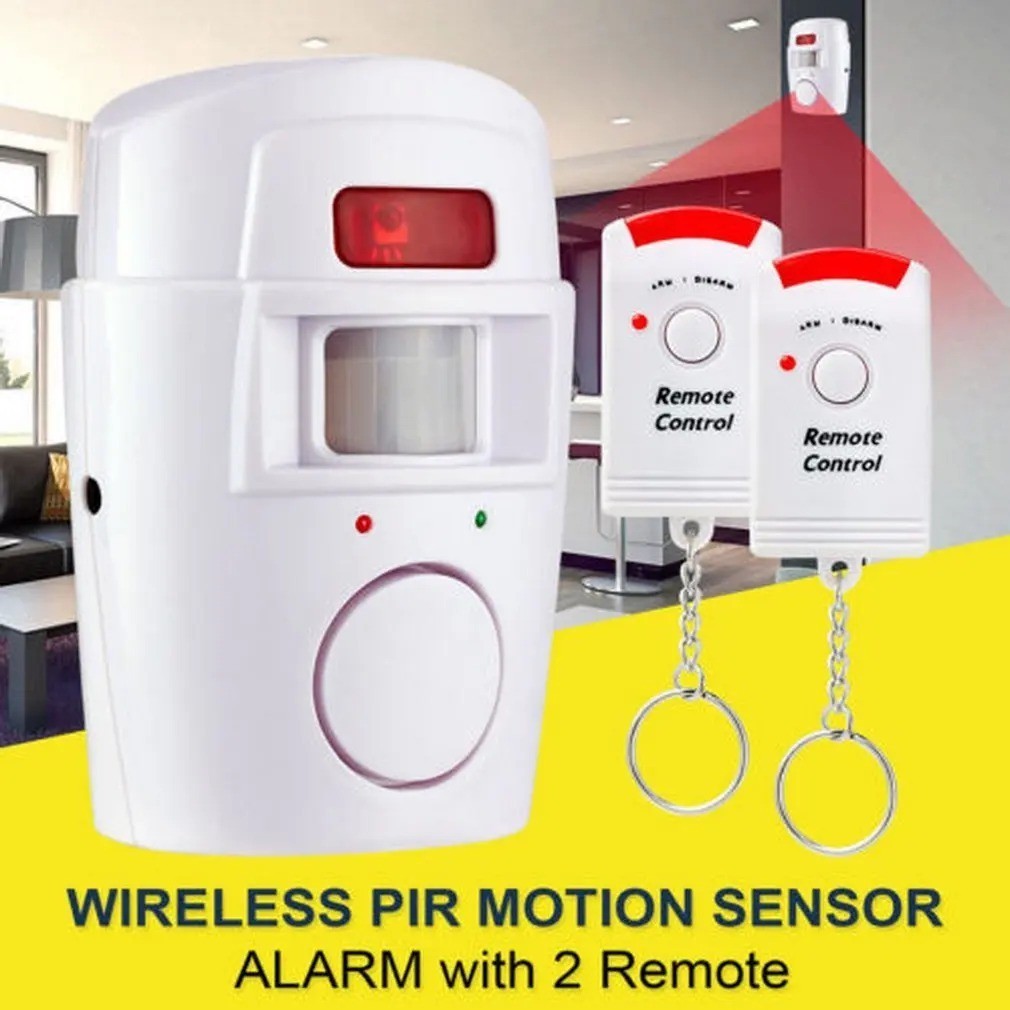 Wireless Motion Sensor Alarm Home Security Detector Indoor Outdoor Remote Garage$10.55View on eBay
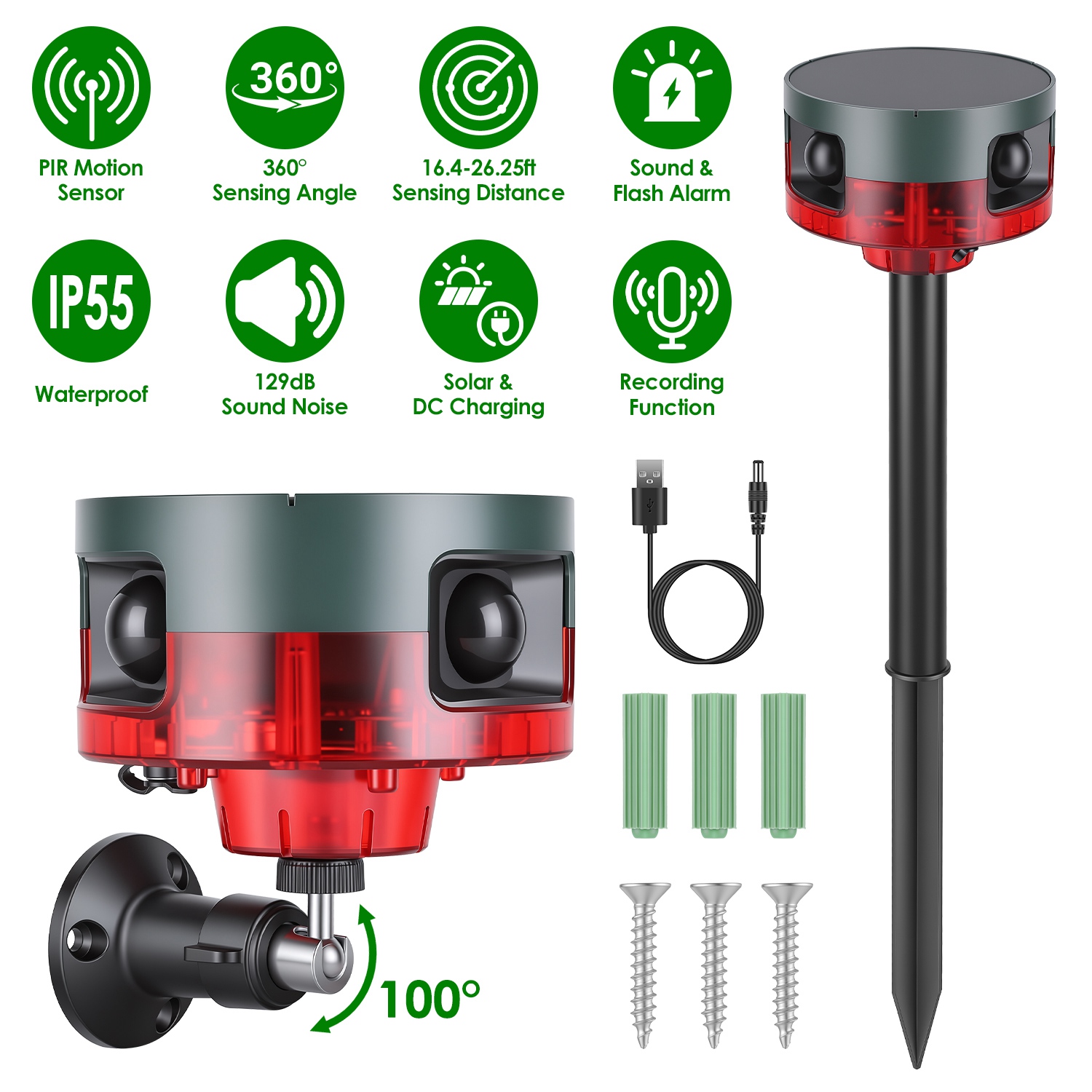 Solar Motion Sensor Alarm Outdoor 129dB With 13 Sounds & Custom Recording, PIR Detector Flashing LED Light, & USB Rechargeable Animal Deterrent For Farm Yard Garden Garage$45.99View on Mallflare
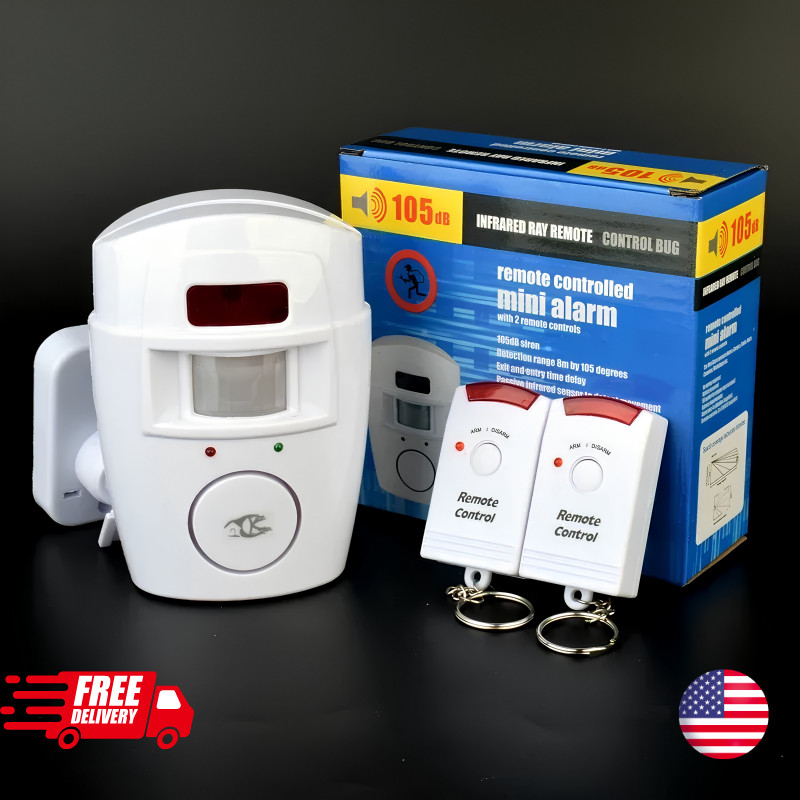 Wireless Driveway Alarm Infrared Motion Sensor Home Garage Alert Security System$11.99Last checked Nov 20, 2026View on eBay
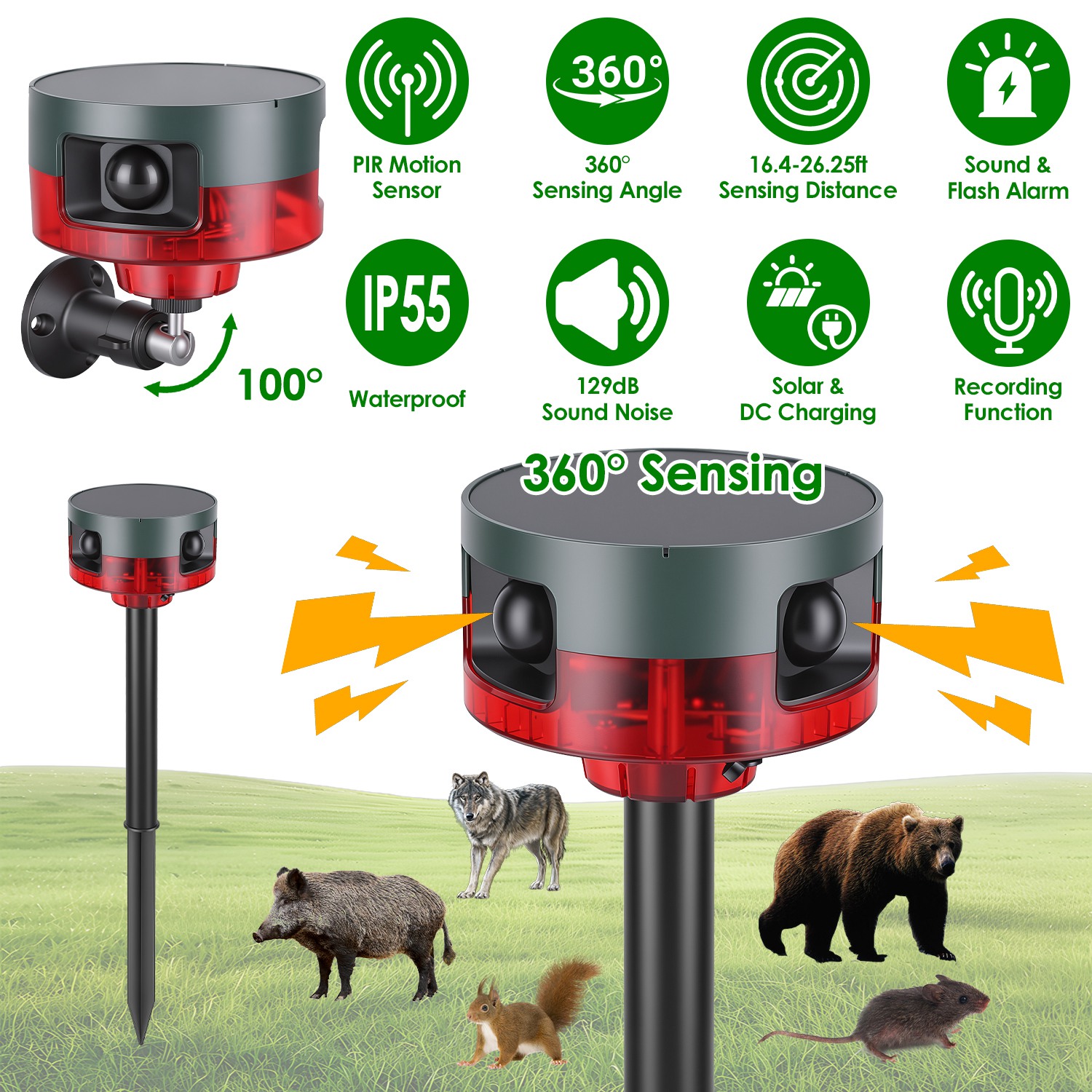 Solar Powered Motion Activated Alarm, PIR Sensor Unit with 129dB Alert, Custom Voice Recording, 13 Sound Options, IP55 for Garden Farm Yard Outdoor Use$62.99View on Mallflare
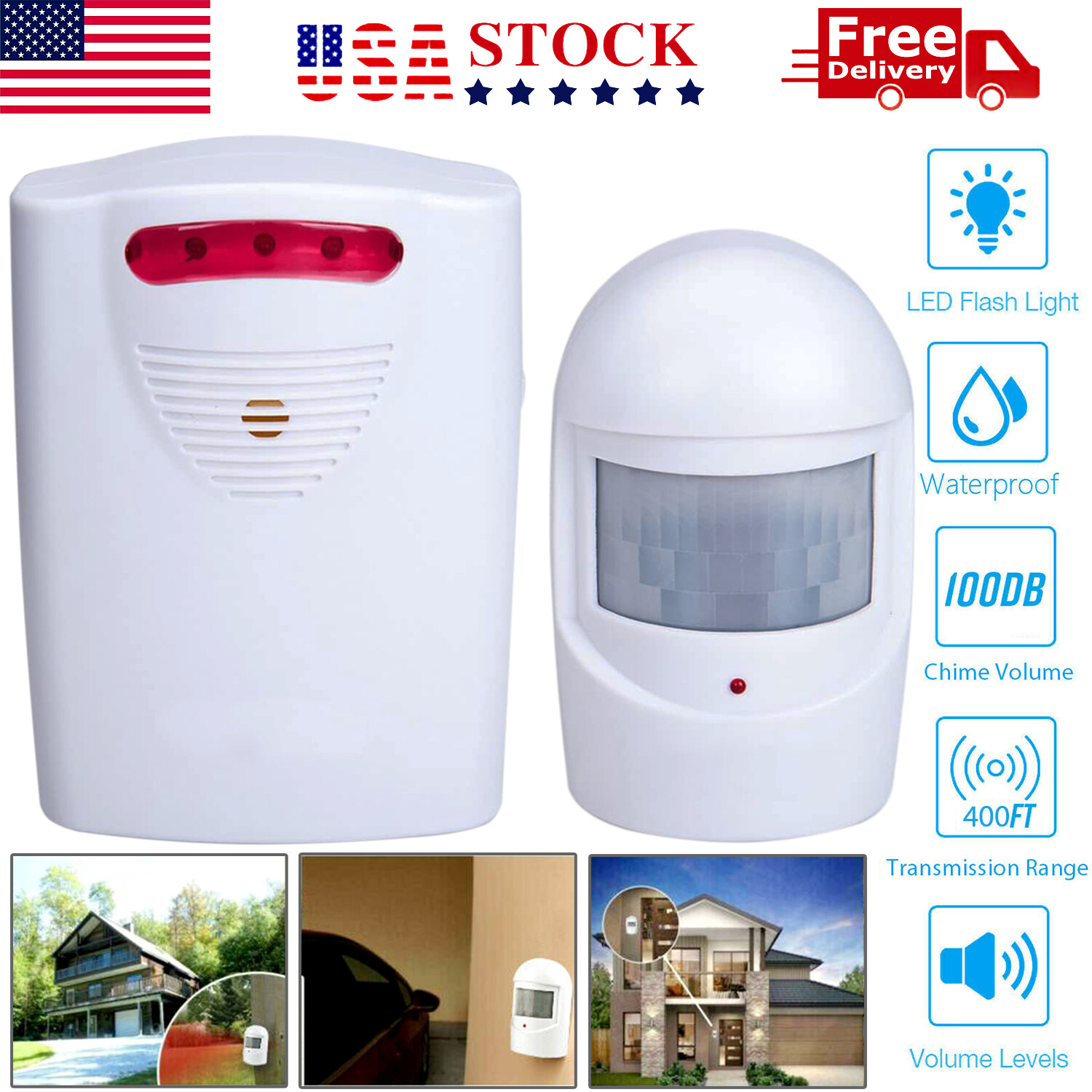 Wireless Driveway Alarm Infrared Motion Sensor Home Garage Alert Security System$15.89Last checked Nov 21, 2026View on eBay
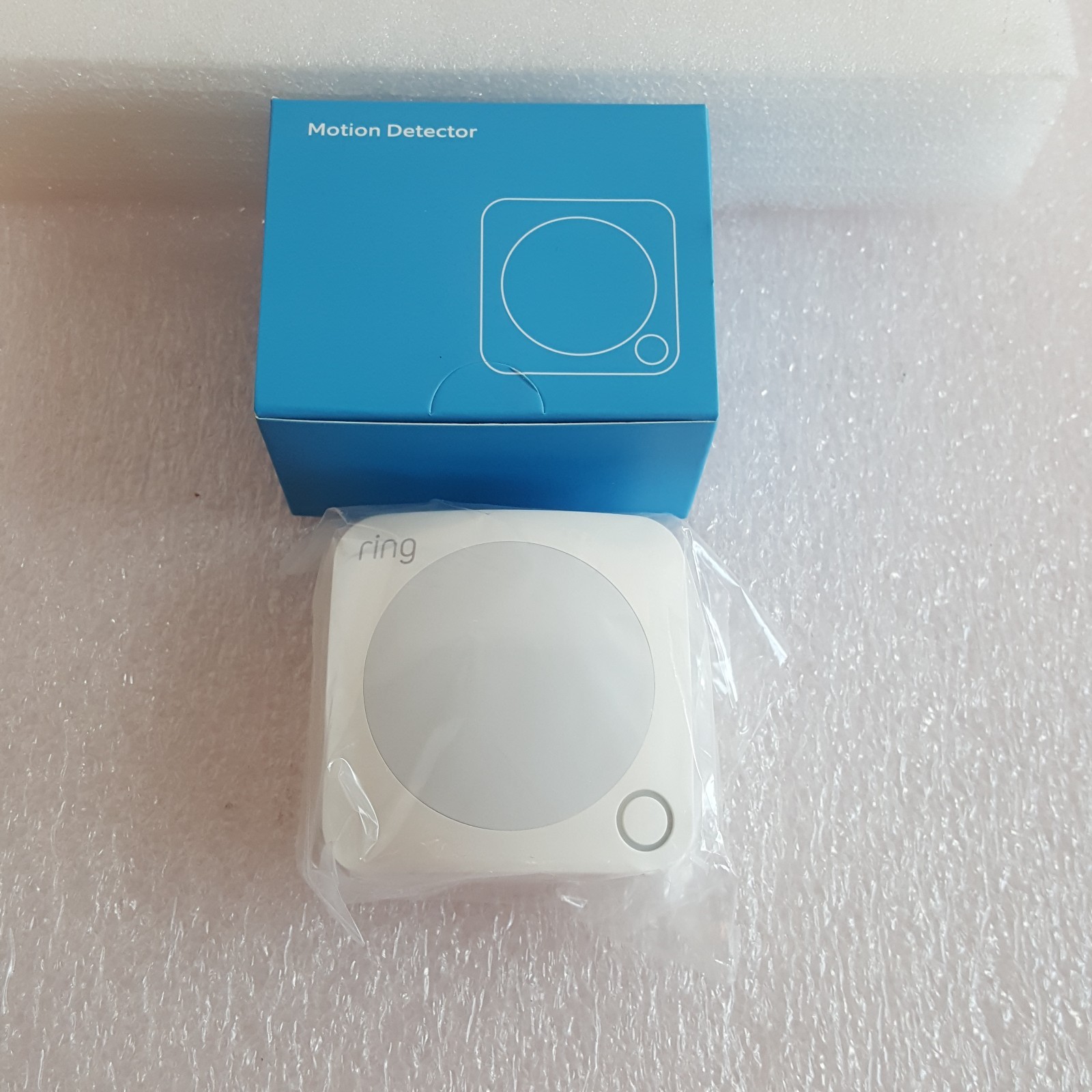 Ring Alarm Motion PIR Detector Sensor Home Security System Wireless Wifi 2nd Gen$24.77Last checked Nov 21, 2026View on eBay
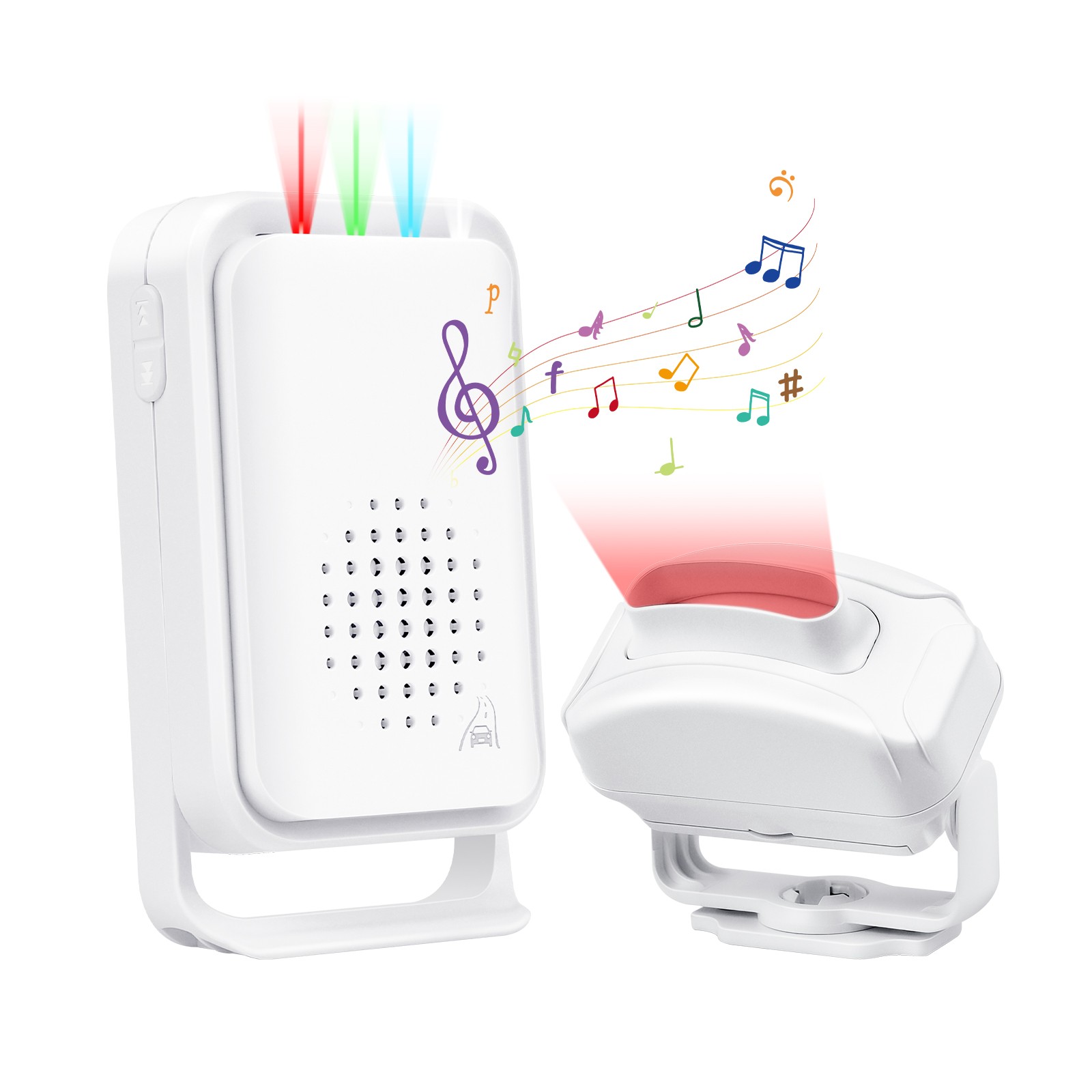 Wireless Driveway Alarm Waterproof Motion Infrared Sensor Home Security Doorbell$26.69View on eBay
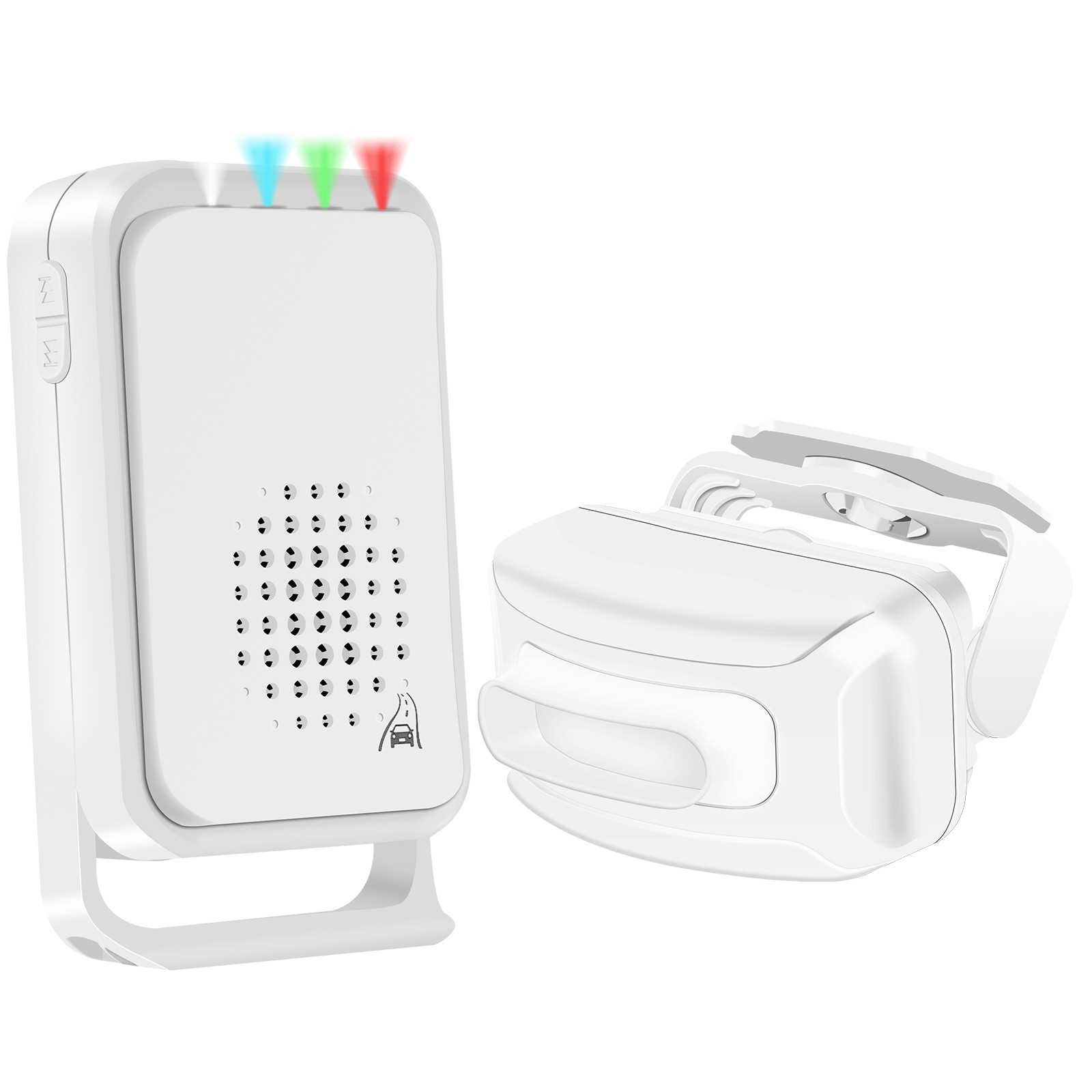 Wireless Driveway Alarm Infrared Motion Sensor Home Garage Alert Security System$27.39View on eBay
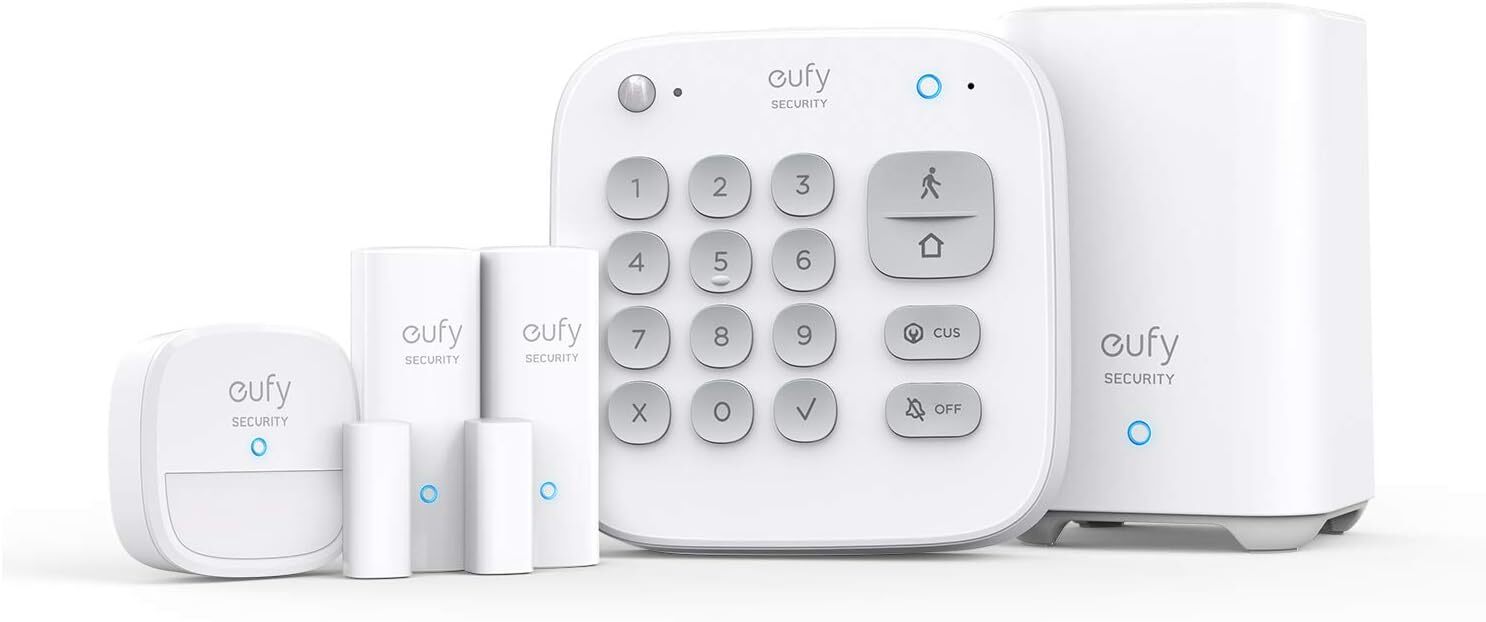 eufy 5-Piece Home Alarm Security System Kit Keypad Entry/Motion Sensor|Refurbish$99.99Last checked Nov 22, 2026View on eBay
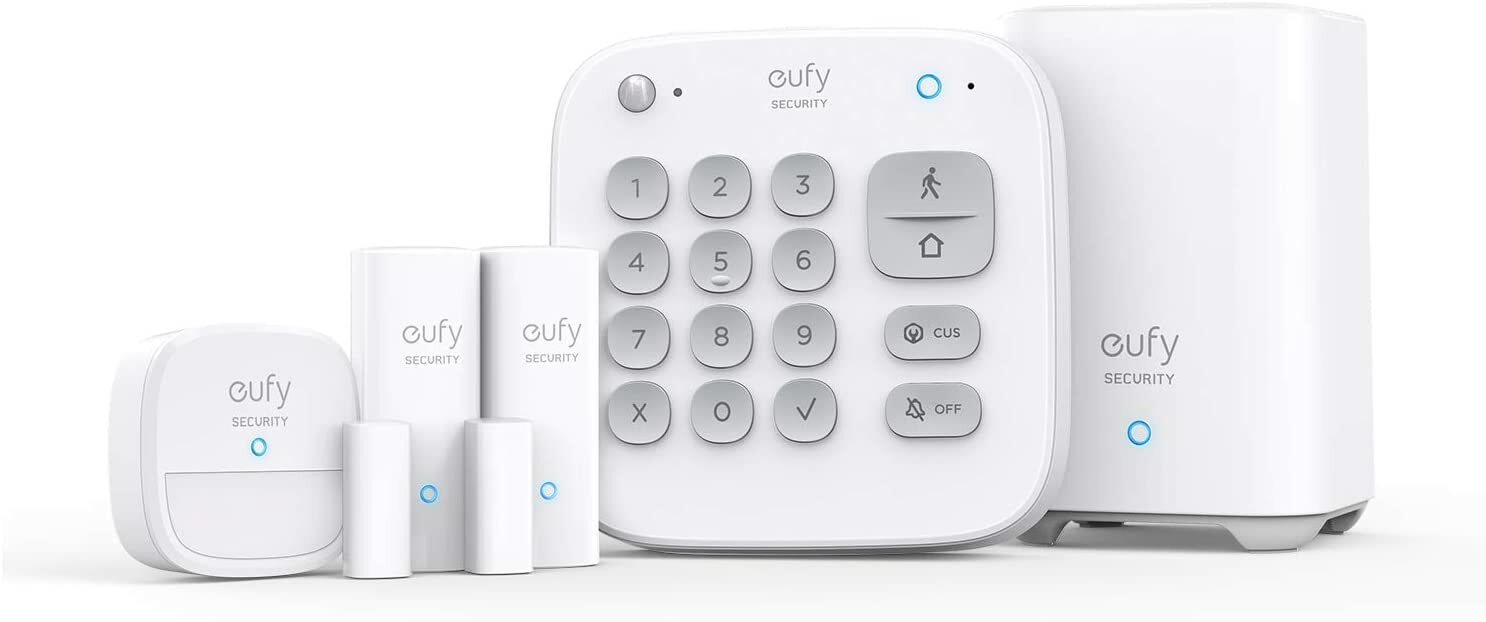 eufy 5-Pcs Wireless Alarm System Smart Home Security Kit Motion Sensor with App$159.99View on eBay
Highlights
- PIR detection range splits into two classes: driveway/receiver kits typically cover 20-40 ft with 60-110° fields, while outdoor siren units reach 30-40 ft and add pet-immunity jumpers.
- Outdoor units are rated IP55 or IP65; IP55 survives rain and dust but not direct jet spray, so exposed fence-line mounting needs IP65 and a silicone-sealed battery door.
- Siren loudness clusters at 120-130 dB at 1 m; 129 dB models are deterrent-grade for yards, while indoor chime receivers run 80-90 dB and are alert-grade only.
- Power architecture matters: solar + USB-rechargeable units avoid ladder trips, whereas AA-battery PIR sensors last 6-12 months but require manual seasonal replacement.
Best use cases
- Best fit for a driveway or gate: a wireless RF driveway alarm with a weatherproof PIR sensor and plug-in indoor receiver — no Wi-Fi, no app, works during outages; skip hub-based PIR sensors here.
- Best fit for a shed, yard, or farm perimeter: a solar-powered 129 dB siren unit with flashing LED, custom voice recording, and IP55+ housing; skip indoor chime-only kits that are not weather-sealed.
- Best fit for an apartment or rented room: a compact indoor PIR chime or a hub sensor (Ring/eufy-class) for phone alerts; skip 129 dB outdoor sirens — they are overkill and nuisance-prone indoors.
- Wrong fit: using a passive infrared sensor behind glass or aimed across a radiator/heater — thermal gradients and glass block PIR detection; choose a door/window contact sensor instead.
Buying tips
- Match detection math to your layout: a 110° sensor mounted 7 ft high covers roughly a 30 ft radius; narrow 60° sensors are better for corridors and fence lines to cut false triggers.
- For outdoor use, require IP65 and a detection range of at least 30 ft; for indoor rooms, an 80-90 dB chime receiver with adjustable sensitivity is sufficient.
- Check wireless protocol before mixing brands: 433 MHz RF kits pair sensor-to-receiver only within the same brand, while 2.4 GHz Wi-Fi/Zigbee/Z-Wave hubs require the matching hub and app.
- Prefer pet-immunity settings (typically ignoring targets under 40-55 lb) and dual PIR + microwave detection if you have free-roaming animals or swaying foliage.
Specs
| Detection Technology | PIR passive infrared; dual PIR+MW |
|---|---|
| Outdoor Rating | IP55 sheltered / IP65 exposed |
| Alarm Loudness | 80-90 dB chime / 120-130 dB siren |
| Connectivity | 433 MHz RF / Wi-Fi / Zigbee / Z-Wave |
Related searches
What to check before buying
- Measure the mounting height and coverage arc: mount PIR sensors 6.5-8 ft high and angled down 15-20° to avoid blind spots and heat-source false alarms.
- Confirm power: count how many sensors need batteries and whether the receiver needs a wall outlet; solar units still need 4-6 hours of direct sun daily.
- Check weather exposure: if the sensor faces direct rain or sprinklers, require IP65 and mount under an eave; IP55 is fine only for sheltered porches.
- Verify ecosystem compatibility: hub-based sensors (Ring/eufy-class) need their specific base station, and legacy 433 MHz receivers will not pair with Wi-Fi cameras.
FAQ
Data sources: eBay / Amazon listings and product attribute feeds. Updated Nov 22, 2026.
Some links on this page are affiliate links. If you buy after clicking one, we may earn a commission at no extra cost to you. This does not change which products appear here or their order. Affiliate disclosure.