
Photos from current listings. Actual item, color, and included accessories may vary.
Home Security System With Outdoor Camera Buying Guide
A home security system with outdoor camera combines weatherproof imaging hardware with a recorder or cloud pipeline to cover entries, driveways, and yards. The core trade-off is wired PoE reliability and continuous recording versus wireless battery/solar convenience with detection-only clips. Buy wired NVR kits when you can run one cable per camera; buy wireless only if Wi-Fi reach and recharging are genuinely manageable.
At a glance
- Category
- Home Security
- Last updated
- Nov 22, 2026
Current offers
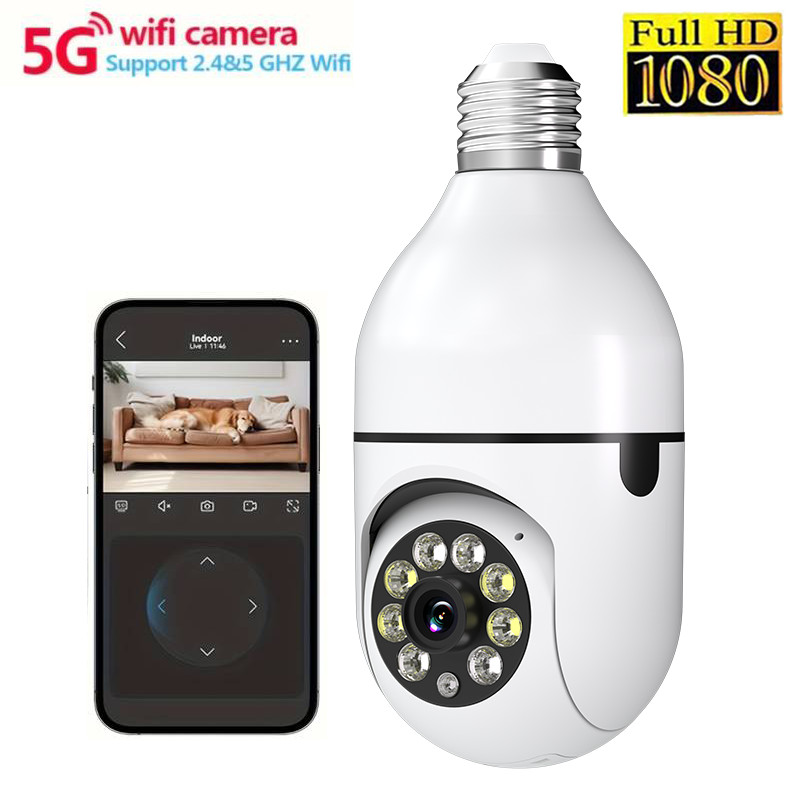 Wireless Security Camera System Outdoor Home 5G Wifi Night Vision Cam 1080P$13.30View on eBay
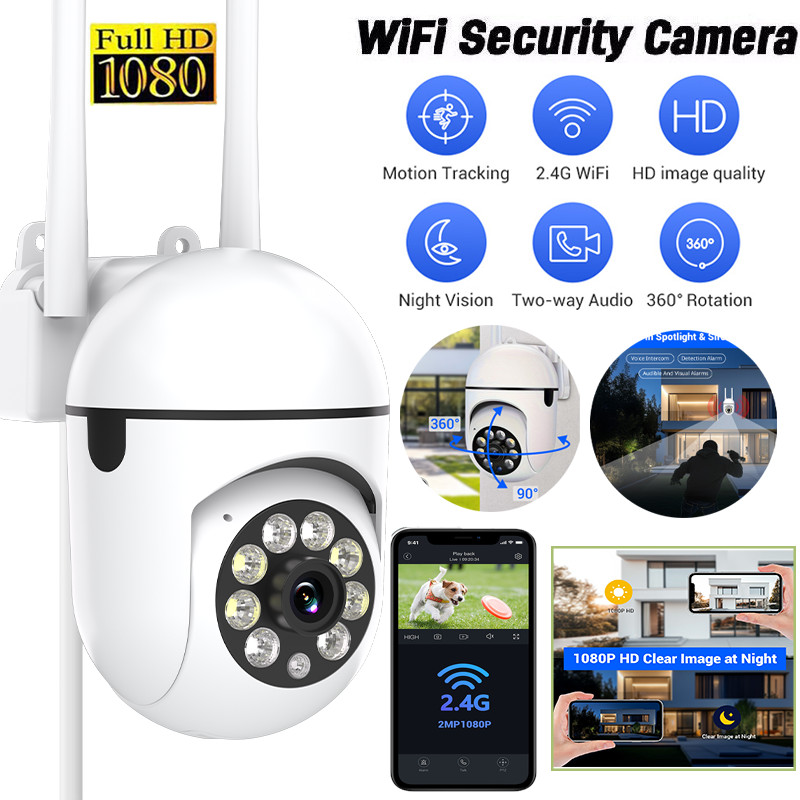 2.4G WIFI Security Camera System Outdoor Home Night Vision Wired Cam 1080P HD$14.24Last checked Nov 20, 2026View on eBay
 Security Camera System 2.4G WIFI Outdoor Home Night Vision Wired Cam 1080P$14.24Last checked Nov 20, 2026View on eBay
 Security Camera System Outdoor Indoor Home Wireless Wifi Night Camera HD1080P~$17.99View on eBay
 ANRAN Camera Monitor 5MP Home Security System Wireless Outdoor Solar Battery IR$19.99View on eBay
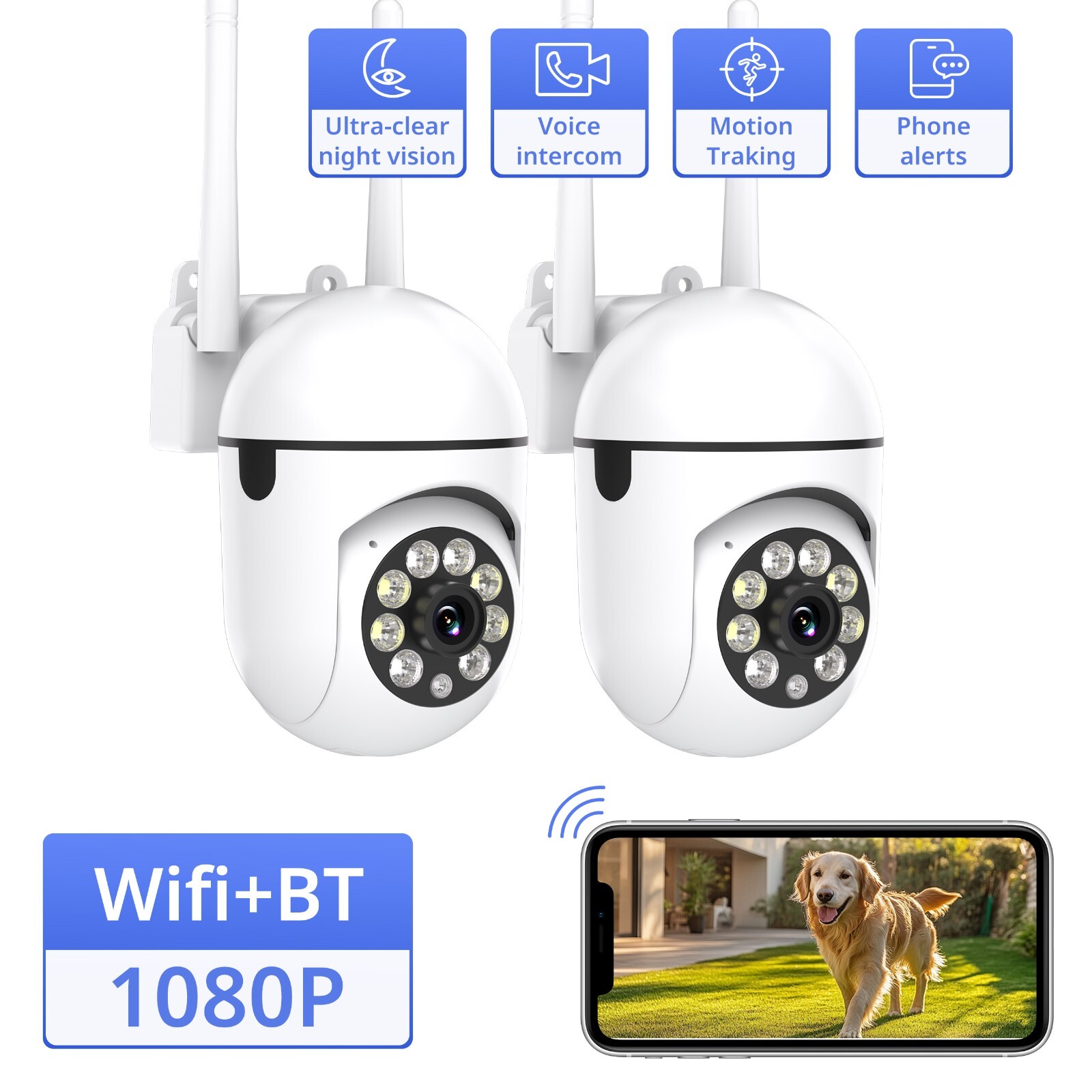 2PCS Security Camera System Outdoor Night Vision 1080P 2.4GWIFI Home Wired Cam$21.65View on eBay
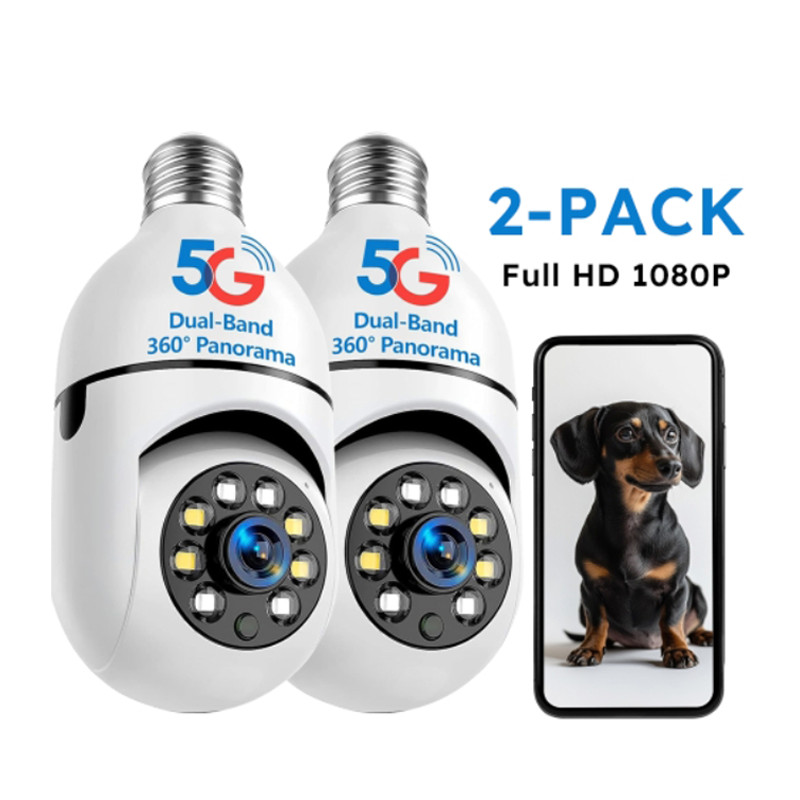 Wireless Security Camera System Outdoor Home 5G Wifi Night Vision Cam 1080P!$21.99View on eBay
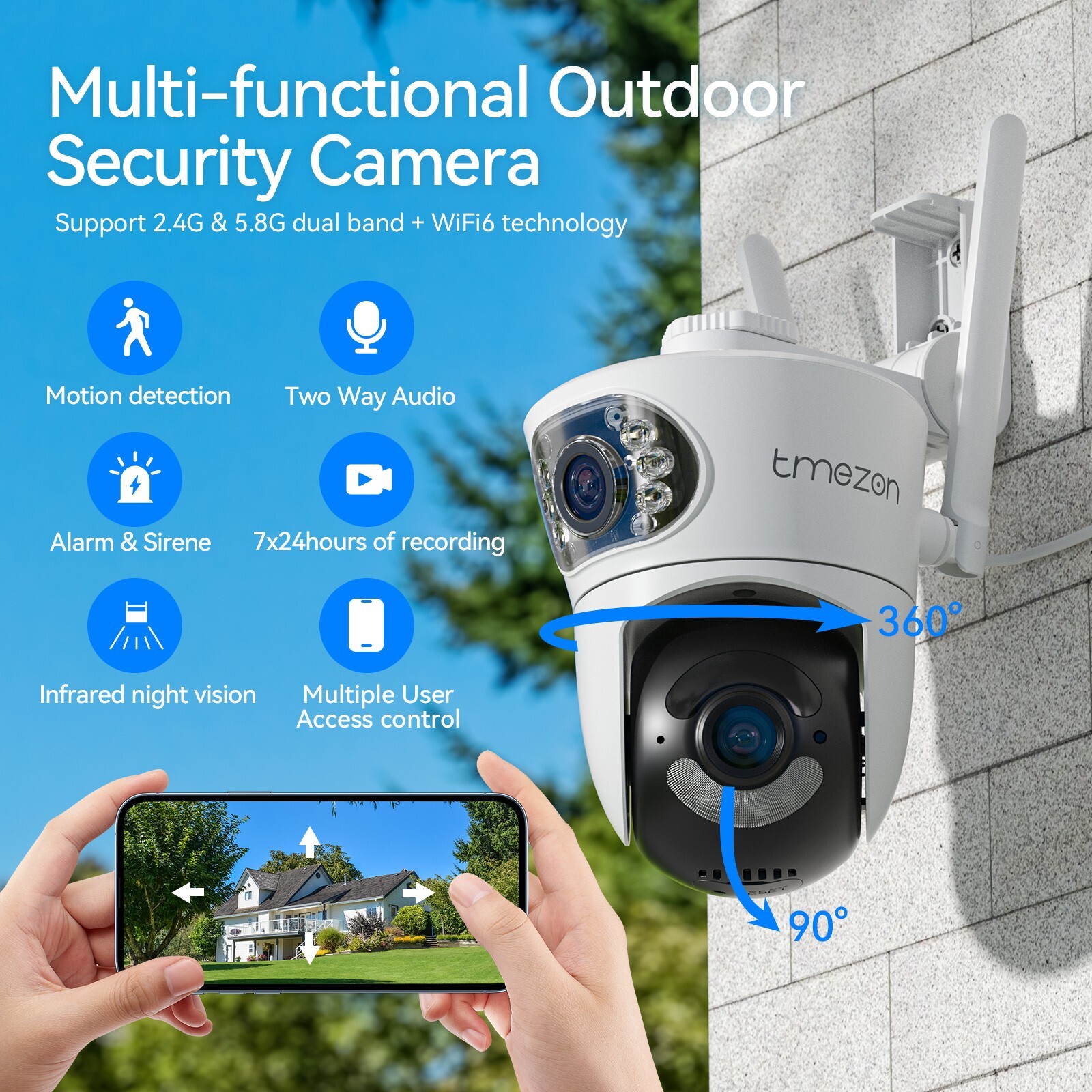 4MP Wireless Security Cameras System Outdoor Home Dual Lens Wifi Night Vision$28.99Last checked Nov 21, 2026View on eBay
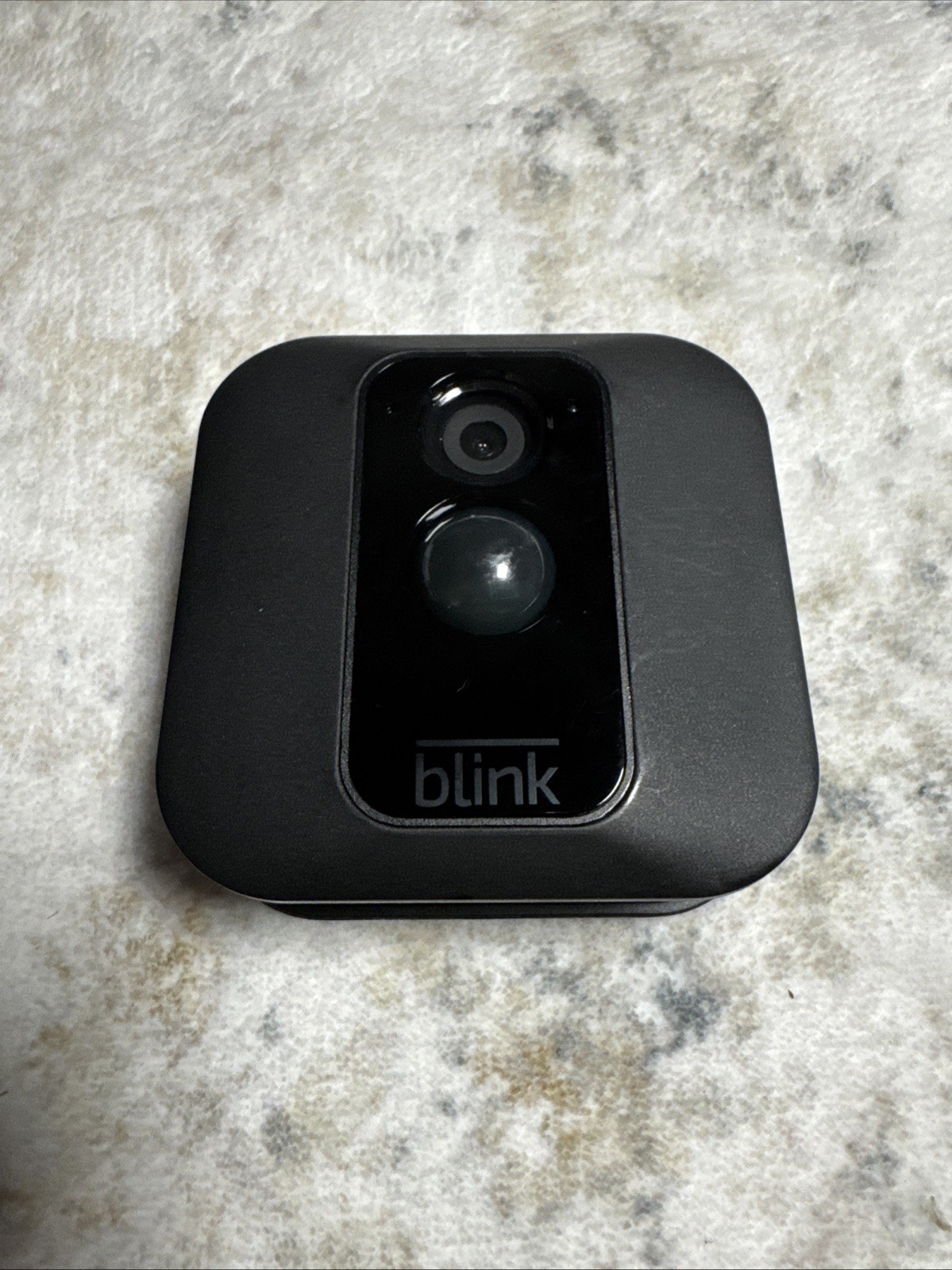 Blink BCM00600U (Wireless) (Indoor/Outdoor) Home Security Camera System$34.49View on eBay
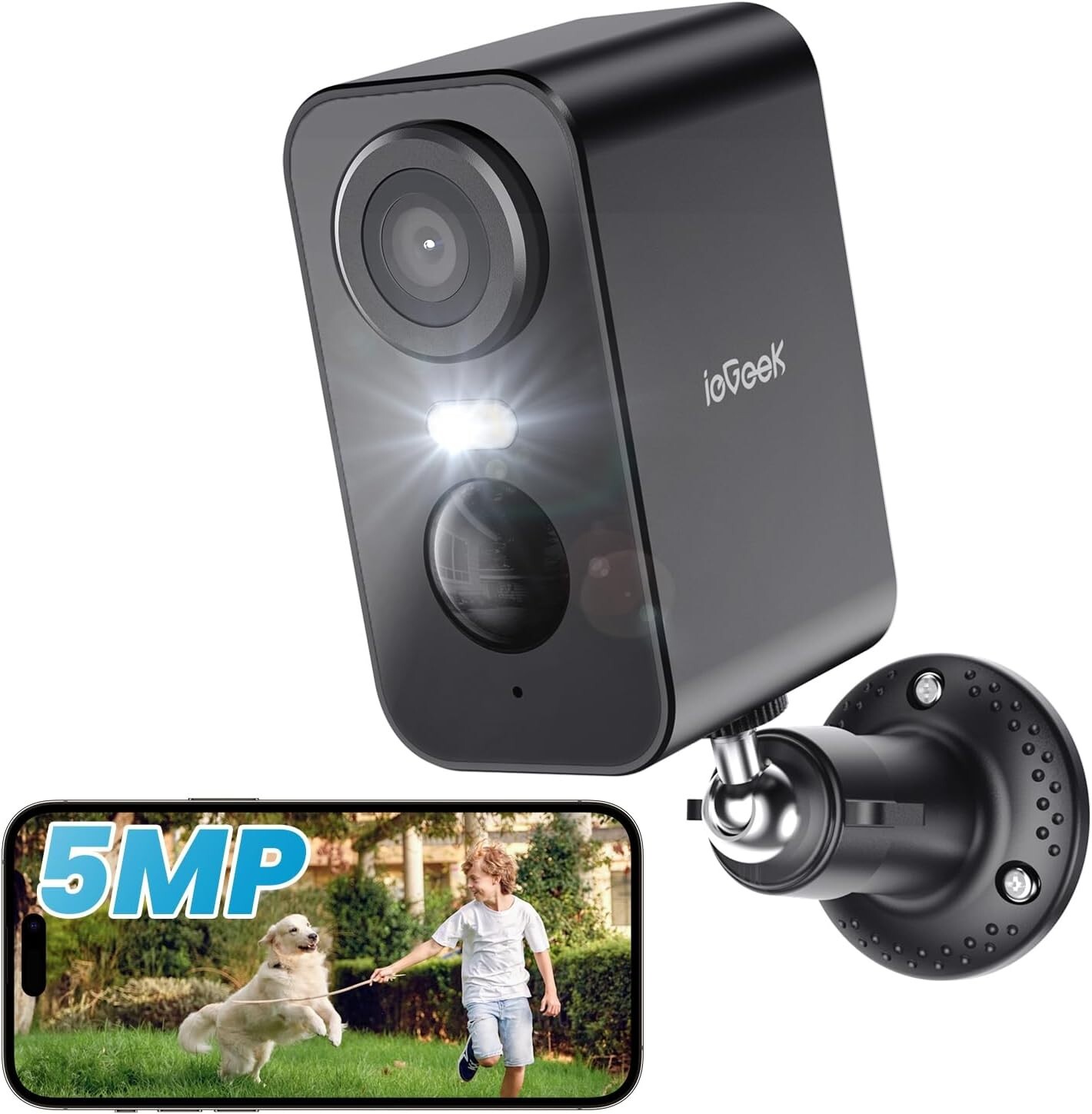 ieGeek Wireless Outdoor 5MP Security Camera Home Battery WiFi CCTV System Alexa$35.99Last checked Nov 19, 2026View on eBay
 Camoon Home Security Camera System Solar Panel 360°PTZ Wireless 2K Outdoor Audio$37.99View on eBay
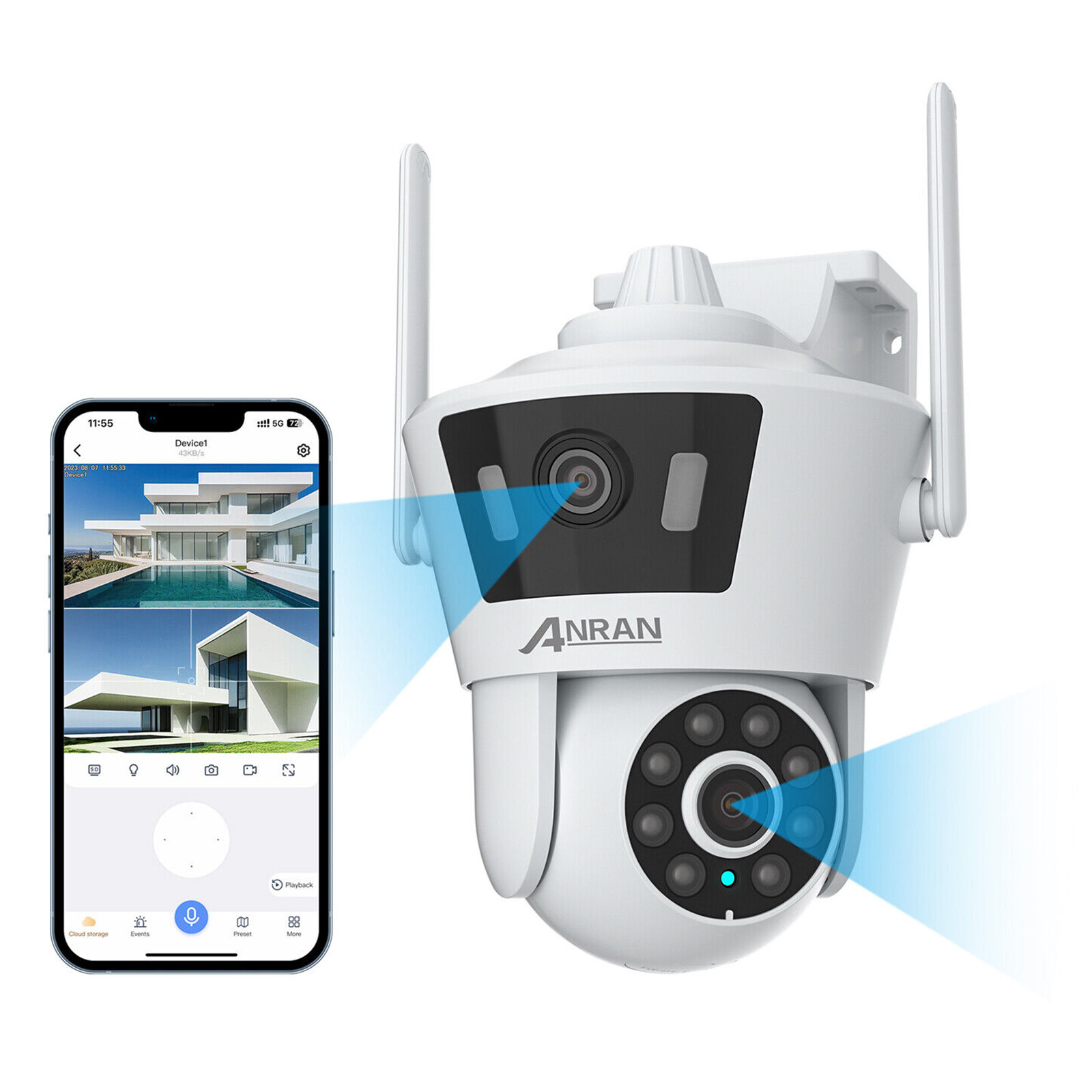 ANRAN Wireless Security Cameras System Outdoor Wifi Home Dual Lens Night Vision$39.99Last checked Nov 21, 2026View on eBay
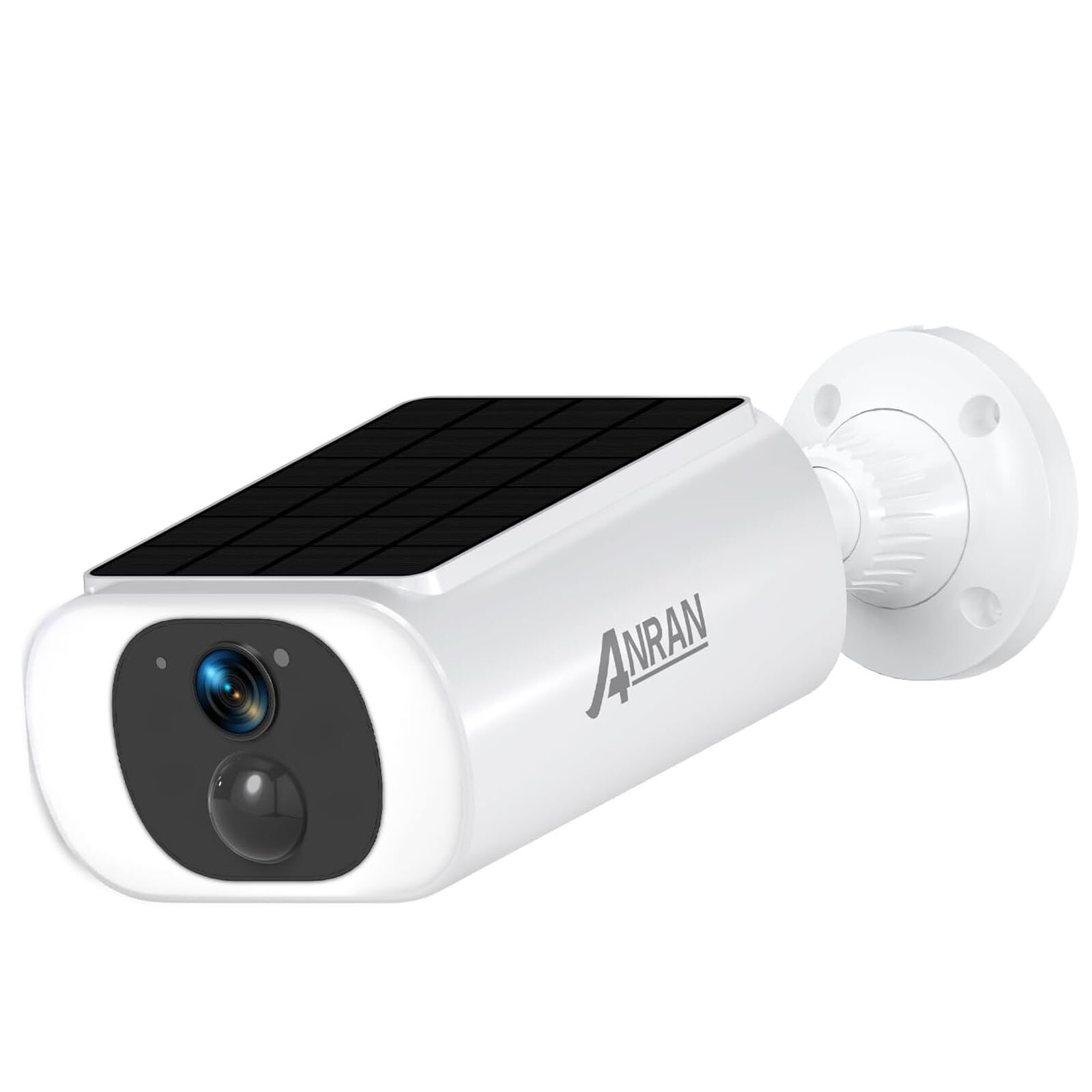 ANRAN Wireless Solar Battery Powered Wifi Home Security Camera System Outdoor IR$39.99Last checked Nov 20, 2026View on eBay
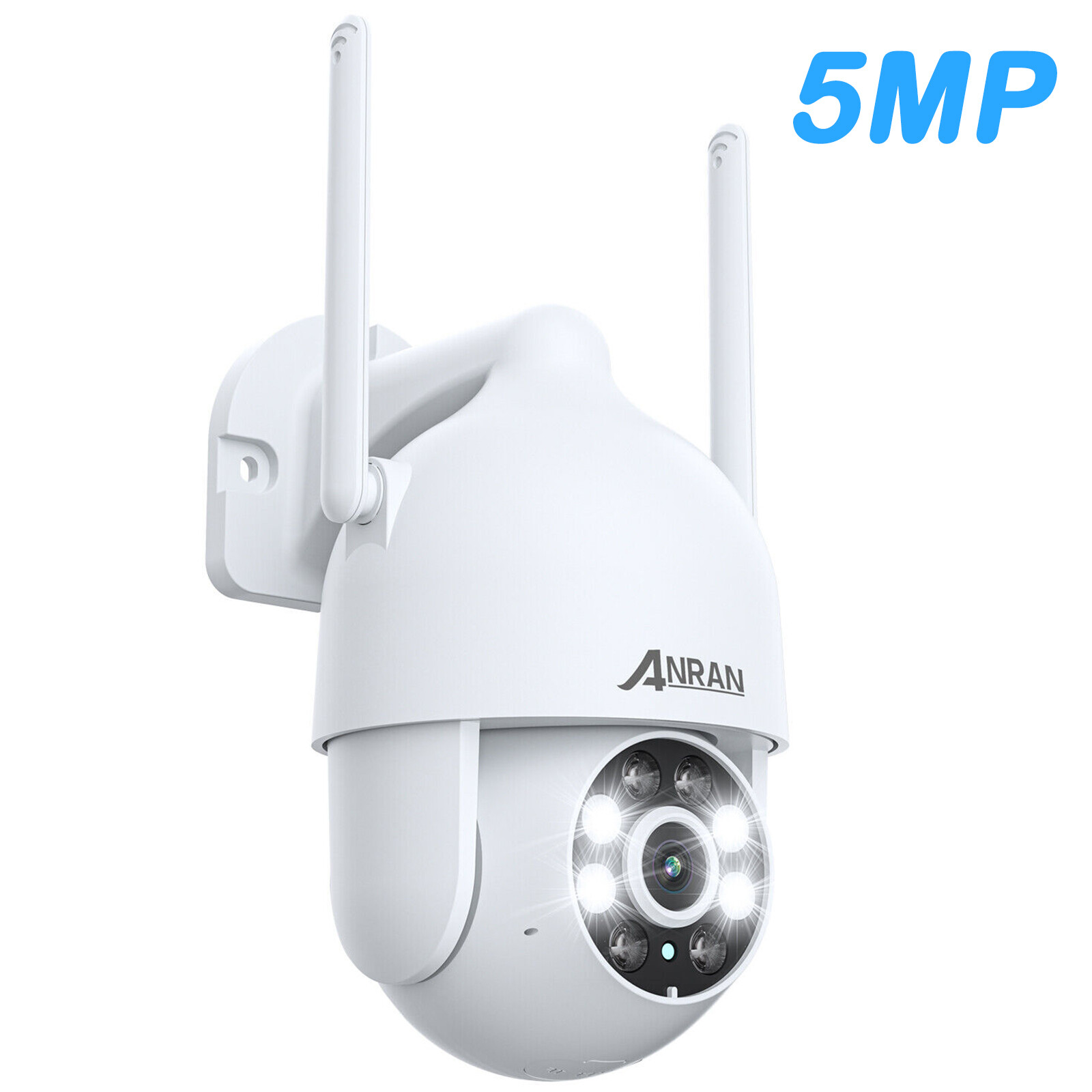 ANRAN Home Security Camera 5MP Home Wireless Outdoor Camera System IP66 Outdoor$39.99View on eBay
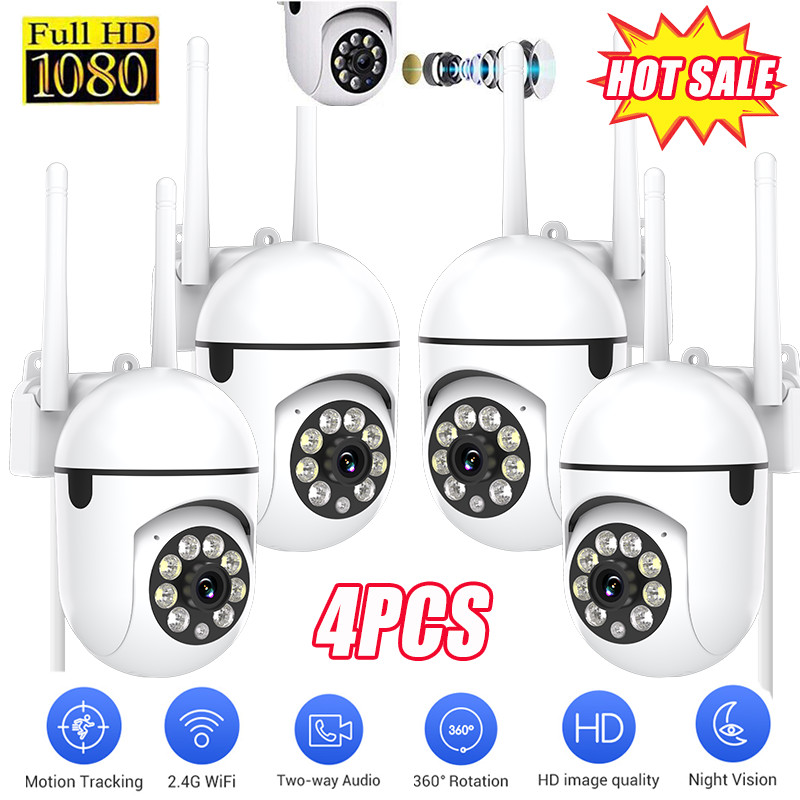 4PCS Security Camera System 2.4G WIFI Outdoor Home Night Vision Wired Cam 1080P$40.84Last checked Nov 19, 2026View on eBay
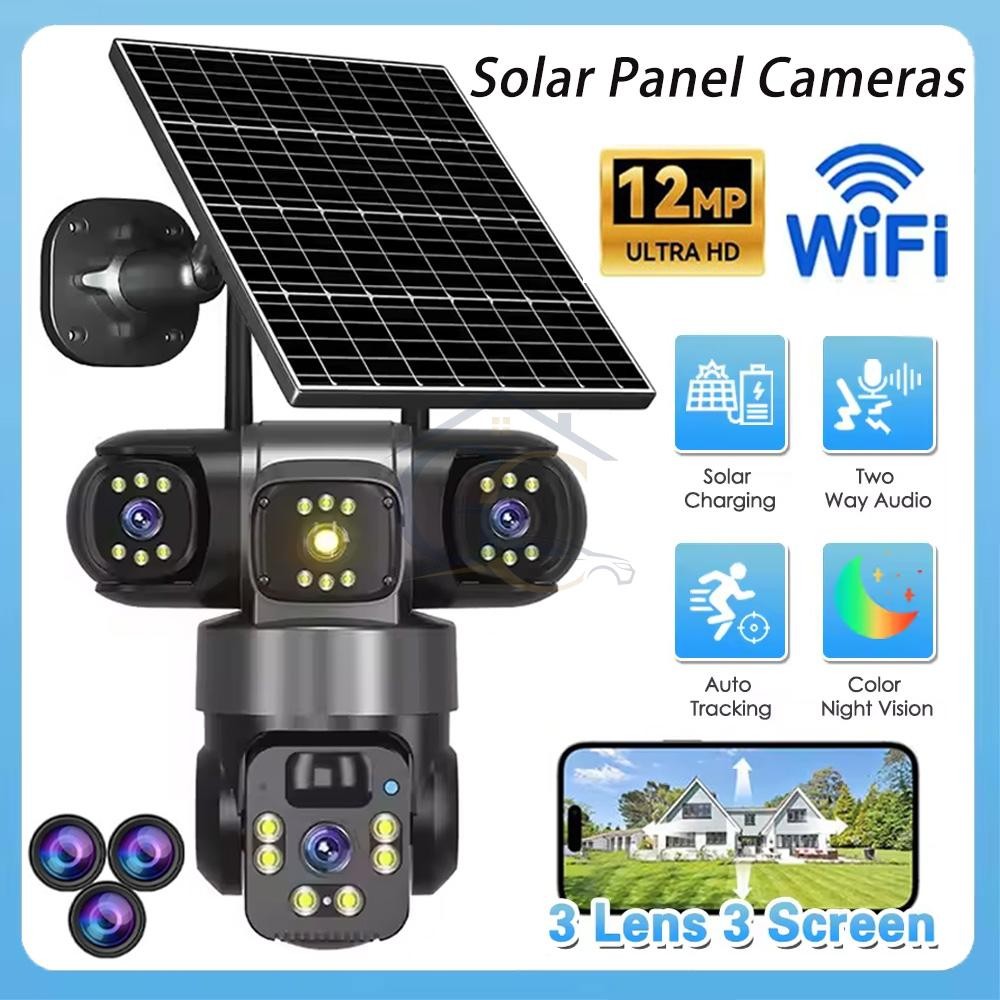 Solar Battery Powered Wireless WiFi Home Security Camera System Outdoor Pan/Tilt$48.99Last checked Nov 22, 2026View on eBay
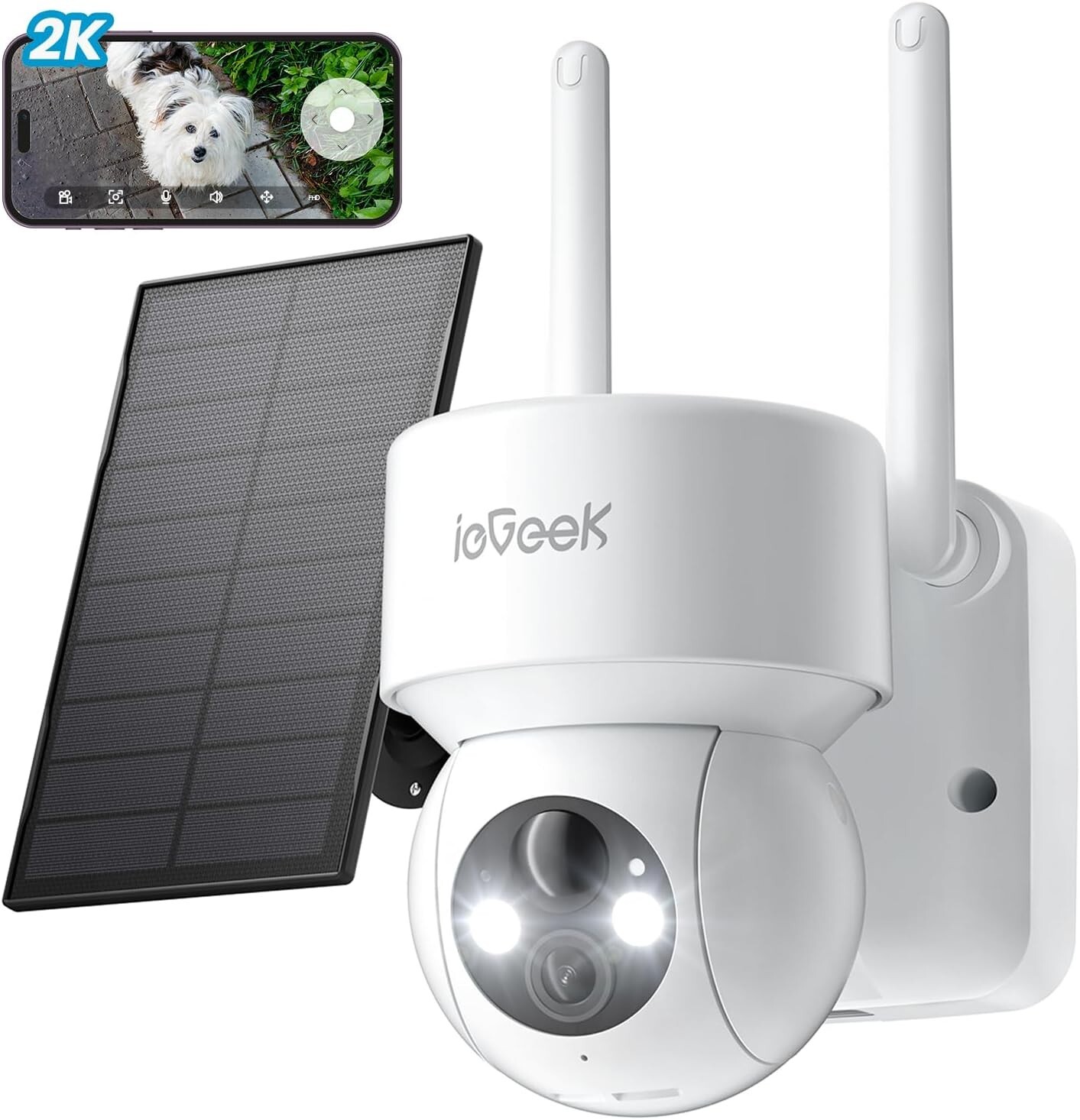 ieGeek Outdoor Wireless 2K Solar Security Camera Home WiFi Battery CCTV System$49.99Last checked Nov 19, 2026View on eBay
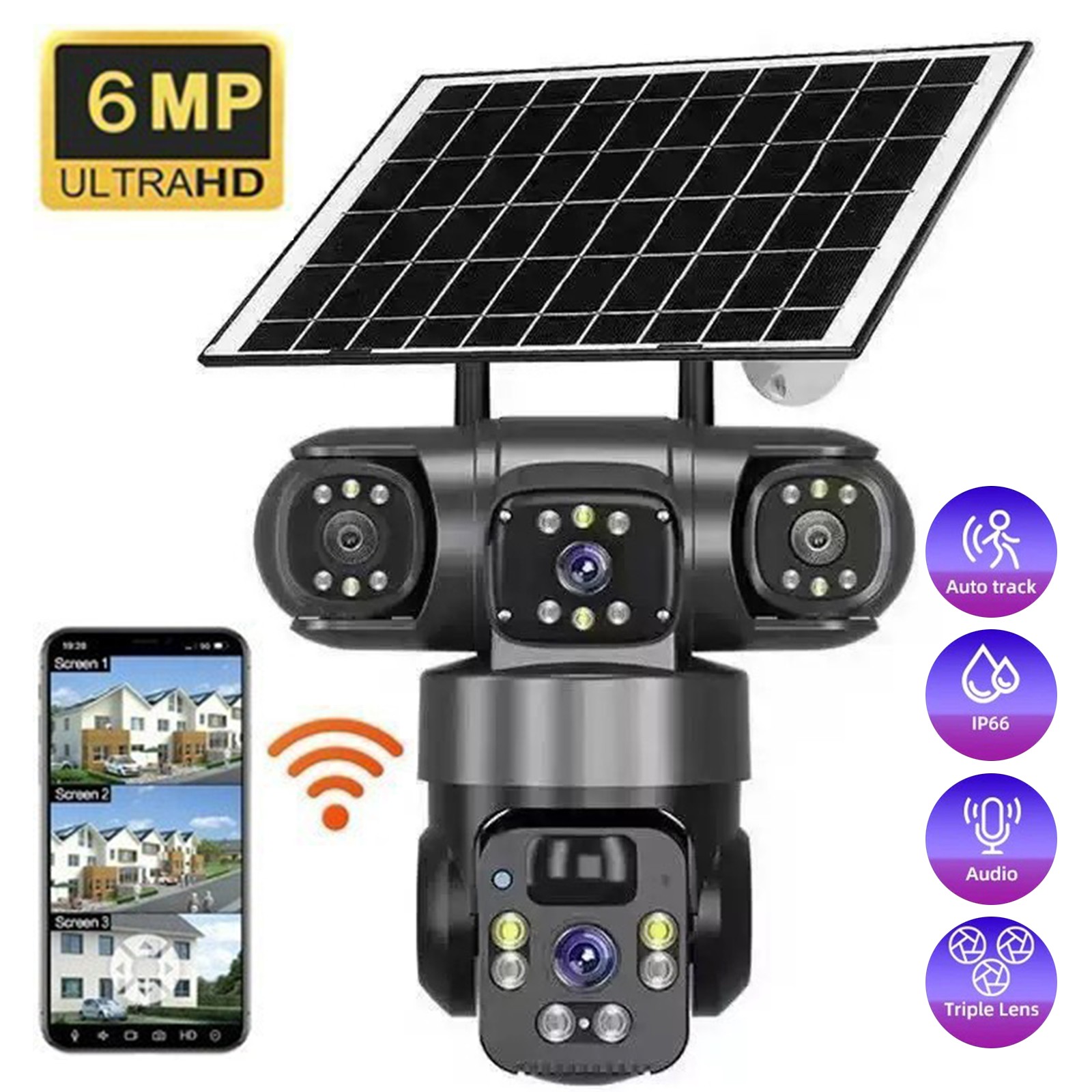 Solar Battery Powered Wireless WiFi Home Security Camera System Outdoor Pan/Tilt$52.99Last checked Nov 20, 2026View on eBay
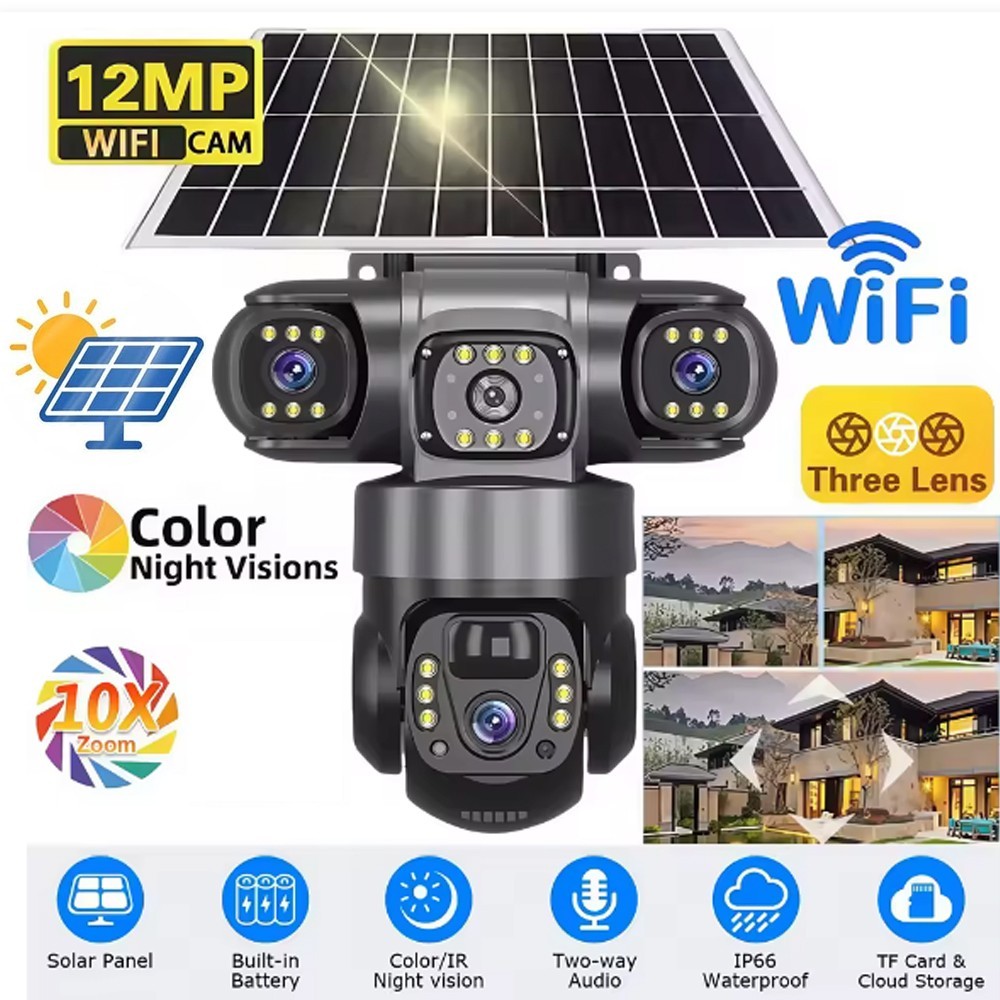 Solar Battery Powered Wireless WiFi Home Security Camera System Outdoor Pan/Tilt$53.69View on eBay
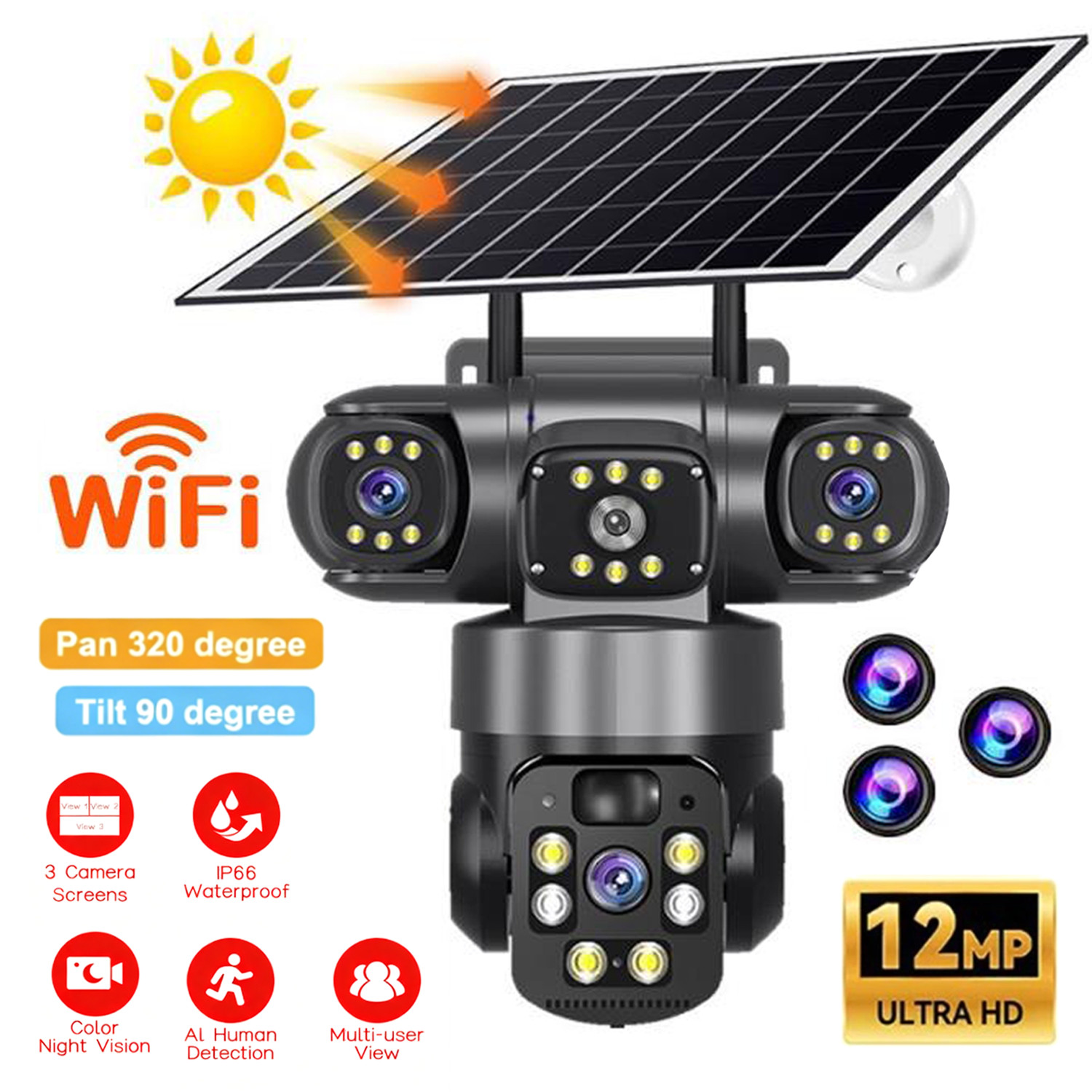 Solar Battery Powered Wireless WiFi Home Security Camera System Outdoor Pan/Tilt$54.99View on eBay
Highlights
- Wired PoE systems carry power and data on one Ethernet run, enabling 24/7 recording without battery swaps or Wi-Fi dropouts.
- Battery/solar cameras record on motion only; continuous 4MP+ streaming drains cells in days regardless of solar panel wattage.
- Outdoor rating must be IP65 or higher; IP66/IP67 handles driving rain and dust, while 'weatherproof' plastic bullet housings often fail at the cable gland.
- Resolution tiers: 1080p identifies faces at 3-5 m, 4MP at 5-8 m, 4K/8MP at 10-15 m; sensor size and lens aperture matter as much as pixel count.
Best use cases
- Choose a PoE NVR kit with 4-8 IP66 bullet or turret cameras for full-perimeter 24/7 coverage where attic or soffit cable runs are feasible; skip battery cams for constant-recording needs.
- Choose solar/battery Wi-Fi cameras for renters or remote gates with strong 2.4 GHz signal and 2-4 daily events; skip them for busy streets with constant motion that exhausts batteries.
- Choose a 4MP dual-lens PTZ for driveway and yard pan-tilt coverage; skip fixed 1080p bullets when license-plate or face identification beyond 5 m is required.
Buying tips
- Match NVR channels to camera count plus two spare ports; an 8-channel NVR with 8 cameras leaves no upgrade path for a future gate or side-yard cam.
- Budget storage: one 4MP camera at 24/7 recording uses roughly 15-25 GB/day; a 2 TB drive supports about 4 cameras for two weeks at H.265.
- For Wi-Fi cameras, confirm 2.4 GHz RSSI of -65 dBm or better at the mount point; 5 GHz outdoor range is short and wall-penetration poor.
- Prefer ONVIF-compliant cameras and NVRs to mix brands and avoid locked cloud subscriptions; proprietary kits limit replacement options.
Specs
| Power Method | PoE wired vs battery/solar |
|---|---|
| Outdoor Rating | IP65 minimum; IP66/IP67 preferred |
| Resolution Tier | 1080p / 4MP / 4K (8MP) |
| Recording Mode | 24/7 NVR vs motion-only |
Related searches
What to check before buying
- Measure cable run from NVR or PoE switch to each corner; Ethernet is reliable to 100 m per run before needing a midspan switch.
- Verify mount height 2.5-3 m and lens angle covering entry paths, not just sky; check soffit depth and wall material for anchors.
- Confirm outdoor temps within camera rating (commonly -20°C to 60°C) and that solar panels get 4+ hours direct sun for battery cams.
- Check power: PoE needs an 802.3af/at switch or NVR; battery cams need 5V USB-C or included solar panel and a 2.4 GHz router band.
FAQ
Data sources: eBay / Amazon listings and product attribute feeds. Updated Nov 22, 2026.
Some links on this page are affiliate links. If you buy after clicking one, we may earn a commission at no extra cost to you. This does not change which products appear here or their order. Affiliate disclosure.