
Photos from current listings. Actual item, color, and included accessories may vary.
Home Safe Buying Guide
A home safe is a rigid steel container with a locking mechanism—digital keypad, fingerprint, or key—designed to protect documents, jewelry, cash, and firearms from opportunistic theft and tampering. The primary trade-off is steel gauge and door-bolt count versus portability and cost: thicker bodies and more bolts delay forced entry, while lighter safes are easier to move and conceal. The clear rule: choose a safe whose body steel is at least 12-gauge (or 14-gauge with a full frame) and whose door has active locking bolts on all four sides if you need real burglary resistance; skip thin 16-gauge “security boxes” if you are guarding anything beyond petty cash.
At a glance
- Category
- Home Security
- Last updated
- Nov 22, 2026
Current offers
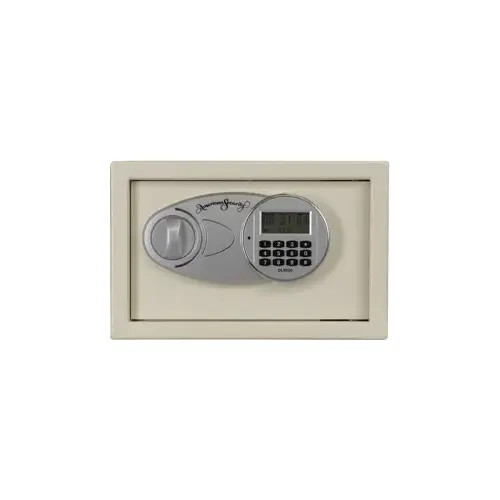 AMERICAN SECURITY PRODUCTS EST813 Home Security Safe 16lbs Cream DL600 Keypad$171.53View on eBay
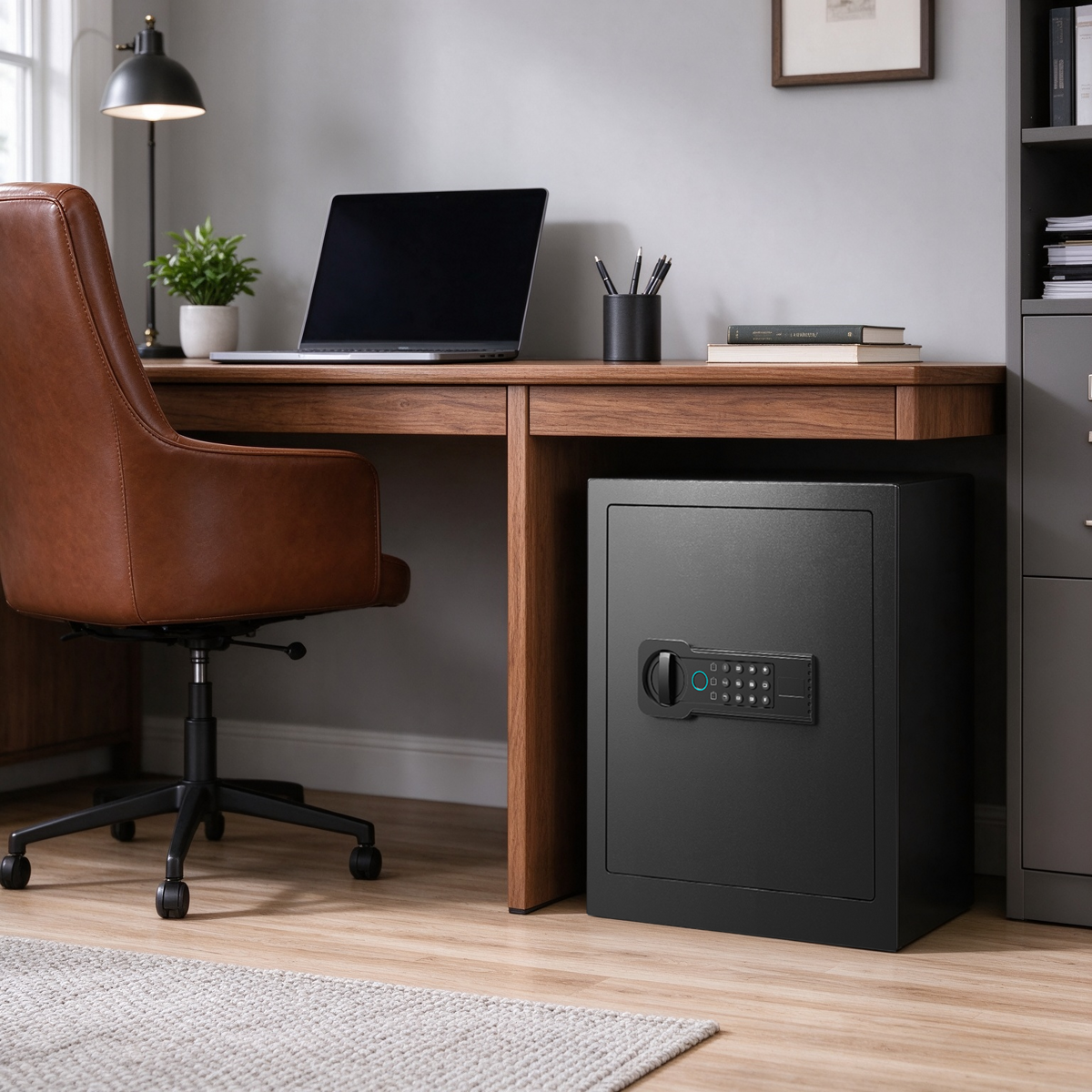 Home Safe, Featuring Fingerprint & Digital Password Design, Built-in Alarm System and Silent Mode, Black$167.99View on Mallflare
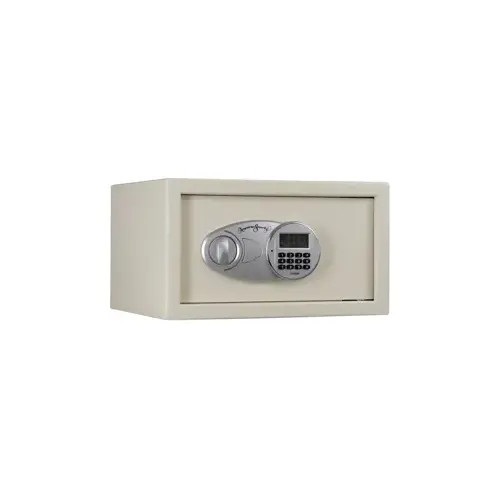 AMERICAN SECURITY PRODUCTS EST916 Home Security Safe 30 lbs DL600 Keypad Cream$245.73Last checked Nov 14, 2026View on eBay
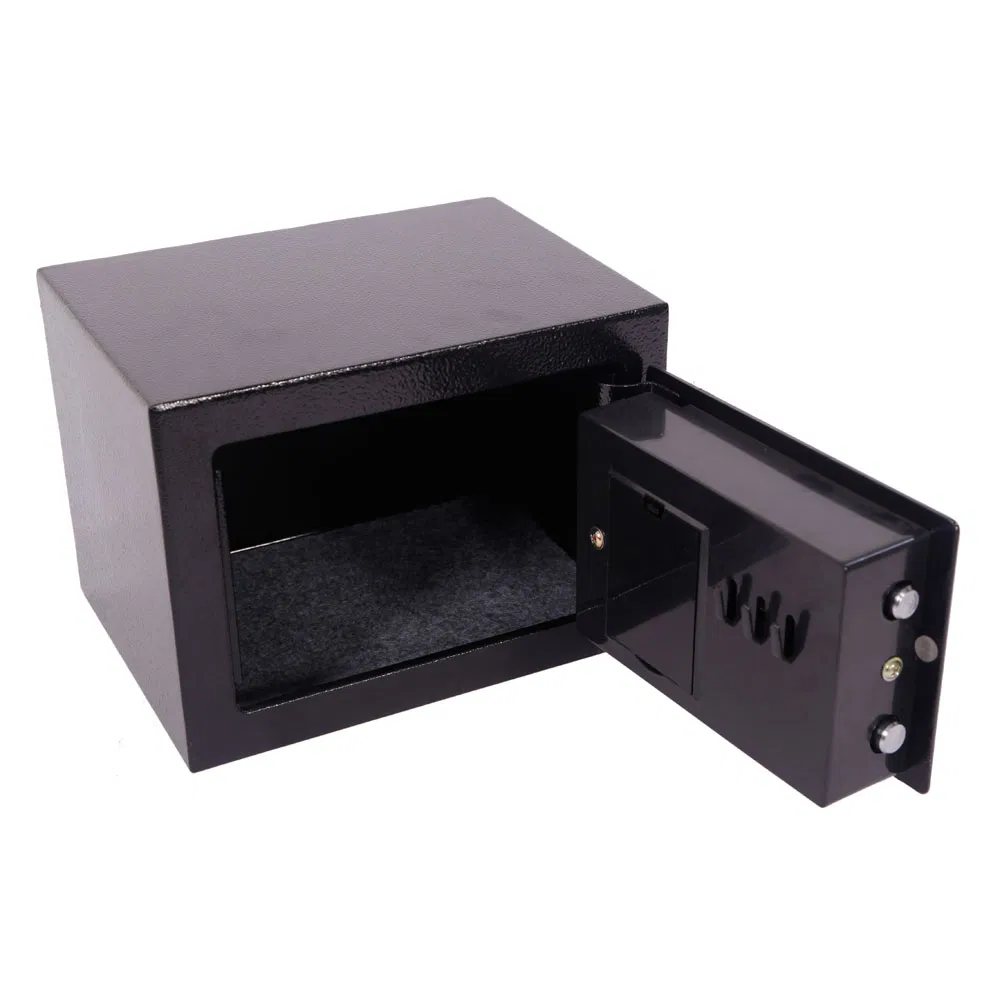 17E Home Use Electronic Password Steel Plate Safe Box Black$30.99View on Mallflare
 AMERICAN SECURITY PRODUCTS EST2014 Home Security Safe 40 lbs DL600 Keypad Cream$297.57Last checked Nov 17, 2026View on eBay
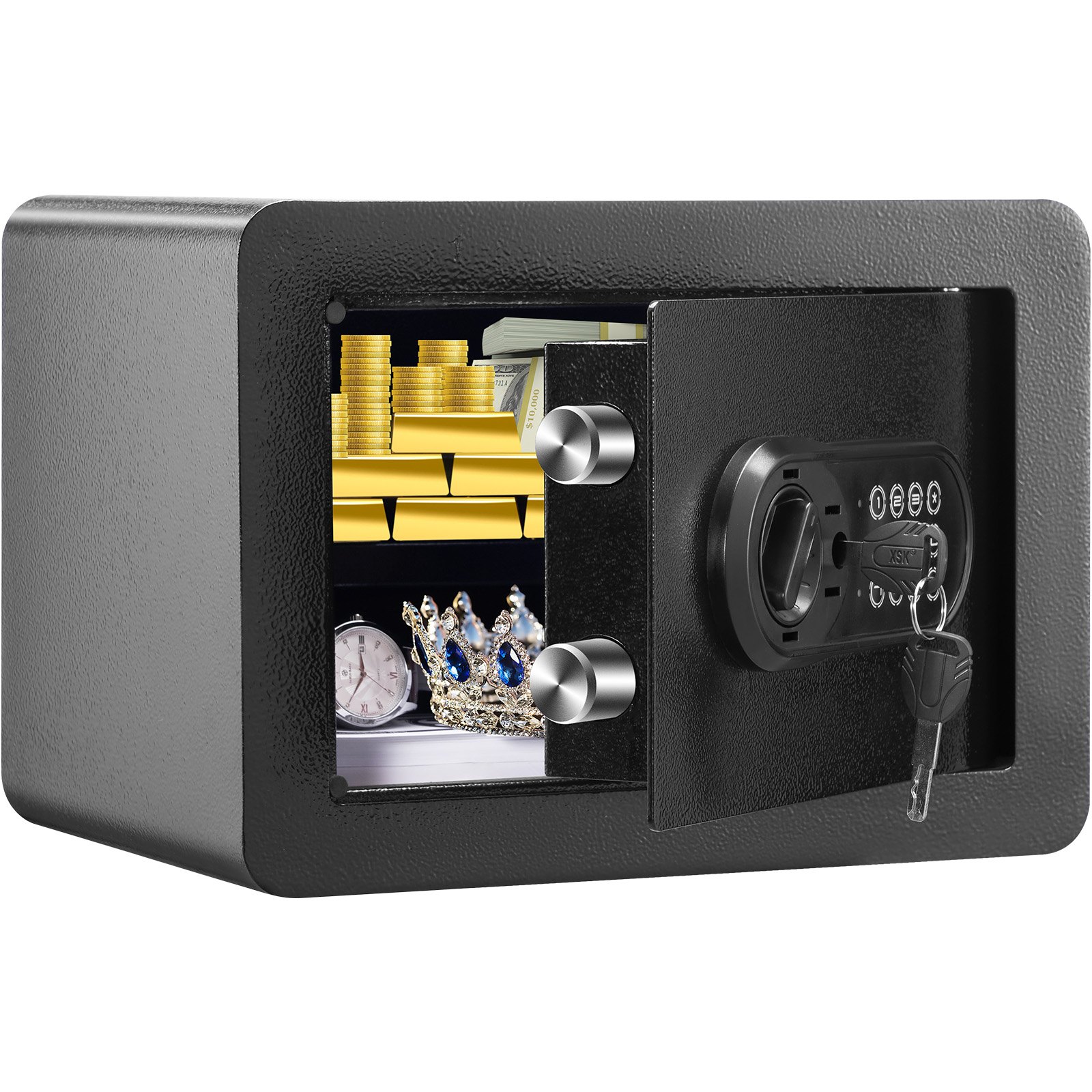 Safe, 0.5 Cubic Feet Home Steel Security With Digital Keypad And 2 Keys, Wall-Mounted Cabinet Protect Cash, Gold, Jewelry, Documents For Hotel, 13.8 X 9.8 X 9.8 Inches$82.99View on Mallflare
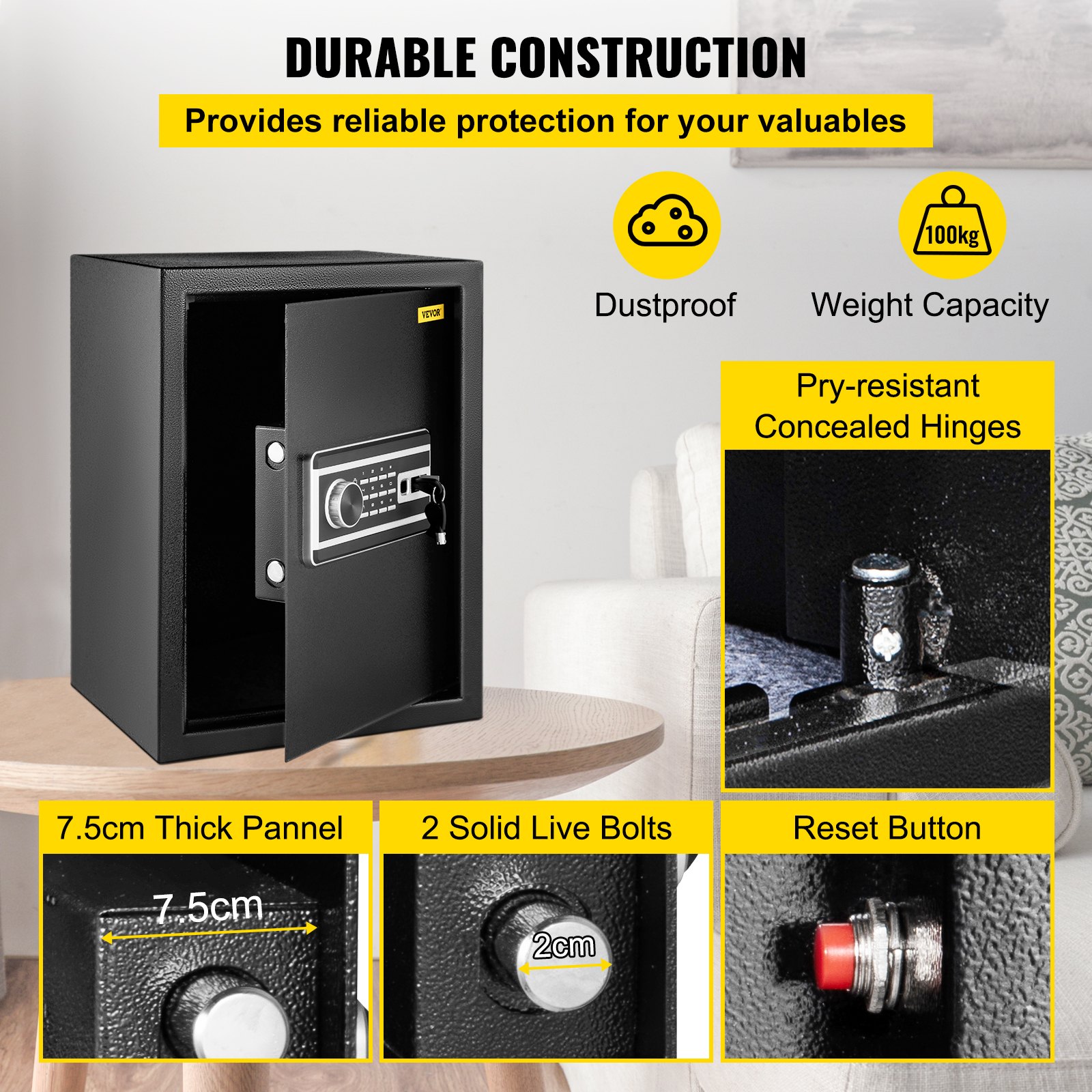 Safe Box, 2.1 CU.FT Fingerprint Box For Money 2 Keys & Digital Keypad, Q235 Steel Box For Storing Cash, Jewelry, Pistols, Documents, Watches In Home & Office & Hotel$109.99View on Mallflare
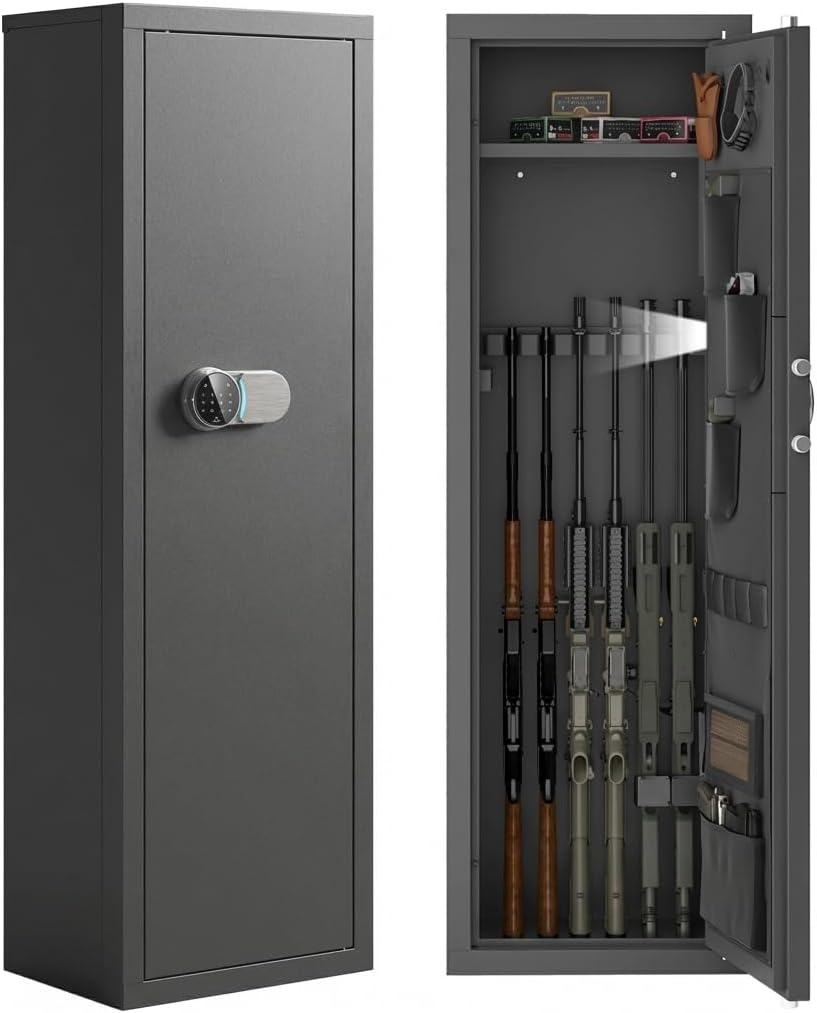 12-15 Gun Safe For Rifles And Pistols, Large Gun Cabinet With Digital Keypad Lock, Anti-Pry Steel Security Adjustable Shelves & Pistol Holster For Home Defense & Hunting Storage$157.99View on Mallflare
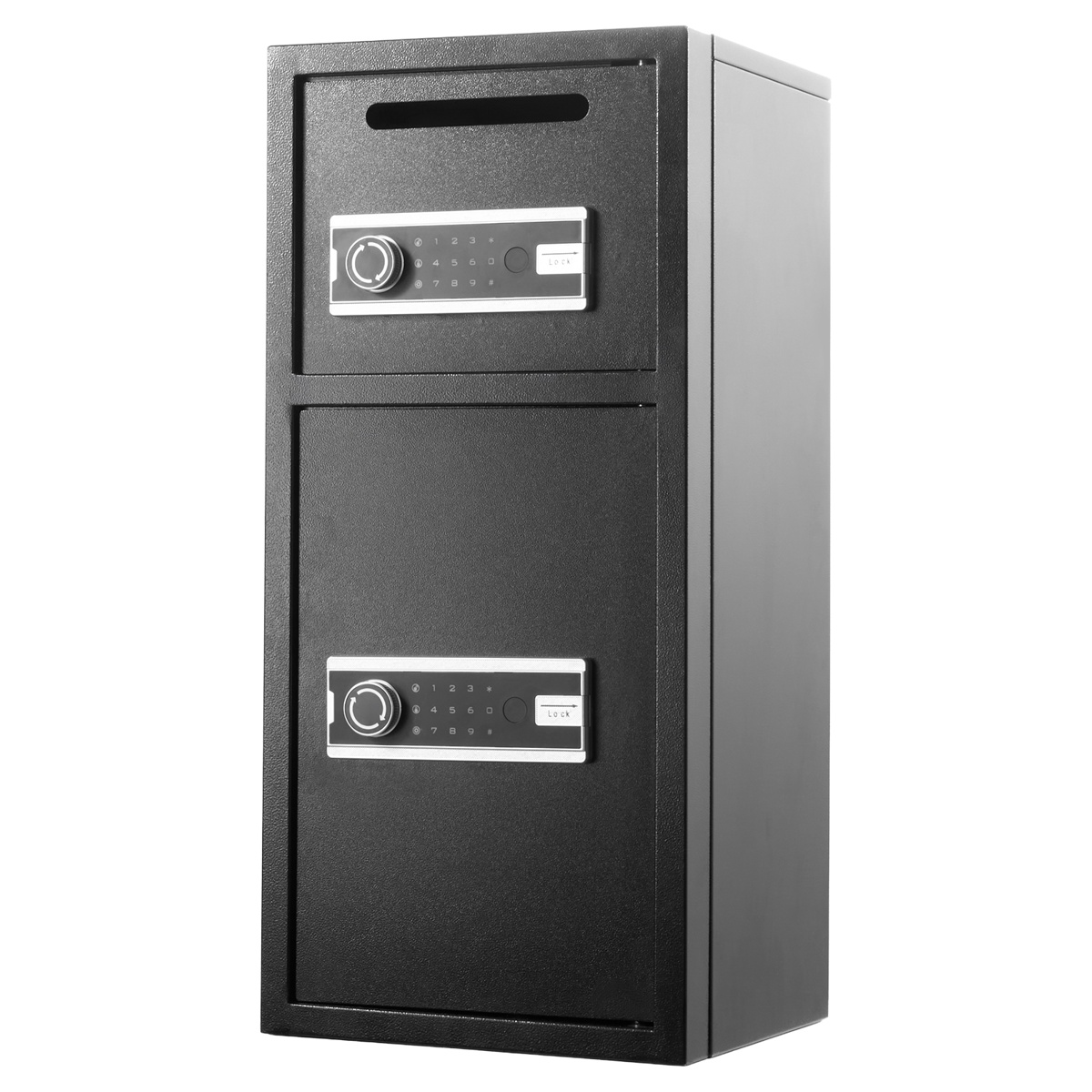 Double Door Safe Box, 3.3 Cu. Ft, Heavy Duty Home With Electronic Keypad, Anti-Theft, Digital Safety Lock Box Key, Drop Slot, For Money, Firearm, Jewelry, Document, Valuables, Black$168.99View on Mallflare
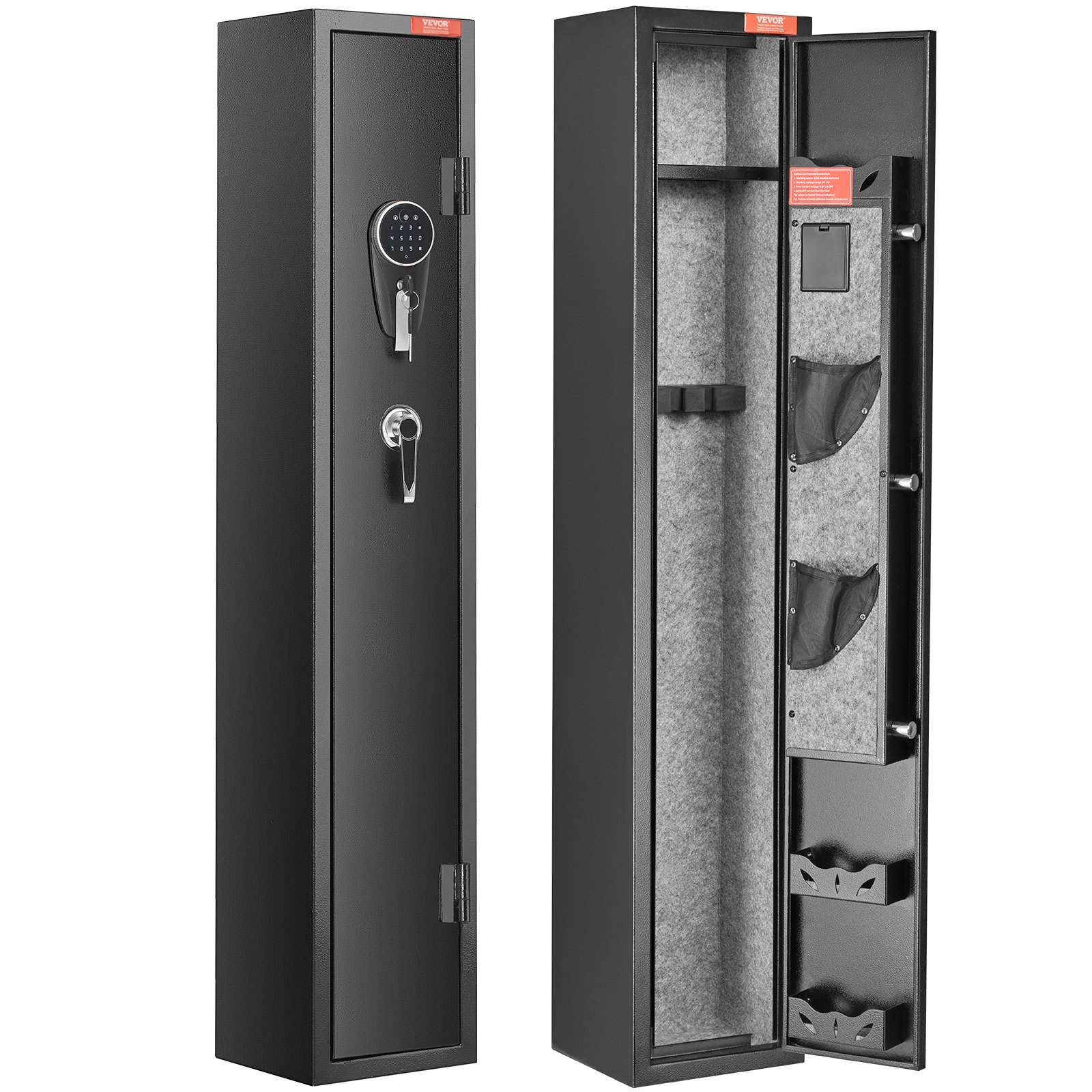 3 Rifles Gun Safe, Rifle With Lock & Digital Keypad, Quick Access Gun Storage Cabinet Removable Shelf, Pistol Rack, For Home And Pistols$170.99View on Mallflare
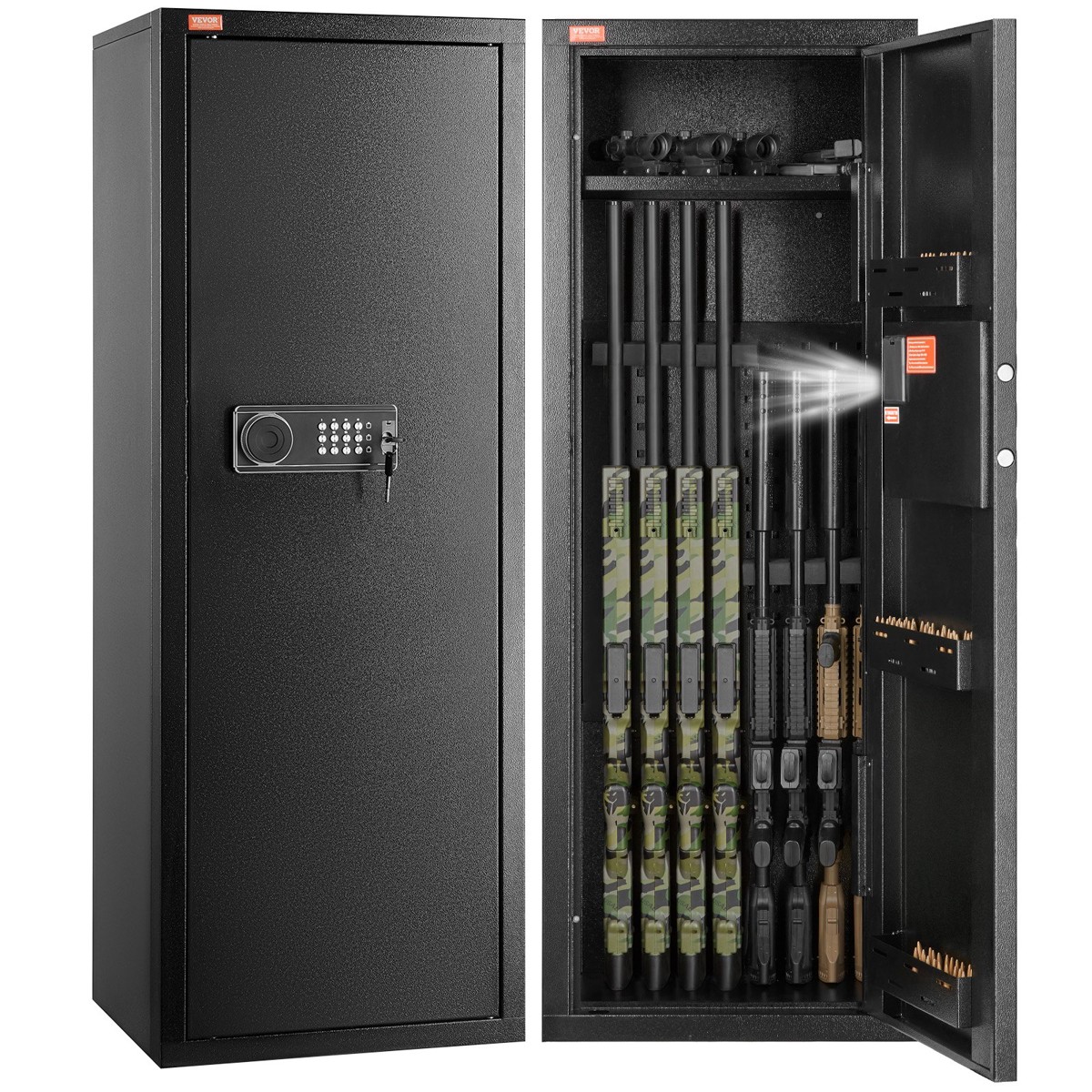 6-8 Rifles Gun Safe, Rifle With Lock & Digital Keypad, Quick Access Tall Gun Storage Cabinet Removable Shelf, For Home And Shotguns$186.99View on Mallflare
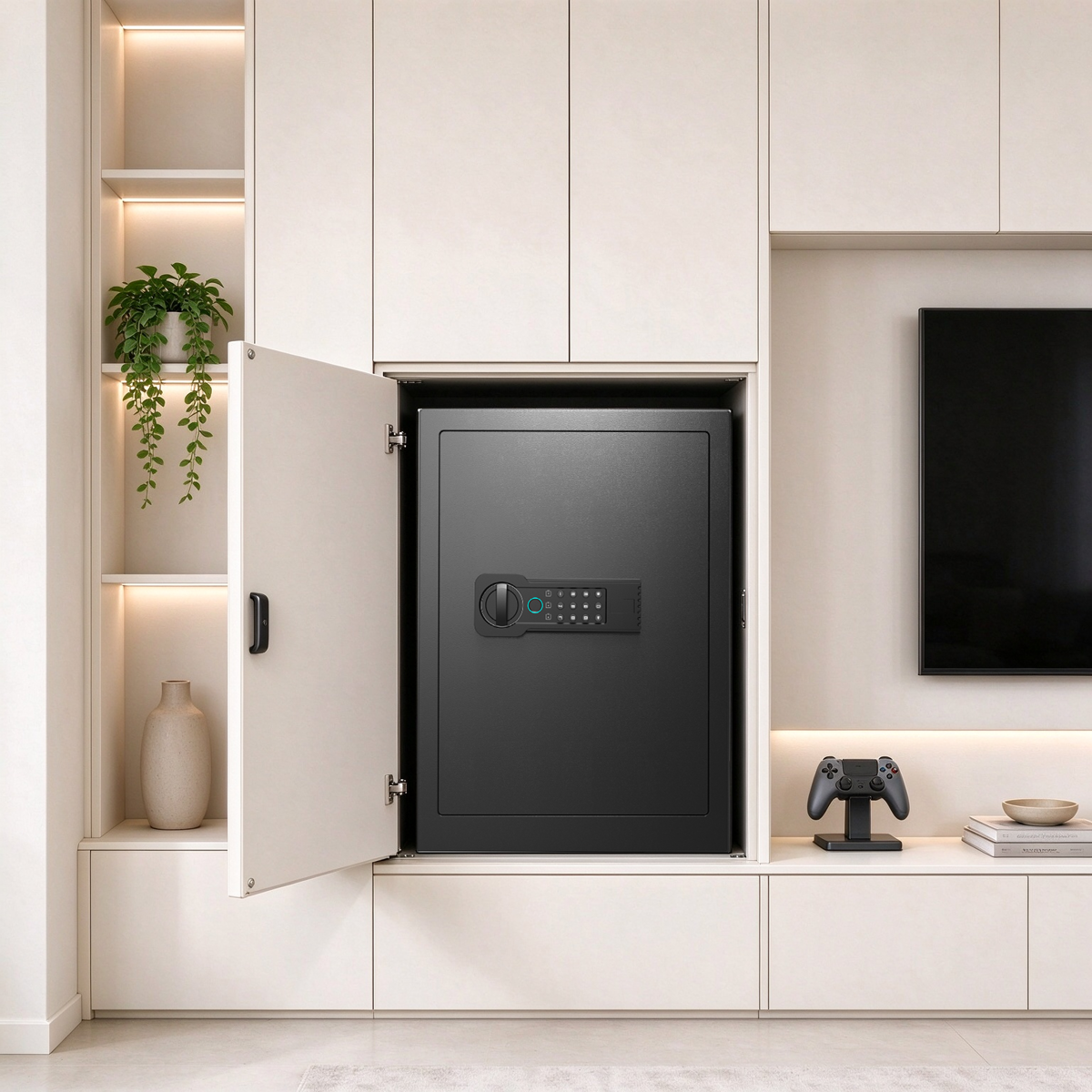 Steel Safe Security Cabinet, Fingerprint & Digital Password Unlock, with Alarm & Silent Mode, for Home, Hotel, Office, Supermarket Use, Black$201.99View on Mallflare
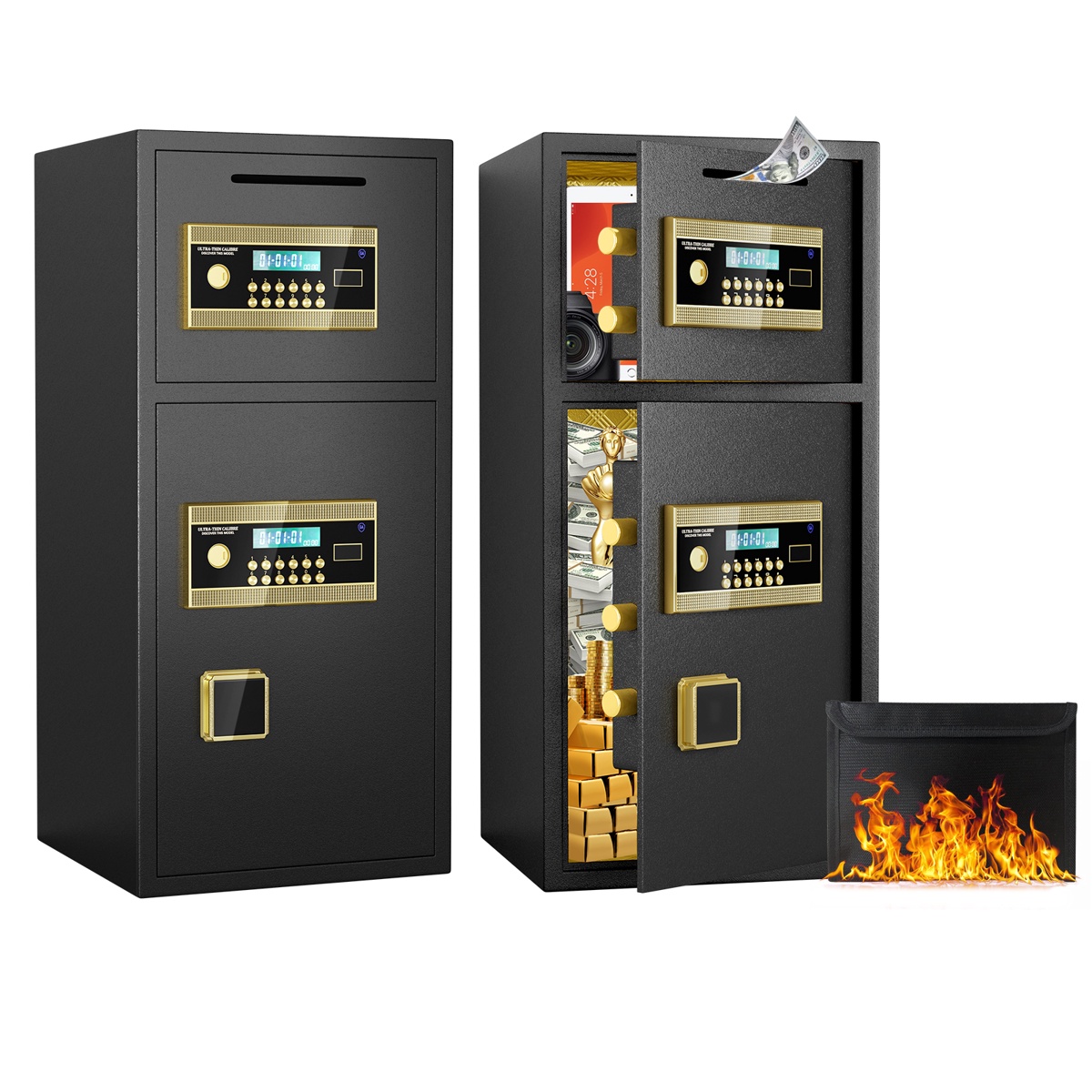 Large Double-door Coin-operated Safe,Digital Security Safe With Fireproof And Waterproof Bag,6.5 Cubic Feet Box Hidden Code Function For Home,Office And Hotel$210.99View on Mallflare
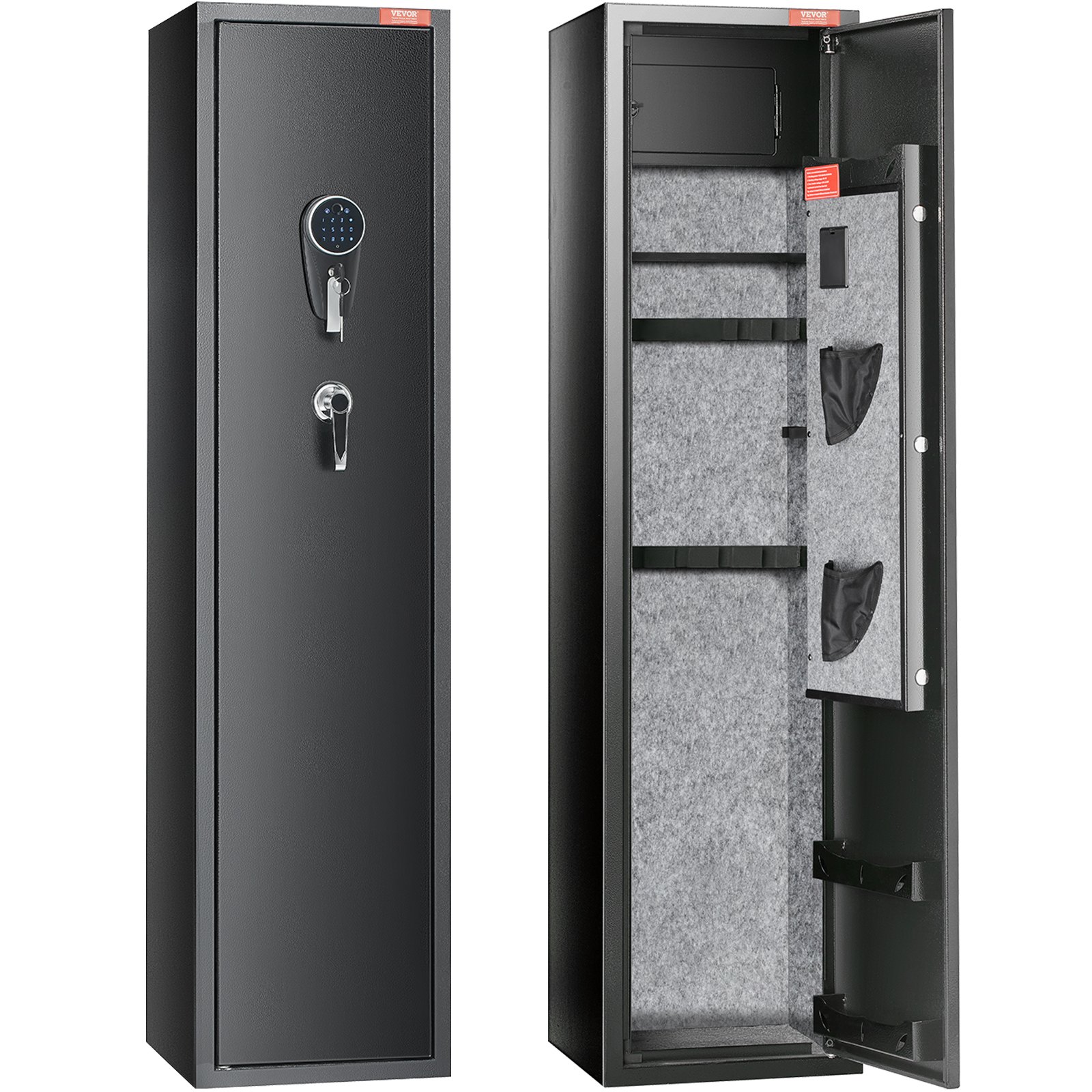 5 Rifles Gun Safe, Rifle With Digital Keypad & Lock, Gun Storage Cabinet Built-in Locker, Removable Shelf For Home Long Gun And Pistols$233.99View on Mallflare
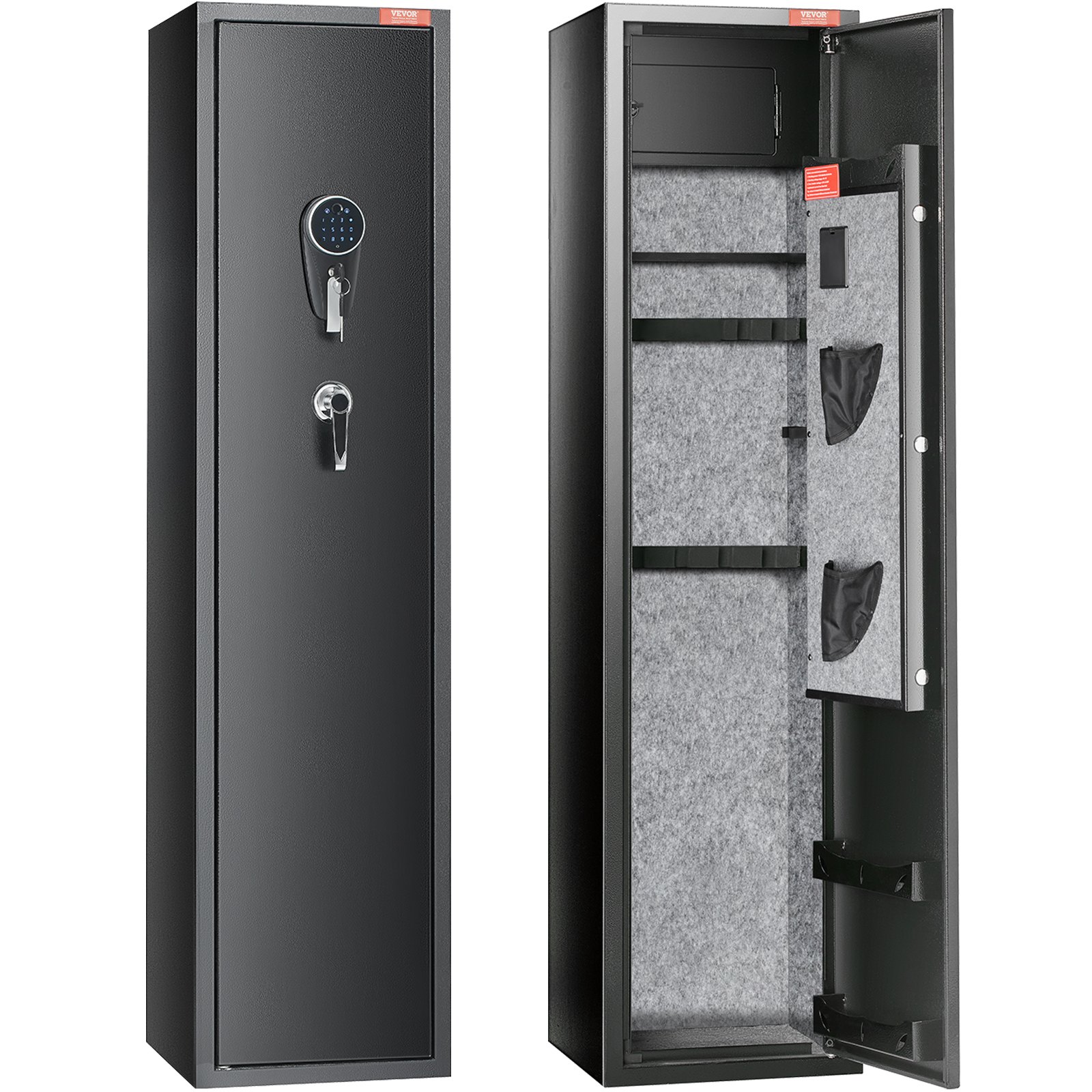 7-8 Rifles Gun Safe, Rifle With Digital Keypad & Lock, Gun Storage Cabinet Built-in Locker, Removable Shelf For Home Long Gun And Pistols$240.99View on Mallflare
Highlights
- Body steel thickness separates real safes from lockboxes: 12-gauge (~2.6mm) or thicker resists crowbar attacks, while 16-gauge (~1.5mm) boxes are easily pried and should only be used for organization, not security.
- Door bolt count and direction determine pry resistance: entry-level safes use 2–4 live bolts on one side, mid-tier use 5–8 bolts on two sides, and heavy-duty use 8–12 bolts on all four sides with a reinforced door frame.
- Lock type affects access speed and failure risk: digital keypads need battery power and can be bypassed with a key; biometric fingerprint locks add convenience but rely on sensor quality; mechanical combination dials have no batteries and fewer failure points.
- Fire protection is a separate rating: true fire safes carry a UL Class 350 (1-hour) or ETL rating with intumescent door seals; most steel home safes without a fire rating will ruin paper documents in a typical house fire.
Best use cases
- Best fit: a 0.5–1.2 cu ft steel safe with digital keypad and 2–4 bolts for renters or apartment dwellers storing passports, jewelry, and a few hundred dollars in cash—bolt it to a shelf or wall stud.
- Best fit: a 2–3.5 cu ft double-door or drop-slot safe with 6+ bolts and an interior fire bag for homeowners who need to store documents, medication, and valuables and want quick keypad access.
- Best fit: a 12–15 gun safe or 3–8 rifle cabinet with digital keypad and removable shelves for home-defense firearms; choose a tall model with a full-length door and at least 5 bolts, and anchor it to the floor.
- Wrong fit: a 16-gauge “safe box” under 1 cu ft with a single locking latch for anyone storing irreplaceable documents or firearms—it can be carried away or opened with a screwdriver; step up to 12-gauge steel and bolt-down capability.
Buying tips
- Measure your space first: a 0.5 cu ft safe is roughly 14×10×10 inches and fits on a closet shelf; a 1.2 cu ft is about 16×12×14 inches and needs floor or lower-shelf space; a 2.1 cu ft is roughly 20×14×14 inches and requires a dedicated floor spot.
- Check the bolt work: count the live bolts and confirm they extend into the door frame on at least two sides; a single deadbolt or latch is a lockbox, not a safe. Four or more bolts on two sides is the minimum for a residential security safe.
- Plan for anchoring: any safe under 50 lbs should have pre-drilled bolt-down holes and come with or accept masonry anchors; bolt it to a concrete floor or wall stud—an unanchored light safe can be carried off in minutes.
Specs
| Body Steel Gauge | 16 ga (light) / 14 ga / 12 ga (heavy) |
|---|---|
| Lock Type | Digital keypad / biometric / mechanical dial |
| Fire Rating | None / UL Class 350 (1 hr) / ETL |
| Capacity Range | 0.5–3.5 cu ft (gun safes: 3–15 rifles) |
Related searches
What to check before buying
- Measure the intended location—closet shelf, floor corner, or under-bed—and confirm the safe’s exterior dimensions plus 2 inches of clearance for the door swing and keypad access.
- Verify the floor or wall can take anchors: concrete slab or wood studs are required for bolt-down; drywall alone will not hold a safe against a pry attack.
- Confirm the locking mechanism suits your household: keypad-only needs battery replacement every 6–12 months; biometric needs clean, dry fingers; mechanical dial needs no power but slower access.
- Decide whether you need fire protection: if you store paper documents or digital media, choose a model with a UL Class 350 or ETL fire rating and an intumescent door seal; otherwise a steel-only safe is sufficient for theft deterrence.
FAQ
Data sources: eBay / Amazon listings and product attribute feeds. Updated Nov 22, 2026.
Some links on this page are affiliate links. If you buy after clicking one, we may earn a commission at no extra cost to you. This does not change which products appear here or their order. Affiliate disclosure.