
Photos from current listings. Actual item, color, and included accessories may vary.
Home Camera System Outdoor Buying Guide
An outdoor home camera system pairs weather-sealed imagers with either local or cloud recording, and the core trade-off is power and network architecture: battery/solar Wi-Fi cameras install anywhere but deliver fewer pre-event seconds and slower alerts, while wired PoE and AC systems run 24/7 continuous recording with rock-solid uptime. Buy wired/PoE when you can run a cable and want forensic-grade reliability; choose battery/solar Wi-Fi only where cabling is impossible and you accept clip-based recording and periodic recharging or panel maintenance.
At a glance
- Category
- Home Security
- Last updated
- Nov 22, 2026
Current offers
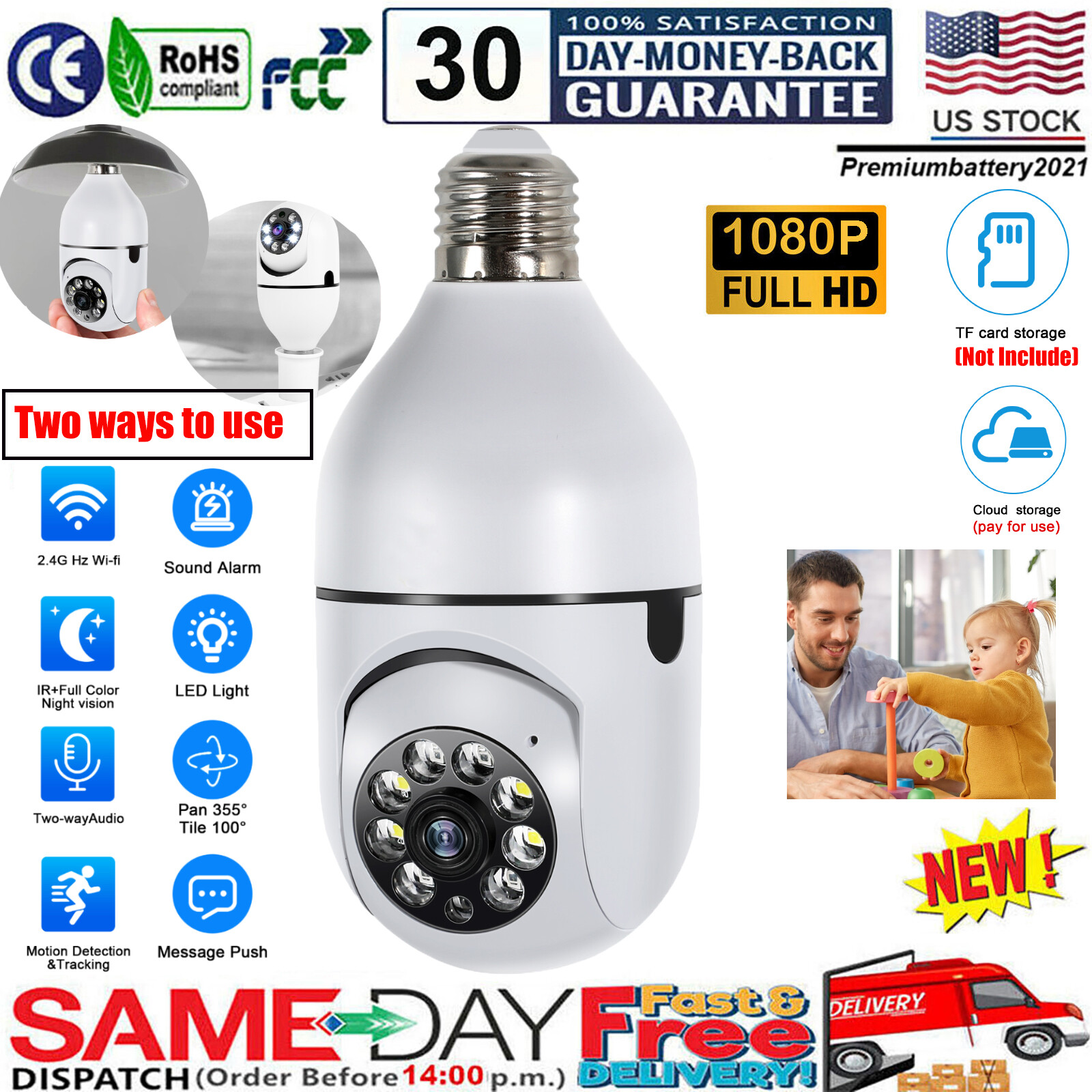 ✅Wireless Security Camera System Indoor Home 2.4G Wifi Night Vision Cam 1080P HD$11.89View on eBay
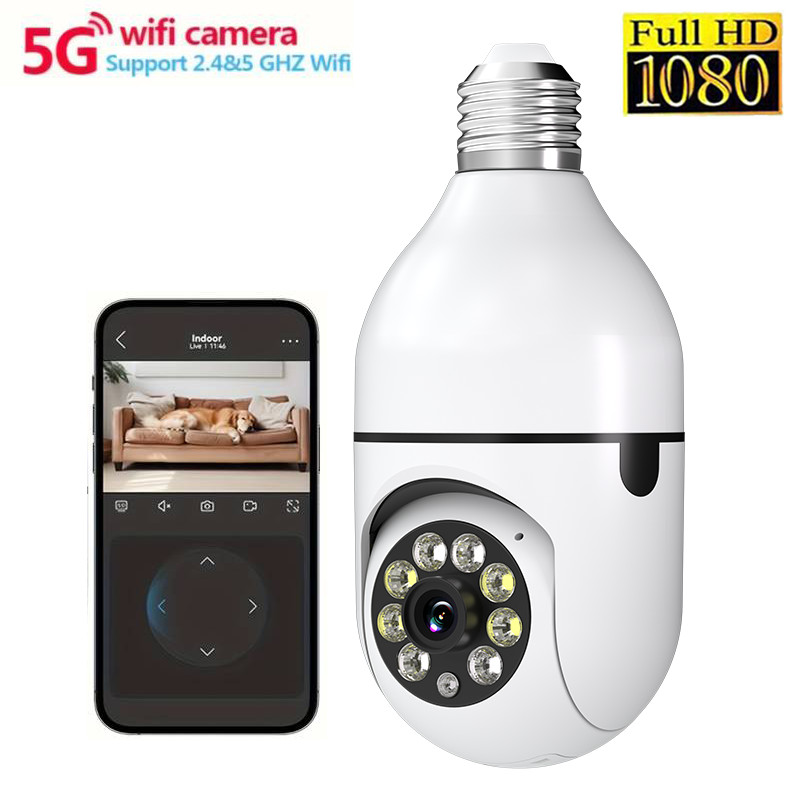 Wireless Security Camera System Outdoor Home 5G Wifi Night Vision Cam 1080P$13.30View on eBay
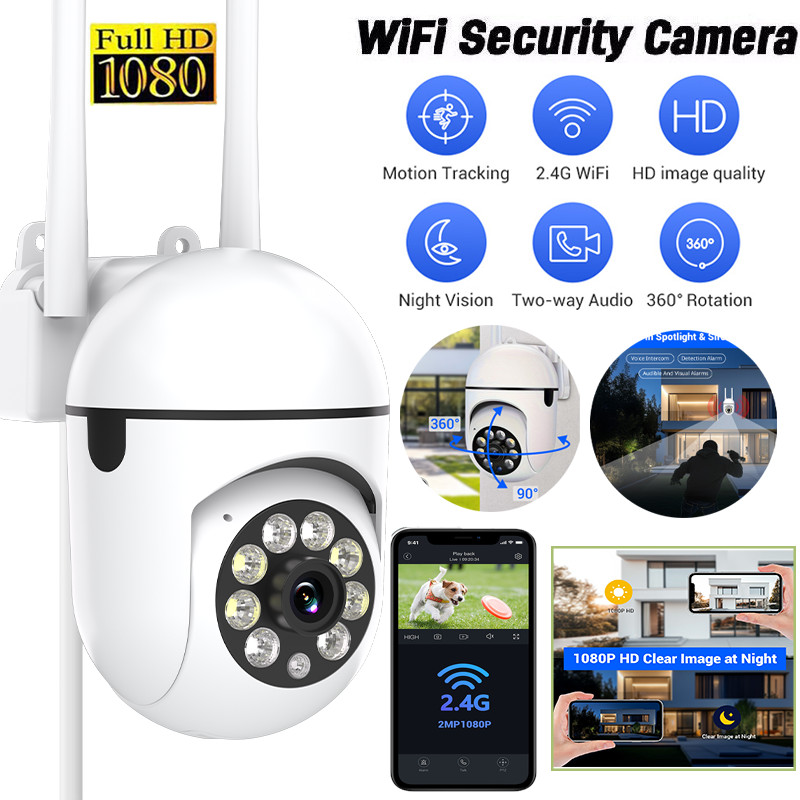 2.4G WIFI Security Camera System Outdoor Home Night Vision Wired Cam 1080P HD$14.24Last checked Nov 20, 2026View on eBay
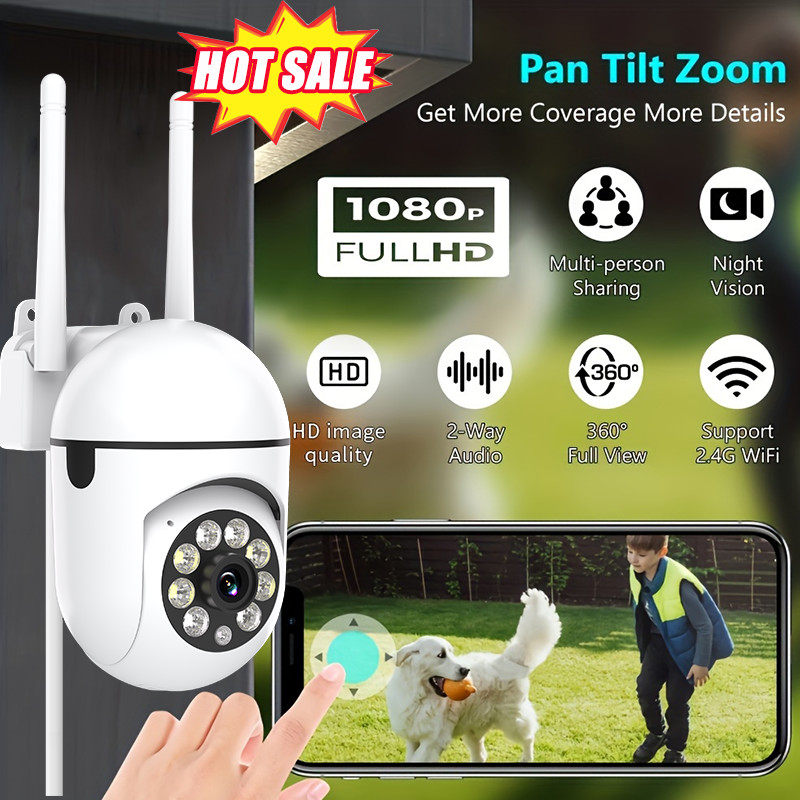 Security Camera System 2.4G WIFI Outdoor Home Night Vision Wired Cam 1080P$14.24Last checked Nov 20, 2026View on eBay
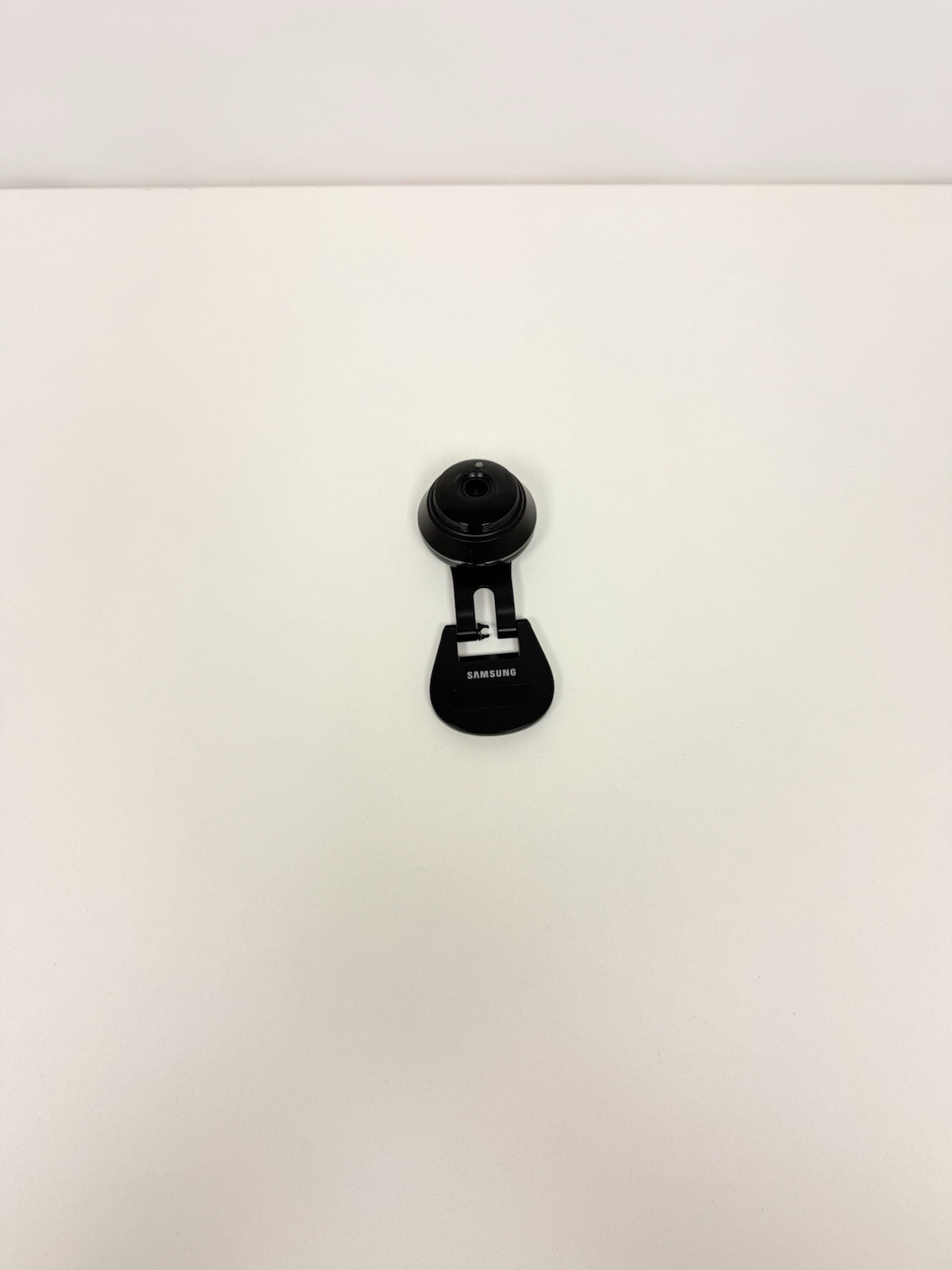 Samsung SmartCam HD Plus Monitoring Camera Home System SNH-V6414BN 1080P$15.00View on eBay
 Security Camera System Outdoor Indoor Home Wireless Wifi Night Camera HD1080P~$17.99View on eBay
 ANRAN Camera Monitor 5MP Home Security System Wireless Outdoor Solar Battery IR$19.99View on eBay
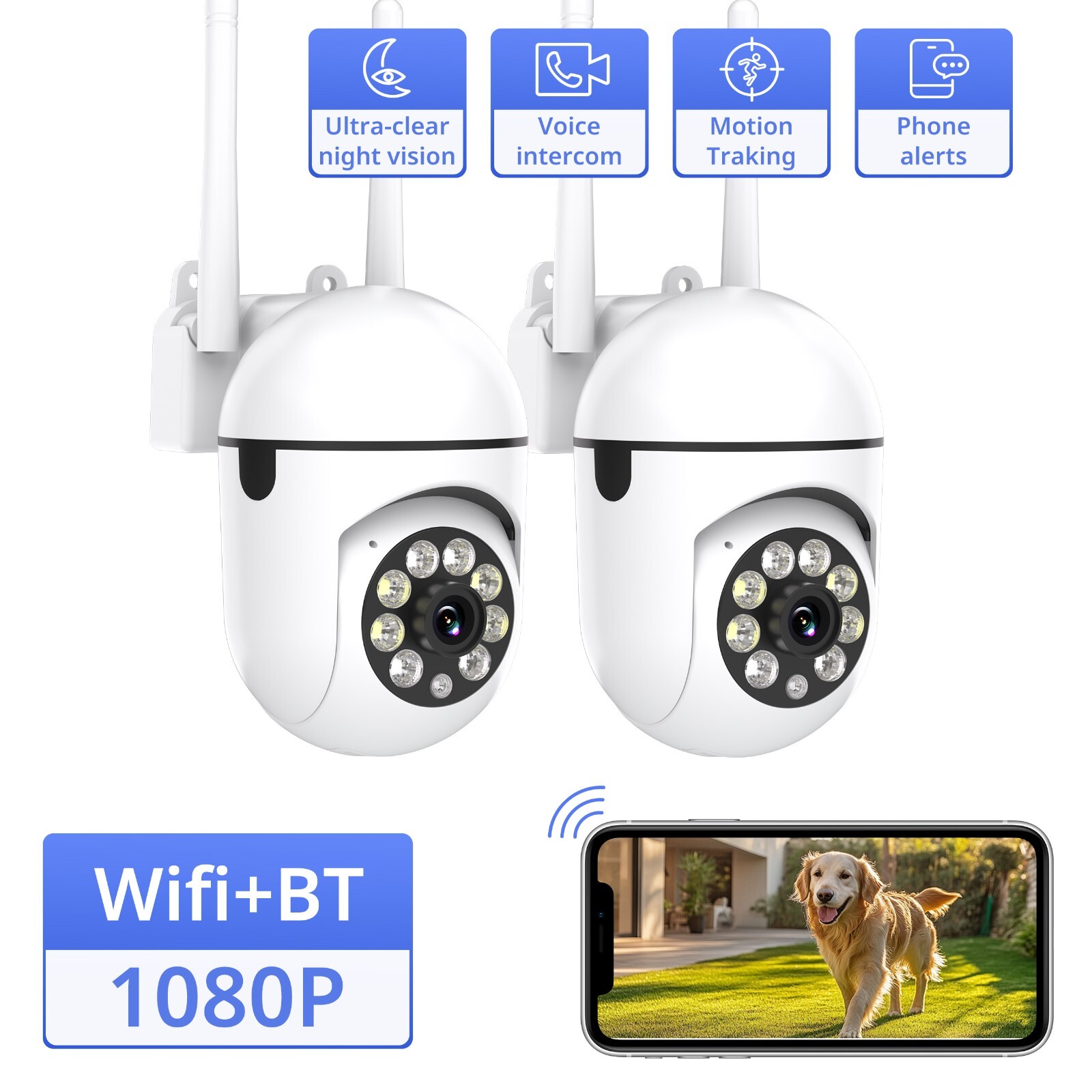 2PCS Security Camera System Outdoor Night Vision 1080P 2.4GWIFI Home Wired Cam$21.65View on eBay
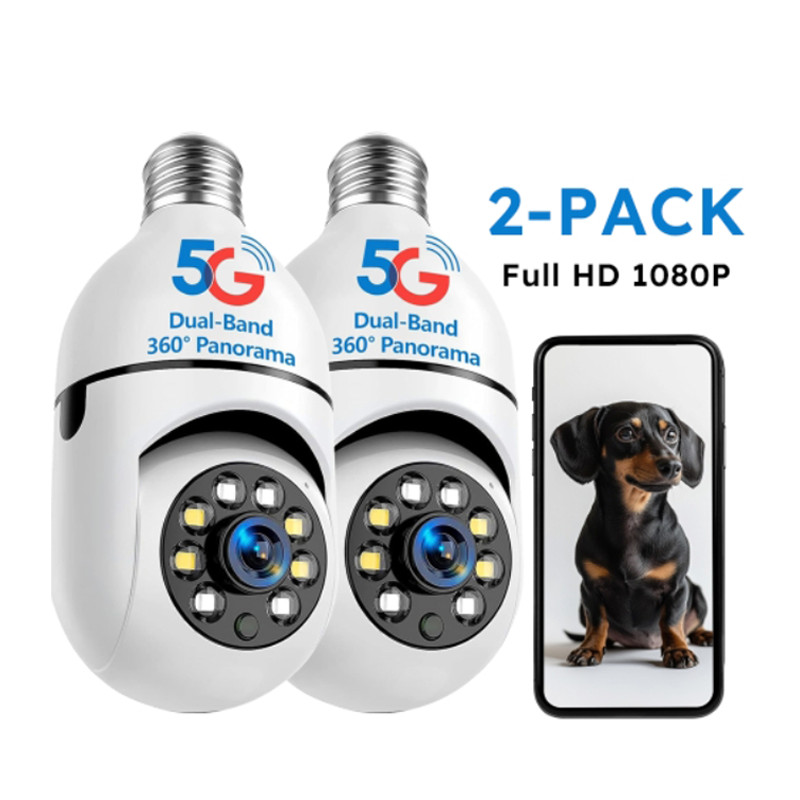 Wireless Security Camera System Outdoor Home 5G Wifi Night Vision Cam 1080P!$21.99View on eBay
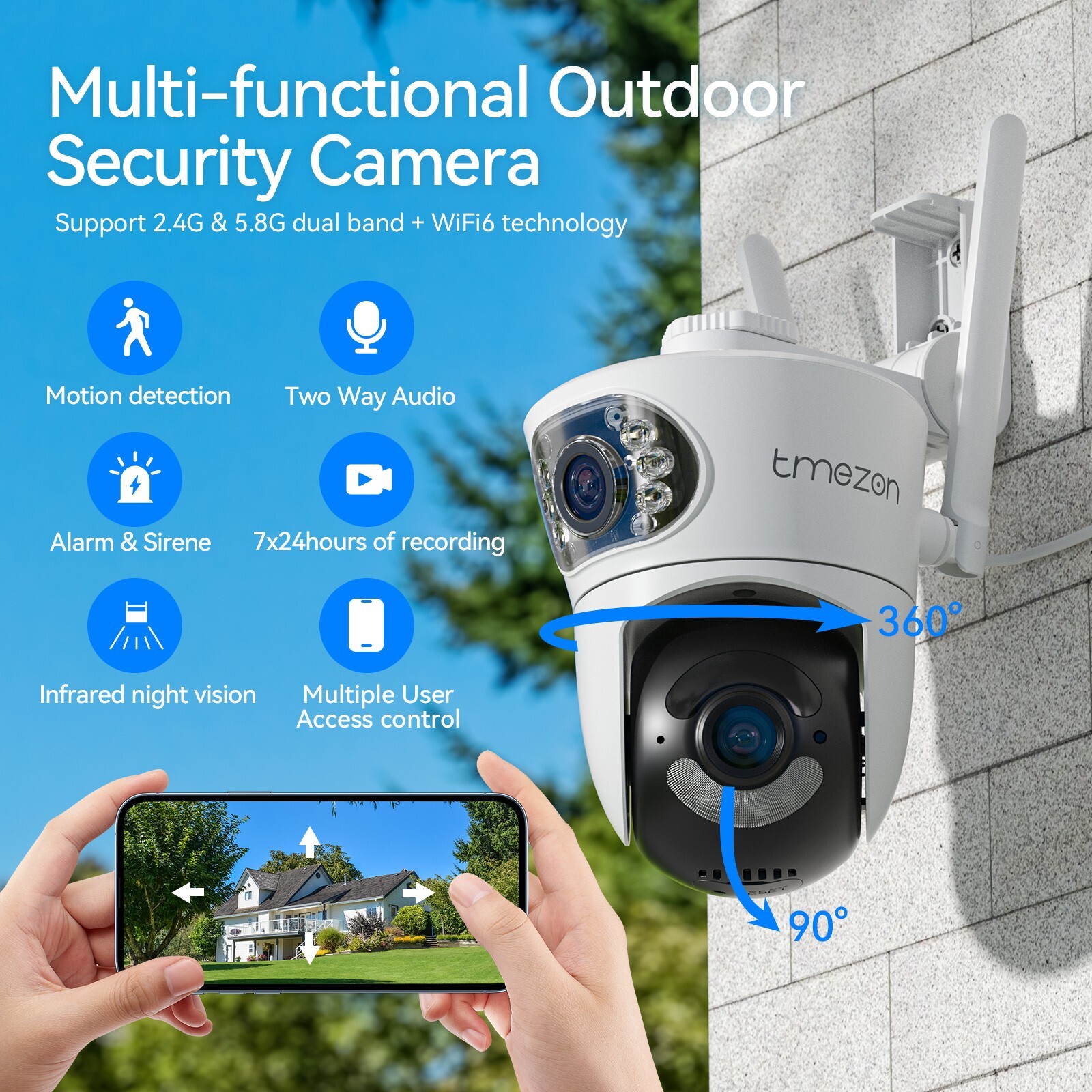 4MP Wireless Security Cameras System Outdoor Home Dual Lens Wifi Night Vision$28.99Last checked Nov 21, 2026View on eBay
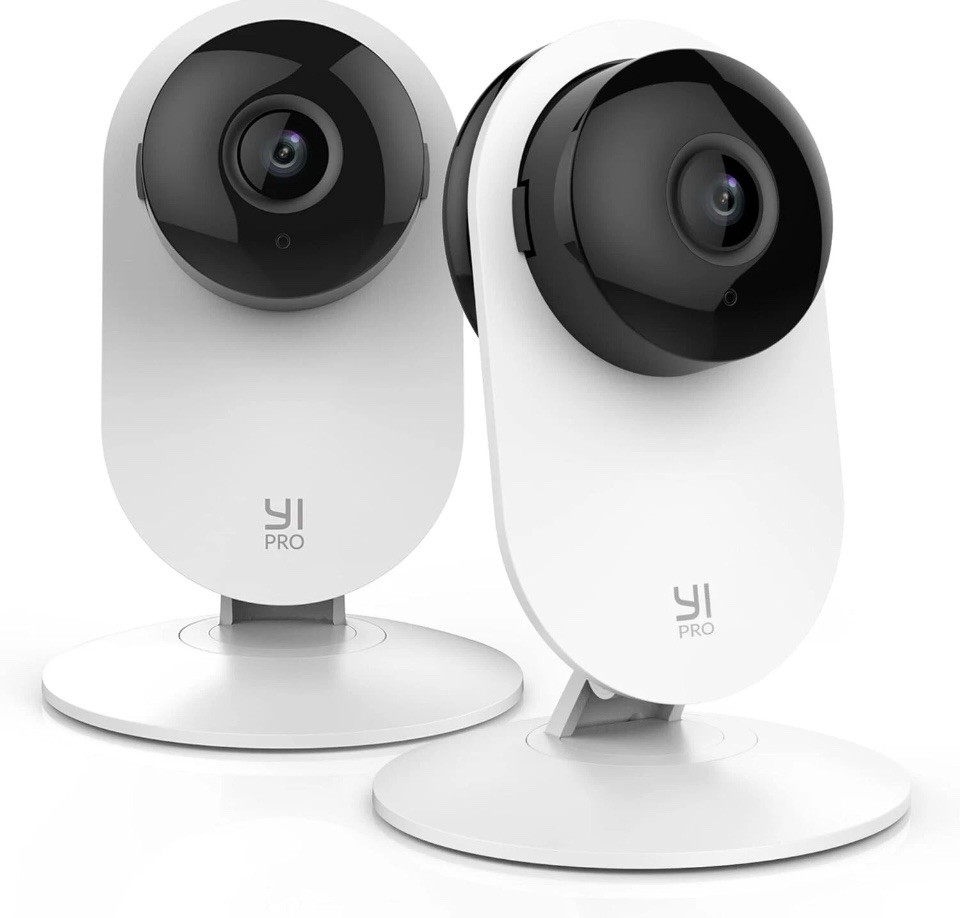 YI Pro 2pc Home Camera 2K Wireless IP Security Surveillance System Night Vision$29.99View on eBay
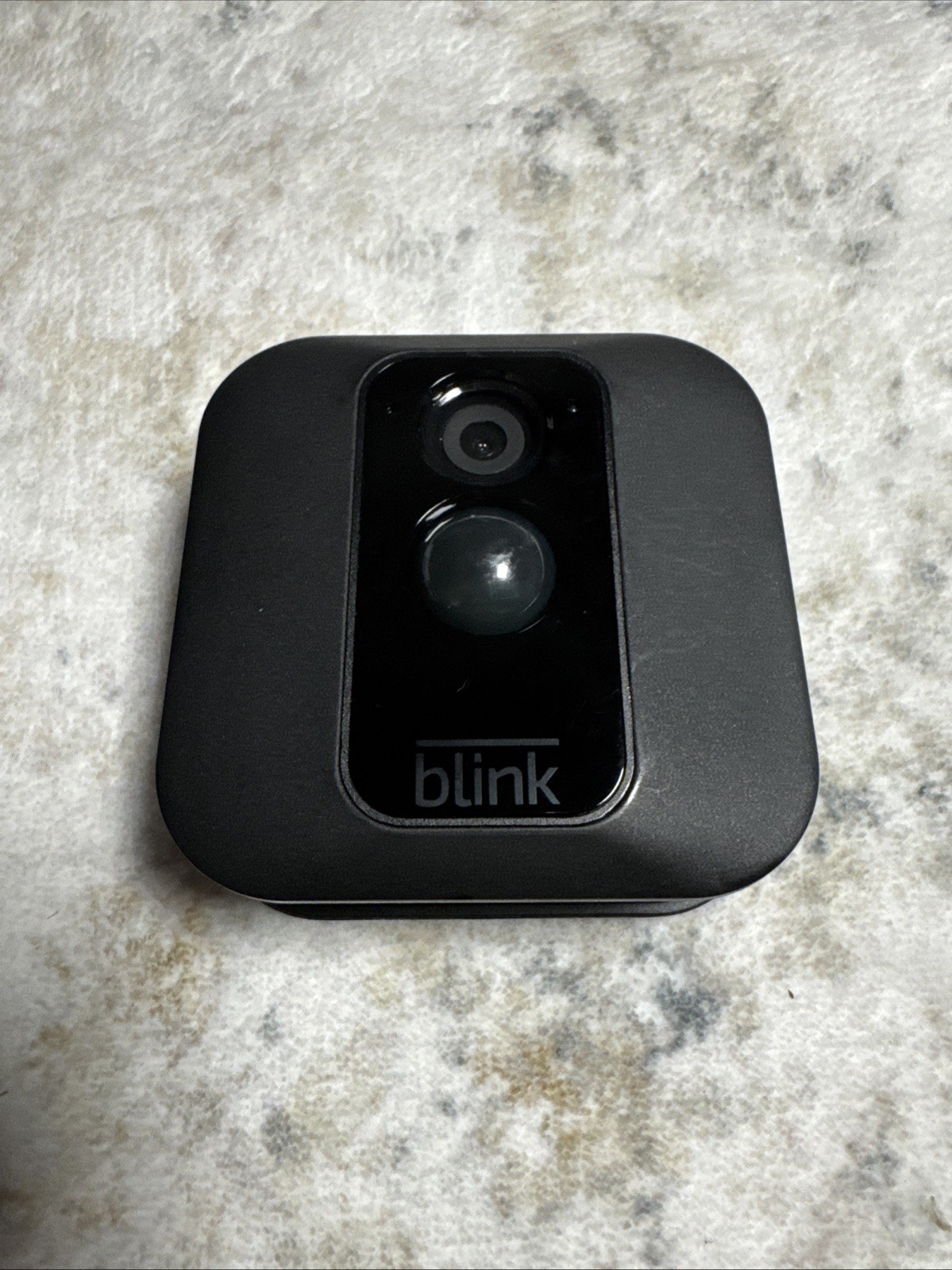 Blink BCM00600U (Wireless) (Indoor/Outdoor) Home Security Camera System$34.49View on eBay
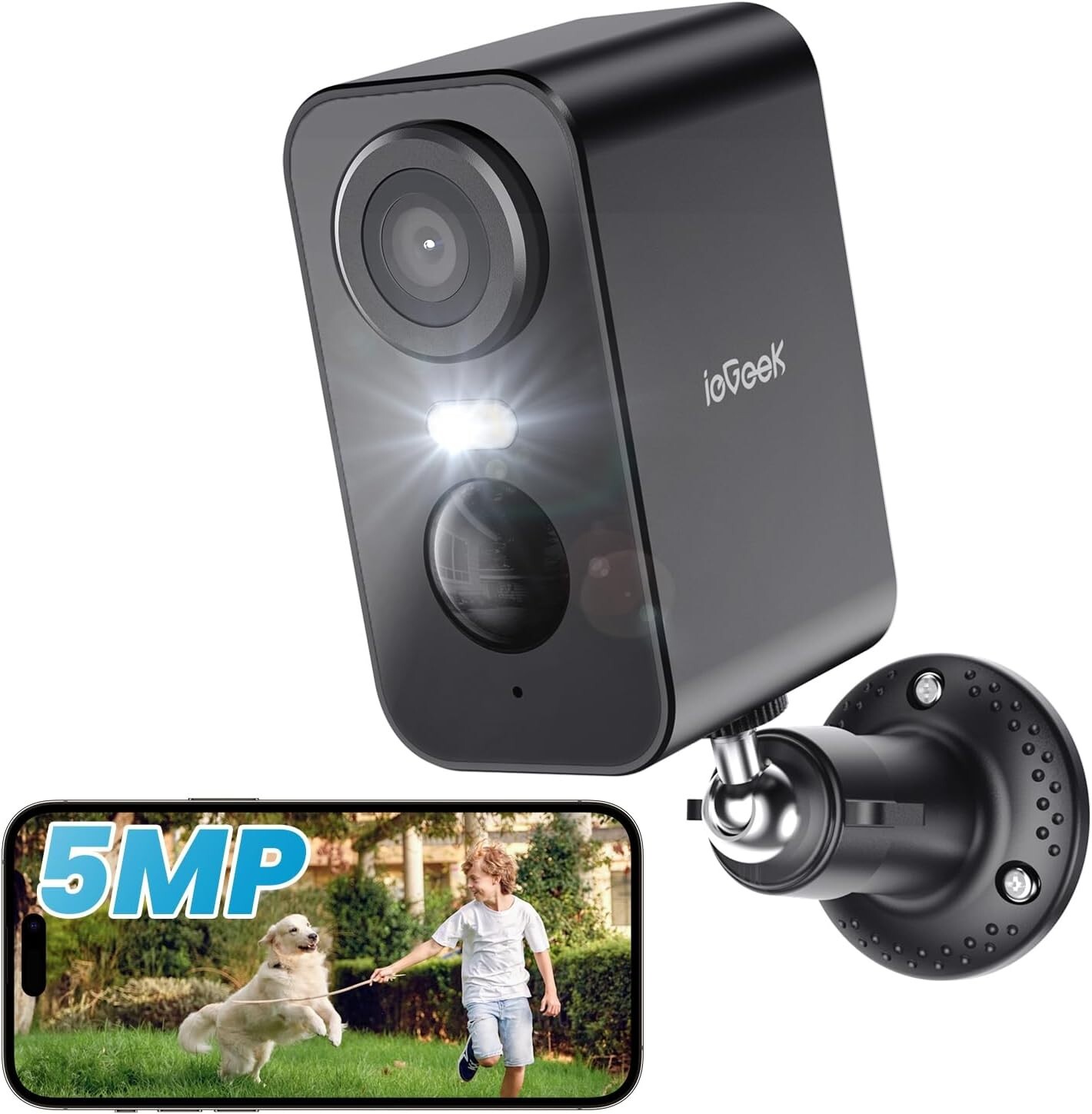 ieGeek Wireless Outdoor 5MP Security Camera Home Battery WiFi CCTV System Alexa$35.99Last checked Nov 19, 2026View on eBay
 Camoon Home Security Camera System Solar Panel 360°PTZ Wireless 2K Outdoor Audio$37.99View on eBay
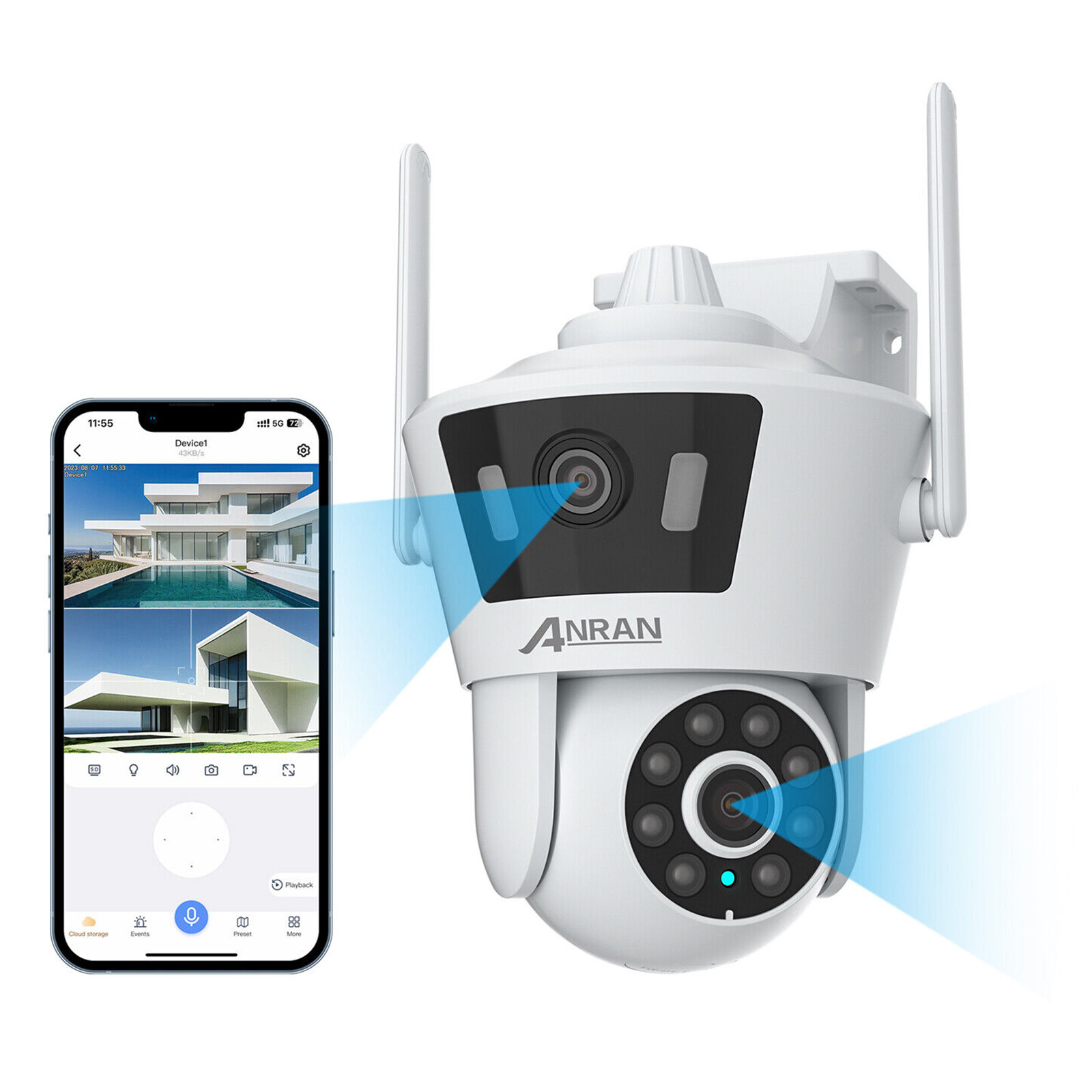 ANRAN Wireless Security Cameras System Outdoor Wifi Home Dual Lens Night Vision$39.99Last checked Nov 21, 2026View on eBay
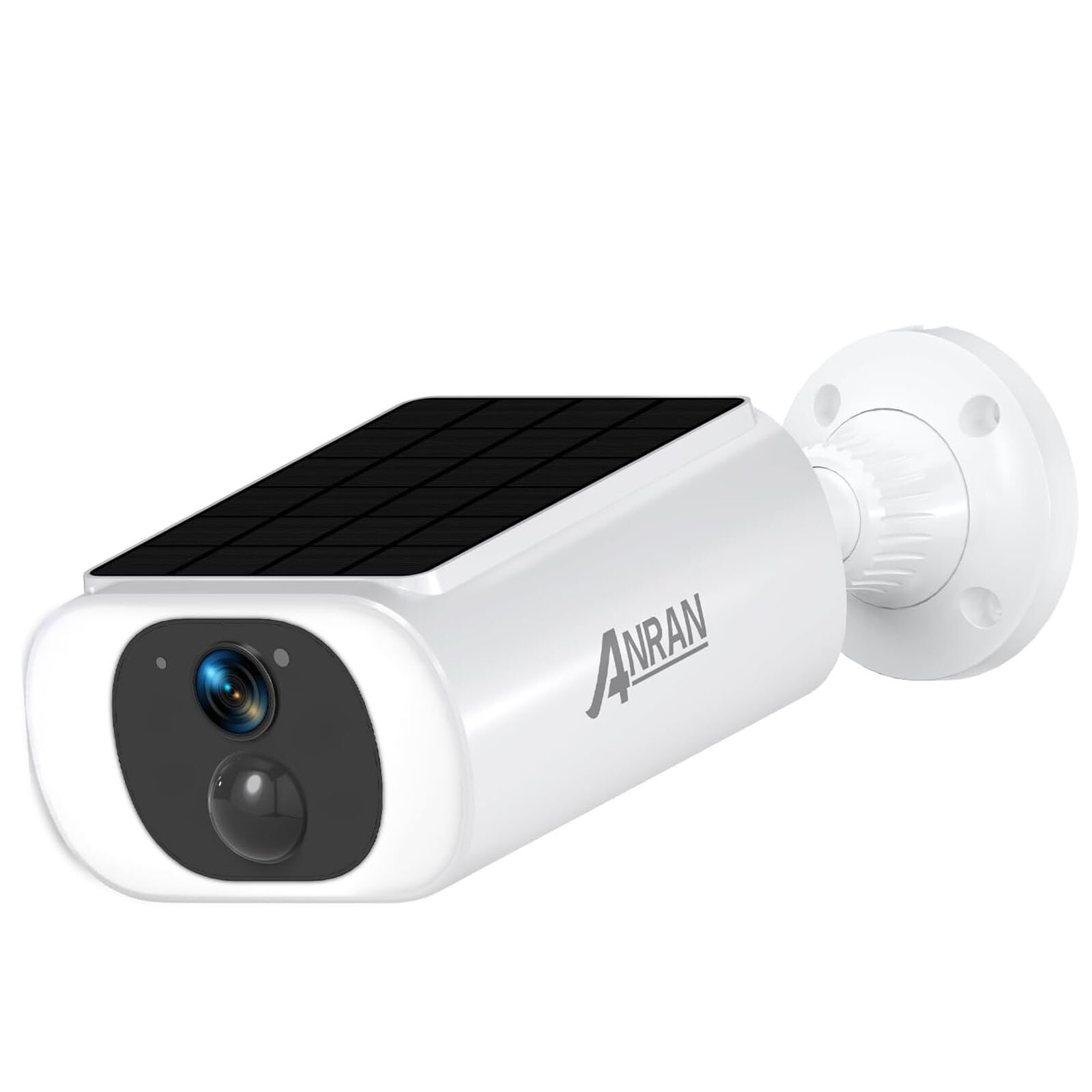 ANRAN Wireless Solar Battery Powered Wifi Home Security Camera System Outdoor IR$39.99Last checked Nov 20, 2026View on eBay
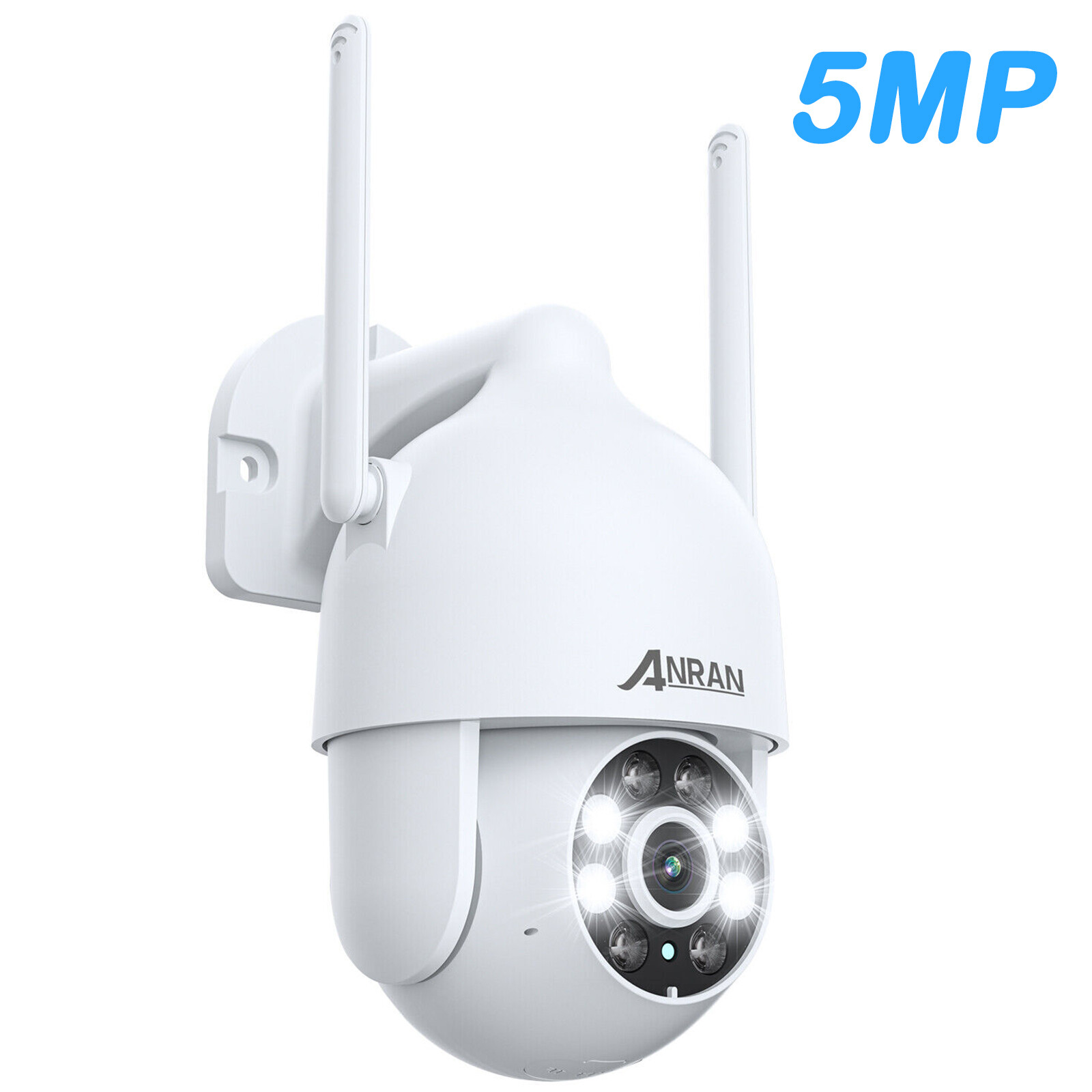 ANRAN Home Security Camera 5MP Home Wireless Outdoor Camera System IP66 Outdoor$39.99View on eBay
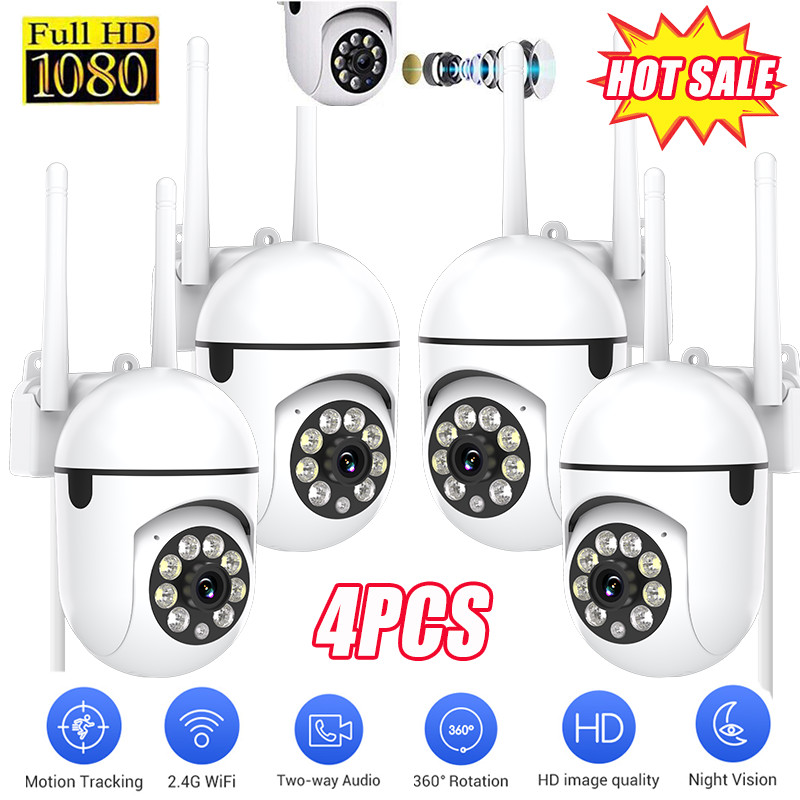 4PCS Security Camera System 2.4G WIFI Outdoor Home Night Vision Wired Cam 1080P$40.84Last checked Nov 19, 2026View on eBay
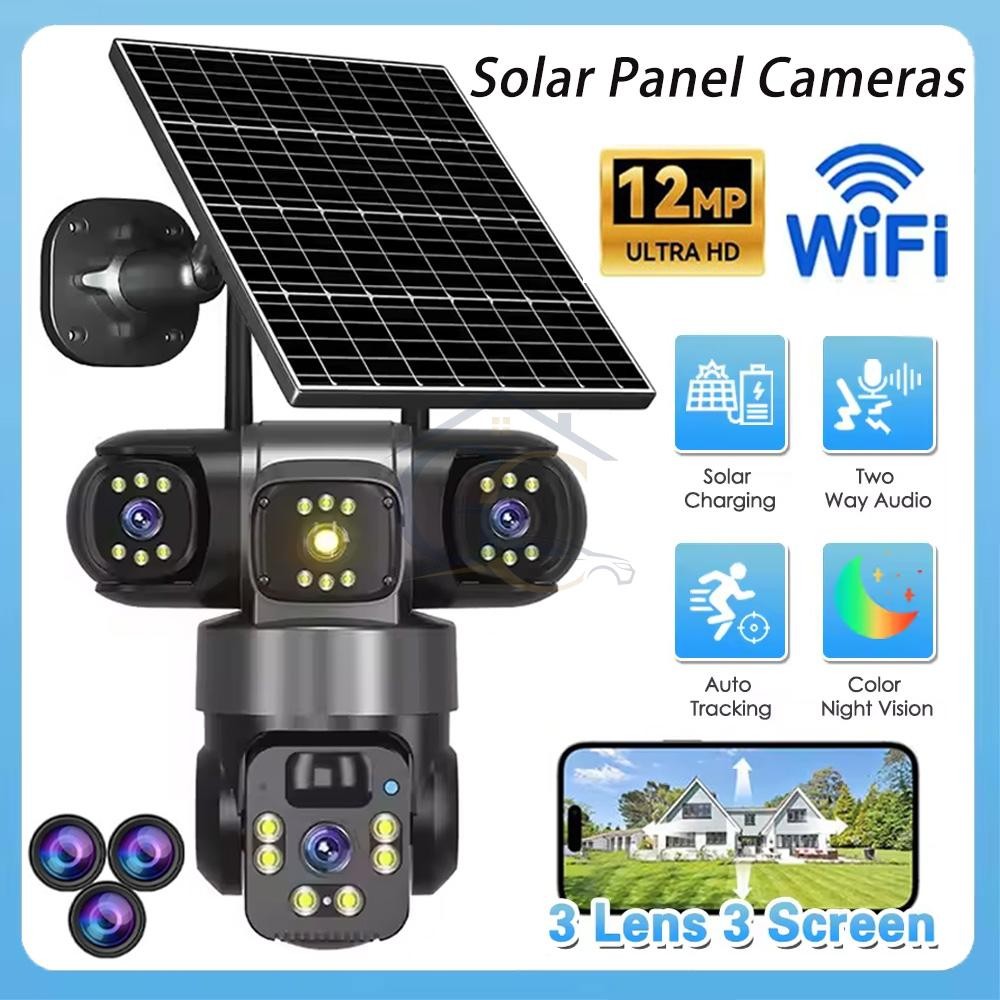 Solar Battery Powered Wireless WiFi Home Security Camera System Outdoor Pan/Tilt$48.99Last checked Nov 22, 2026View on eBay
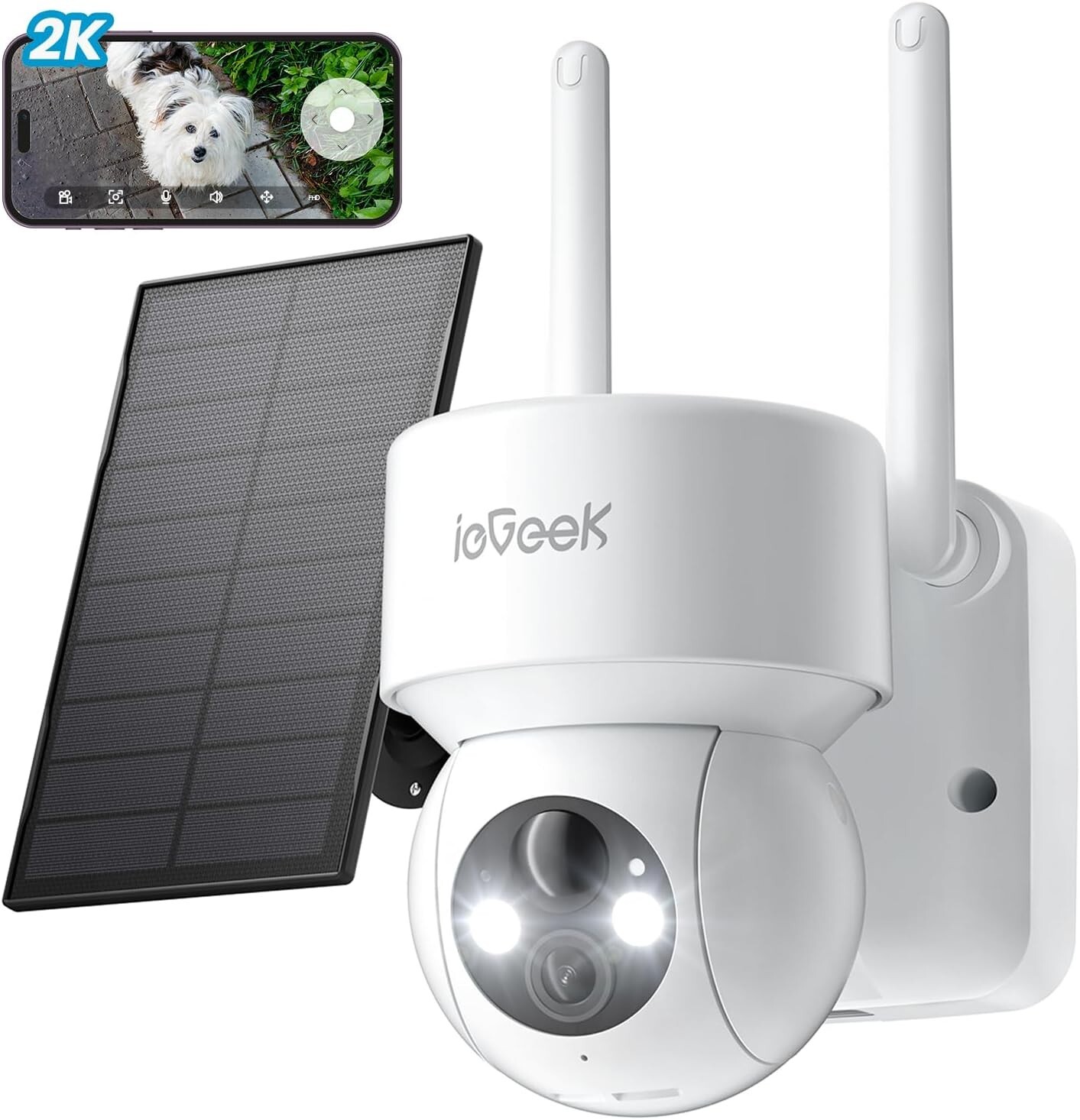 ieGeek Outdoor Wireless 2K Solar Security Camera Home WiFi Battery CCTV System$49.99Last checked Nov 19, 2026View on eBay
Highlights
- Power architecture is the primary durability split: PoE/AC wired cameras record 24/7 continuously with no recharging, while battery/solar Wi-Fi cameras record event clips and depend on panel sunlight or manual recharge.
- Resolution tiers matter more than marketing: 1080p (2MP) is entry-level identification, 4MP/5MP gives usable license-plate and face detail at 20-30 ft, and 4K (8MP) demands PoE bandwidth and adequate IR or spotlight illumination.
- Weather rating separates real outdoor units from indoor cameras marketed as outdoor: IP65 handles rain spray, IP66 handles powerful jets, and IP67 survives temporary immersion; plastic PC+ABS housings degrade under sustained UV faster than metal.
- Night vision quality depends on IR range and sensor: budget units claim 65-100 ft IR but usable face detail ends around 30-50 ft, and color night vision requires a built-in spotlight or white-light LED rather than IR alone.
Best use cases
- Best fit for full-perimeter coverage with a recorder: choose a PoE NVR kit (4/8/16-channel) with IP66 bullet cameras rated 4MP or higher; this is the only architecture that guarantees continuous 24/7 recording and survives power/network interruptions predictably.
- Best fit for renters or no-cable installs: pick battery/solar Wi-Fi cameras with a local microSD slot and PIR-triggered recording; skip them for 24/7 evidence capture because they miss pre-event footage and need sun or recharging.
- Wrong fit to avoid: single indoor-style 1080p Wi-Fi cams labeled outdoor with only IP65 plastic bodies and 2.4GHz-only radios; they drop frames at range, fog over in cold, and cannot cover a driveway at night.
- Best fit for doorway identification: a wired AC doorbell camera or PoE turret at 4MP with a 2.8-4mm lens gives face-height framing at 6-10 ft; skip wide-angle 2.8mm bullets mounted high, which distort faces into unrecognizable shapes.
Buying tips
- Match lens focal length to distance: 2.8mm covers ~100° wide but identifies faces only within ~15 ft; 4mm narrows to ~80° for 25-30 ft; 6mm tightens to ~50° for 40-50 ft choke points like gates and driveways.
- Size the NVR channels to camera count plus headroom: buy 8-channel for 6 cameras, 16-channel for 10-12; PoE budget must exceed total camera draw (typically 6-12W each) or cameras brown out at night when IR LEDs engage.
- For Wi-Fi cameras, insist on dual-band 2.4GHz/5GHz or a dedicated 2.4GHz SSID with strong RSSI (-60 dBm or better) at the mount point; 5GHz has shorter range outdoors and 2.4GHz-only units congest in dense neighborhoods.
- Storage math: one 4MP camera at 15 fps continuous uses roughly 15-25 GB/day, so a 2TB drive holds about 4-6 weeks for four cameras; battery cams rely on 64-128GB microSD cards and overwrite event clips quickly.
Specs
| Power Architecture | PoE wired vs battery/solar Wi-Fi vs AC |
|---|---|
| Resolution Tier | 1080p 2MP / 4-5MP / 4K 8MP |
| Weather Rating | IP65 minimum / IP66-IP67 preferred |
| Night Vision Range | IR 65-100 ft claimed / 30-50 ft usable |
Related searches
What to check before buying
- Measure the mount height and cable run: cameras at 8-10 ft deter tampering and capture faces, and PoE runs must stay under 100m (328 ft) per cable segment or you need a midspan extender.
- Confirm the mount surface and climate: brick/stucco needs anchors and a junction box, and units facing direct sun or below -4°F/-20°C require metal housings and rated batteries rather than plastic and standard Li-ion.
- Verify power and plug standard at the camera end: PoE cameras need an 802.3af/at switch or injector, AC cameras need a nearby outdoor GFCI outlet, and battery cams need a reachable spot with 3-5 hours of direct sun for the solar panel.
- Check companion parts before buying a kit: NVR kits ship without a hard drive in many cases, and Wi-Fi systems need a microSD card plus a 2.4GHz-capable router; doorbell cams need existing 16-24V AC transformer wiring.
FAQ
Data sources: eBay / Amazon listings and product attribute feeds. Updated Nov 22, 2026.
Some links on this page are affiliate links. If you buy after clicking one, we may earn a commission at no extra cost to you. This does not change which products appear here or their order. Affiliate disclosure.