
Photos from current listings. Actual item, color, and included accessories may vary.
Home Burglar Alarm Buying Guide
A home burglar alarm is a layered intrusion-detection system—sensors, a hub/siren, and a notification path—rather than a single gadget. The core trade-off is between cheap standalone contact sirens with no remote alerting and hub-based systems (WiFi, GSM, or Zigbee) that add app push, SMS, or monitoring. Buy a full system with at least two independent alert paths and battery backup if you want real protection; standalone magnetic buzzers are deterrent-only compromises.
At a glance
- Category
- Home Security
- Last updated
- Nov 22, 2026
Current offers
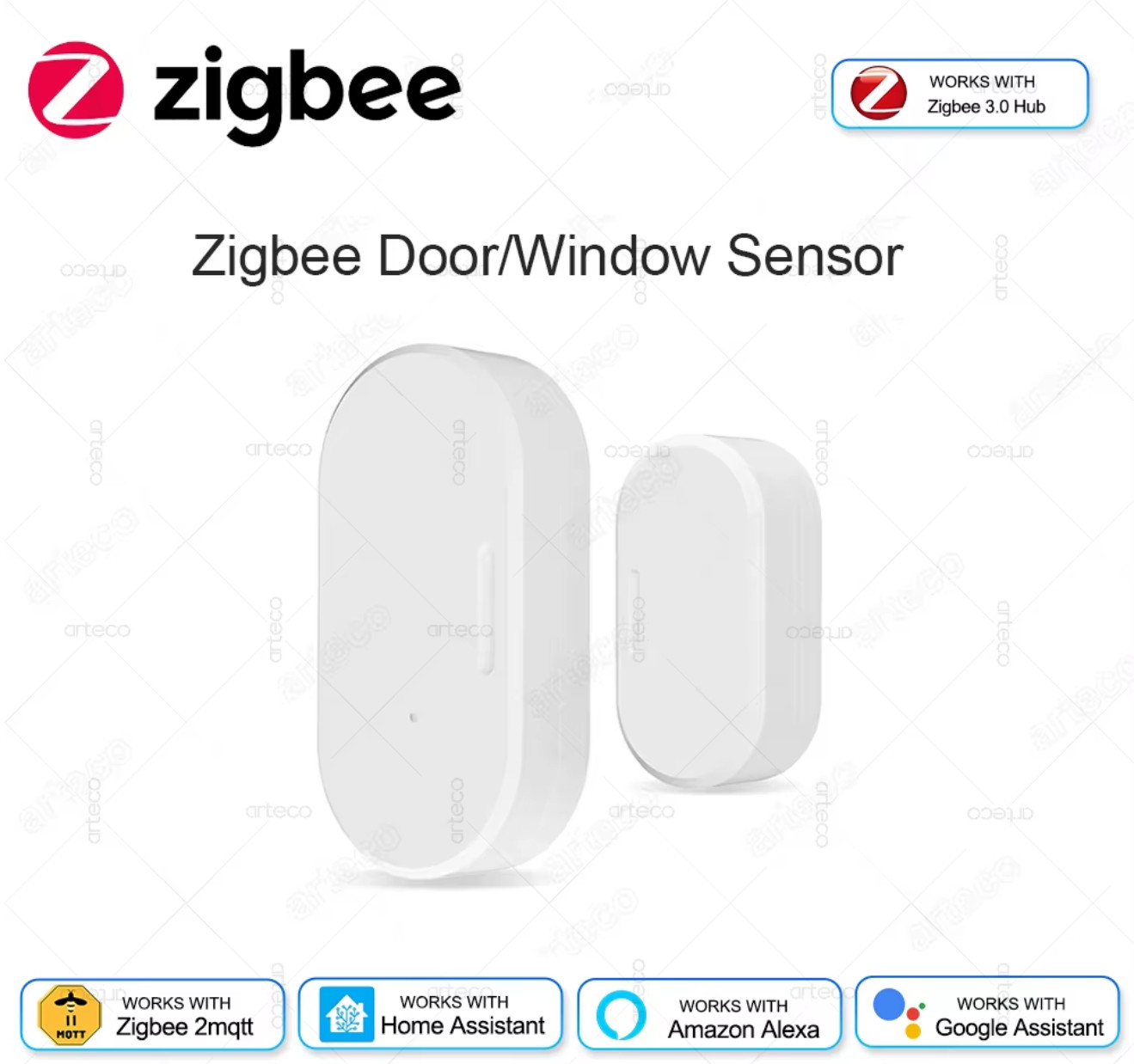 Zigbee Door Window Sensor Open Close Detector Smart Home Security Alarm Burglar$7.99View on eBay
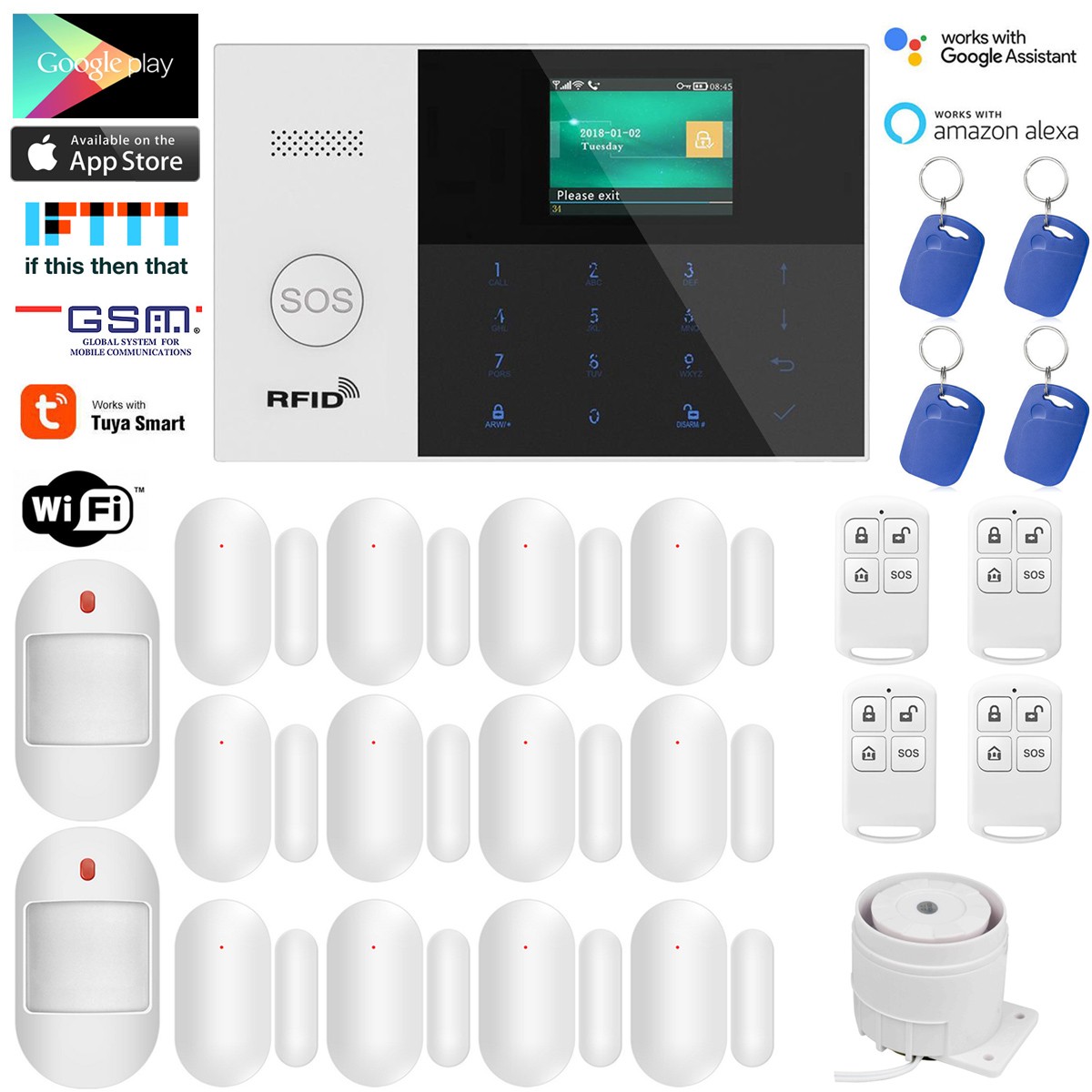 WiFi Cloud APP GSM Tuya Wireless IR Home House Security Alarm Burglar System$89.99View on eBay
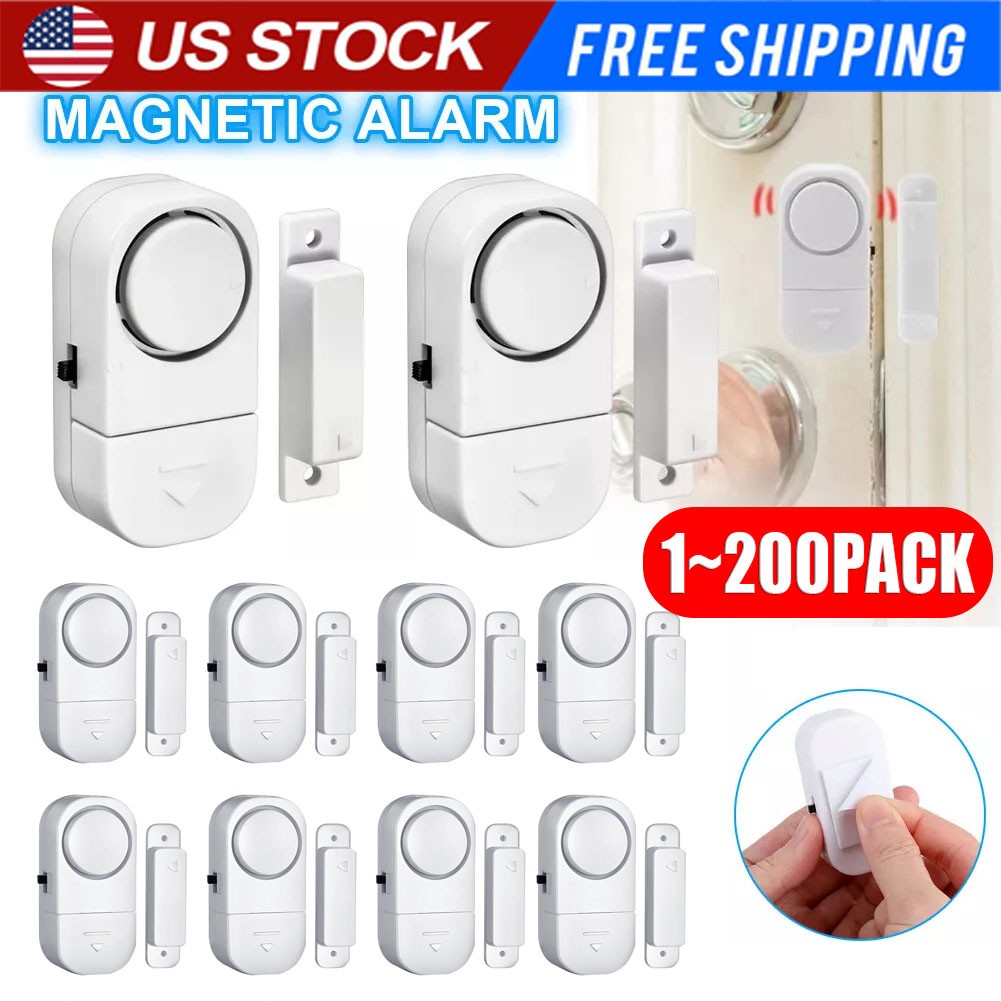 Wireless Home Window Door Burglar Security Alarm System Magnetic Sensor lot$293.89Last checked Nov 16, 2026View on eBay
Highlights
- Zigbee and WiFi sensors are not interchangeable: Zigbee sensors require a compatible hub (often Tuya/Smart Life) and cannot connect directly to your phone without one.
- GSM/4G alarms remain the only reliable alert path during power or internet outages; WiFi-only systems go silent when the router or power drops.
- Magnetic contact sensors trigger at roughly 15–25 mm gap separation; mounting alignment and door-frame clearance determine false-alarm rate more than sensor brand.
- Siren loudness matters for deterrence: 110–120 dB indoor sirens are standard, while 95–100 dB units function mainly as local chimes.
Best use cases
- Best fit: renters in apartments want a hubless WiFi/Zigbee sensor kit with app push plus a 110 dB indoor siren—skip GSM because there is no landline-free outdoor siren to justify it.
- Best fit: homeowners with a detached garage or shed need a GSM/4G system with backup battery and outdoor siren, since WiFi does not reach and power loss is common.
- Wrong fit: relying solely on standalone magnetic door buzzers for a full house—they have no remote alert, no event log, and one entry point each; use them only as secondary local deterrents.
Buying tips
- Count entry points first: one contact sensor per exterior door and ground-floor window, plus one motion sensor per hallway; kits with 4–6 contacts cover a typical 2-bed flat, 8–12 for a house.
- Choose Zigbee only if the listing names a compatible hub (Tuya/Smart Life/Echo Plus); otherwise pick WiFi sensors that pair directly to the 2.4 GHz band—5 GHz-only routers will not connect.
- Demand a 12 V DC backup battery or built-in Li-ion in the hub/siren; a system that dies with mains power provides no intrusion record during an outage.
- For outdoor sirens, confirm IP65 or higher and a wired or solar trickle supply; battery-only outdoor units at -10 °C lose most of their rated life.
Specs
| Connectivity | WiFi 2.4 GHz / Zigbee / GSM-4G |
|---|---|
| Sensor Gap Trigger | 15-25 mm magnetic contact |
| Siren Loudness | 95-120 dB (110+ deterrent) |
| Backup Power | 12 V DC or Li-ion, 8-24 hr |
Related searches
What to check before buying
- Measure each door/window frame: contact sensors need 15–25 mm gap closure and roughly 20 mm of flat mounting surface on both frame and sash.
- Map WiFi coverage at the farthest sensor location; 2.4 GHz signal below -70 dBm causes dropped events, so plan a repeater or Zigbee mesh for outbuildings.
- Confirm your router broadcasts a 2.4 GHz SSID (most WiFi alarm kits will not join 5 GHz-only or WPA3-only networks).
- Check that the hub's alert path matches your routine: app push needs home internet, SMS needs a GSM SIM with active credit, and both need charged backup batteries.
FAQ
Data sources: eBay / Amazon listings and product attribute feeds. Updated Nov 22, 2026.
Some links on this page are affiliate links. If you buy after clicking one, we may earn a commission at no extra cost to you. This does not change which products appear here or their order. Affiliate disclosure.