
Photos from current listings. Actual item, color, and included accessories may vary.
Doorbell Camera Without WiFi Buying Guide
A doorbell camera without WiFi is a video intercom that records and alerts locally, using either wired Ethernet, a dedicated RF receiver, or onboard storage rather than your home's WiFi router. The core trade-off is between the simplicity of a cloud WiFi doorbell and the reliability of a cabled or local-storage system that keeps working during internet outages. Choose a wired PoE or local-recording model if you have existing doorbell wiring or can run Cat5e; skip any 'wireless' model that still requires a 2.4GHz WiFi connection for its primary function.
At a glance
- Category
- Home Security
- Last updated
- Nov 22, 2026
Current offers
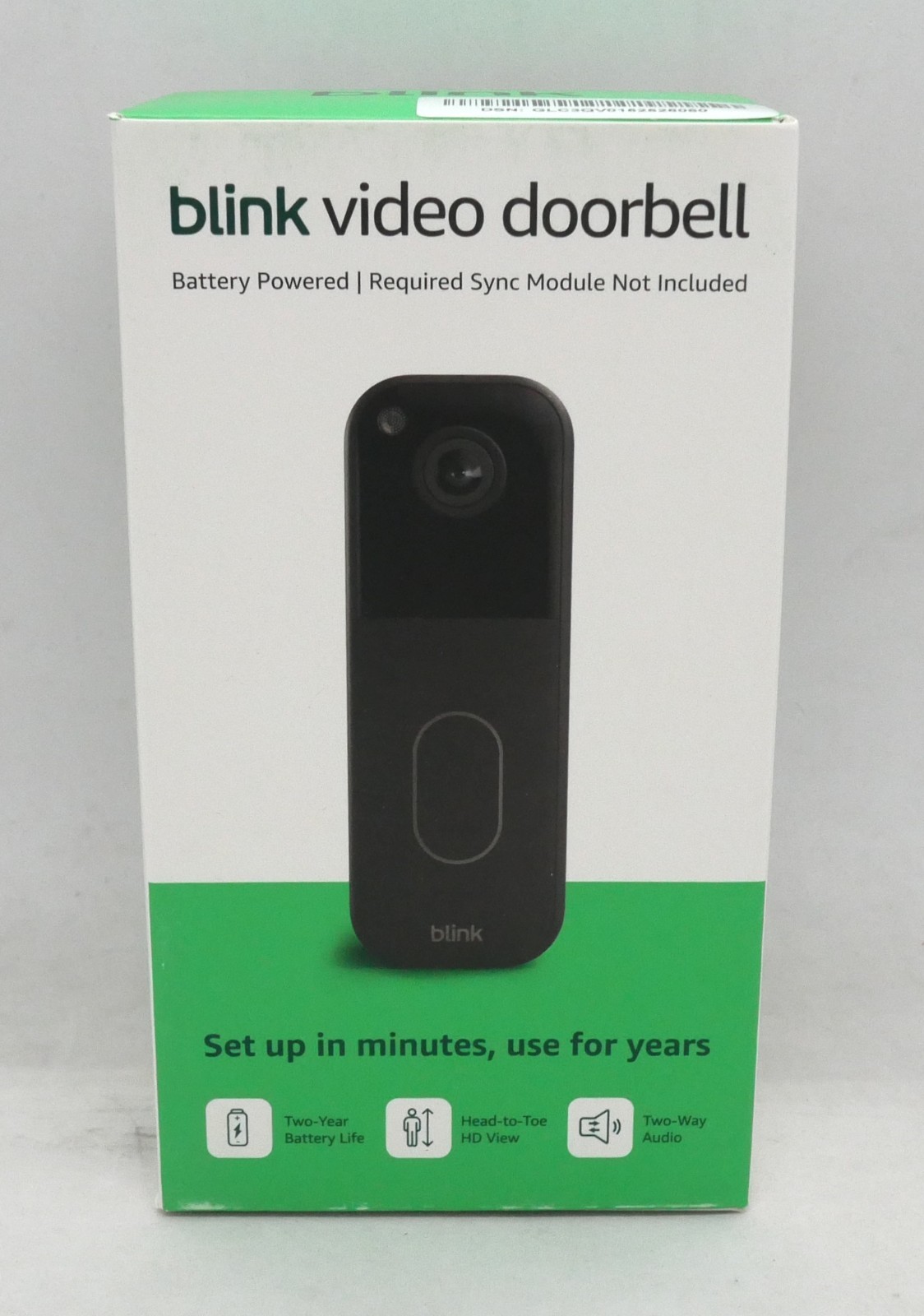 BLINK WIRELESS HOME SECURITY (BLACK) (2nd Gen/2025 MODEL) VIDEO DOORBELL *NEW*$27.99Last checked Nov 21, 2026View on eBay
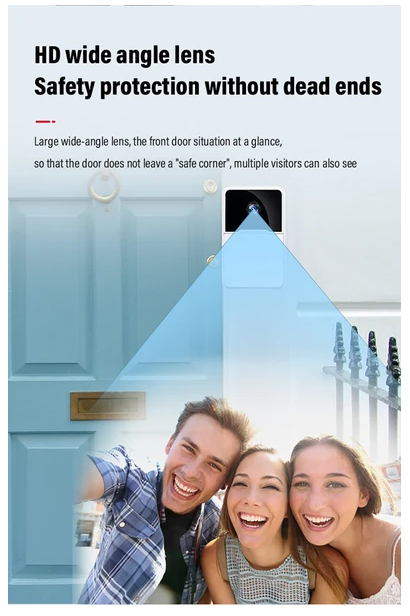 Wireless Security WiFi Smart Doorbell Intercom Video Camera Bell Chime Door Ring$27.99View on Mallflare
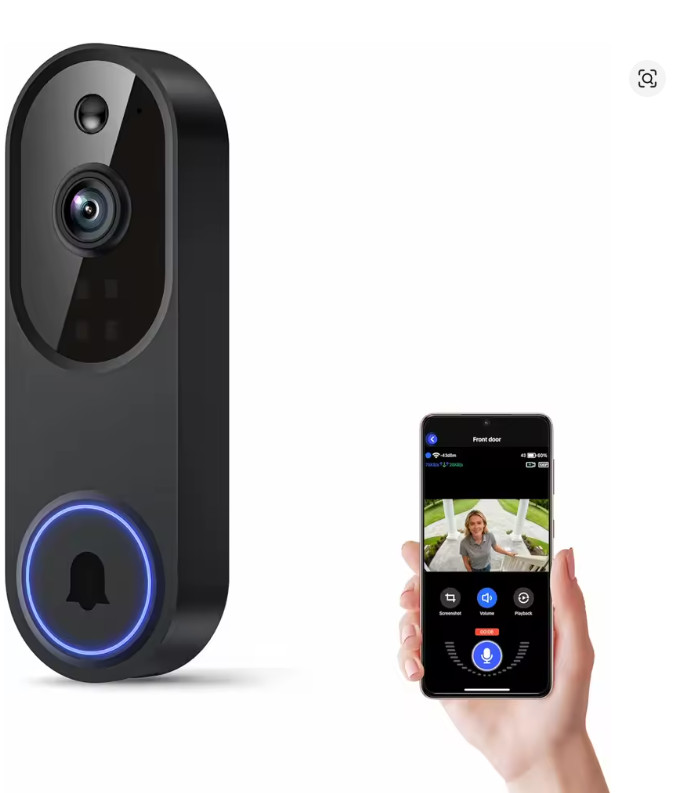 Wireless Wi-Fi Video Doorbell Camera with Two-Way Audio, AI Motion Detection$39.99View on eBay
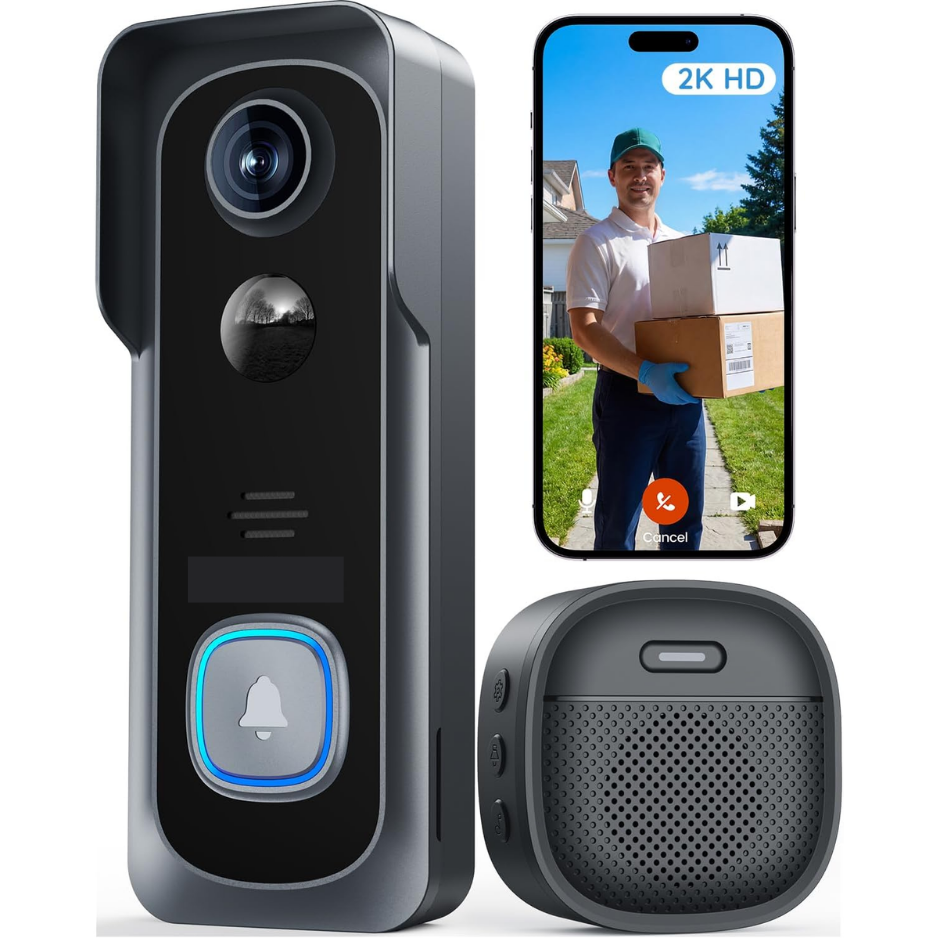 2K HD Wireless Video Doorbell Camera, No Subscription Required$165.99View on Mallflare
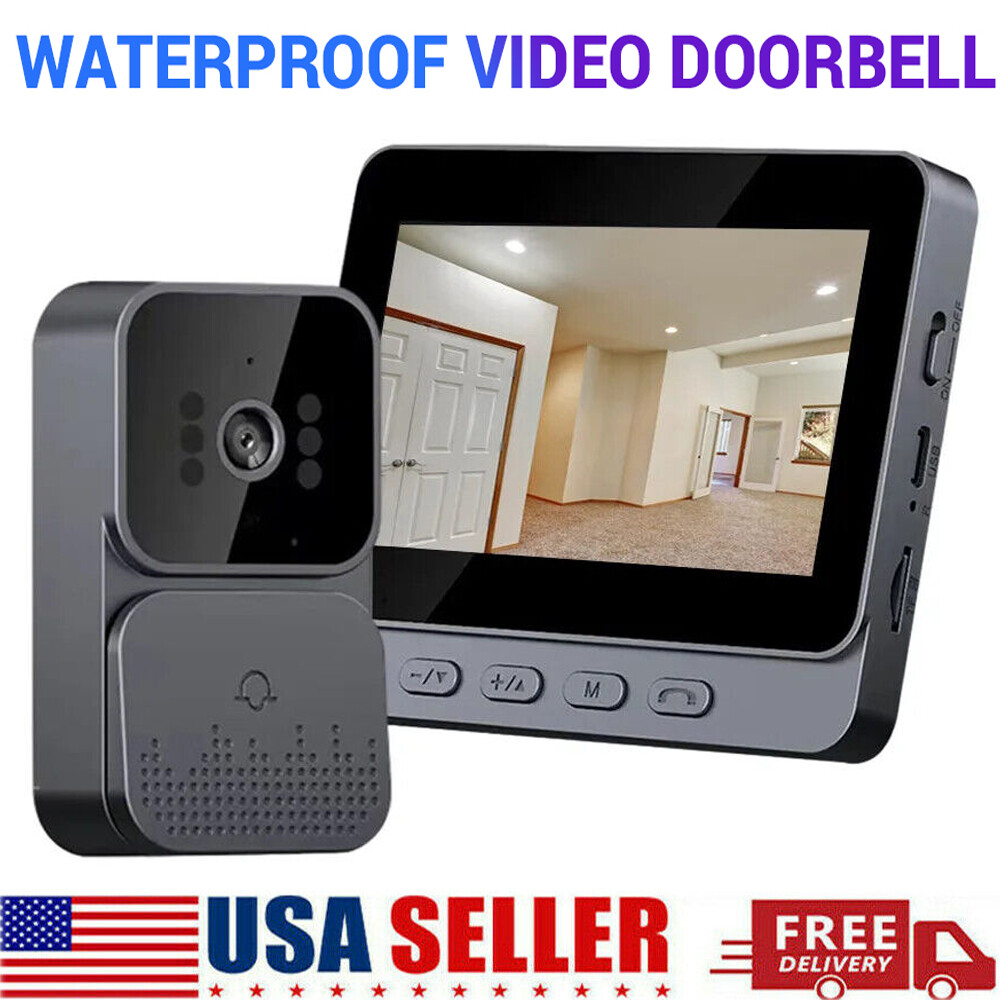 1080P 2.4G Wireless Smart Visual Intercom Video Doorbell Camera Monitor for Home$42.99View on eBay
 Blink Whole Home Security Camera System Bundle - Doorbell, 3 Cameras V4$80.00View on eBay
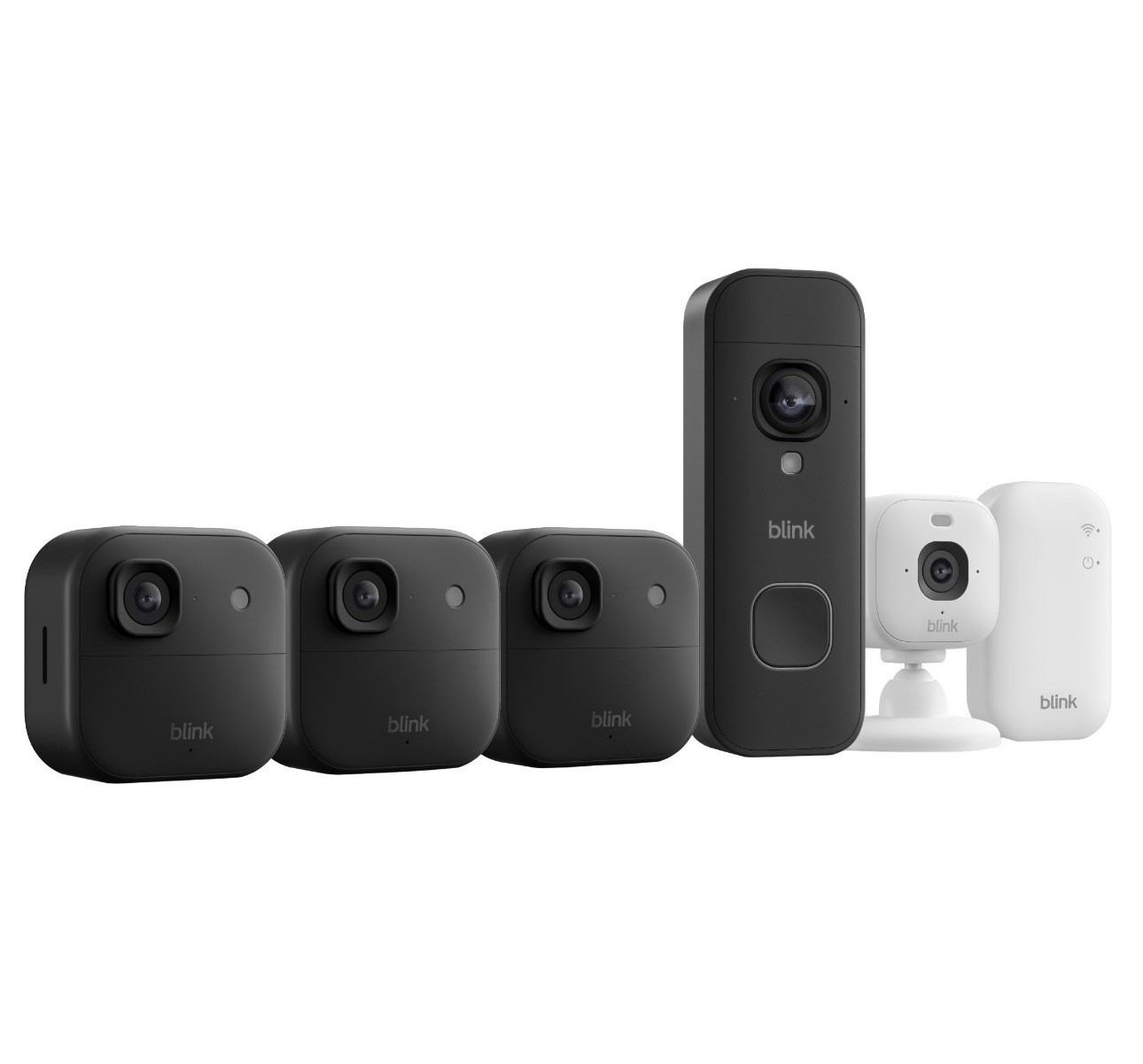 Blink Whole Home Security Camera System Bundle Outdoor 4 XR Doorbell 2K+ & Mini2$210.00Last checked Nov 14, 2026View on eBay
Highlights
- PoE (802.3af/at) doorbells carry both power and video over a single Cat5e/Cat6 run, eliminating WiFi and battery swaps entirely.
- Local-recording doorbells store footage on an onboard microSD (typically 32-128GB) or a paired NVR/Chime hub, with no subscription required.
- RF or sub-1GHz intercom doorbells pair a battery camera to an indoor chime/monitor via a proprietary radio link, not your router.
- Wired doorbell-camera systems depend on existing 16-24VAC transformer wiring; confirm transformer VA rating before choosing a wired chime model.
Best use cases
- Best fit: homeowners with an existing doorbell transformer and a desire for 24/7 recording, pick a wired 16-24VAC doorbell camera with local microSD or NVR output.
- Best fit: renters or remote-gate/garage entries where no WiFi reaches the door, pick an RF intercom doorbell with an indoor chime/monitor pair.
- Best fit: large properties or multi-camera setups, pick a PoE doorbell tied to an NVR so all cameras share one local storage and power backbone.
- Wrong fit: anyone expecting smartphone push alerts and remote viewing from a door with no WiFi AP in range, skip WiFi-dependent doorbells entirely.
Buying tips
- Match the doorbell to your existing transformer: 16VAC/10VA is common minimum, but dual-camera or chime models often need 16-24VAC at 20-30VA.
- For PoE, budget one 802.3af switch port per doorbell (up to 15.4W) and confirm the run length stays under 100m (328ft) on Cat5e.
- Choose local storage capacity by retention math: 64GB microSD holds roughly 3-7 days of continuous 1080p; step to 128GB or an NVR for 24/7.
- RF intercom links are point-to-point, so confirm the receiver's rated range (typically 100-300m open air) and that walls between door and monitor are minimal.
Specs
| Connectivity | PoE / RF intercom / wired 16-24VAC |
|---|---|
| Local Storage | microSD 32-128GB or NVR |
| Power Source | 802.3af PoE / 16-24VAC / battery |
| Resolution Tier | 1080p to 2K (4MP) |
Related searches
What to check before buying
- Measure the door frame and mounting surface: doorbells are typically 2-6 inches wide, and a deep brick reveal or metal frame may block the camera's field of view.
- Confirm door wiring: locate the 16-24VAC transformer and chime, and note the VA rating printed on the transformer before buying a wired model.
- Check radio environment: for RF intercoms, place the indoor receiver within the rated range and away from large metal appliances or foil-backed insulation.
- Verify power topology: PoE requires a switch or injector near your NVR/router, while battery RF models need a charged pack and a nearby chime outlet.
FAQ
Data sources: eBay / Amazon listings and product attribute feeds. Updated Nov 22, 2026.
Some links on this page are affiliate links. If you buy after clicking one, we may earn a commission at no extra cost to you. This does not change which products appear here or their order. Affiliate disclosure.