
Photos from current listings. Actual item, color, and included accessories may vary.
Cctv System Buying Guide
A CCTV system is a set of cameras, a recorder (DVR/NVR), and storage that continuously monitors your property. The core trade-off is wired reliability (PoE or DVR coax) versus wireless flexibility (battery/solar Wi-Fi), and the decision rule is simple: choose wired if you can run a single Ethernet or coax drop per camera, otherwise choose battery/solar but accept recharging cycles and lower sustained video quality.
At a glance
- Category
- Home Security
- Last updated
- Nov 22, 2026
Current offers
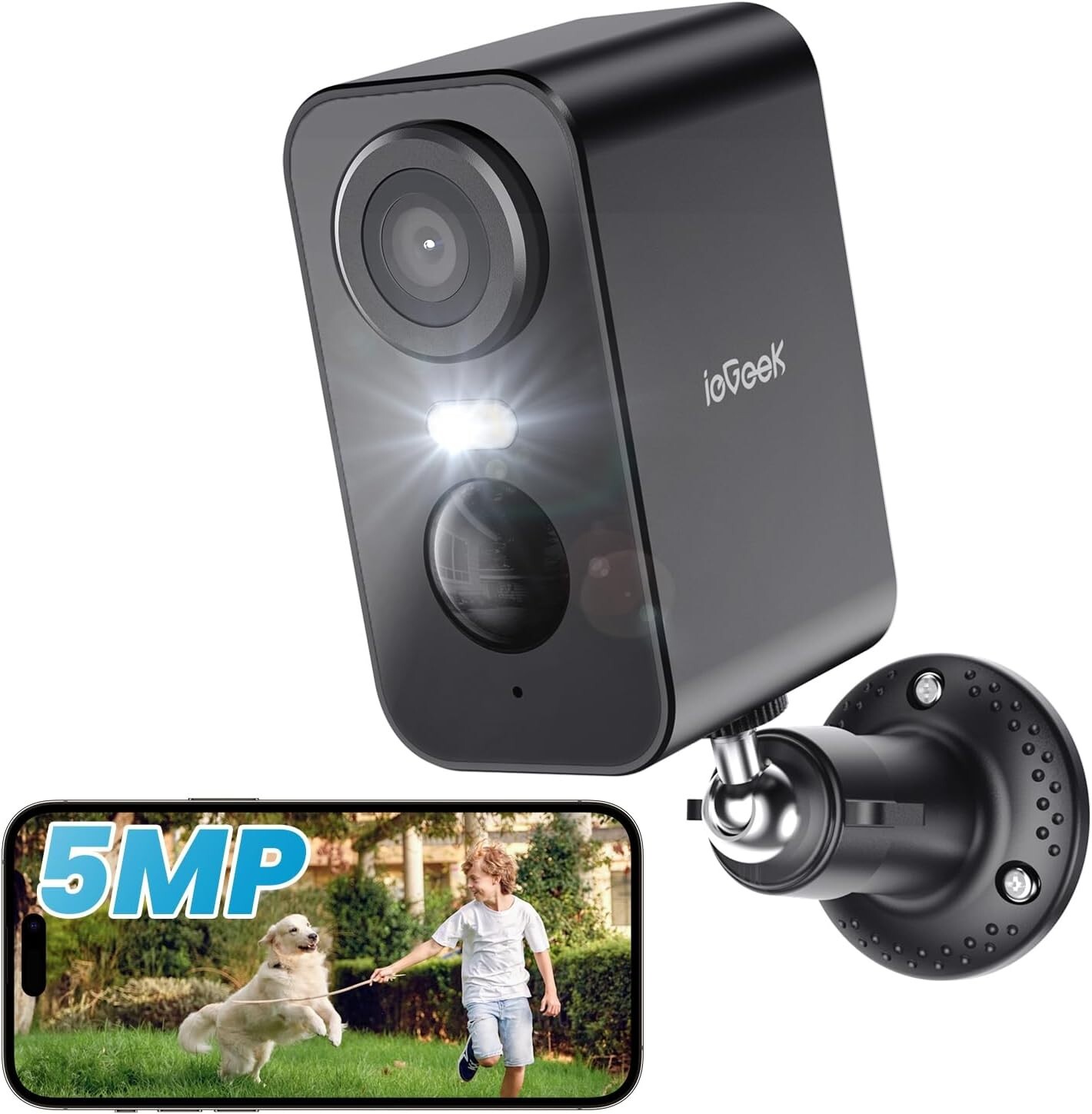 ieGeek Wireless Outdoor 5MP Security Camera Home Battery WiFi CCTV System Alexa$35.99Last checked Nov 19, 2026View on eBay
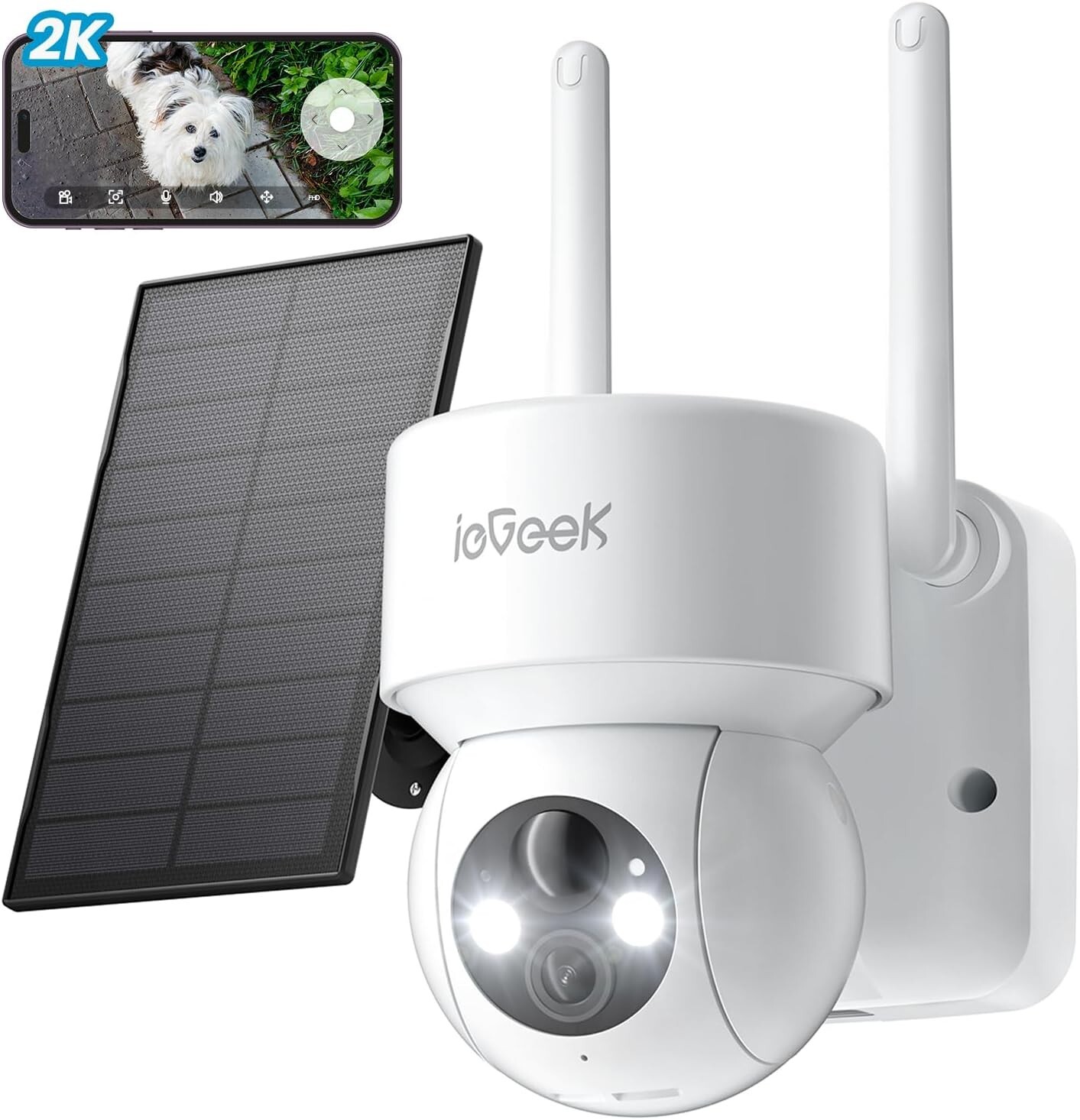 ieGeek Outdoor Wireless 2K Solar Security Camera Home WiFi Battery CCTV System$49.99Last checked Nov 19, 2026View on eBay
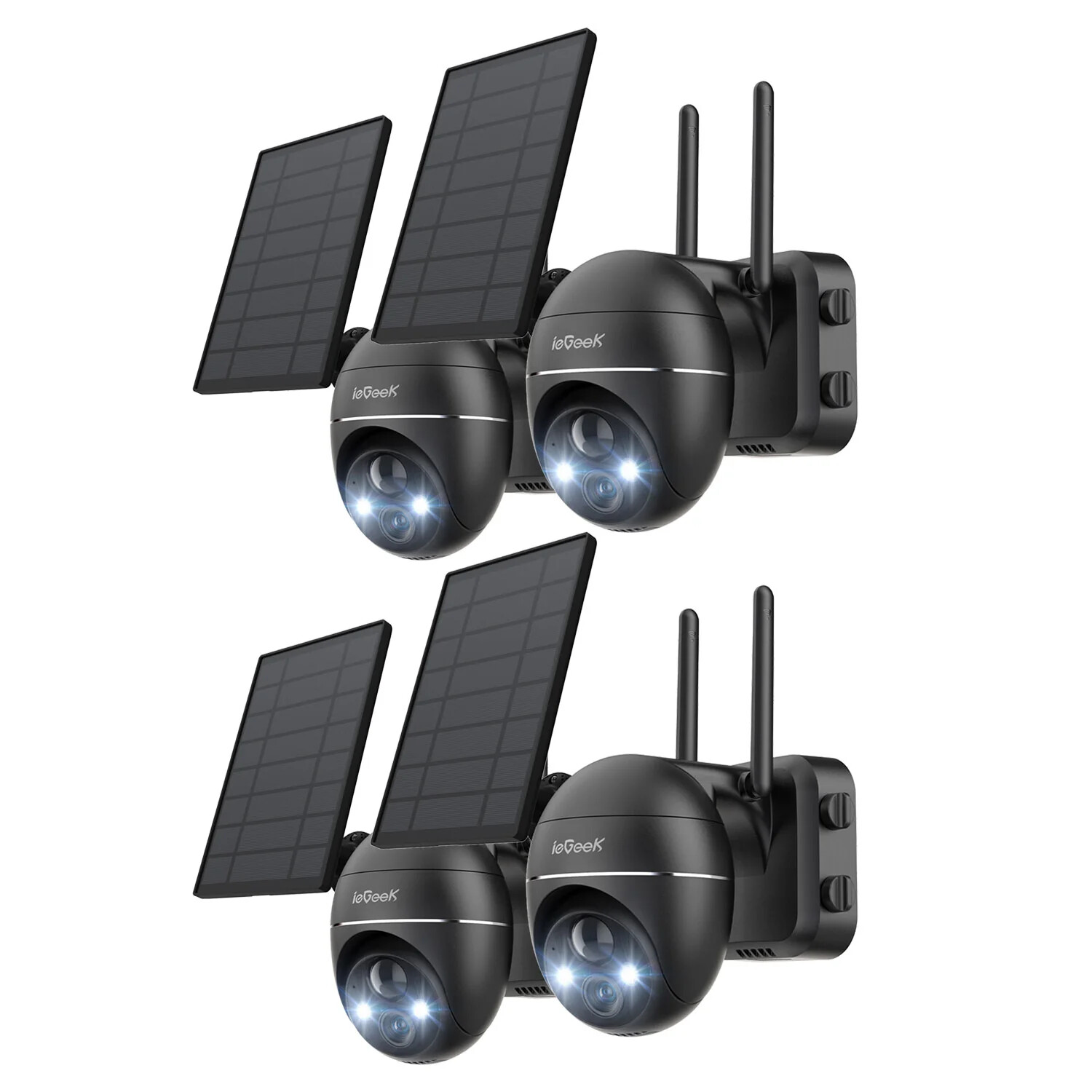 ieGeek Outdoor Wireless Solar Security Camera 2K Home WiFi Battery CCTV System$169.39View on eBay
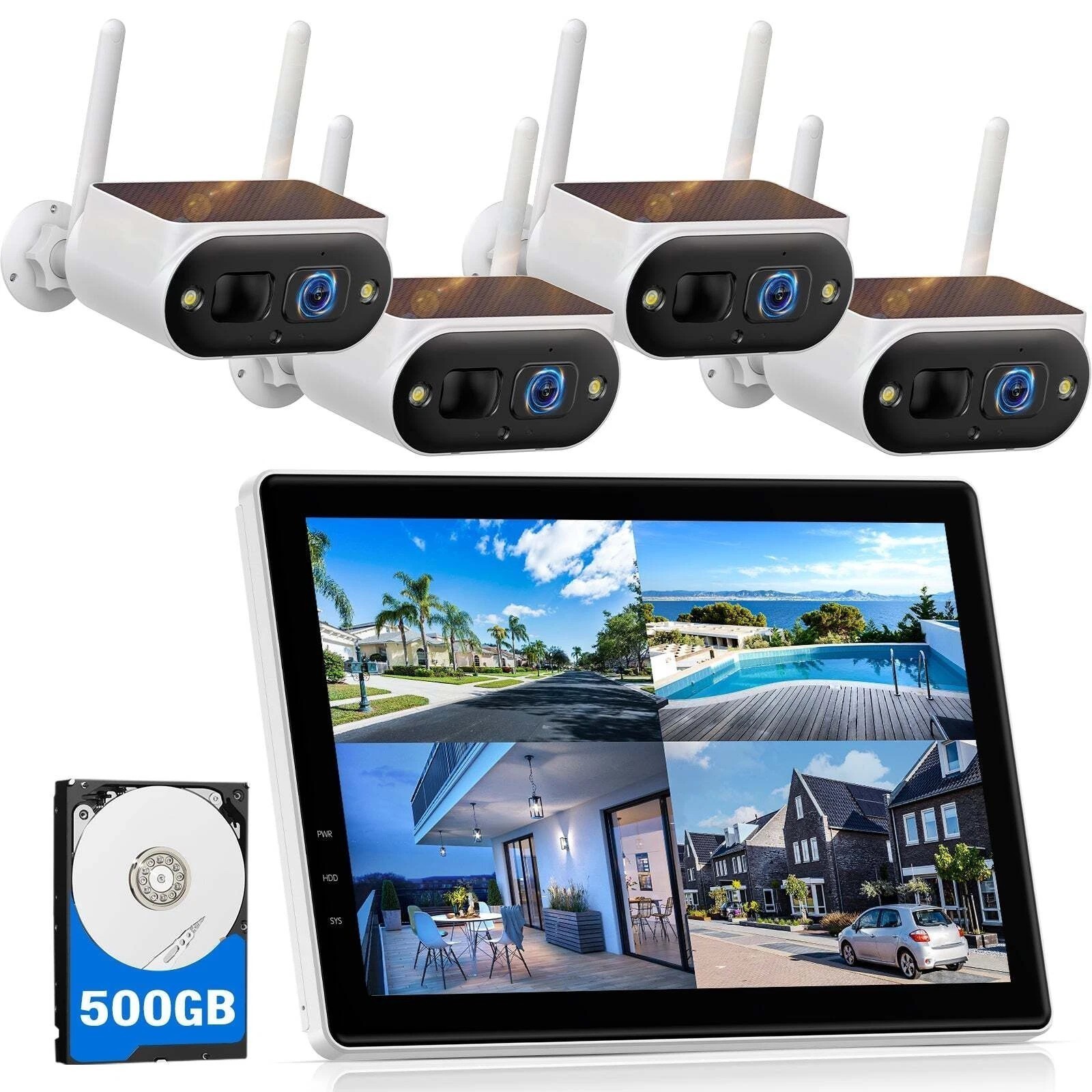 2K Solar Battery Powered Wireless Security Camera CCTV System W/10" Monitor NVR$317.95Last checked Nov 14, 2026View on eBay
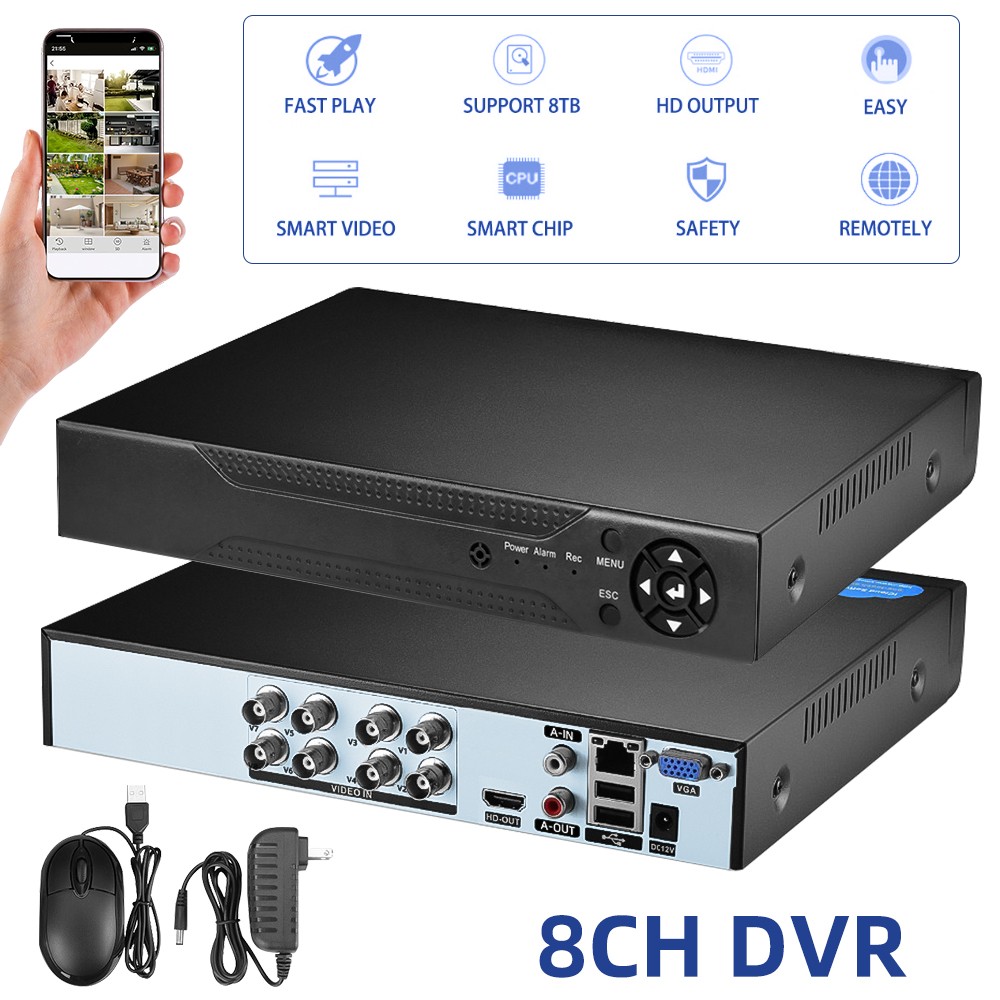 8 Channel H.265 1080P DVR Recorder for Outdoor Home Security Camera System CCTV$66.49View on eBay
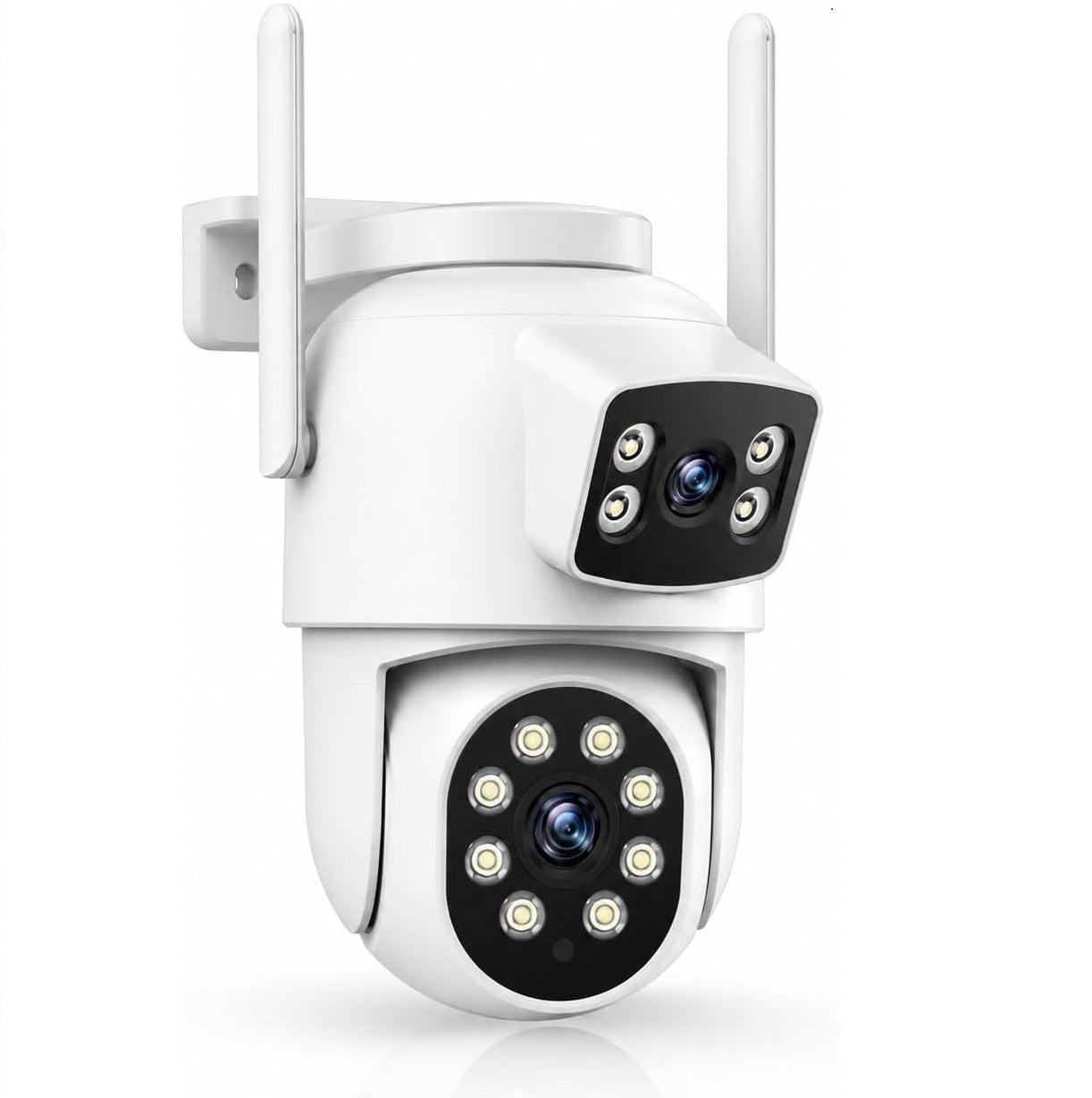 Wireless Home Security Camera System Weatherproof Color Night Vision CCTV Camera$79.99View on eBay
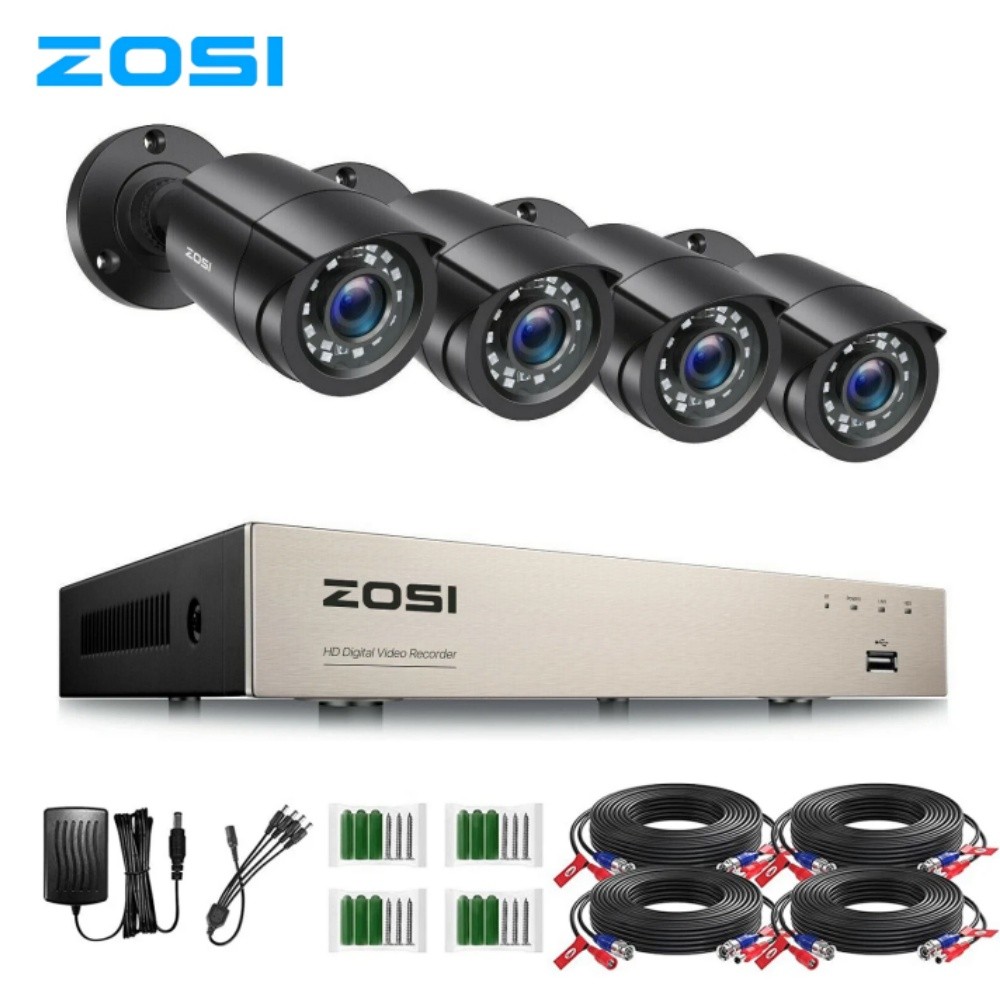 ZOSI 8CH AI H.265+ 5MP Lite DVR 1080P Outdoor CCTV Home Security Camera System$99.99Last checked Nov 22, 2026View on eBay
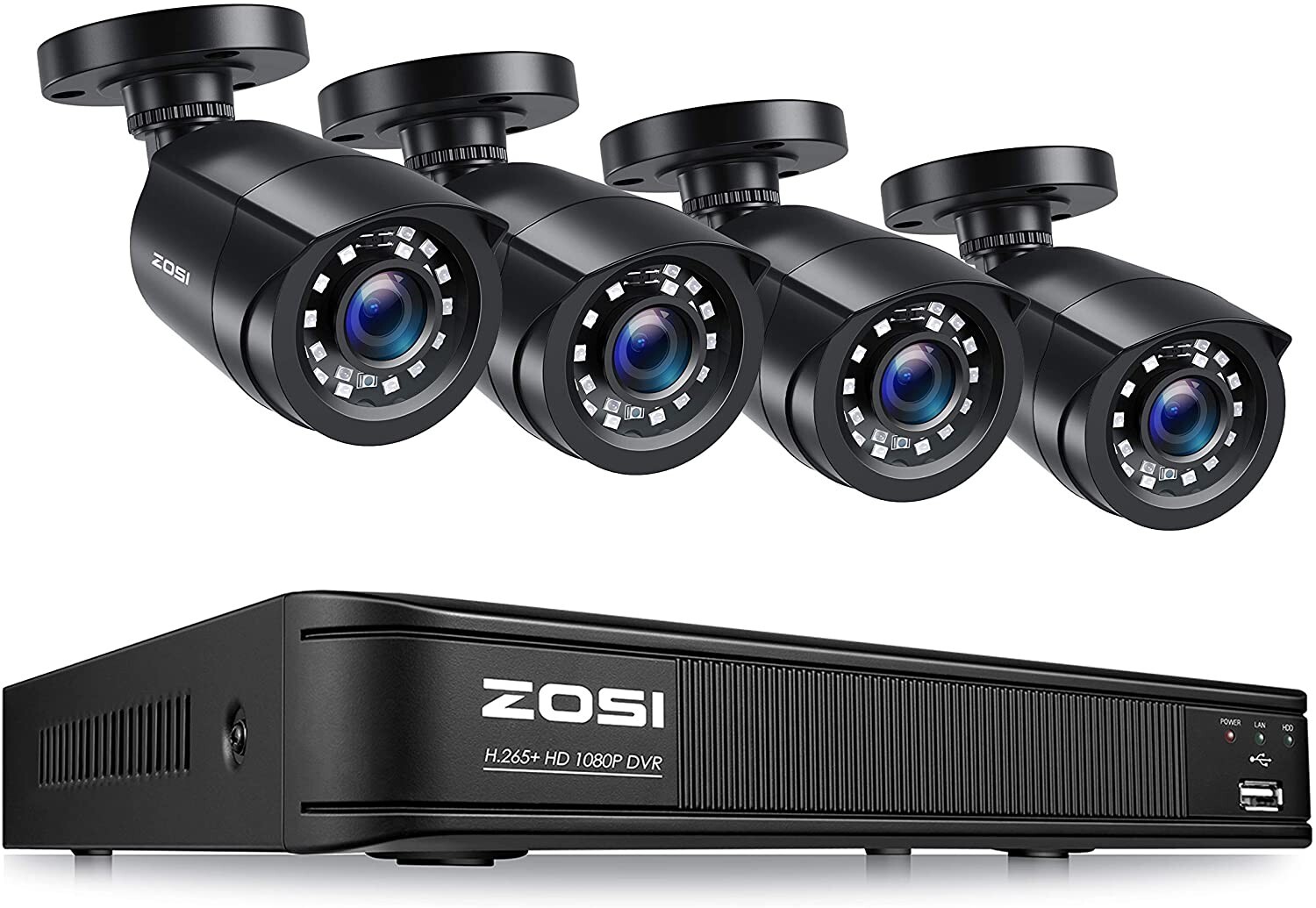 ZOSI 8CH DVR Outdoor Home CCTV 1080p Security Camera System 80ftNight Vision$100.99View on eBay
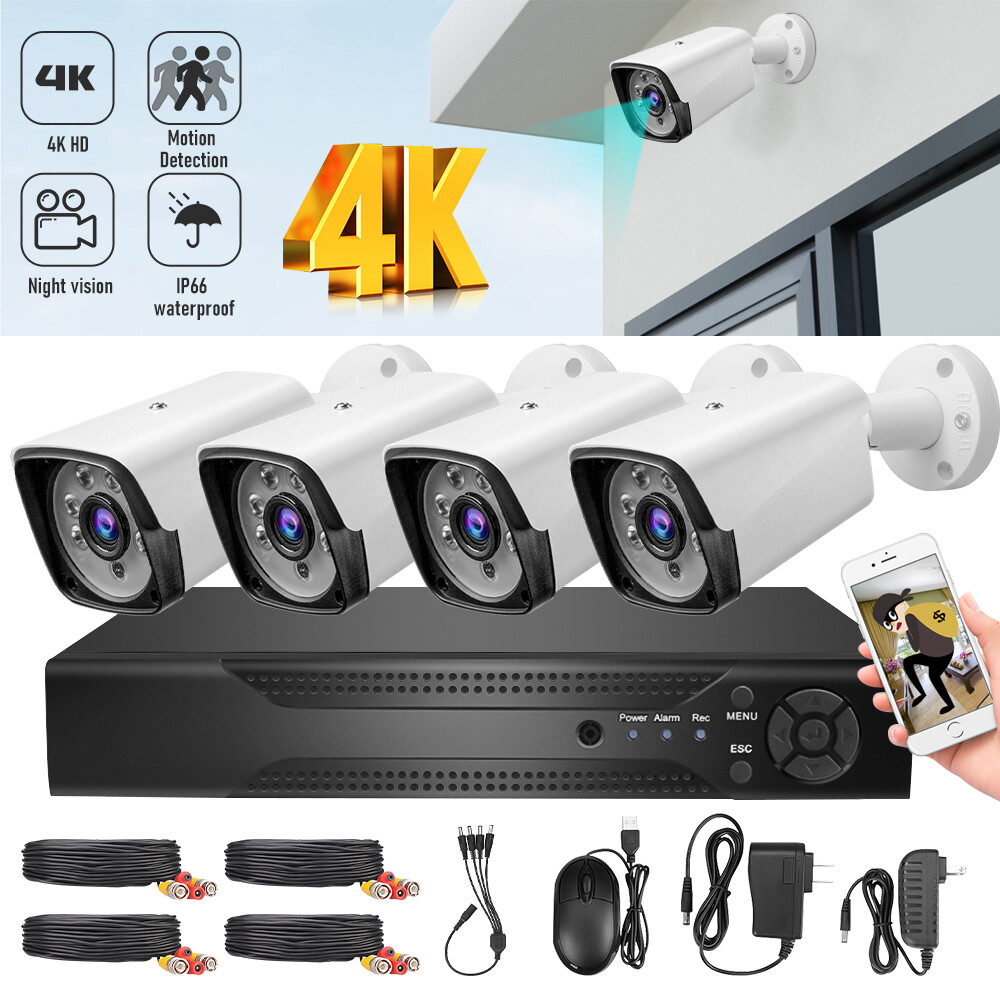 4CH Camaras De Seguridad Para Casa Oficina 4K Home Security Camera System CCTV$102.99View on eBay
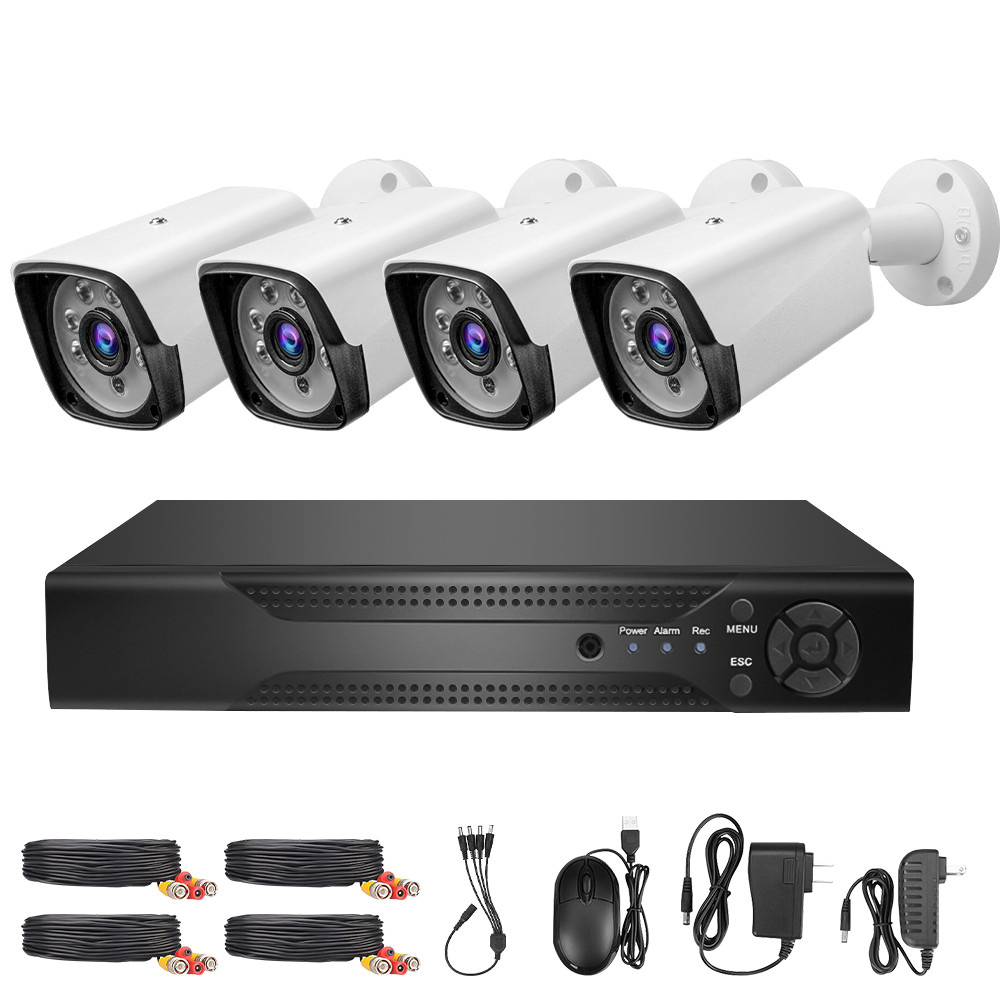 4CH 5MP Lite DVR 1080P Security Camera System Kit Outdoor Night Vision Home CCTV$102.99View on eBay
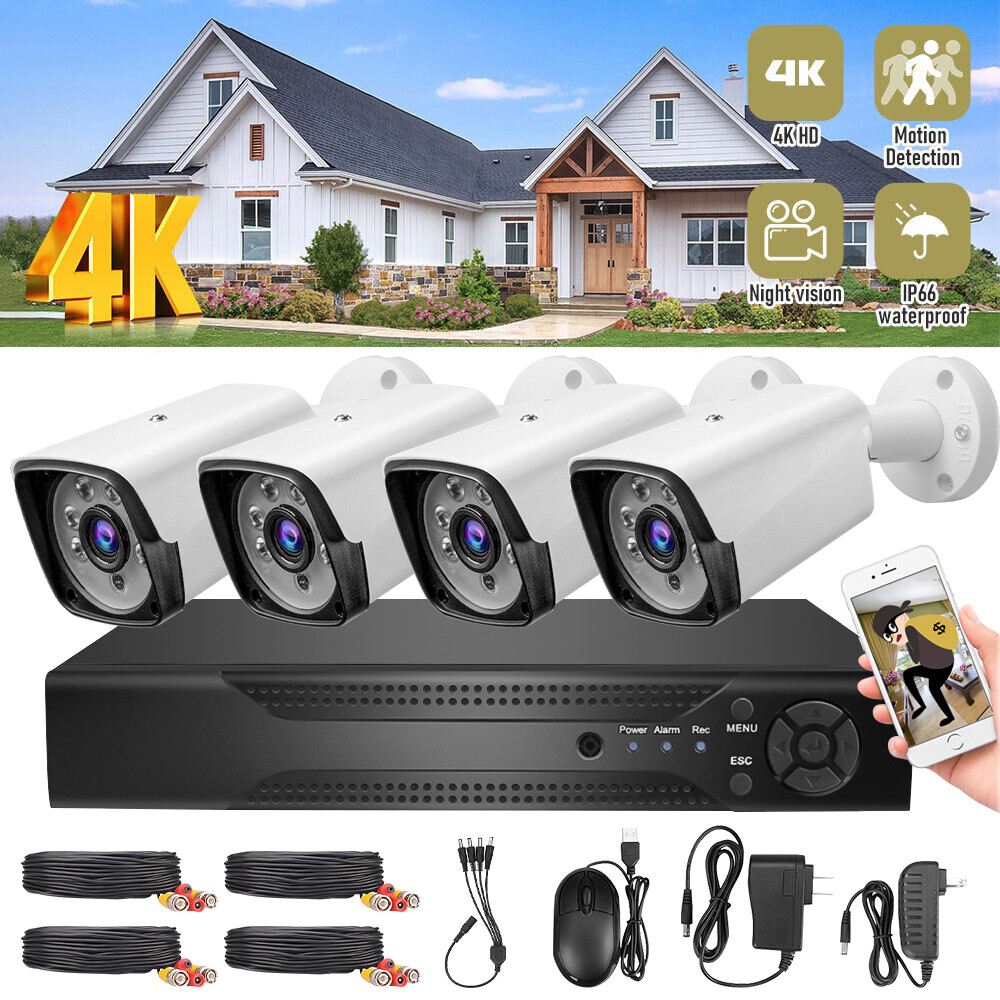 4K HD Security Camera System Kit Outdoor Video Audio Home CCTV 5MP 8CH DVR IP66$102.99View on eBay
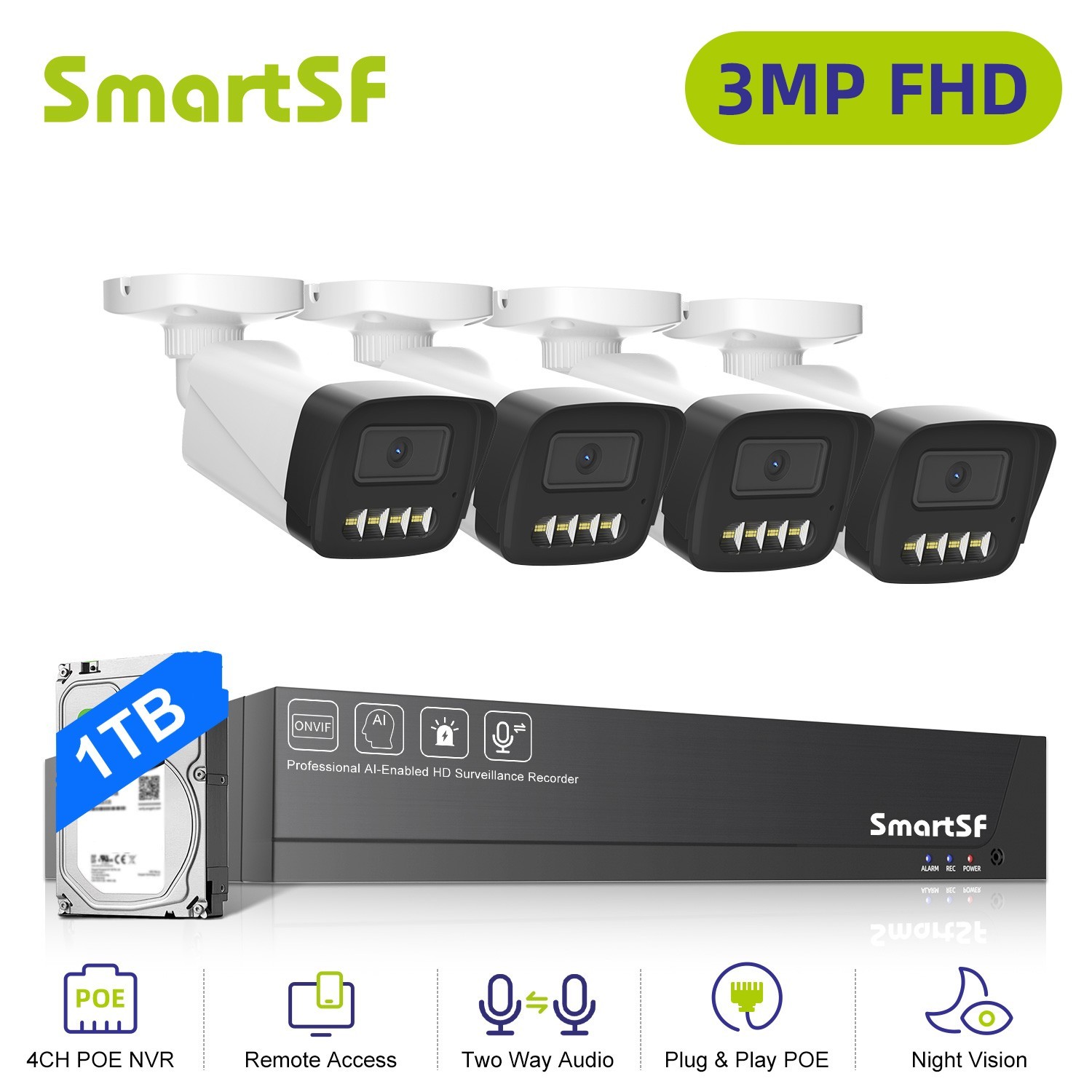 SmartSF 5MP NVR PoE Security Camera System Home CCTV Surveillance Outdoor 1TB$130.00View on eBay
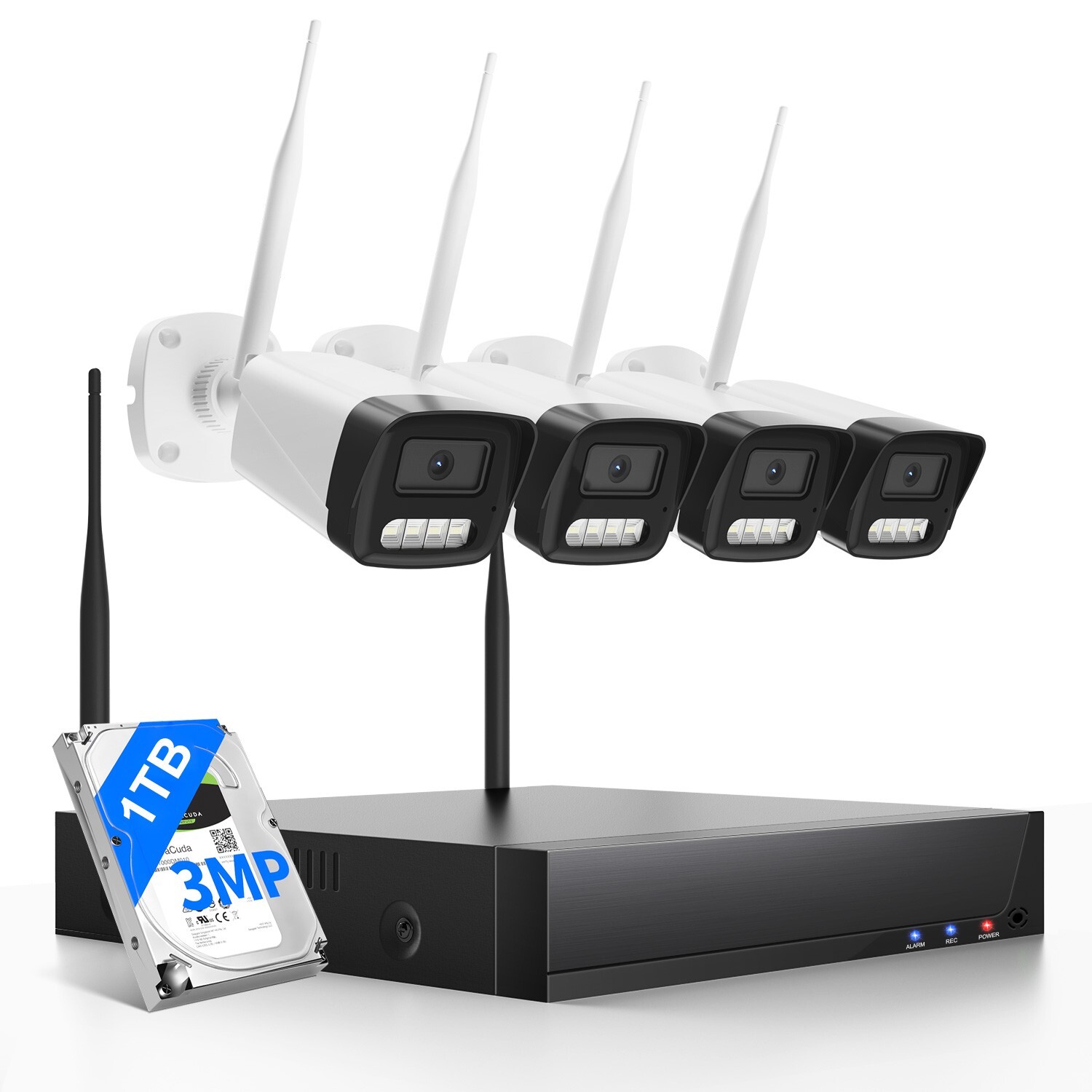 HD 3MP Security Camera System 1TB HDD NVR Indoor Outdoor WIFI CCTV Audio NVRkit$141.99View on eBay
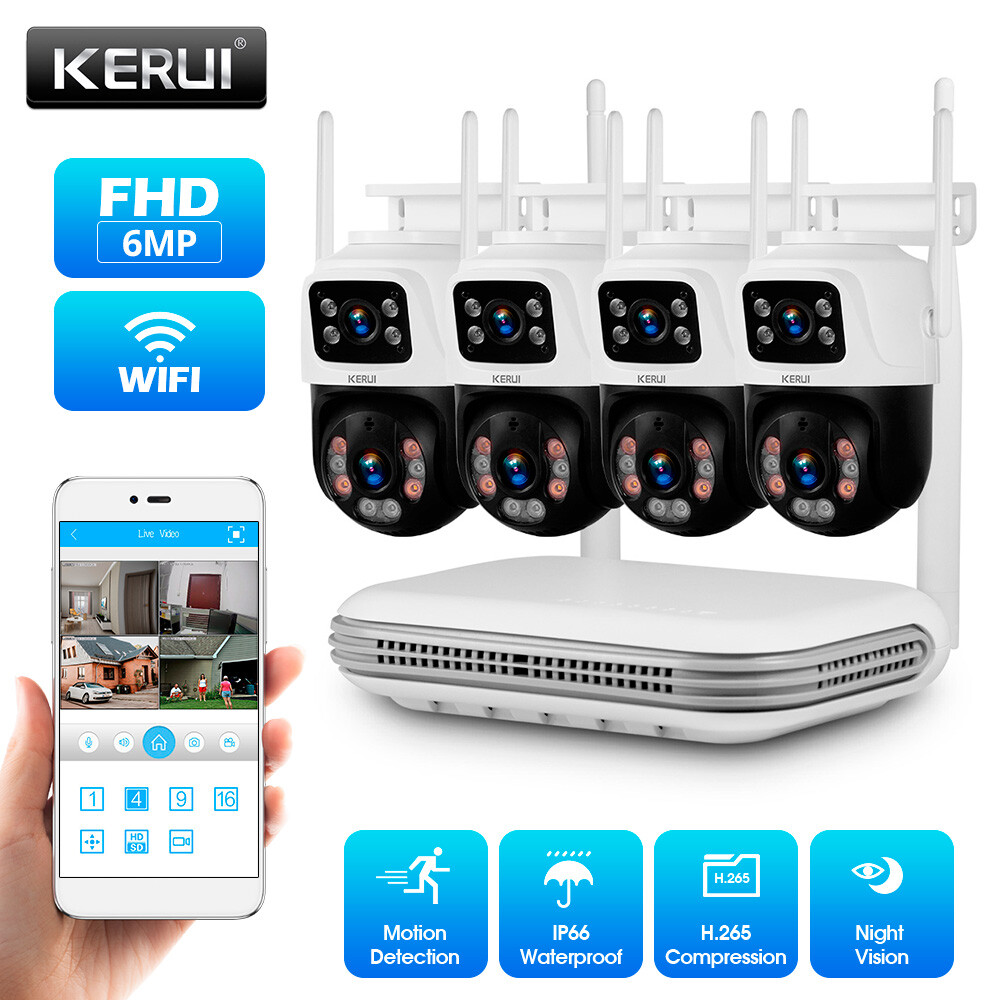 WiFi Camera Security 6MP System PTZ Outdoor Wireless Home 8CH NVR CCTV Audio Kit$158.04Last checked Nov 22, 2026View on eBay
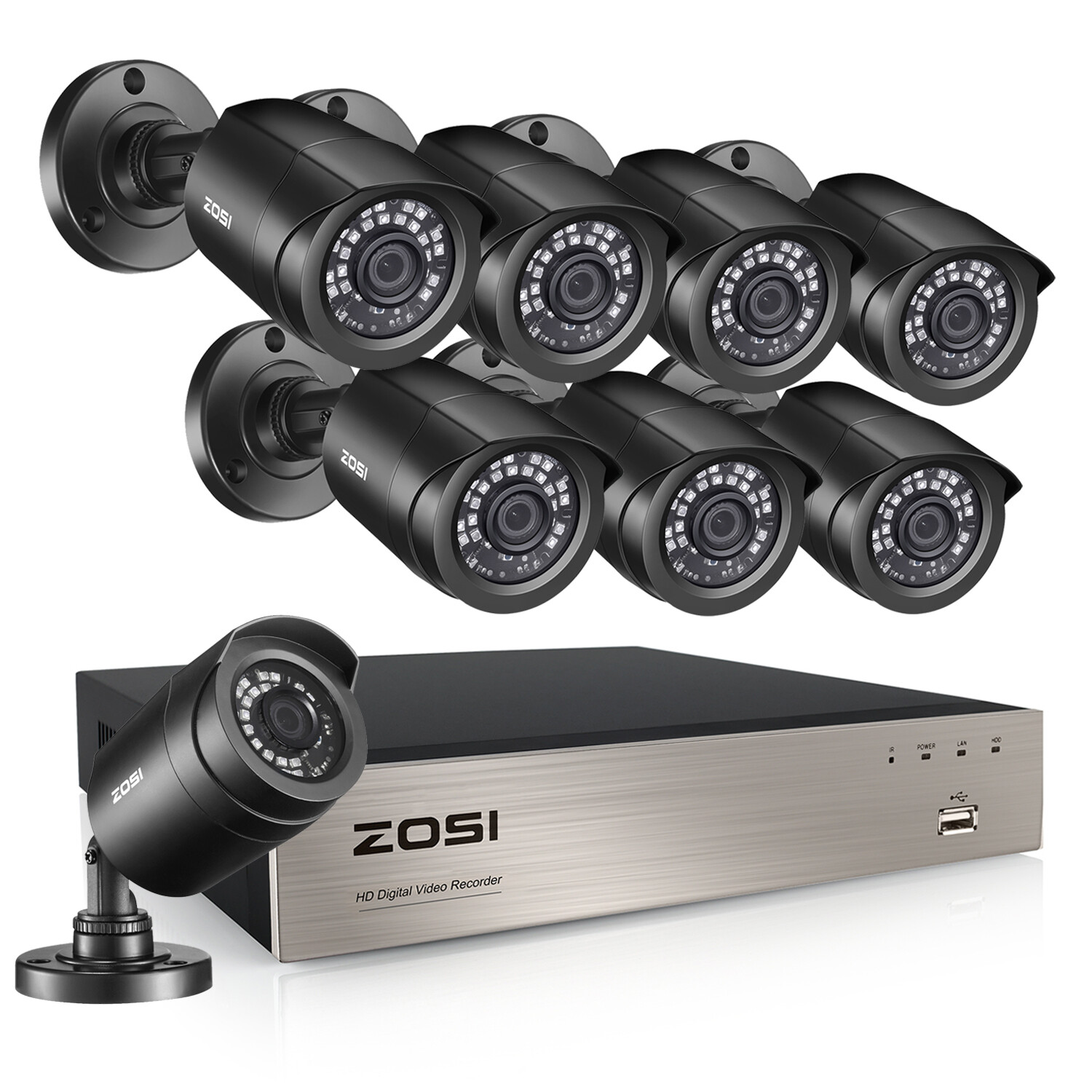 ZOSI 5MP Lite Home 8CH DVR 1080P H.265+ CCTV Security Camera System 1TB Outdoor$159.99Last checked Nov 20, 2026View on eBay
 WIFI Security Camera Audio System Outdoor 1080P Wireless CCTV 10CH NVR H.265 HDD$175.99View on eBay
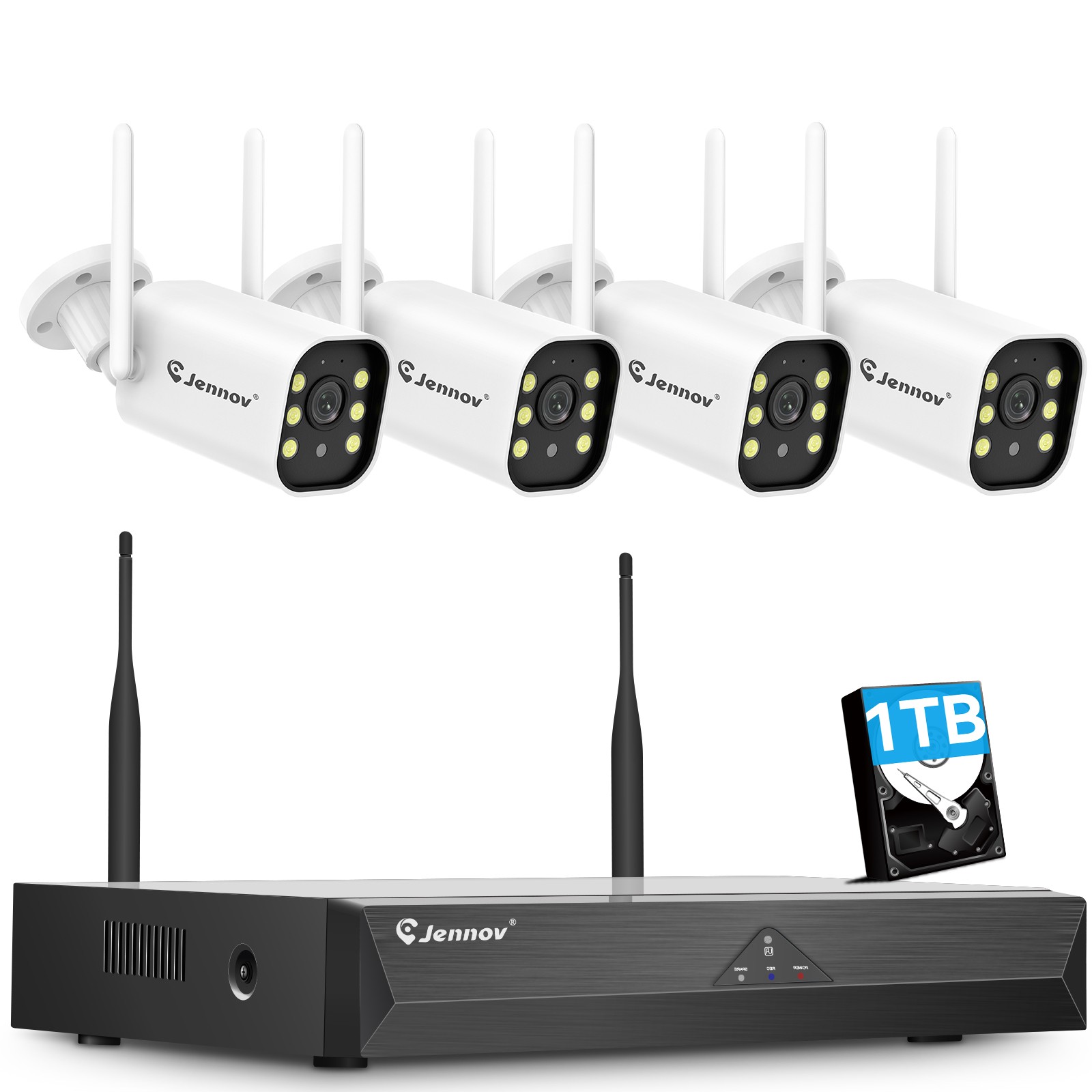 Wireless WIFI Outdoor 5MP CCTV Security Camera System 10CH 1TB NVR Home Audio$202.50Last checked Nov 21, 2026View on eBay
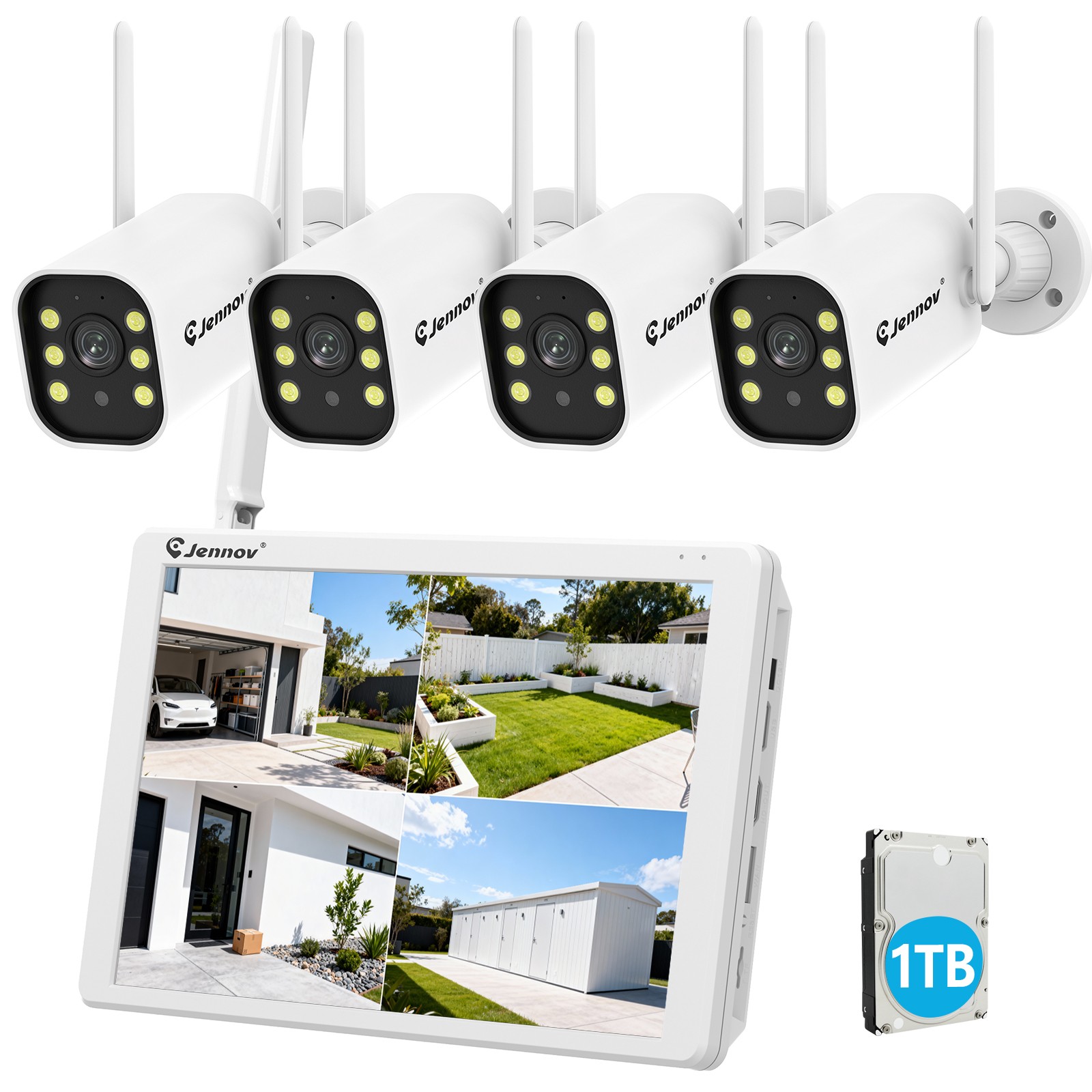 Wireless WIFI Camera Home Security System Outdoor CCTV 5MP 10CH 1TB NVR Lot$212.49Last checked Nov 16, 2026View on eBay
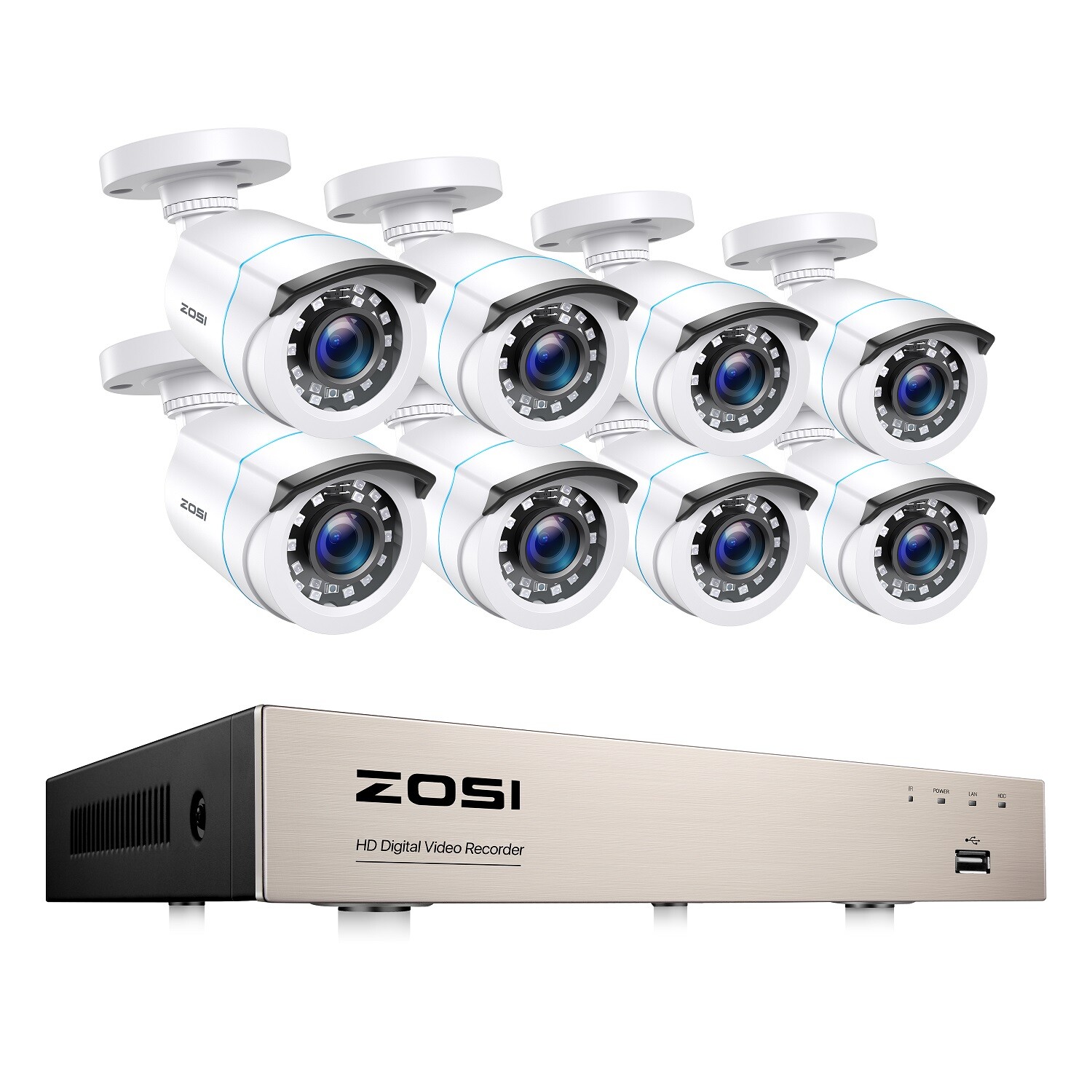 ZOSI H.265+8CH 5MP Lite DVR Security Camera System 1080P Home IR Night CCTV IP66$229.99Last checked Nov 16, 2026View on eBay
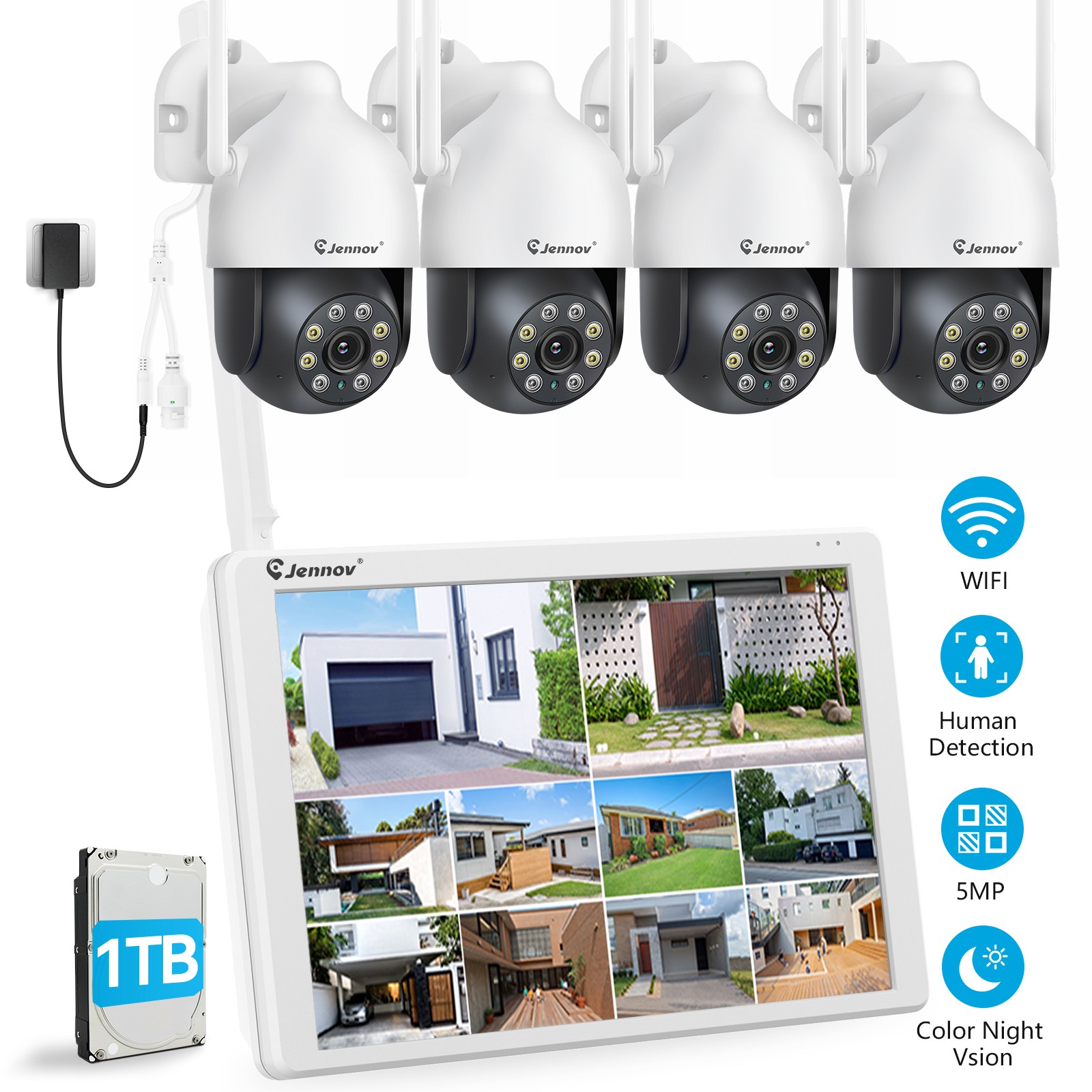 Home Security Camera System Wireless CCTV 5MP Outdoor Audio WIFI 10''Monitor$243.46Last checked Nov 14, 2026View on eBay
Highlights
- Recorder generation: H.265+ DVRs cut storage and bandwidth by 40-50% vs H.264, letting an 8-channel 1080p system run on a smaller drive.
- Resolution tiers: 1080p (2MP) is entry, 5MP Lite is mid, and true 4K (8MP) requires an NVR and PoE—not a DVR.
- Power architecture: PoE delivers data and power over one Cat5e/6 cable up to 100 m; battery/solar cameras use Wi-Fi and need periodic recharging or adequate sun.
- Camera form: bullet cameras suit long-range outdoor sightlines; dome/turret units resist glare and tampering in covered entries.
Best use cases
- Best fit: a house with attic or soffit access—run PoE NVR with 4-8 cameras for 24/7 recording, no battery swaps, and 4K detail.
- Best fit: a rental or brick exterior where cabling is impossible—pick a solar/battery Wi-Fi kit with a 10-inch monitor NVR for local storage without monthly fees.
- Wrong fit: relying on battery cameras for continuous 24/7 recording—they record on motion only and will drain in days; use wired DVR/NVR instead.
- Wrong fit: buying an 8-channel DVR for a 2-camera starter—leave at least 2 spare channels so you can expand without replacing the recorder.
Buying tips
- Match camera count to recorder channels: an 8CH DVR with 4 cameras leaves room to add 4 more; a 4CH unit caps you at 4 total.
- For PoE, total camera wattage must stay under the NVR's PoE budget (typically 120-240 W); check per-port wattage for PTZ or heater units.
- Storage math: one 1080p H.265 camera uses about 10-15 GB/day continuous; a 1 TB drive gives roughly 2 weeks for 4 cameras.
- Wireless kits need 2.4 GHz Wi-Fi at the camera location; 5 GHz has shorter range through exterior walls and is not a substitute for signal strength.
Specs
| Recorder Type | DVR (coax) vs NVR (PoE IP) |
|---|---|
| Resolution Tier | 1080p / 5MP Lite / 4K 8MP |
| Power & Data | PoE Cat5e/6 vs battery/solar Wi-Fi |
| Compression | H.265+ vs H.264 |
Related searches
What to check before buying
- Measure cable runs from recorder to each camera corner—PoE Cat5e/6 is limited to 100 m per run without a switch or extender.
- Confirm exterior outlet or PoE switch location; battery/solar cameras need either 3-4 hours of direct sun or a nearby outlet for recharge.
- Check recorder storage bay: most DVR/NVR units accept one 3.5-inch SATA drive up to 4-8 TB; buy a surveillance-grade drive, not a desktop drive.
- Verify mobile app and remote viewing work over your router's NAT without a static IP; most kits use P2P cloud relay.
FAQ
Data sources: eBay / Amazon listings and product attribute feeds. Updated Nov 22, 2026.
Some links on this page are affiliate links. If you buy after clicking one, we may earn a commission at no extra cost to you. This does not change which products appear here or their order. Affiliate disclosure.