
Photos from current listings. Actual item, color, and included accessories may vary.
Burglar Alarm Buying Guide
A burglar alarm is a layered system of entry sensors, motion detectors, a control hub, and a siren that detects intrusion and triggers notification. The core trade-off is between standalone sensor-only kits (cheap, local noise, no remote alerts) and hub-based or GSM/Wi-Fi systems (remote app/cloud alerts, zone management, but require power and connectivity planning). Choose a hub-based system with at least 8 zone capacity and dual-path (Wi-Fi + GSM) signaling for real protection; treat sensor-only local sirens as supplemental deterrents, not primary security.
At a glance
- Category
- Home Security
- Last updated
- Nov 22, 2026
Current offers
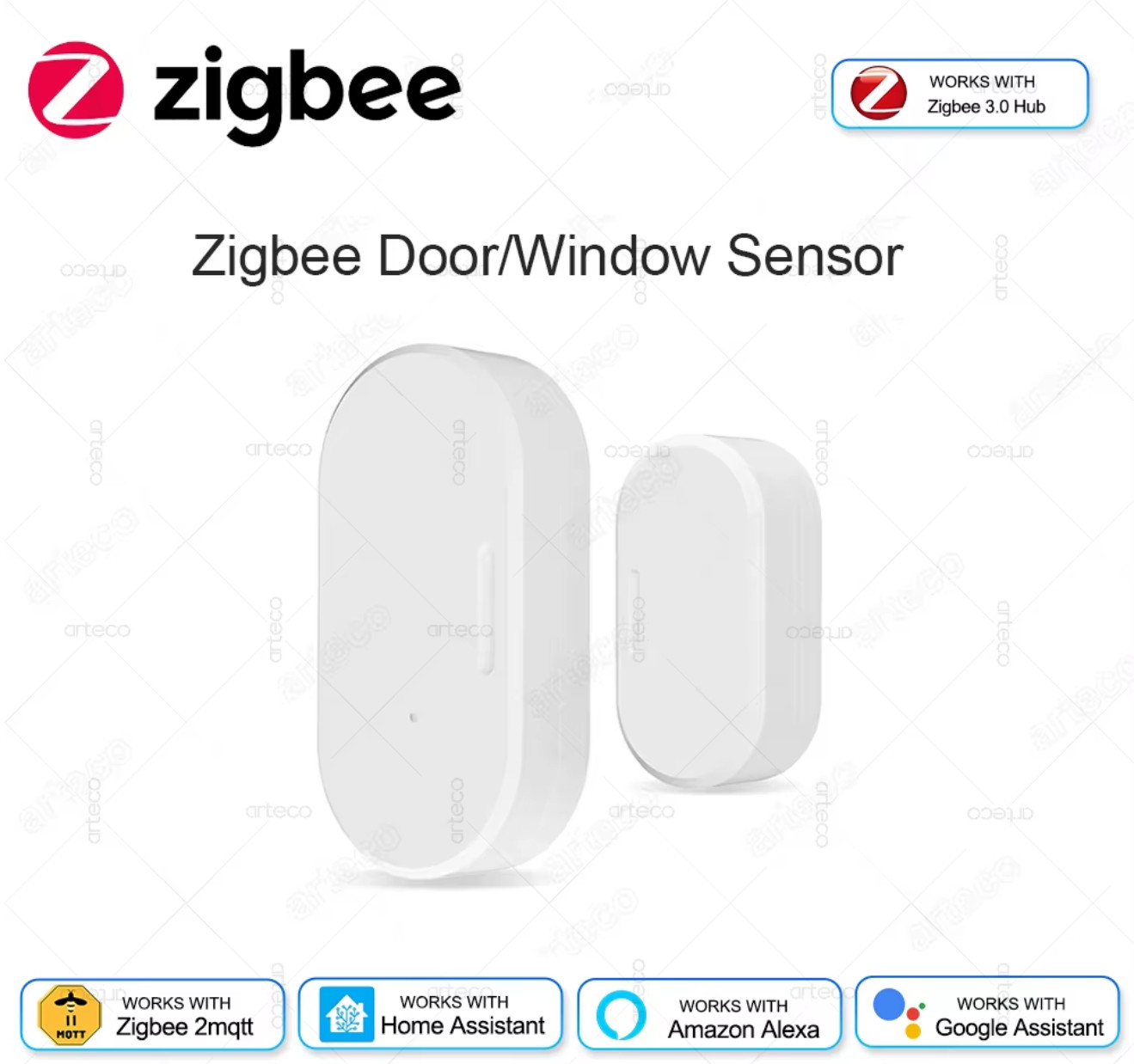 Zigbee Door Window Sensor Open Close Detector Smart Home Security Alarm Burglar$7.99View on eBay
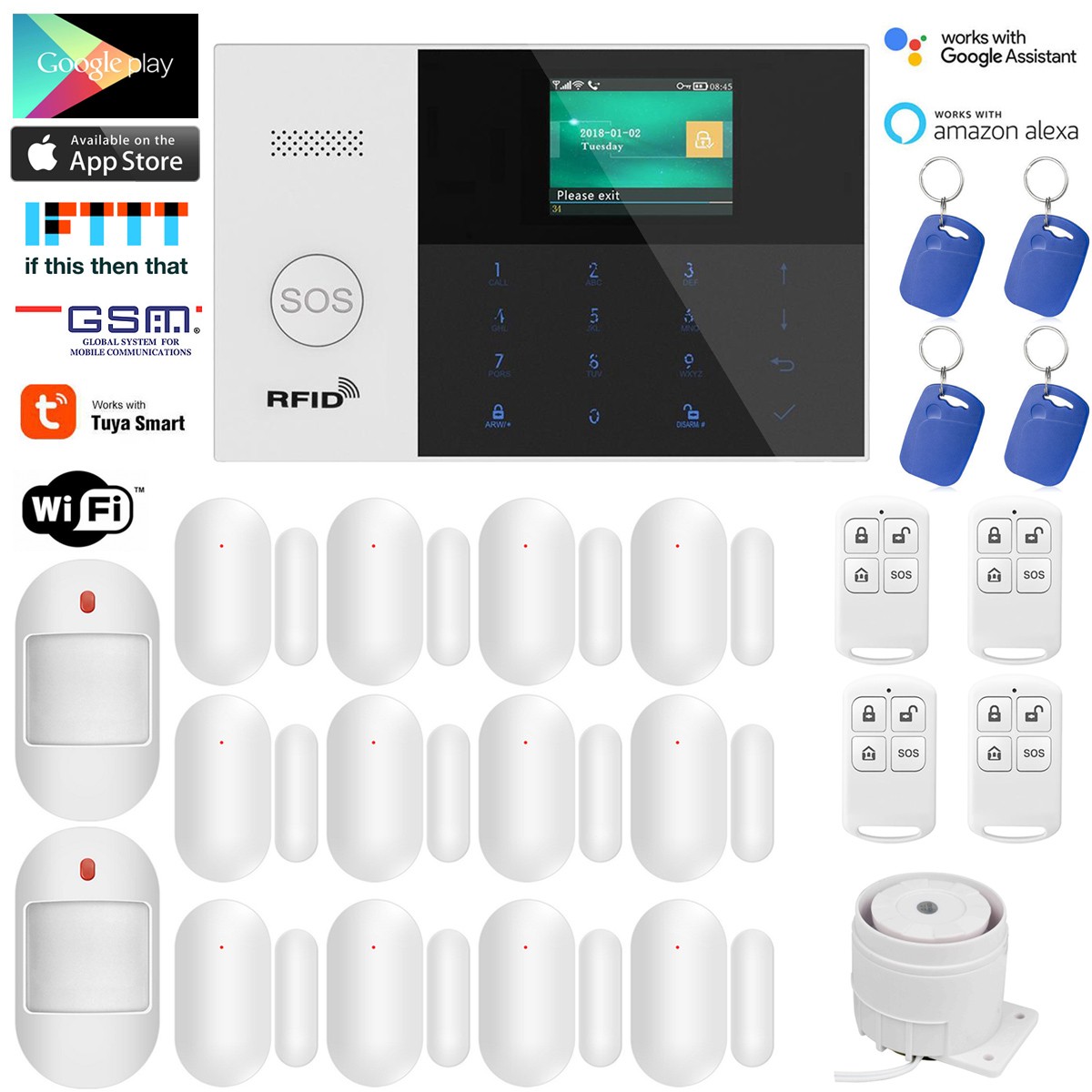 WiFi Cloud APP GSM Tuya Wireless IR Home House Security Alarm Burglar System$89.99View on eBay
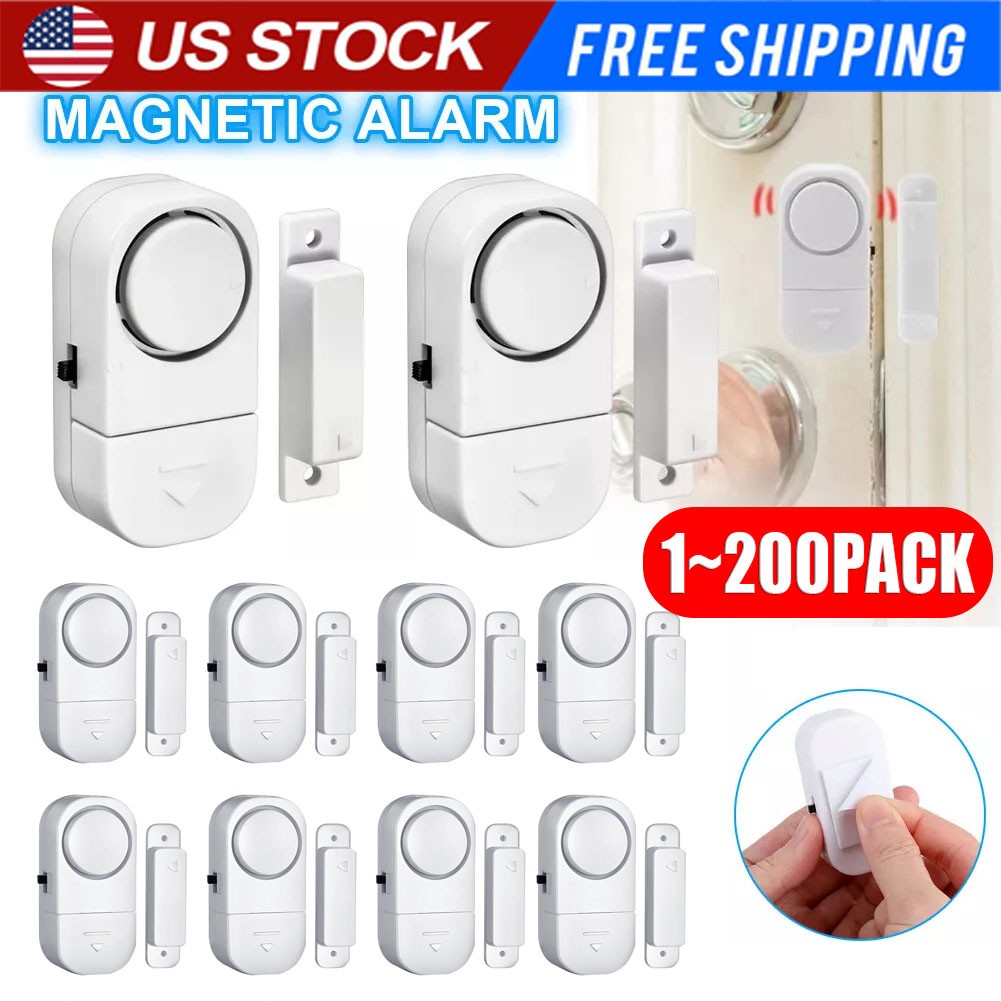 Wireless Home Window Door Burglar Security Alarm System Magnetic Sensor lot$293.89Last checked Nov 16, 2026View on eBay
Highlights
- Sensor-only magnetic contact kits use 433 MHz RF with a local 110–120 dB siren and no hub; they cannot send push notifications or call alerts.
- Zigbee door/window sensors require a Zigbee 3.0 coordinator hub (e.g., Tuya/SmartLife-compatible) and act as mesh nodes, not standalone alarms.
- Wi-Fi + GSM dual-path hubs maintain cloud app alerts and SMS/call backup when broadband fails; single-path Wi-Fi hubs lose remote notification on outage.
- Entry sensors use reed-switch magnetic gap detection (typically 15–25 mm actuation); motion detectors use passive infrared with 8–12 m range and 110° coverage.
Best use cases
- Best fit: renters or single-entry apartments — pick a sensor-only magnetic contact kit with local 110 dB siren; skip GSM hubs that need SIM contracts.
- Best fit: small business back-office or stockroom — choose a Wi-Fi + GSM hub with 8+ zones, keypad arm/disarm, and SMS backup for after-hours alerts.
- Best fit: multi-room home with smartphone monitoring — use a Zigbee 3.0 hub plus door/window and PIR sensors for app push and automation routines.
- Wrong fit: large warehouses or multi-building sites — standalone 433 MHz sensor kits lack repeater range and zone supervision; use a wired or hybrid panel with expandable zones.
Buying tips
- Count entry points first: doors + ground-floor windows = minimum sensor count; add 1 PIR per 8–12 m hallway or room for motion coverage.
- For remote alerts, require dual-path signaling (Wi-Fi + GSM) or an IP/Cellular panel; sensor-only kits with no hub are local-deterrent only.
- Zigbee sensors need a Zigbee 3.0 coordinator; check hub compatibility before mixing brands, as Tuya/SmartLife and Aqara ecosystems are not cross-compatible.
- Magnetic contact gap matters: standard reed sensors actuate at 15–25 mm; steel-frame doors need spacer-mounted or wider-gap sensors to avoid false triggers.
Specs
| System Type | Sensor-only kit vs Hub-based |
|---|---|
| Signal Path | Wi-Fi / GSM / Zigbee / 433 MHz RF |
| Sensor Gap Range | 15–25 mm reed actuation |
| Siren Output | 110–120 dB indoor |
Related searches
What to check before buying
- Measure every door and window frame width and gap; confirm sensor magnet gap rating covers your widest opening (typically 15–25 mm).
- Confirm 2.4 GHz Wi-Fi (not 5 GHz-only) for Wi-Fi hubs, and check GSM band support for your carrier if using SMS/call backup.
- For rental units, verify sensors mount with adhesive or removable screws; for owned property, plan screw-mounted contacts and keypad placement near primary entry.
- Check siren dB rating (110–120 dB indoor) and whether the hub supports an external wired siren for outdoor deterrence.
FAQ
Data sources: eBay / Amazon listings and product attribute feeds. Updated Nov 22, 2026.
Some links on this page are affiliate links. If you buy after clicking one, we may earn a commission at no extra cost to you. This does not change which products appear here or their order. Affiliate disclosure.