
Photos from current listings. Actual item, color, and included accessories may vary.
Wall Clock Buying Guide
A wall clock is a décor piece and timekeeping instrument where the core trade-off is between analog quartz simplicity (battery-powered, silent or ticking, no wiring) and digital LED convenience (plug-in or USB, auto-dimming, alarms, temperature). The decision rule: choose analog quartz for silent, wire-free living-room décor with replaceable movements, and choose digital LED only where you have a nearby outlet and want programmable brightness and alarms.
At a glance
- Category
- Home & Desk Clocks
- Last updated
- Nov 22, 2026
Current offers
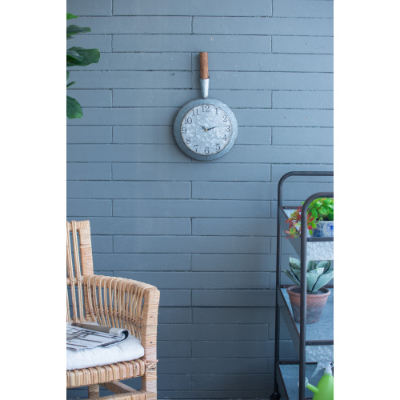 10.6x3x18.1 Frye Wall Clock$35.99View on Mallflare
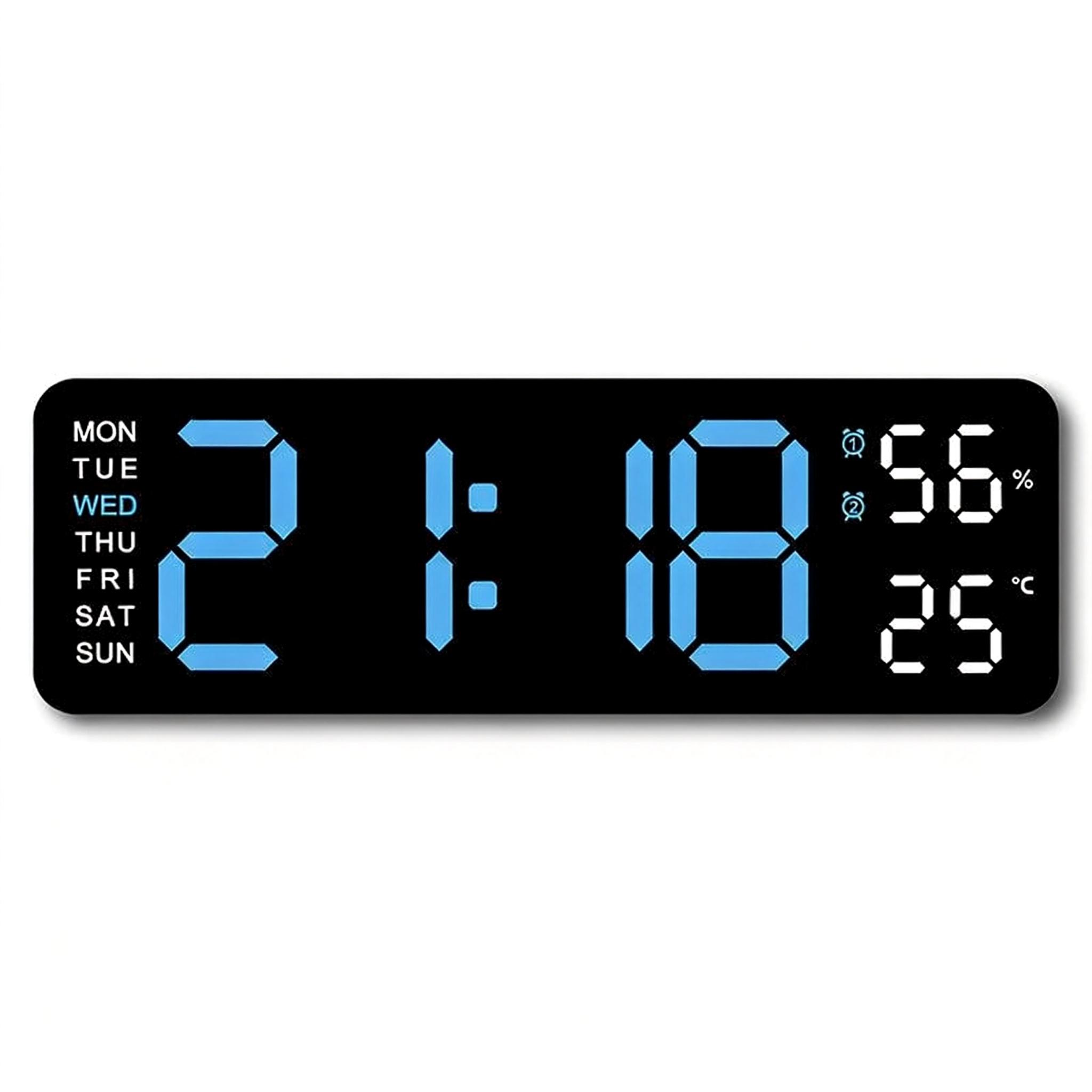 Digital Wall Clock: Large LED Display with Dual Alarm, Humidity, Auto-Dimming, Big Numbers Desk Decor for Classroom Office Bedroom$39.99View on Mallflare
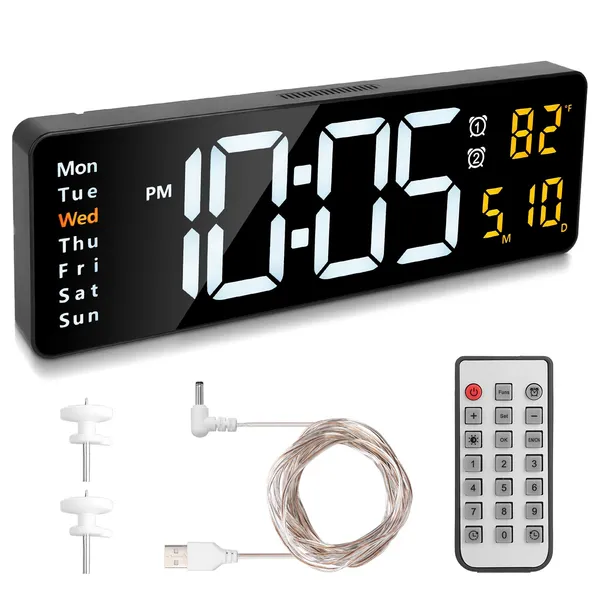 15.7in LED Digital Wall Clock With Remote Control 10 Level Brightness 3 Alarm Settings 12 24Hr Format Timing Countdown Temperature Calendar Display$42.99View on Mallflare
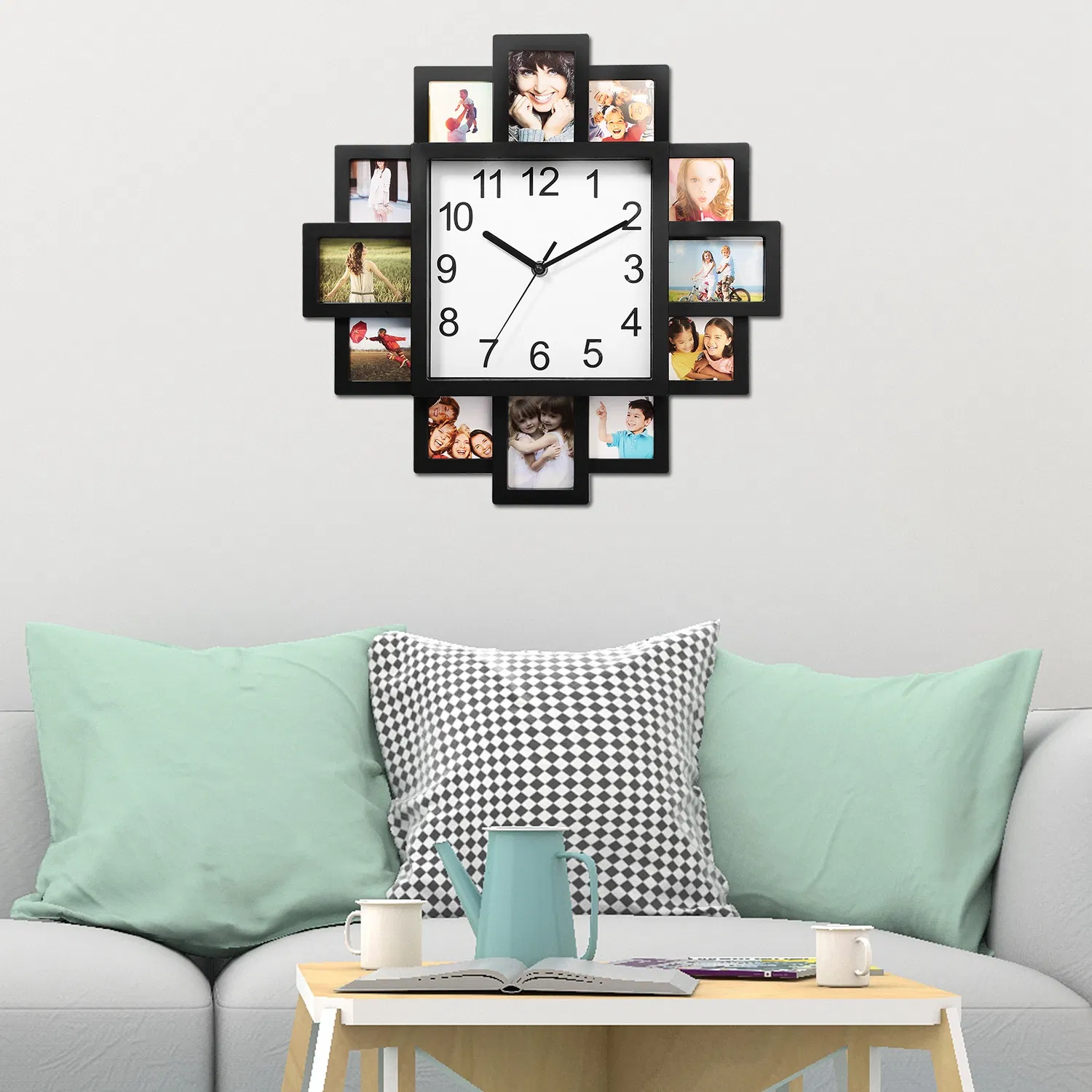 2 In 1 Wall Clock Photo Frame with Quartz Movement, 12 Openings High Transparent Protective Cover ABS Material Back Hook Mount for Living Room Office Conference$58.99View on Mallflare
 Digital 3D LED Big Wall Desk Alarm Clock Snooze 12/24 Hours Auto Brightness USB$23.99View on Mallflare
Highlights
- Analog wall clocks use quartz movements (battery LR6/AA or LR14/C) with sweep or step seconds; sweep movements are silent but drain batteries faster than step movements.
- Digital LED wall clocks require continuous power via USB or AC adapter and offer auto-dimming, 12/24-hour format, dual alarms, and temperature/humidity readouts.
- Case materials range from molded ABS plastic to metal (steel/aluminum) and wood; metal cases resist warping and suit large diameters, while ABS is lighter and cheaper for small sizes.
- Large-format wall clocks (12–24 in diameter) need a weight-rated hook or wall anchor; lightweight plastic models often ship with a simple nail hook, while metal and glass models require screw-mounted brackets.
Best use cases
- Living room décor (large statement piece): pick a 12–24 in analog quartz clock with a metal or wood frame and silent sweep movement; skip small plastic digital clocks that look like office equipment.
- Bedroom or office with a nearby outlet: choose a digital LED wall clock with auto-dimming and dual alarms; skip battery-only analog if you need programmable alarms or temperature display.
- Kitchen or hallway with no outlet: use a battery-powered analog quartz clock with a step movement (audible tick) and easy-to-read numerals; skip USB-powered LED models that lose time when unplugged.
- Classroom or conference room: select a digital LED clock with large digits (≥4 in) and remote control for brightness; skip decorative photo-frame clocks that prioritize display over legibility.
Buying tips
- Match clock diameter to wall width: a 12 in clock suits walls 3–5 ft wide; a 20–24 in clock needs at least 6 ft of clear wall and 60–72 in mounting height (center at eye level).
- For silent operation choose a quartz sweep movement (continuous second hand); for maximum battery life choose a step movement (ticking) that can run 12–18 months on one AA.
- Digital LED clocks need a USB or 5V/12V adapter; confirm the cable length reaches an outlet, and prefer models with auto-dimming or 10-level brightness to avoid glare at night.
- Metal cases resist humidity and warping better than ABS; for bathrooms or covered patios choose a metal or sealed case with an IP rating, and avoid unsealed wood or paper-face clocks.
Specs
| Movement Type | Quartz (battery) vs LED (plug-in) |
|---|---|
| Case Material | Metal / ABS plastic / Wood |
| Dial Diameter | 8–24 in (living room: 12–24 in) |
| Power Source | AA/C battery vs USB/AC adapter |
Related searches
What to check before buying
- Measure the intended wall area and note stud or anchor locations: large clocks over 12 in need a screw-mounted bracket or wall anchor rated for the clock's weight.
- Confirm power access: digital LED clocks require a nearby outlet or USB port; analog quartz clocks need only a battery (AA or C) and no wiring.
- Check the clock's back-hook or hanging hardware type (keyhole slot, sawtooth, or bracket) and ensure it matches your wall material (drywall, plaster, brick, or paneling).
- For rooms with high humidity or direct sunlight, select a metal or sealed case and avoid paper-faced or unsealed wood clocks that can warp or fade.
FAQ
Data sources: eBay / Amazon listings and product attribute feeds. Updated Nov 22, 2026.
Some links on this page are affiliate links. If you buy after clicking one, we may earn a commission at no extra cost to you. This does not change which products appear here or their order. Affiliate disclosure.