
Photos from current listings. Actual item, color, and included accessories may vary.
Desk Clock Buying Guide
A desk clock is a compact timepiece sized for a nightstand, office desk, or shelf, where the core trade-off is display legibility and silent operation versus power simplicity and build material. Durable options use quartz movements with metal or rigid ABS housings and either battery or USB power with auto-dim, while compromises rely on thin plastic, always-on bright LEDs, and imprecise digital modules.
At a glance
- Category
- Home & Desk Clocks
- Last updated
- Nov 22, 2026
Current offers
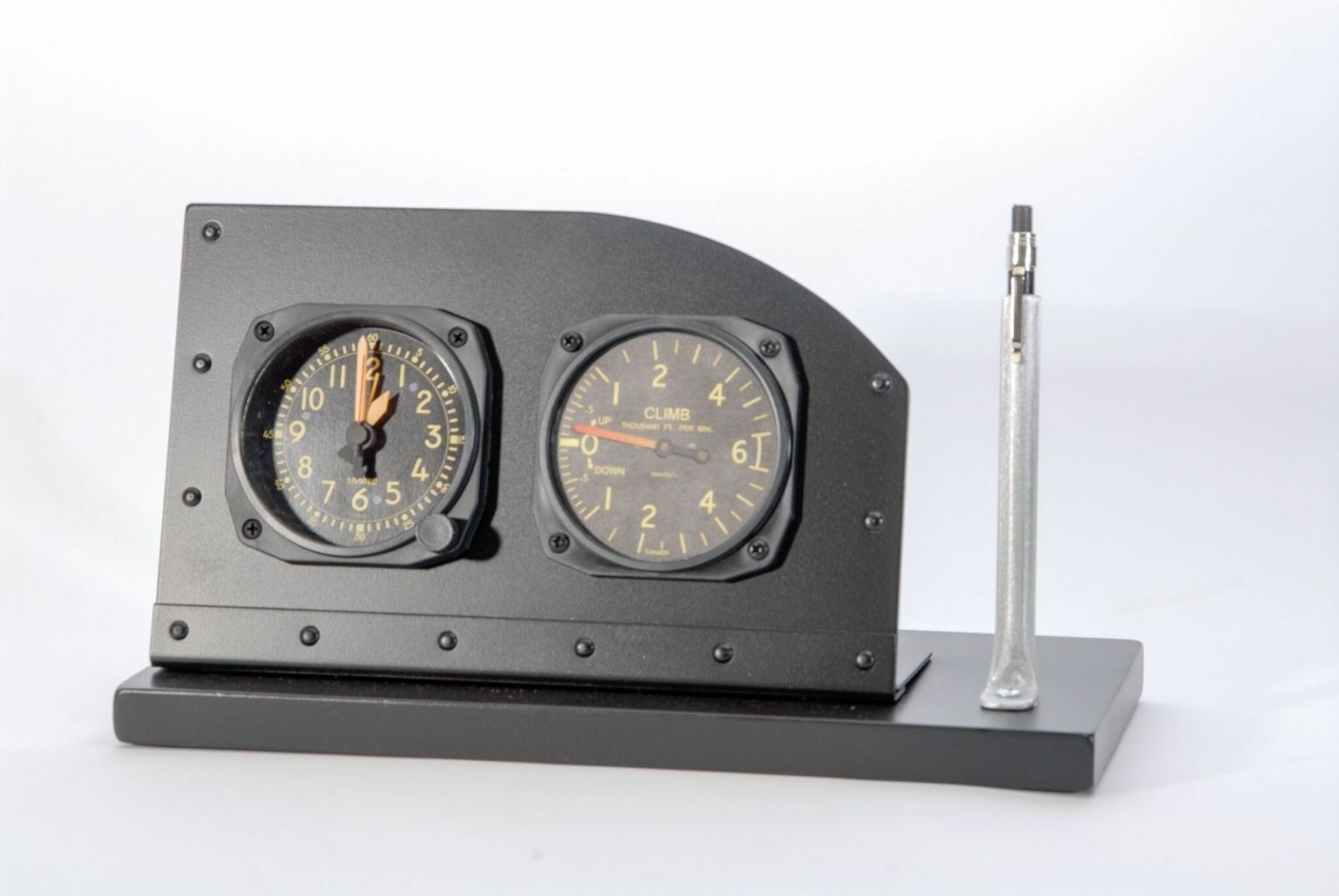 Cockpit Style Alarm Clock Desk Display with Pen/Pencil Holder, Aviation PI-0110$293.50New · Last checked Nov 21, 2026View on eBay
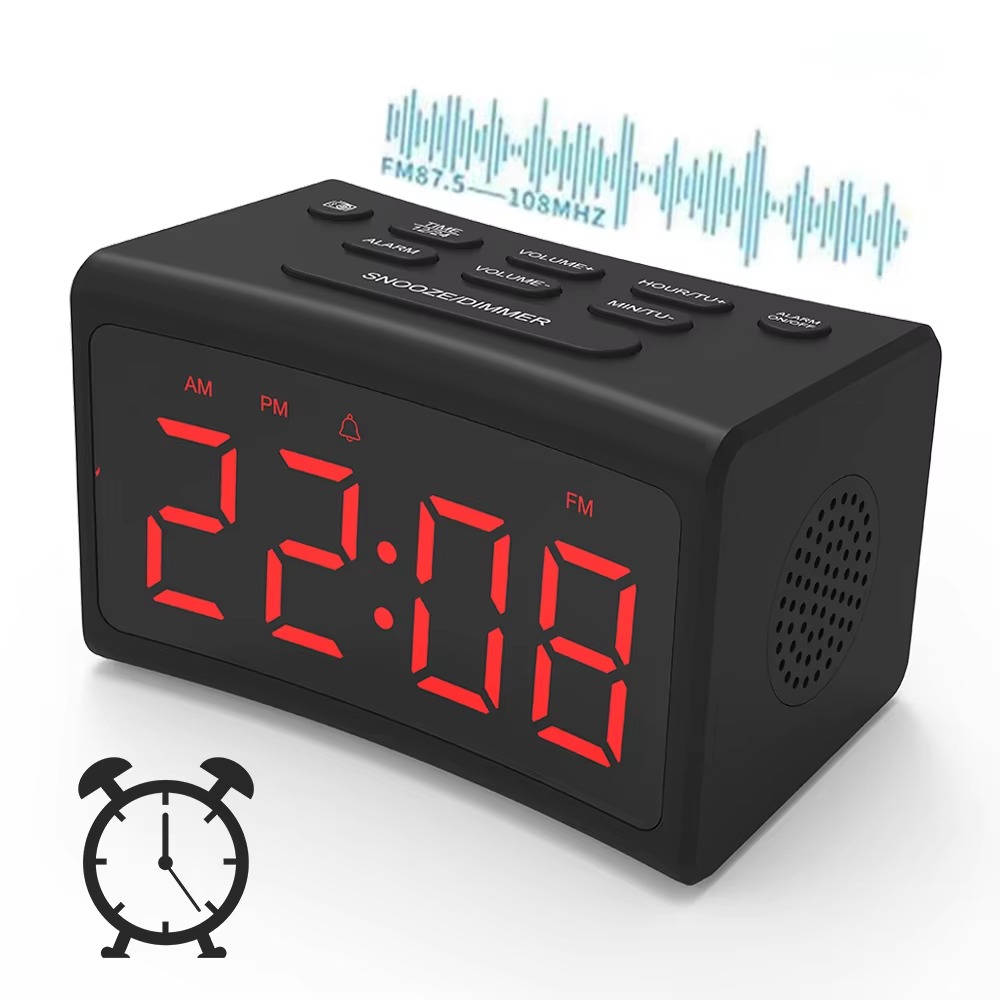 Mobile Desk Bedroom Large Alarm Clock LED Digital Display With FM Radio$16.99View on Mallflare
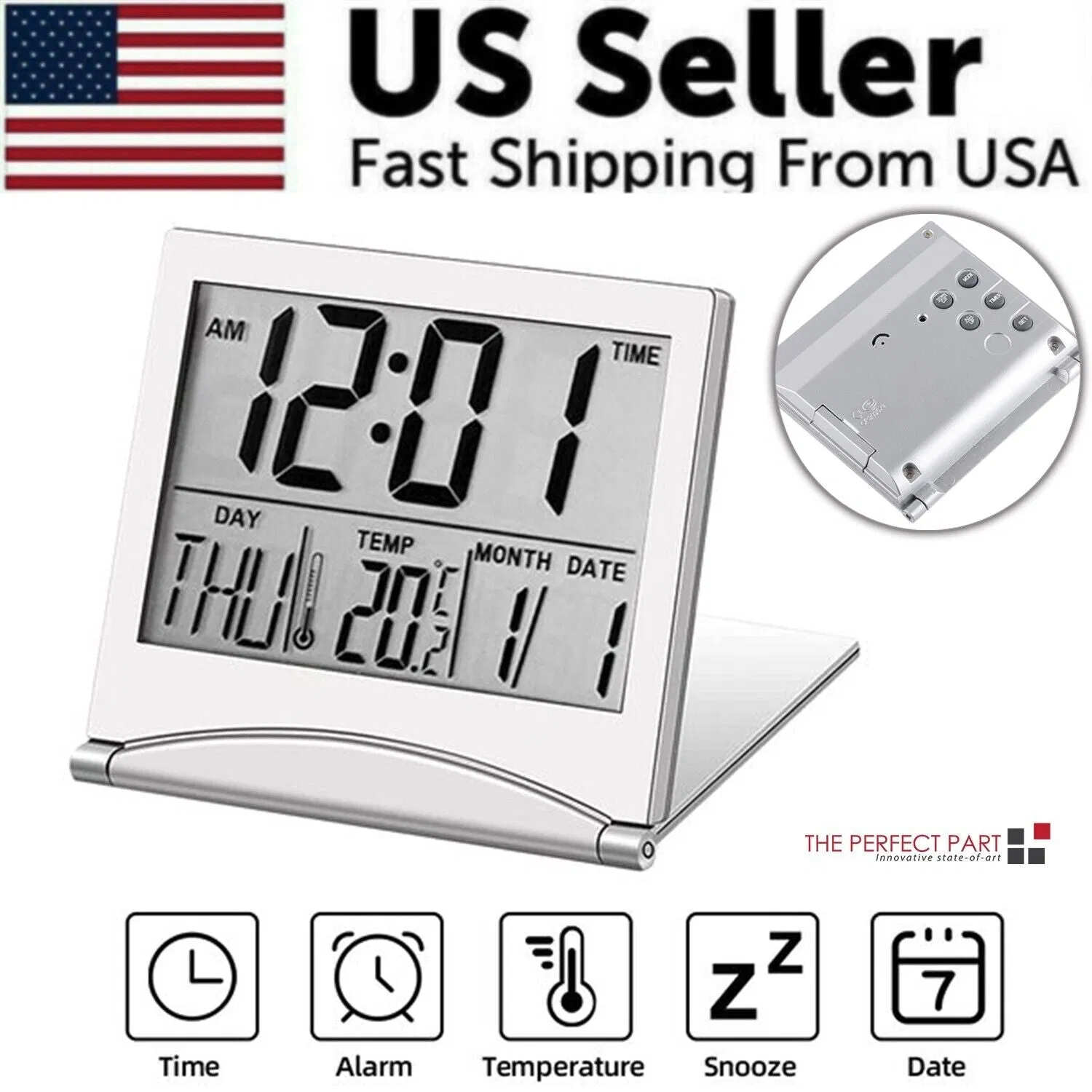 Digital Travel Alarm Clock Foldable Temperature LCD Compact Desk Timer New$19.99View on Mallflare
 LED Desk Alarm Clock Nightlight Snooze Quiet Non Ticking Battery Powered Bedroom$22.99View on Mallflare
 Digital 3D LED Big Wall Desk Alarm Clock Snooze 12/24 Hours Auto Brightness USB$23.99View on Mallflare
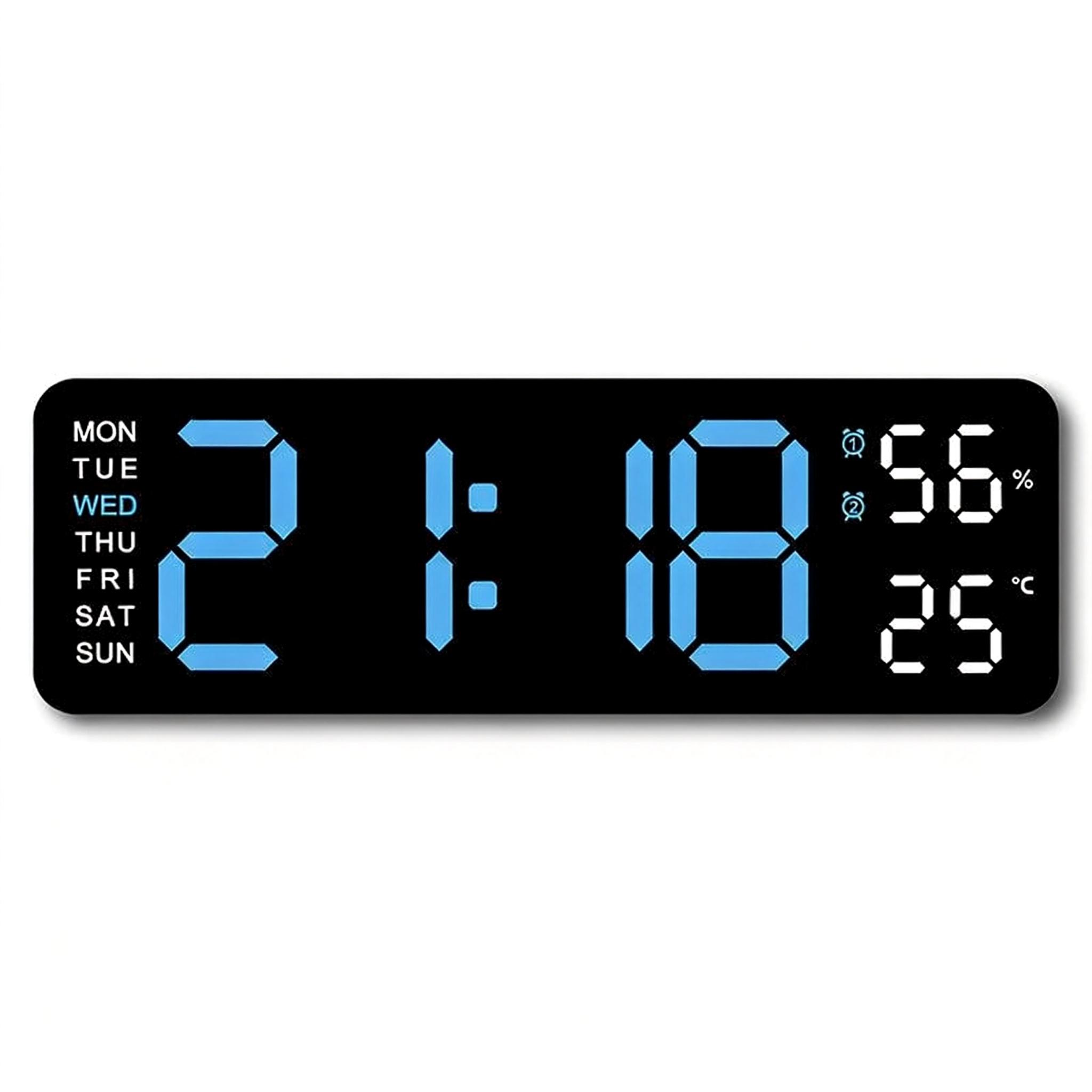 Digital Wall Clock: Large LED Display with Dual Alarm, Humidity, Auto-Dimming, Big Numbers Desk Decor for Classroom Office Bedroom$39.99View on Mallflare
Highlights
- Quartz analog movements eliminate ticking noise; verify a sweeping or silent second hand rather than a stepped one for bedroom use.
- LED digital clocks draw constant current — battery-only units drain fast, so USB-powered or hybrid battery-plus-USB models are the practical tier.
- Auto-dimming and nightlight modes matter: fixed-brightness LEDs at 5–10 lux disturb sleep; adjustable lux or scheduled dim is the key feature upgrade.
- Metal housings resist yellowing and desk scuffs far better than thin injection-molded plastic; metal also adds stability on slick surfaces.
Best use cases
- Bedroom nightstand: pick a silent quartz analog or a USB LED with auto-dim and snooze; skip always-bright digital displays and loud tick movements.
- Office desk: choose a compact metal or matte ABS analog with a clear face and small footprint; skip oversized wall-style LED panels that dominate the desk.
- Travel or small-space desk: a foldable LCD travel alarm with temperature readout fits a bag or cramped shelf; skip heavy metal analog clocks for portability.
- Classroom or shared room: a large LED with big numerals, dual alarm, and humidity readout earns its place; skip mini desk clocks that are unreadable across the room.
Buying tips
- Size the clock to the surface: keep desk clocks under about 6 inches wide for a laptop-adjacent spot, and 8–12 inches for a shelf or nightstand focal piece.
- Match power to habit: battery quartz lasts a year or more on one AA, while LED digitals need USB or frequent battery swaps — choose hybrid if unsure.
- For quiet rooms, confirm a silent/sweep movement or a digital clock with no audible tick; stepped quartz at 1 tick per second is audible at arm's length.
- Check numeral height against viewing distance: plan roughly 1 inch of digit height per 10 feet of viewing distance for LED displays.
Specs
| Display Type | Analog quartz / LED digital / LCD |
|---|---|
| Power Source | AA battery / USB / hybrid battery+USB |
| Housing Material | Metal / rigid ABS / thin plastic |
| Movement | Silent sweep vs stepped ticking |
Related searches
What to check before buying
- Measure the desk, shelf, or nightstand footprint and clearance under any monitor or lamp before choosing a size tier.
- Confirm the surface is stable and flat — metal-base clocks need level ground, and lightweight plastic can slide on glass tops.
- Verify power: a nearby USB outlet or the willingness to change AA/AAA batteries every few months, plus plug standard for any adapter.
- Account for companion parts: a USB wall adapter is often not included, and some LED clocks need a specific cable type.
FAQ
Data sources: eBay / Amazon listings and product attribute feeds. Updated Nov 22, 2026.
Some links on this page are affiliate links. If you buy after clicking one, we may earn a commission at no extra cost to you. This does not change which products appear here or their order. Affiliate disclosure.