
Photos from current listings. Actual item, color, and included accessories may vary.
Room Air Purifier Buying Guide
A room air purifier is a standalone HEPA filtration appliance sized by clean air delivery rate (CADR) to match a specific room volume, with the core trade-off being true HEPA grade and real CADR versus inflated claims and costly proprietary filters. The decision rule: buy only when the unit publishes an independently verifiable CADR at a filter grade of H13 or better, and skip any model that hides CADR, uses washable 'HEPA-type' media, or locks you into scarce filters.
At a glance
- Category
- Home Appliances
- Last updated
- Nov 22, 2026
Current offers
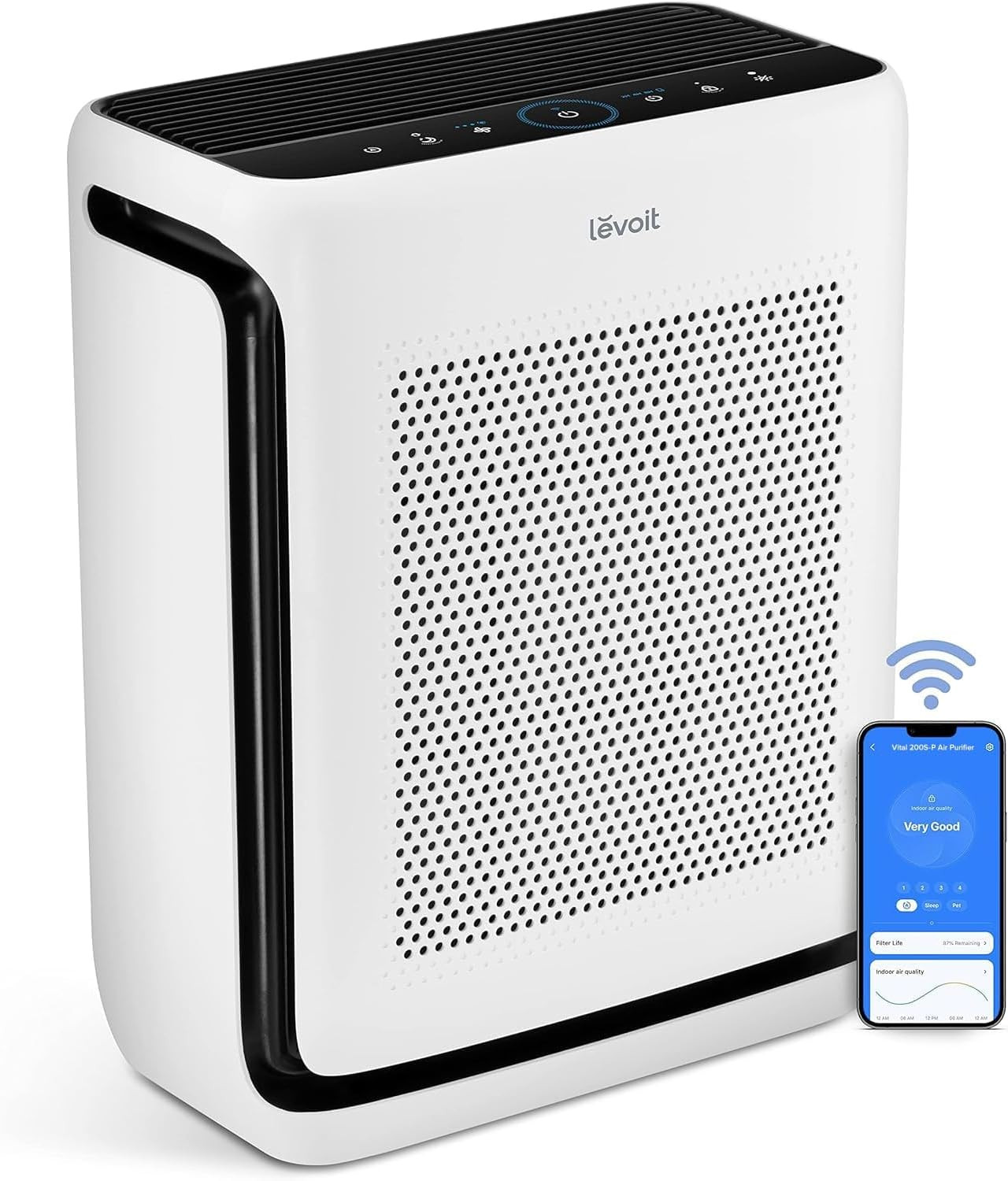 LEVOIT Vital 200S-P HEPA Air Purifier Large Room 1875 Sq Ft White$219.53New · Last checked Nov 21, 2026View on eBay
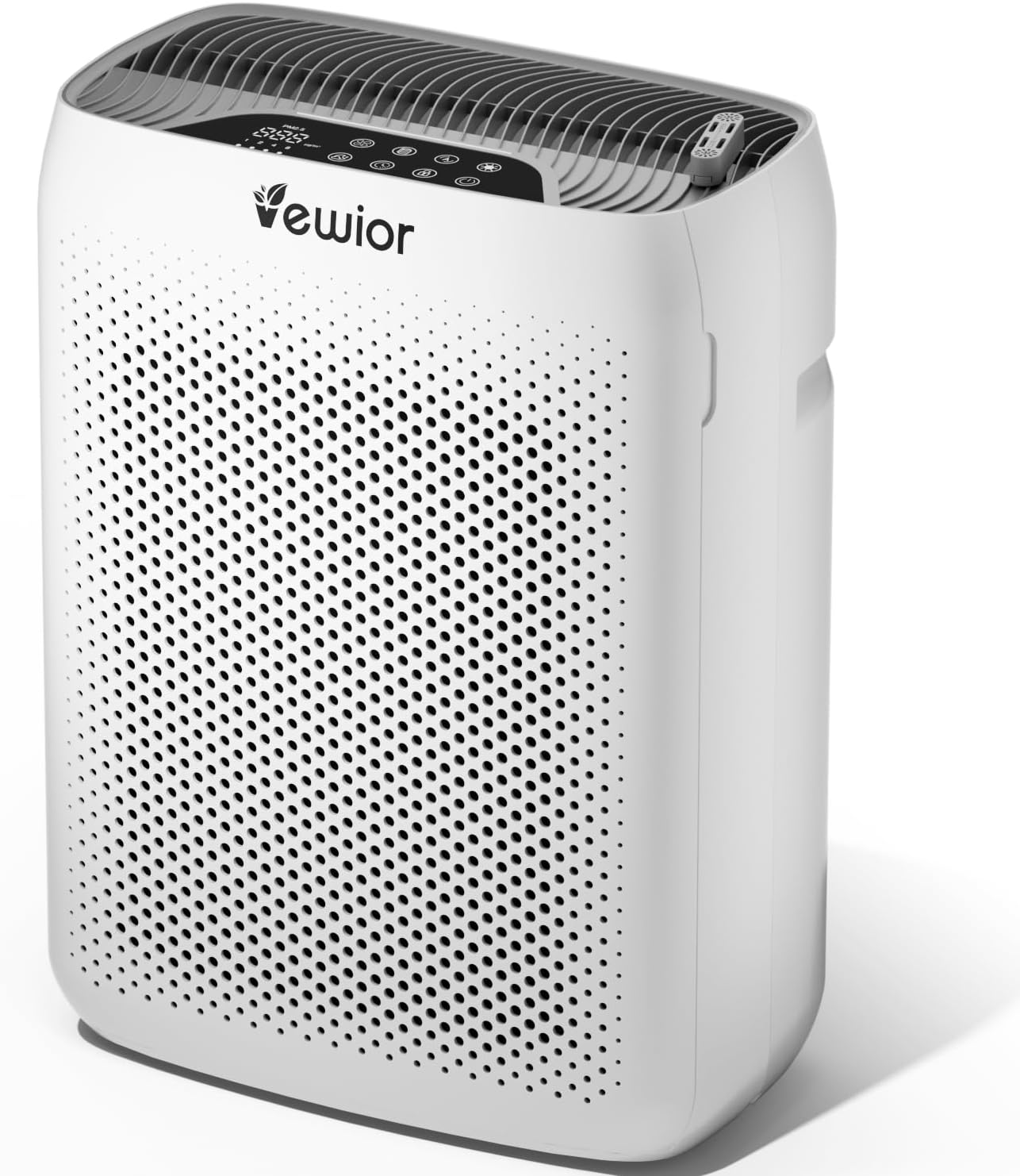 VEWIOR Air Purifiers for Home Large Room, H13 HEPA Filter Air Purifier for Bedroom with PM2.5 Display Air Quality Sensor, Sleep Mode, Timer, Air Cleaner for Smoket$151.99View on Mallflare
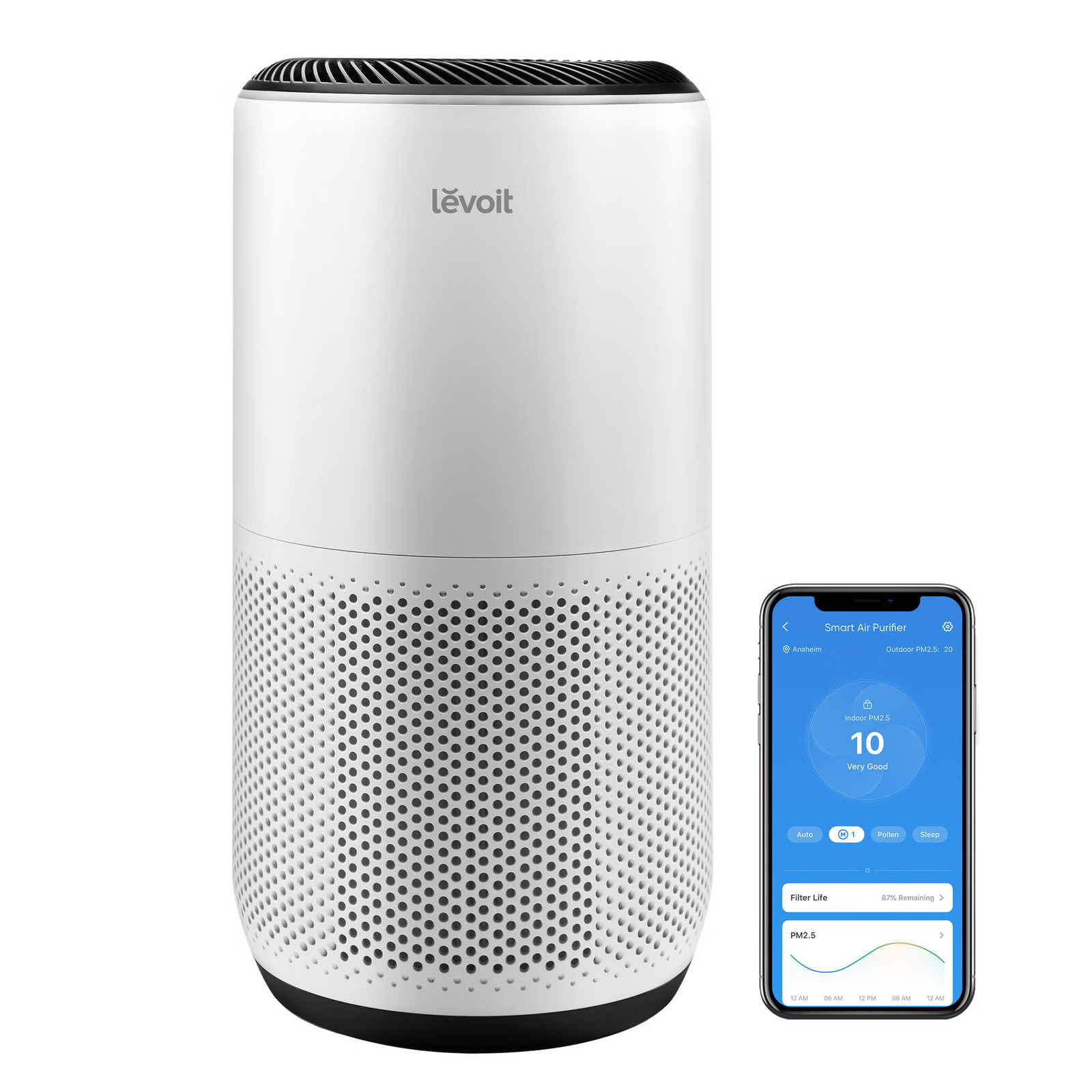 Levoit PlasmaPro Core 400S-P Smart Air Purifier for Large Rooms, White or Black$227.13New · Last checked Nov 21, 2026View on eBay
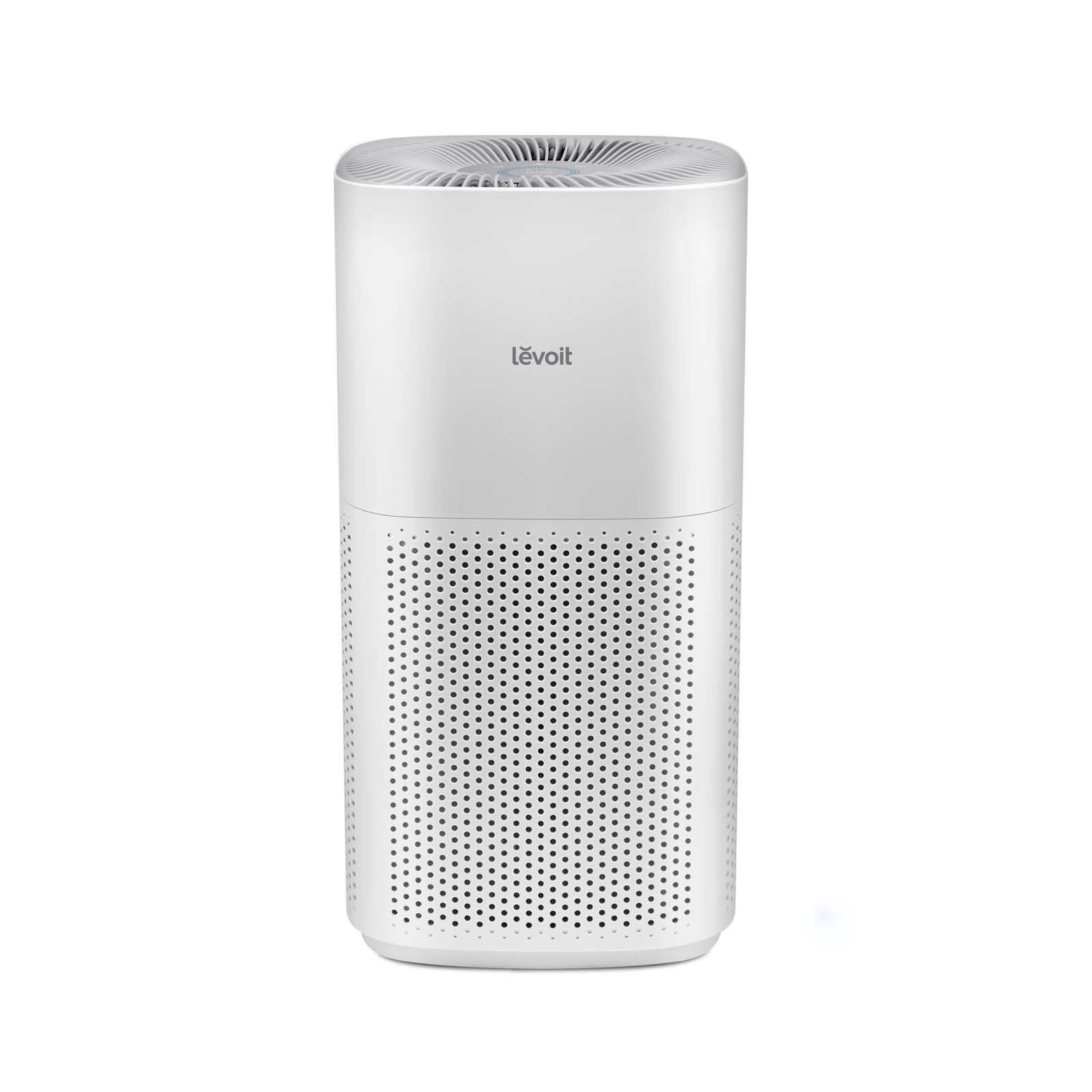 Levoit Smart Air Purifiers for Home Large Room up to 2933 Ft², Core 600S-P$268.58New · Last checked Nov 21, 2026View on eBay
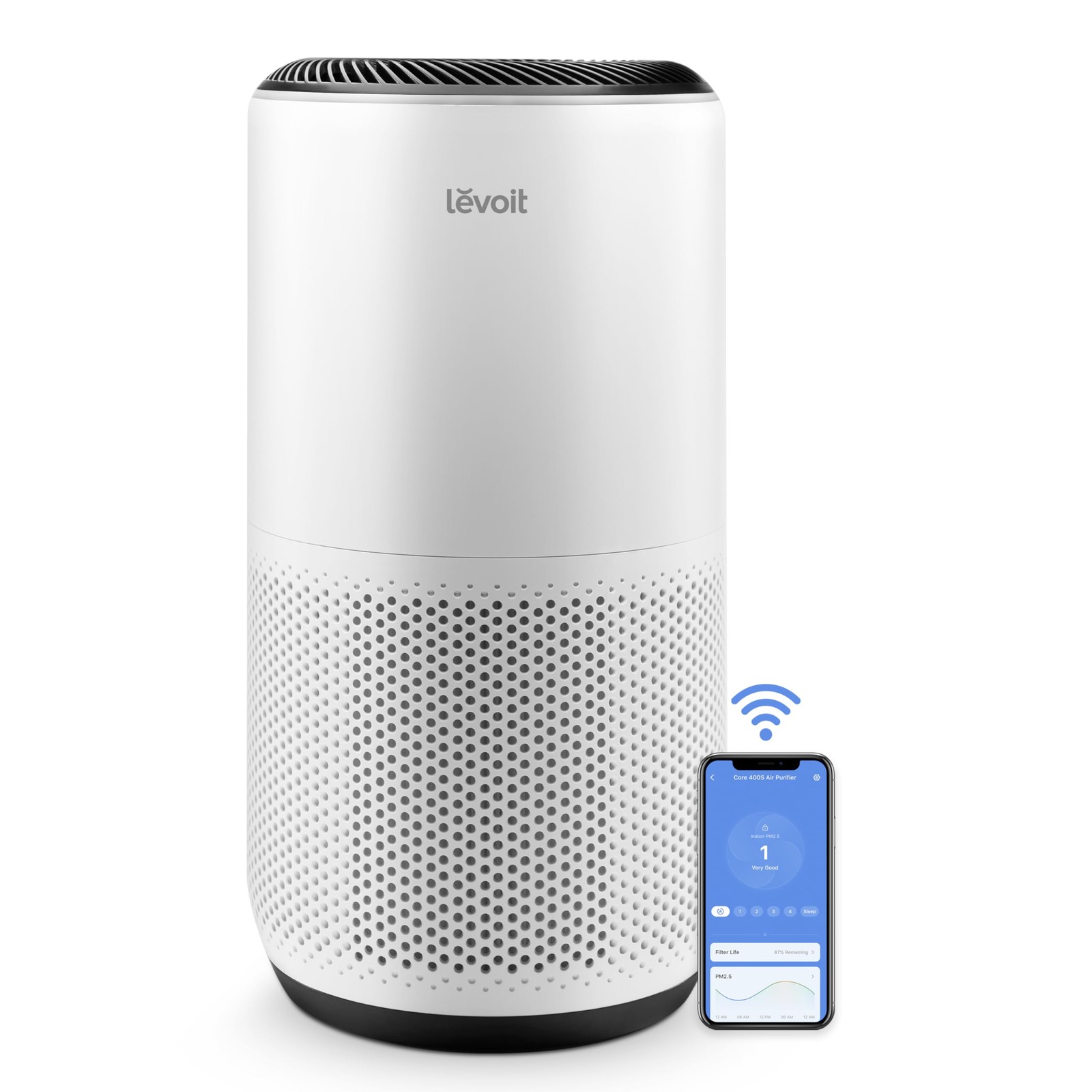 LEVOIT Smart Air Purifiers for Home Large Room Up to 1718 Ft² Core 400S-P$304.99New · Last checked Nov 21, 2026View on eBay
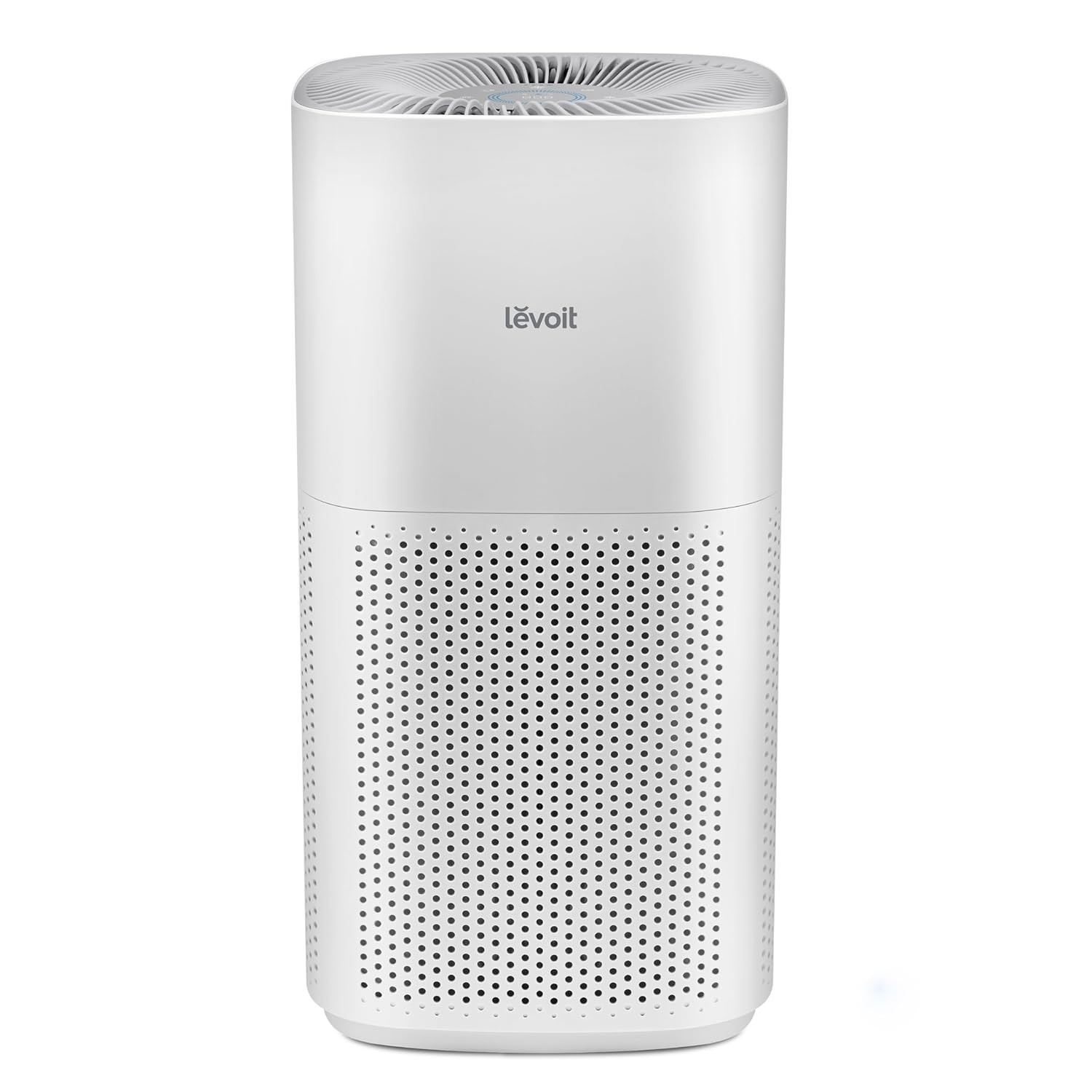 Levoit Smart Air Purifiers for Home Large Room up to 2933 Ft², Core 600S-P$357.99New · Last checked Nov 21, 2026View on eBay
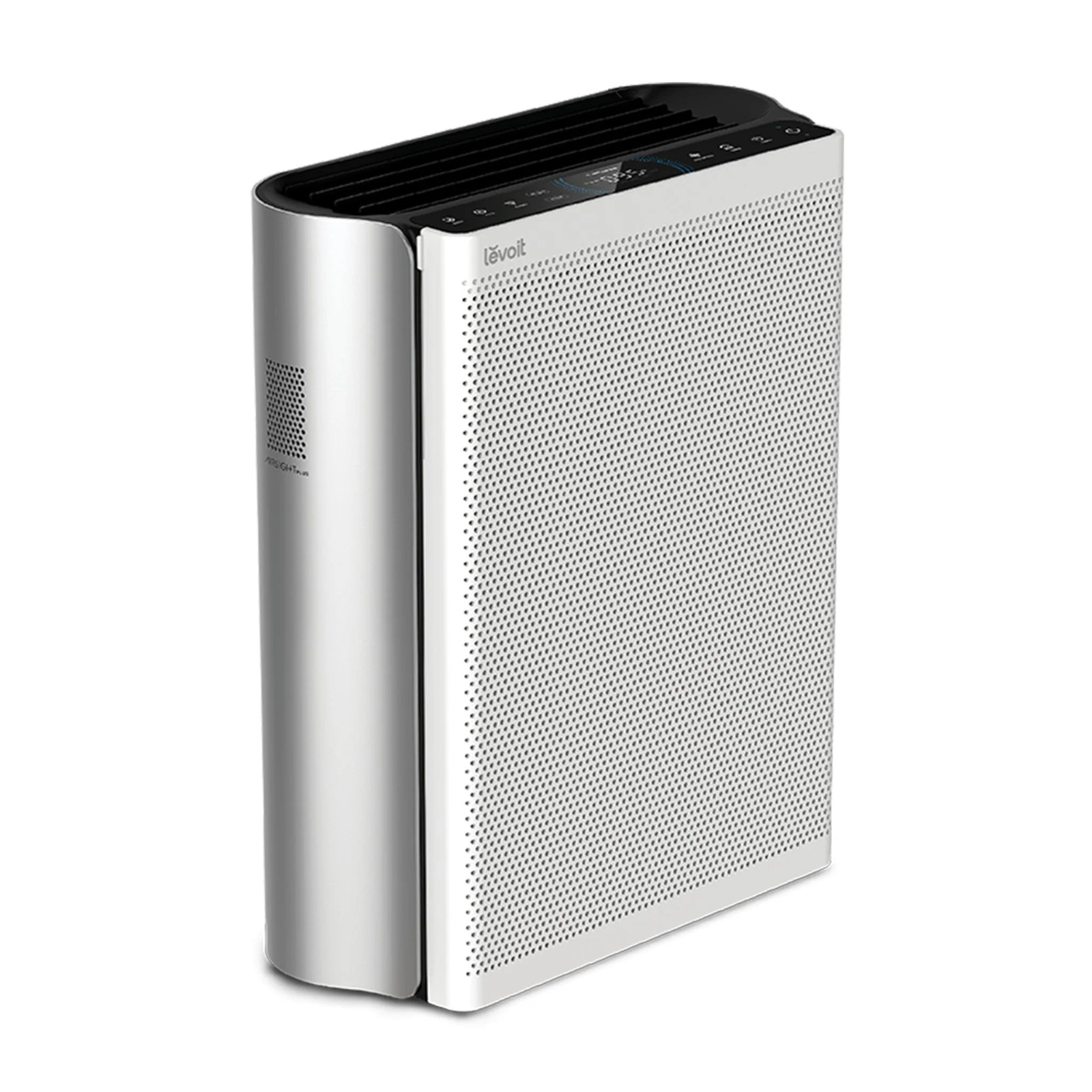 New Levoit EverestAir-P Smart Air Purifier LAP-EL551S-AUS, Large Room 549 sq ft$369.00New · Last checked Nov 21, 2026View on eBay
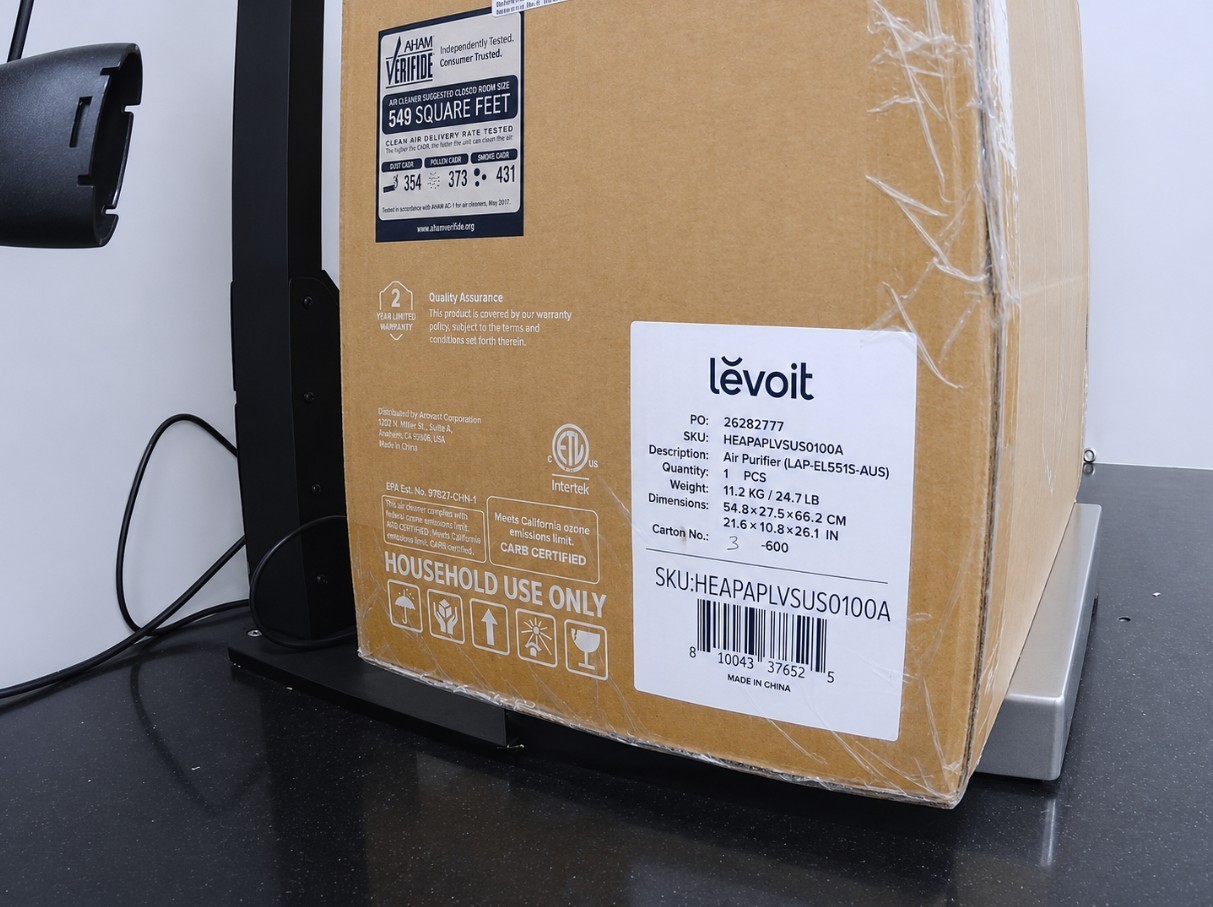 LEVOIT Smart Air Purifier for Large Room, EverestAir-P 2655 Ft² LAP-EL551S-AUS$399.99New · Last checked Nov 21, 2026View on eBay
Highlights
- True HEPA is H13/H14 per EN 1822, capturing 99.95–99.995% of 0.3 µm particles; 'HEPA-type' or '99%' claims without a grade are unverified marketing.
- CADR (cfm or m³/h) is the only honest coverage metric; rule of thumb is CADR × 1.5–2 for room square footage, with smoke CADR the lowest and most telling number.
- Filter economics decide long-term value: 6–12 month replacement intervals and filter price/availability matter more than the initial unit.
- Sensor-equipped units add PM2.5 laser readouts and auto mode; these are convenience features, not filtration performance upgrades.
Best use cases
- Bedroom or nursery: choose a unit rated at 25–30 dB on low/sleep with a dimmable or off display, and CADR sized to the room at 4 air changes per hour.
- Living room or open plan: size CADR to the full contiguous volume, not just the labeled room, and prefer a unit with a high smoke CADR for cooking and wildfire smoke.
- Skip auto-sensor and Wi-Fi tiers for a closed utility room, garage, or filtered grow space — a plain mechanical-speed HEPA unit with cheap filters does the same filtration job.
- Wrong fit: a small 'desktop' purifier marketed for large rooms — check CADR against square footage before trusting any 'large room' label.
Buying tips
- Compute required CADR: room length × width × ceiling height (ft³) × 4 (air changes/hour) ÷ 60 = cfm needed; pick a unit with smoke CADR at or above that number.
- Require H13 or H14 HEPA plus a substantial pre-filter and, for odor/VOC needs, at least 2–5 lb of activated carbon — thin carbon screens only handle light odors.
- Check filter availability and interval before buying: standard rectangular HEPA cartridges are cheaper and easier to source than curved or proprietary-shaped filters.
- Prefer a unit whose highest fan speed is tolerable (under ~55 dB) — an unbearable turbo mode means you will run it on low and never hit rated CADR.
Specs
| Filtration Grade | H13/H14 HEPA (EN 1822) |
|---|---|
| Coverage Metric | Smoke CADR (cfm) × 1.5–2 = sq ft |
| Filter Replacement | HEPA 6–12 mo; pre-filter 3 mo |
| Low-Speed Noise | Sleep mode ≤30 dB |
Related searches
What to check before buying
- Measure the room's length, width, and ceiling height; confirm the unit's published smoke CADR covers the calculated cfm at 4 air changes per hour.
- Confirm the filter standard is stated as H13/H14 HEPA (EN 1822) with a listed replacement filter part number.
- Check the power plug and voltage match your country (120 V/60 Hz North America vs 220–240 V/50 Hz elsewhere) and that the cord reaches your outlet.
- For bedrooms, verify low-speed noise is at or below 30 dB and that display lights can be fully turned off.
FAQ
Data sources: eBay / Amazon listings and product attribute feeds. Updated Nov 22, 2026.
Some links on this page are affiliate links. If you buy after clicking one, we may earn a commission at no extra cost to you. This does not change which products appear here or their order. Affiliate disclosure.