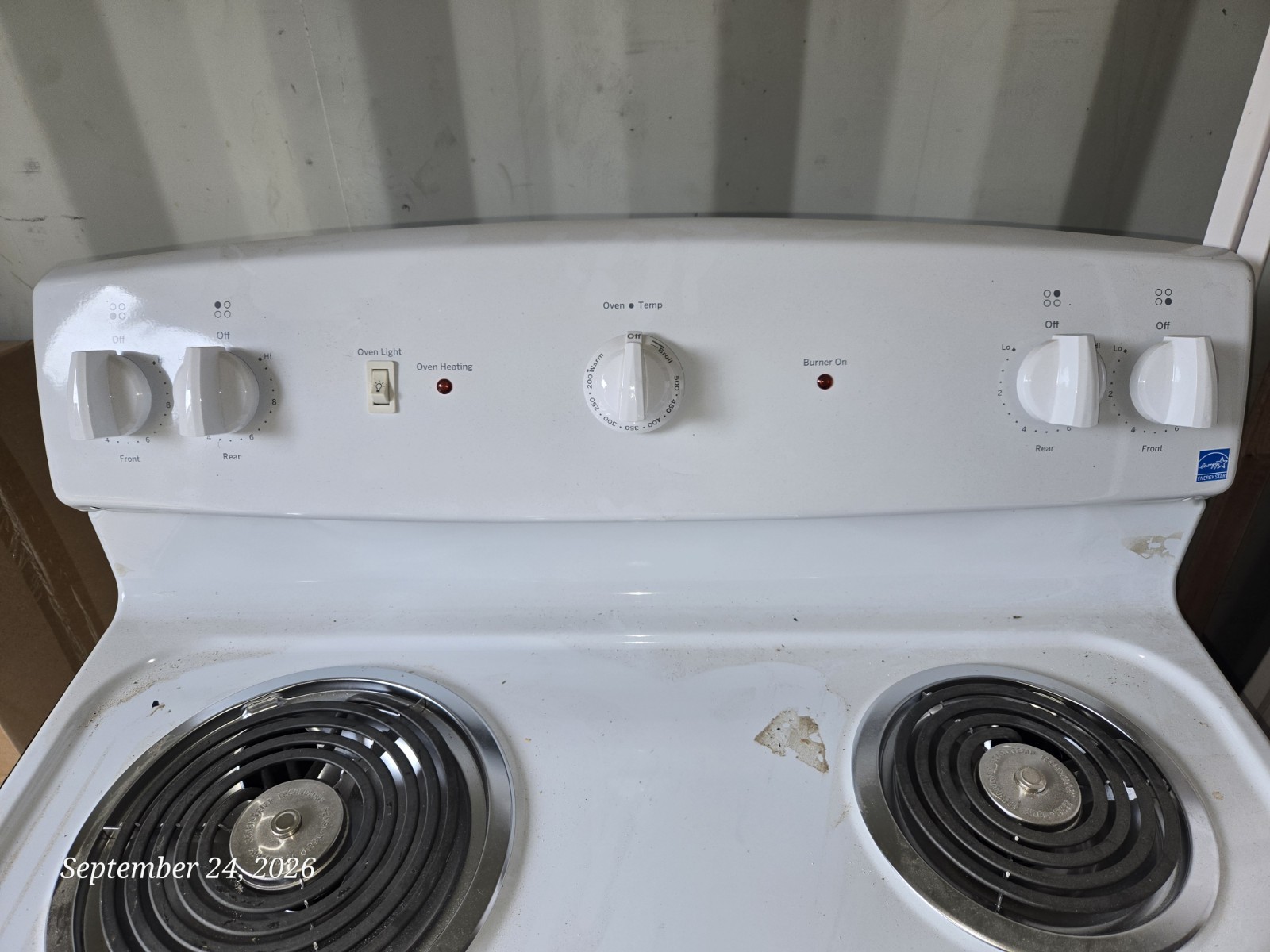

Photos from current listings. Actual item, color, and included accessories may vary.
Ge Electric Range Buying Guide
GE electric ranges span three core architectures: coil, radiant smoothtop, and induction, plus freestanding vs slide-in chassis and standard vs true European convection. The decisive trade-off is heating technology and oven convection quality versus budget: coil is cheapest but uneven, radiant is the mainstream middle, and induction delivers the fastest, most precise heat at a premium. Choose by cooktop type and cabinet cutout standard first, then match oven convection and control tier to your cooking volume.
At a glance
- Category
- Home Appliances
- Last updated
- Nov 22, 2026
Current offers
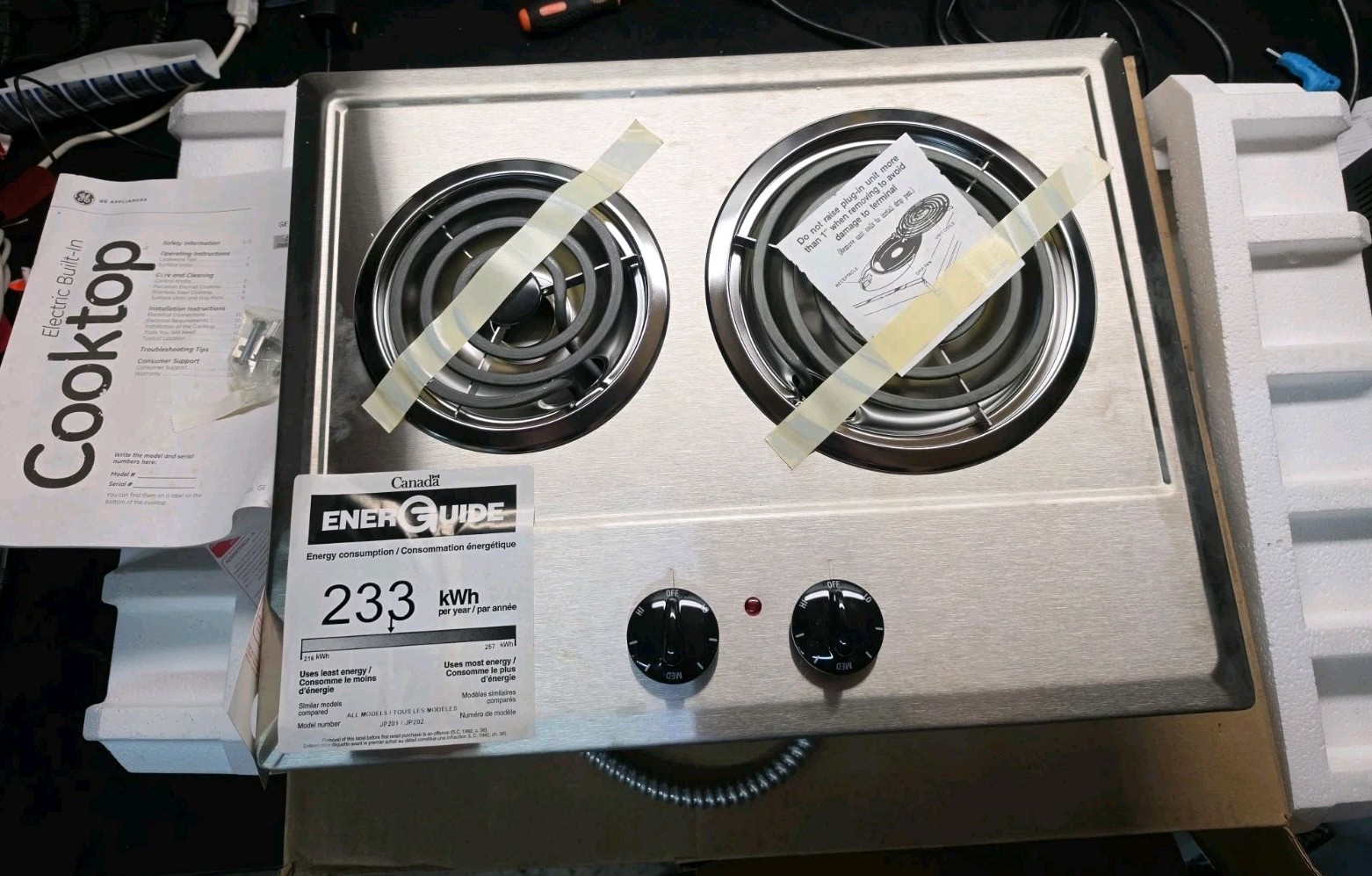
Highlights
- Coil elements use exposed spiral burners with drip bowls; radiant smoothtops use halogen/ribbon elements under glass; induction uses magnetic coils that heat only ferrous cookware.
- Freestanding ranges are 30 in wide with finished sides and rear controls; slide-in ranges are 30 in wide, unfinished sides, and front controls for a built-in look.
- True European convection adds a third heating element and fan for even multi-rack baking; standard convection uses the fan with the bake element only.
- Induction models require 40A/240V circuits and magnetic-bottom cookware; radiant and coil models typically run on 40A/240V but tolerate any flat-bottom pan.
Best use cases
- Best fit: coil range for rental units or tight budgets where cookware compatibility and low replacement cost matter more than precision; skip induction unless you own magnetic pans.
- Best fit: radiant smoothtop freestanding range for family kitchens wanting easy cleaning and even baking with true convection; skip if you frequently use high-heat wok cooking or rough cast-iron dragging.
- Best fit: slide-in induction range for design-forward kitchens with 30-in cutouts and 40A service, offering fastest boil and precise low simmer; skip if your cookware is aluminum or copper without magnetic bases.
- Wrong fit: buying a slide-in to replace a freestanding range without checking countertop overlap and side gap; slide-ins require countertop edges to meet the range sides.
Buying tips
- Measure the cutout: all standard GE electric ranges are 30 in wide, but slide-in models need countertop overlap and finished cabinet sides; freestanding needs 30 in clear width plus rear clearance for the cord.
- Confirm electrical service: most GE electric ranges require a 40A/240V dedicated circuit with a 14-50R outlet or hardwired connection; induction models often specify 40A but check the nameplate for 50A requirements.
- Match cooktop to cookware: induction requires ferrous (magnetic) bases; radiant works with flat-bottom stainless, aluminum, and enameled cast iron; coil works with any flat-bottom pan but benefits from heavy-gauge bases.
- Choose convection tier by baking volume: true European convection (third element + fan) for multi-rack baking and roasting; standard convection for single-rack; no convection for basic budget use.
Specs
| Cooktop Type | Coil / Radiant / Induction |
|---|---|
| Chassis Style | Freestanding / Slide-in (30 in) |
| Convection | None / Standard / True European |
| Electrical Service | 240V, 40A (some induction 50A) |
Related searches
What to check before buying
- Verify cabinet cutout width is exactly 30 in and depth accommodates the range (typically 25–27 in body depth plus handle clearance); slide-in models require countertop edges to overlap the range sides.
- Confirm a dedicated 240V circuit with 40A breaker (or 50A for some induction models) and proper 14-50R outlet or hardwired junction box within cord reach.
- Check door swing and walkway clearance: oven doors open roughly 20–24 in; ensure no cabinet or island blocks the swing zone.
- For slide-in, measure countertop thickness and overhang; the range top must sit flush with or slightly above counter to avoid a lip.
FAQ
Data sources: eBay / Amazon listings and product attribute feeds. Updated Nov 22, 2026.
Some links on this page are affiliate links. If you buy after clicking one, we may earn a commission at no extra cost to you. This does not change which products appear here or their order. Affiliate disclosure.