
Photos from current listings. Actual item, color, and included accessories may vary.
Electric Range Buying Guide
An electric range combines cooktop and oven in one freestanding or slide-in unit, powered by either radiant coil, smooth radiant glass, or induction elements. The core trade-off is heating technology and oven architecture: coil is cheapest and most durable, glass radiant is easier to clean but slower to respond, and induction offers precision and speed at a premium. Choose based on your cookware compatibility, electrical service capacity, and whether you prioritize even baking or fast boiling.
At a glance
- Category
- Home Appliances
- Last updated
- Nov 22, 2026
Current offers
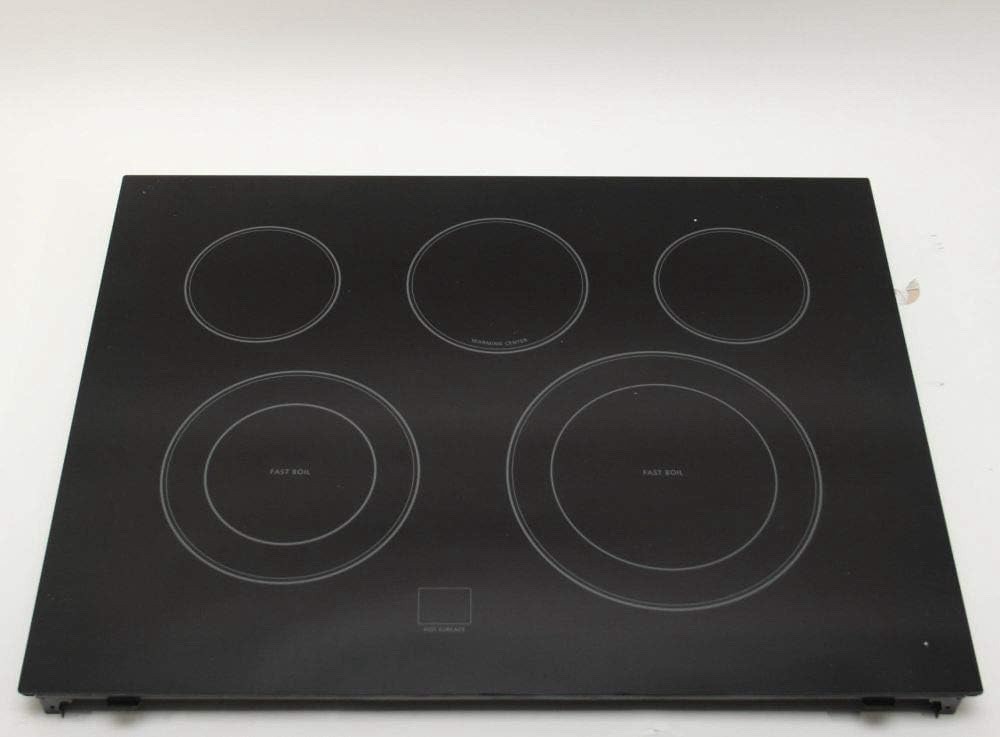 Samsung DG94-00889B Assembly Frame Cook Top Glass Electric Range Cooktop$280.00Open box · Last checked Nov 21, 2026View on eBay
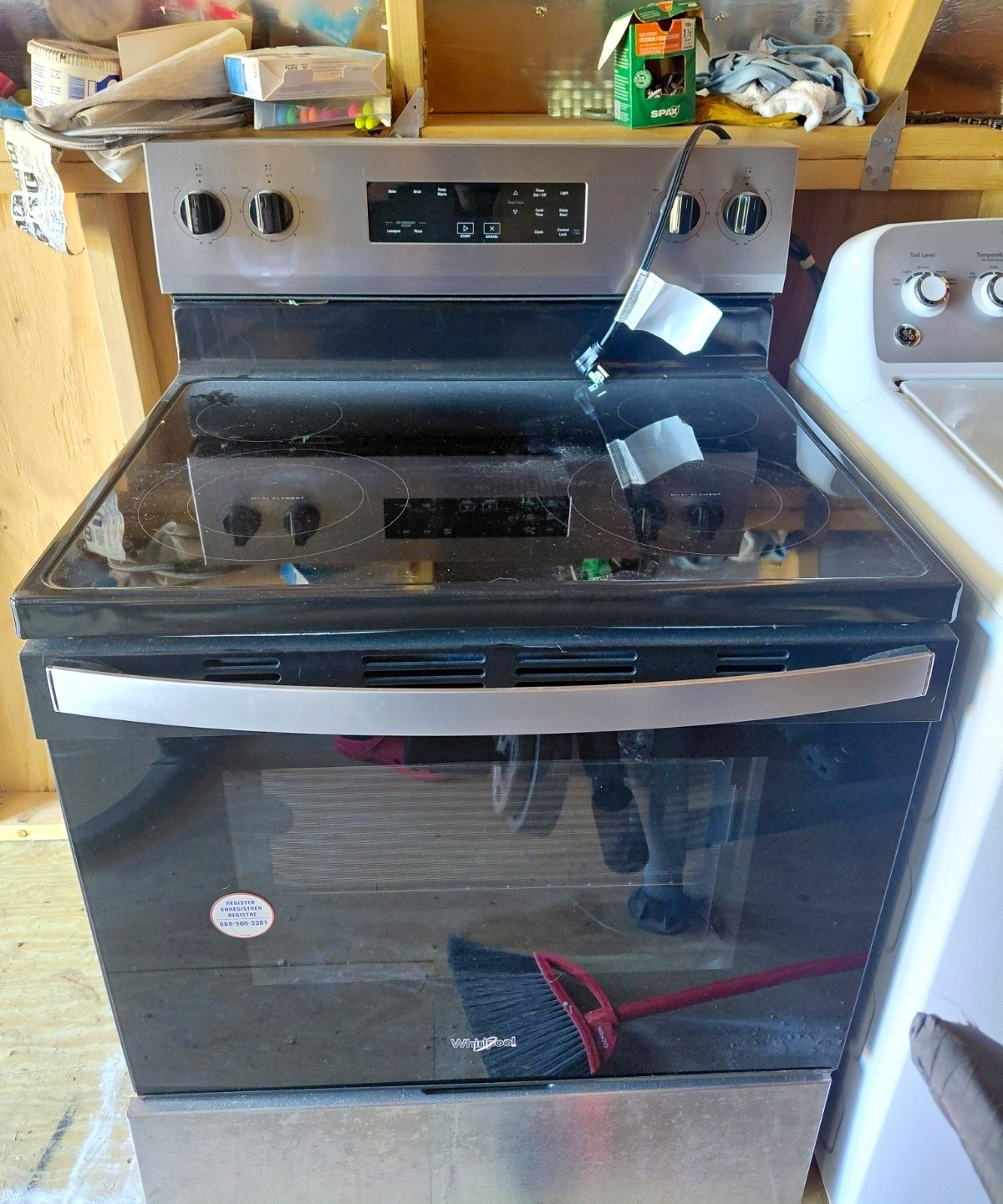 Whirlpool Freestanding Electric Range Smooth Top 4 Burner Silver/Black$400.00Used · Last checked Nov 21, 2026View on eBay
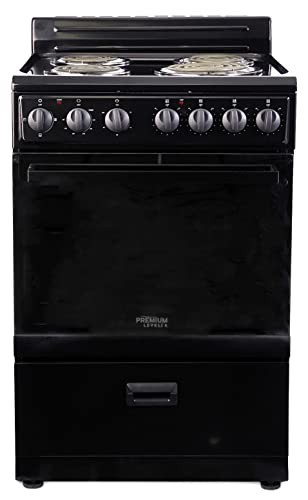 Premium Levella PRE2427GB 24" Electric Range 4 Burner 2.7 Cu Ft Black Stove$697.98New · Last checked Nov 21, 2026View on eBay
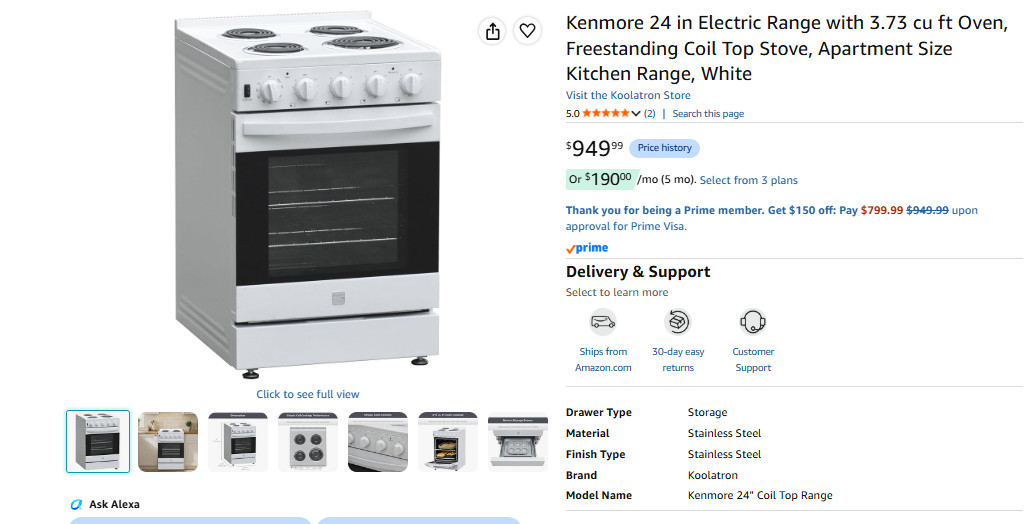 Kenmore 24 in Electric Range with 3.73 cu ft Oven, Freestanding Coil Top Stove$800.00New · Last checked Nov 21, 2026View on eBay
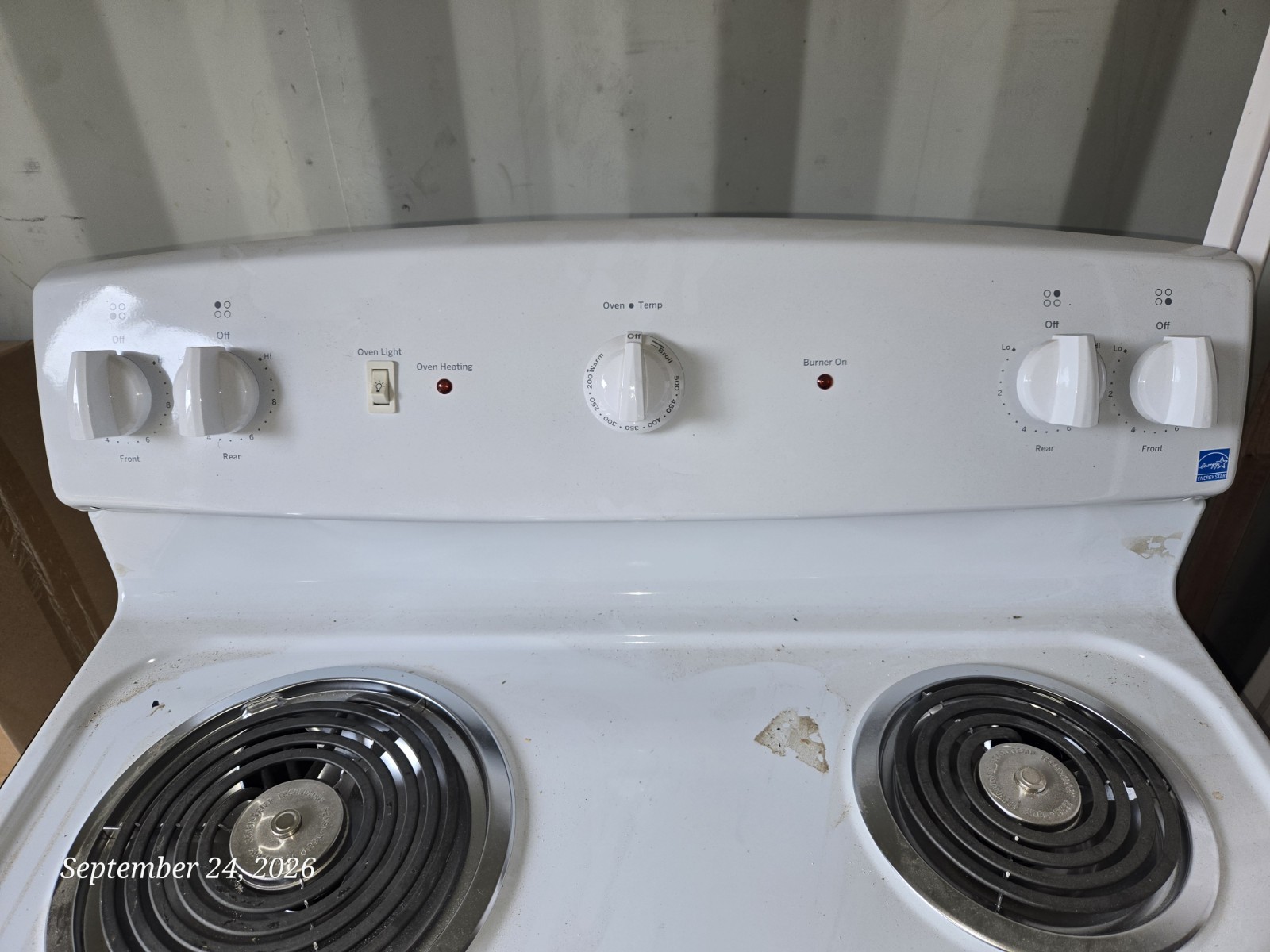 GE JBS160DMWW 30" Electric Coil Range 5.0 Cu Ft Freestanding White Stove$250.00Open box · Last checked Nov 21, 2026View on eBay
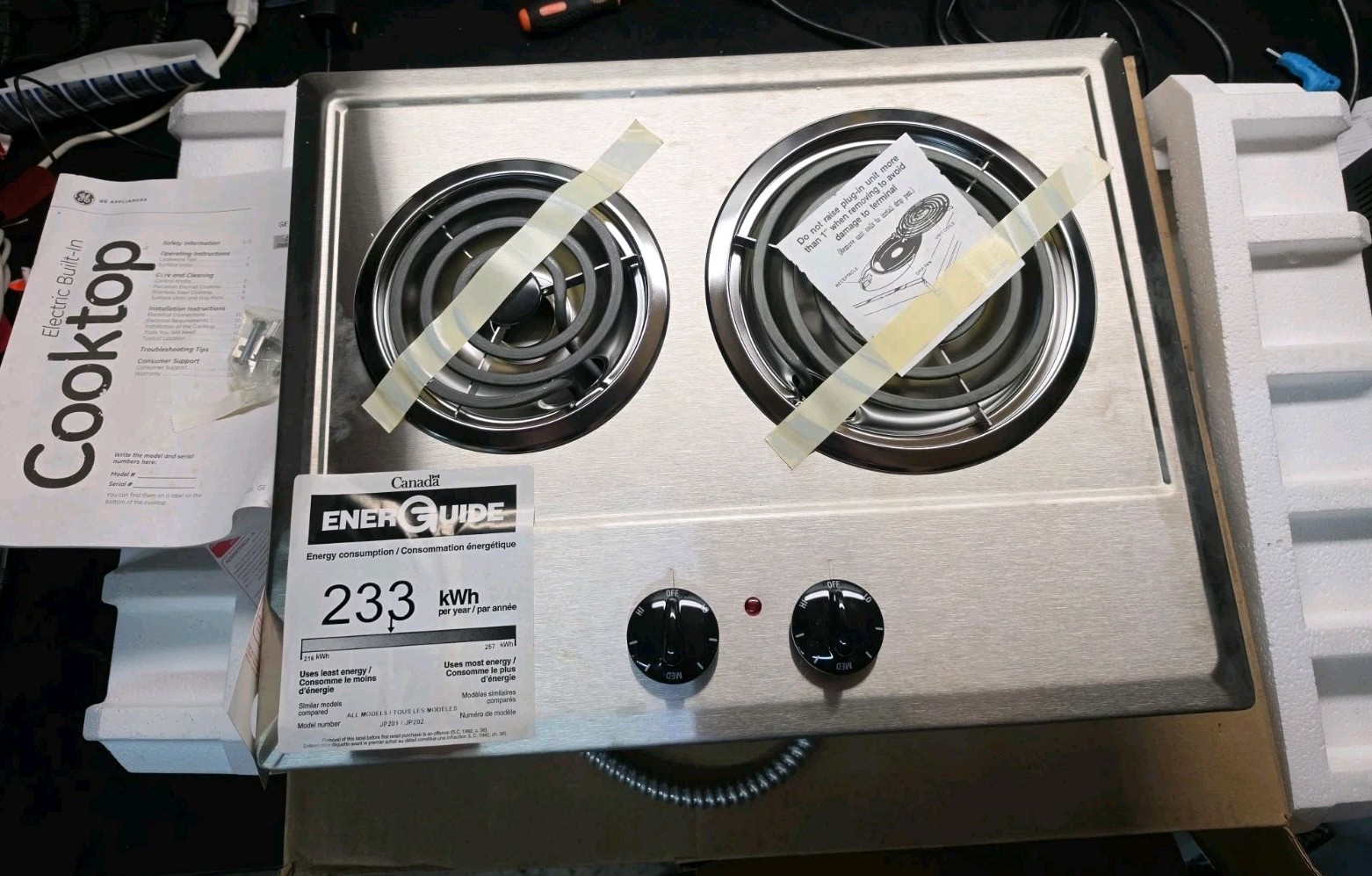 New GE Counter top range Electric 2 Burner Coil model JP201CB2SS$600.00New · Last checked Nov 21, 2026View on eBay
Highlights
- Induction elements transfer 85–90% of energy to the pan versus 65–70% for radiant glass and 55–60% for coil, making induction the fastest and most efficient.
- Freestanding ranges are 30 inches wide and require a 40-amp 240-volt circuit; slide-in models fit between cabinets but need a 30-inch cutout and often lack a rear control panel.
- True convection ovens add a third heating element and fan for even multi-rack baking; standard convection uses the fan with the main element only.
- Smooth glass cooktops need flat-bottom cookware; induction requires magnetic stainless or cast iron—aluminum and copper won't work without an interface disk.
Best use cases
- Best fit for budget-conscious buyers or rental kitchens: coil-top freestanding range with a basic oven—durable, serviceable, and works with any cookware.
- Best fit for home cooks wanting easy cleanup and even baking: radiant glass freestanding range with true convection—pair with flat-bottom stainless or enameled cast iron.
- Best fit for precision cooks and fast boiling: induction range with bridge elements and convection—verify magnetic cookware and a dedicated 40-amp circuit.
- Wrong fit: slide-in range in a freestanding cutout without checking countertop overlap and cutout depth—measure the cabinet opening and ensure the range's side panels cover gaps.
Buying tips
- Measure your cutout width (30 inches standard), depth (24–26 inches), and height (36 inches to cooktop) before choosing freestanding vs slide-in; slide-ins need finished side cabinets.
- Confirm your electrical service: 40-amp 240-volt for most freestanding ranges; some induction models require 50 amps—check the nameplate and breaker.
- For induction, test your cookware with a magnet: if it sticks firmly to the base, it works; skip aluminum, copper, and glass without a magnetic interface disk.
- Choose true convection (third element + fan) over standard fan-only convection if you bake multiple racks; look for a hidden bake element for easier cleaning.
Specs
| Cooktop Type | Coil / Radiant Glass / Induction |
|---|---|
| Width | 30 in (standard) / 24 in compact |
| Electrical Supply | 240V, 40–50A dedicated circuit |
| Oven Convection | Standard fan / True convection (3rd element) |
What to check before buying
- Verify the range width fits your opening: 30 inches is standard, but slide-ins require a precise 30-inch cutout and finished countertop edges.
- Check your kitchen's electrical panel for a dedicated 240-volt circuit with the correct amperage (40A typical, 50A for high-power induction).
- Ensure at least 2 inches of clearance to side walls and 30 inches between cooktop and range hood for safe ventilation.
- Confirm the range's depth fits your space without blocking walkways; slide-ins often protrude less but need countertop support.
FAQ
Data sources: eBay / Amazon listings and product attribute feeds. Updated Nov 22, 2026.
Some links on this page are affiliate links. If you buy after clicking one, we may earn a commission at no extra cost to you. This does not change which products appear here or their order. Affiliate disclosure.