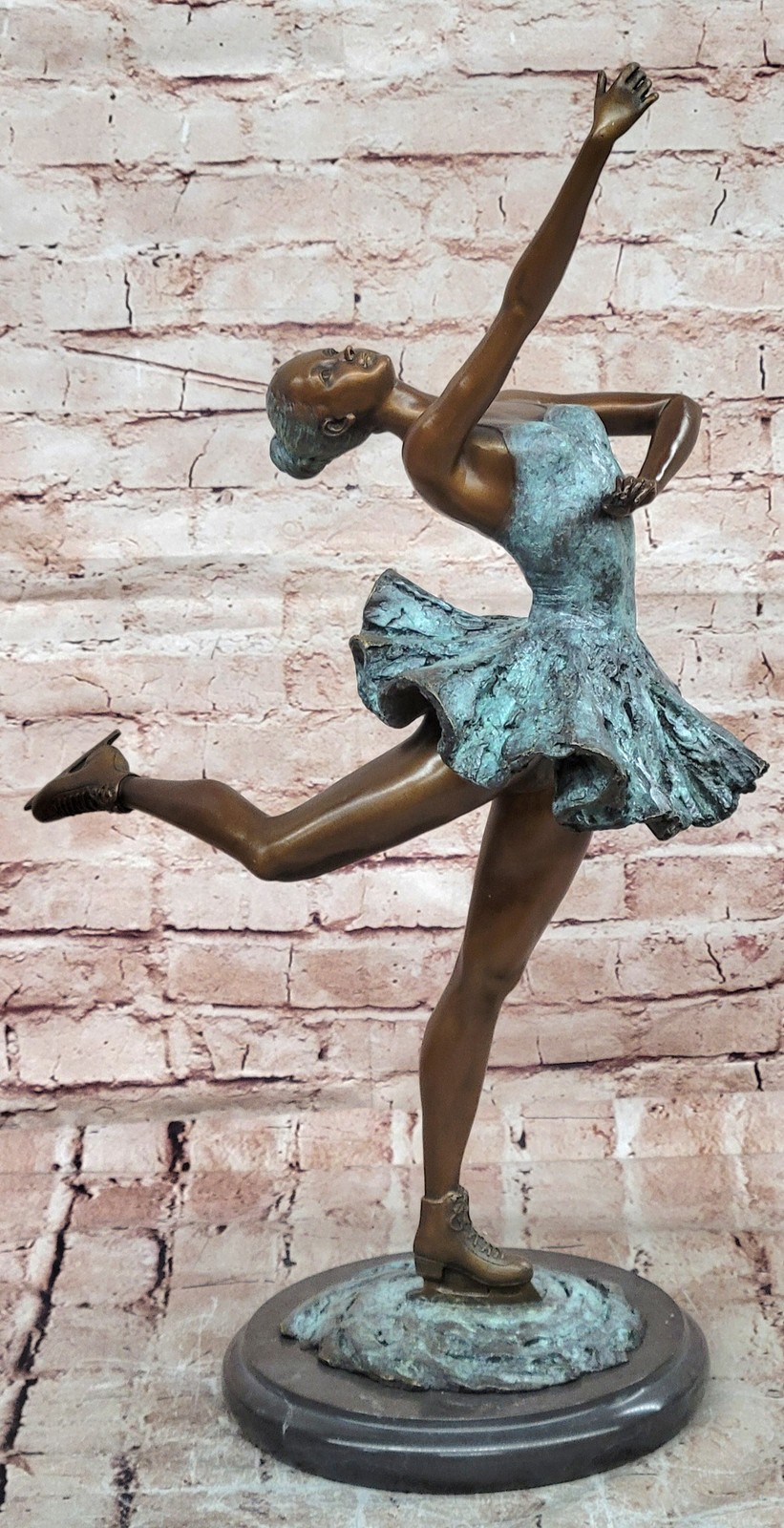

Photos from current listings. Actual item, color, and included accessories may vary.
Bronze Statue Buying Guide
A bronze statue is a cast-metal sculpture, typically copper-tin alloy, valued for density, patina depth, and generational durability. The primary trade-off is solid hot-cast bronze versus resin-or-brass-plated cold-cast composites, which look similar new but age very differently. The decisive rule: buy solid cast bronze when the piece is displayed outdoors or handled, and accept cold-cast or spelter only for indoor shelf decor where weight and repatination are non-issues.
At a glance
- Category
- Figurines, Statues & Ornaments
- Last updated
- Nov 22, 2026
Current offers
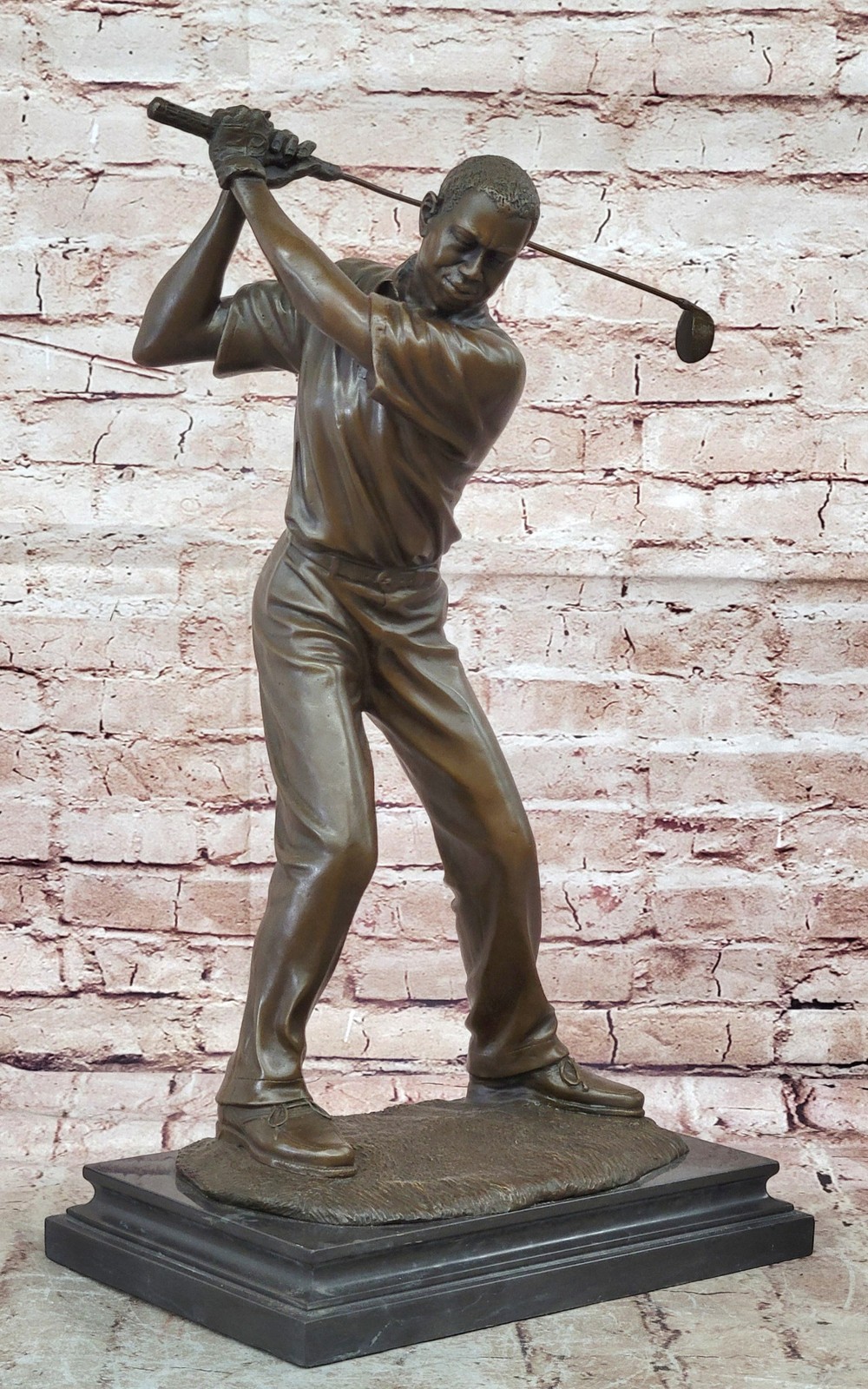
Highlights
- True bronze is a copper alloy with 5-12% tin; silicon bronze and manganese bronze are common casting variants, while brass (copper-zinc) and spelter (zinc alloy) are cheaper substitutes.
- Hot-cast lost-wax bronze is solid or hollow-walled at 3-6 mm thickness and weighs several kilograms; cold-cast resin bronze is resin powder blended with metal dust and is 40-60% lighter.
- Hand-finished patina (liver of sulfur, ferric nitrate, cupric nitrate) produces brown, verdigris, or black finishes; lacquer or wax topcoat determines whether the surface oxidizes evenly outdoors.
- Signed limited editions with a foundry mark and edition number hold value; stamped 'bronze' on a resin base or a magnetic-attracting base signals a non-bronze composite.
Best use cases
- Outdoor garden or patio: choose hot-cast solid bronze with a wax-sealed brown or verdigris patina and a threaded rod or weighted base; skip cold-cast resin and thin brass-plated spelter, which chalk and flake under UV and frost.
- Indoor collector display for sports, dance, or figurative subjects: a signed lost-wax cast on a marble or wood plinth is the right pick; cold-cast is acceptable only if the piece stays out of direct sun and away from handling.
- High-traffic shelf or entryway: pick a hollow-cast bronze with a broad, felted base for stability; avoid tall narrow cold-cast figures, which tip easily and chip at the ankles.
- Gift or trophy use: select a smaller cast bronze with an engraved plaque and a protective lacquer coat; skip resin-bonded pieces if the recipient expects heirloom longevity.
Buying tips
- Use the magnet test: bronze is essentially non-magnetic; strong attraction means a steel core or plated base. A weak pull can indicate a ferrous armature inside a genuine casting.
- Compare weight-to-height: a 30 cm solid bronze figure typically runs 2-5 kg; anything dramatically lighter at the same size is hollow, cold-cast, or spelter.
- Inspect the base signature: foundry stamps, edition numbers (e.g., 3/25), and artist signatures indicate lost-wax casting; printed labels or molded-in 'bronze' text suggest composite production.
- For outdoor placement, require a wax or lacquer topcoat and a drainage-safe base; reapply paste wax annually to maintain patina and prevent pitting.
Specs
| Material | Solid bronze vs cold-cast resin |
|---|---|
| Casting Method | Lost-wax hot cast vs cold cast |
| Finish | Patina / wax / lacquer |
| Display Format | Tabletop / mantel / garden |
Related searches
What to check before buying
- Measure the display surface depth and height clearance; a 50 cm statue needs at least a 20 cm base footprint and 60 cm of vertical space.
- For outdoor use, confirm the metal is solid bronze with an outdoor-rated patina and that the base has drainage or a raised foot to avoid standing water.
- Check handling weight: pieces above roughly 10 kg need two-person lifting and a reinforced shelf or anchored pedestal.
- Confirm the plinth material and attachment: marble and granite plinths are heavy and stable; resin or MDF plinths suit lightweight indoor cold-cast pieces only.
FAQ
Data sources: eBay / Amazon listings and product attribute feeds. Updated Nov 22, 2026.
Some links on this page are affiliate links. If you buy after clicking one, we may earn a commission at no extra cost to you. This does not change which products appear here or their order. Affiliate disclosure.