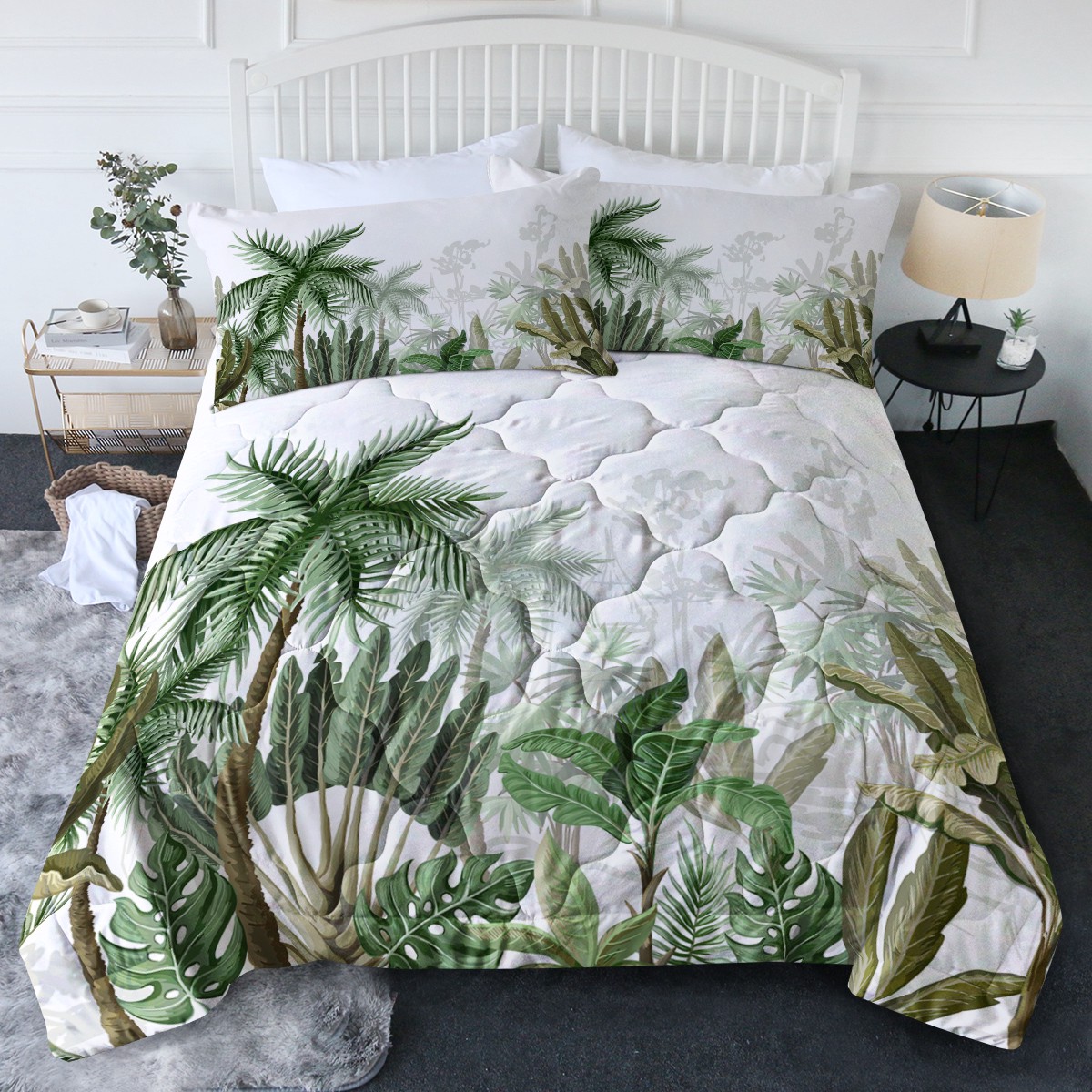

Photos from current listings. Actual item, color, and included accessories may vary.
Down Alternative Comforter Buying Guide
A down alternative comforter is a synthetic-filled bed cover designed to mimic down's loft and warmth without allergens or high cost. The primary trade-off is between microfiber polyester fill (affordable, heavier, tends to flatten) and clustered or siliconized fibers (better loft retention, breathability, and drape). Choose a baffle-box or sewn-through construction with a 300+ thread-count shell for durability; skip loose-fill or low-GSM quilting that migrates and clumps after a few washes.
At a glance
- Category
- Bedding, Linens & Home Textiles
- Last updated
- Nov 22, 2026
Current offers
Highlights
- Fill architecture: sewn-through squares vs baffle-box channels — baffles prevent fill migration and cold spots, sewn-through is lighter but compresses at seams.
- Shell fabric: 100% cotton or cotton-rich (300+ TC) breathes and resists pilling; microfiber polyester shells are cheaper but trap heat and attract lint.
- Fill weight tiers: light warmth (~200-250 GSM) for summer or layered use, all-season (~300-350 GSM), and extra-warm (~400+ GSM) for cold rooms.
- Loft retention: siliconized or cluster-sphere fibers retain bounce after washing; standard staple fiberfill mats and loses loft within 1-2 seasons.
Best use cases
- Best for year-round comfort in climate-controlled bedrooms: pick an all-season 300-350 GSM sewn-through comforter with a cotton shell — skip heavy 400+ GSM versions that overheat indoors.
- Best for allergy sufferers or down-sensitive sleepers: choose a down alternative with a tight-weave cotton shell and hypoallergenic fiber fill — avoid down or feather blends entirely.
- Best for guest rooms or kids' rooms where washing frequency is high: pick a machine-washable baffle-box comforter with polyester shell — skip dry-clean-only or silk-shelled models.
- Wrong fit: hot sleepers in warm climates should skip high-GSM down alternative and choose a lightweight 200-250 GSM version or a breathable cotton quilt instead.
Buying tips
- Match fill weight to room temperature: 200-250 GSM for rooms above 72°F, 300-350 GSM for 65-72°F, and 400+ GSM for below 65°F or unheated bedrooms.
- Choose sewn-through construction for lightweight summer comfort and baffle-box for all-season or cold-weather use — baffles cost more but prevent cold spots.
- Verify shell material: 100% cotton or cotton-poly blend breathes better than 100% microfiber polyester, which can feel clammy and trap heat.
- Check the fill fiber type: clustered or siliconized fibers (often labeled 'down-like clusters') retain loft through 20+ washes; standard polyester staple fiberfill flattens quickly.
Specs
| Fill Material | Polyester fiber vs clustered microfiber |
|---|---|
| Construction | Sewn-through vs baffle-box channels |
| Shell Fabric | 100% cotton vs microfiber polyester |
| Fill Weight | 200-250 / 300-350 / 400+ GSM |
Related searches
What to check before buying
- Measure your bed and desired drape: a full/queen comforter should be at least 88x92 inches for slight overhang; king needs 104x92 inches or larger.
- Confirm your duvet cover size matches the comforter dimensions — a comforter without corner loops will shift inside a duvet cover.
- Check washing machine capacity: a king-size down alternative comforter typically needs a front-load washer of 4.5 cu ft or larger; commercial machines for oversized king.
- Verify shell fabric and fill are machine-washable and dryable on low heat — dry-clean-only comforters add long-term cost and inconvenience.
FAQ
Data sources: eBay / Amazon listings and product attribute feeds. Updated Nov 22, 2026.
Some links on this page are affiliate links. If you buy after clicking one, we may earn a commission at no extra cost to you. This does not change which products appear here or their order. Affiliate disclosure.