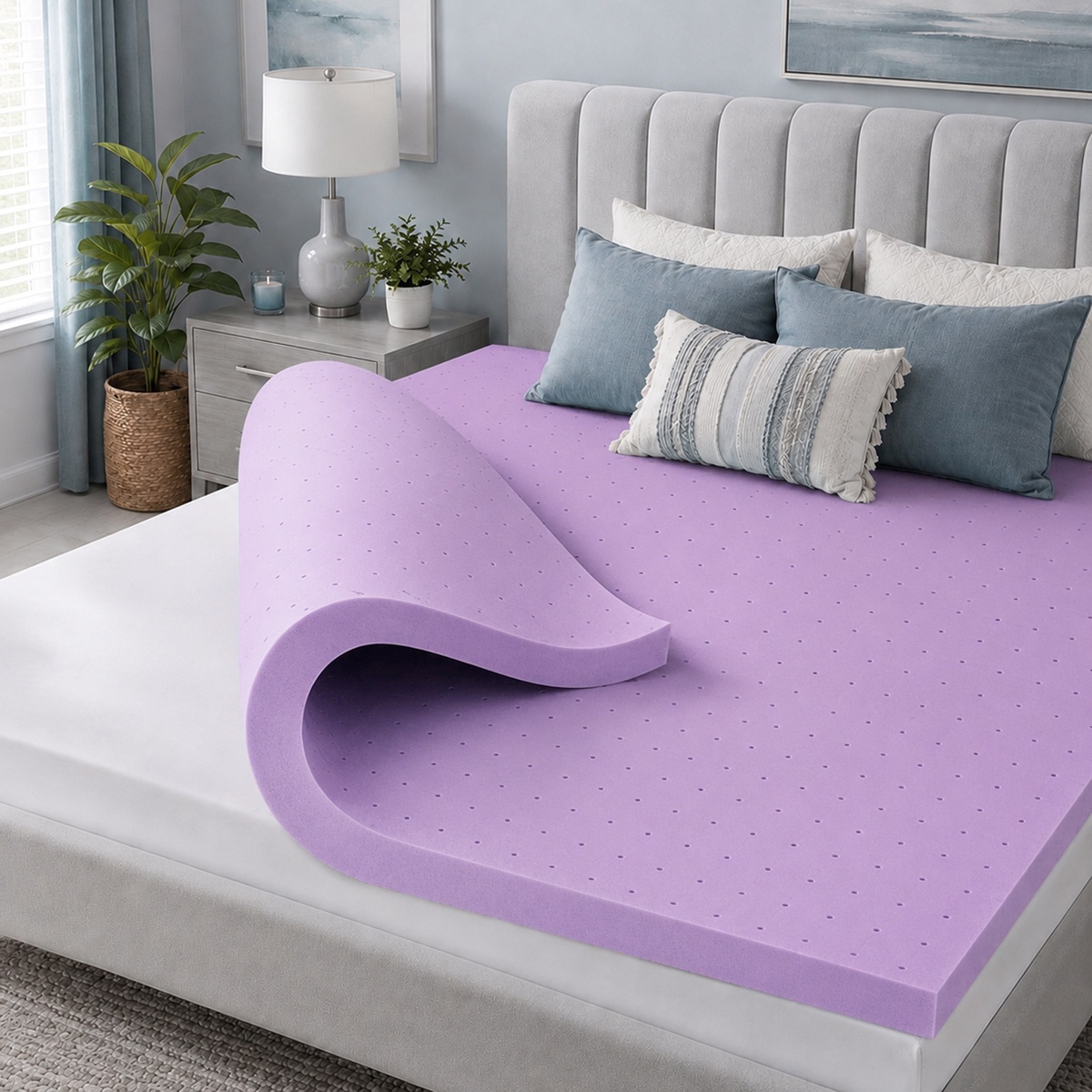

Photos from current listings. Actual item, color, and included accessories may vary.
Cooling Pad Buying Guide
A cooling pad is a mattress topper or seat cushion engineered to pull heat away from the body using phase-change gel, graphite-infused foam, or breathable airflow channels. The core trade-off is between passive gel/foam layers that feel cool on contact but warm up over hours, and active airflow or water-circulation designs that sustain cooling but add bulk and power needs. Buy durable options only when the cooling layer is bonded to a breathable, washable cover and the gel or graphite content is specified by weight or percentage; skip vague 'cooling gel' pads with no material grade.
At a glance
- Category
- Bedding, Linens & Home Textiles
- Last updated
- Nov 22, 2026
Current offers
Highlights
- Phase-change gel pads absorb heat until saturated, then release it; graphite-infused memory foam dissipates heat faster but has lower peak cooling.
- Gel weight per square foot (often 1-3 lb) and foam density (3-5 lb/ft³) determine pressure relief and how long the cool sensation lasts.
- Active airflow pads use USB-powered fans or perforated channels; water-circulation pads need a pump and reservoir and are not portable.
- Cover fabric matters: breathable knit or mesh over gel improves airflow; non-woven or vinyl covers trap heat and defeat the pad.
Best use cases
- Best fit: hot sleepers who wake up sweaty on a memory foam mattress — pick a graphite-infused foam or gel pad with a removable, washable mesh cover.
- Wrong fit: people expecting all-night cooling from a passive gel pad — after 2-4 hours the gel reaches body temperature and cooling stops; choose an active airflow pad instead.
- Best fit: side sleepers needing pressure relief plus mild cooling — a 2-3 lb/ft³ memory foam pad with a thin gel layer balances support and heat dissipation.
- Wrong fit: adjustable beds or hospital-style frames — thick gel pads can crack when flexed; select a thin (≤2 inch) flexible gel mat or skip cooling pads entirely.
Buying tips
- Measure mattress thickness and fitted sheet depth: a pad over 2 inches thick needs deep-pocket sheets (≥15 inch) or the sheet will pop off.
- Check gel specification: pads listing gel weight in pounds per square foot (1-3 lb) or graphite percentage (≥5%) are verifiable; 'cooling gel' with no number is a red flag.
- For active pads, confirm power: USB fans need 5V/1A minimum; water pumps need a dedicated outlet and add 6-10 inches of height to the bed.
- Match pad size exactly to mattress: a queen pad on a full mattress bunches and creates pressure points; cooling performance drops where the pad folds.
Specs
| Cooling Method | Gel / Graphite foam / Airflow / Water |
|---|---|
| Thickness Range | 1-3 in (passive) / 4-8 in (active) |
| Cover Fabric | Mesh or knit, removable & washable |
| Power Requirement | Passive: none / Active: USB 5V or AC |
Related searches
What to check before buying
- Measure mattress length, width, and thickness; confirm pad dimensions match within 1 inch and sheet pocket depth exceeds pad thickness.
- Check cover material and care: removable, machine-washable mesh or knit cover is required for hygiene and sustained airflow.
- For active cooling, verify outlet or USB port location near the bed and cord length (≥6 ft) to reach without tension.
- Confirm the pad is compatible with your mattress type: gel pads can stain memory foam; use a mattress protector between pad and mattress.
FAQ
Data sources: eBay / Amazon listings and product attribute feeds. Updated Nov 22, 2026.
Some links on this page are affiliate links. If you buy after clicking one, we may earn a commission at no extra cost to you. This does not change which products appear here or their order. Affiliate disclosure.