
Photos from current listings. Actual item, color, and included accessories may vary.
Bedding Buying Guide
Bedding spans human sleep systems (sheets, duvet covers, comforters, pillowcases) and small-animal substrate, so the first split is fiber architecture: long-staple cotton and true down/feather for breathability and decades of wash life versus microfiber and polyester fill for stain resistance at lower cost. The decisive quality rule is simple—buy natural long-staple fibers or certified down for nightly human use, and reserve paper/cellulose or aspen shavings strictly for pet enclosures.
At a glance
- Category
- Bedding, Linens & Home Textiles
- Last updated
- Nov 22, 2026
Current offers
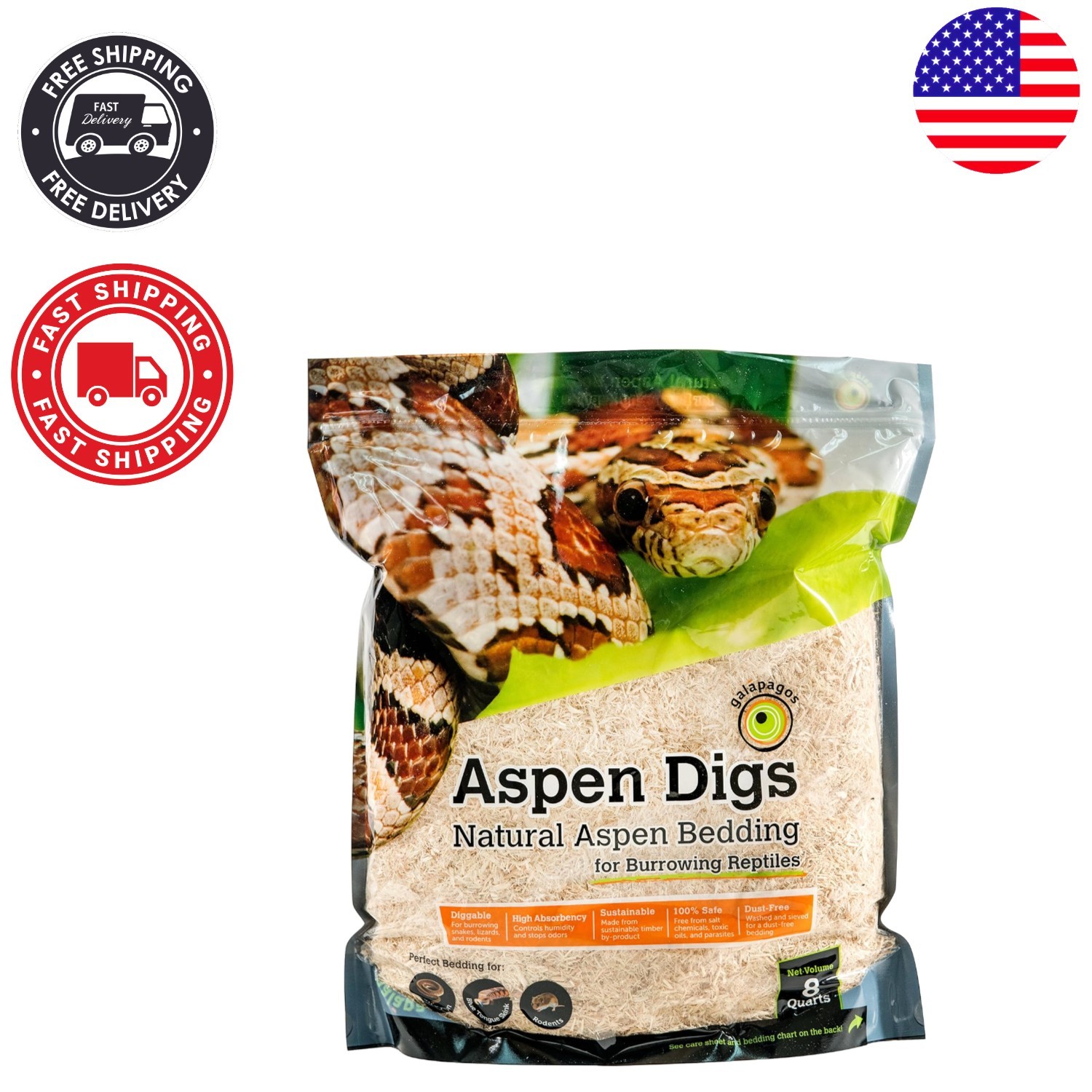 Eco-Friendly Natural Aspen Bedding - 8 Quart for Snakes, Hamsters & Guinea Pigs$14.39View on eBay
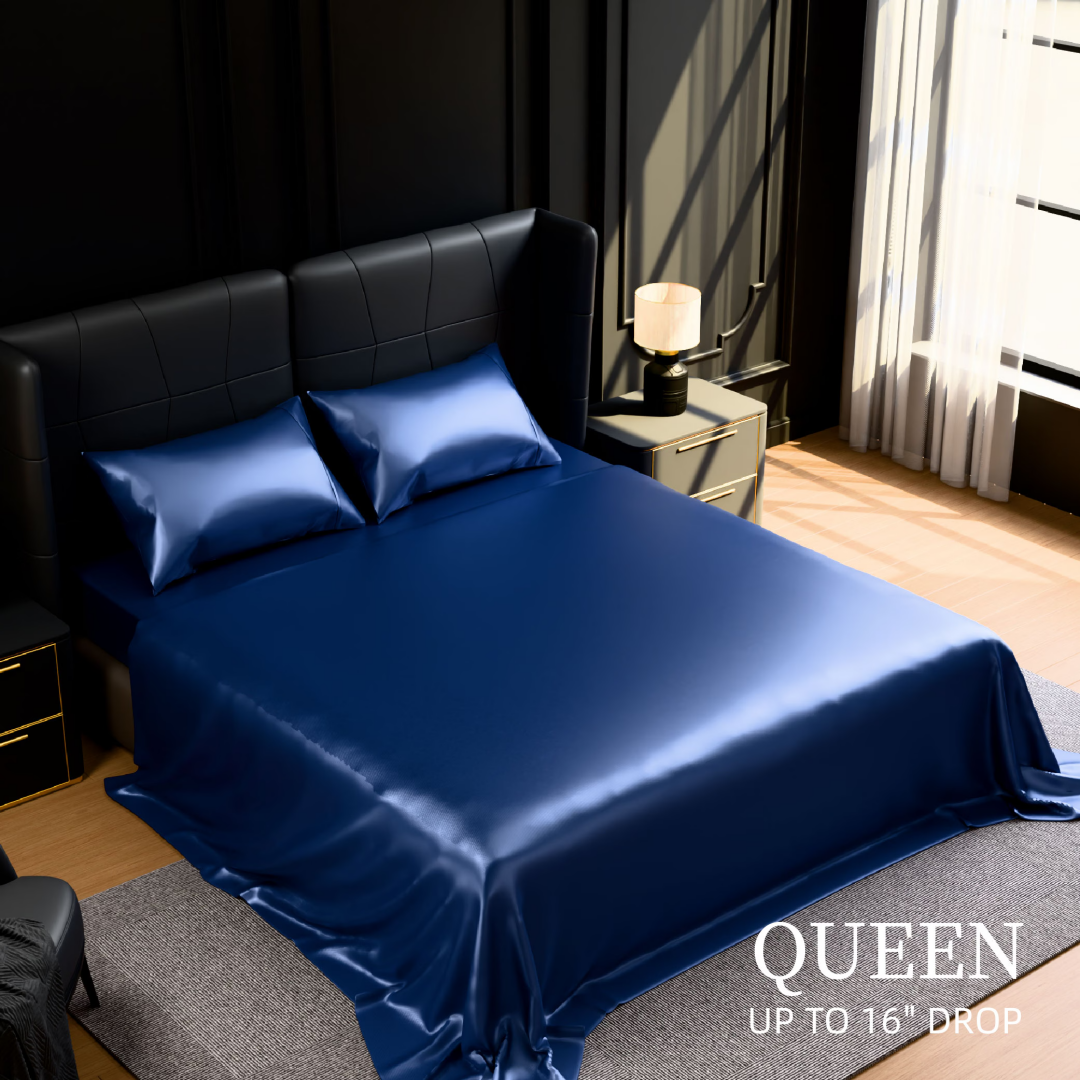 Satin Bed Sheets, Queen Size Set, 4 Pcs Silky Bedding Set With 15 Inches Deep Pocket For Mattress Navy Blue$19.99View on Mallflare
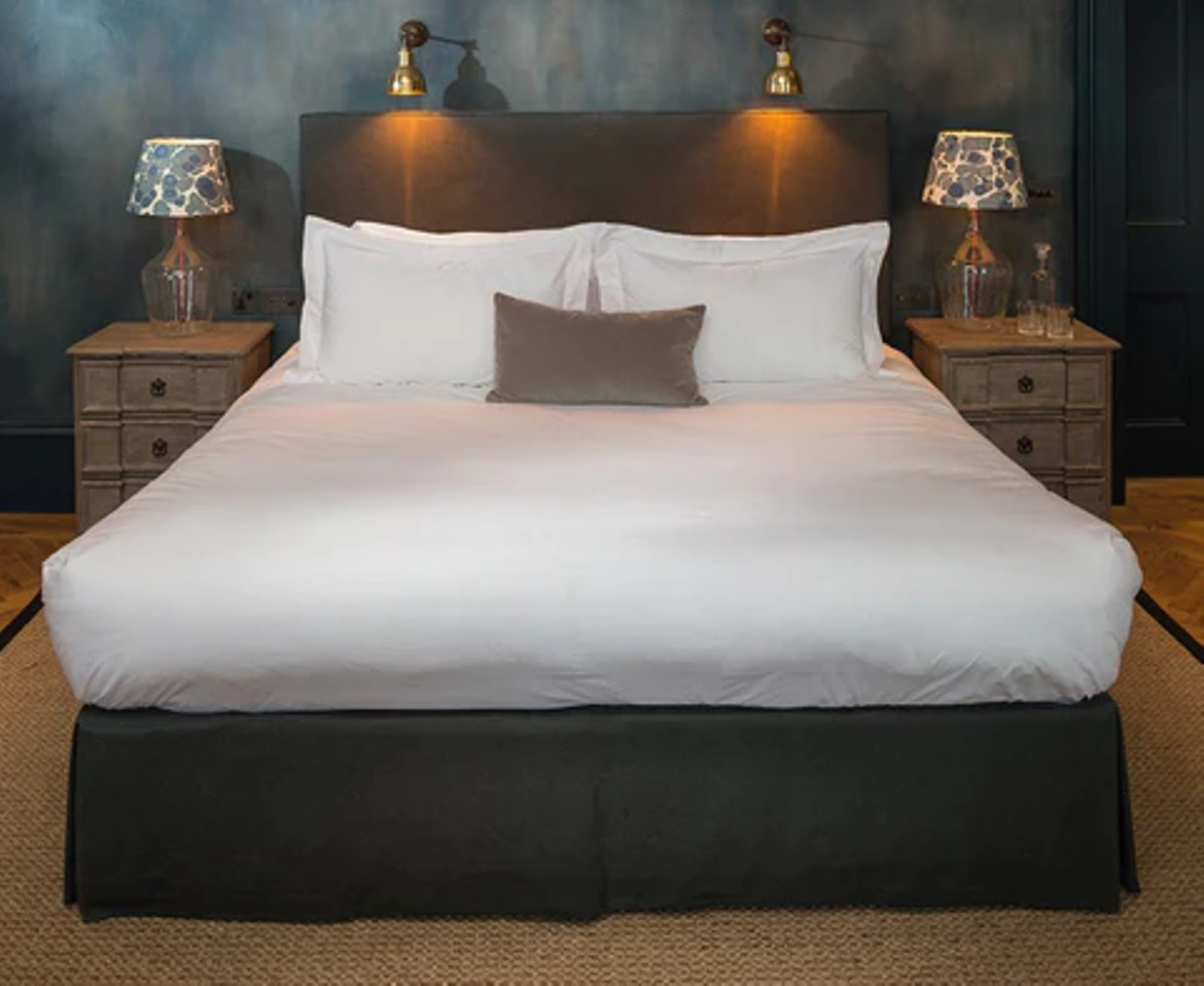 3pc Duvet Set Embrace Collection 100% Supima Cotton Hotel Bedding White Full$19.99View on eBay
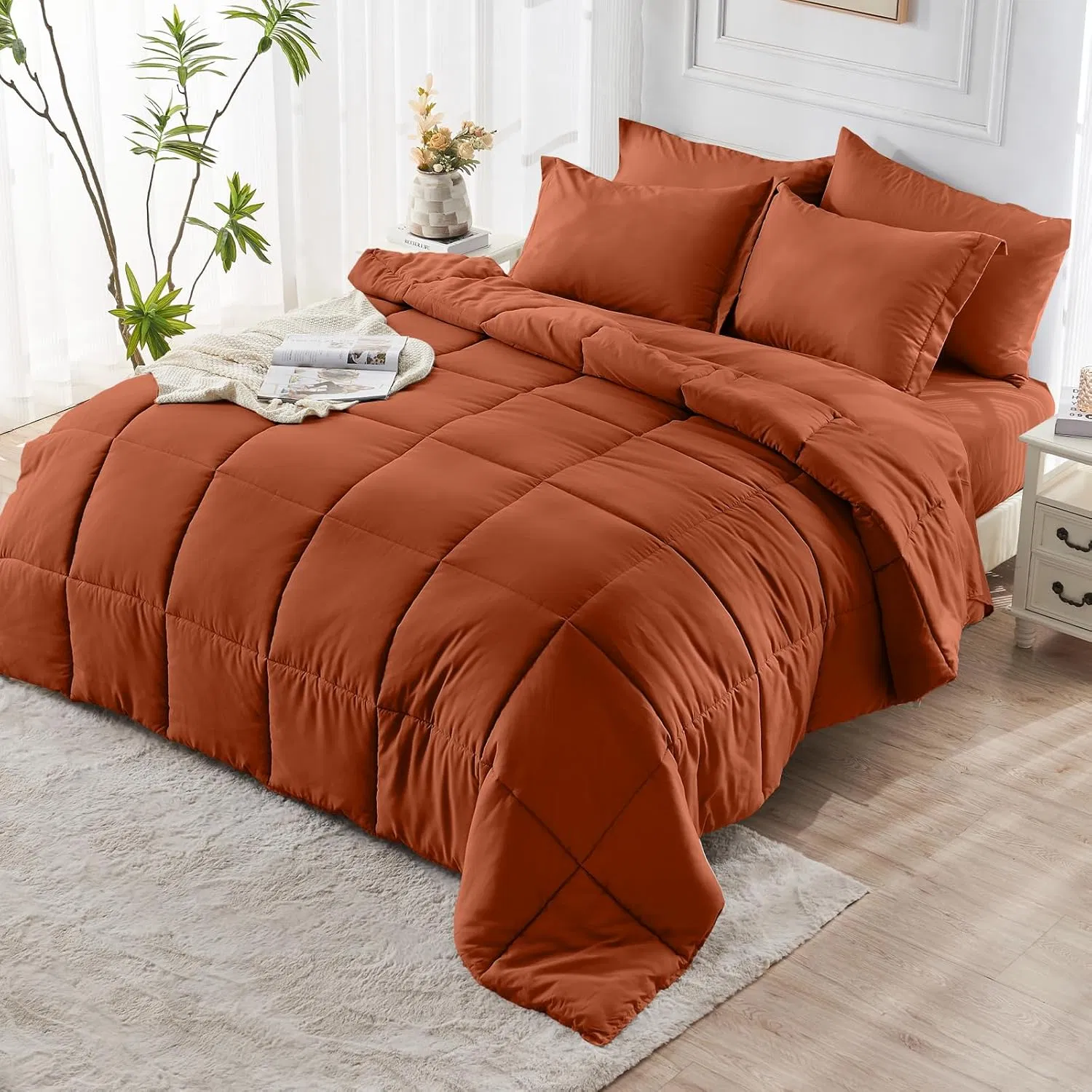 Burnt orange 2-Piece & 3-Piece Bedding Comforter Set – Twin/Queen/King – Soft Microfiber$25.99View on Mallflare
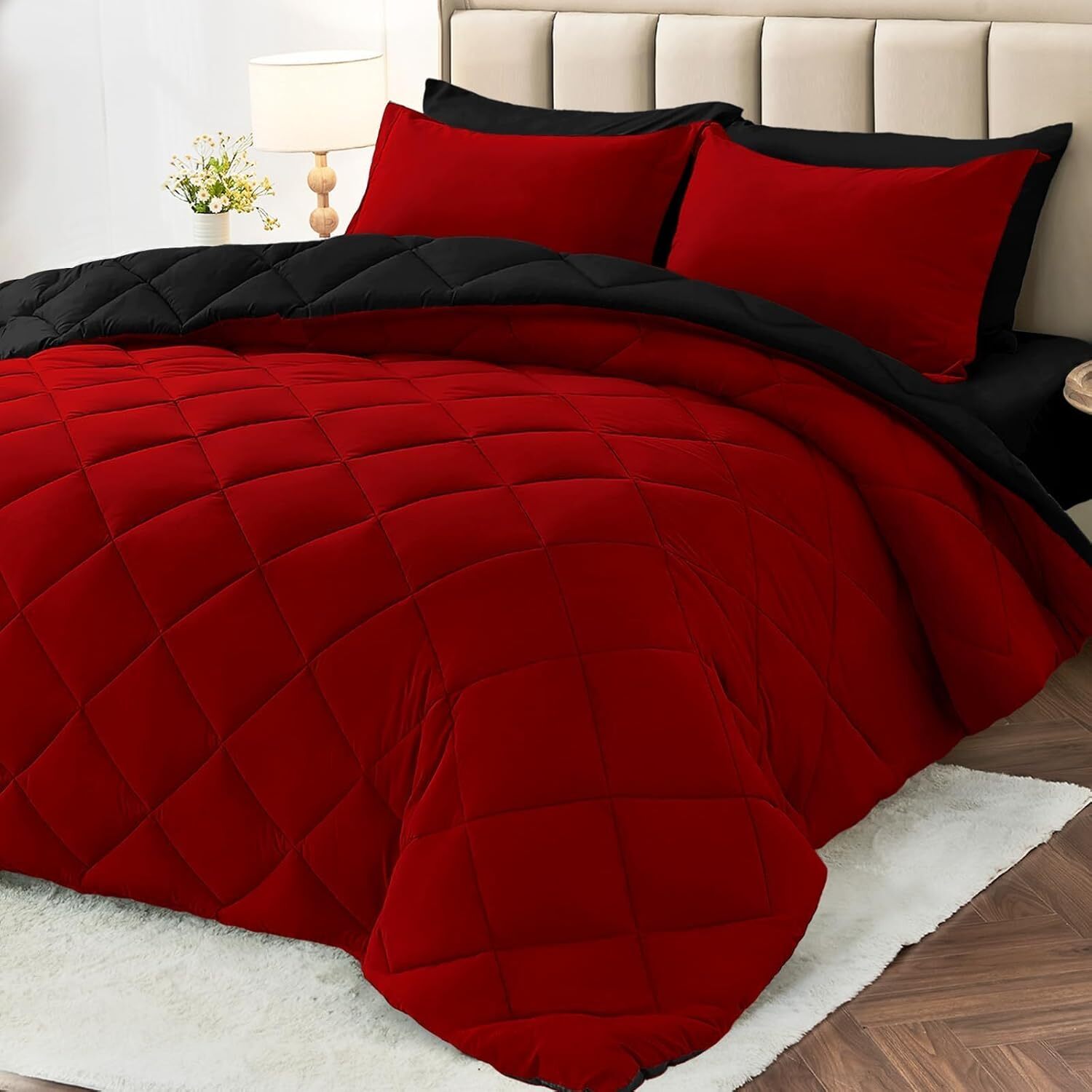 7 Pcs Queen Comforter Set, Reversible Bed in a Bag , All Season Bedding Set$40.99View on eBay
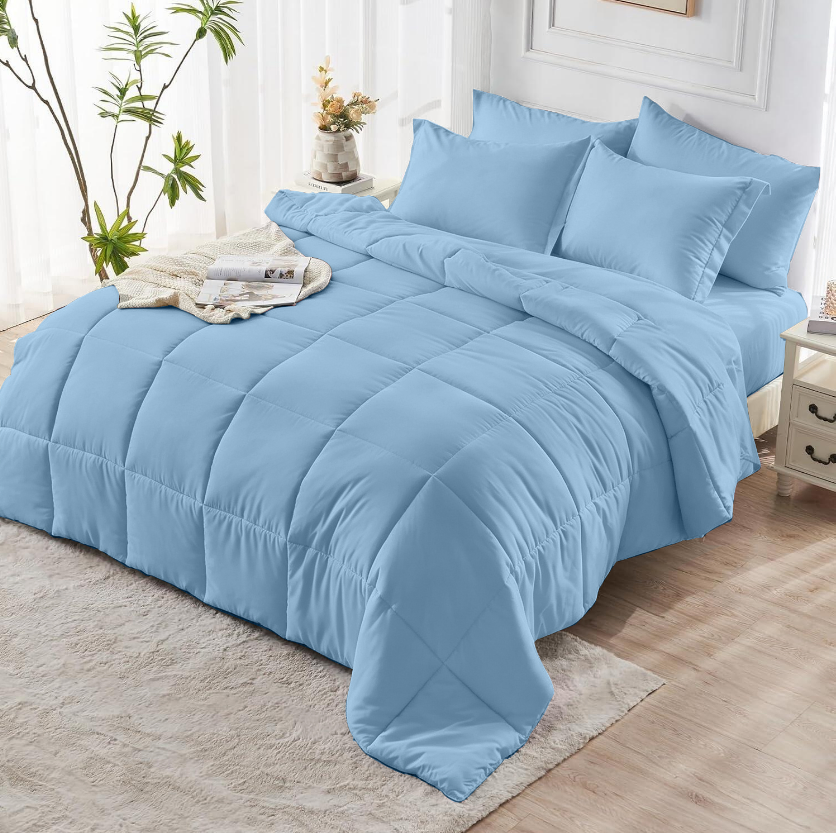 Sky Blue Bedding Comforter Set Twin/Queen/King$25.99View on Mallflare
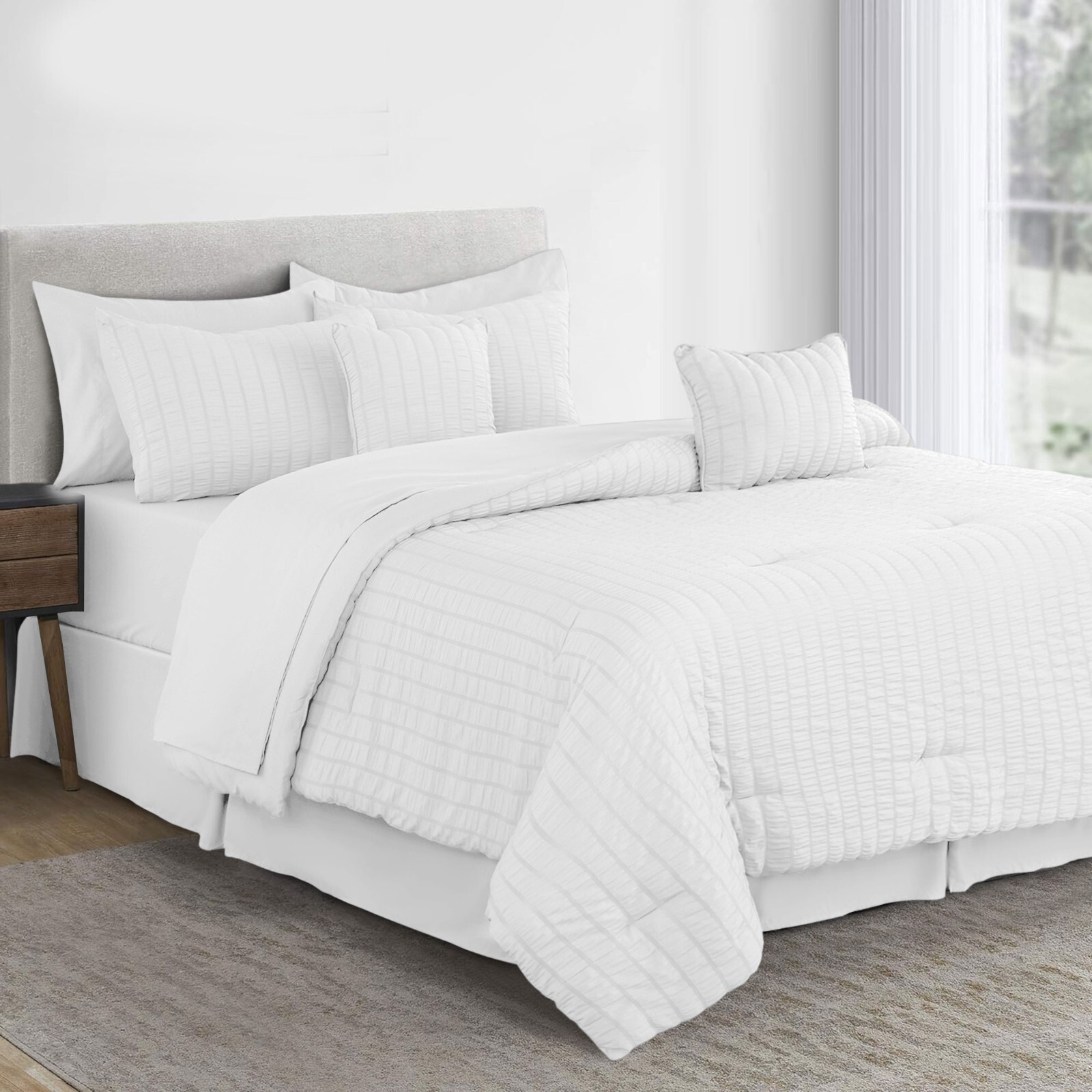 10 Piece Bed in a Bag Comforter Set Breathable Reversible Bedding Set Queen King$45.99View on eBay
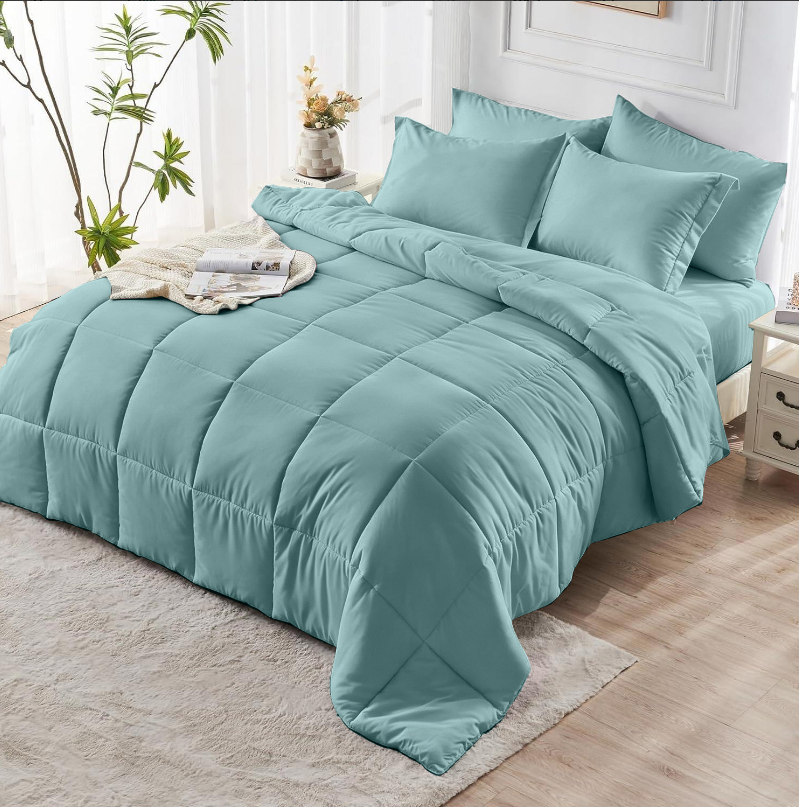 Wathet blue Bedding Comforter Set Twin/Queen/King$27.99View on Mallflare
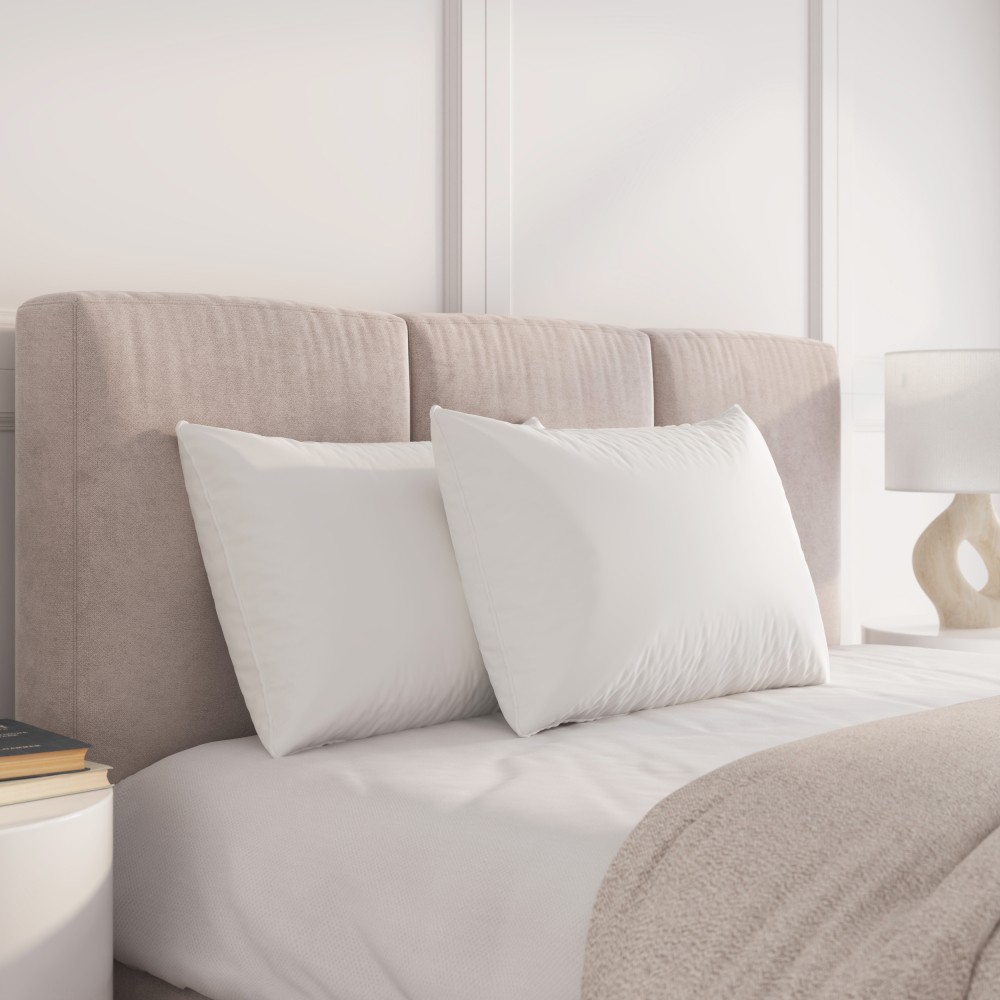 Dream Big Twin Pack Bed Pillows Comfort Sleep Home Bedding$53.62View on eBay
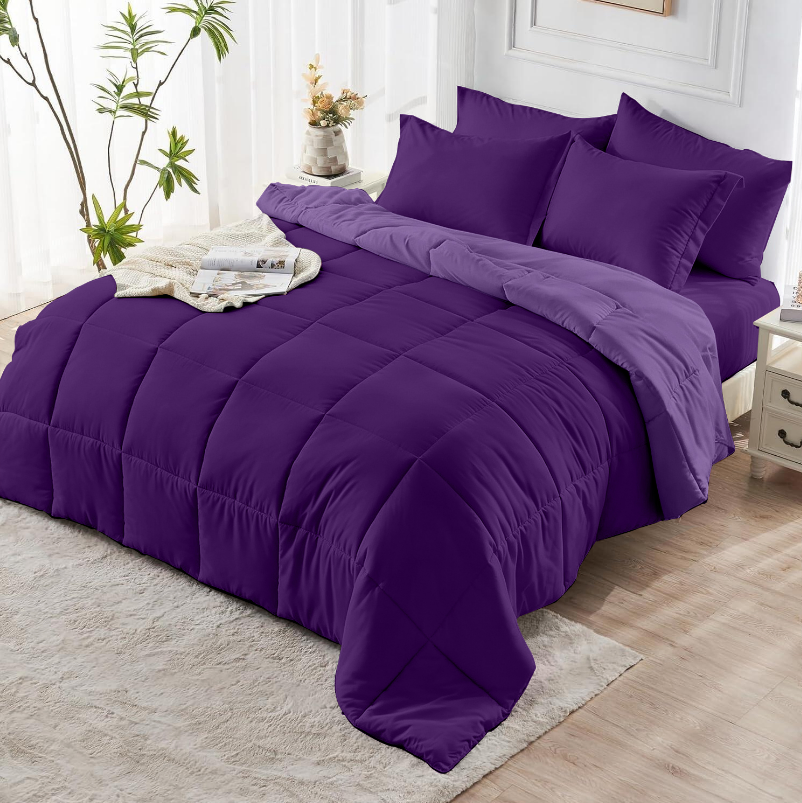 Two-color reversible light-dark purple Bedding Comforter Set Twin/Queen/King$27.99View on Mallflare
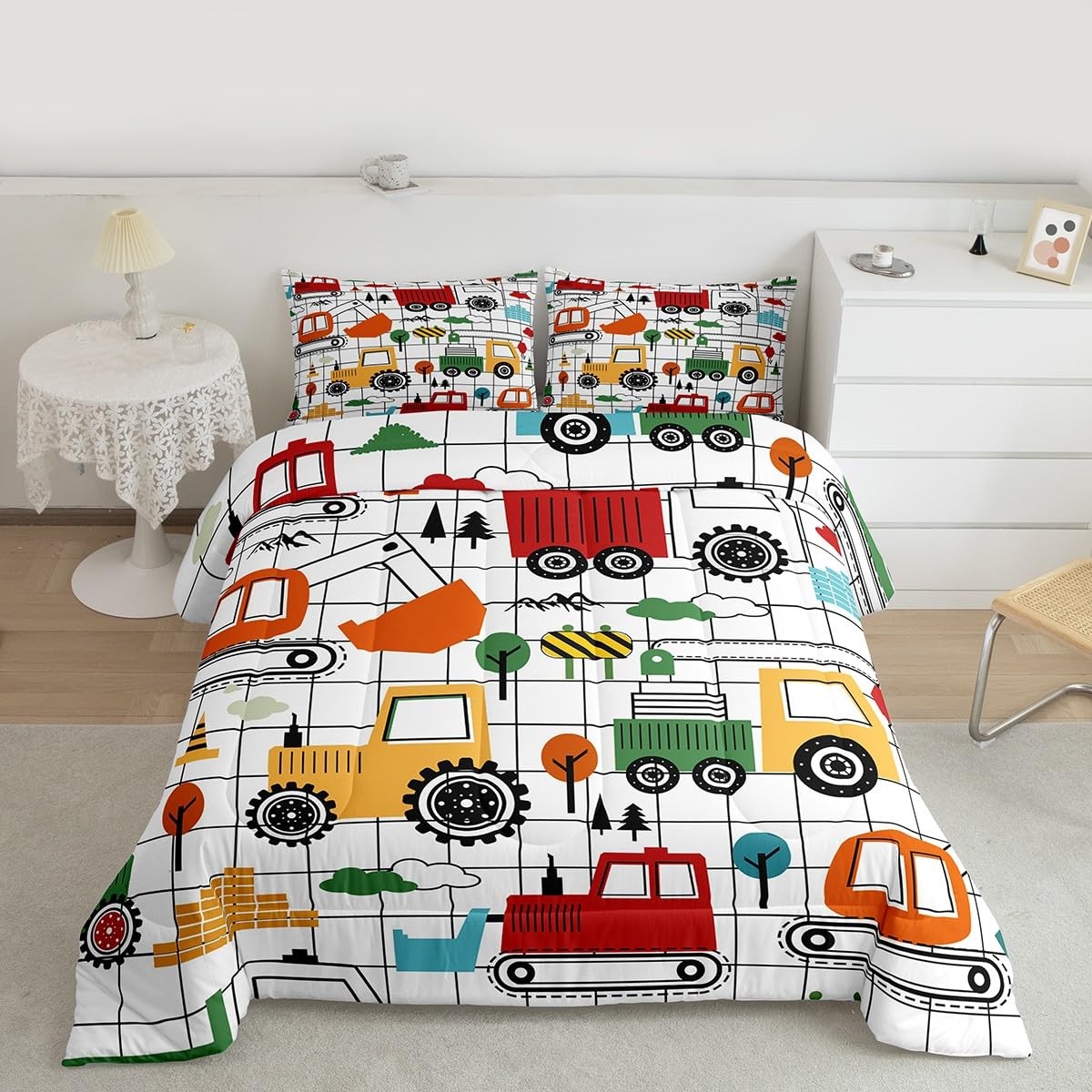 Construction Bedding Set Full Size Equipment Trucks Comforter Set Constructio...$73.19View on eBay
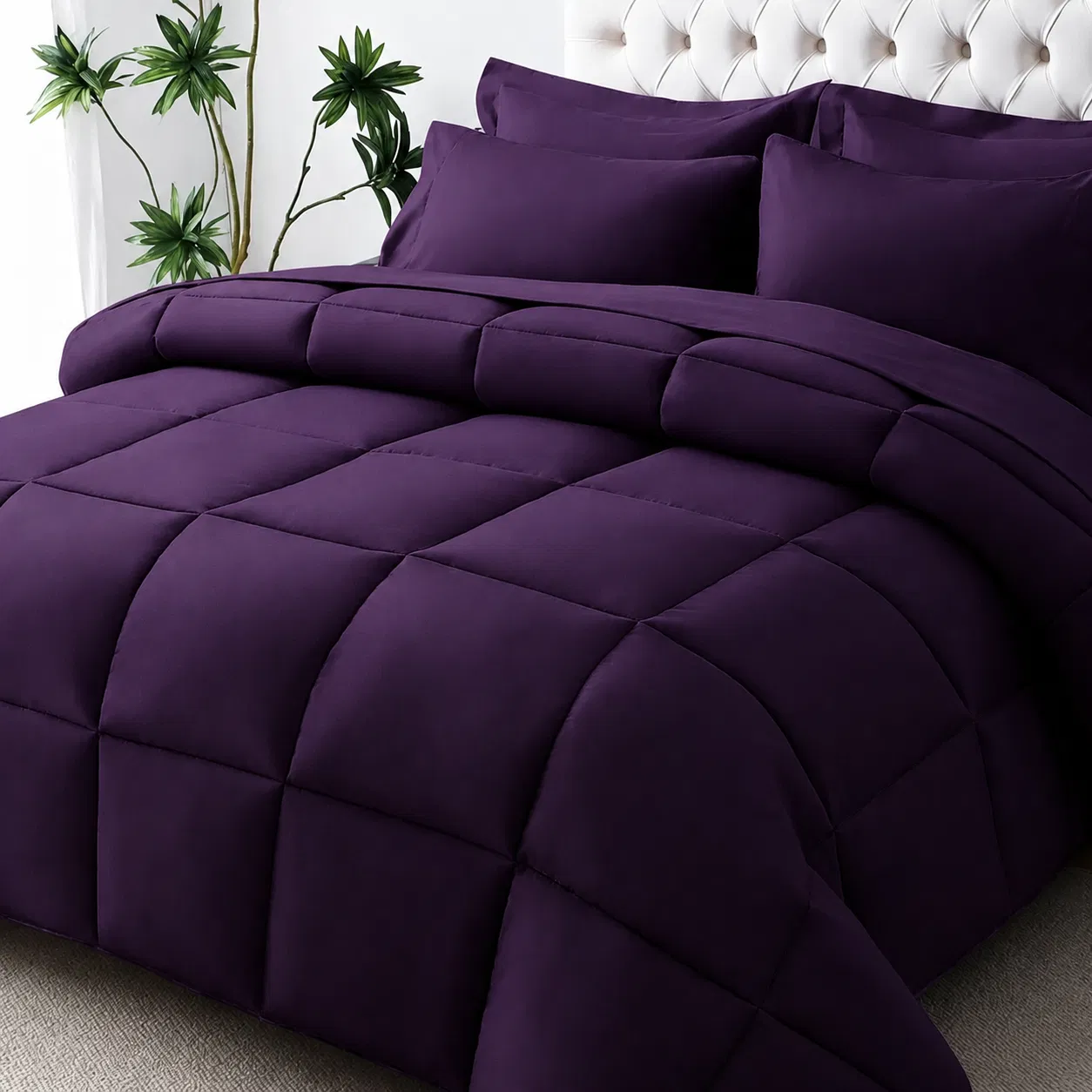 Purple Bedding Comforter Set Twin/Queen/King$27.99View on Mallflare
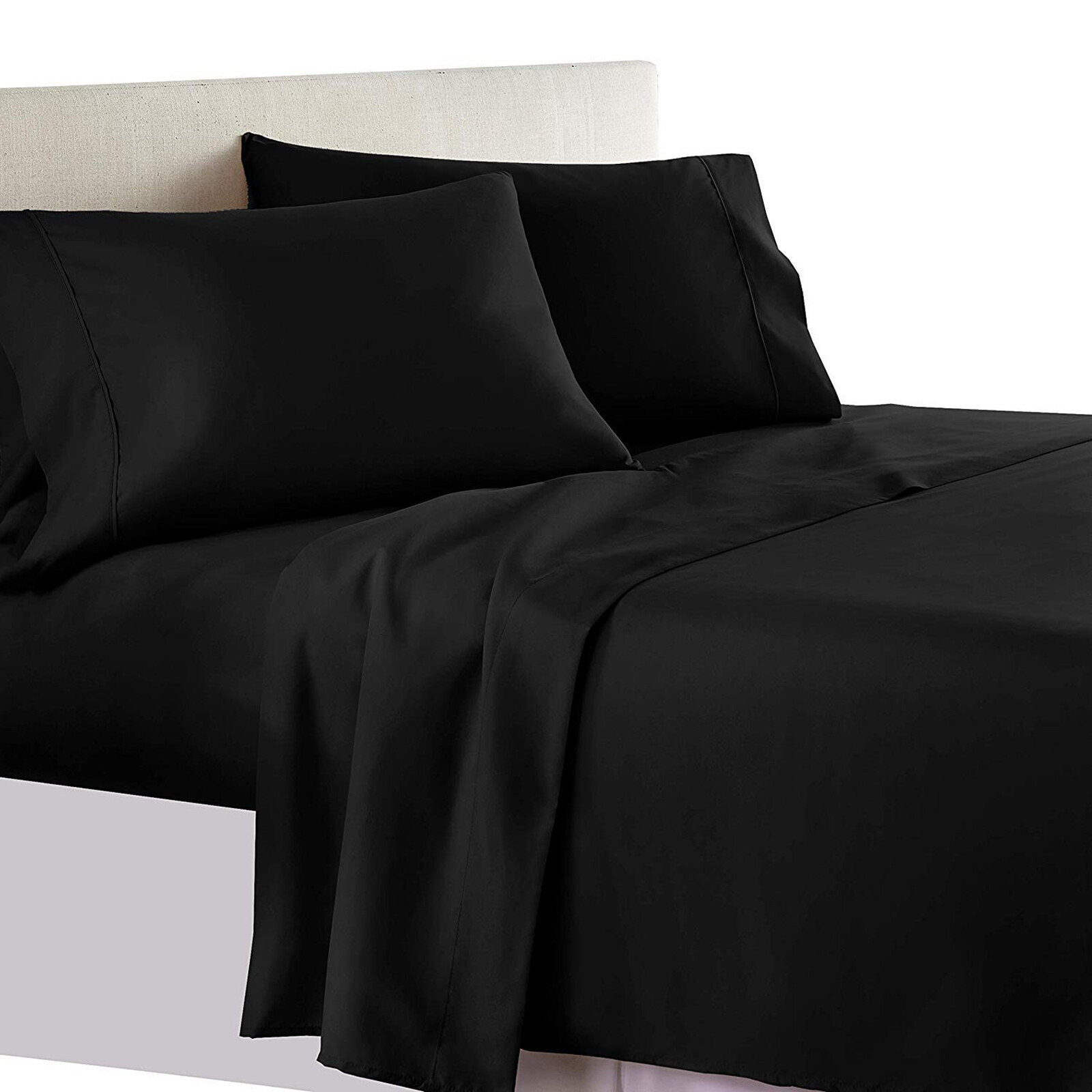 FULL SIZE BEDDING LINEN SOLID 1000 TC 100% COTTON SELECT COLORS ITEM$103.19View on eBay
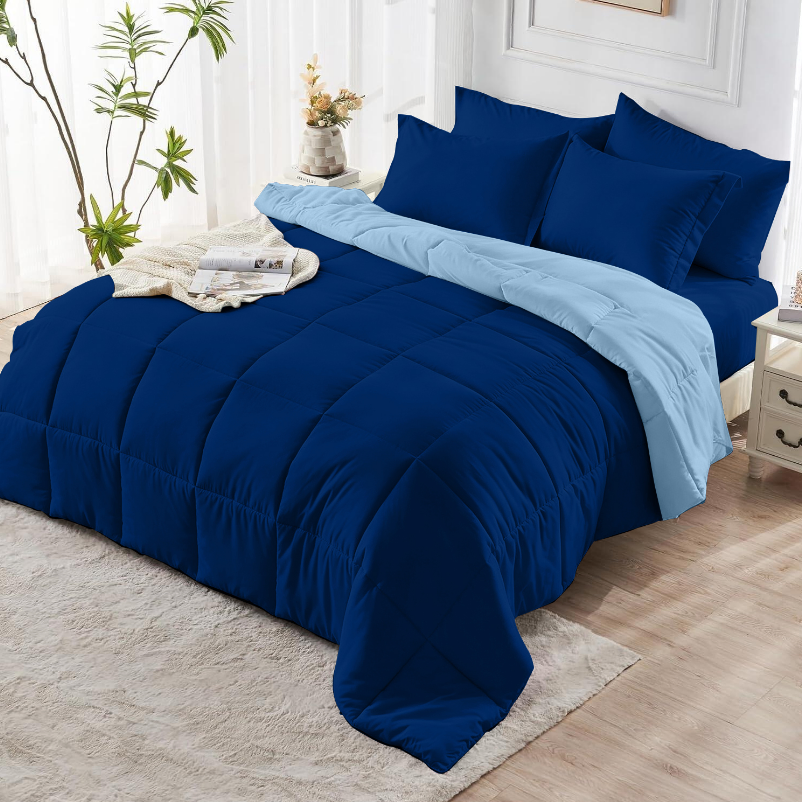 Two-color reversible lake blue & light 2-Piece & 3-Piece Bedding Comforter Set – Twin/Queen/King – Soft Microfiber$27.99View on Mallflare
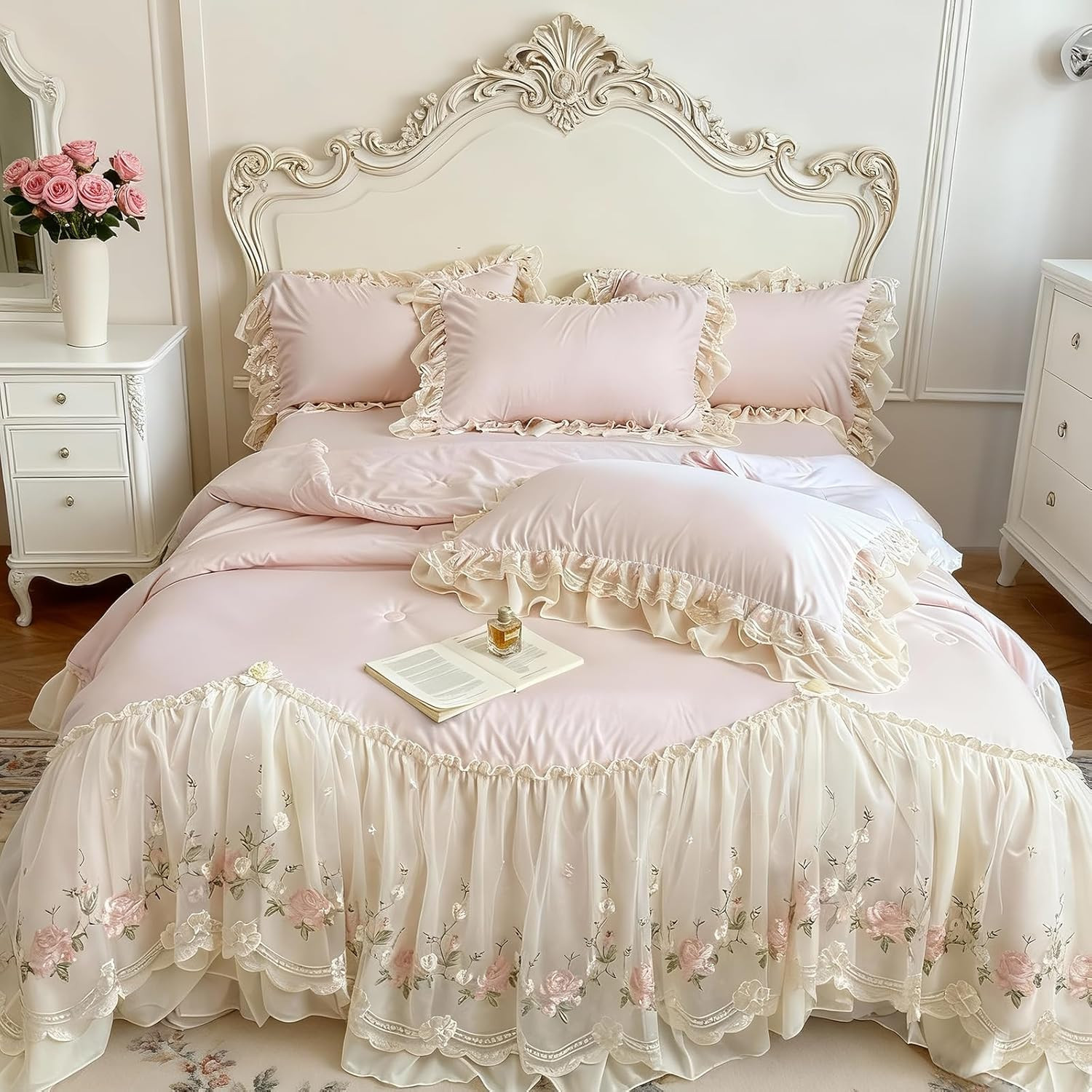 Romantic French Chic 4-Piece Bedding Set with Lace Trim for Queen Bed, Pink$110.99View on eBay
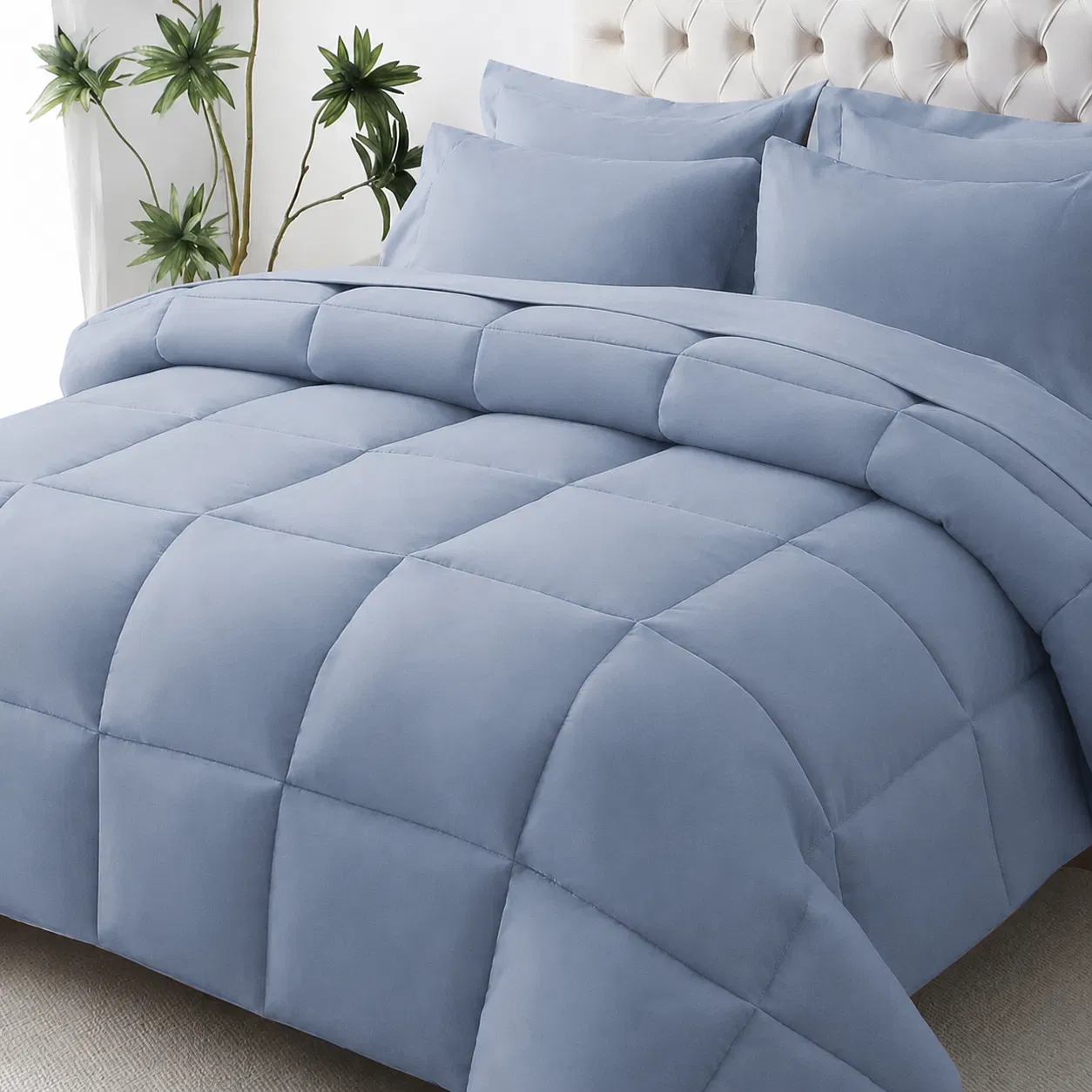 Blue 2-Piece & 3-Piece Bedding Comforter Set – Twin/Queen/King – Soft Microfiber$27.99View on Mallflare
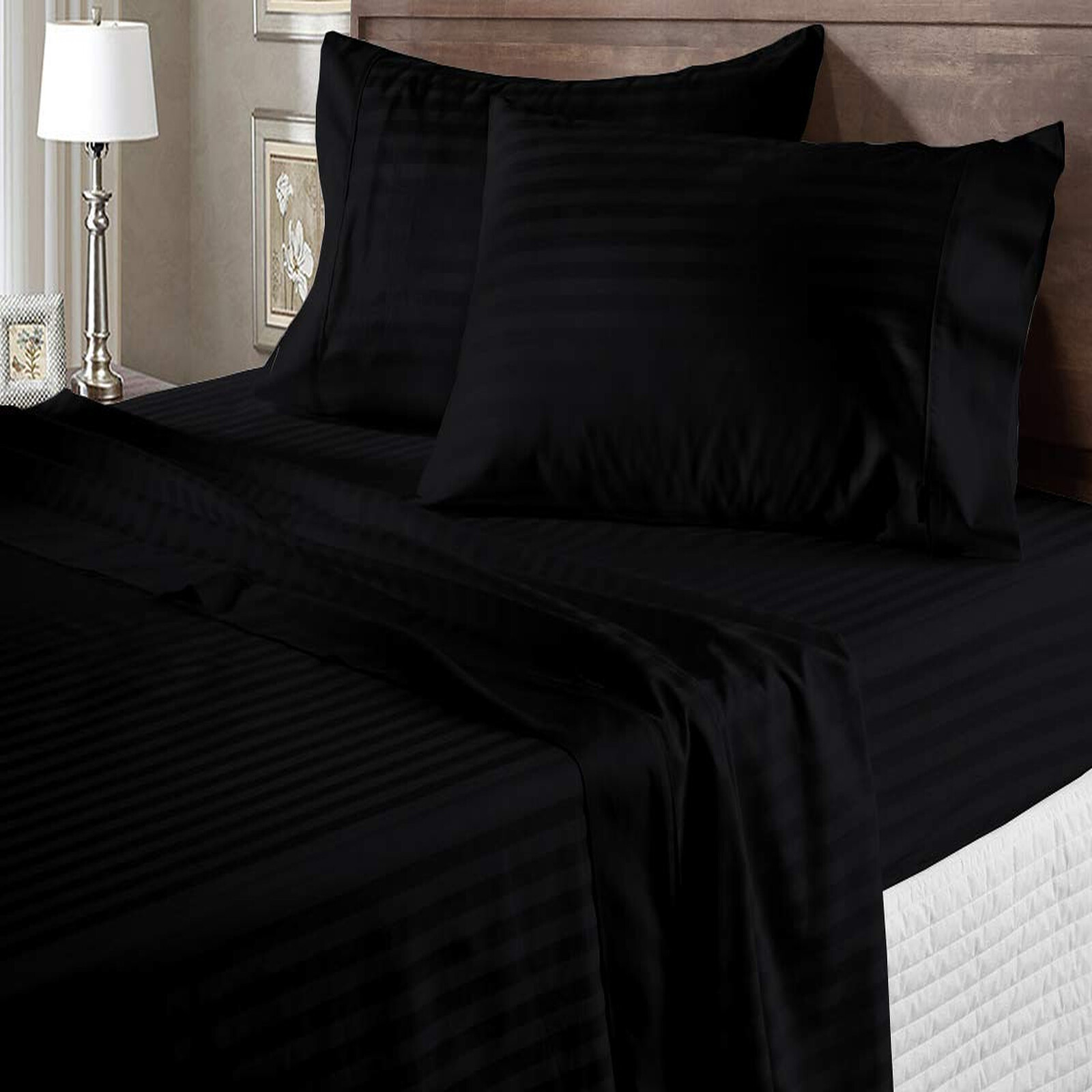 Queen Size Bedding Sheets 100%Egyptian Cotton 1000-1200 TC Select Item$114.79View on eBay
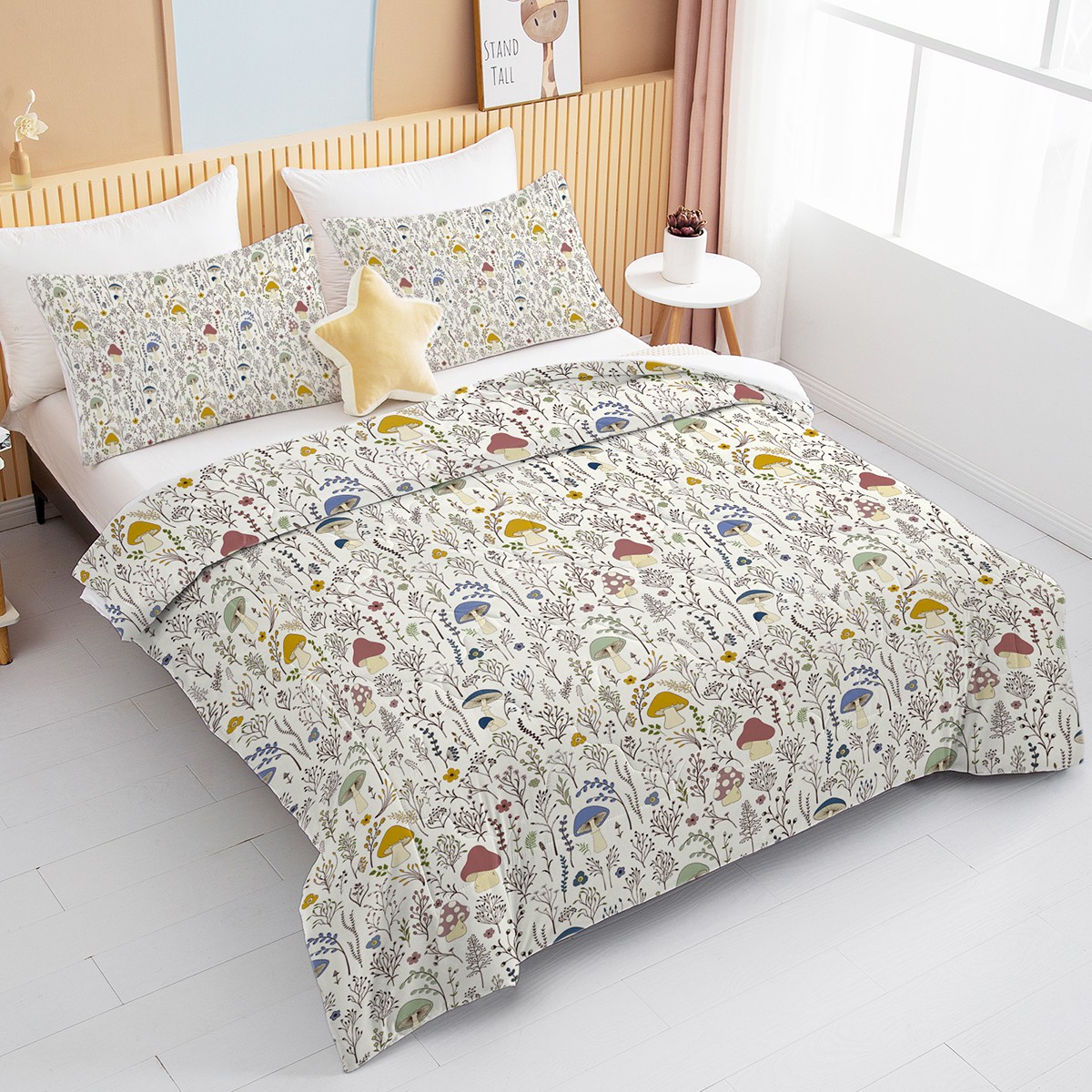 3 Pieces Mushroom Decoration Comforter Set Soft Bedding Set For Home Bedroom Decor Twin Full Queen King Size$28.99View on Mallflare
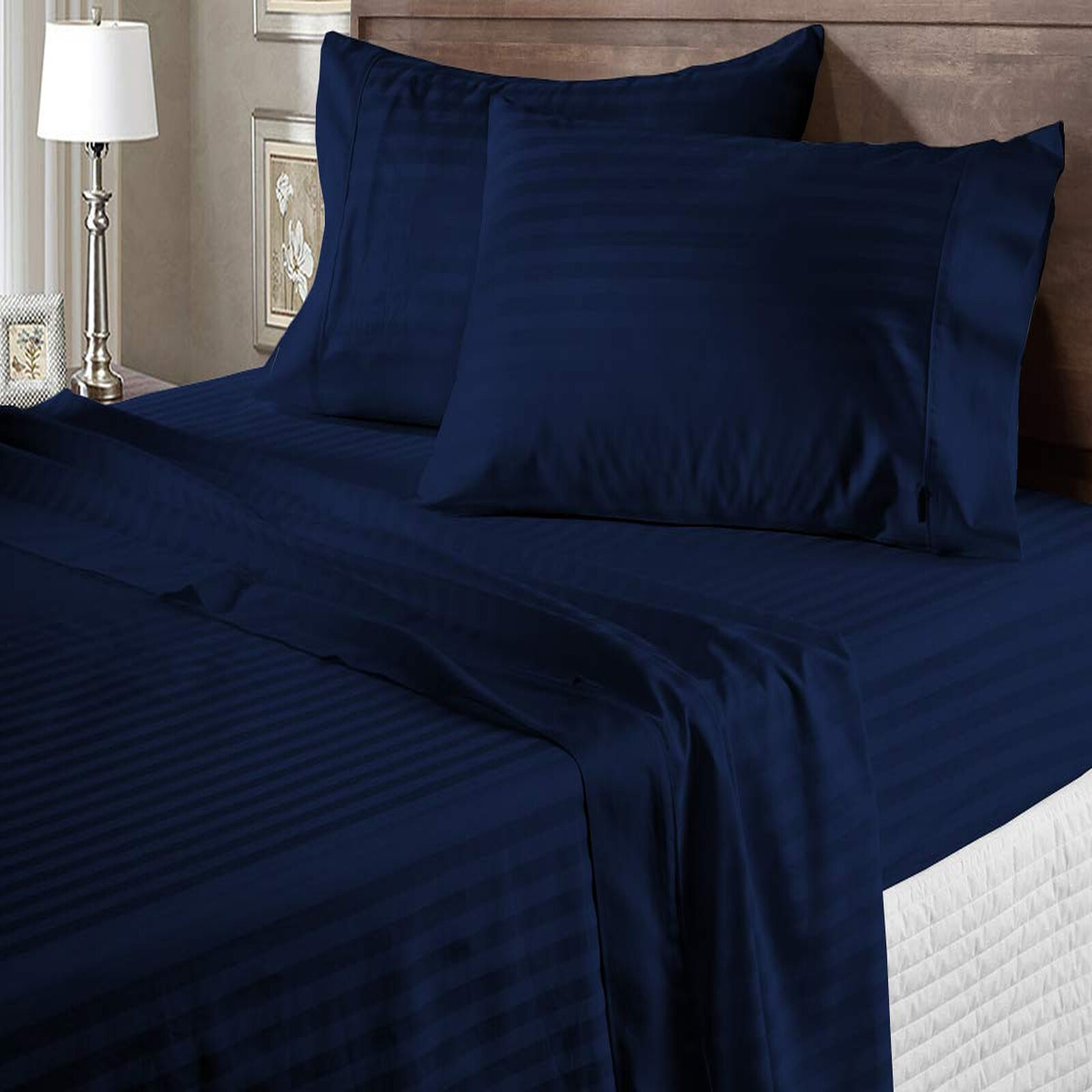 Queen Size Bedding Sheets 100%Egyptian Cotton 1000 Thread Count Select your Item$122.08View on eBay
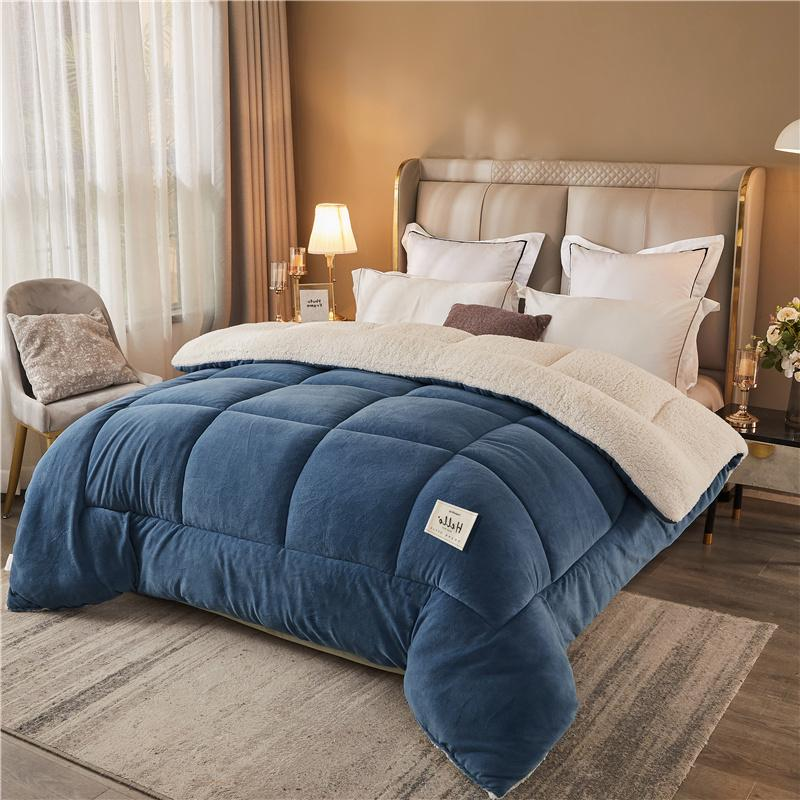 1PC Reversible Sherpa Comforter, Ultra Warm Thick Plush Bedding Quilt For Cold Winter$29.99View on Mallflare
Highlights
- Cotton quality is set by staple length and ply: Supima and Egyptian long-staple single-ply weaves outlast short-staple blends that pill after 20–30 washes.
- Down fill is rated by fill power (550–800+); higher fill power traps more warmth per ounce, so a 700-fill-power duvet needs less loft and weighs less than a 550 equivalent.
- Comforter shells are graded by thread count and fill weight (GSM); all-season microfiber sets typically run 200–300 GSM, while summer-weight versions drop to 150–200 GSM.
- Bed-in-a-bag piece counts are tiered: 7-piece adds shams and a bed skirt, 10-piece adds decorative pillows and a flat sheet, so sheet quality varies sharply by tier.
Best use cases
- Choose a 100% Supima or Egyptian cotton duvet set if you sleep hot, wash weekly, and want bedding that survives years—skip microfiber if you sweat at night.
- Buy a 7- or 10-piece microfiber bed-in-a-bag for guest rooms, rentals, or kids' rooms where frequent spills and quick turnover matter more than breathability.
- Pick a down or down-alternative comforter with a baffle-box construction for cold bedrooms; choose a lightweight quilt or 150–200 GSM comforter for summer or heated rooms.
- For reptiles, hamsters, and guinea pigs, use aspen shavings or paper substrate—never cotton or polyester human bedding, which causes impaction and respiratory risk.
Buying tips
- Match comforter width to mattress: twin 64–68 in, full/queen 86–90 in, king 102–108 in; a queen comforter on a king leaves cold overhang gaps.
- Check fiber content labels for '100% cotton' versus 'cotton-rich' (often 60/40); only 100% long-staple single-ply resists pilling past 50 washes.
- For down duvets, confirm Responsible Down Standard (RDS) certification and fill power above 600 for a warm, low-weight duvet.
- Sheet pocket depth must exceed mattress height plus topper: 14–16 in pockets fit standard mattresses, 18–21 in pockets fit deep or pillow-top beds.
Specs
| Fiber Content | 100% long-staple cotton vs microfiber |
|---|---|
| Down Fill Power | 550–800+ FP; RDS certified |
| Comforter Weight | 150–300 GSM by season |
| Set Piece Count | 2–3 pc vs 7 pc vs 10 pc |
Related searches
What to check before buying
- Measure mattress length, width, and height plus any topper before choosing comforter and sheet size—oversized king needs 108-in-wide bedding.
- Confirm duvet cover closure type (buttons, zipper, or ties) and internal corner ties so the insert does not shift nightly.
- For pet substrate, verify species suitability: aspen for snakes and rodents, paper for hamsters; avoid cedar and pine shavings for small animals.
- Check washing machine drum capacity—king comforters need front-load or commercial machines of 4.5 cu ft or larger.
FAQ
Data sources: eBay / Amazon listings and product attribute feeds. Updated Nov 22, 2026.
Some links on this page are affiliate links. If you buy after clicking one, we may earn a commission at no extra cost to you. This does not change which products appear here or their order. Affiliate disclosure.