
Photos from current listings. Actual item, color, and included accessories may vary.
Bathroom Tray Buying Guide
A bathroom tray is a shallow, rimmed organizer that corrals soap, lotion, jewelry, and daily essentials on a vanity, sink deck, or countertop. The core trade-off is material porosity and drainage versus styling: resin and wood look warm but trap water and stain, while silicone drains fast but flexes and can harbor residue if not cleaned. Choose a non-porous, rimmed tray with feet or a drain path for wet zones; treat open wood and unsealed resin as dry-counter decor only.
At a glance
- Category
- Bathroom Accessories
- Last updated
- Nov 22, 2026
Current offers
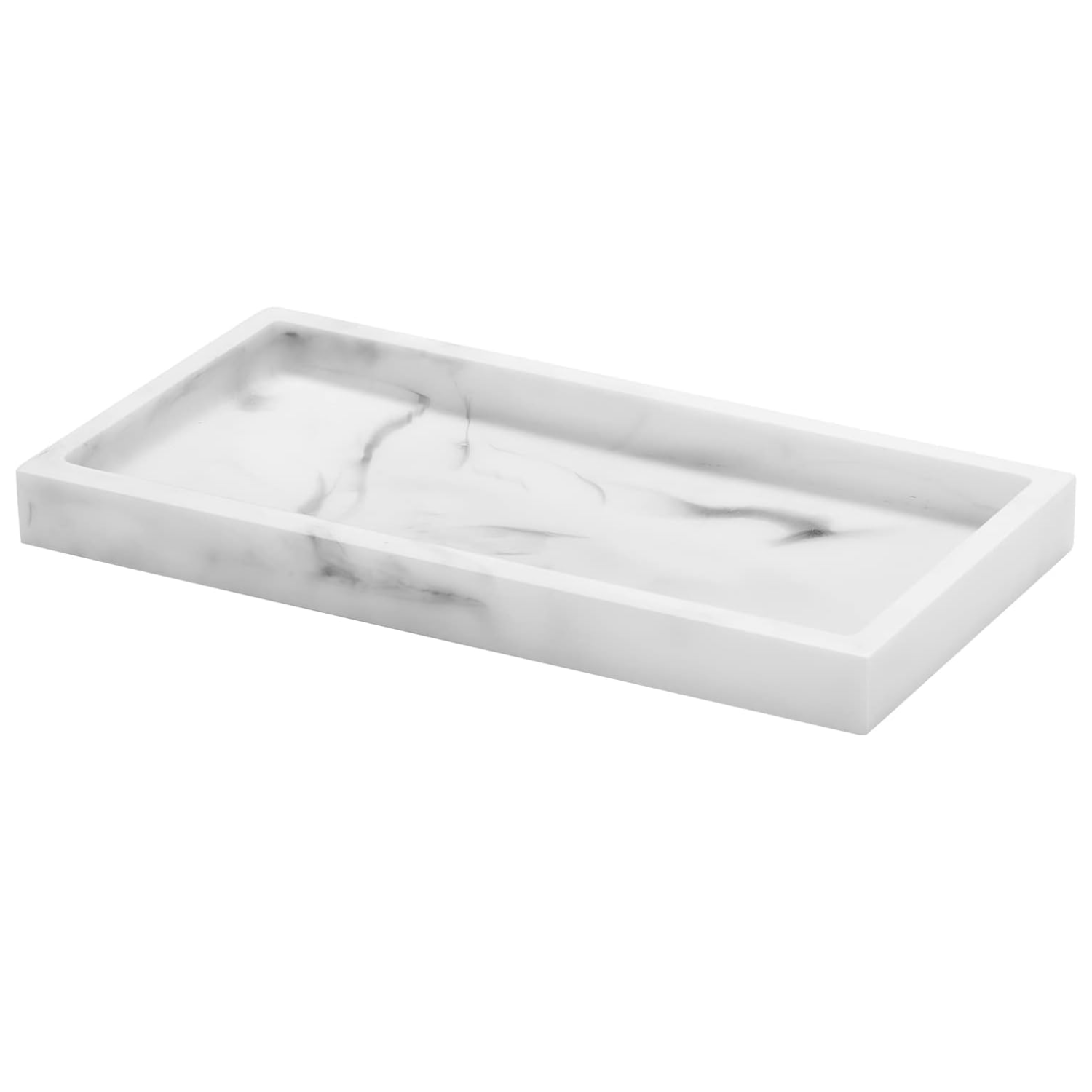 White Marble Resin Bathroom Tray, Mini Countertop Organizer For Vanity, Jewelry, Soap, Perfume And Small Accessories$47.99View on Mallflare
 Brown Wooden Bathroom Tray, 8.7 X 3.6-Inch Farmhouse Soap Holder And Rustic Decorative For Kitchen Countertop And Vanity$81.99View on Mallflare
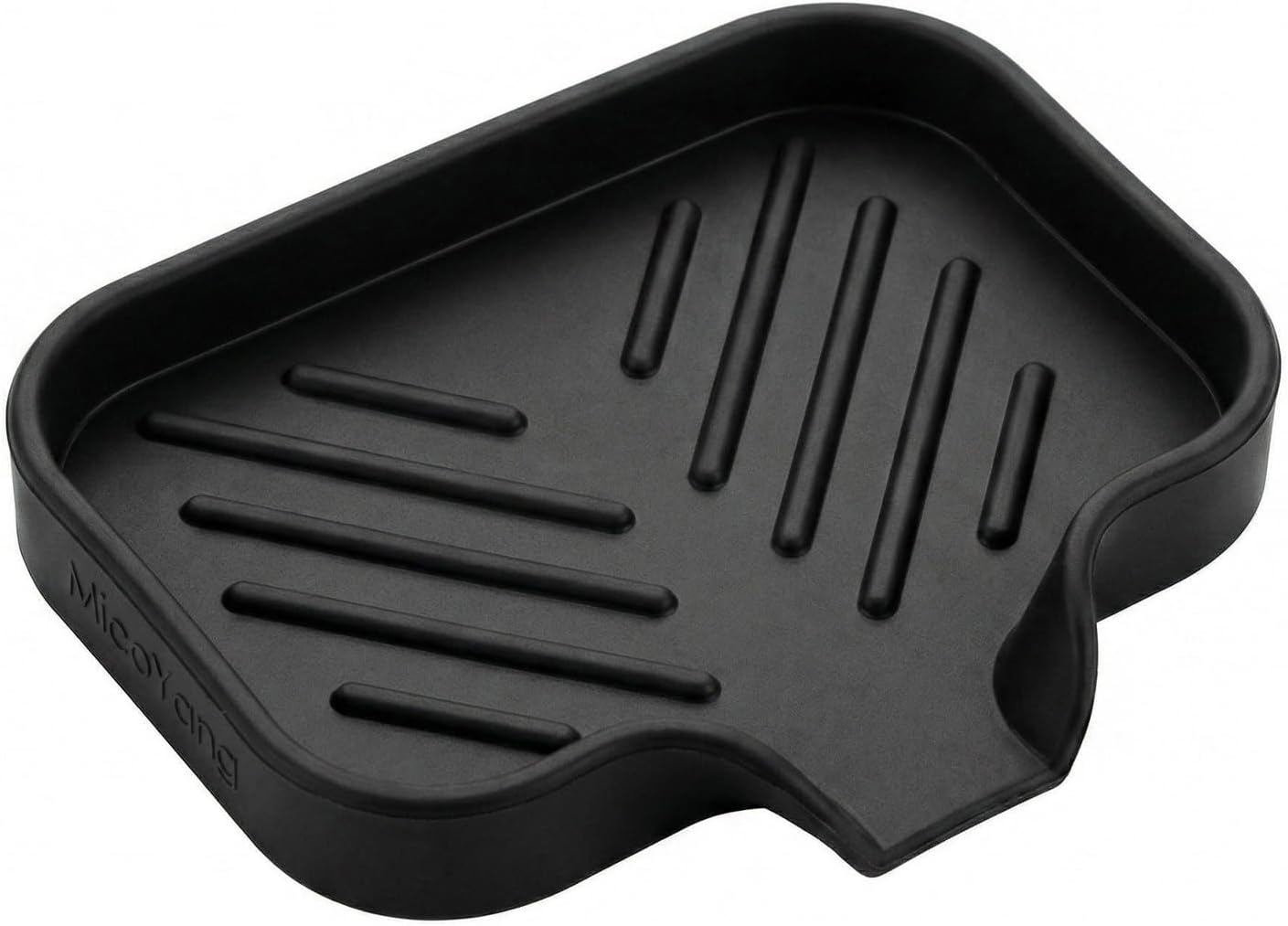 Silicone Soap Dish With Drain Spout, Self Draining Sink Organizer Tray For Bathroom Kitchen, Sponges And Black$40.99View on Mallflare
Highlights
- Resin and composite marble trays are non-porous and water-resistant but can scratch; ceramic and stone are heavier and chip-prone at thin rims.
- Solid wood trays (acacia, bamboo, teak) swell and stain under standing water; only sealed or oiled hardwood belongs near a wet sink.
- Silicone soap trays rely on a sloped ribbed surface and drain spout; flexibility means they need a flat, supported sink edge to avoid pooling.
- Vanity trays typically run 8-12 in long with 1-2 in rim height; a 1.5-2 in rim contains soap suds and small bottles without crowding the sink.
Best use cases
- Pick a sealed marble-resin or ceramic tray with feet for a wet sink deck holding soap and lotion; skip bare wood there because it will water-stain.
- Pick a sloped silicone tray with a drain spout directly beside the faucet for bar soap and sponges; skip flat-bottom trays that sit in standing water.
- Pick a wood or farmhouse tray for a dry vanity or guest bath staging perfumes and jewelry; skip it for shower shelves or splash zones.
- Pick a low-profile 8-10 in tray for narrow pedestal sinks; skip oversized 12 in+ trays that block the faucet arc or soap access.
Buying tips
- Measure the free sink-deck depth first: leave at least 2 in clearance behind the faucet and 1 in from the sink rim so the tray does not overhang.
- Match tray length to counter run: 8-10 in suits pedestal and small vanities, 12-16 in suits double vanities and long counters.
- For wet use, require a rim of at least 0.75-1 in and either raised feet or a drain channel; flat unrimmed boards let water run onto the counter.
- Choose sealed stone/resin or glazed ceramic over unsealed wood and unglazed terracotta; porous materials absorb soap scum and darken permanently.
Specs
| Material Grade | Sealed resin / glazed ceramic / silicone |
|---|---|
| Typical Length | 8-16 in (vanity vs double) |
| Rim Height | 0.75-2 in containment |
| Drain Design | Raised feet / sloped spout |
Related searches
What to check before buying
- Measure vanity depth and faucet setback; confirm the tray fits with the faucet handle swing unobstructed.
- Confirm the tray has non-slip feet or a silicone base pad so it will not slide on wet quartz or tile.
- Check material water resistance: sealed resin, glazed ceramic, or silicone for wet zones; sealed hardwood only for dry staging.
- Verify drain path or rim height for soap trays so meltwater exits into the sink, not under the tray.
FAQ
Data sources: eBay / Amazon listings and product attribute feeds. Updated Nov 22, 2026.
Some links on this page are affiliate links. If you buy after clicking one, we may earn a commission at no extra cost to you. This does not change which products appear here or their order. Affiliate disclosure.