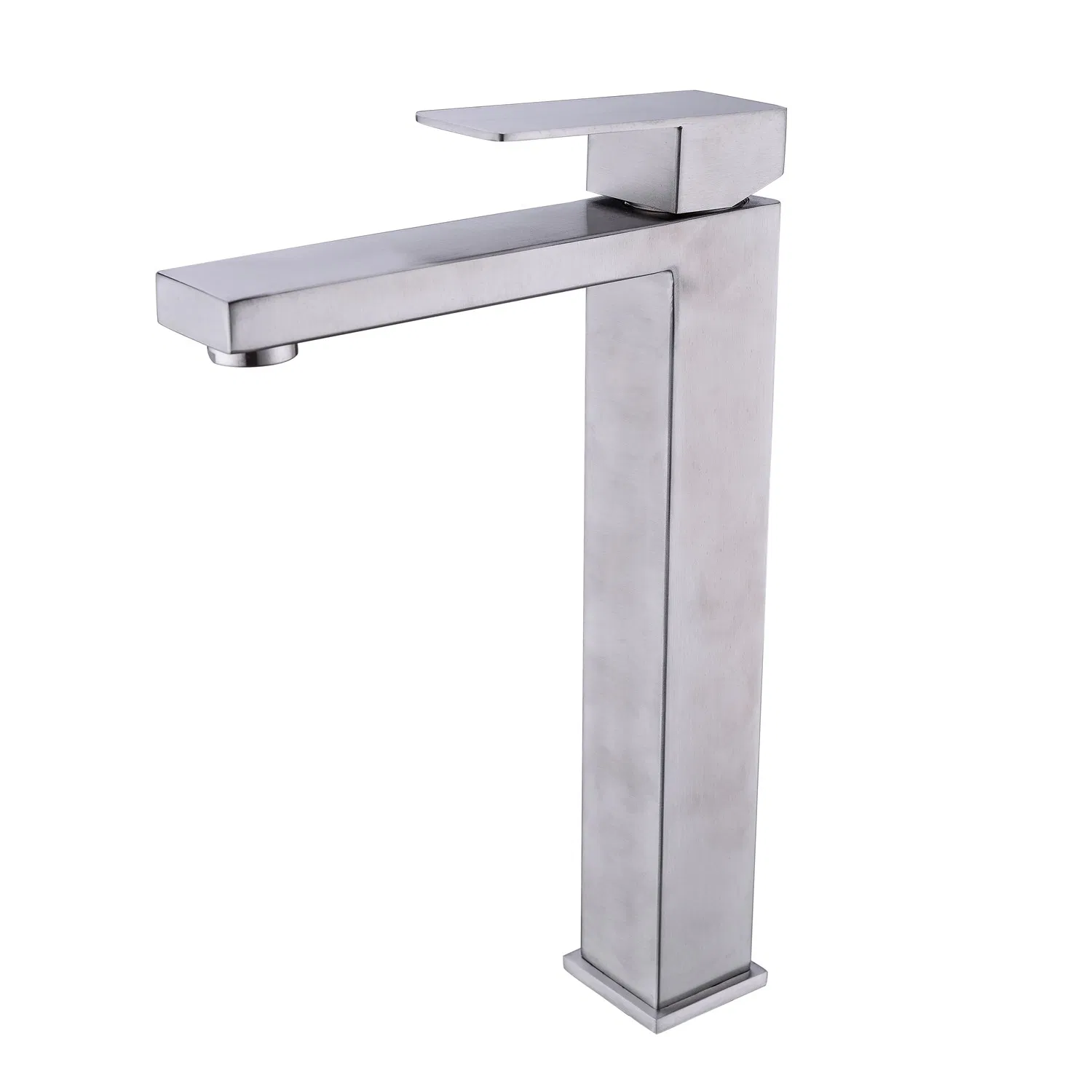

Photos from current listings. Actual item, color, and included accessories may vary.
Vanity With Sink Buying Guide
A vanity with sink is a pre-matched furniture-and-basin unit that replaces a separate cabinet and lavatory, so the critical trade-off is carcass construction and countertop material versus the all-in convenience of a single purchase. Durable options use plywood or solid-wood boxes, stone or ceramic tops, and soft-close hardware; compromises use particleboard, thin overlays, and manual hinges. The decision rule: buy by exact width and basin configuration first, then confirm the frame material grade—anything sold as MDF/particleboard without a moisture barrier is a short-lifespan bathroom choice.
At a glance
- Category
- Bathroom Accessories
- Last updated
- Nov 22, 2026
Current offers
Highlights
- Standard vanity widths follow the cabinet industry's 6-inch step: 24, 30, 36, 48, and 60 inches, with 30- and 36-inch units the two most common single-sink replacements.
- Carcass grade determines longevity: plywood or solid-wood boxes resist bathroom humidity, while MDF and particleboard swell and crumble once water reaches raw edges.
- Countertop options split into ceramic/porcelain integrated tops (seamless, chip-resistant), quartz or granite tops (heavy, premium), and laminate or cultured marble (budget, scratch-prone).
- Basin count is tied to width—24-36 inch vanities are single-sink; 48-60 inch units support double sinks; faucet drilling is typically 4-inch centerset or 8-inch widespread.
Best use cases
- Best fit: a 24- or 30-inch single-sink vanity for powder rooms, half baths, and small full baths where a standard 60-inch double vanity will not fit.
- Best fit: a 48- or 60-inch double-sink vanity for primary bathrooms serving two daily users—skip single-sink 48-inch units if morning overlap matters.
- Wrong fit: freestanding furniture-style vanities in walk-in showers without a curb or splash zone—choose a wall-mounted or fully sealed box instead.
- Wrong fit: particleboard vanities in rentals or high-humidity coastal bathrooms—specify plywood or solid-wood carcass and sealed edges.
Buying tips
- Measure the alcove width and subtract at least 1 inch total clearance; vanity nominal width includes the top overhang, so a 30-inch unit needs roughly 31-32 inches of wall.
- Match faucet drilling to the top: 4-inch centerset for most 24-30 inch tops, 8-inch widespread for 36-inch and larger tops; confirm the faucet hole spread before ordering.
- Choose a plywood or solid-wood carcass with a moisture-sealed interior; MDF is acceptable only for painted doors, not the box or drawer bottoms.
- Verify plumbing rough-in height and drain location—standard vanities assume a drain centered behind the cabinet, and offset drains require a notched back panel.
Specs
| Nominal Widths | 24 / 30 / 36 / 48 / 60 in |
|---|---|
| Carcass Material | Plywood / solid wood vs MDF |
| Sink Configuration | Single (24-36 in) / Double (48-60 in) |
| Faucet Drilling | 4-in centerset / 8-in widespread |
Related searches
What to check before buying
- Measure finished wall-to-wall alcove width, height clearance to any mirror or sconce, and door swing; confirm the vanity depth (typically 18-22 inches) leaves 21-30 inches of walkway.
- Confirm drain and supply line locations relative to the cabinet back; a drain centered on the vanity footprint needs a full back cutout, not a solid panel.
- Check the faucet hole configuration and deck thickness on the top—integrated ceramic tops often have pre-drilled 4-inch centers, while stone tops need on-site drilling.
- Verify floor level and wall type: freestanding vanities need level flooring and anti-tip anchoring; wall-mounted units require blocking or heavy-duty anchors rated for the loaded weight.
FAQ
Data sources: eBay / Amazon listings and product attribute feeds. Updated Nov 22, 2026.
Some links on this page are affiliate links. If you buy after clicking one, we may earn a commission at no extra cost to you. This does not change which products appear here or their order. Affiliate disclosure.