
Photos from current listings. Actual item, color, and included accessories may vary.
Bathroom Soap Dispenser Buying Guide
Bathroom soap dispensers are pump-driven vessels that deliver liquid hand soap or lotion, and the core trade-off is pump mechanism quality versus body material durability. Glass bodies resist staining and look premium but crack on impact, while plastic bodies survive drops but can cloud, scratch, and degrade under UV. Buy a dispenser with a metal or sealed pump assembly and a stable, non-slip base; skip units with unsealed plastic pumps and thin, tip-prone bodies that leak or fail within months.
At a glance
- Category
- Bathroom Accessories
- Last updated
- Nov 22, 2026
Current offers
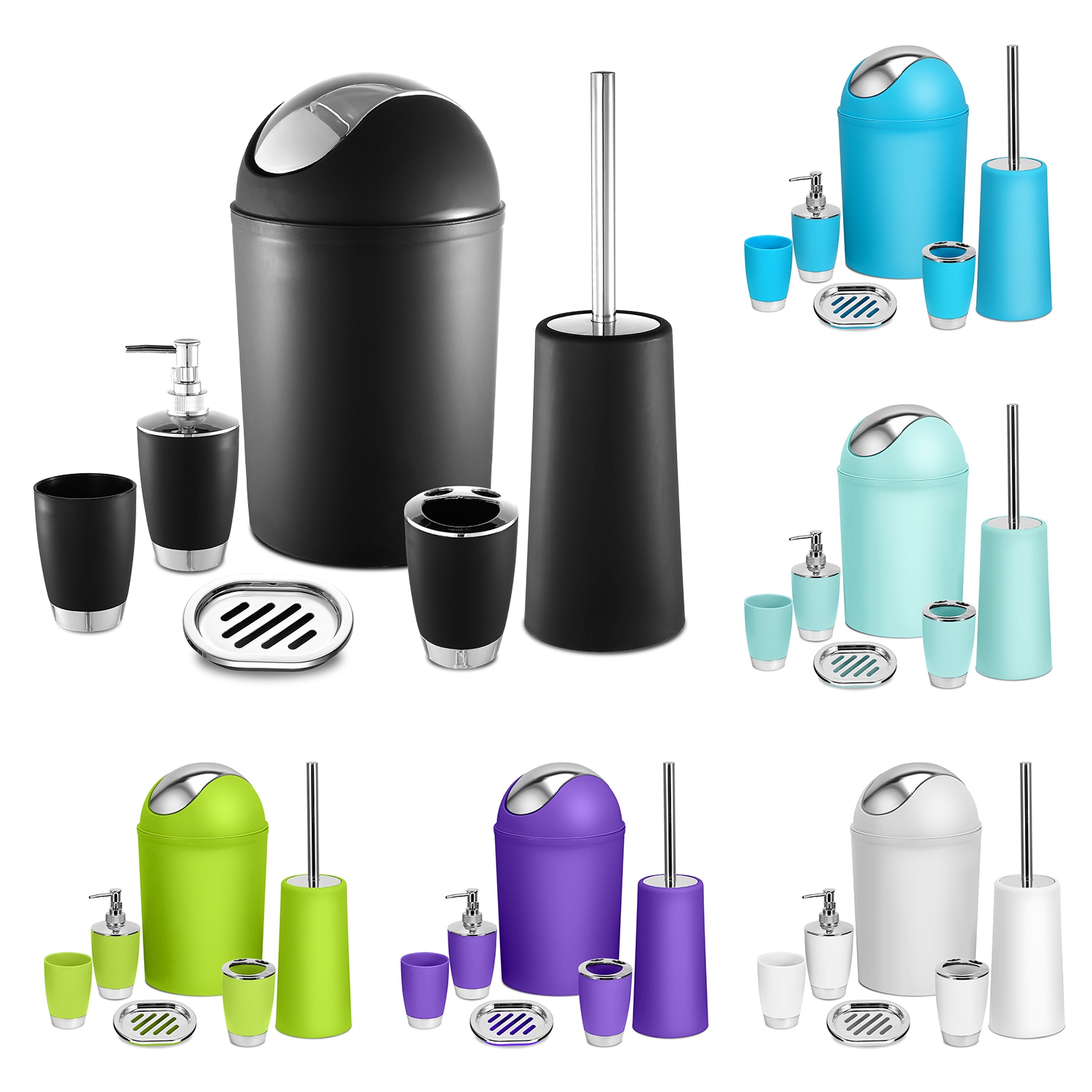 Bathroom Accessories Set For New Home Gifting 6 Pcs Set Ensemble Complete Soap Dispenser Toothbrush Holder Tumbler Dish Toilet Cleaning Brush Trash Can For Valentines Gift Guest Room$34.99View on Mallflare
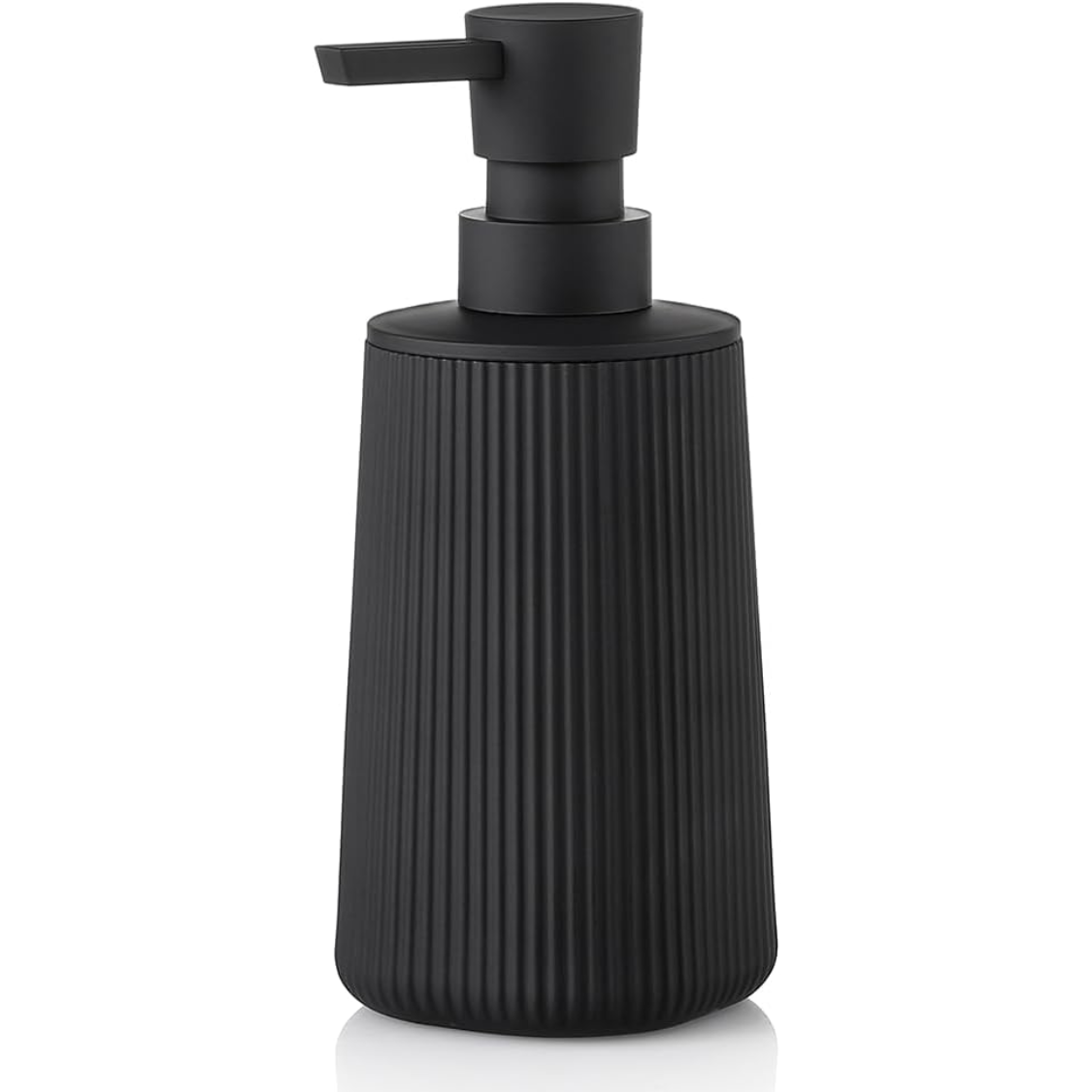 Small Soap Dispenser For Bathroom And Kitchen Modern Farmhouse Striped Style Plastic Hand Dish With Pump Matte Black$36.99View on Mallflare
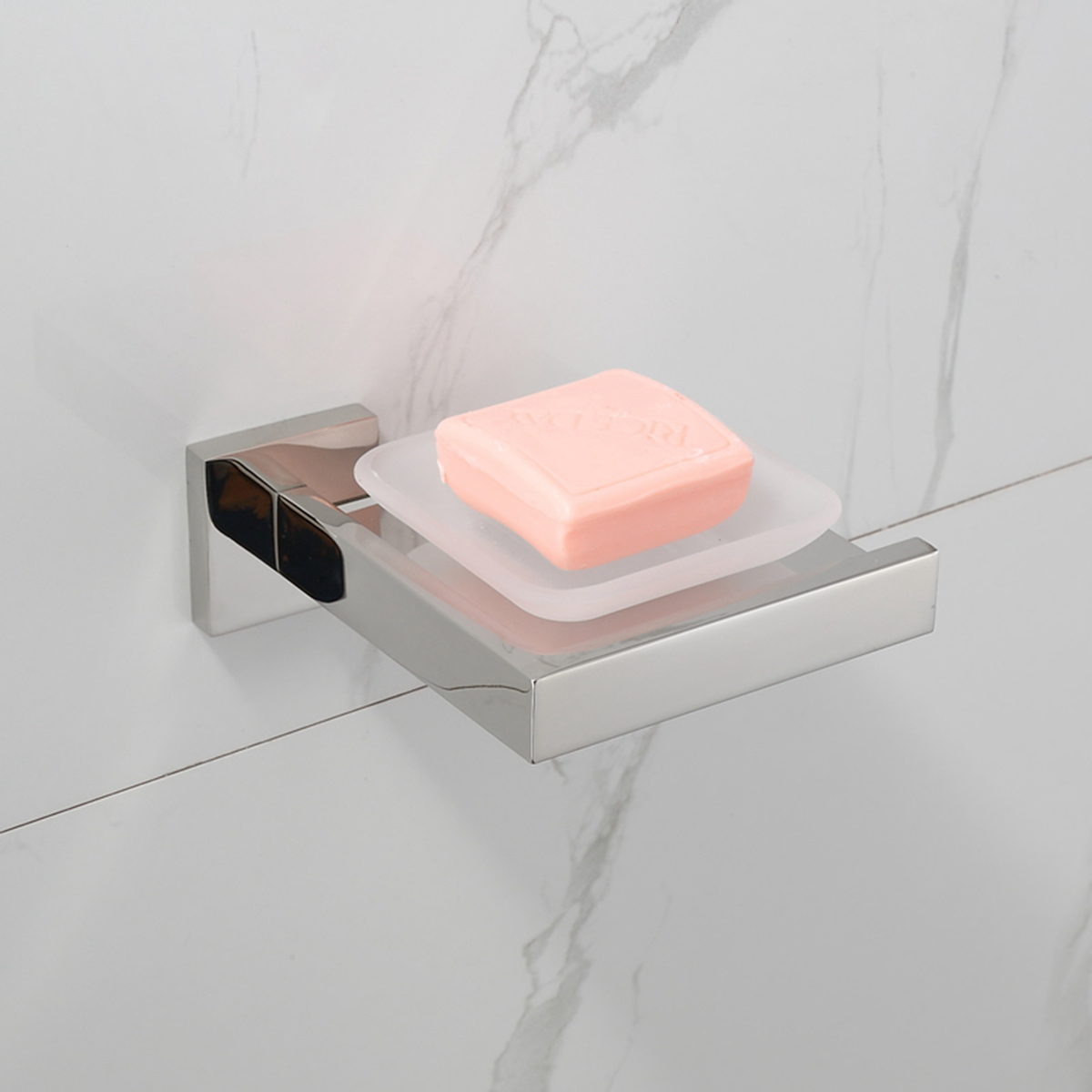 Bright Polishing Soap Dish Rust-Proof 304 Stainless Steel Square Holder with Removable Silver Bathroom Accessories Dispenser KJ71507YIN$36.99View on Mallflare
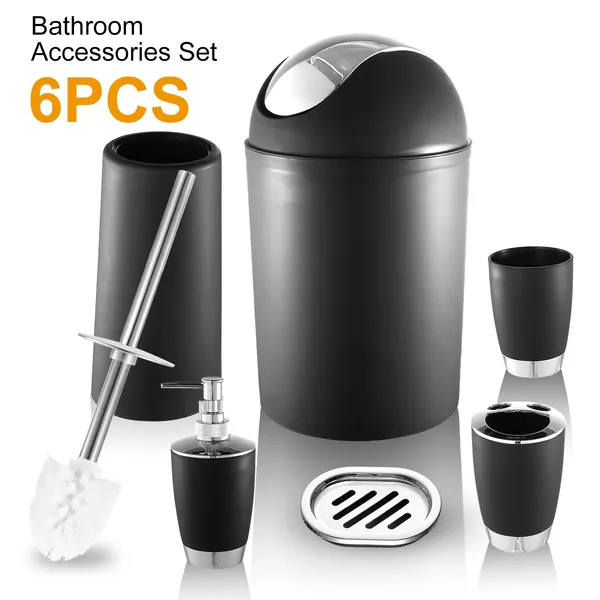 Bathroom Accessories Set 6 Pcs Set Ensemble Complete Soap Dispenser Toothbrush Holder$42.99View on Mallflare
Highlights
- Pump type drives lifespan: metal spring-and-ball pumps last years; all-plastic pump assemblies crack at the collar and lose prime.
- Glass bodies (typically 250-500 ml) are non-porous and chemical-resistant but shatter-prone; thick soda-lime glass outlasts thin decorative glass.
- Plastic bodies resist drops but degrade under UV and harsh soaps; ABS and PETG hold up far better than thin polystyrene shells.
- Base stability and neck thread quality determine leak resistance; wide, weighted bases and coarse, deep threads prevent tipping and seepage.
Best use cases
- Guest or powder room: pick a compact 250-300 ml glass dispenser with a metal pump for looks and easy refill; skip oversized 500 ml plastic units that dominate small vanities.
- Family bathroom or kitchen sink used daily: choose a 400-500 ml plastic or thick glass body with a metal pump and wide mouth for refilling; skip narrow-neck decorative glass that is hard to clean.
- High-traffic rental or kids' bathroom: pick a shatterproof plastic dispenser with a sealed pump and weighted base; skip glass entirely due to breakage and liability.
- Matching accessory set buyers: buy a coordinated set only when the dispenser pump is metal and the set includes a refillable, removable pump head; skip sets where the dispenser is the weakest component.
Buying tips
- Match capacity to use: 250-300 ml suits 1-2 users refilling monthly; 400-500 ml suits daily family use and reduces refill frequency.
- Check pump material: specify stainless steel or brass spring-and-ball pump internals; all-plastic pumps are the most common failure point.
- Verify neck and thread standard: wide 28-33 mm mouths accept most refill bottles and are easier to clean than narrow decorative necks.
- Choose body material by environment: glass for adult, low-traffic bathrooms; ABS or PETG plastic for kids, rentals, and high-traffic sinks.
Specs
| Body Material | Glass vs Plastic (ABS/PETG) |
|---|---|
| Pump Type | Metal spring-ball vs all-plastic |
| Capacity | 250-300 ml vs 400-500 ml |
| Neck Opening | Wide 28-33 mm vs narrow |
Related searches
What to check before buying
- Measure vanity or sink clearance: confirm dispenser height and base diameter fit under the faucet and beside the sink without crowding.
- Check counter surface: glass needs a flat, stable surface; textured or sloped counters favor weighted plastic bases.
- Confirm refill compatibility: mouth width must accept your soap refill bottle or funnel; narrow necks require a funnel.
- Verify pump output per stroke: 1-2 ml per stroke suits hand soap; high-viscosity lotions need a wider-nozzle pump.
FAQ
Data sources: eBay / Amazon listings and product attribute feeds. Updated Nov 22, 2026.
Some links on this page are affiliate links. If you buy after clicking one, we may earn a commission at no extra cost to you. This does not change which products appear here or their order. Affiliate disclosure.