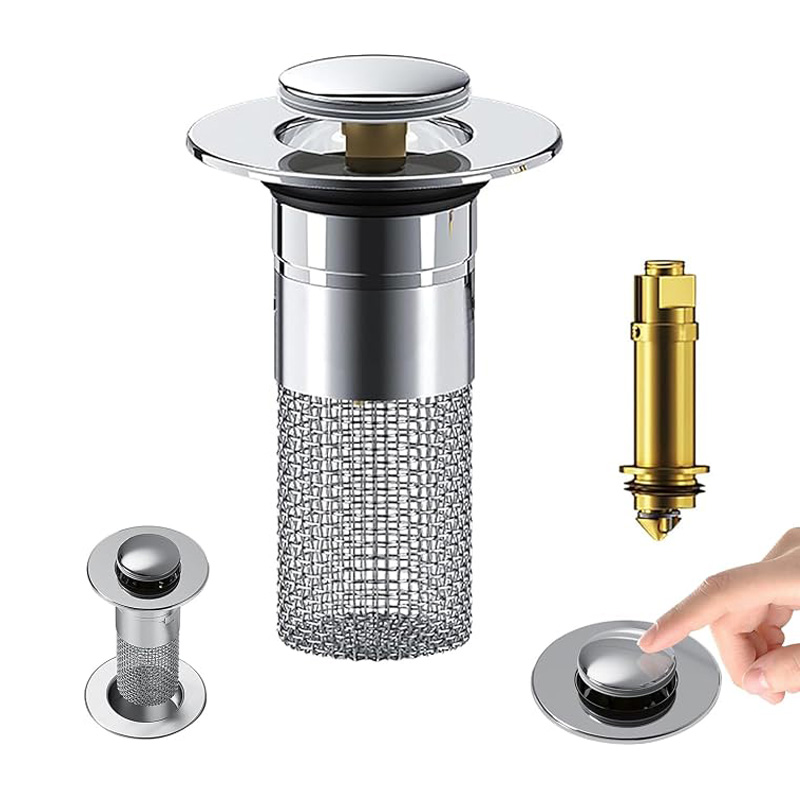

Photos from current listings. Actual item, color, and included accessories may vary.
Bathroom Sink Stopper Buying Guide
Bathroom sink stoppers are a small but critical fitting whose long-term reliability hinges on two decisions: the actuation architecture (pop-up rod linkage vs push-button vs free-standing plug) and the seal material. The core trade-off is convenience versus sealing durability—rod-linked pop-ups offer OEM-integrated operation but wear at the pivot and clevis, while silicone push-button and plug designs seal better and install without under-sink access. Buy a stopper that matches your existing drain body's thread and linkage; buy a free-standing silicone plug only when the drain's pop-up mechanism is broken or absent.
At a glance
- Category
- Bathroom Accessories
- Last updated
- Nov 22, 2026
Current offers
Highlights
- Pop-up stopper assemblies rely on a horizontal lift rod through the faucet and a pivot rod with clevis; the rubber or plastic seal at the drain flange degrades first, causing slow leaks.
- Push-button (click-clack) stoppers use a spring-loaded cartridge threaded into the drain body, typically 1-1/4 inch or 1-1/2 inch; the cartridge fails before the stopper cap.
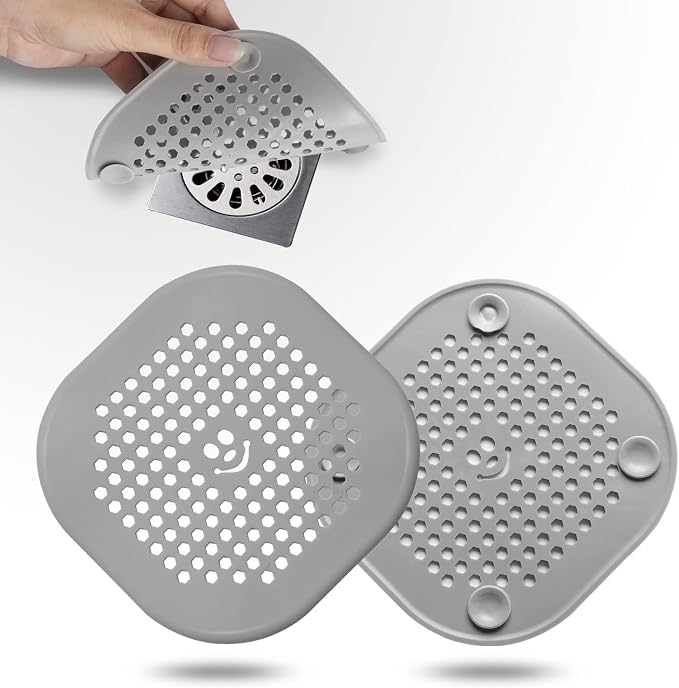
- Silicone strainer-stopper combos seal by radial compression against the drain opening, so fit depends on drain inner diameter—commonly 1.5 to 2 inches for bathroom basins.
- Stainless steel mesh baskets resist hair clogging and corrosion better than plastic baskets but add height; deep basket designs can bottom out in shallow drains.
Best use cases
- Choose a rod-linked pop-up stopper only if your faucet has a lift rod and the drain body's pivot hole is intact—skip it if the pivot rod is seized or missing.
- Choose a push-button click-clack stopper for a clean look and tool-free install when the existing drain body accepts a threaded cartridge; skip it on drains with damaged or non-standard threads.
- Choose a silicone strainer-stopper combo for rentals, quick fixes, or tubs and utility sinks where a permanent linkage is impractical; skip it on vessel sinks with polished finishes where a silicone ring may trap debris.
- Skip decorative metal pop-ups with plastic internal stems for high-use family bathrooms; the stem strips before the finish wears.
Buying tips
- Measure your drain opening's inner diameter before buying: most bathroom basins are 1-1/4 inch (32 mm) or 1-1/2 inch (38 mm), and silicone plugs are sized to that bore.
- Match the stopper type to the drain body, not the faucet: a rod-linked pop-up needs a drain body with a pivot opening; a click-clack needs a threaded drain body.
- For silicone plugs, prefer food-grade or high-temperature silicone (rated to at least 400°F) over TPR blends, which harden and lose seal within a year.
- Check basket depth against your drain's P-trap clearance; a basket deeper than the tailpiece will block flow or prevent the stopper from seating.
Specs
| Stopper Type | Pop-up rod / Push-button / Silicone plug |
|---|---|
| Drain Fit | 1-1/4 in or 1-1/2 in basin drain |
| Seal Material | Silicone / Rubber / TPR blend |
| Basket Material | Stainless steel mesh vs plastic |
Related searches
What to check before buying
- Confirm drain inner diameter and thread pitch by measuring the existing stopper or flange—not by eyeballing the sink.
- Verify whether your faucet has a lift rod and whether the drain body's pivot hole is present and not corroded shut.
- Measure tailpiece depth and P-trap clearance if using a deep stainless basket strainer.
- For silicone plugs, check the sink finish and rim shape; a flat or beveled rim seals better than an ornate overflow slot.
FAQ
Data sources: eBay / Amazon listings and product attribute feeds. Updated Nov 22, 2026.
Some links on this page are affiliate links. If you buy after clicking one, we may earn a commission at no extra cost to you. This does not change which products appear here or their order. Affiliate disclosure.