
Photos from current listings. Actual item, color, and included accessories may vary.
Bath Rug Buying Guide
A bath rug is a textile or rubber floor mat placed outside the tub, shower, or sink to absorb water, provide traction, and protect flooring. The core trade-off is absorbency and softness (cotton, chenille, microfiber) versus fast-drying and grip (rubber, PVC, diatomite), and the wrong choice for your floor type or humidity level leads to mildew, slipping, or a mat that never dries. The decision rule: pick a suction-cup rubber mat for inside the tub or wet zones, a backed cotton or microfiber rug for dry bathroom floors with a non-slip pad, and skip unbacked or purely decorative rugs in high-splash areas.
At a glance
- Category
- Bathroom Accessories
- Last updated
- Nov 22, 2026
Current offers
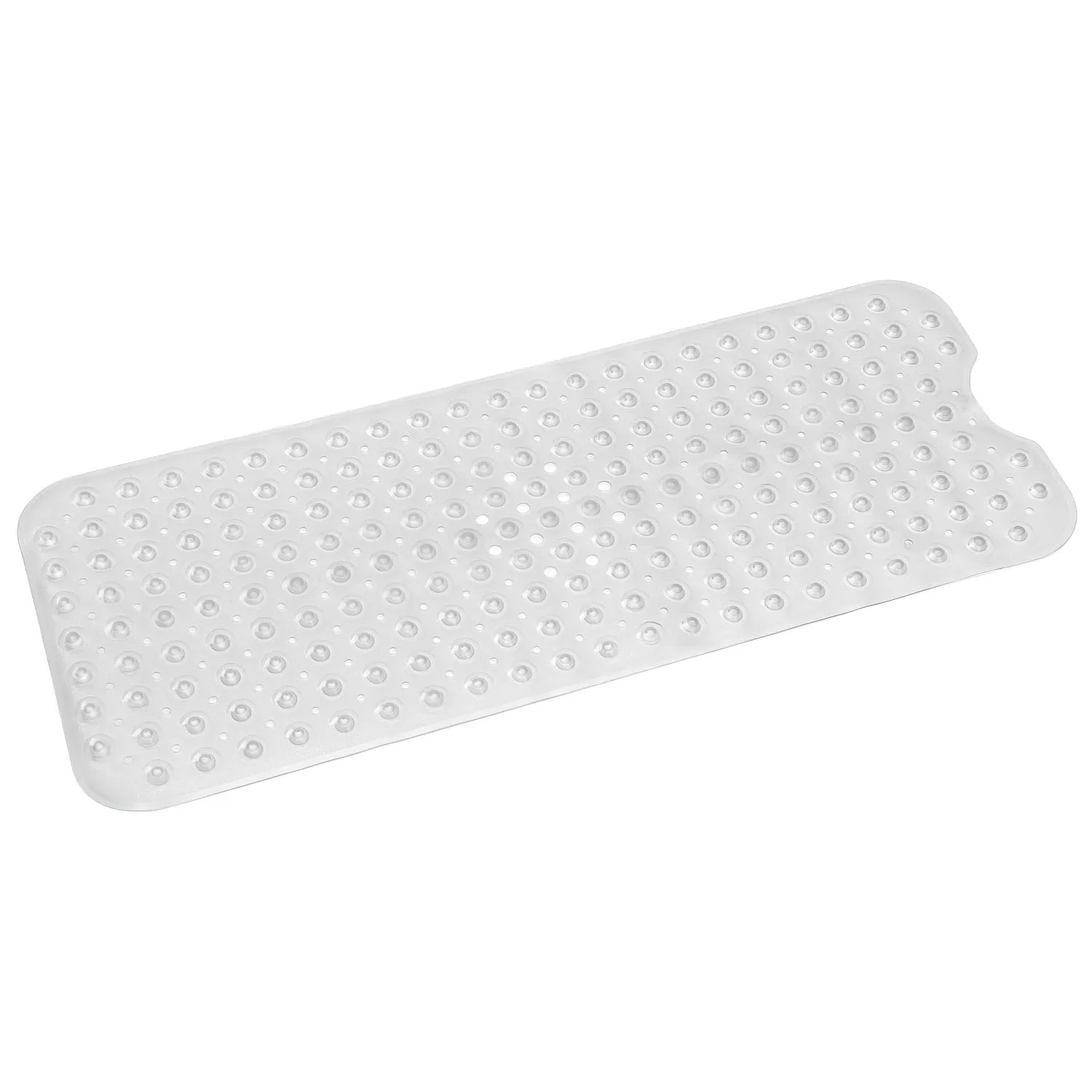 Bath Tub Mat Non-Slip Shower Mat Massage Anti-Bacterial with Suction Cups Washable for Bathroom Kitchen Pool$28.99View on Mallflare
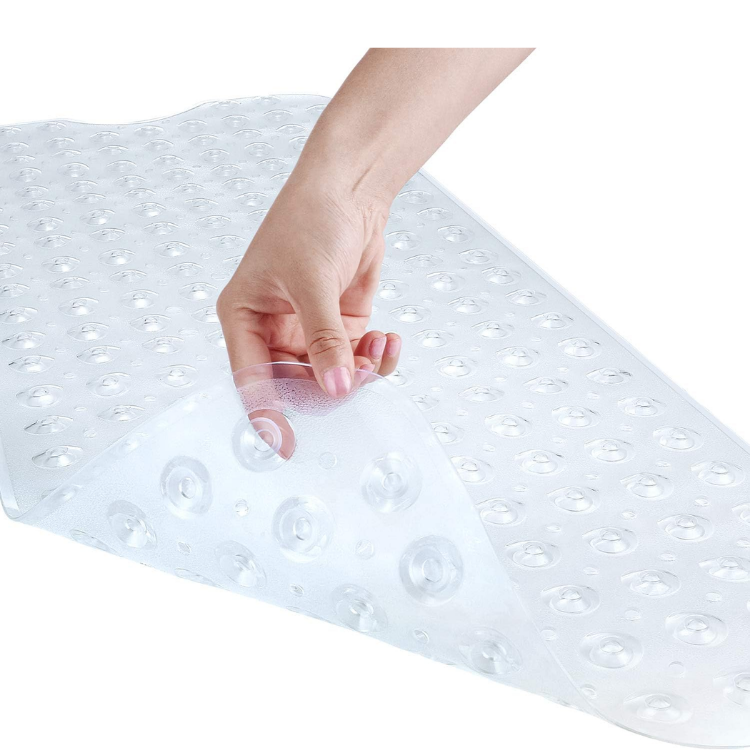 Bath And Shower Safety Mats 40x16 Inch, Non Slip With Suction Cups For Bathroom Stall And Tub Floor, Extra Large And Machine Washable, Drain Holes Keep Bathtub Clean, Clear$40.99View on Mallflare
Highlights
- Rubber and PVC tub mats rely on dozens of suction cups and drainage holes; cup count and hole density determine grip and how fast the mat drains between uses.
- Cotton and chenille rugs absorb the most water but need a latex or TPU non-slip backing; unbacked cotton slides on tile and stays damp longer.
- Microfiber and memory-foam rugs dry faster than cotton but compress over time; pile height above roughly 0.5 in traps moisture at the base.
- Diatomite stone mats pull water off feet in seconds and resist mildew, but they crack if dropped and must sit on a flat, fully supported floor.
Best use cases
- Inside the tub or shower stall: pick a suction-cup rubber mat with drainage holes and a machine-washable build; skip fabric rugs here because they stay soaked and grow mildew.
- Dry floor outside the tub on tile or vinyl: pick a backed cotton or microfiber rug sized to the doorway swing, and add a separate non-slip pad under unbacked rugs.
- High-humidity or windowless bathrooms: pick a diatomite or quick-dry microfiber mat; skip thick memory foam, which traps moisture underneath and can discolor grout.
Buying tips
- Match rug width to the tub length plus a few inches; a standard 60 in tub pairs with a 20x32 in or 24x36 in rug so feet land on it when stepping out.
- For tub mats, confirm the mat is shorter and narrower than the tub floor by at least 2 in per side so suction cups sit flat and water drains around it.
- Choose a backing material by floor: latex or TPU backing grips tile and vinyl, while plain cotton or unbacked chenille needs a separate gripper pad.
- Treat machine-washable as the durability standard for fabric rugs; rubber mats should be washed on cold and hung to dry, and diatomite mats should be sanded, not soaked.
Specs
| Mat Type | Fabric rug vs rubber tub mat |
|---|---|
| Backing / Grip | Latex, TPU, or suction cups |
| Material | Cotton, microfiber, PVC, diatomite |
| Care | Machine wash vs rinse-and-hang |
Related searches
What to check before buying
- Measure the tub floor and the clearance under the door before buying; a rug taller than the door gap will jam or curl.
- Confirm your floor type (tile, vinyl, heated stone) so the backing and mat material won't slide or discolor the surface.
- Check the bathroom's ventilation: without a fan or window, choose a quick-dry material and avoid deep-pile or foam cores.
- Verify the rug or mat dimensions against your tub or shower footprint, and confirm any companion non-slip pad is sold or sized to match.
FAQ
Data sources: eBay / Amazon listings and product attribute feeds. Updated Nov 22, 2026.
Some links on this page are affiliate links. If you buy after clicking one, we may earn a commission at no extra cost to you. This does not change which products appear here or their order. Affiliate disclosure.