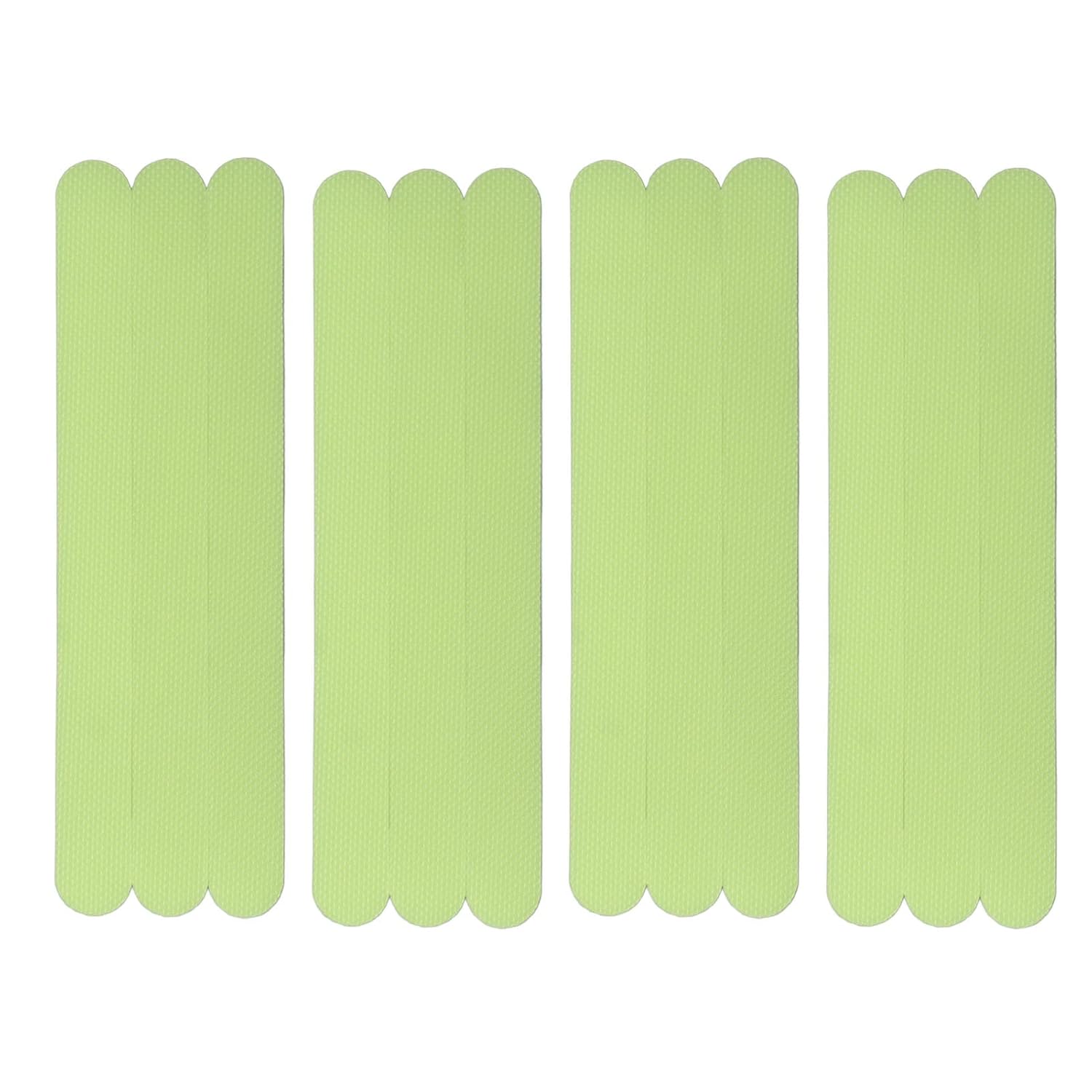

Photos from current listings. Actual item, color, and included accessories may vary.
Anti Slip Strip Buying Guide
Anti-slip strips are adhesive-backed traction treads applied to shower floors, tubs, and wet tiles to reduce slip risk. The core trade-off is between aggressive grit that grips bare feet and gentle textures that clean easily, with adhesive chemistry and surface prep determining whether the strip stays put or peels. Choose rubberized or PVC treads with pressure-sensitive waterproof adhesive for wet areas; skip paper-thin decorative decals that lift at the edges.
At a glance
- Category
- Bathroom Accessories
- Last updated
- Nov 22, 2026
Current offers
Highlights
- Tread material is either rubberized PVC (soft, grippy, comfortable barefoot) or gritty epoxy/quartz blends (maximum traction, rougher underfoot and harder to scrub).
- Adhesive quality separates durable strips from peel-offs: pressure-sensitive waterproof acrylic or silicone adhesive bonded to a clean, dry, non-oily surface holds for years.
- Surface texture and profile matter: raised coin-grit or diamond patterns channel water away, while flat smooth strips offer little wet traction regardless of adhesive strength.
- Glow-in-the-dark strips add photoluminescent pigment for night visibility; they perform like standard PVC treads in wet traction but need light exposure to recharge.
Best use cases
- Best fit: barefoot shower and tub floors — pick soft rubberized PVC treads with a raised coin or diamond pattern for comfort and reliable wet grip.
- Best fit: slick porcelain or ceramic tile in rentals — choose low-profile strips with strong waterproof adhesive so they remove cleanly without damaging glaze.
- Wrong fit: rough concrete or textured stone — thin adhesive strips cannot conform and peel quickly; use epoxy-based grit coatings or anti-slip mats instead.
- Wrong fit: outdoor stairs or pool decks — standard bathroom strips degrade under UV and heavy traffic; specify UV-stable exterior-grade treads.
Buying tips
- Measure the wet zone and calculate strip count: a typical 30-inch tub floor needs 4–6 strips spaced 3–4 inches apart for continuous coverage underfoot.
- Choose strip width by foot contact: 1-inch strips suit light traffic and easy cleaning, while 2-inch or wider treads give more stable footing for elderly or children.
- Match adhesive to substrate: waterproof acrylic pressure-sensitive adhesive bonds best to glazed tile and fiberglass; silicone adhesive suits porcelain and enamel tubs.
- Skip solvent-based or oil-contaminated surfaces — clean with alcohol and let dry fully; adhesive failure on soap-scum film is the top cause of peeling.
Specs
| Tread Material | Rubberized PVC vs epoxy grit |
|---|---|
| Adhesive Type | Waterproof acrylic / silicone pressure-sensitive |
| Strip Width | 1 in / 2 in / 4 in rolls |
| Wet Grip Pattern | Coin / diamond / ribbed raised tread |
Related searches
What to check before buying
- Measure the shower pan or tub floor length and width, then plan strip spacing so feet land on treads, not gaps.
- Confirm the surface is smooth glazed tile, fiberglass, acrylic, or enamel — rough or textured floors need epoxy grit instead of adhesive strips.
- Check the bathroom stays above 50°F during application; cold surfaces prevent pressure-sensitive adhesive from bonding.
- Verify strips are waterproof and intended for wet-area use, not just general stair treads, before installing in a shower.
FAQ
Data sources: eBay / Amazon listings and product attribute feeds. Updated Nov 22, 2026.
Some links on this page are affiliate links. If you buy after clicking one, we may earn a commission at no extra cost to you. This does not change which products appear here or their order. Affiliate disclosure.