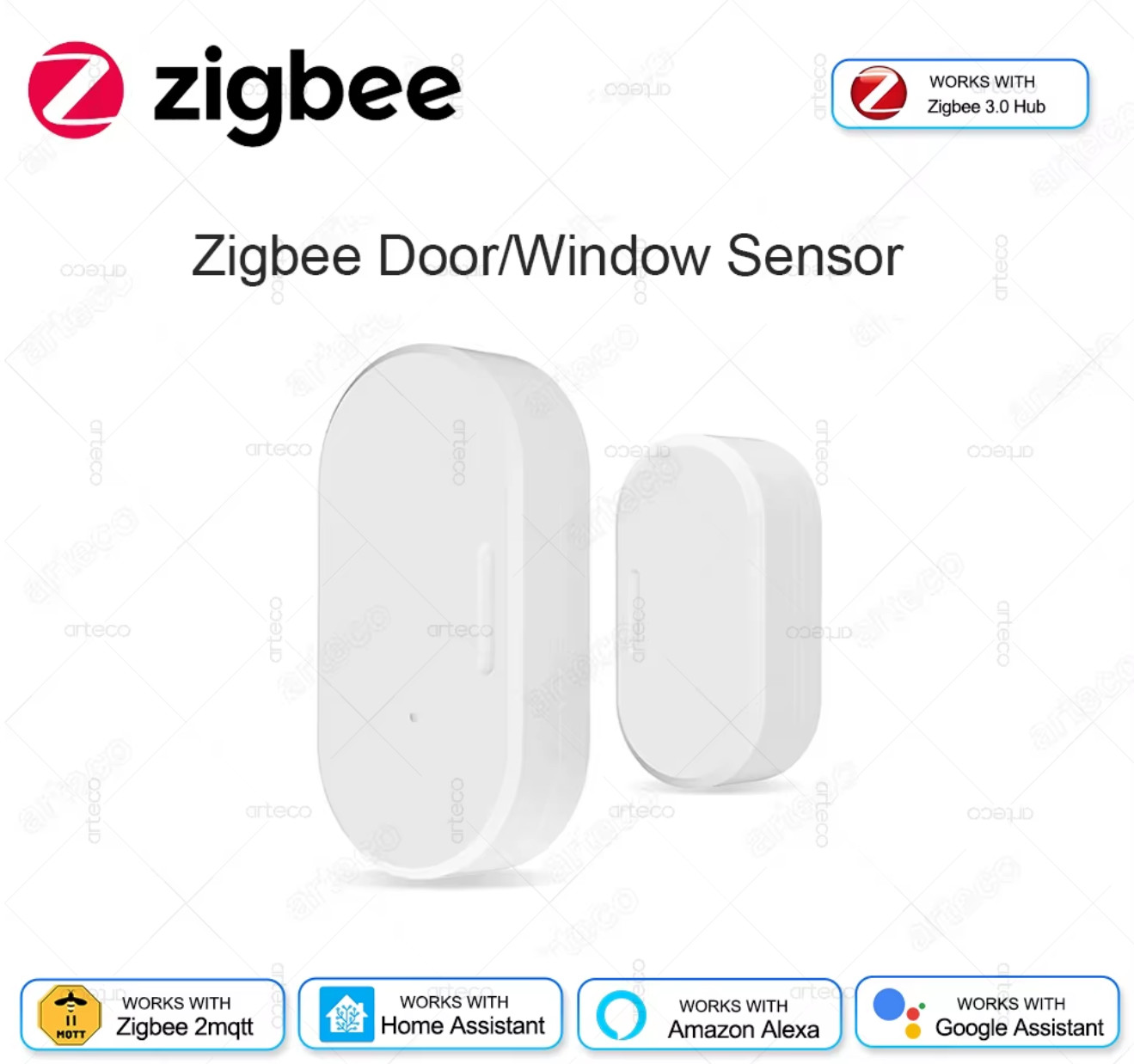
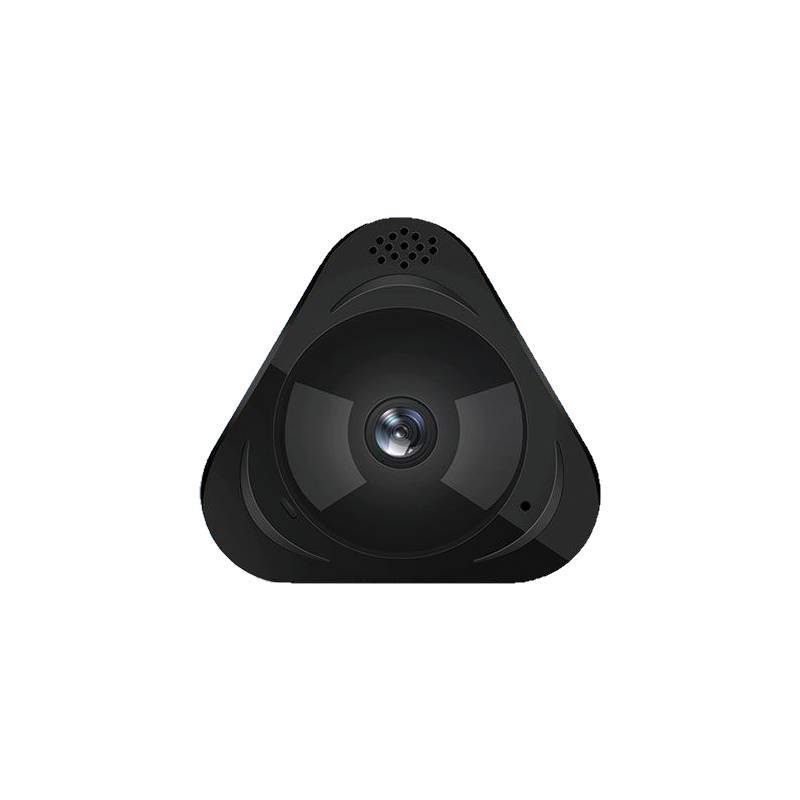
Choosing between the Zigbee Door Window Sensor at USD 7.99 and the Smart home security camera at USD 113.00 sounds like comparing a tripwire to a lookout. In home security, the real question is whether you need to know that a door or window opened or see what is happening in the room. The sensor is a contact trigger. The camera is a visual monitor. Both have a place, but they solve different problems.
Quick verdict
If you want a low-cost way to catch open doors and windows, the Zigbee Door Window Sensor is the smarter buy. If you want to see what is happening in a room, the Smart home security camera gives you more useful information. The decision really comes down to whether you need an alert or a view.
At a glance
| What matters | Zigbee Door Window Sensor | Smart home security camera |
|---|---|---|
| Listed price | USD 7.99 | USD 113.00 |
| Main job | Open/close detection for doors and windows | Room monitoring with camera view |
| Standout feature | Low price and included CR2032 battery | 3D panoramic view and 360-degree pan-and-tilt |
Where each product wins
The Zigbee Door Window Sensor wins when you want a targeted entry alert without spending much. It is the lower-priced listing in this pairing and concentrates on one thing: reporting whether a door or window is open or closed. That makes it a natural fit for entry points you don't check often.
The Smart home security camera wins when you need to see the whole scene. It is the higher-priced listing, but it gives you a much clearer picture of what is happening next. If an entry point opens, the camera can show you the activity instead of only signaling the event.
Zigbee Door Window Sensor
At the lower end of the price spread, this sensor gives you an inexpensive way to monitor a specific door or window. It works as an open/close detector over Zigbee 3.0, so it can tell you when a door or window moves from one state to the other. The included CR2032 battery means you don't need to buy a power source right away, and the double-side adhesive tape simplifies the placement. The trade-off is that it is not a camera. It cannot show you what caused the movement, and it only works when paired with a Zigbee 3.0 gateway. If you want voice control, the gateway must support Alexa or Google Assistant through a built-in Zigbee 3.0 hub. For someone who already has that hub, this is a very practical alert layer.
Smart home security camera
This camera asks for a larger upfront investment, but it adds a room-level view that the sensor can't match. Its 3D panoramic view and 360-degree pan-and-tilt control let you adjust the angle instead of living with one fixed viewpoint. The 0.01 Lux low-light rating makes it a stronger option for overnight or dimly lit spaces. The black finish and modern design help it blend into a room instead of looking like an obvious security device. The limitation is that it is a camera, not a door/window sensor. It won't tell you whether a door or window is physically shut. If your main need is visual confirmation of activity, this camera is built for that job.
Final choice by use case
- Choose the Zigbee Door Window Sensor if you want a low-cost entry alert for doors and windows.
- Choose the Smart home security camera if you want to see activity in a room, especially in low light.
- For a broader home security setup, start with the sensor for entry-point alerts and add the camera when you want eyes on the scene.