When you're adding security gear to your home, the real test isn't which accessory has more features-it's whether the piece you buy will plug into the system you already use. A door/window sensor and an alarm keypad do different jobs, and they connect to different hubs. In this head-to-head, I compare the Zigbee Door Window Sensor and the Ring Keypad 2nd Gen so you can see which one belongs in your setup.
Quick verdict
If you need a low-cost door/window detector and already have a compatible smart home hub, the Zigbee Door Window Sensor is the obvious pick. If you own a Ring Alarm system and want a physical keypad for arming and disarming without pulling out your phone, the Ring Keypad 2nd Gen is the accessory you need.
At a glance
| Product | Price | Price Bar | Works With |
|---|---|---|---|
| Zigbee Door Window Sensor | $7.99 | Zigbee 3.0 gateways, including Alexa and Google Assistant devices with built-in Zigbee hubs | |
| Ring Keypad 2nd Gen | $19.89 | Ring Alarm wireless home security systems |
Where each product wins
The Zigbee Door Window Sensor wins on price and monitoring. It costs $11.90 less than the keypad, and it's designed to be mounted on a door or window to report when the opening is breached. If you need to cover multiple entry points, the lower per-unit cost makes it easier to add sensors to several doors and windows without a big bill.
The Ring Keypad 2nd Gen wins on control. Instead of unlocking your phone or locating a remote, you get a dedicated keypad that talks directly to your alarm system. It's a more integrated experience if you're already using the Ring ecosystem, and the indoor-only design means it belongs on a wall or table inside your home.
Product notes
Zigbee Door Window Sensor
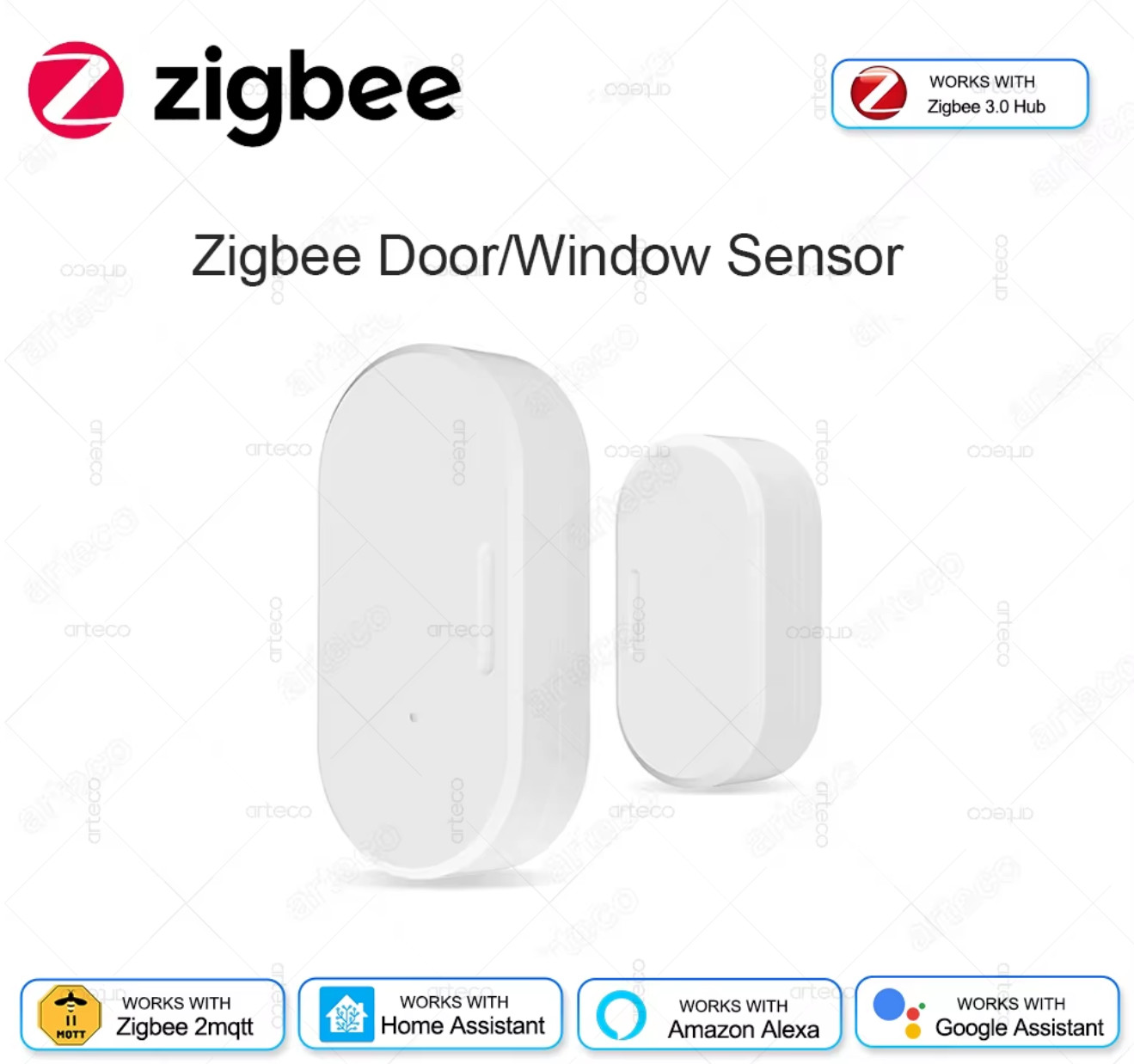
This sensor is a practical entry point for a Zigbee smart home. The package includes the sensor, a CR2032 battery, a reset needle, and double-side adhesive tape, so you can mount it on a door or window frame with little fuss. It's designed to work with a Zigbee 3.0 gateway; if you have an Alexa or Google Assistant device with a built-in Zigbee hub, you can also use voice control. The catch is the compatibility requirement: this sensor needs a Zigbee 3.0 hub, and it won't connect through Smart Life for Alexa. If you're starting from scratch, you'll need to get a gateway first, which changes the total cost. It's a strong choice for someone who already runs a Zigbee network and wants affordable entry detection.
Ring Keypad 2nd Gen
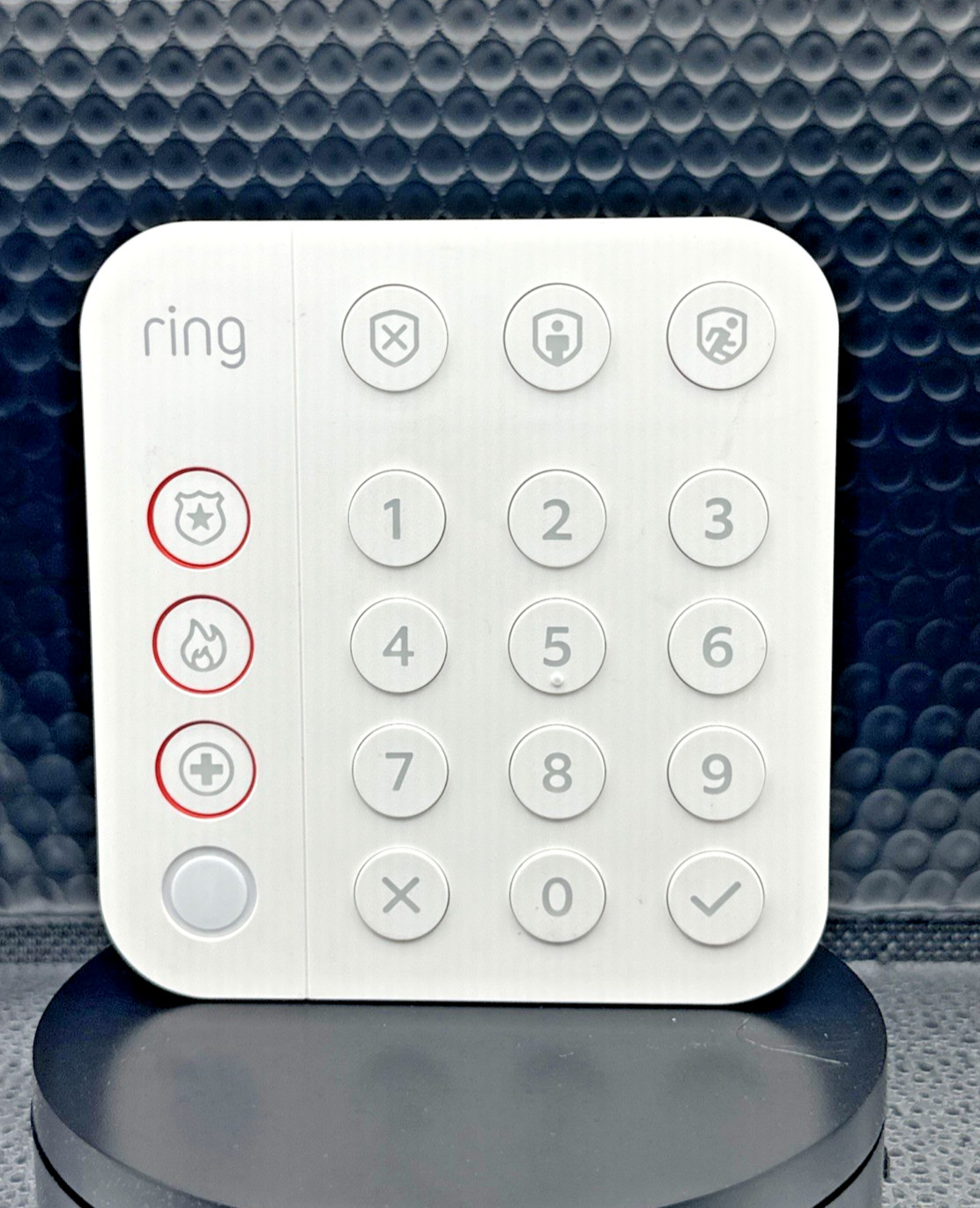
The Ring Keypad 2nd Gen is a dedicated wireless keypad for Ring Alarm systems, and it comes in as the pricier item in this comparison. It gives you a physical way to arm and disarm your alarm from an indoor location, which is handy when you're walking in with groceries or heading out in a hurry. This is an open-box unit, so expect possible scuffs, scratches, or other cosmetic wear, though it's described as working perfectly and the plastic wrapper is intact. It also carries no manufacturer warranty, and it's built specifically for Ring Alarm. If you already use Ring Alarm and want a faster way to control the system, this keypad does that job well. If you don't have a Ring Alarm hub, though, it won't suit a Zigbee-based setup.
Final choice by use case
Pick the Zigbee Door Window Sensor when you have a compatible hub and want to monitor many doors and windows for a low upfront cost. Pick the Ring Keypad 2nd Gen when you already own Ring Alarm and want a convenient physical keypad for daily arm/disarm actions. Your smart home ecosystem is the tiebreaker.