When you're shopping for home monitoring gear, a 5-in-1 cholesterol and lipid analyzer can look like a straightforward buy. The complication appears when the same PFS-30A model shows up at two different price points in the same comparison. All four units carry identical feature lists, so the actual decision is about how much you want to pay, not which functions to choose.
Quick take
The higher-priced unit costs USD 7.40 more than the lower-priced units, and it doesn't bring any extra hardware or accessories with it. If you want the PFS-30A's full set of lipid readings without spending extra, the lower-priced units are the practical pick. The higher-priced unit only becomes interesting if you have a personal reason to spend more for the same configuration.
Price comparison
The table below uses bars to show the two price levels. The three lower-priced units share one level; the fourth unit sits at the higher level.
| Unit | Price bar | What the price includes |
|---|---|---|
| PFS-30A at USD 120.60 (first unit) | Five lipid tests, 300-record memory, HD screen, starter kit | |
| PFS-30A at USD 120.60 (second unit) | Five lipid tests, 300-record memory, HD screen, starter kit | |
| PFS-30A at USD 120.60 (third unit) | Five lipid tests, 300-record memory, HD screen, starter kit | |
| PFS-30A at USD 128.00 | Five lipid tests, 300-record memory, HD screen, starter kit |
Everything in the table's right column is shared by all four units. The only difference in the comparison is the price point.
Decision matrix
| Your priority | Recommended pick |
|---|---|
| Keeping this home monitoring purchase as low as possible | Any lower-priced PFS-30A unit |
| Getting the same functionality as the higher-priced unit | Any lower-priced PFS-30A unit |
| Sticking to a single lower price point | The lower-priced units, since they all cost the same |
| Having a reason to pay the premium | The higher-priced unit, only if you have one |
Product notes
5-in-1 Cholesterol & Lipid Analyzer (PFS-30A) - First lower-priced unit
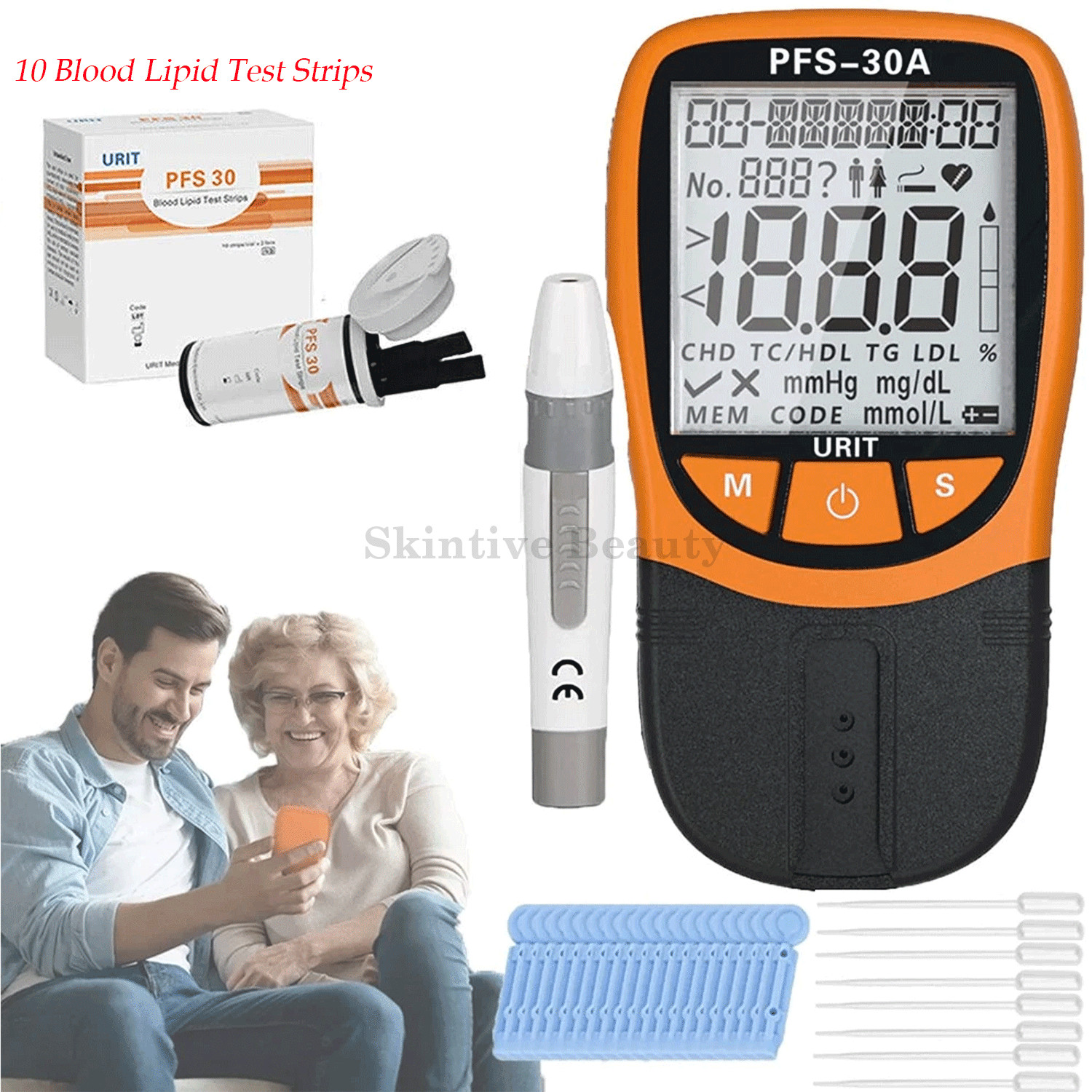
This unit gives you the full PFS-30A package at the lower price level in this comparison. It runs five lipid tests from a small finger sample, shows results on a large HD screen, and stores up to 300 records for trend tracking. Choose it because you get the same core functions as the higher-priced unit without the premium. The limitation is that sampling still requires a finger-prick blood drop; it's not a non-invasive monitor. If that doesn't bother you, this is the kind of home monitoring device that covers cholesterol and lipid checks without adding cost.
5-in-1 Cholesterol & Lipid Analyzer (PFS-30A) - Second lower-priced unit
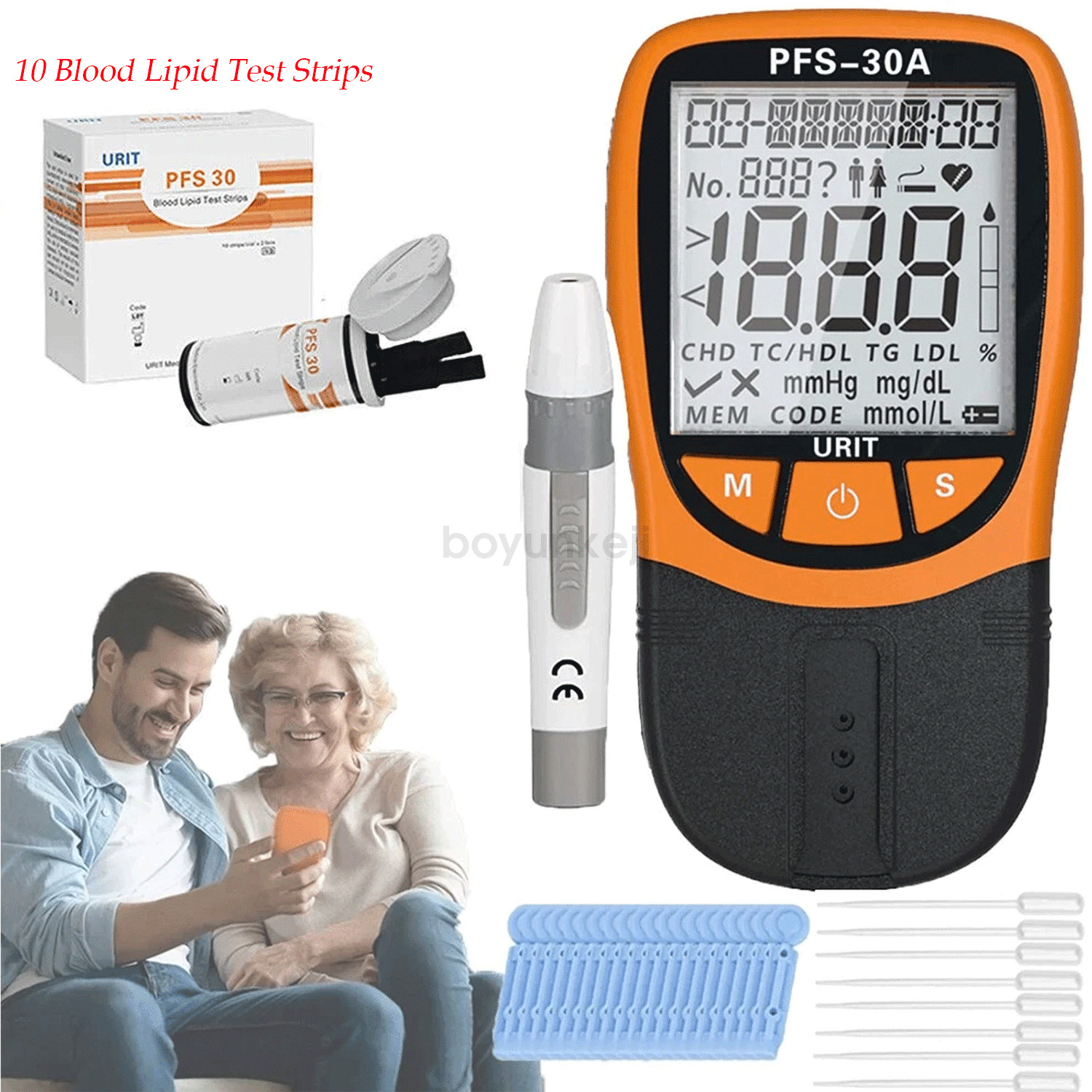
The second lower-priced unit is the same PFS-30A dry chemical analyzer, with the same 35-40μL sample volume and the same under-two-minute result time. A strong reason to choose it is convenience: the starter kit includes needed accessories, and the three-button operation keeps the testing process simple. Its limitation is that it's a spot-check tool rather than a wearable; you have to run a test each time you want a reading. For a regular at-home testing routine, that's expected, but it's worth knowing before you choose this style of analyzer.
5-in-1 Cholesterol & Lipid Analyzer (PFS-30A) - Third lower-priced unit
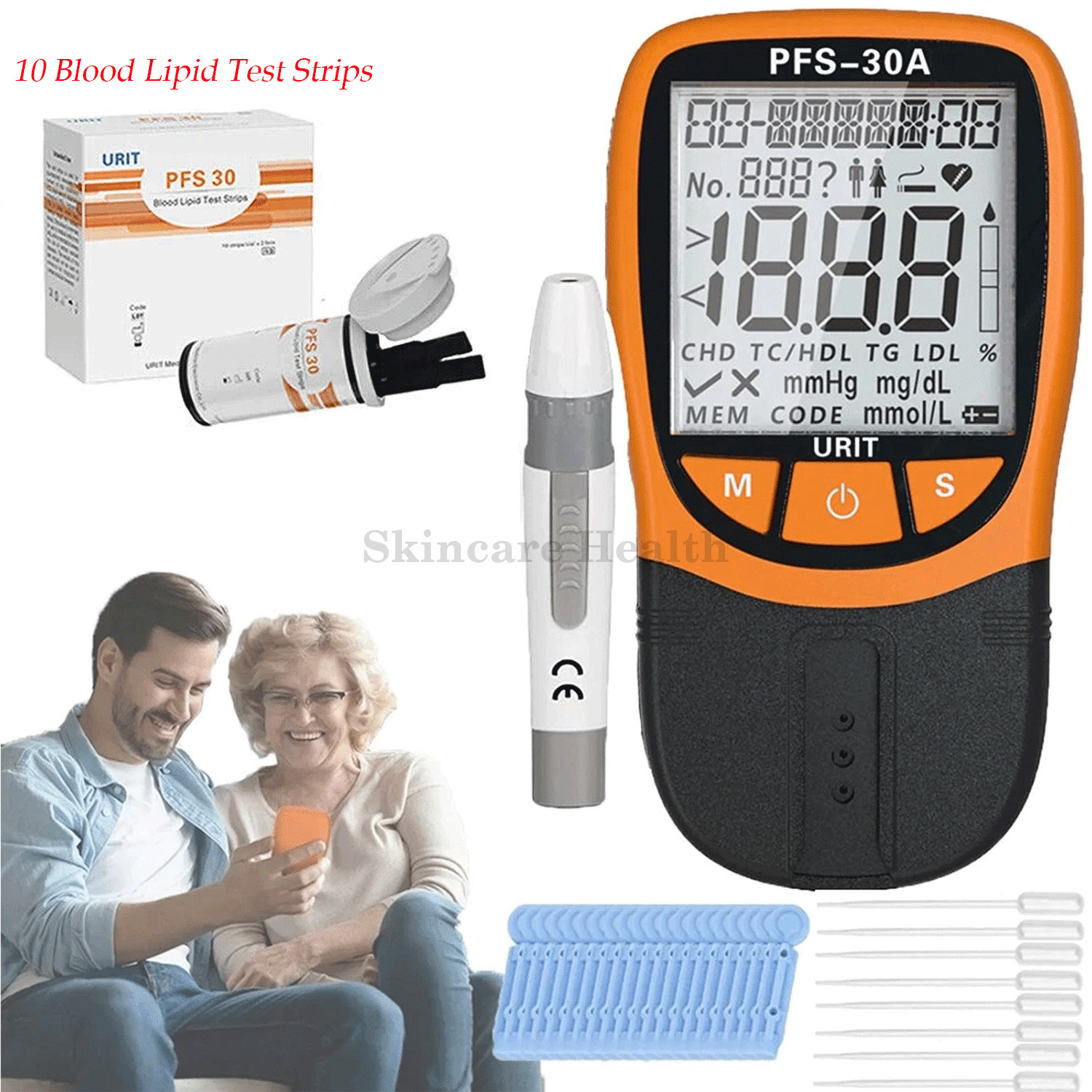
The third lower-priced unit is a new, CE-marked PFS-30A in ABS, and it repeats the same five-test menu and built-in memory as the others. The reason to consider it is practicality: if you want a second analyzer for travel or a different room, this unit lets you stay at the lower price level rather than paying the higher one. The limitation is that the package is one unit, not a set. You'll need to buy additional analyzers if your goal is to keep one in more than one place.
5-in-1 Cholesterol & Lipid Analyzer (PFS-30A) - Higher-priced unit
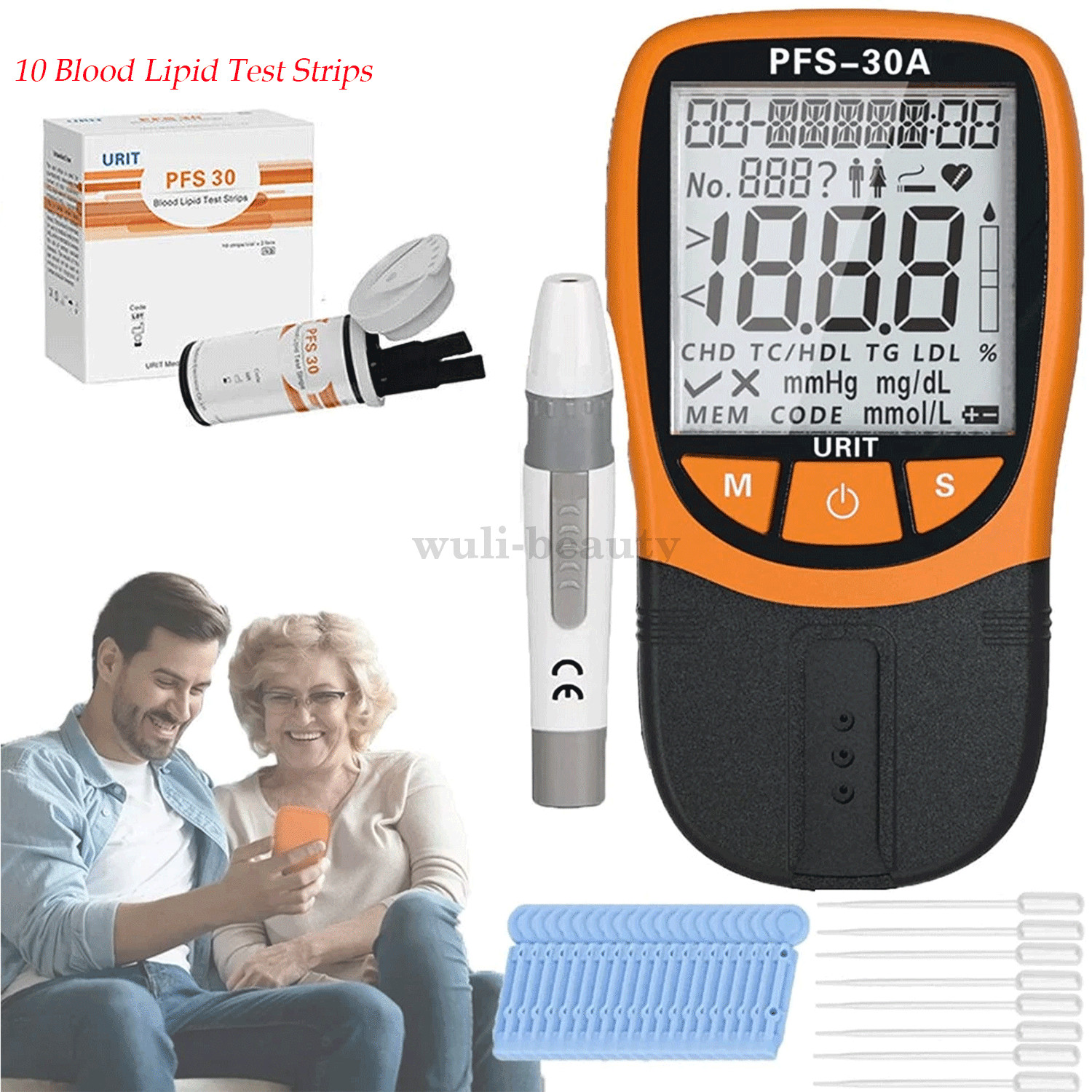
The higher-priced unit shares the PFS-30A design, the same five-test panel, and the same starter-kit contents as the lower-priced units, so it doesn't present a feature advantage. You would choose it only if you prefer to buy at the top of the price range or have your own reason for not selecting the lower-priced units. The limitation is straightforward: you pay more for the same configuration, and no extra test item, memory size, or accessory is included to absorb that difference.
Final recommendation by use case
- Most home monitoring buyers: pick one of the lower-priced PFS-30A units. The configuration matches the higher-priced unit, and the out-of-pocket cost stays lower.
- Anyone tracking lipid trends: choose a lower-priced unit too. All four behave the same for trend tracking, so there's no benefit in paying more.
- Multi-location use: because each package is one unit, buy two lower-priced analyzers if you want one in more than one place.
- The higher-priced unit only makes sense if you have a specific preference for that price point; on features, it doesn't stand apart.