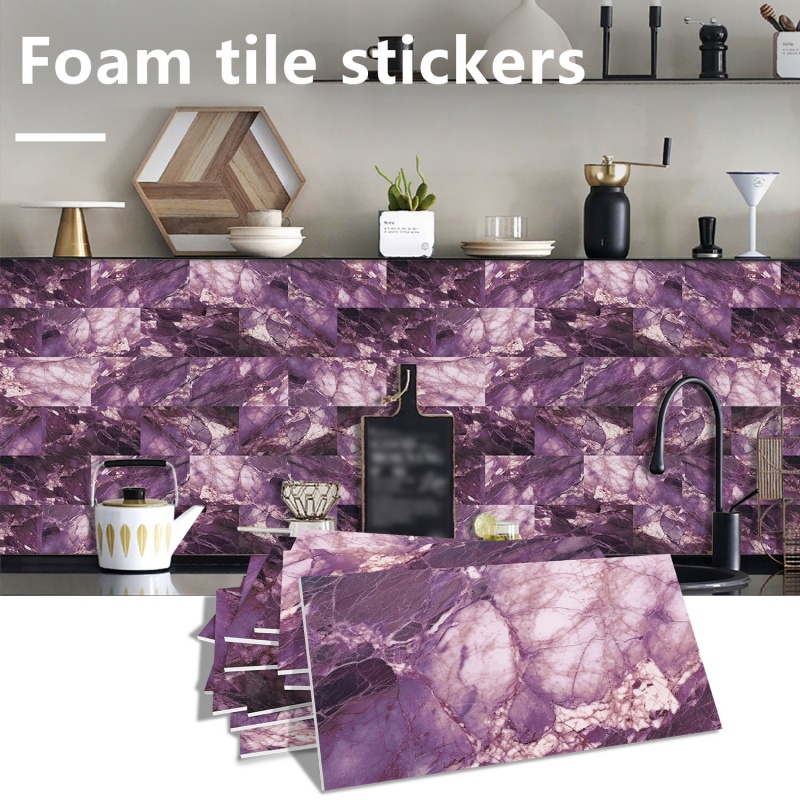

Photos from current listings. Actual item, color, and included accessories may vary.
Stick On Wall Panel Buying Guide
Stick-on wall panels are adhesive-backed decorative sheets—ranging from thin PVC film to rigid 3D foam or PET tiles—used to resurface walls, backsplashes, and ceilings without wet trades. The core trade-off is between thin, flexible vinyl (cheap, conforms to curves, but thin and non-structural) and thicker rigid panels (impact-resistant, tile-like, but require flat substrates and stronger adhesive). The decision rule: buy rigid or thick-gauge panels for wet zones and high-touch surfaces; use thin peel-and-stick film only for dry, low-abuse accent walls.
At a glance
- Category
- Wallpaper & Wall Stickers
- Last updated
- Nov 22, 2026
Current offers
Highlights
- Rigid 3D foam panels (typically 3–6 mm thick) resist dents and hide wall imperfections better than 0.1–0.2 mm vinyl film, which telegraphs every bump.
- Waterproof rating depends on substrate and adhesive: PVC and PET panels with acrylic adhesive are genuinely moisture-resistant; paper-backed vinyl swells and peels in steam.
- Tile-effect panels mimic grout lines but are printed, not glazed—glossy PVC resists bathroom splashes but scratches under abrasive cleaners.
- Adhesive strength varies: removable acrylic gels allow repositioning for renters, while permanent rubberized adhesives bond harder but can tear drywall on removal.
Best use cases
- Bathroom splashback or shower surround: choose rigid PVC or PET tile panels with waterproof acrylic adhesive; skip thin paper-backed film that fails in steam.
- Rental kitchen backsplash: pick removable acrylic-adhesive panels so you can lift them without damaging paint; avoid permanent rubberized adhesive on painted drywall.
- Ceiling or textured-wall accent: use flexible 0.2 mm vinyl film that conforms to curves; rigid 3D foam panels will gap and lift on uneven surfaces.
- High-touch kids' room or hallway: select 4–6 mm foam panels for impact resistance and sound dampening; thin film scuffs and tears under daily contact.
Buying tips
- Match panel thickness to substrate: 3–6 mm rigid panels need a flat, primed wall within 2 mm variation; thin film tolerates slight texture.
- Check adhesive type: acrylic gel adhesives are repositionable and renter-safe; rubberized permanent adhesives are for owner-occupied, long-term installs.
- For wet areas, verify the panel core is PVC or PET—not paper—and that edges are sealed with silicone to stop water wicking behind the panel.
- Measure coverage by panel dimensions, not sheet count: 3D foam tiles are often 30×30 cm or 50×50 cm, so calculate total square meters before ordering.
Specs
| Panel Material | PVC / PET / foam / paper-backed vinyl |
|---|---|
| Thickness Range | 0.1–0.2 mm film; 3–6 mm rigid foam |
| Adhesive Type | Removable acrylic vs permanent rubberized |
| Water Resistance | Waterproof PVC/PET vs moisture-sensitive paper |
Related searches
What to check before buying
- Wall condition: confirm the surface is flat, clean, dry, and painted or primed—peel-and-stick panels will not bond to fresh gloss paint or unsealed plaster.
- Moisture exposure: for bathrooms, check that panels are rated waterproof and plan a silicone bead along the bottom edge and seams.
- Removal plan: if renting, confirm the adhesive is labeled removable and test a small corner on an inconspicuous patch first.
- Companion tools: have a utility knife, straightedge, and roller on hand; rigid panels may also need a j-roller to press adhesive firmly.
FAQ
Data sources: eBay / Amazon listings and product attribute feeds. Updated Nov 22, 2026.
Some links on this page are affiliate links. If you buy after clicking one, we may earn a commission at no extra cost to you. This does not change which products appear here or their order. Affiliate disclosure.