
Photos from current listings. Actual item, color, and included accessories may vary.
Peel And Stick Wall Plank Buying Guide
Peel-and-stick wall planks are self-adhesive vinyl or composite strips that mimic wood, stone, or tile, letting renters and DIYers resurface walls without paste, grout, or demolition. The primary trade-off is adhesive grade versus removability: aggressive permanent glues hold in wet zones but may damage drywall, while removable low-tack films fail on textured or humid surfaces. Choose PVC-based planks with a peelable backing and at least 2 mm thickness for splash zones, and thin removable vinyl only for smooth, low-moisture accent walls.
At a glance
- Category
- Wallpaper & Wall Stickers
- Last updated
- Nov 22, 2026
Current offers
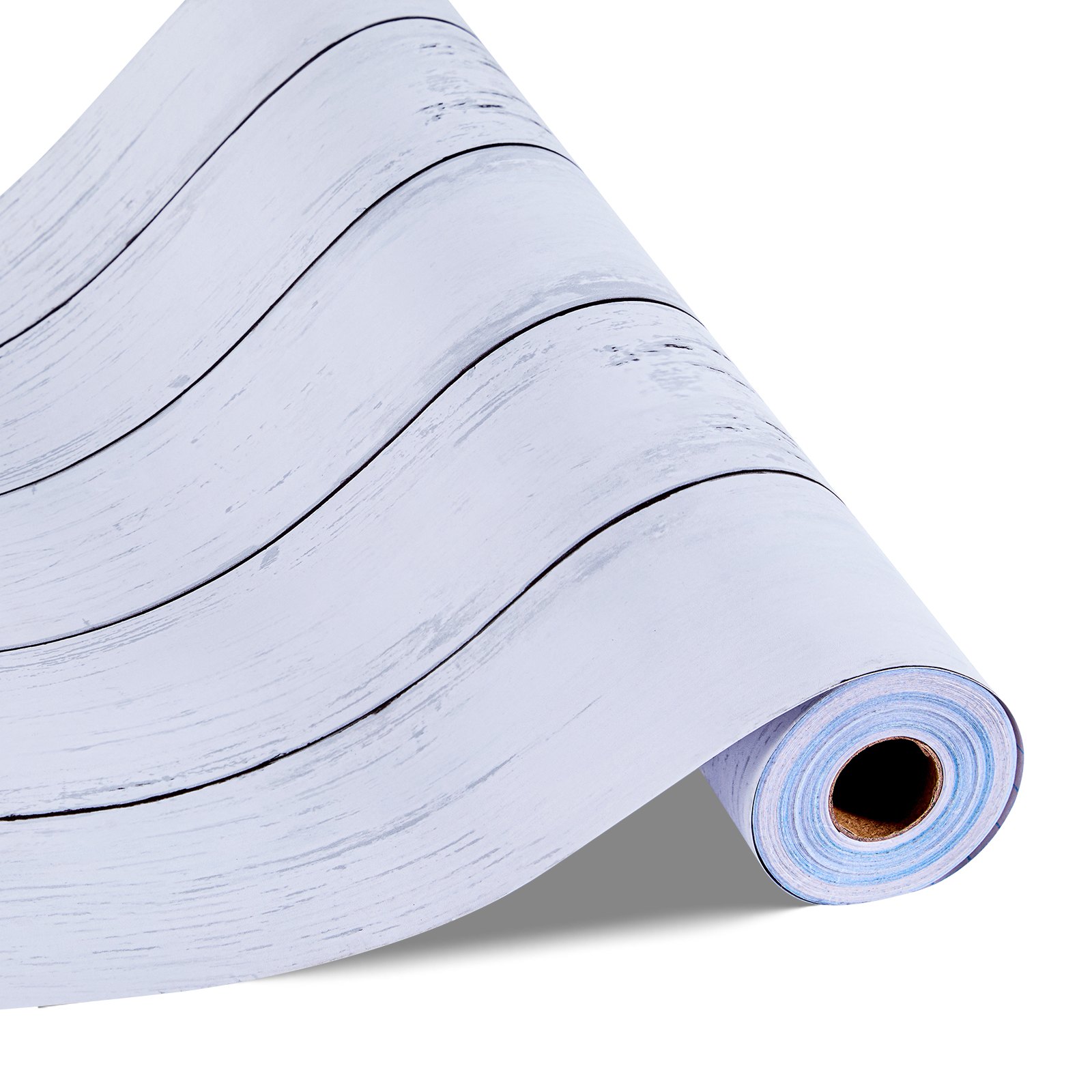 Peel And Stick Wallpaper, 17.7 X 472.4 Inch Contact Paper White Wood Textured Waterpoof Self Adhesive, Easy To Clean & Wall Decorative Vinyl Roll For Bedroom Kitchen Bathroom Office Desk$17.99View on Mallflare
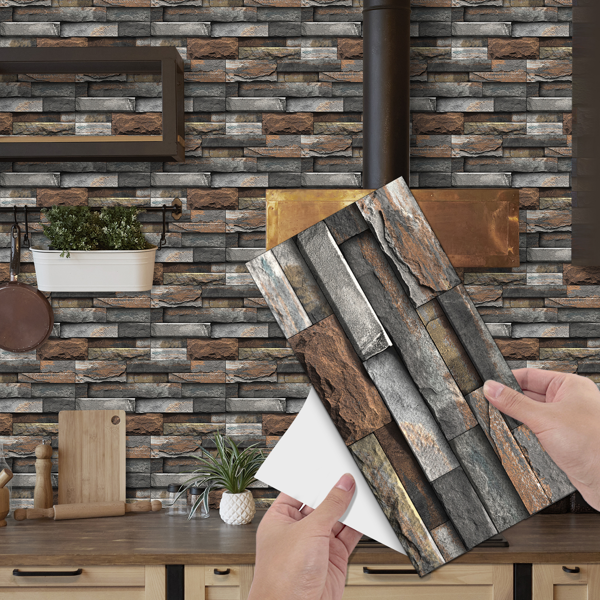 Dark Brown Marble Anti-Splash Wallpaper Peel And Stick PVC Waterproof And Oilproof Easy To Install Self-Adhesive Kitchen Bathroom Wall Decoration$30.99View on Mallflare
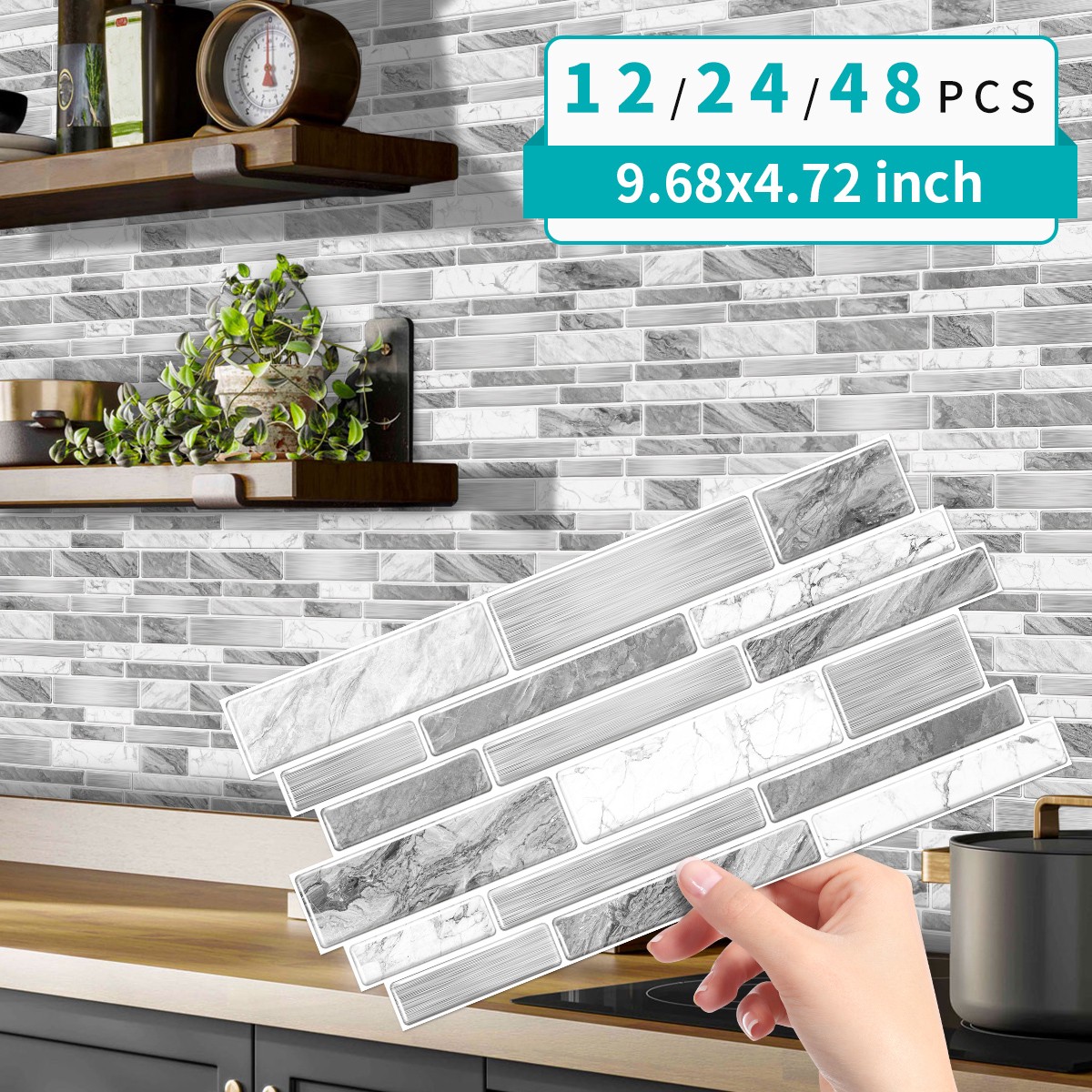 Irregular Shape Modern Grey Marble Pattern Peel And Stick Wallpaper Kitchen Bathroom Tile Stickers$30.99View on Mallflare
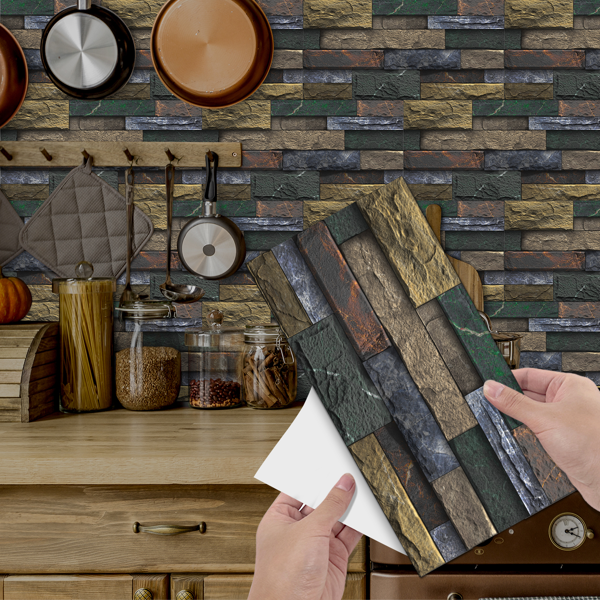 Peel And Stick Splash-proof Tile Retro Stone Brick Self-adhesive Wall Sticker PVC Decoration, Bathroom Waterproof Kitchen Oil-proof Removable Glue-free Wallpaper$30.99View on Mallflare
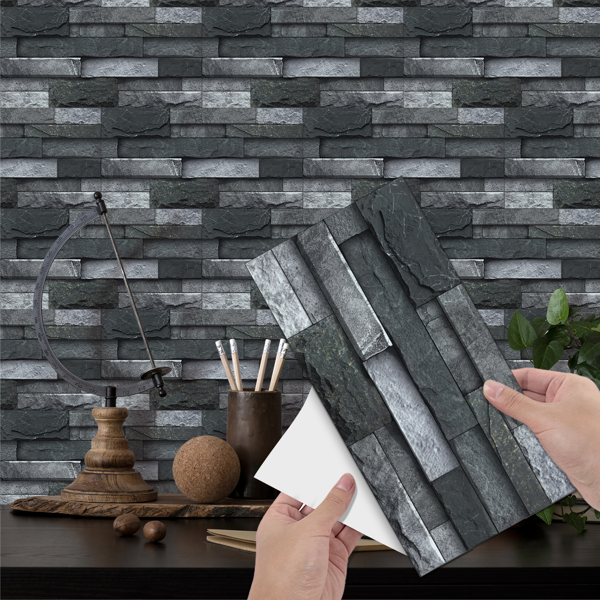 Black Gray Stone Tile Peel And Stick Wallpaper Home Decoration Waterproof Self-Adhesive For Bathroom Kitchen Living Room Splash-proof Removable No Glue Required Easy To Install$30.99View on Mallflare
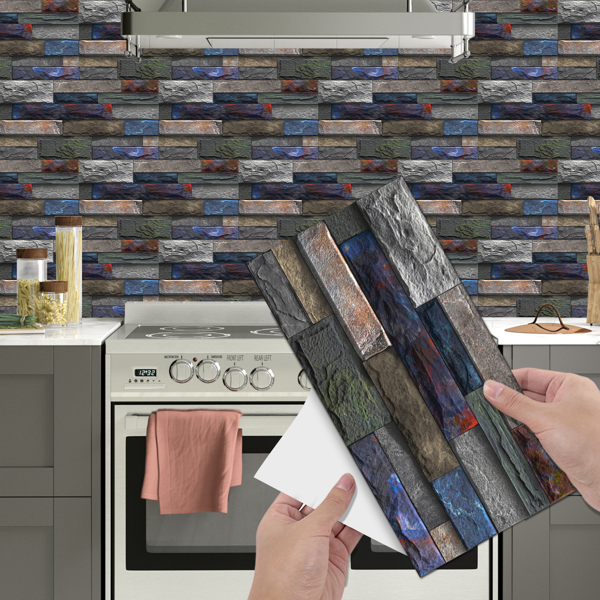 Peel And Stick Wallpaper Retro Stone Brick Self-adhesive Wall Stickers Bathroom Kitchen Back$30.99View on Mallflare
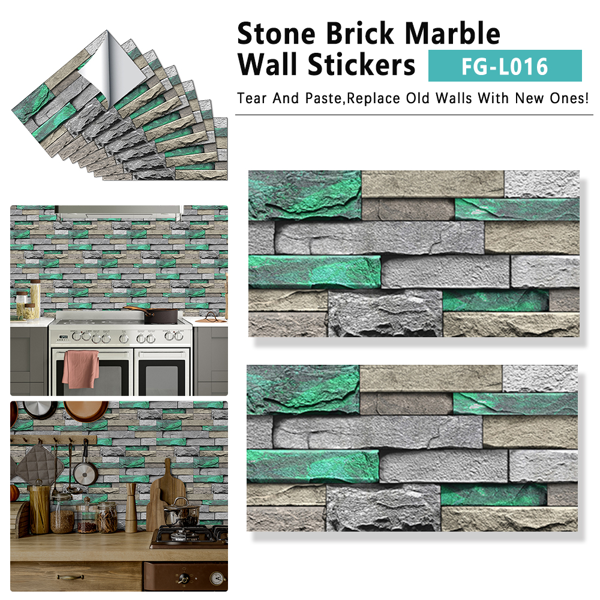 PVC Green Brick And Stone Pattern Self-adhesive Wallpaper, Removable Without Leaving Glue, Peel And Stick$30.99View on Mallflare
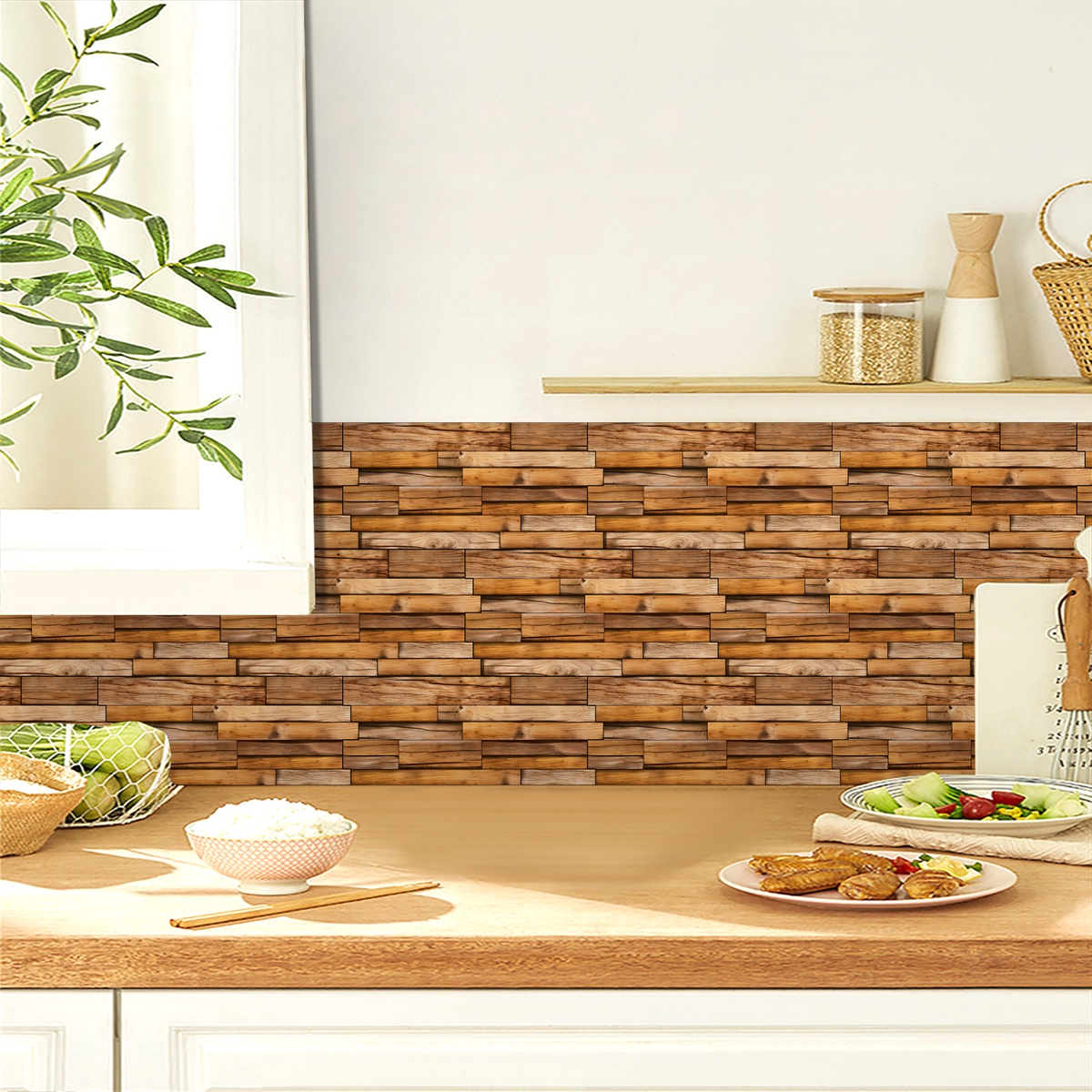 Special-shaped Wood Grain Wall Stickers, PVC Waterproof Peel-and-stick Wallpaper For Kitchen Splashback, Bathroom, Dormitory Decoration With Moisture-proof Self-adhesive$30.99View on Mallflare
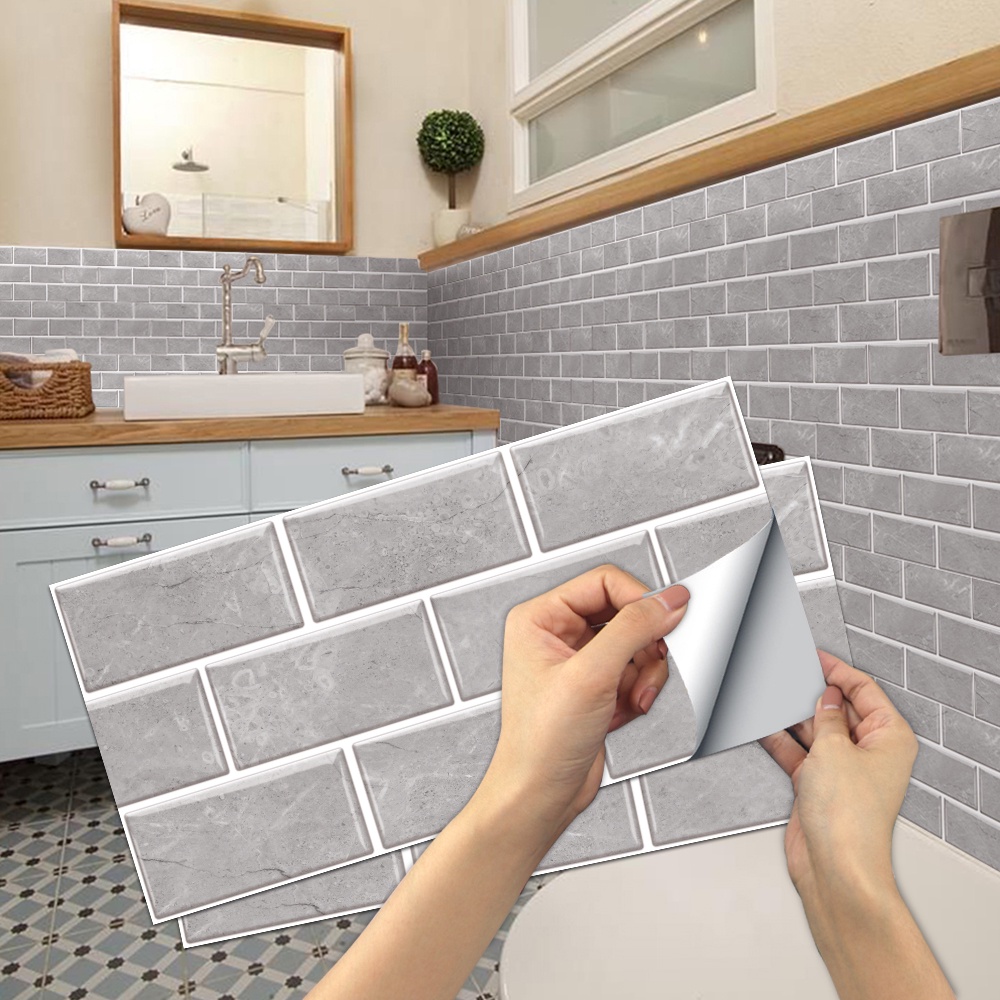 Gray Marble Pvc Wall Stickers Tile Paste Peel And Stick Wallpaper Self-Adhesive Waterproof And Oil-proof Kitchen Bathroom DIY Modern Style Decor$30.99View on Mallflare
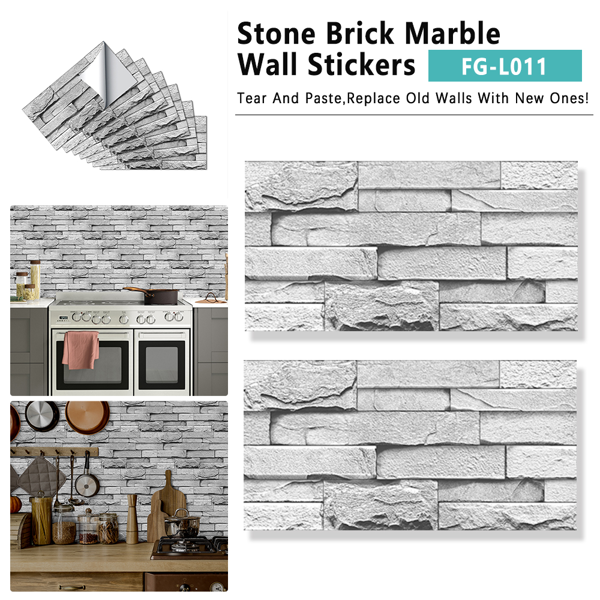 Gray Stone Brick Marble Peel And Stick Wallpaper Splash And Moisture Proof Hanging Decorative Tile Easy To Clean And Cut, Waterproof And Oil$30.99View on Mallflare
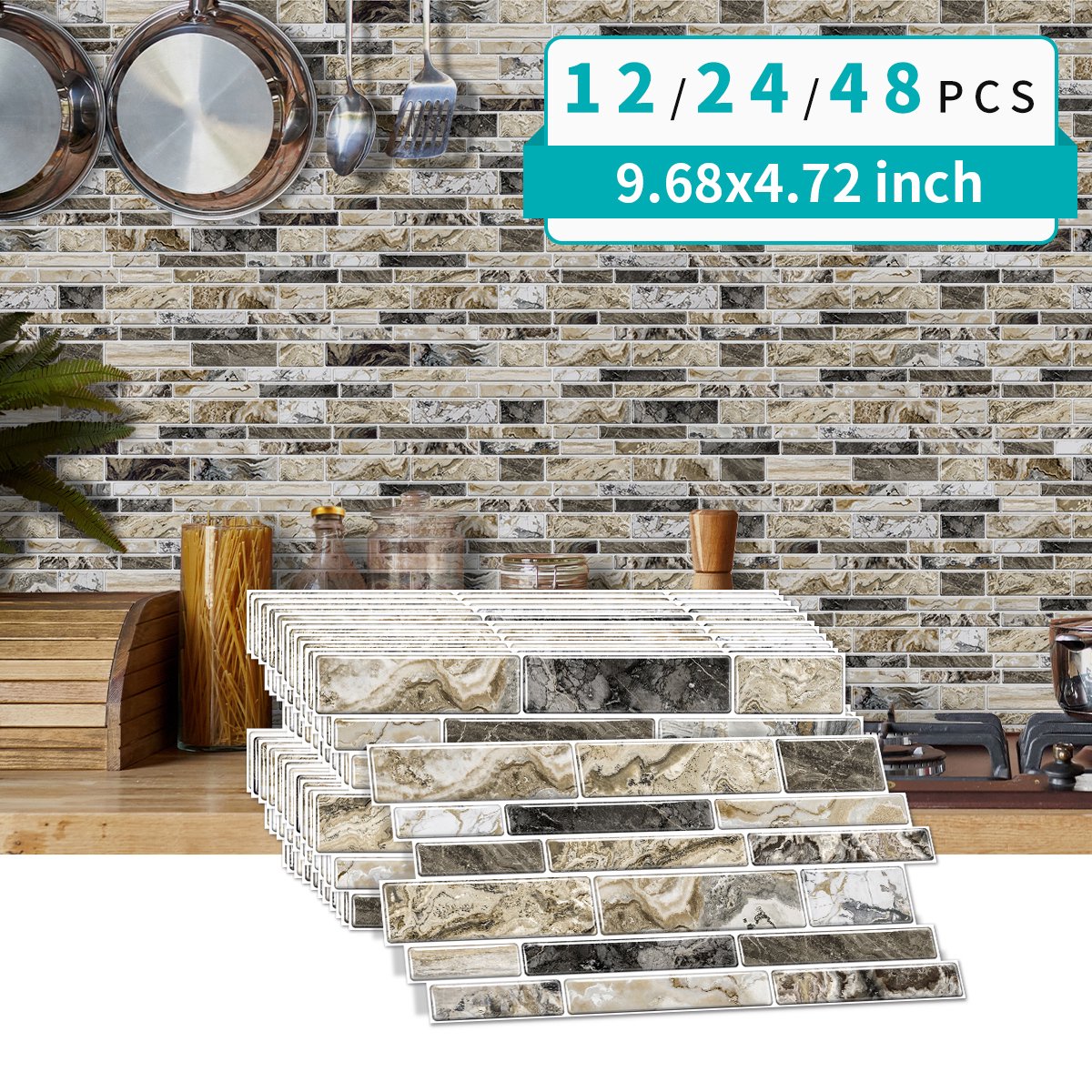 Imitation Marble Pattern Taupe Kitchen Sticker Wallpaper Peel And Stick Self-adhesive Wall$30.99View on Mallflare
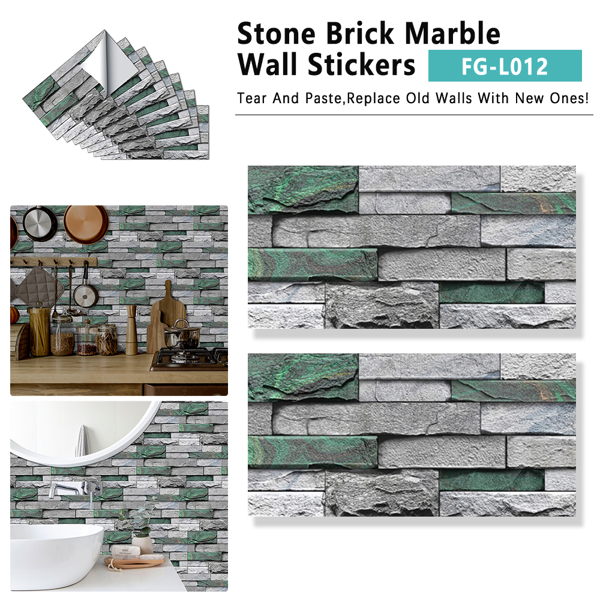 Realistic Green Stone Brick Peel And Stick Wallpaper Removable Self-Adhesive PVC Waterproof And Moisture-proof Easy To Install$30.99View on Mallflare
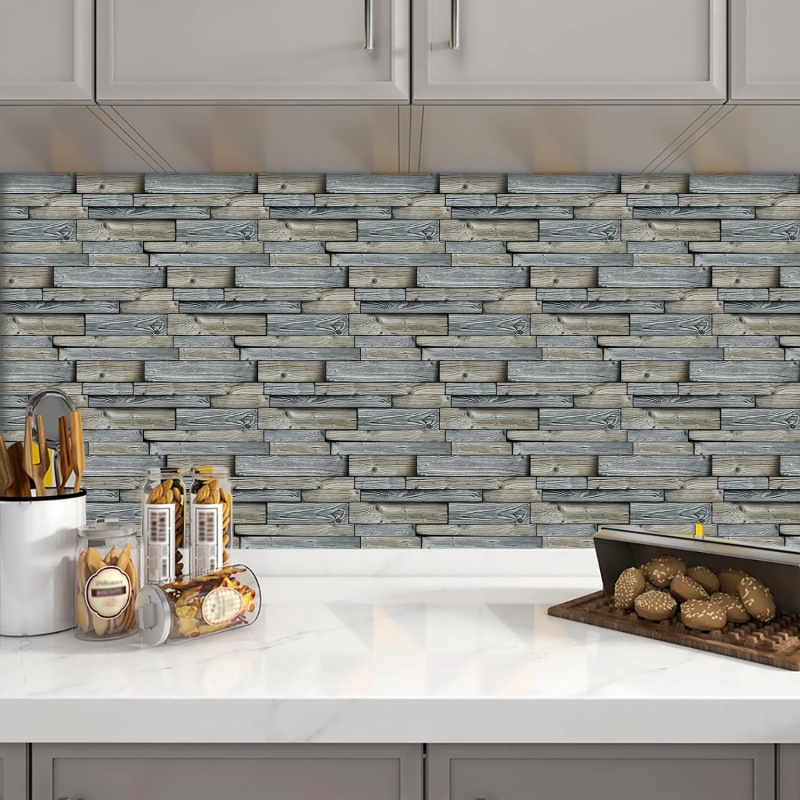 Irregular Color Matching Wood Grain Peel And Stick Wallpaper Kitchen Bathroom PVC Waterproof And Oil-proof Hanging Decoration$30.99View on Mallflare
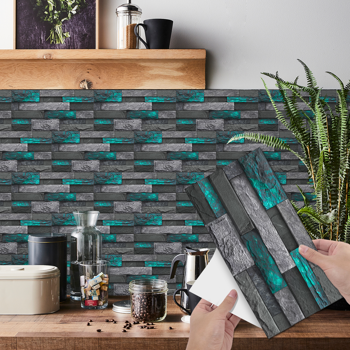 Modern Green Marble Stone Tile Peel And Stick Wallpaper Removable Self-Adhesive Wall Sticker PVC Home Decoration$30.99View on Mallflare
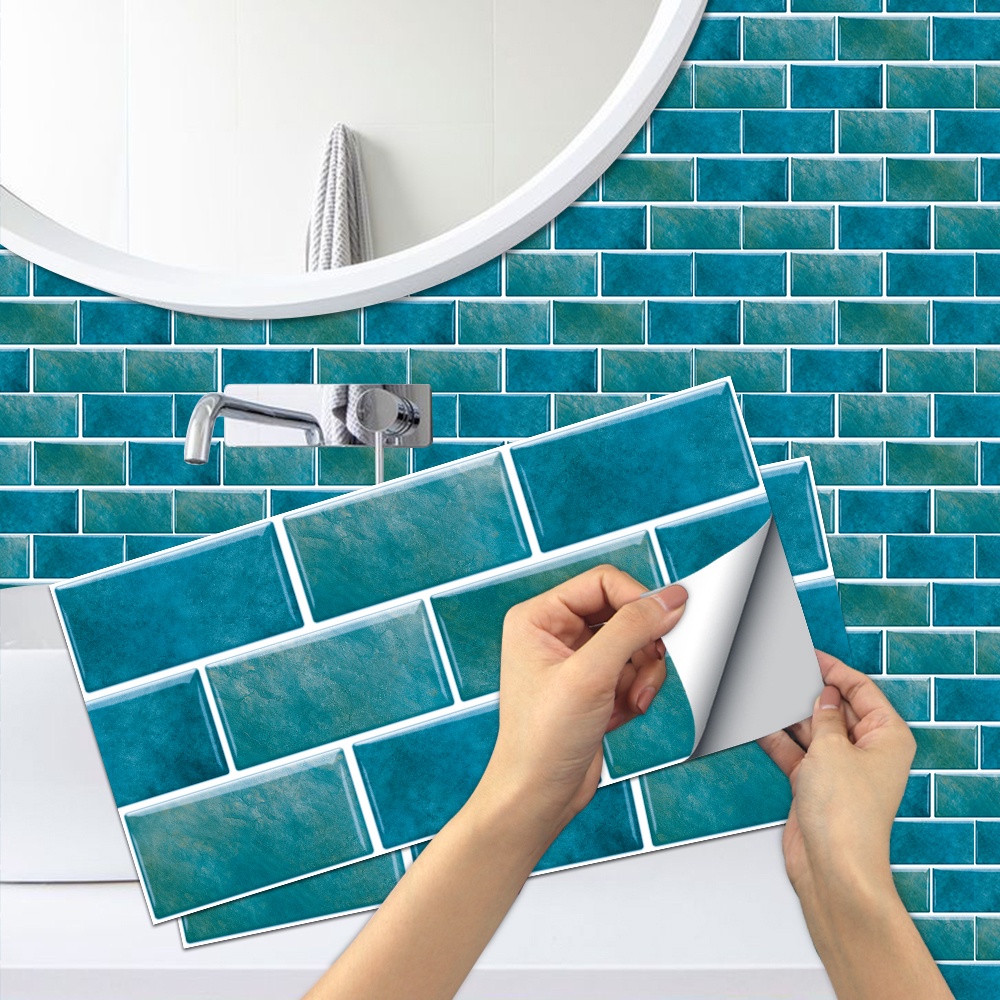 Marble Tile Wall Stickers Blue Green Peel And Stick Wallpaper Waterproof And Oil Proof Self-Adhesive Easy DIY Installation And Maintenance$30.99View on Mallflare
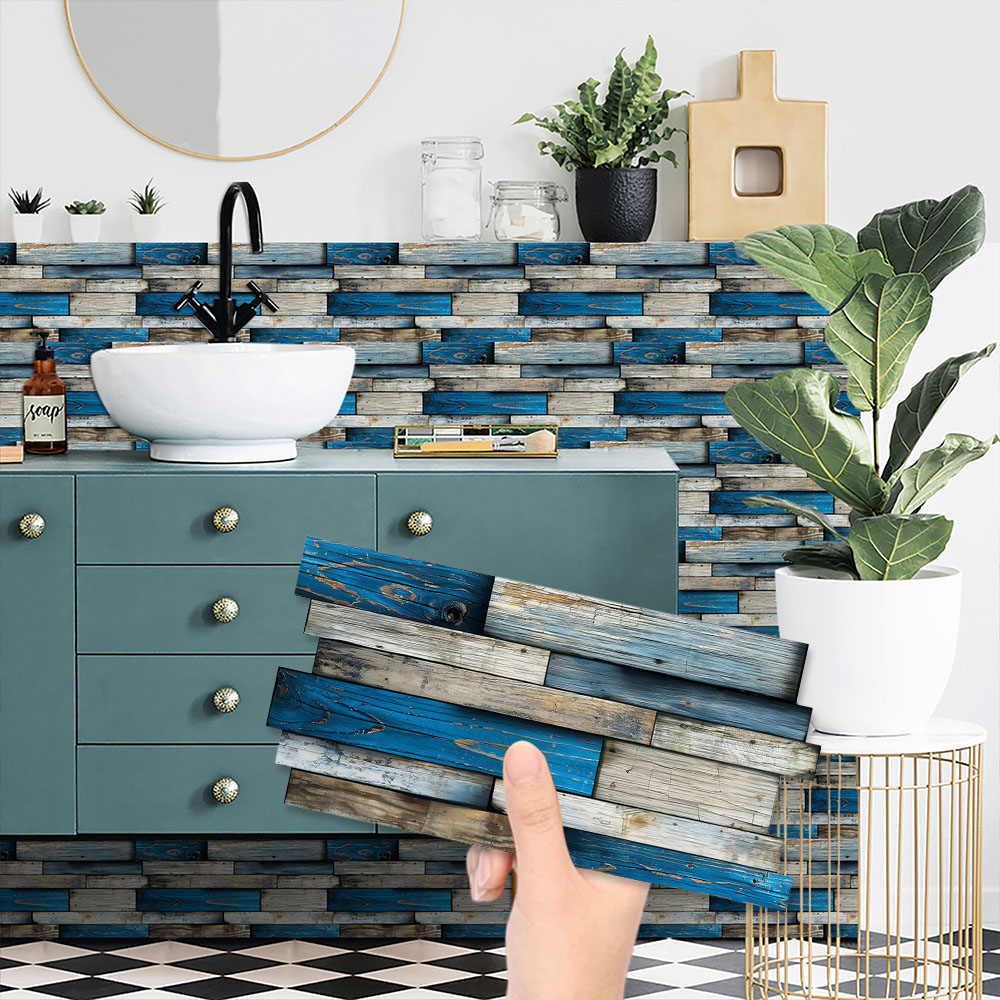 Self-adhesive Wall Stickers Blue Irregular Wood Grain Peel And Stick Wallpaper Kitchen And Bathroom PVC Hanging Decorative Tiles$30.99View on Mallflare
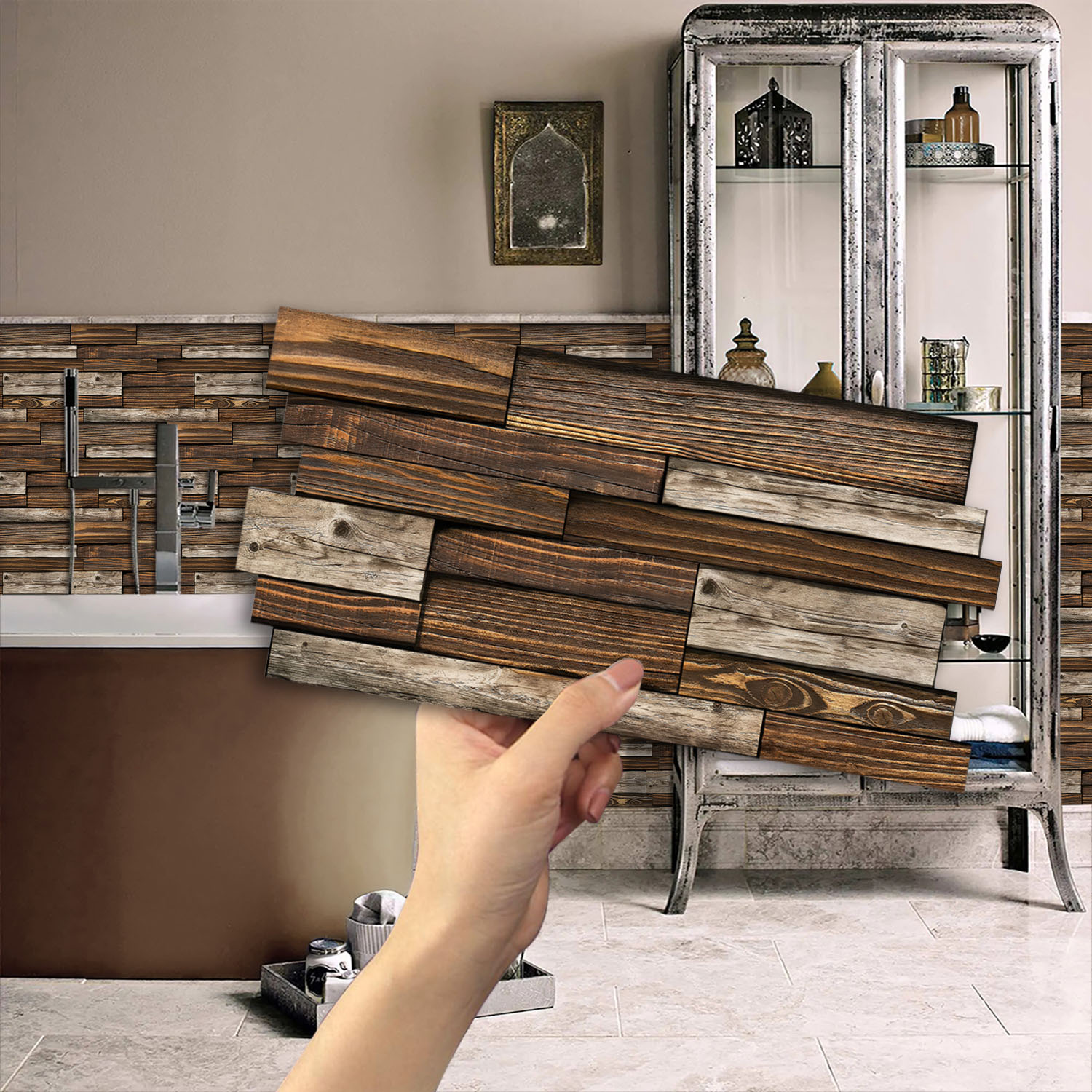 Brown Irregular Wood Grain Peel And Stick Wallpaper, Hanging Decorative Tiles, PVC Waterproof And Oil-resistant Wall Stickers, Suitable For Kitchen And Bathroom Decoration$30.99View on Mallflare
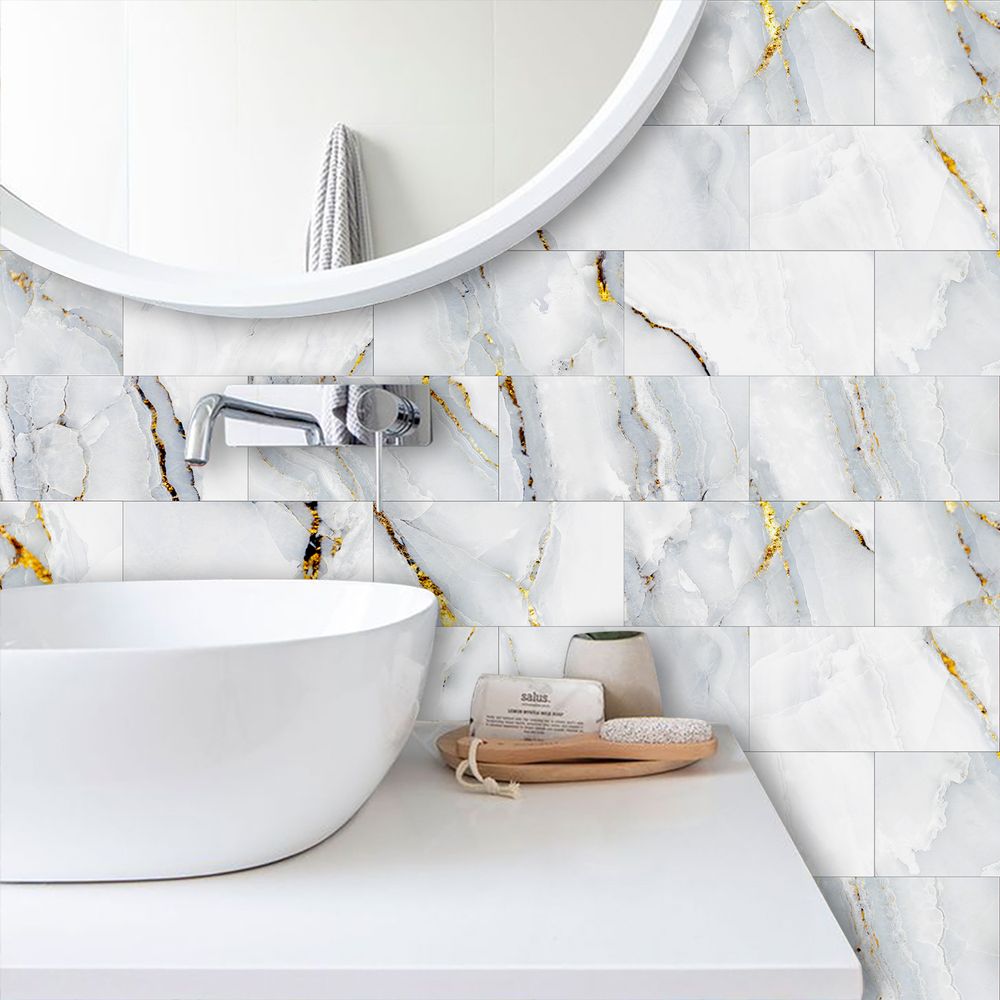 Irregular Gold Stripes Marble Kitchen Bathroom Decoration Modern Simple Style Wall Stickers Waterproof Peel And Stick Wallpaper Free Cutting PVC Self-adhesive$38.99View on Mallflare
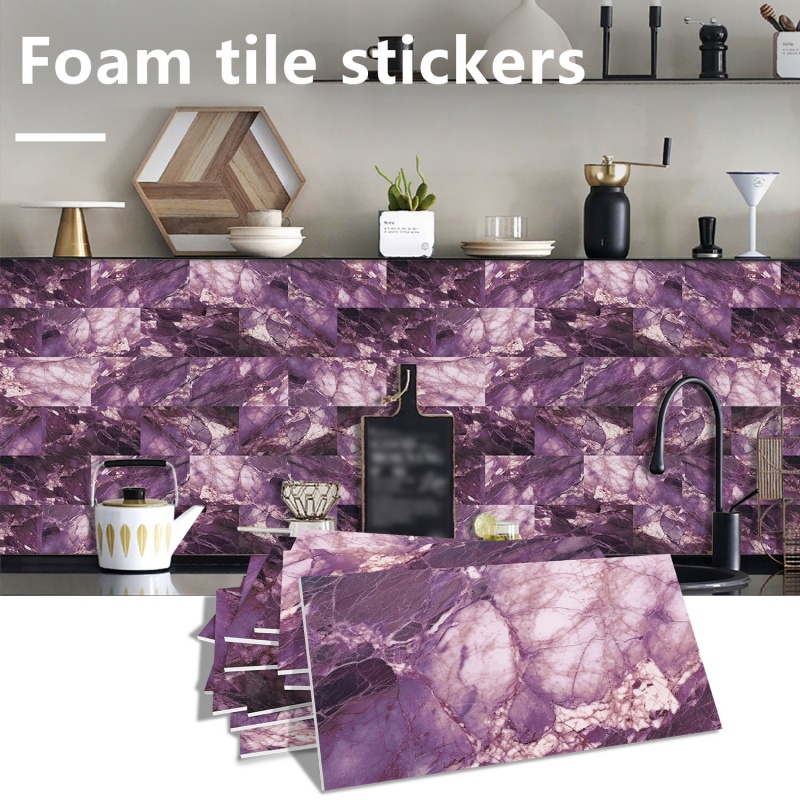 Peel And Stick Wallpaper Marble Wall Tiles, Waterproof Glossy Stickers And Panels, Dreamy Purple Imitation PVC Shower$38.99View on Mallflare
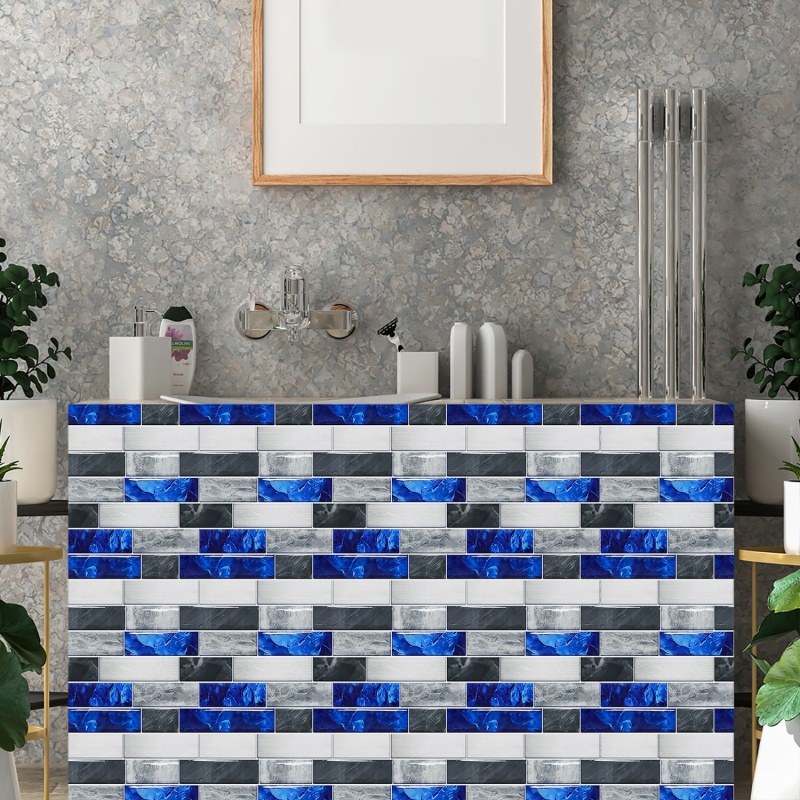 Blue Grey Marble Effect PVC Self Adhesive Kitchen Splashback Tile Waterproof Peel And Stick Wallpaper Easy To Install DIY$51.99View on Mallflare
Highlights
- PVC vinyl is the dominant material; thickness of 0.2–0.5 mm separates flimsy film from rigid plank-look strips that resist curling at edges.
- Waterproof and oil-proof claims require a fully sealed PVC surface; paper-backed or fabric-textured products absorb moisture and fail in kitchens and baths.
- Adhesive type splits into permanent acrylic (strong, may lift paint) and removable low-tack (renter-safe, lower shear strength on textured walls).
- Plank dimensions commonly run 17.7 in wide by 472.4 in long per roll (about 58 sq ft), but true plank strips are 2–6 in wide with interlocking or butt-joint edges.
Best use cases
- Best fit: kitchen backsplash or bathroom splash zone — pick thick PVC with oil-proof and waterproof rating and a smooth, non-porous finish; skip thin paper-backed film.
- Best fit: rental bedroom or dorm accent wall — choose removable low-tack adhesive on smooth painted drywall; avoid permanent acrylic on fresh paint or wallpaper.
- Best fit: furniture or desk refresh — use medium-tack vinyl with a peelable liner; skip thick rigid planks that cannot wrap corners or curves.
- Wrong fit: textured, brick, or unfinished concrete walls — adhesive cannot wet out and edges lift within days; skim-coat or use a primer first.
Buying tips
- Measure wall square footage and add 10–15% waste; a standard 17.7 in × 472.4 in roll covers about 58 sq ft, so a 100 sq ft wall needs two rolls.
- For wet zones, confirm PVC or vinyl construction with sealed edges; paper-backed or fabric products swell and peel even when labeled waterproof.
- Match adhesive to surface: permanent acrylic for long-term tile-look installations, removable low-tack for rentals and smooth drywall only.
- Check plank width before ordering: 2–6 in strips read as individual planks, while wide rolls mimic continuous wood-grain contact paper rather than board-by-board layout.
Specs
| Material | PVC vinyl vs paper-backed |
|---|---|
| Thickness | 0.2–0.5 mm film vs rigid plank |
| Adhesive Type | Permanent acrylic vs removable low-tack |
| Roll Coverage | ≈58 sq ft per 17.7×472.4 in roll |
Related searches
What to check before buying
- Wall surface must be smooth, clean, dry, and dust-free; glossy paint needs a light scuff or primer for adhesion.
- Measure height and width and plan pattern repeats; add 10–15% overage for cuts, corners, and misaligned seams.
- For bathrooms and kitchens, confirm the product is PVC with waterproof and oil-proof rating and avoid seams directly in the splash line.
- Check substrate compatibility: fresh paint must cure 30 days, and textured walls need smoothing compound before any peel-and-stick application.
FAQ
Data sources: eBay / Amazon listings and product attribute feeds. Updated Nov 22, 2026.
Some links on this page are affiliate links. If you buy after clicking one, we may earn a commission at no extra cost to you. This does not change which products appear here or their order. Affiliate disclosure.