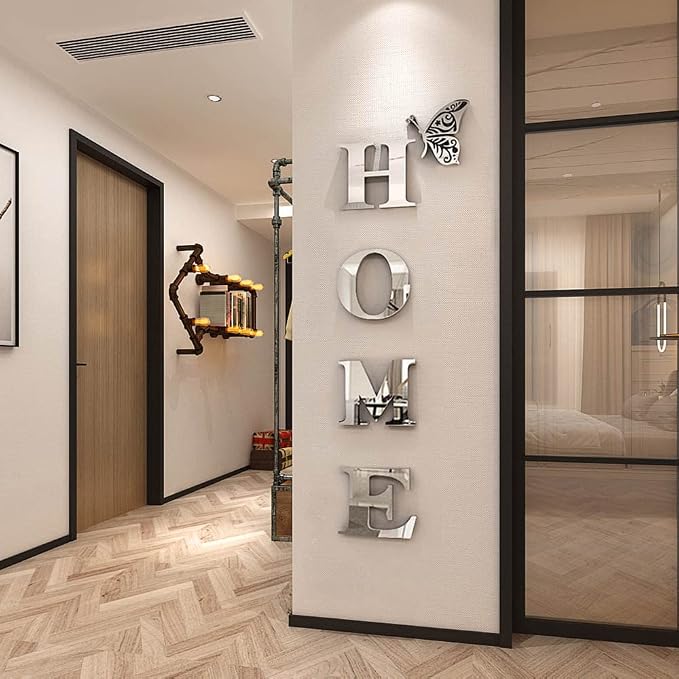

Photos from current listings. Actual item, color, and included accessories may vary.
Mirror Wall Sticker Buying Guide
Mirror wall stickers are flexible or rigid adhesive decals that create reflective surfaces on walls without glass. The primary trade-off is between acrylic or PET plastic (light, shatter-resistant, but optically imperfect) and real glass (true reflection, heavy, requires professional mounting). Choose acrylic/PET for decorative accents and rentals; choose glass only for full-wall, permanent installations where clarity is critical.
At a glance
- Category
- Wallpaper & Wall Stickers
- Last updated
- Nov 22, 2026
Current offers
Highlights
- Acrylic mirrors offer 80-90% reflectivity with slight distortion; glass mirrors deliver 95%+ clarity but weigh 5-10x more and need adhesive mounting brackets.
- PET film mirrors are thinnest (0.2-0.5mm) and cheapest but scratch easily and warp on uneven walls; acrylic (1-3mm) holds shape better for larger pieces.
- Adhesive backing varies: permanent foam tape for glass, removable static-cling or peel-and-stick for acrylic/PET—removable types fail on textured or damp walls.
- UV-resistant coatings prevent yellowing; uncoated acrylic yellows within 6-12 months in direct sunlight, so specify UV-treated for sun-facing rooms.
Best use cases
- Best fit: Renters wanting a full-length mirror look in bedrooms or hallways—pick 2-3mm acrylic sheets with removable adhesive; skip glass due to weight and wall damage.
- Best fit: Bathrooms with smooth tile or glass—use PET film mirrors with waterproof adhesive; avoid acrylic in steamy zones as edges can lift without silicone sealing.
- Wrong fit: Large floor-to-ceiling installations on painted drywall—glass mirrors require professional anchors; acrylic over 1m tall will bow and distort unless mounted on a solid backer.
- Best fit: Kids' rooms and play areas—acrylic is shatter-resistant and lightweight; never use real glass where impact is likely.
Buying tips
- Measure wall flatness: any deviation over 2mm per meter will distort acrylic mirrors; glass tolerates slight curvature but needs a rigid backing.
- Match adhesive to substrate: permanent foam tape for painted drywall, silicone for tile, and static-cling only for smooth glass—test a small patch first.
- For large acrylic pieces (over 60cm), choose 3mm thickness minimum to prevent warping; 1-2mm is only for small accents under 30cm.
- Check edge finish: polished or sealed edges resist moisture and delamination; raw cut edges on PET film fray and lift within weeks.
Specs
| Material | Acrylic vs PET film vs glass |
|---|---|
| Thickness | 1-3mm acrylic / 0.2-0.5mm PET |
| Adhesive Type | Removable vs permanent foam tape |
| Reflectivity | 80-90% acrylic / 95%+ glass |
Related searches
What to check before buying
- Confirm wall substrate: smooth, dry, and clean—textured wallpaper or brick requires a flat backer board or the sticker will bubble.
- Verify adhesive type matches your need: removable for rentals, permanent for long-term; glass mirrors need screw anchors, not just adhesive.
- For bathrooms or kitchens, ensure the sticker is rated moisture-resistant and seal edges with silicone if near water splashes.
- Check that the mirror size fits your space without cutting—most acrylic mirrors cannot be cut cleanly without special tools and edge sealing.
FAQ
Data sources: eBay / Amazon listings and product attribute feeds. Updated Nov 22, 2026.
Some links on this page are affiliate links. If you buy after clicking one, we may earn a commission at no extra cost to you. This does not change which products appear here or their order. Affiliate disclosure.