
Photos from current listings. Actual item, color, and included accessories may vary.
Adhesive Wall Decal Buying Guide
Adhesive wall decals are peel-and-stick decorative sheets that bond to smooth interior surfaces without paste or tools, ranging from thin vinyl graphics to thick 3D foam panels. The core trade-off is adhesion vs. removability: low-tack vinyl protects paint and removes cleanly, while aggressive or heavyweight decals hold tighter but can lift paint or leave residue. Choose low-tack removable vinyl for rentals and painted drywall, and high-bond foam or metal-backed decals only for clean, sound substrates you control.
At a glance
- Category
- Wallpaper & Wall Stickers
- Last updated
- Nov 22, 2026
Current offers
Highlights
- Vinyl decals rely on low-tack acrylic adhesive that grips smooth painted drywall but releases cleanly within months; textured or freshly painted walls reduce bond strength.
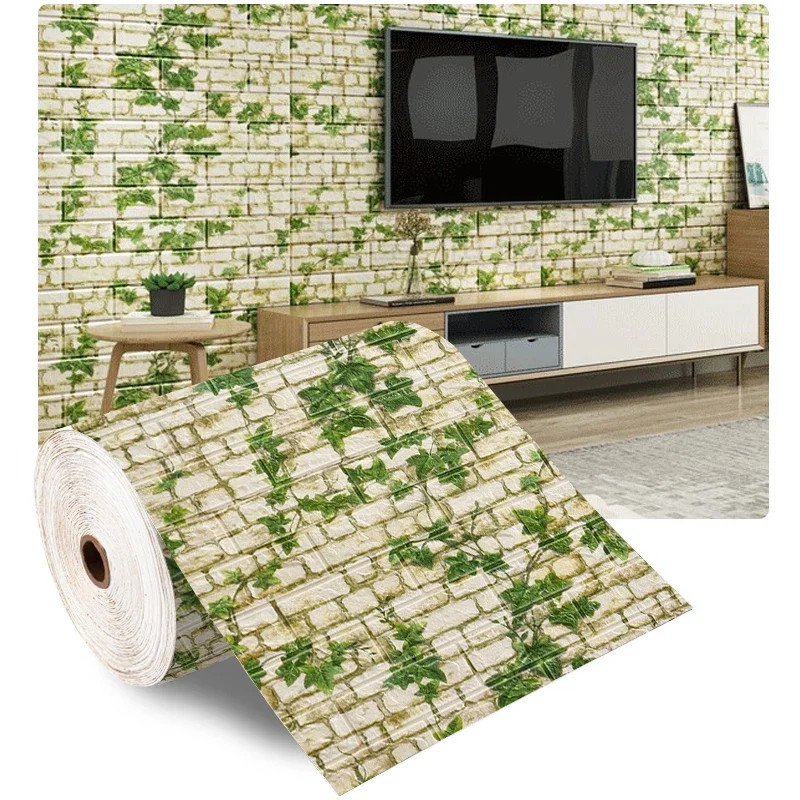
- 3D foam brick panels use double-sided PE foam tape 2-5 mm thick and are waterproof, but require flat, dust-free substrates—uneven grout or stucco prevents full contact.
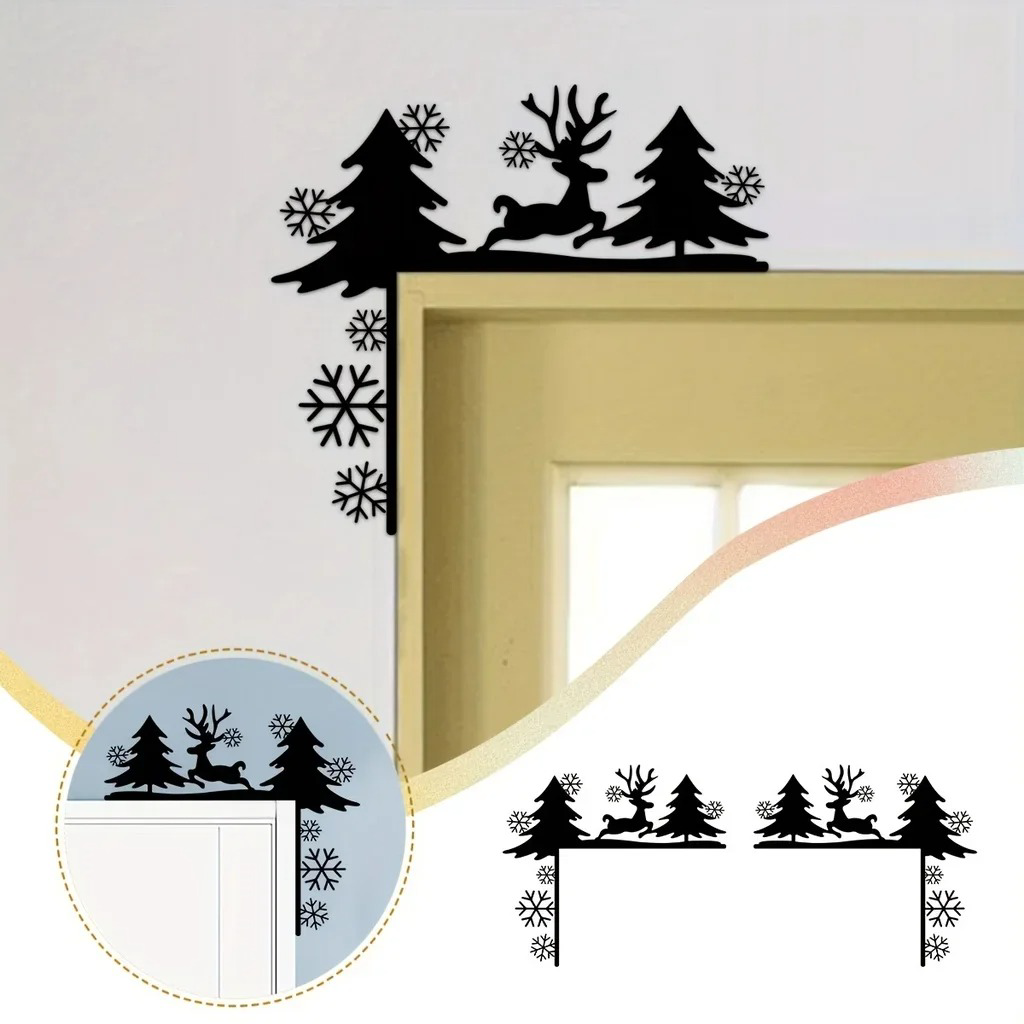
- Metal-backed decals (aluminum or tin) are rigid, rust-resistant, and wipe-clean, but weigh more and need strong adhesive or pre-drilled mounting points.
- Removability depends on adhesive chemistry: low-tack removable vinyl lifts without residue, while permanent solvent acrylics bond aggressively and can tear drywall paper.
Best use cases
- Best fit for rentals and dorms: low-tack removable vinyl decals on smooth painted drywall; skip high-bond foam panels that can pull paint on move-out.
- Best fit for kitchens and baths: waterproof 3D foam brick or metal-backed decals; skip paper-thin vinyl that curls in humidity.
- Best fit for accent walls and kids' rooms: thick 3D foam panels for texture; skip rigid metal decals in high-impact play areas due to weight and sharp edges.
- Wrong fit for textured brick, stucco, or fresh low-VOC paint: any adhesive decal will struggle; choose mechanical mounting or wallpaper paste instead.
Buying tips
- Measure the wall and subtract 2-4 inches on each edge; decals adhere best with a clean border and you avoid seams on outside corners.
- For 3D foam panels, calculate coverage using panel dimensions plus 1-2 mm gaps; a 12x12 in panel yields about 1 sq ft but grout lines reduce effective coverage.
- Match adhesive to substrate: low-tack removable vinyl for painted drywall and rentals; permanent acrylic or foam tape for tile, glass, and metal.
- Check thickness: 2-3 mm foam survives light bumps; sub-1 mm vinyl is decorative only and will show wall texture through the film.
Specs
| Adhesive Type | Low-tack removable vs permanent acrylic |
|---|---|
| Material | Vinyl / PE foam / metal-backed |
| Thickness Range | 0.1 mm vinyl to 5 mm foam |
| Water Resistance | Waterproof foam vs standard vinyl |
Related searches
What to check before buying
- Confirm wall substrate is smooth, flat, and fully cured—wait 30 days after painting before applying any adhesive decal.
- Measure the exact installation area and check that the decal size plus border fits without trimming or overlapping corners.
- For bathrooms and kitchens, verify the decal is rated waterproof and the room has ventilation to prevent adhesive failure.
- For metal-backed decals, confirm wall structure can hold the added weight and use the included mounting hardware or strong double-sided tape.
FAQ
Data sources: eBay / Amazon listings and product attribute feeds. Updated Nov 22, 2026.
Some links on this page are affiliate links. If you buy after clicking one, we may earn a commission at no extra cost to you. This does not change which products appear here or their order. Affiliate disclosure.