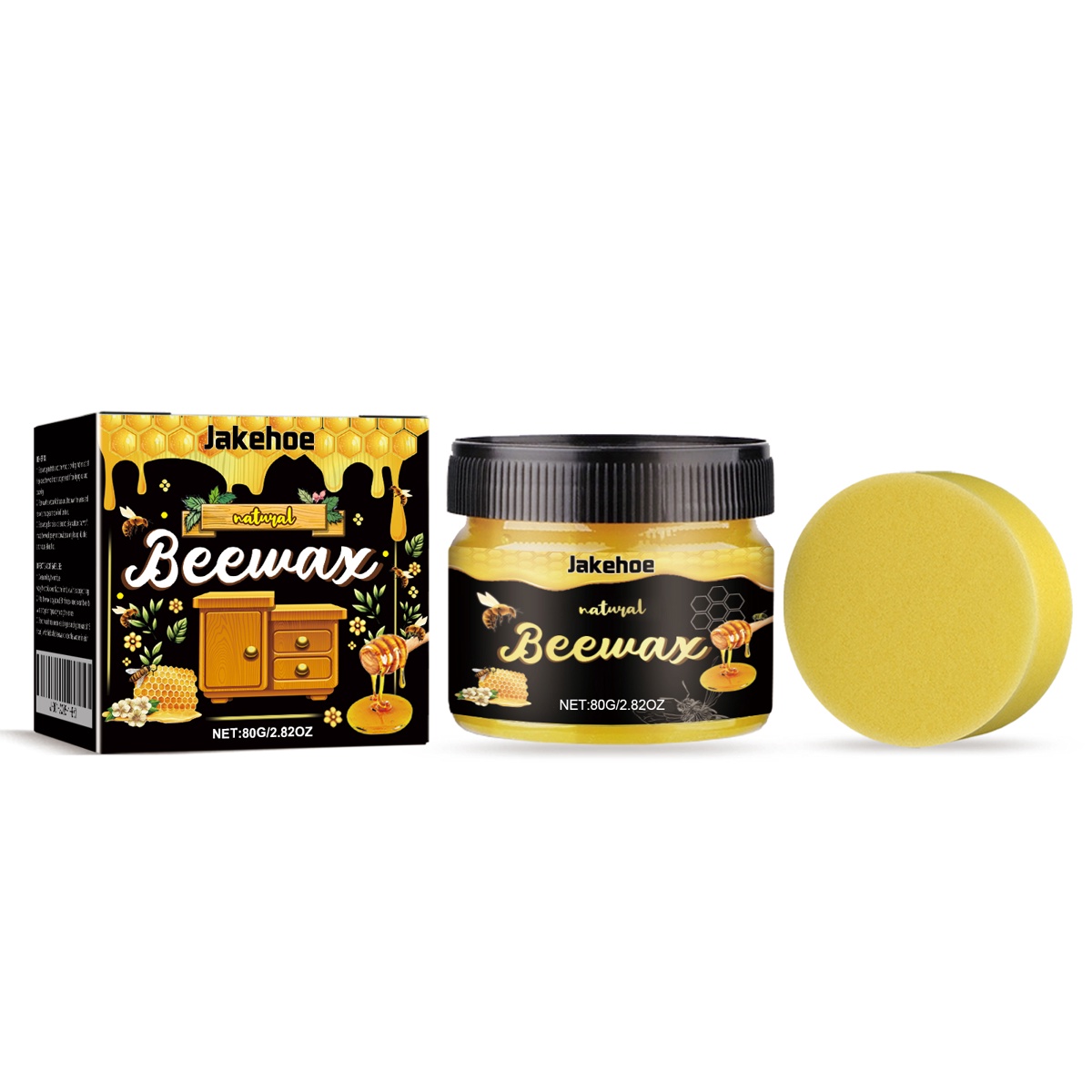

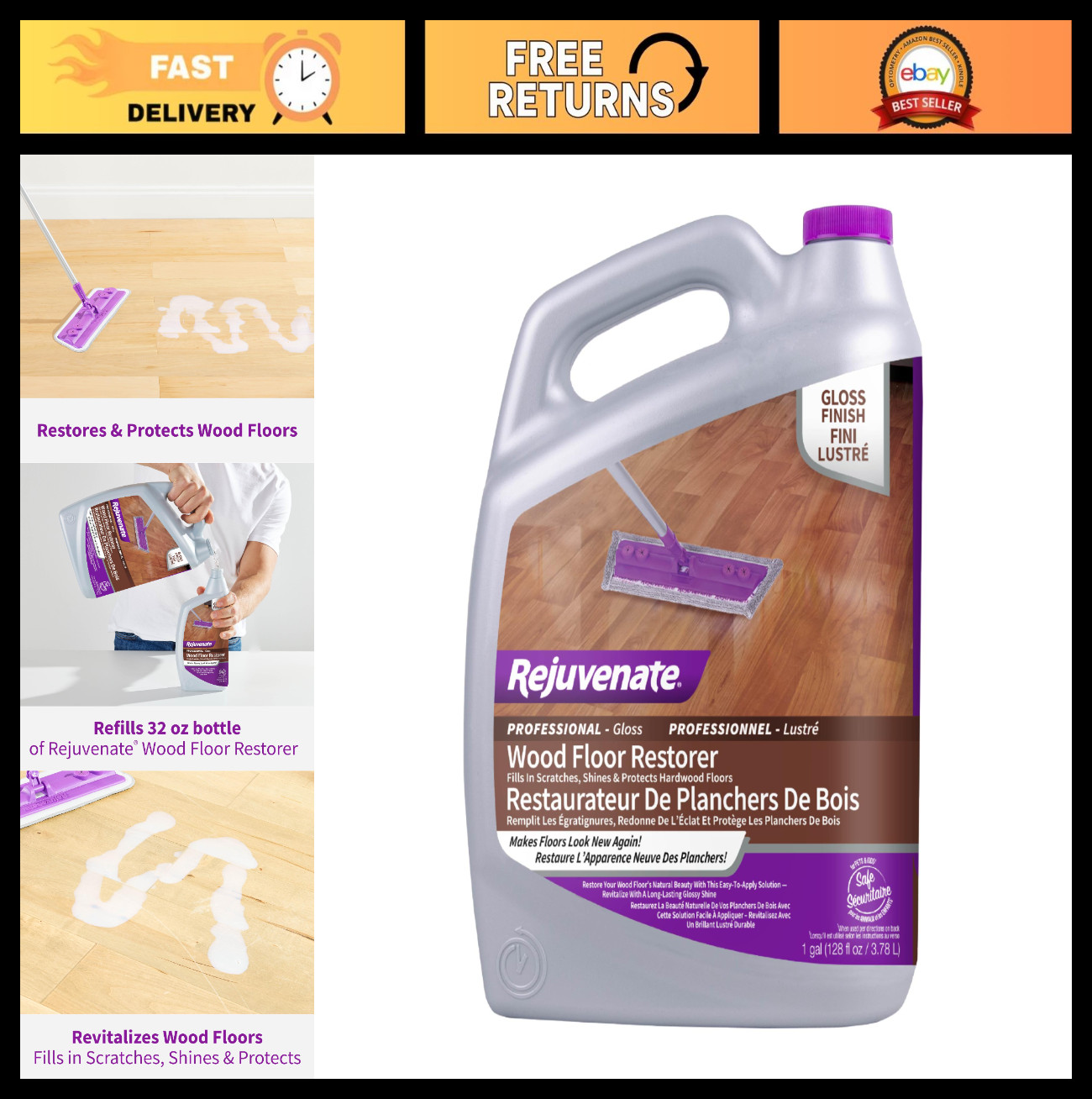
Photos from current listings. Actual item, color, and included accessories may vary.
Wood Floor Shine Buying Guide
Wood floor shine products are finishes, waxes, and restorers that add gloss and a protective layer to sealed hardwood and engineered wood. The primary trade-off is between film-forming polishes (high initial gloss but prone to buildup and yellowing) and penetrating waxes or restorers (subtle satin sheen, safer for recoating and repairs). Choose a penetrating wax or restorer for long-term maintenance of polyurethane-finished floors; choose a film-forming polish only for occasional gloss on worn, sealed surfaces you plan to strip and redo.
At a glance
- Category
- Household Cleaning & Paper Supplies
- Last updated
- Nov 22, 2026
Current offers
Highlights
- Beeswax and carnauba paste waxes (typically 15–30% wax solids) produce a soft satin sheen and are re coatable without solvent stripping; polymer/acrylic emulsion polishes form a sacrificial gloss film that builds up and dulls over repeated use.
- Restorer-type liquids combine a cleaning surfactant with a thin acrylic or urethane film (often 5–15% solids) to fill micro-scratches and boost gloss in one pass, but they are not true sanding-and-refinish replacements.
- High-gloss results depend on floor finish compatibility: polyurethane, lacquer, and factory aluminum-oxide finishes accept wax and restorers; oil-soaped or unfinished wood needs penetrating oil, not film polish.
- Coverage tiers matter: concentrate waxes mix with water or solvent at label ratios, while ready-to-use gallon restorers cover roughly 300–500 sq ft per coat, so match container size to floor area before buying.
Best use cases
- Best fit: sealed polyurethane hardwood in normal foot-traffic areas — pick a beeswax or carnauba paste wax for a recoatable satin sheen that hides light scuffs without buildup.
- Best fit: dull but intact factory-finished engineered wood — pick a liquid restorer with acrylic solids to fill micro-scratches and restore gloss in one mop-on pass; skip paste wax, which sits on top and can haze.
- Wrong fit: unfinished, oiled, or oil-soaped wood — skip film-forming polish and wax entirely; use a penetrating oil matched to the existing oil finish, or the floor will patch and streak.
- Wrong fit: heavily worn or chipped polyurethane — skip all shine products; no polish or restorer repairs missing finish, and wax over bare wood traps dirt and causes blotchy color.
Buying tips
- Match product to finish, not wood species: polyurethane and factory aluminum-oxide finishes take wax or acrylic restorer; lacquer and shellac take wax only; oiled wood takes penetrating oil.
- Buy paste wax in tins of 1 lb or less unless you maintain multiple rooms — a little goes far, and opened tins skin over; gallon liquids suit 300–500 sq ft per coat.
- Prioritize low-VOC, water-based emulsions for occupied homes and solvent-based wax pastes for maximum sheen and durability on high-traffic sealed floors.
- Avoid silicone and oily furniture-polish additives in floor products; silicone causes recoat adhesion failures and fisheyes when the floor is eventually refinished.
Specs
| Formula Type | Paste wax vs liquid restorer |
|---|---|
| Solids Content | Wax 15–30% / Acrylic 5–15% |
| Finish Compatibility | Polyurethane, lacquer, factory finish |
| Coverage per Gallon | 300–500 sq ft per coat |
Related searches
What to check before buying
- Confirm your floor's finish type (polyurethane, factory aluminum-oxide, lacquer, oiled) before choosing wax versus restorer — the wrong category causes haze, streaks, or peeling.
- Measure the floor area in square feet and divide by the label coverage rate to buy the right container count; one gallon of restorer typically covers 300–500 sq ft per coat.
- Check ventilation and drying time: solvent waxes need 30–60 minutes between coats and 24 hours to cure; water-based restorers need 1–2 hours and stay off the floor until fully dry.
- Verify you have the companion tools — a clean microfiber mop or applicator pad, a buffing cloth, and a stripping product if you ever need to remove built-up film polish.
FAQ
Data sources: eBay / Amazon listings and product attribute feeds. Updated Nov 22, 2026.
Some links on this page are affiliate links. If you buy after clicking one, we may earn a commission at no extra cost to you. This does not change which products appear here or their order. Affiliate disclosure.