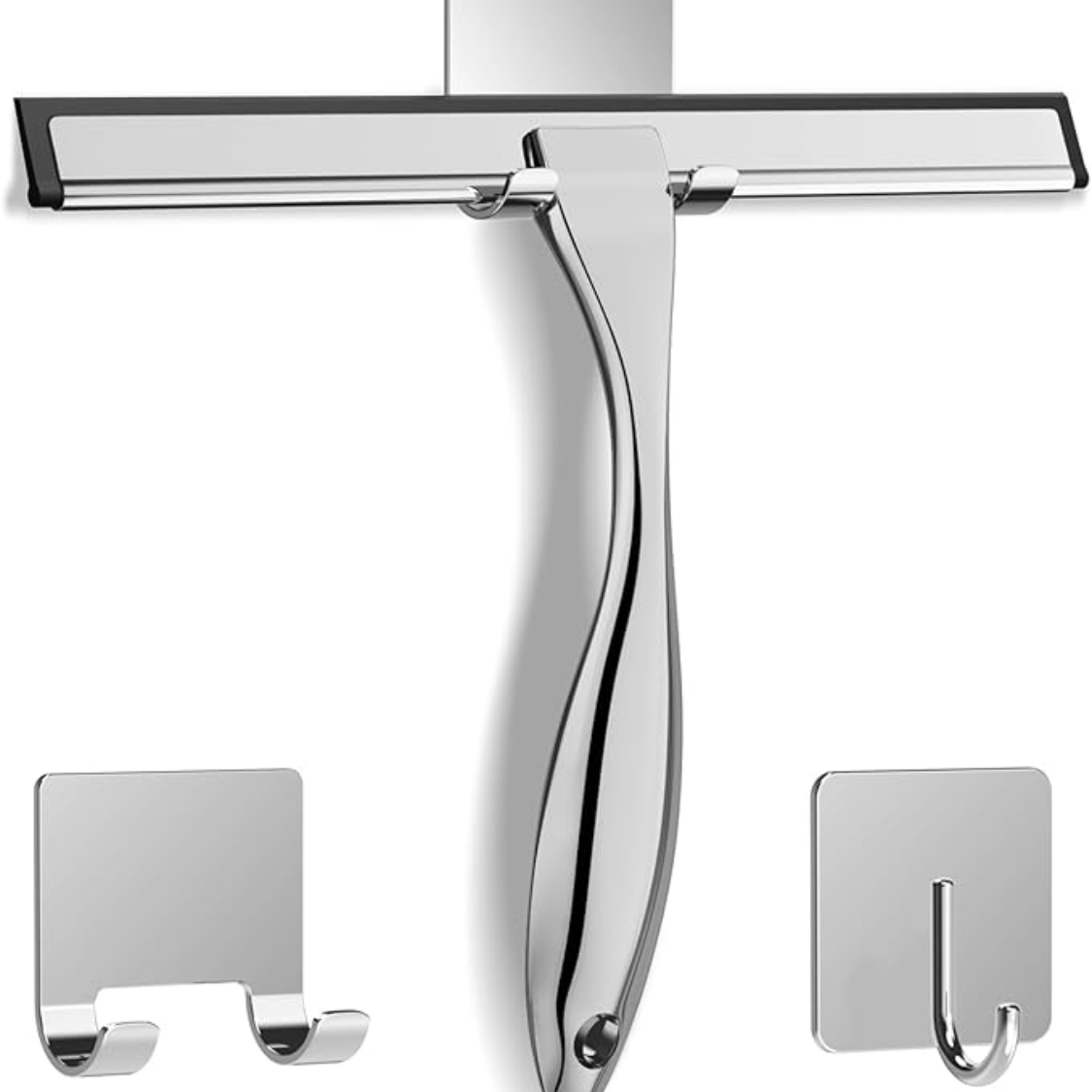

Photos from current listings. Actual item, color, and included accessories may vary.
Shower Door Cleaner Buying Guide
Shower door cleaners are formulated to dissolve hard-water minerals and soap scum without scratching glass or etching coatings. The decisive trade-off is acid strength vs. surface safety: chelated or weak-acid liquids cut calcium deposits fast but can damage untreated stone and some metal finishes, while alkaline or surfactant-only gels are safer but slower on scale. Choose a chelated hard-water formula on glass with factory-applied hydrophobic coating, and an alkaline soap-scum formula on bare glass or mixed tile surrounds.
At a glance
- Category
- Household Cleaning & Paper Supplies
- Last updated
- Nov 22, 2026
Current offers
Highlights
- Chelated citric or sulfamic acid formulas dissolve calcium carbonate scale in 3-5 minutes, but pH below 4 attacks marble, travertine, and aluminum frames.
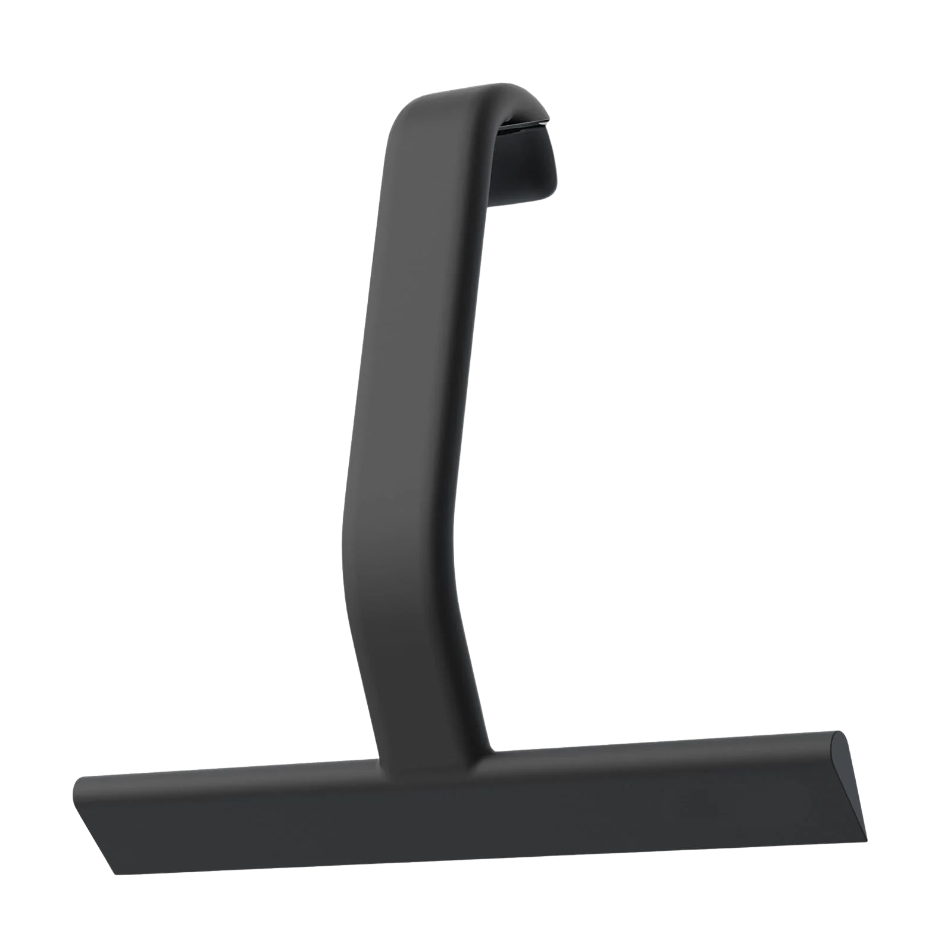
- Non-scratch tools matter as much as chemistry: 10-inch silicone squeegees with 70-80 Shore A durometer clear 3-4 mm water films without streaking glass.
- Factory hydrophobic glass coatings degrade with abrasive pads and strong acids; neutral pH maintainers extend coating life versus weekly acid cleaners.
- Alkaline surfactant gels (pH 9-11) lift soap scum and body oils effectively but leave mineral scale behind, so hard-water homes need a two-product routine.
Best use cases
- Best fit: hard-water homes with visible white spotting — pick a chelated citric-acid spray plus a 10-inch silicone squeegee used after every shower.
- Best fit: daily maintenance on coated glass — use a neutral pH spray and microfiber cloth; skip acid cleaners that strip hydrophobic layers.
- Wrong fit: natural-stone or marble shower surrounds — avoid acidic cleaners entirely; choose alkaline soap-scum removers and keep acid off the stone.
- Skip: abrasive cream cleansers and steel wool on any glass — they micro-scratch surfaces and create permanent haze that traps minerals.
Buying tips
- Match cleaner chemistry to water hardness: above 120 mg/L calcium carbonate, use a chelated acid formula 2-3 times weekly; below that, alkaline soap-scum remover suffices.
- Pick a squeegee blade width matching your glass panel: 10-inch covers standard 24-30 inch doors in two passes; 12-inch suits panels over 30 inches.
- Ventilate and wear gloves with acid cleaners; keep pH above 3 to protect chrome and anodized aluminum frames from pitting.
- Use separate cloths for cleaner and rinse water; residual acid on microfiber transfers to stone and grout on the next pass.
Specs
| Cleaner Chemistry | Chelated acid vs alkaline surfactant |
|---|---|
| Target Soil | Hard-water scale / soap scum |
| Glass Coating Safety | Neutral pH for hydrophobic coats |
| Squeegee Blade | Silicone, 70-80 Shore A, 10-12 in |
Related searches
What to check before buying
- Measure your glass panel width and frame clearance: a 10-inch squeegee needs at least 12 inches of unobstructed swing.
- Identify your water hardness from a utility report or test strip; above 120 mg/L pushes you toward chelated acid formulas.
- Confirm shower surround material: natural stone or marble rules out acidic cleaners; ceramic tile and glass tolerate them.
- Check glass coating status: factory hydrophobic coatings need neutral pH maintainers, not weekly acid treatments.
FAQ
Data sources: eBay / Amazon listings and product attribute feeds. Updated Nov 22, 2026.
Some links on this page are affiliate links. If you buy after clicking one, we may earn a commission at no extra cost to you. This does not change which products appear here or their order. Affiliate disclosure.