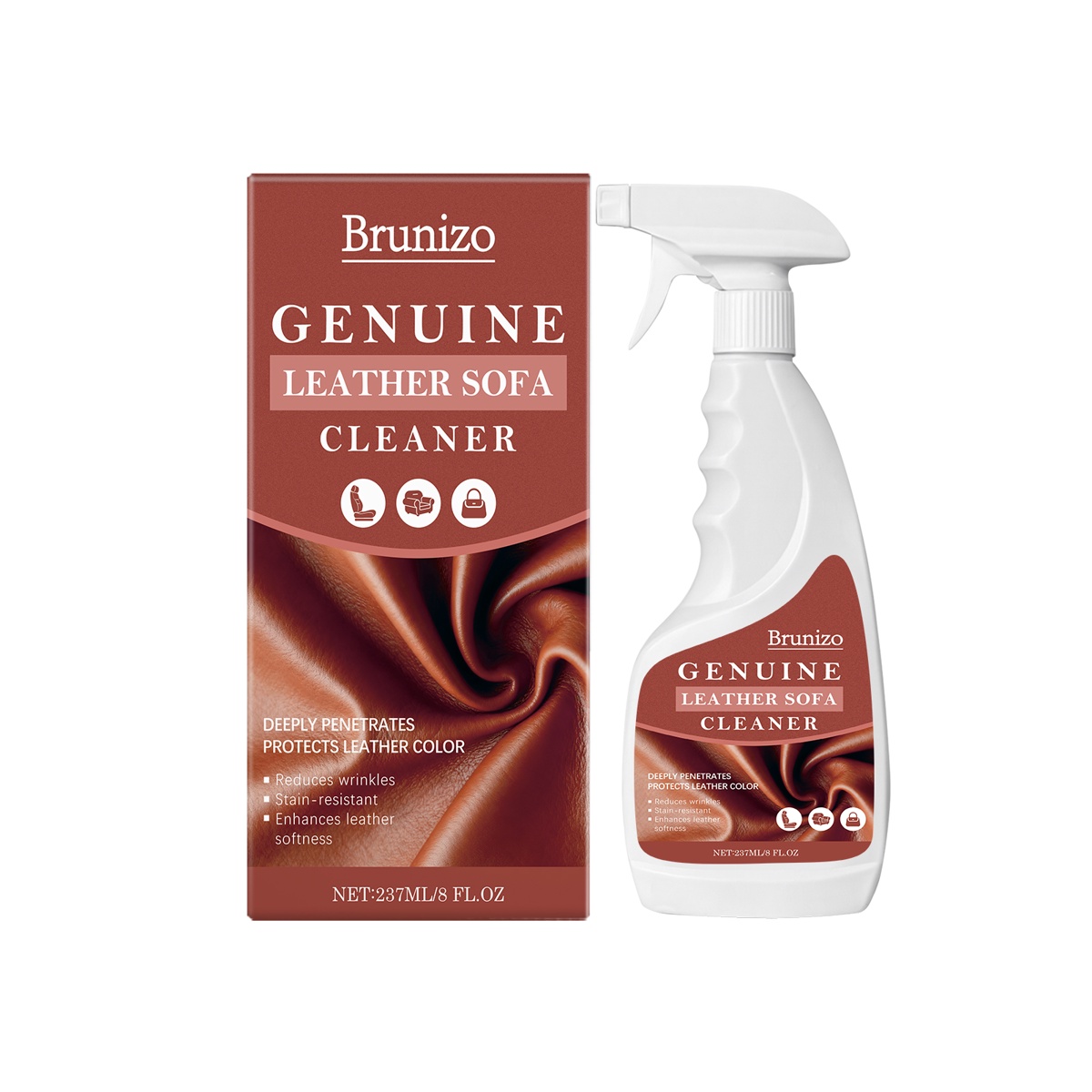

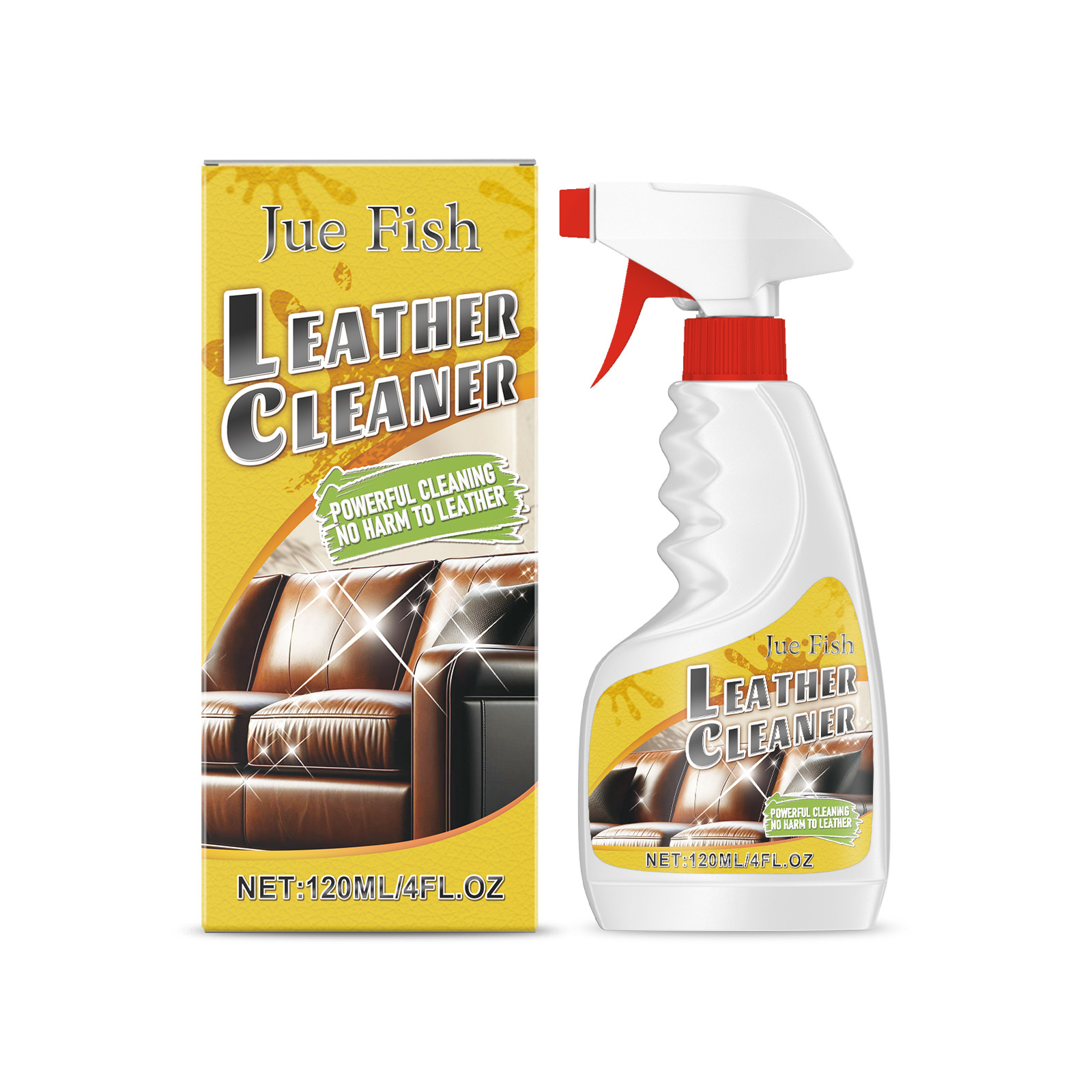
Photos from current listings. Actual item, color, and included accessories may vary.
Leather Stain Remover Buying Guide
Leather stain removers are pH-balanced cleaners formulated to lift oils, dyes, and protein stains from finished and suede leather without stripping tanning agents or collapsing grain. The core trade-off is solvent strength vs. finish safety: aggressive alkaline or solvent-heavy cleaners remove tough stains but accelerate cracking, fading, and topcoat failure. Choose a pH-neutral, water-based cleaner with dedicated suede/ nubuck and finished-leather variants; skip multipurpose all-surface sprays and high-alkaline degreasers for routine leather care.
At a glance
- Category
- Household Cleaning & Paper Supplies
- Last updated
- Nov 22, 2026
Current offers
Highlights
- Finished leather requires pH 5.5-7.5 water-based cleaners; alkaline degreasers above pH 9 strip fats and cause long-term cracking and color loss.
- Suede and nubuck need solvent-based or dry-cleaning agents; water-based cleaners matte the nap and cause permanent water rings on untreated suede.
- Foam-action pump cleaners lift embedded oils from perforated car seats with less liquid penetration than spray-and-wipe liquids, reducing seam wicking.
- Enzyme-based formulas digest protein stains (food, sweat, blood) at low pH, while solvent formulas target dye transfer and grease; no single chemistry excels at both.
Best use cases
- Car seats with oil, sweat, and dye transfer: pick a pH-neutral foam cleaner plus a soft horsehair brush; skip solvent-heavy all-purpose degreasers that dull the topcoat.
- Aniline or semi-aniline luxury furniture: use a dedicated pH-balanced aniline cleaner with no solvents or silicones; skip saddle soap and alkaline leather cleaners that darken and crack the finish.
- Suede and nubuck shoes or jackets: choose a solvent-based suede cleaner and suede brush; skip water-based finished-leather sprays that flatten nap and leave rings.
- Vinyl and bonded leather: use mild pH-neutral cleaner; skip harsh solvents and abrasives that dissolve plasticizers and cause peeling.
Buying tips
- Match chemistry to finish: water-based pH 5.5-7.5 for finished leather, solvent-based for suede/nubuck, and enzyme formulas for protein stains.
- Check the label pH or 'pH-neutral' claim; avoid products listing ammonia, bleach, or high-alkaline builders for routine leather cleaning.
- Choose foam pump or low-foam liquid for perforated and stitched seats to limit liquid wicking into seams and foam.
- For dye transfer, use a dedicated dye-transfer remover with low-abrasion applicator; general cleaners only lift surface oils and will not remove penetrated dye.
Specs
| Leather Type | Finished / Aniline / Suede / Nubuck / Vinyl |
|---|---|
| Cleaner Chemistry | Water-based pH 5.5-7.5 / Solvent / Enzyme |
| Stain Target | Oil & grease / Protein / Dye transfer |
| Application Form | Foam pump / Liquid spray / Gel |
Related searches
What to check before buying
- Identify leather type (finished, aniline, suede, nubuck, bonded, vinyl) before selecting chemistry; test cleaner on a hidden seam or underside panel.
- Confirm the cleaner is safe for the specific finish and colorfastness; avoid solvents on aniline and water on untreated suede.
- Check companion tools: soft horsehair brush for finished leather, suede brush/eraser for nap, microfiber cloths for residue removal.
- Verify ventilation and dry-time needs; solvent cleaners require airflow and longer off-gassing than water-based foams.
FAQ
Data sources: eBay / Amazon listings and product attribute feeds. Updated Nov 22, 2026.
Some links on this page are affiliate links. If you buy after clicking one, we may earn a commission at no extra cost to you. This does not change which products appear here or their order. Affiliate disclosure.