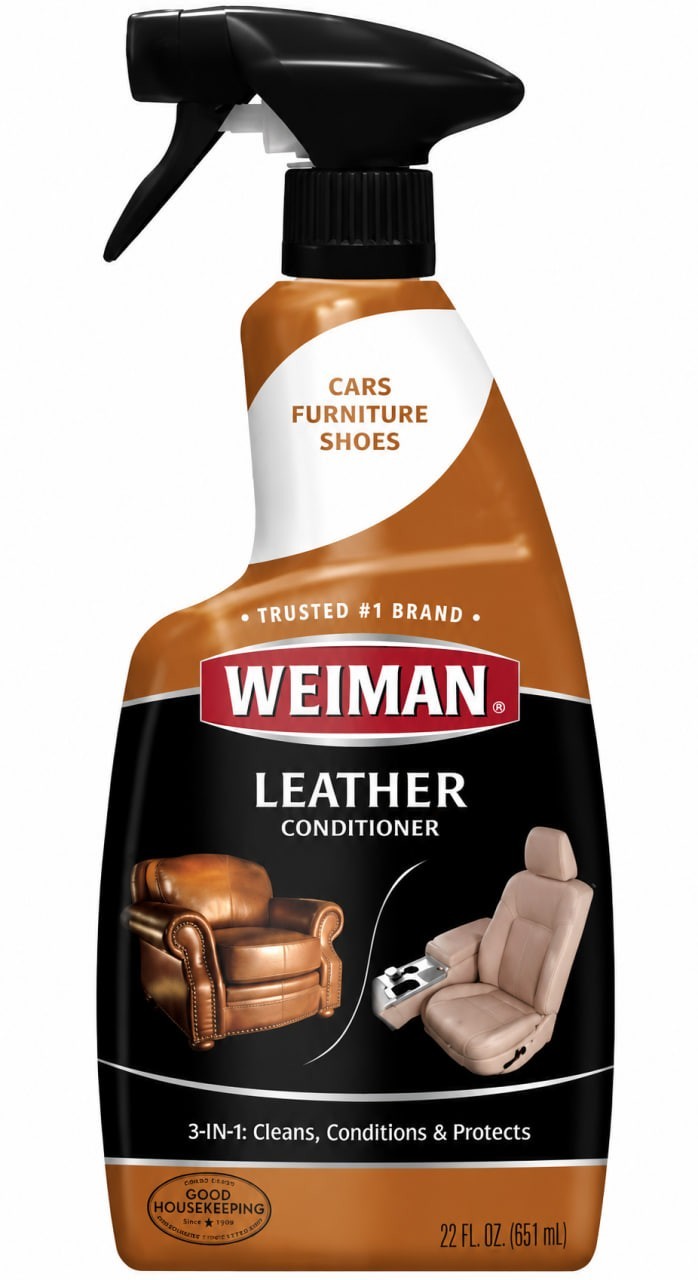

Photos from current listings. Actual item, color, and included accessories may vary.
Leather Protector Buying Guide
Leather protector is a formulated liquid or cream applied after cleaning to shield automotive, furniture, and apparel leather from UV fading, abrasion, and liquid staining. The primary trade-off is between water-based conditioners that preserve breathability and breathable factory finishes versus solvent or silicone-heavy sprays that deliver temporary shine but can degrade stitching and attract dust. The decisive rule: choose a pH-neutral, water-based protector matched to the leather's finish type (top-grain, corrected-grain, or aniline), and avoid any product that lists silicone oil or petroleum distillates high on the label.
At a glance
- Category
- Household Cleaning & Paper Supplies
- Last updated
- Nov 22, 2026
Current offers
Highlights
- Water-based protectors form a breathable film that preserves factory topcoat adhesion; solvent-based sprays can soften and lift dyed finishes over repeated use.
- UV inhibitors (typically benzotriazole or hindered amine light stabilizers) are the active ingredient that prevents car-seat dashboard cracking — a protector without a stated UV blocker is a conditioner, not a protector.
- Silicone and petroleum distillates deliver instant gloss but migrate into stitching thread and foam, causing dust attraction and weakened seams on automotive seats.
- Coverage math: a 12 oz aerosol or trigger spray treats roughly 40–60 sq ft in one light coat — a full sedan interior (front and rear seats plus bolsters) needs two 12 oz cans per treatment cycle.
Best use cases
- Best fit: a water-based, pH-neutral protector with a declared UV inhibitor for daily-driven car seats and sun-exposed living-room sofas — apply quarterly after a pH-neutral cleaner.
- Wrong fit: a heavy silicone 'restorer' on perforated or ventilated automotive leather — it clogs perforations and reduces breathability; skip it and use a light water-based mist instead.
- Best fit: aniline or semi-aniline furniture leather needs a protector labeled for unfinished or lightly finished hides; standard top-grain formulas can darken or streak aniline surfaces.
- Wrong fit: solvent-heavy spray on bonded or corrected-grain leather — the plastic topcoat already resists stains, so the solvent only adds gloss and accelerates topcoat wear; a damp cloth and mild soap is the correct maintenance.
Buying tips
- Match the formula to the finish: top-grain and corrected-grain leather take water-based conditioners; aniline and nubuck need protectors explicitly labeled for unfinished leather or they will blotch.
- Prioritize a stated UV blocker (benzotriazole or HALS) for any car-seat use — without it, the product is a conditioner and will not slow sun fading.
- Avoid silicone oil and petroleum distillates near stitching and perforated panels; they attract dust and weaken thread over repeated cycles.
- Apply a light even coat and buff dry — over-application on automotive seats leaves a tacky film that grabs lint and transfers to clothing.
Specs
| Formula Base | Water-based vs solvent/silicone |
|---|---|
| UV Protection | Benzotriazole / HALS vs none |
| Leather Finish Match | Top-grain / aniline / nubuck |
| Coverage Per 12 oz | 40–60 sq ft per coat |
Related searches
What to check before buying
- Identify your leather finish first: check the care tag or do a water-drop test — a bead that sits means finished top-grain, absorption means aniline or unfinished.
- Measure your treatment area: count seat surfaces (cushion, backrest, bolsters, headrest) and multiply by square footage; one 12 oz spray covers roughly 40–60 sq ft per coat.
- Confirm ventilation and drying space — water-based protectors need 24 hours of dry, ventilated cure before the seat or sofa is used.
- Check the spray format matches your surface: trigger spray for furniture and large panels, aerosol for tight automotive bolsters and seams.
FAQ
Data sources: eBay / Amazon listings and product attribute feeds. Updated Nov 22, 2026.
Some links on this page are affiliate links. If you buy after clicking one, we may earn a commission at no extra cost to you. This does not change which products appear here or their order. Affiliate disclosure.